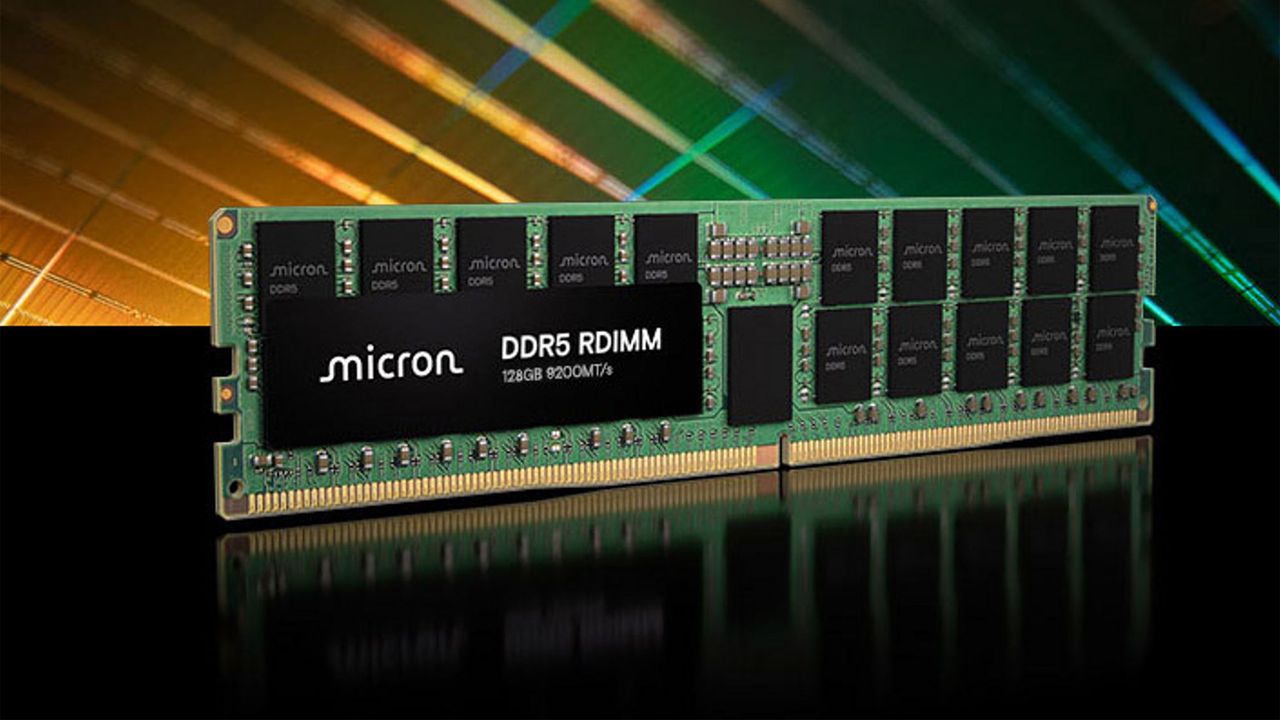
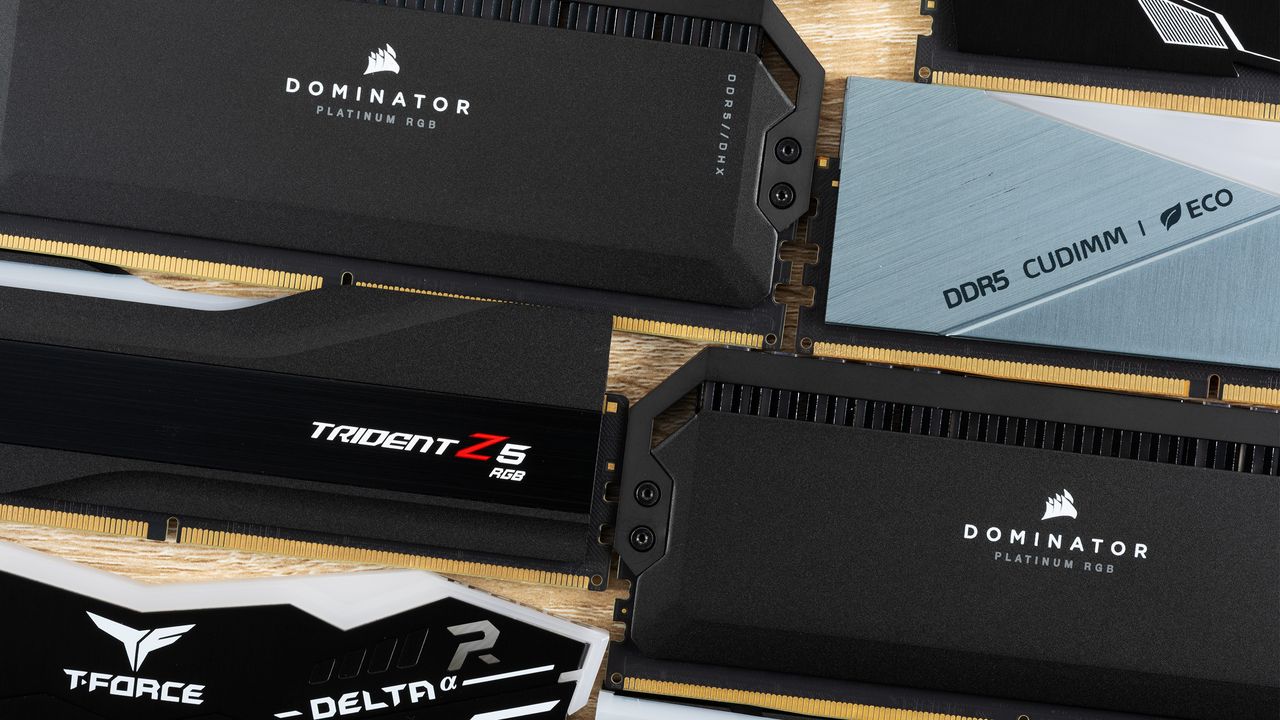
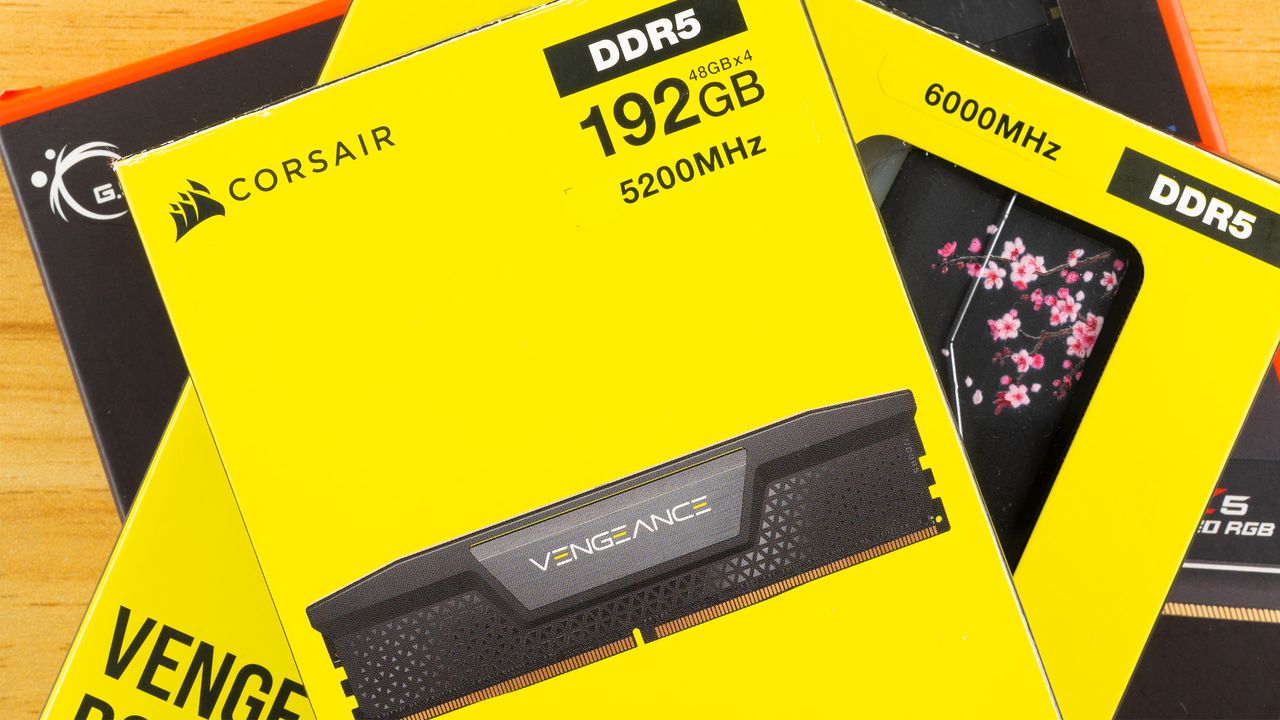
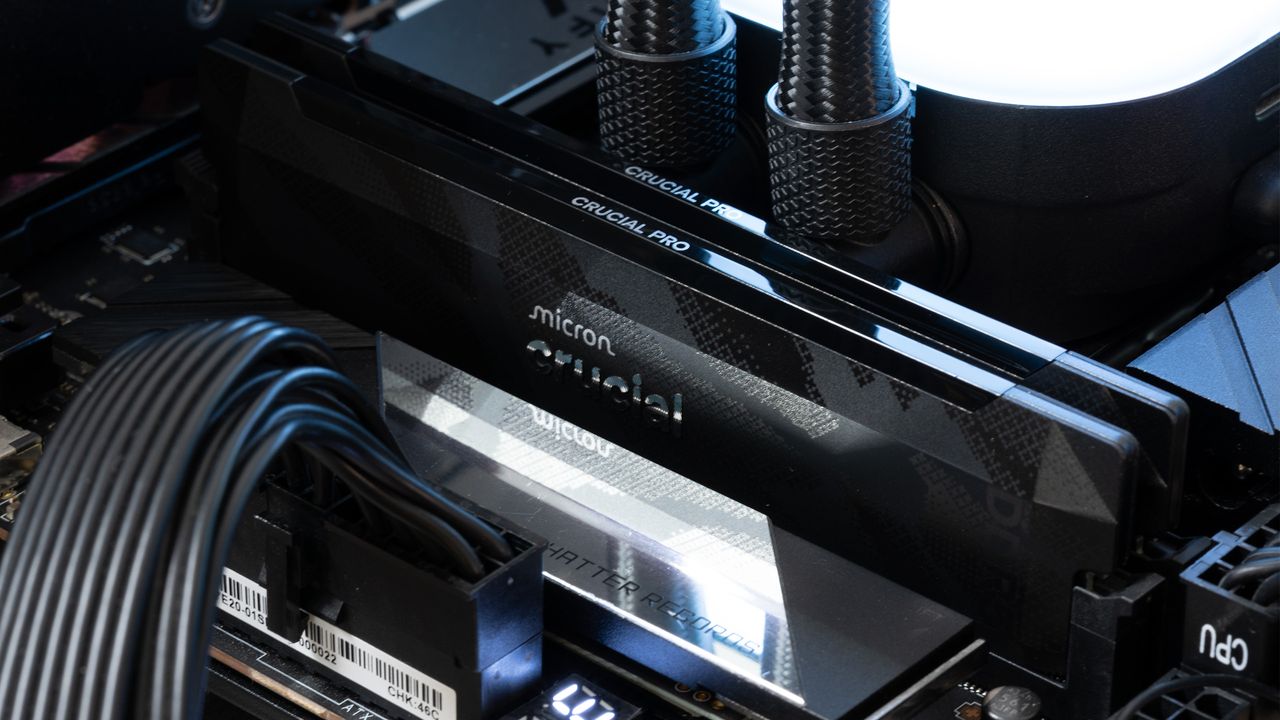
The big three memory chip makers are reportedly becoming stricter when it comes to who buys their chips, ensuring that the demand is real before allowing customers to get them.
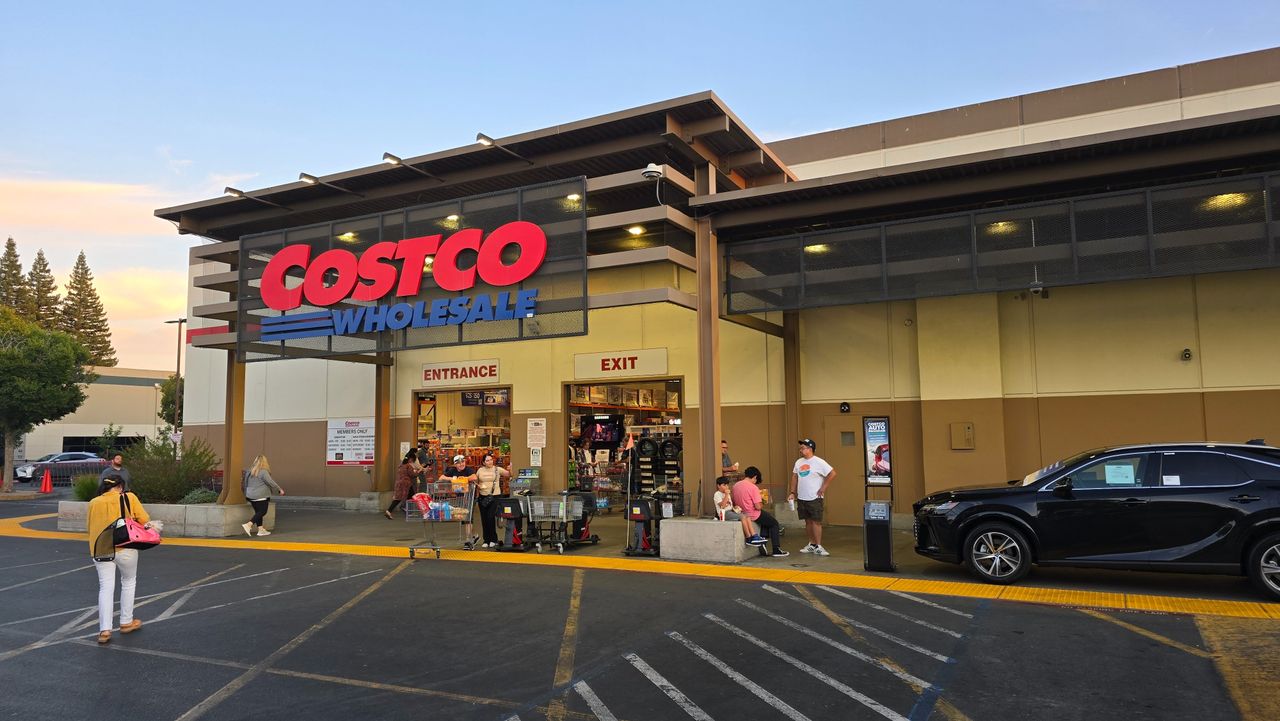
Thanks to the AI boom, RAM is worth its weight in gold — actually more if you count the price hikes it's received in the past few months — so even a large retailer like Costco is now guarding it. A customer at their local store spotted that Costco has removed RAM sticks from all PCs on display, with some removing GPUs as well.
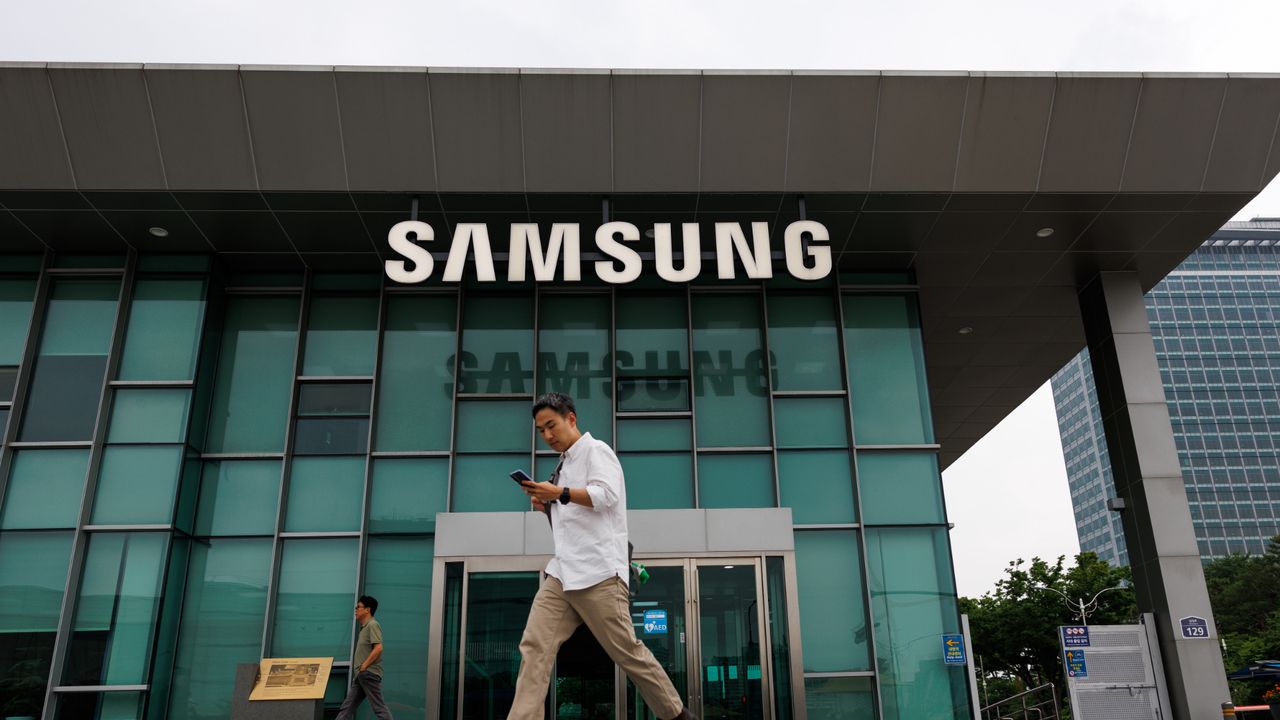
Samsung today refuted claims from the internet that it was set to raise prices on all memory products by 80%. The claims, circulating on X, were quickly refuted by Samsung itself, but the messy RAM market still doesn't look any better for it.
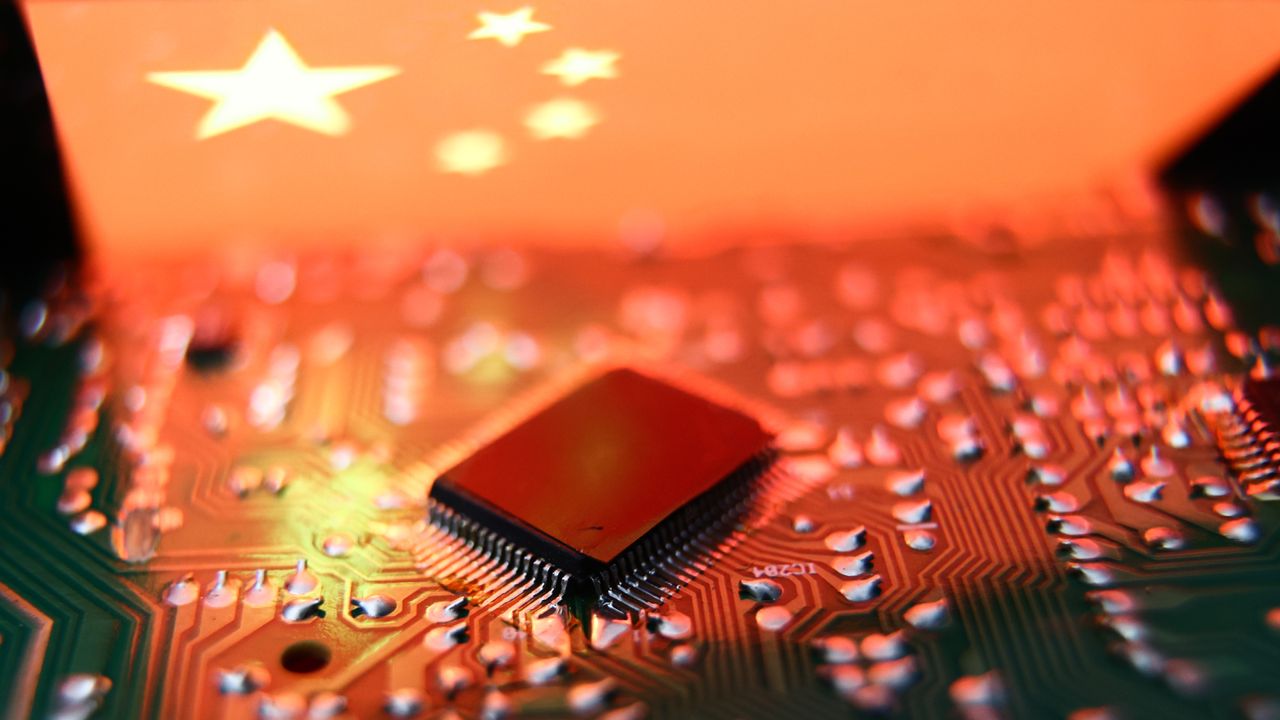
The Chinese semiconductor industry is working to localize production of HBM3 memory, in addition to the tools required for HBM assembly. However, the exact progress of these projects is unknown.
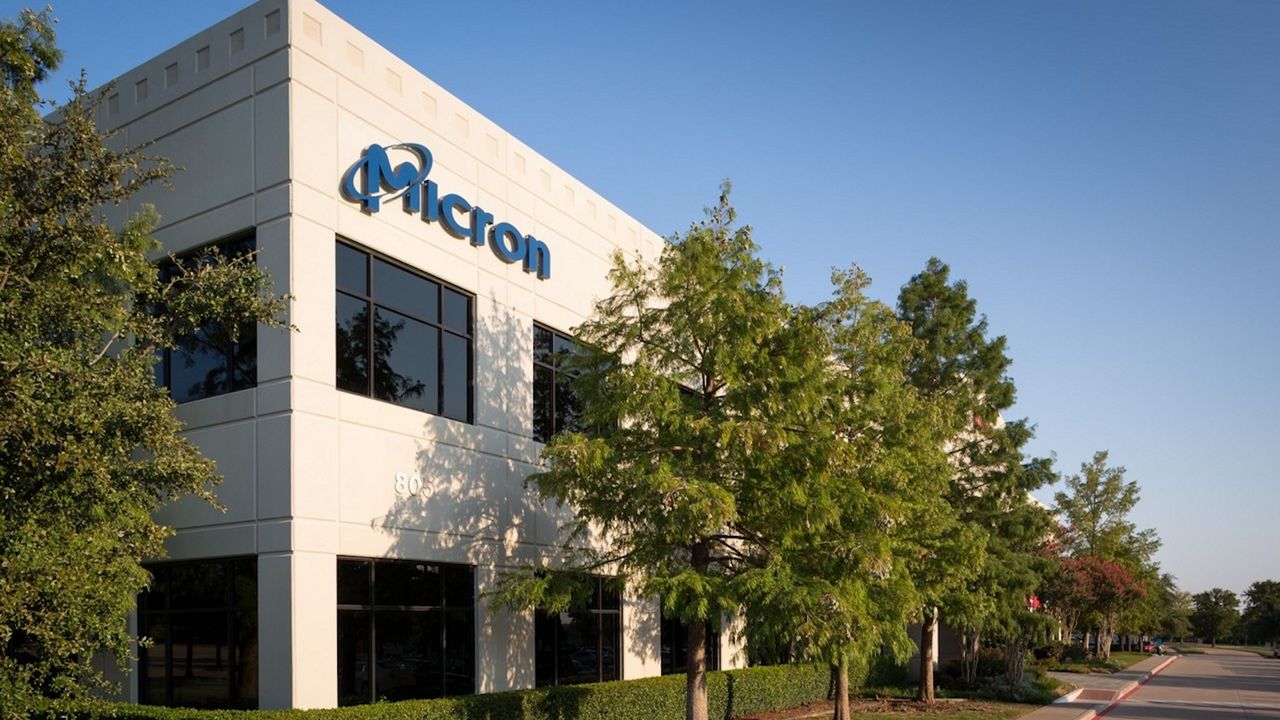
As fabs get dramatically more expensive than they used to be, technology for capacity partnerships lose their appeal, so Micron buys production facility from PSMC to upgrade it and run it itself.
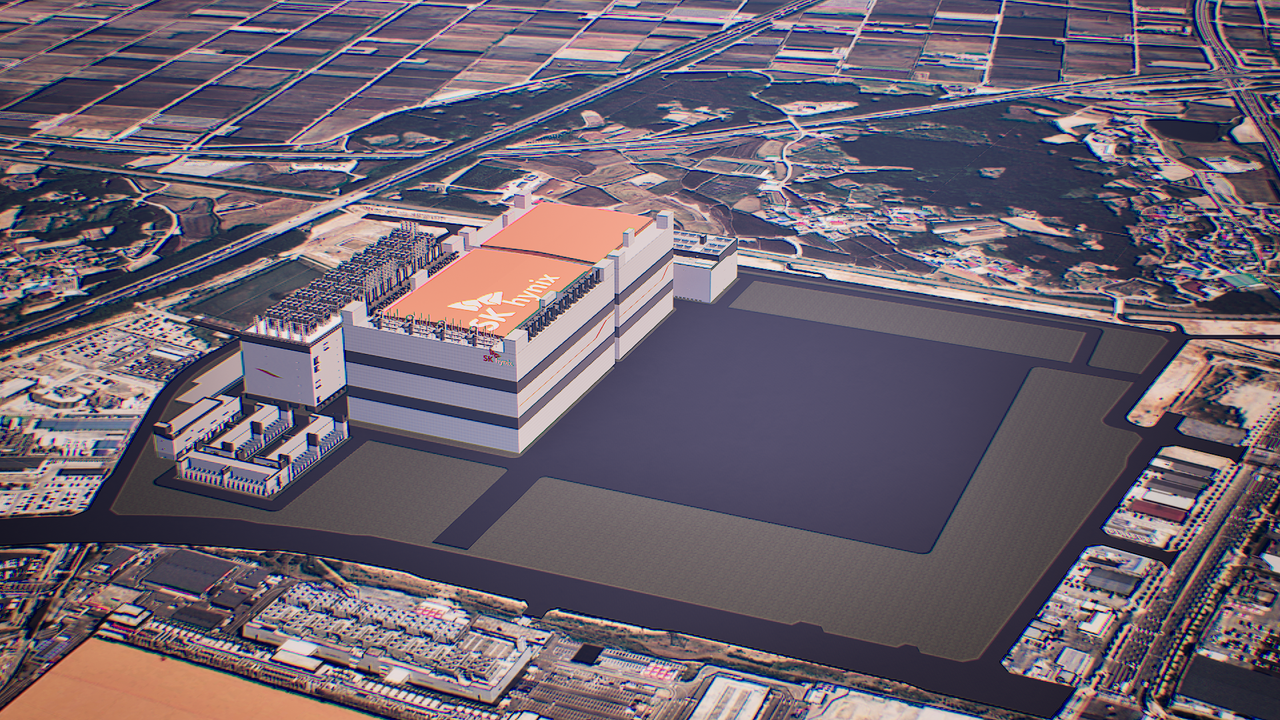
SK hynix is investing $12.9 billion to build a campus-scale, HBM-only advanced packaging and test facility in Cheongju, South Korea, designed for the next generation of HBM memory and intended to ensure SK hynix's leadership in the booming market.
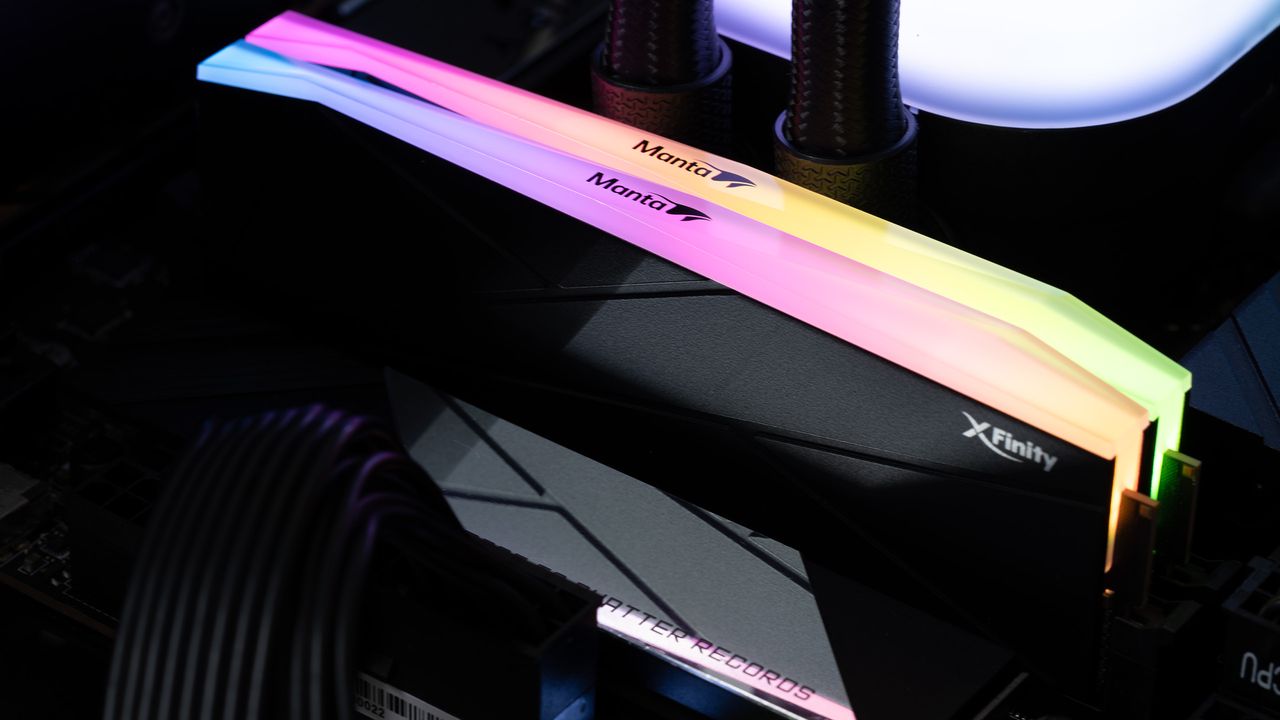
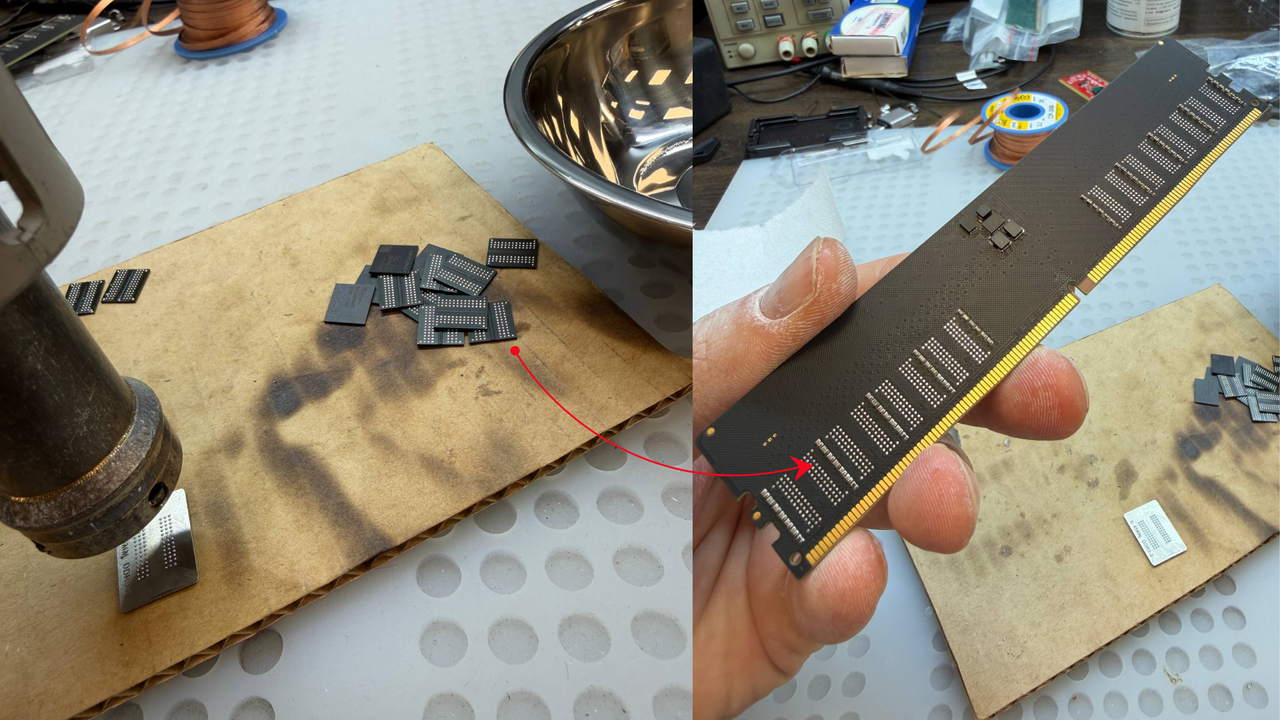
DIY DDR5 is no longer just a concept, but a reality, as modder VIK-on has built his first 32GB stick from scavenged parts. The memory chips came from laptop SODIMMs, while a new PCB and cooler were acquired from China. After flashing custom firmware enabling 6400 MT/s XMP, the entire build put together cost $218.
Chinese researchers have demonstrated a 4F² dual-gate 2T0C capacitor-less, DRAM-like memory cell with multi-bit storage, fast writes, and long retention. In theory, the technology could be used as embedded or stacked 3D memory, but questions remain about its manufacturability and commercial viability.
 登录
登录