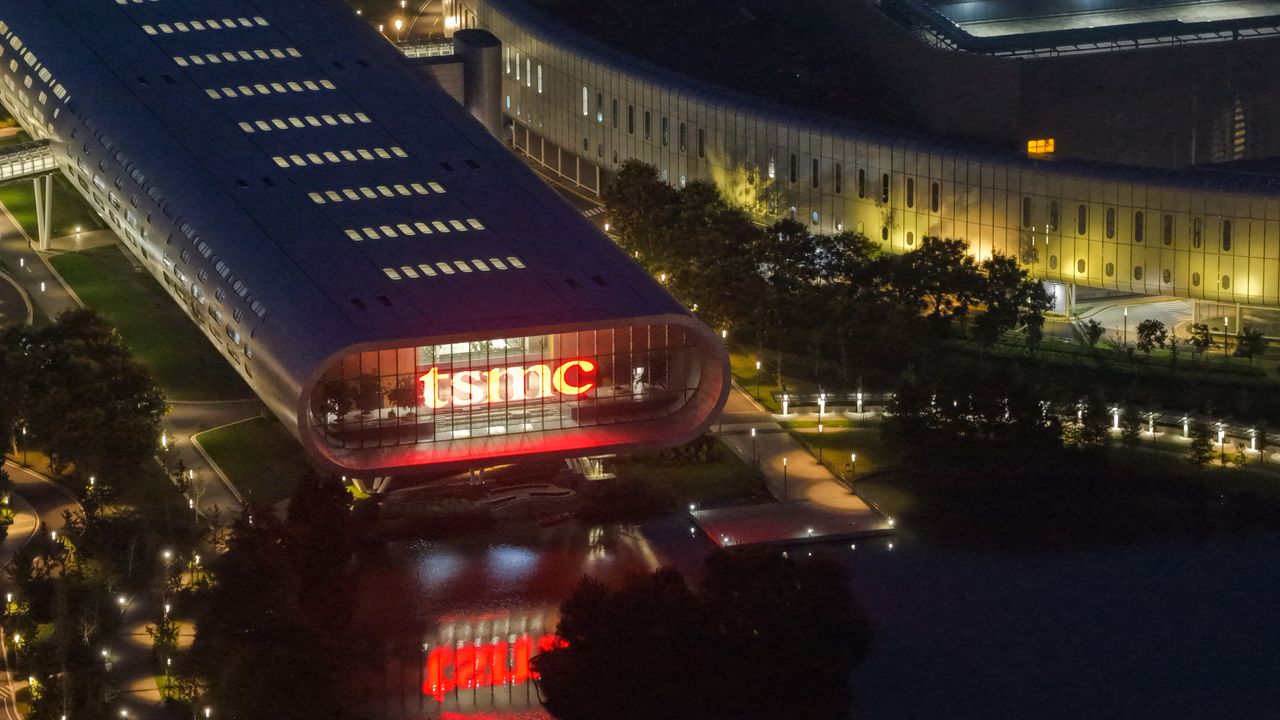
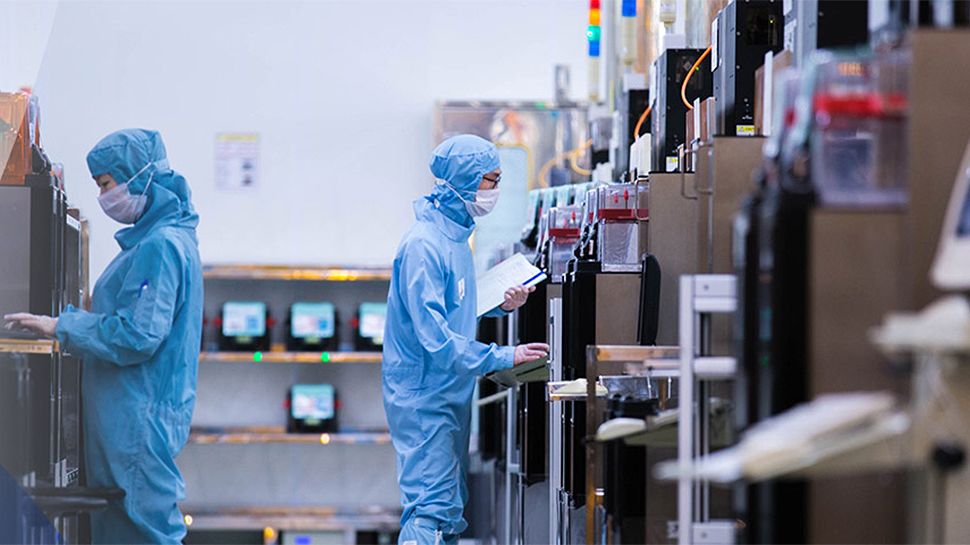
The ongoing trade war puts Taiwan and TSMC in a difficult position. As negotiations continue, the country risks giving up its most precious commodity, the might of TSMC.
Nvidia's Huang claims that Taiwan will not lose its silicon shield as TSMC expands overseas because demand for leading-edge semiconductor production is so high that a global chipmaking footprint is essential to meet it.
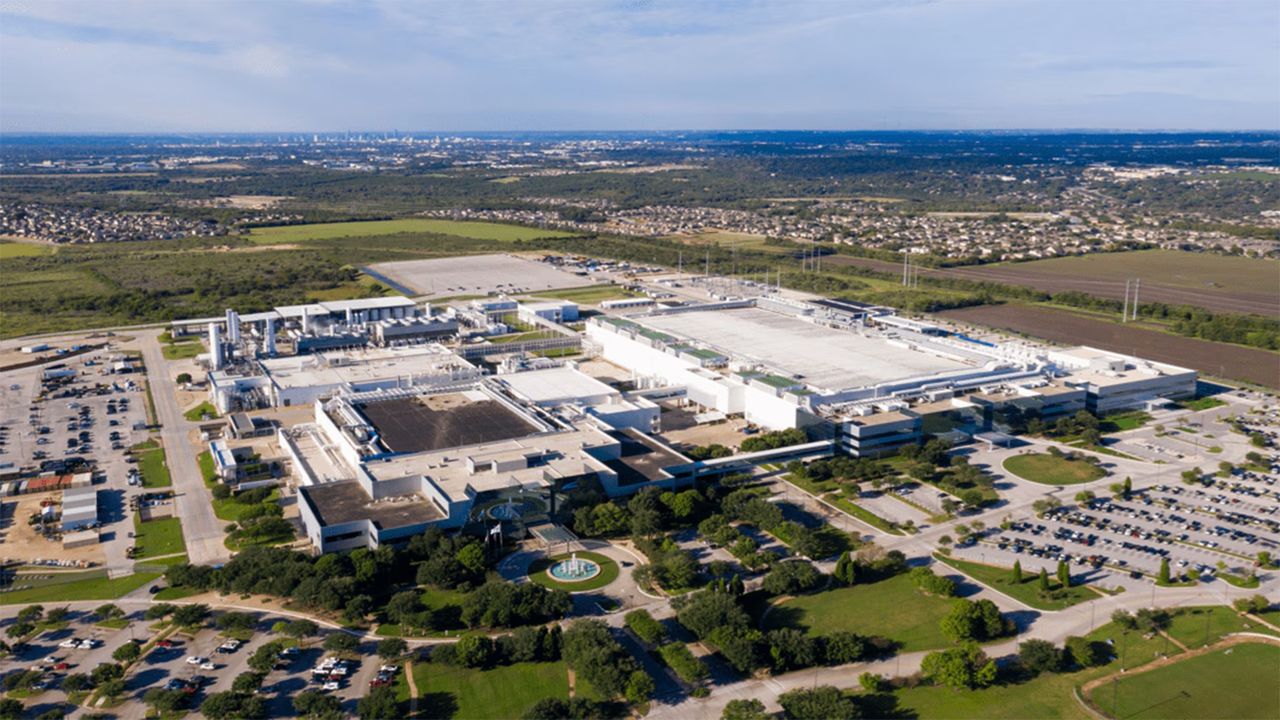
Samsung's Fab in Taylor, Texas, set to start trial production sometimes in the second half of 2026 with mass production slated for 2027. With pellicles finally implemented for 2nm-class flows, Samsung could finally offer consistent yields and performance.
Neurophos built a silicon photonics chip that's 10,000 smaller than current tech and could potentially deliver 10x the performance of Nivida's Vera Rubin GPUs using the same amount of power and available chip fab technologies.
Nvidia CEO Jensen Huang confirmed in a podcast that his company has overtaken Apple as TSMC's biggest customer, once again becoming its top client after more than 20 years.
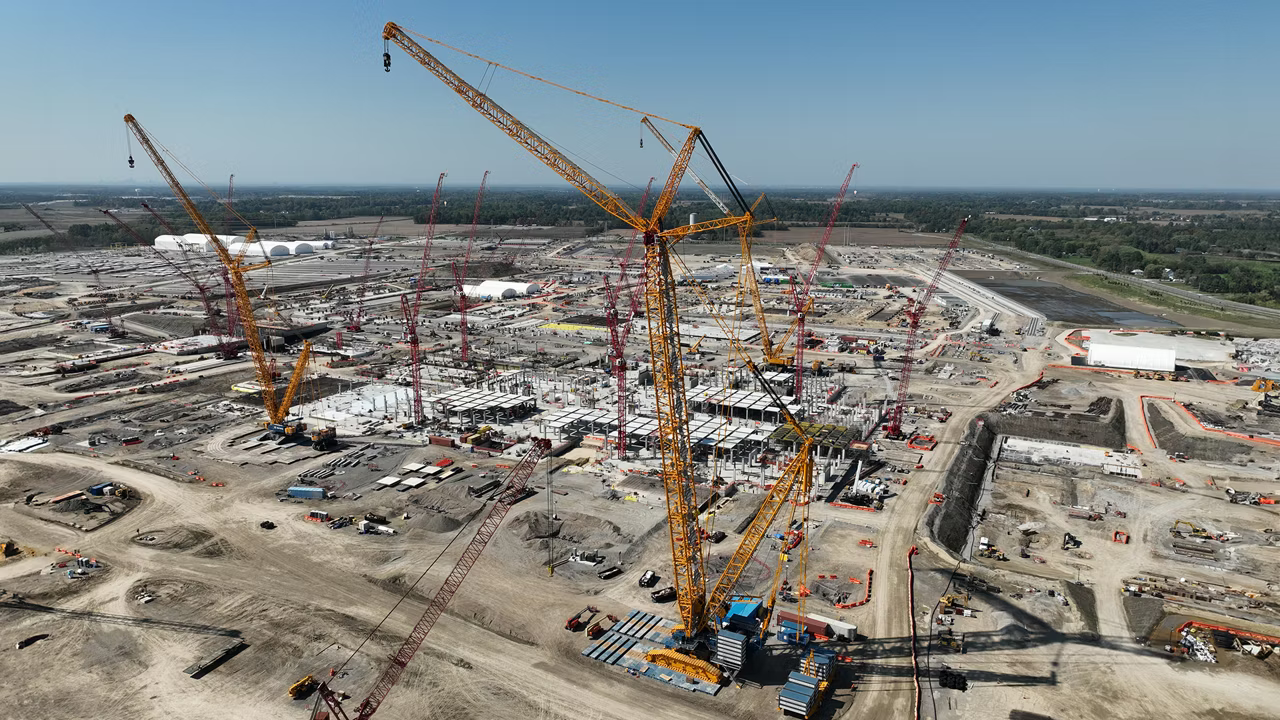
Bechtel, the contractor behind Intel's ambitious Ohio One chip factory, has posted new job listings on its website with an overview mentioning Phase 1 of the project. These recruits will be responsible for accelerating construction to make the factory ready for its opening in 2030, after the last few months turned Intel's fate around.
As AI accelerators and HPC devices grow larger and more complex, advanced chip design continues to move away from the transistor and toward the package.
China’s two largest pure-play foundries, SMIC and Hua Hong Semiconductor, are in the middle of significant consolidation efforts that demonstrate how industrial policy is reshaping the country’s chip sector.
The U.S. Department of Commerce didn't renew the validated end-user status of these chipmakers, requiring them to acquire annual licenses to import chipmaking tools containing U.S. tech into their Chinese fabs.
Huawei used its New Year message to highlight progress across its Ascend AI and Kunpeng CPU ecosystems, pointing to the rollout of Atlas 900 supernodes and rapid growth in domestic developer adoption as “a solid foundation for computing.”
 登录
登录