登录

Nvidia Brev security breach may have exposed SSH keys used to access customer VMs
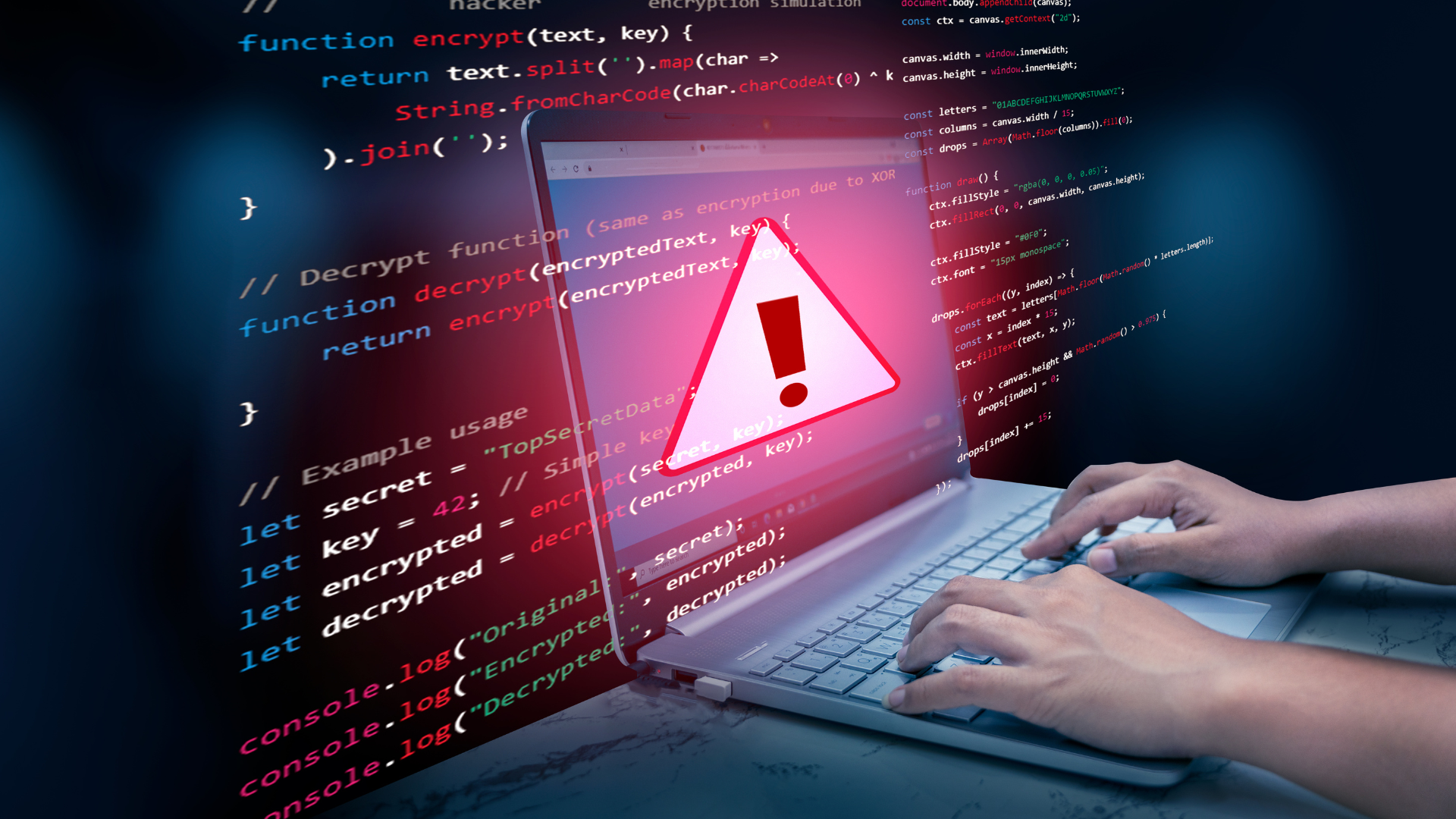
Hackers have struck Nvidia again, this time targeting its BREV cloud development platform, with users reporting unauthorized activity between October 4 and October 20. According to a notification sent to affected customers, some accounts may have been exposed. The company said it had investigated the incident and identified unidentified activity on the platform, adding that information stored on the platform may have been exposed to malicious actors. The said information included the SHH key set up by Brev.
The company has already replaced the affected SHH keys and updated customer machines with new ones but says they found no evidence of improper use. “We are writing to inform you that Nvidia Corporation has experienced a security incident that may have affected the security of your data," the notification reads. “Our analysis determined that your information from our Brev network may have been affected. This SSH key has since been rotated, and your instances have been updated with the replacement key.”
However, the company fell short of explaining how the attackers gained access, or whether anyone attempted to use the compromised data. Moreover, it has not disclosed whether customer data or workloads were accessed. SSH is a protocol used to establish a secure connection between ‘virtual machines’ or remote computers working together. Developers or system administrators can use it to manage remote servers, transfer files, and execute commands without needing physical access to the machine—much like AnyDesk or TeamViewer, but now for developers. Brev uses SSH keys to help customers access these services in the cloud, meaning if attackers access these keys, they could potentially take control of a virtual machine, depending on its specific permissions and other security controls.
And now @NVIDIAAI Brev also got a security breach. At this point in time, every major tech company is going through some sort of security issues - CVEs, stolen keys/API, credentials of users 🥲 https://t.co/3VgUZriQ7lOctober 30, 2026
The incident comes as several firms hosting AI development services and cloud infrastructure grapple with mounting security incidents involving customer credentials. On October 30, cybersecurity firm Wiz released a blog dubbed ‘Black October’ for AI developer platforms. The firm identified at least nine platforms that have had security incidents during the month, including Zeabur, Fireworks AI, Lightning AI, Opencode, Warp, Northflank, among others. As per the firm, the incidents were recurrent, with researchers noting that “all public reports highlight targeted exploitation, explicitly hunting stored environment variables, with a focus on those granted AI access.” Wiz further shared two cases involving compromised Amazon Bedrock credentials where, in one, attackers generated about 800,000 API calls over 30 hours while another key was used to make roughly 1.7 million calls over 13 hours. The combined usage came to a staggering $100,000 at list prices.
Such incidents are not just restricted to Nvidia, with major US banks including JP Morgan, Morgan Stanley and Bank of America restricting Agents from accessing customer accounts earlier this month. Their primary concern is that automated assistants could veer off set instructions and initiate unauthorized approvals. Similarly, the CyberCartel hacking group has previously used Anthropic’s AI tool Claude and Grok’s XAI to conduct attacks on more than 400 Latin American institutions, mostly targeting banks and mobile payments services after attackers obtained customer login credentials. China-linked attackers have also been accused of using AI agents in a ConnectWise supply chain attack that left about 2,250 Microsoft 365 tenants exposed, with some attacks reportedly reaching privileged access in under three hours.
Though updating compromised software may not be enough to eliminate an attacker’s access, Bradford Regeski, a threat intelligence analyst at RH-ISAC, has recommended extensive checks for customers in SHH-related incidents, asking users to “Isolate hosts that installed the compromised extension during the exposure window,” remove unauthorized SSH keys and persistence mechanisms, and rotate credentials and sessions.