9to5Mac is brought to you by CleanMyMac by MacPaw. With the release of macOS 27 Golden Gate, use CleanMyMac first to free up space, optimize your system, and ensure your new Mac runs at 100% on day one. Learn more.
macOS 27 Golden Gate doesn’t give the Photos app a dramatic redesign. Instead, Photos gains a surprisingly broad set of various improvements this year. These range from Apple Intelligence-powered editing, new ways to organize and sort your collection, better sharing tools, and much more.
This is just a notice for my subscribers about freshly updated FINAL FANTASY TACTICS: The Ivalice Chronicles repack. Now it’s updated to Deluxe Edition & Soundtrack Bundle v1.5.2 (Denuvoless) and includes 3 DLCs/Bonuses.
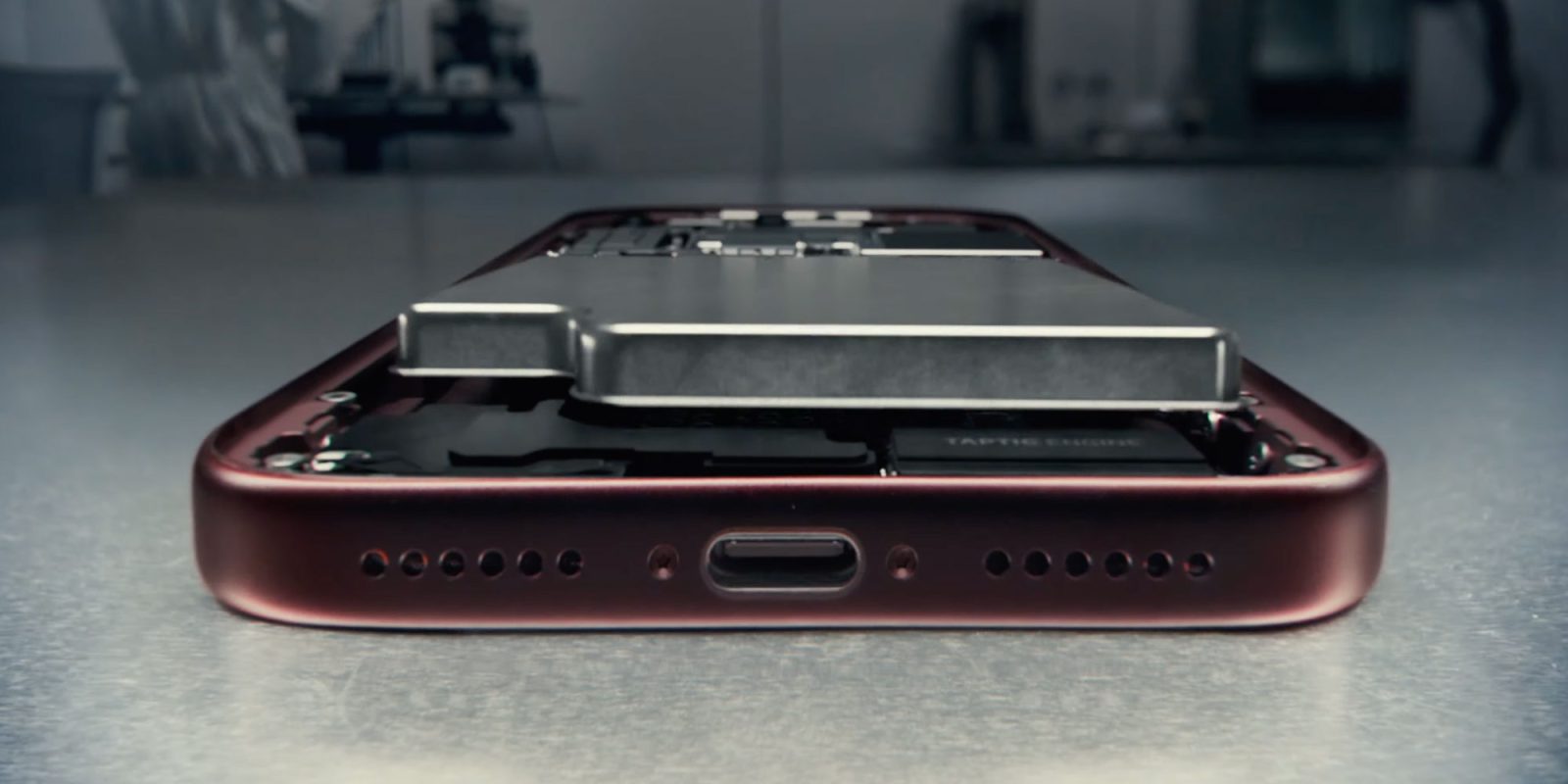
Apple has updated its “Apple Service and Repair for iPhone” support page with service prices for the iPhone 18 Pro and the iPhone 18 Pro Max, revealing a pricier battery replacement. Here are the details.
Chance has been testing the iPhone 18 Pro and the new Apple Watches for the last week, and is here to give his hands-on reviews. Also, Apple has finally released its new operating systems out into the world, which means Benjamin has tried macOS Golden Gate for the first time.
Sponsored by Bitwarden: Check out Bitwarden, featuring secure password management, passkey support, end-to-end encryption, and seamless autofill across all devices.
Sponsored by Gusto: The online payroll and benefits software built for small businesses. Get three months free when you run your first payroll at gusto.com/happyhour.
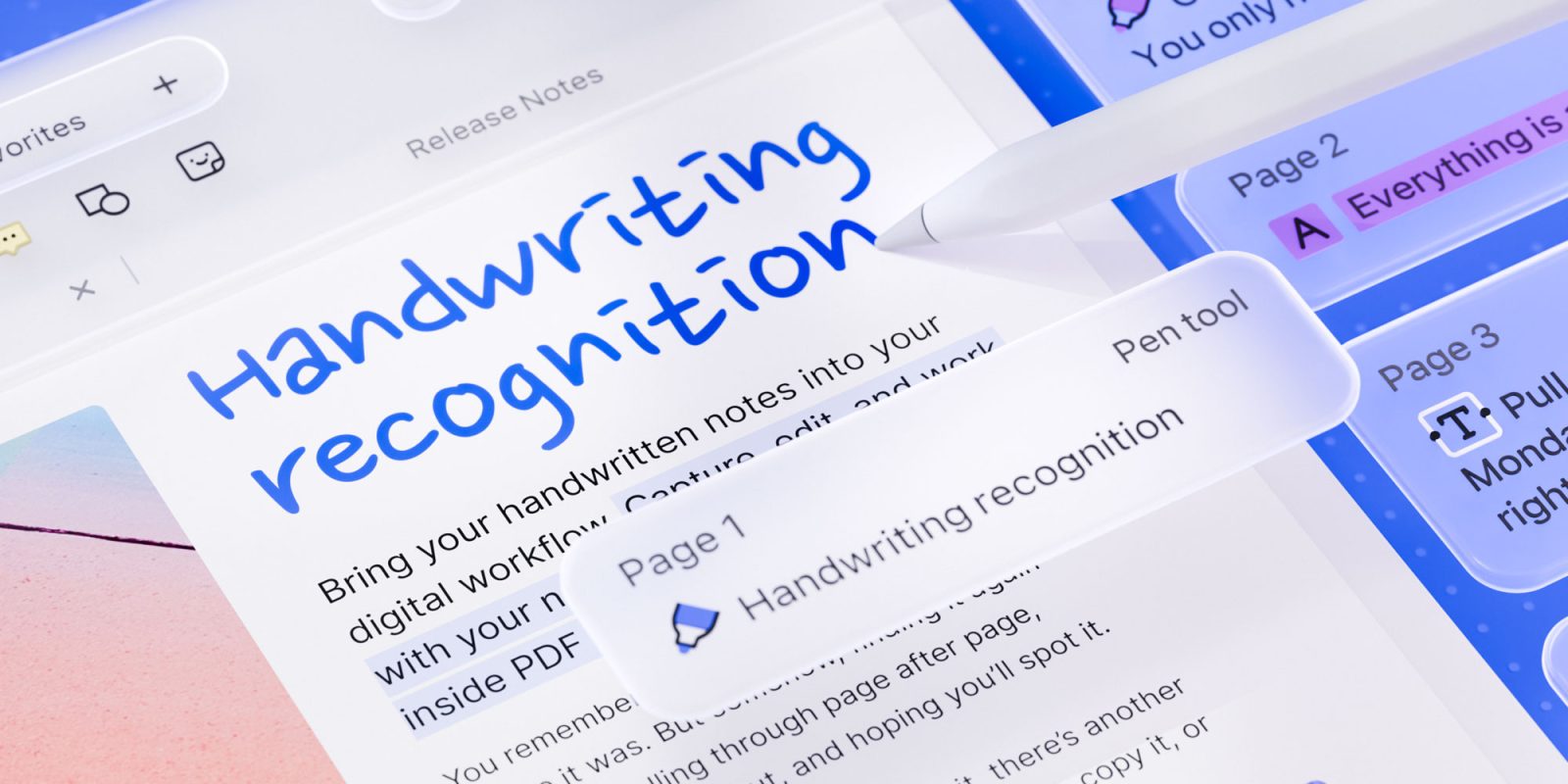
Readdle updated PDF Expert for iOS 27 and iPadOS 27 this week, adding several new features, including searchable handwriting in 29 languages. Here are the details.
Based on BLACKWOOD-RUNE ISO release: rune-blackwood.iso (11,552,358,400 bytes)
Includes Act I & Supporter Edition DLC
100% Lossless & MD5 Perfect: all files are identical to originals after installation
NOTHING ripped, NOTHING re-encoded
Significantly smaller archive size (compressed from 10.8 to 6.1 GB)
Installation takes 1-5 minutes (depending on your system)
After-install integrity check so you could make sure that everything installed properly
HDD space after installation: 24.5 GB
Repack uses XTool library by Razor12911
At least 2 GB of free RAM (inc. virtual) required for installing this repack
Game Description
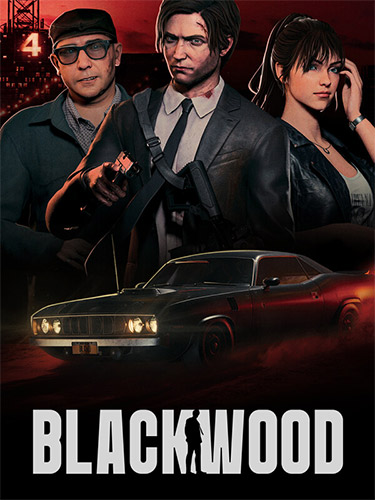
Step into the world of BLACKWOOD, a gritty third-person action thriller that blends smooth, responsive combat with cinematic storytelling.
By day, you are a seemingly ordinary store owner, managing your small DVD shop in an authentic recreation of New York, 2012. When night falls, you descend into the city’s underworld as a contract killer, caught between survival, morality, and a past that refuses to stay buried.
One Epic Story Told In Three Parts.
Anton’s story takes place over the course of three Acts. Each Act is a complete part of the overall story, with new missions added in between the major acts.
Current Act Roadmap:
Act 1: September 16, 2026
Act 2: March 2027
Act 3: September 2027
FIGHT YOUR WAY THROUGH THE CITY
Gunplay is fast, stylish, and unforgiving. Keep the Action relentless with fluid movement options like dives, rolls, and slides. Every encounter feels cinematic yet responsive, giving you the freedom to create your own moments of chaos.
MASTER BRUTAL TAKEDOWNS
BLACKWOOD’s signature mechanic: countless contextual takedowns. From one-on-one hand-to-hand executions to using the environment around you, every fight is an opportunity to end your enemies with precision and style. Grounded, weighty, and satisfying to master.
A DOUBLE LIFE TO BALANCE
Your store is more than just a front. It’s where you live, decorate, and roleplay a “normal” existence. Buy and sell DVDs, change outfits, interact with your apartment, and explore RPG elements that make your dual identity feel tangible. The contrast between day and night defines the world and the choices you make.
CINEMATIC STORYTELLING
BLACKWOOD introduces a cast of flawed, human characters navigating a violent city full of secrets. Every ad, tattoo, and poster tells a story. Every mission pulls you deeper into a web of conspiracies and consequences.
STORE MANAGEMENT
Take control of your DVD shop and decide how hands-on you want to be. Restock shelves, organize inventory, set prices, and jump in at the counter to keep profits high. Let it run on autopilot, and you will get by. Manage it smartly, and you can watch it turn into a powerful source of income
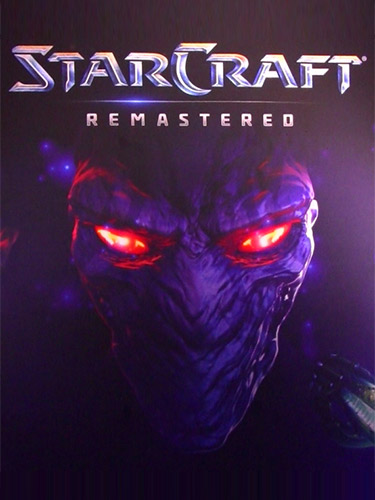
Based on P2P StarCraft.Remastered.MULTi13-VORTEX release: 11.1 GB
Razor1911 with a fixed file applied over
Game version: v1.23.10.13515
100% Lossless & MD5 Perfect: all files are identical to originals after installation
NOTHING ripped, NOTHING re-encoded
Smaller archive size (compressed from 11.1 to 8 GB)
Installation takes 2-5 minutes (depending on your system)
After-install integrity check so you could make sure that everything installed properly
HDD space after installation: 11.1 GB
Repack uses XTool library by Razor12911
Use “language.changer.exe” in game root to change the game language
At least 2 GB of free RAM (inc. virtual) required for installing this repack
Game Description
Return to Glory:
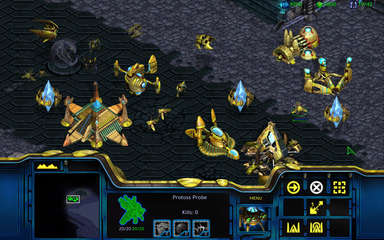
Prepare to rediscover a classic. StarCraft: Remastered upgrades Blizzard Entertainment’s original sci-fi real-time strategy game and its acclaimed expansion, StarCraft: Brood War, from beginning to end. Experience the intergalactic battle between the terran, protoss, and zerg with improved graphics and audio…and the same classic gameplay that made StarCraft a global phenomenon.
Return to the Koprulu Sector:
Discover the story that started it all as three races (the mechanized terrans, psi-powered protoss, and insectoid zerg) encounter each other for the first time. Engage in a legendary conflict that spans worlds over the course of more than 50 campaign missions.
Real-time Strategy Restored:
Once you’ve completed the campaign, go head-to-head or team up with other players online. Command your faction and vie for control of eight unique environments. Build your base, conscript your army, and lead one of StarCraft’s three radically different races to victory.
Cartooned DLC
With StarCraft: Cartooned you can experience StarCraft’s classic gameplay with all-new, lighthearted cartoon graphics! StarCraft: Cartooned reimagines every unit, structure, map, menu and story mission in the game, drawing on the lovable artistic style of Carbot Animations, with full gameplay and online
A Fresh Look for a Classic:
Infuse your StarCraft – Remastered experience with the lighthearted charm of Carbot Animations! Whether you’re returning to the Koprulu Sector or visiting for the first time, StarCraft: Cartooned is an all-new way to experience the classic sci-fi real-time strategy game.
A Complete Reimagining:
The magic doesn’t end with cartoon units—all the structures, maps, and menus of StarCraft: Remastered, including all campaign missions, have been transformed! Whether you’re returning to the Koprulu Sector or visiting for the first time, StarCraft: Cartooned is an all-new way to experience the classic sci-fi real-time strategy game.
Backwards Compatibility
This repack IS NOT backwards compatible with my previous SC repack
Genres/Tags: Lifestyle, First-person, 3D
Companies: Business Tycoon, Gamersky Games
Languages: RUS/ENG/MULTI21
Original Size: 1.9 GB
Repack Size: 895 MB
Based on Sporting.Goods.Shop-TENOKE ISO release: tenoke-sporting.goods.shop.iso (2,009,939,968 bytes)
Game version: v1.0 (Release)
100% Lossless & MD5 Perfect: all files are identical to originals after installation
NOTHING ripped, NOTHING re-encoded
Significantly smaller archive size (compressed from 1.9 GB to 895 MB)
Installation takes within a minute
After-install integrity check so you could make sure that everything installed properly
HDD space after installation: 1.7 GB
Language can be changed in game settings
Repack uses XTool library by Razor12911
At least 2 GB of free RAM (inc. virtual) required for installing this repack
Game Description
This is a first-person simulation game where you step into the role of a sporting goods shop owner.
Work alone or with friends to expand your humble shop into a huge sporting goods shop.
Store Workflow
Sign contracts with leading brands, order new products with an in-game computer or with your tablet while walking in the store, unpack the boxes, place the products into your store, and set the prices for your products.
Consider the market prices while setting up your product prices in the store for customer satisfaction.
Always keep your store clean so as not to lose any customers. Also, be careful with the thieves to avoid some box losses that would cause a leak in your finances.
Run some little contests and reward your customers with some gifts.
Products
Please make sure your customers find all their needs in the store.
Always expand your product portfolio and satisfy your customers.
Sports equipment and accessories, fitness and gym products, skates, rackets, nutrition and body care products, swimming goggles, golf clubs, boxing gloves, sports clothes and shoes, and more…
Be aware of the market prices and purchase more products when they’re cheap.
Customers
Place a sufficient number of checkouts to reduce the waiting time for customers.
Scan products and collect payments whether in cash or with card purchases.
Don’t forget to fulfill the online orders.
Expansions and New Teammates
Expand your store and warehouse by leveling up your store and budget.
Hire stockers to fill the racks.
Purchase more cash registers and hire new cashiers to minimize long queues at the checkouts and to reduce waiting time for customers.
Hire a janitor to clean the store and hire a security guard to chase down the thieves.
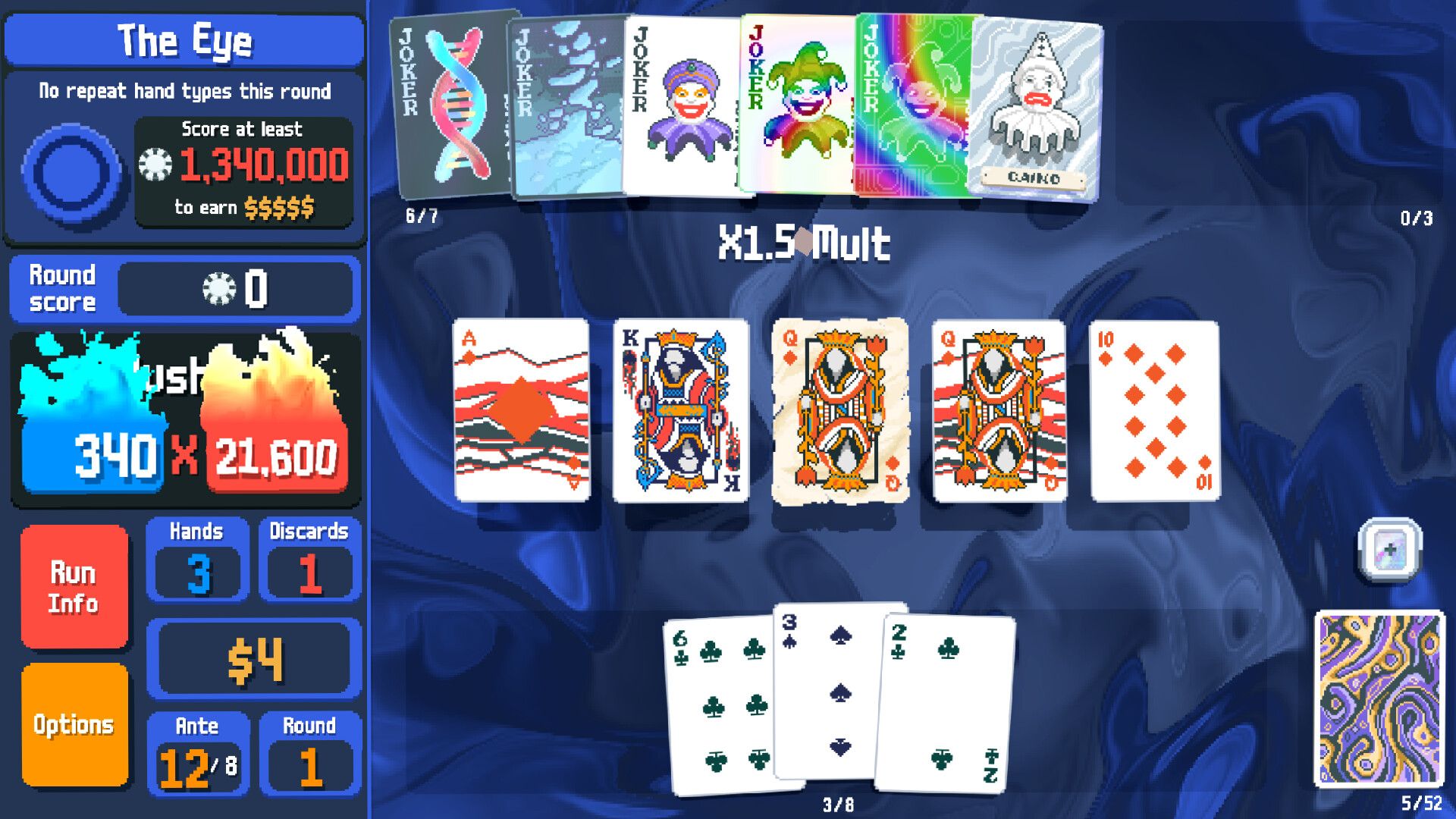
Less than two weeks after Google released a mapping of the complete brain and central nervous system of an adult male fruit fly, we've seen enthusiasts put the structure to work everywhere from turning a fruit fly into a day trader to teaching it parallel parking. Now, one Balatro fan says they trained the structure with an algorithm to play the game, with the win rate currently sitting at a cozy 20%.
The player shared a sped-up video of the model apparently playing the game. Based on the video, the player chose the lowest difficulty (White Stake) and the default Red Deck. We've already seen OpenAI's GPT-6 'Astra' model beating the game with the Black Deck on Gold Stack difficulty, which is generally considered the hardest combination in the game.
ActualAerie1011, the Reddit user who shared the video, says they trained the model using a trainer algorithm they developed to discover useful Balatro seeds. Like other roguelike games, Balatro is randomized, so algorithms like this can discover seeds that are unique and can potentially lead to very high scores (including the game's scoring limit). In order to train the brain, both the brain apparatus (a connectome alongside the actual model) and the algorithm play a seed. Then, the results are compared, and the model on the brain is rewarded or punished based on its choices.
Currently, the user says that the brain has a 20% success rate on a random seed, presumably at that same White Stack/Red Deck difficulty. The user says the model doesn't know anything about the seed outside of what's immediately visible on-screen, and that training is ongoing. "The fruit fly will return, strong and smarter," they wrote in a comment on their original post.
It's an impressive feat, though some commenters have cast doubt on the project. The player didn't share many details about how they trained the model outside of what's above, nor any repo for the project or references to other open-source projects they used. This isn't uncharted territory for Balatro; projects like BalatroBot and BalatroLLM have been available for about a year.
We've reached out to ActualAerie1011 to see if they're able to provide more details on how they trained the model, and we'll update this story when we hear back.
Although Balatro seems straightforward enough, it's surprisingly difficult to train a model to play the game, especially at higher difficulties. The core rules of playing and scoring poker hands aren't difficult. However, the complex interactions between jokers (the perks that help you achieve higher scores), how they're ordered and scored, and specific stipulations like boss abilities and temporary/permanent jokers make consistency a high bar to clear, even for human players, much less an AI model.
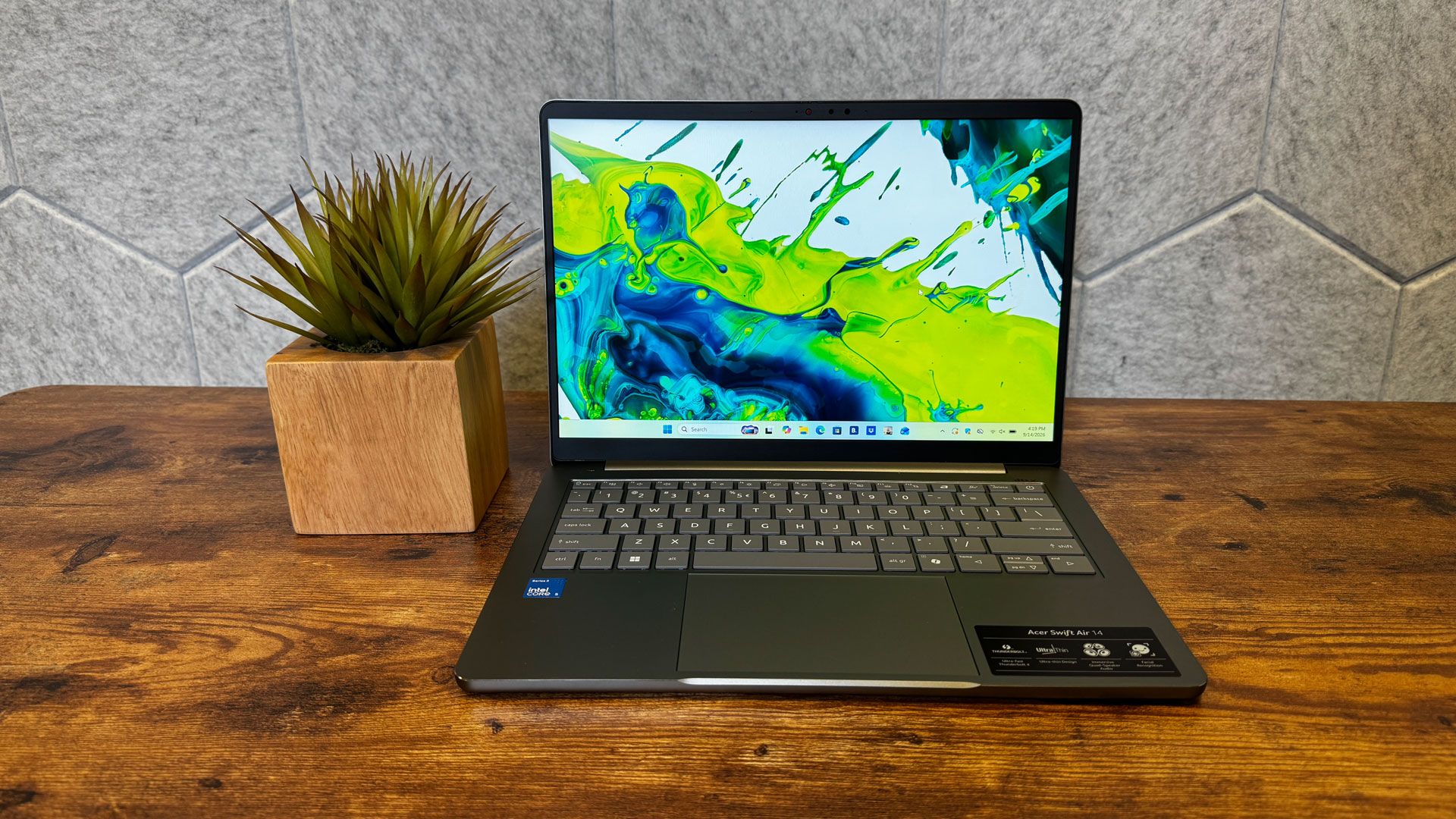
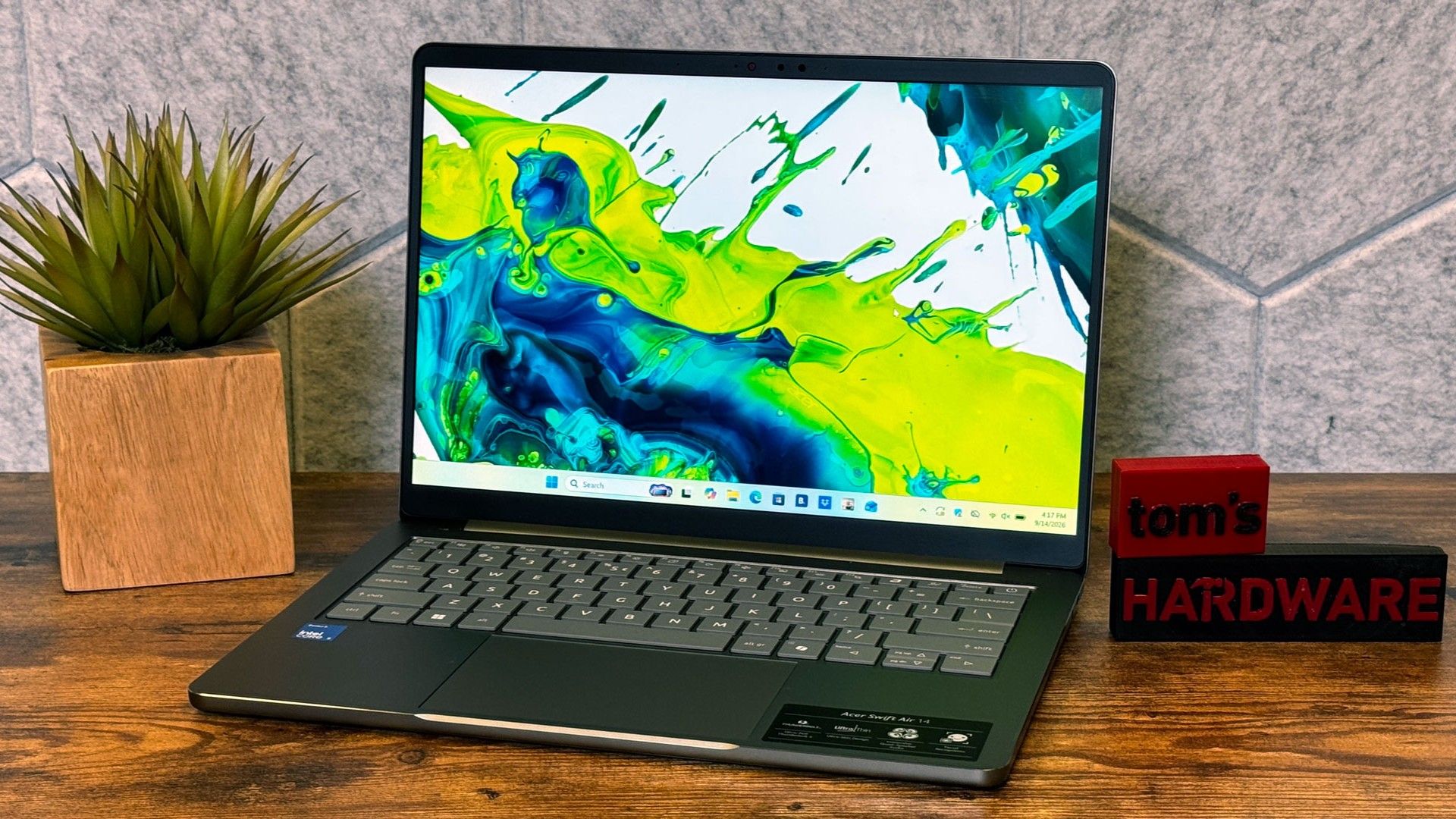
If you don't have the most colorful computer, the fastest computer, or the nicest screen, you can at least have a ton of ports. For Acer's take on the premium $699 laptop, the Swift Air 14, the company doubled down on connectivity and battery life, adding top-of-the-line Thunderbolt 4 ports and up to 16 hours of battery life in our tests.
But battery life and ports alone, while important, don't make a laptop great. Competitors have stronger builds and, in some cases, better performance. Acer's choices are practical, but they might not be what everyone wants.
Design of the Acer Swift Air 14
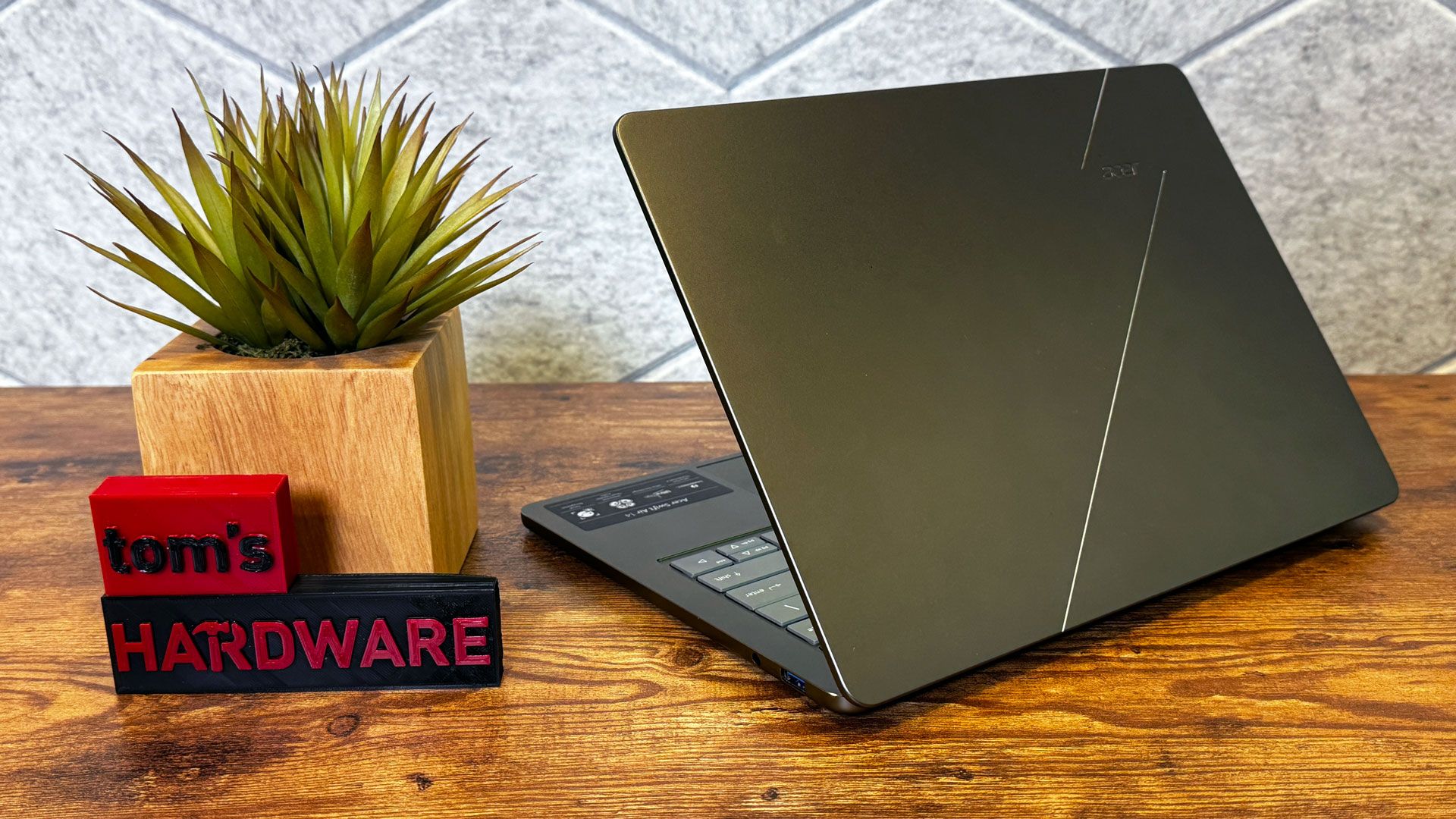
The Acer Swift 14 feels more premium than I'd expect a $699 laptop to be, especially one from Acer, which is known for making tough decisions to hit certain budgets. The all-aluminum design isn't as solid as the MacBook Neo or Dell XPS 13. That's mostly due to flex in the Acer’s lid and on the keyboard. It feels nice in general, but if you look, you can find the small flaws.
Acer is offering the Swift Air 14 in four colors worldwide, but here in the United States, there's just one: sage green. (In other countries, including Canada, there's also frost blue, blossom pink, and lilac purple.
Tom's HardwareTom's HardwareTom's Hardware
The lid is mostly plain, with an Acer logo and two silver accent lines. I like the sage color, which is more like an olive in some lights and silver in others. Like the MacBook Neo, the bezel is a bit thicker than I'd like, but not unforgivably so.
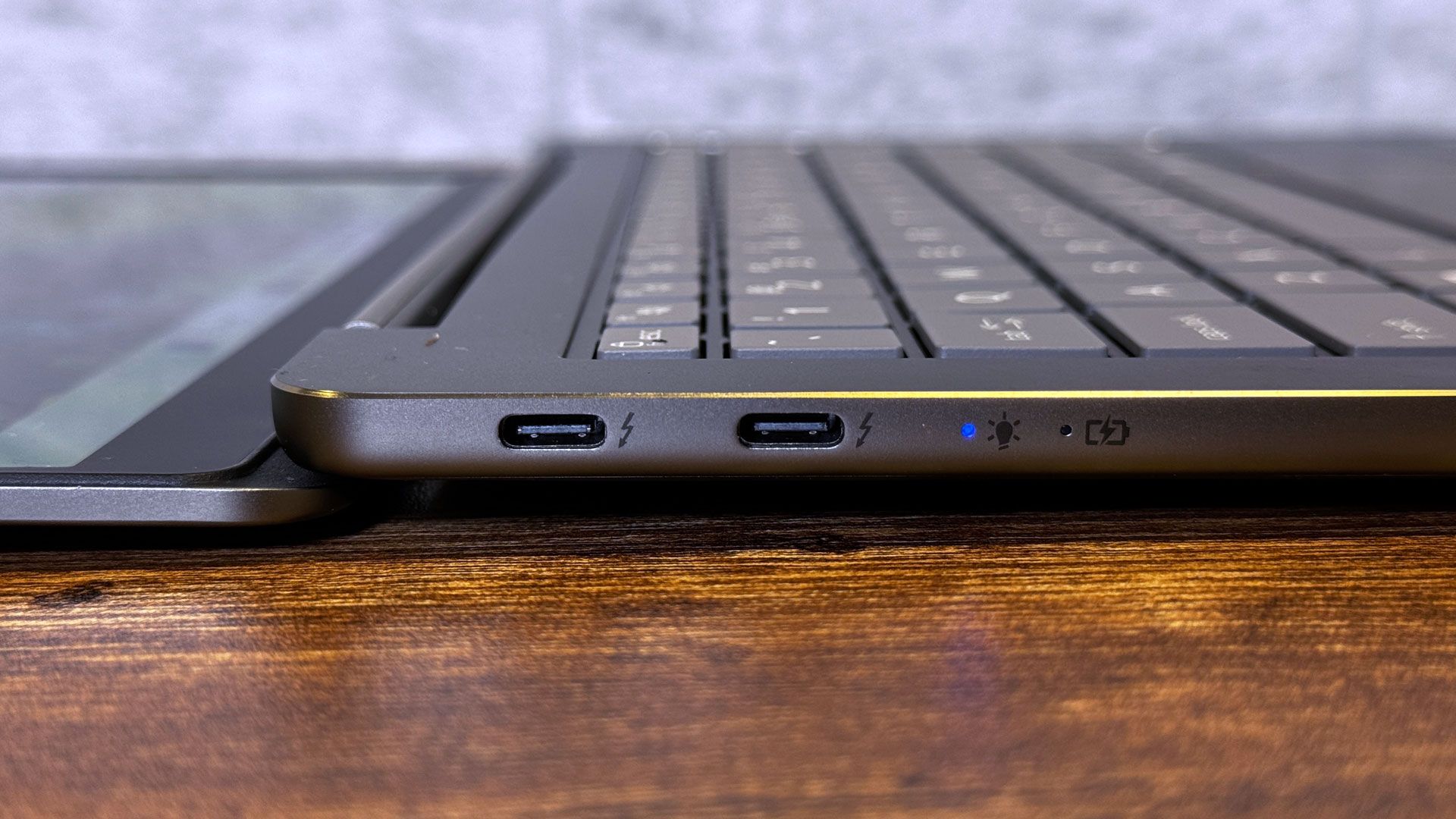
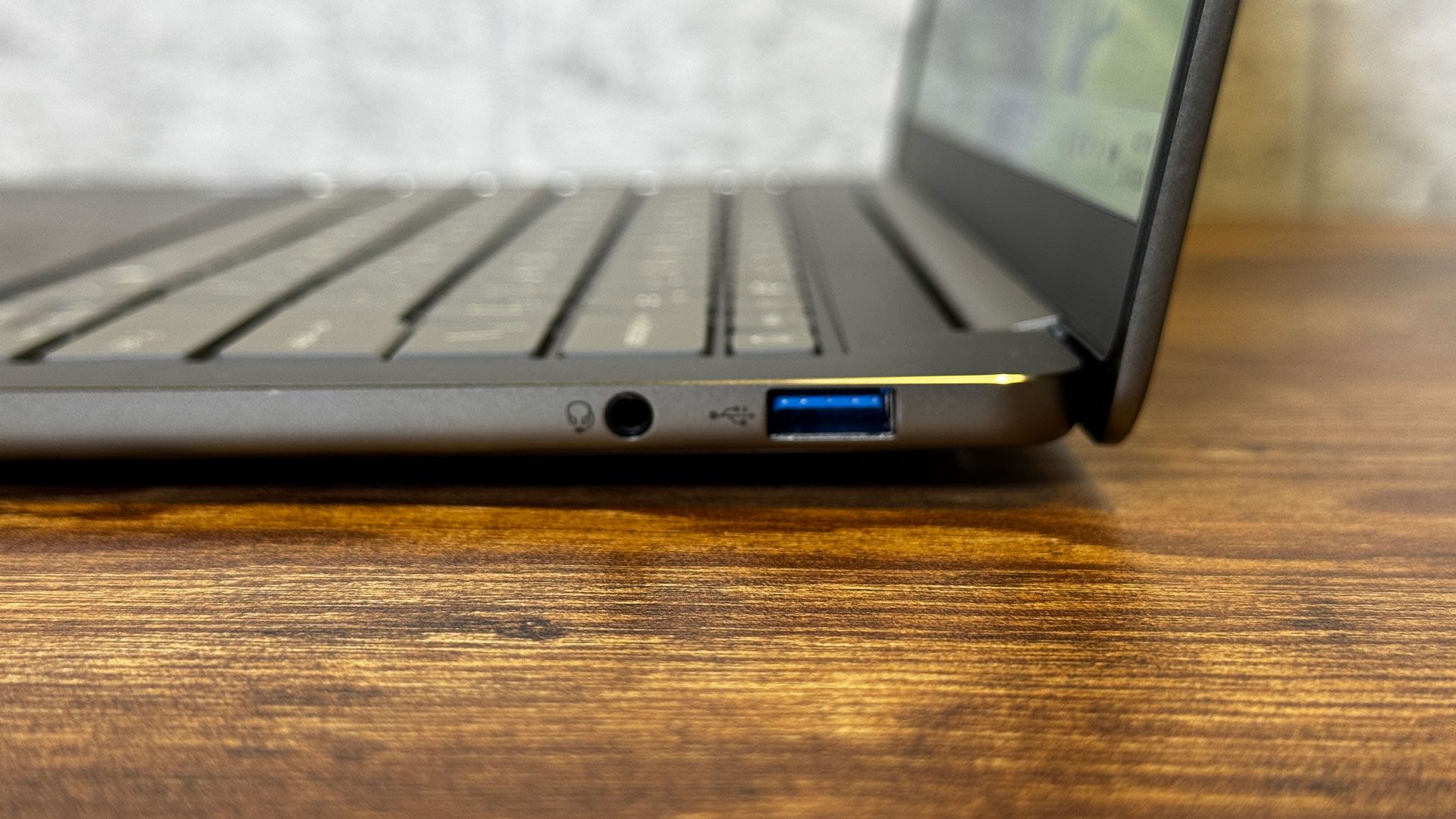
Where Acer wins on design is with its ports. On the left side of the laptop, you get two full Thunderbolt 4 ports over USB-C, which we haven't seen from any other laptop in this class yet. The right side features a 10GBps USB Type-A port and a 3.5 mm headphone jack. This system has more and faster ports than both the MacBook Neo and Dell XPS 13, which is great for people on a budget who still use a lot of peripherals, or want to use a wireless dongle while still having other ports available.
Tom's HardwareTom's Hardware
At 2.62 pounds, the Swift Air 14 is heavier than the 2.2-pound XPS 13, but still slightly lighter than the 2.7-pound Neo. I don't mind the weight, but others on my team found it felt heavy compared to Dell's laptop.
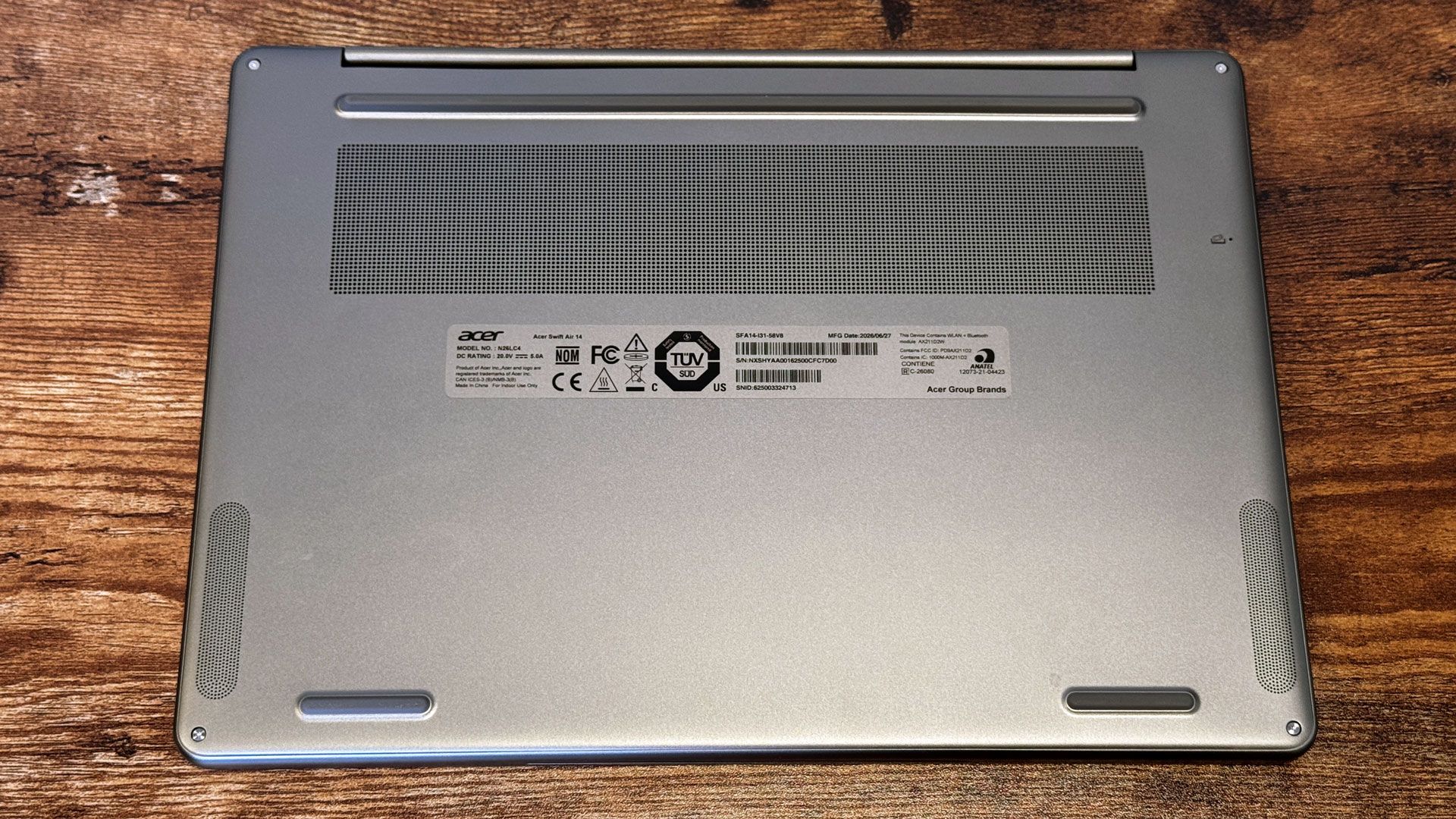
At 0.51 inches at its thinnest, the Swift is on par with the Neo and XPS 13 (both 0.5 inches thick). There's a small foot on the bottom of the Swift that pushes it to 0.71 inches thick, which might matter a bit in a backpack, but it won't feel any thicker than the other systems when you're holding it.
Acer Swift Air 14 Specifications
CPU
Intel Core 5 320
Graphics
Intel Graphics (integrated)
Memory
8GB LPDDR5-7467 (single-channel)
Storage
512GB PCIe Gen 3 NVMe SSD
Display
14-inch, 1920 x 1200, IPS, VRR up to 120 Hz
Networking
Intel Wi-Fi 6E AX211, Bluetooth 5.3
Ports
2x Thunderbolt 4 (USB-C), USB 3.2 Gen 1 Type-A, 3.5 mm headphone jack
Camera
1920 x 1200, IR for Windows Hello
Battery
70 WHr
Power Adapter
100W
Operating System
Windows 11 Home
Dimensions (WxDxH)
12.36 x 8.66 x 0.71 inches (313.99 x 222.65 x 18 mm)
Weight
2.62 pounds (1.19 kg)
Price (as configured)
$699.99
Productivity Performance on the Acer Swift Air 14
The Intel Core 5 320, 8GB of RAM, and 512GB PCIe Gen 3 SSD make the Acer Swift 14 a decent (but not startling) performer that's best for a few simple tasks at a time.
Tom's HardwareTom's HardwareTom's Hardware
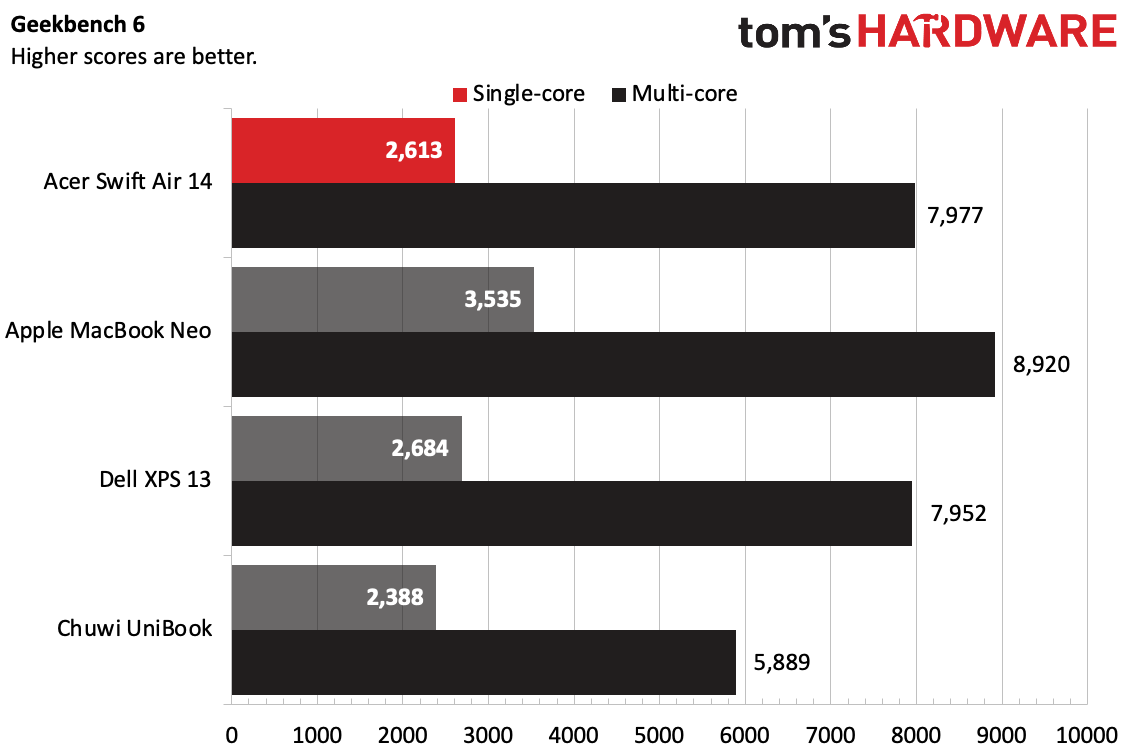
On Geekbench 6, the Swift Air notched a single-core score of 2,613 and a multi-core score of 7,977, putting it in close proximity to the Dell XPS 13, which uses the same chip. The Chuwi UniBook, with an Intel Core 3 304, was the lowest on the charts, while the MacBook Neo with its Apple A18 Pro was the fastest performer.
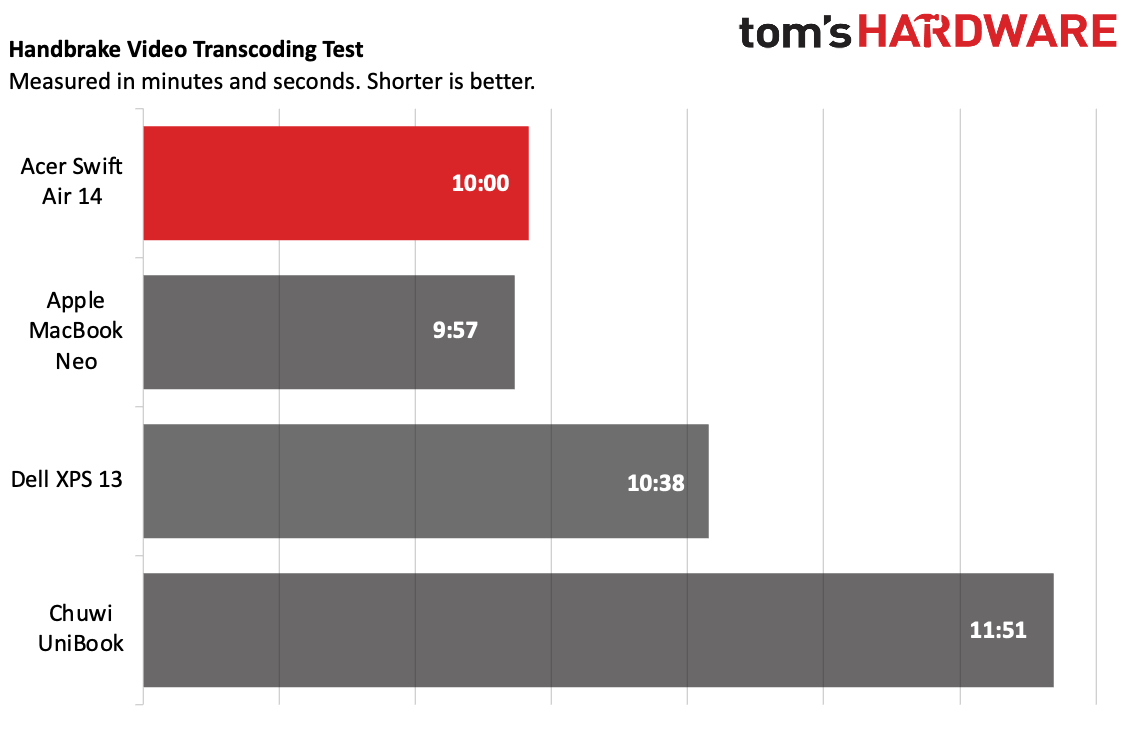
The Swift 14 outperformed on Handbrake, transcoding a 4K video to 1080p in 10 minutes, just 3 seconds behind the Macbook Neo. The Swift was a surprising 38 seconds faster than the XPS with the same chip.
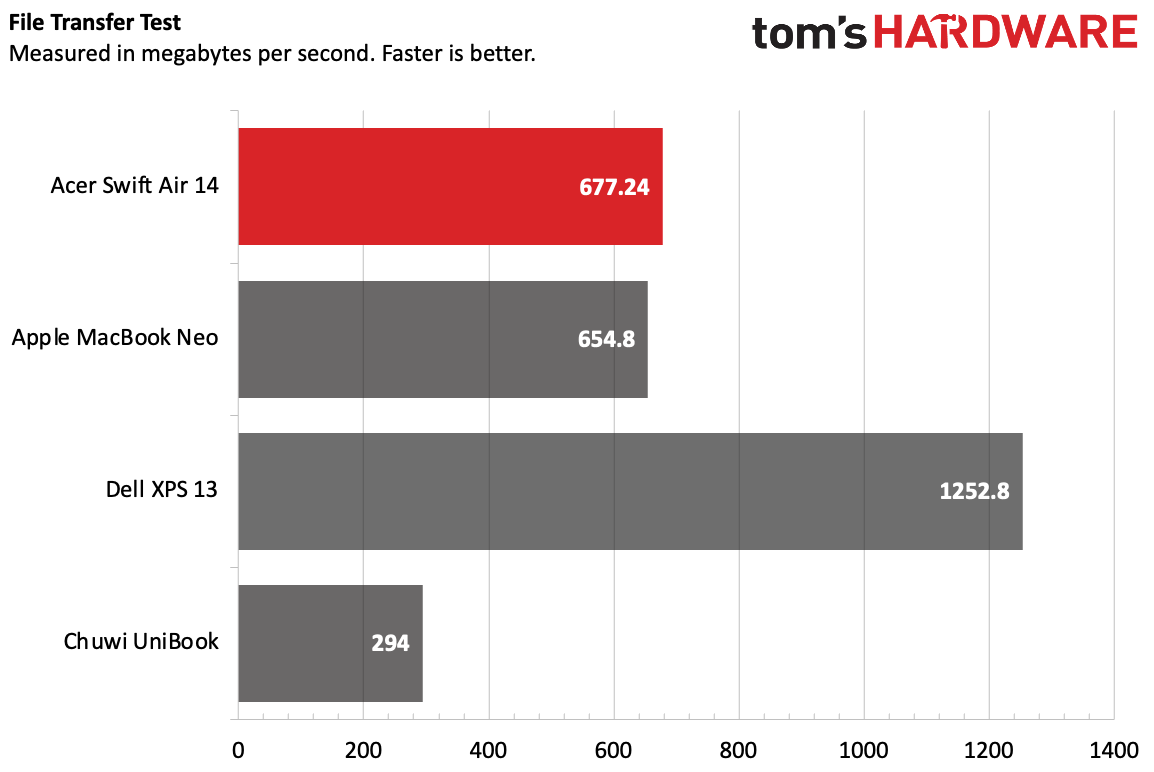
On our file transfer test, the Swift Air copied 25GB of files at a rate of 677.24 MBps, slightly faster than the MacBook Neo, but significantly slower than the XPS 13.
Usually, we stress test productivity laptops running Cinebench 2026. But like some other Wildcat Lake-based laptops, the Swift Air wouldn’t run that benchmark. Instead, to get some speeds, we opted to measure while running Handbrake. While transcoding a 4K video to 1080p, the Core 5 320's two P cores ran at 3.3 GHz, while the four low-power E cores ran at just over 3 GHz.
Display on the Acer Swift Air 14
Acer's 14-inch, 1920 x 1200 screen is colorful enough for its price, but I sure wish it were a bit brighter.
(Image credit: Tom's Hardware)
While I watched the trailer for Avengers: Endgame, I found myself reaching for the button to raise the brightness even in decently lit scenes (like a group gathering in Avengers Tower), only to find the brightness was turned all the way up. In darker scenes, like those taking place in the X-Mansion, shadows were overwhelming. At least the blacks were deep.
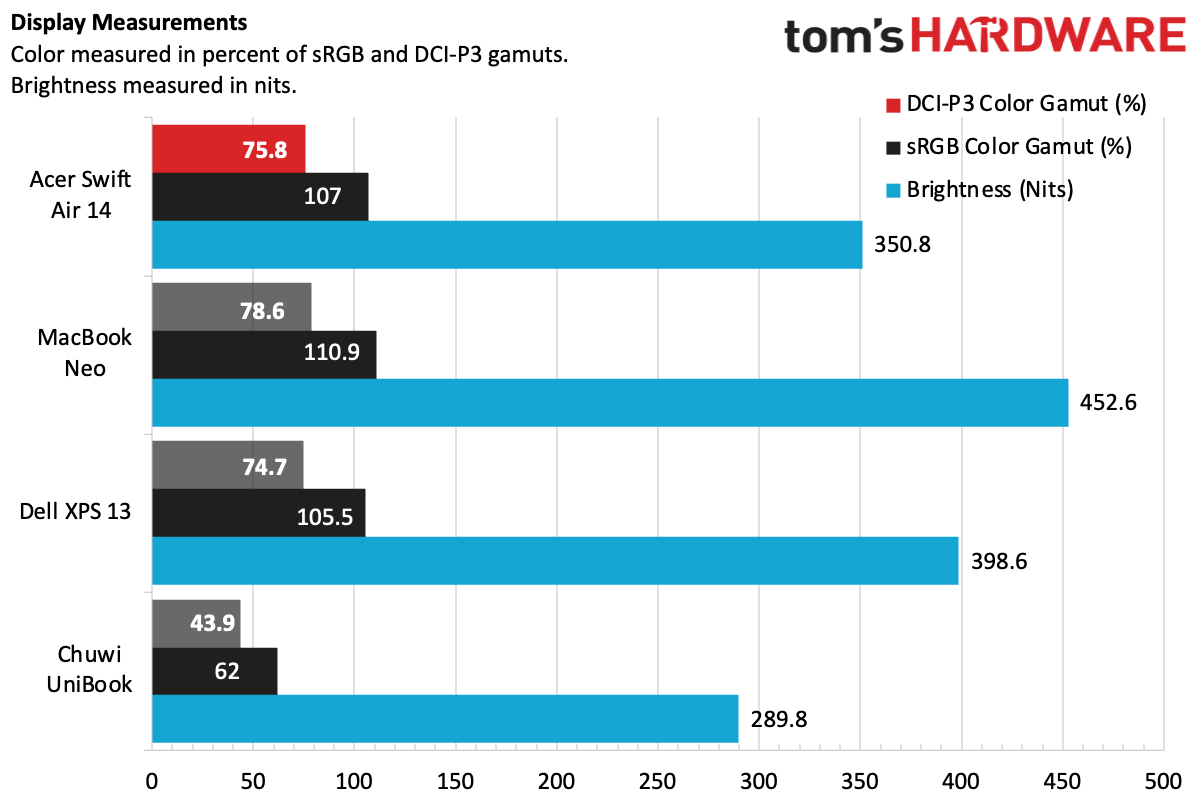
On our testing, we found that the Swift Air 14 covered 107% of the sRGB color gamut and 75.8% of DCI-P3. That's within range of both the MacBook Neo and the Dell XPS 13. But both of those laptops have more luminous panels (the XPS 13's is also higher resolution, at 2560 x 1600) that make the colors look better than on the Swift Air.
Keyboard and Touchpad on the Acer Swift Air 14
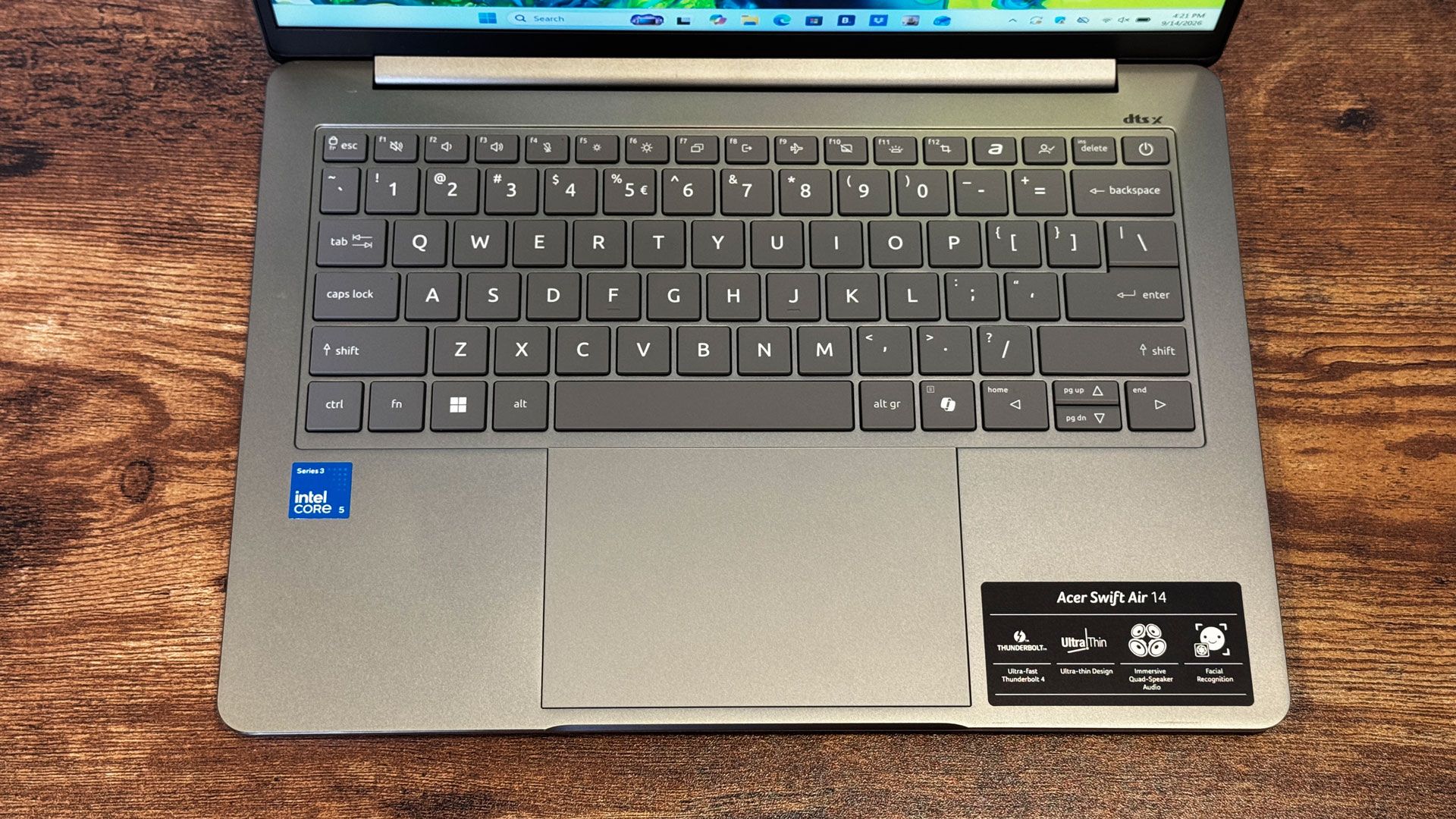
The keyboard on the Swift Air 14 is fine, but it has some flex while you type, and the keycaps are a little slippery. In fact, they're cheap-feeling. There's more travel than I would have expected, but with the flex, I'm not sure it mattered.
(Image credit: Tom's Hardware)
On monkeytype.com, I hit 108 words per minute, which isn't bad, but I'm usually faster. I hit that at 98% accuracy.
The touchpad has a shallow click outside of the very far corners (and also causes the system to flex), but its smooth, glass, and Windows gestures work seamlessly.
Battery Life on the Acer Swift Air 14
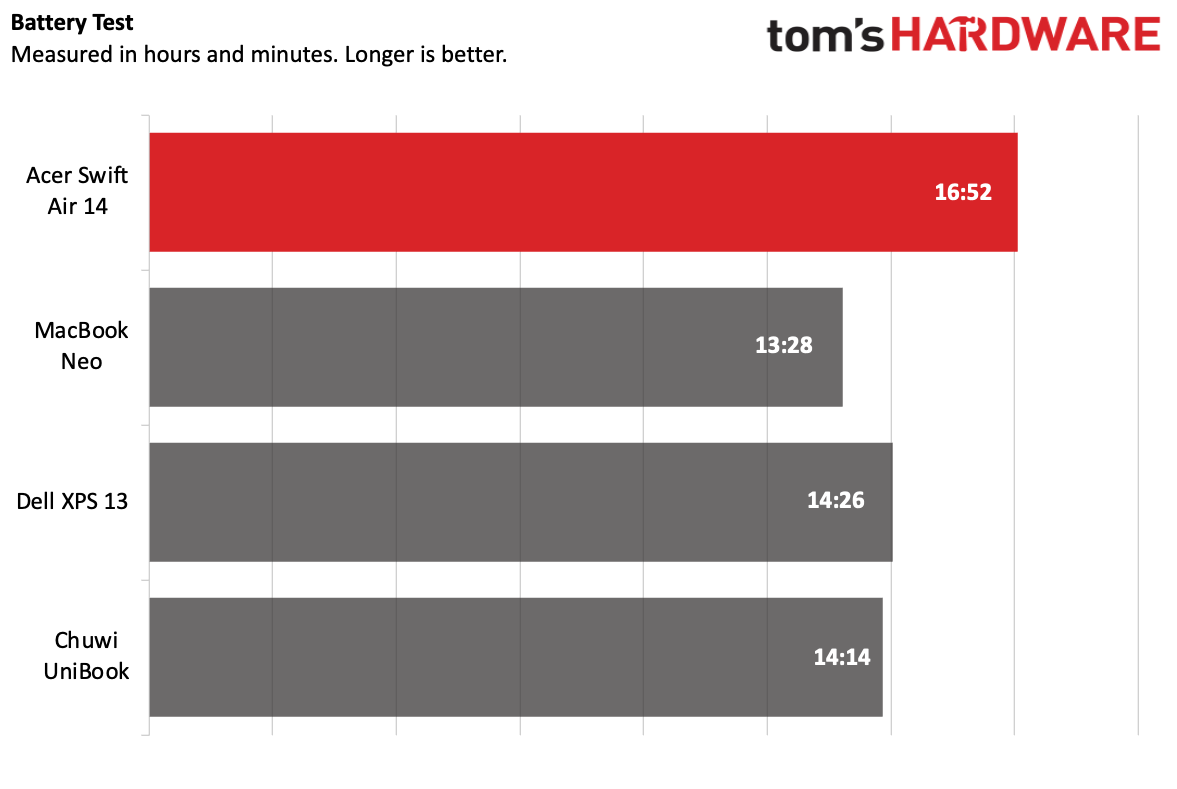
For a laptop in its class, the battery life on the Acer Swift Air 14 is fantastic. The system lasted 16 hours and 52 minutes on our battery test, which includes web browsing, video streaming, and light OpenGL work with the screen set to 150 nits.
(Image credit: Tom's Hardware)
That was the longest of the group by more than 2 hours. The next highest, the Dell XPS 13, lasted 14:26 on the test, while the Neo brought up the rear at 13 hours and 28 minutes.
Audio on the Acer Swift Air 14
The speakers on Acer's colorful 14-incher are just OK. The quad-speaker system doesn't offer a ton of depth. It's fine at $699.99, but not impressive.
Alice Merton's "Ignorance is Bliss" just filled my living room, but wasn't as loud as I would like. The artist's vocals were a bit hollow, though the song's guitars and snappy drums sounded decent for the price.
You can make adjustments in the DTS:X Ultra app, though I stuck to the default music mode. (Switching to voice made vocals louder, but drowned everything else out). There's also a custom EQ with three preset slots if you want to set the speakers to your liking. Taking some time to tweak, I was able to get the vocals and treble a bit closer to my liking.
Upgradeability of the Acer Swift Air 14
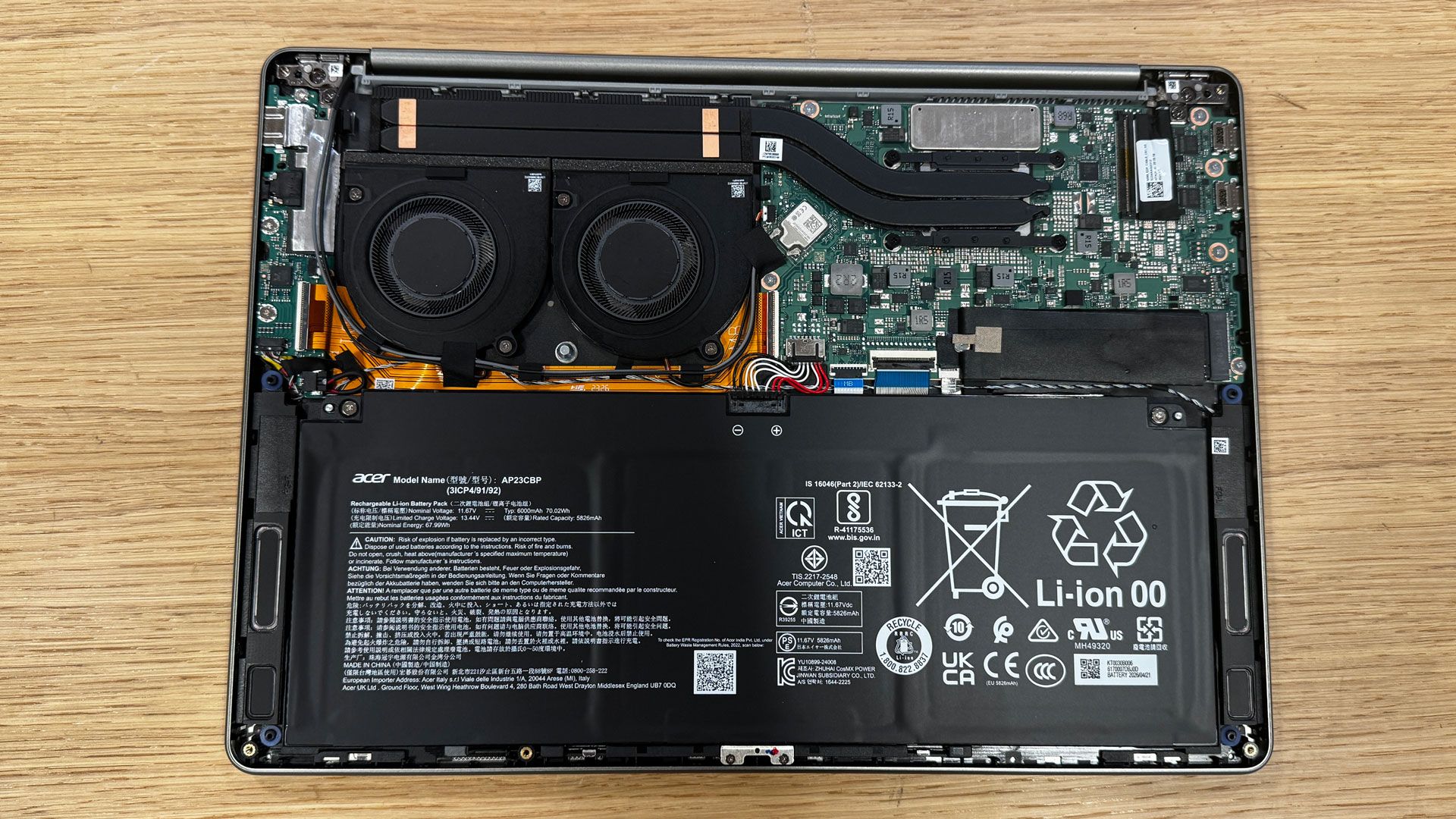
There are four Torx screws on the bottom of the Acer Swift Air 14. While the bottom of the laptop is metal, it's very thin, and the clips holding it to the rest of the chassis are made of plastic. I had to go very slowly around the edges with a prying tool to get inside.
(Image credit: Tom's Hardware)
The two major components that you can remove are the SSD and the battery. There's only one SSD slot.
Heat on the Acer Swift Air 14
Usually, we measure how hot a laptop gets during our strenuous Cinebench gauntlet. Because this system couldn't run that test, we stepped down to measuring with Handbrake video encoding.
During that test, the keyboard hit 96 degrees Fahrenheit, while the touchpad was a cool 84.1 F. The hottest point on the bottom of the laptop reached 96.9 F. None of these indicate an overheating laptop, but that's also because we couldn't run more difficult workloads.
Internally, the CPU measured 74.8 degrees Celsius while running the same test.
Webcam on the Acer Swift Air 14
Acer is using a 1920 x 1080 webcam on the Swift Air 14, but higher resolution doesn't always mean better. In testing, I found that it produced noisy, sometimes blurry images. Like many other cameras, it also struggled with open windows.
On the bright side, Acer also includes an infrared camera to support Windows Hello for facial recognition. There’s a small privacy shutter built into the bezel.
Software and Warranty on the Acer Swift Air 14
Acer packs the Swift Air 14 with extra software. Some is its own, but there’s also a lot of bloatware that it likely receives a licensing fee for.
There are more than ten of Acer-branded utilities. The most important of these is AcerSense (which also has a dedicated key on the keyboard). This offers simple performance statistics, extra settings, warranty information, and a few disparate links to excess programs.
Among the other apps are Acer's PurifiedVoice and PurifiedView for noise cancellation and camera enhancements during meetings, a built-in video speed controller, and a built-in QR code reader. That last one is kind of handy in theory, though it often didn't see the codes I was trying to scan.
Even on a $700 laptop, the inclusion of Forge of Empires, Solitaire, Amazing Block Blast, the Google Play Games beta, Dropbox, Booking.com, NordVPN, and a knockoff app store called App Explorer feels like a bit much. These are found in the Start Menu, pinned to the taskbar, and in the bookmarks bar in Microsoft Edge. It's just too much.
Acer sells the Swift Air 14 with a one-year warranty.
Acer Swift Air 14 Configurations
We tested the Swift Air 14 in a $699.99 configuration with an Intel Core 5 420, 8GB of memory, 512GB of storage, and a sage green colorway. As of this writing, this system is available at Best Buy in the United States.
Acer tells us that three additional models will be available exclusively at Best Buy Canada at $999.99 CAD, though we don't know what will be different or if they will include the other colors.
Bottom Line
(Image credit: Tom's Hardware)
If you have a budget of $699 and prioritize ports over all else, the Acer Swift Air 14 should be your choice. It has high-speed Thunderbolt 4 ports, a headphone jack, USB Type-A, and a headphone jack. With a 1920 x 1200 screen that isn't the brightest, it also reached over 16 hours of battery life in our tests.
But if you prioritize anything else, the MacBook Neo and Dell XPS 13 offer some significant upgrades at the same price. The Neo has performance for the price on lock, as well as improved build quality and the brightest screen of the bunch. The XPS 13 has the highest-resolution display and makes it a touchscreen; it also has a stiffer build than the Swift Air.
But if battery life and ports are your two strongest priorities, and you're willing to make some sacrifices on build quality and uninstall a bunch of bloat, the Swift Air 14 definitely earns a place among the recent budget laptop competition.
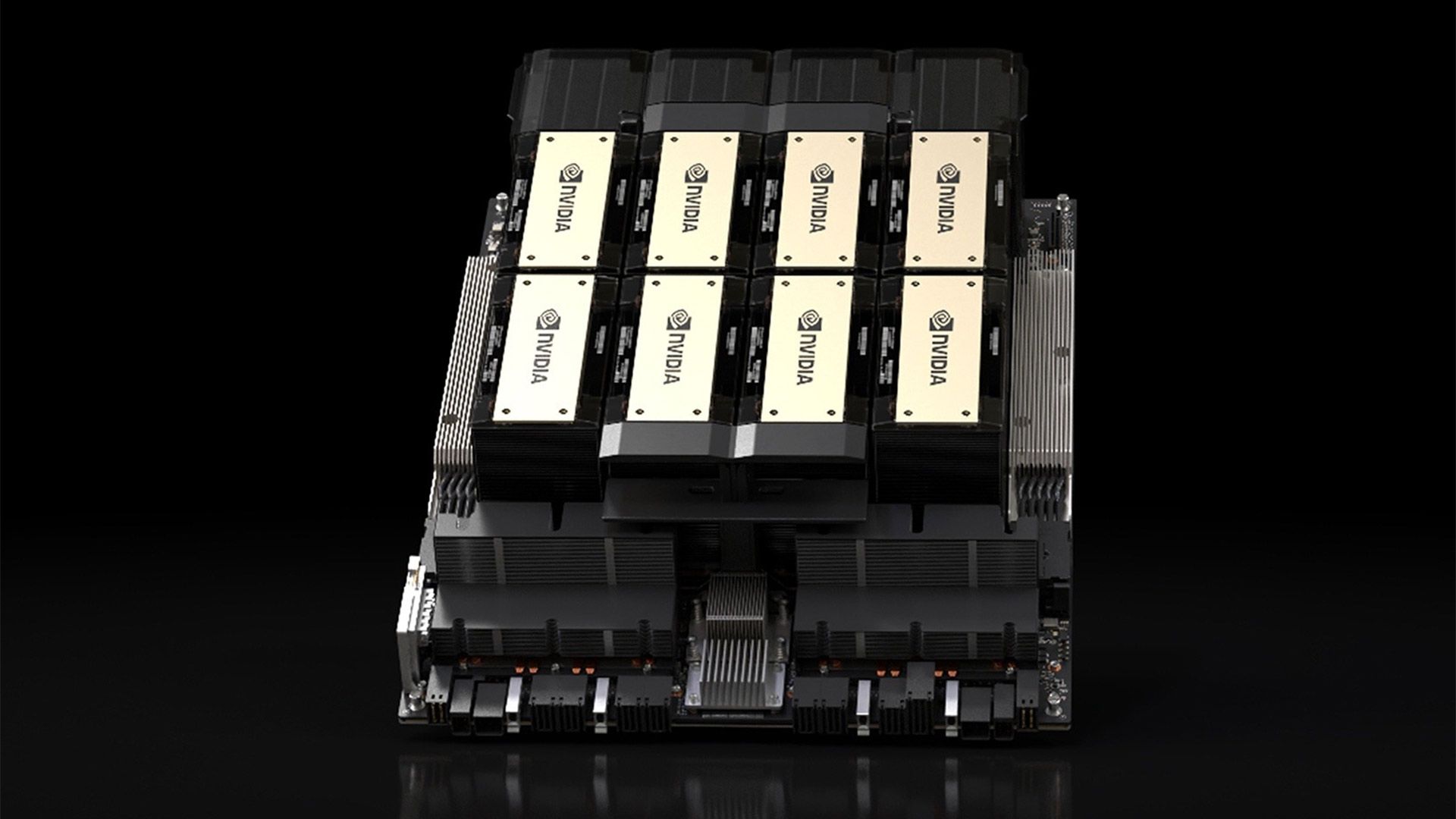
American nonprofit C4ADS, a monitoring organization funded mostly by the U.S. government, produced a report shedding light on the many ways that American AI accelerators reach China. Somewhat paradoxically, the U.S. refuses to sell advanced AI chips to China, while simultaneously the CCP prohibits their purchase, but that has seemingly not stopped the products from arriving on Eastern shores.
C4ADS's report identifies three major avenues for chip smuggling: direct acquisitions via research institutions, drop-shipping through other Southeast Asian countries, and purchases through a matryoshka-doll-like structure made of shell companies. The writers note that only explicitly mentioned chips are accounted for, meaning the actual amount of hardware changing hands could be far higher. Another earlier report by Epoch AI estimates that around a third (and possibly most of) China's AI compute power is comprised of smuggled GPUs.
Firstly, a quick primer on chip logistics. Nvidia has most of its chips manufactured and packaged at TSMC in Taiwan. An individual chip, or the entire accelerator unit it's in, might go through several rounds of testing, potentially doing more than one trip before it lands in a customer's data center.
As for export and import controls: the U.S. forbids the sale of H100, A100, and Blackwell-family chips to China; the lower-end H20 chip and the meatier H200 (and AMD MI325X) can be traded on a case-by-case basis, with the latter getting a 25% tariff. Meanwhile, China's broad position is to discourage and restrict the purchase of American AI chips, in a bid to spur its national efforts, currently spearheaded by Huawei. However, multiple reports indicate the authorities often turn a blind eye to gray/black-market imports, and 2026 saw official exceptions issued to ByteDance, Alibaba, and Tencent.
The first way to get a 'forbidden' chip into China via quasi-legal means is by simply getting a Chinese university or research institution to buy it. These entities reportedly include Nvidia GPUs inside "sprawling multi-vendor contracts," routed through small Chinese regional integrators.
The report also claims that some buyer institutions have ties to the CCP and the country's defense and intelligence sectors. C4ADS says that it tracked 56 chips worth $1.7 million sold this way in the report's July 2025 to January 2026 period. Additionally, it says that its 2024 investigation covering multiple years of government records revealed $6.48 million worth of silicon heading to China in this manner.
The second route for smuggling potent silicon is technically legal, via drop-shipping it through Southeast Asian countries including Vietnam, India, and Malaysia. C4ADS analyzed transactions between 2022 and 2025, and found $13.4 million of Nvidia A100, H100/GH100, and AD102-series GPUs routed through the aforementioned countries, in a "consistent pattern." Some chips traveled from Taiwan to Vietnam, possibly aided by the fact that Vietnam's chip testing facilities offer a good excuse for the trip. The investigation remarks that the timing, volume, and destination of many shipments could obscure their true intent.
A portion of purportedly tested chips traveled on to Hong Kong, where two companies "[dominate] the import side", Profit New Limited and ELB International Limited. The former traded trading $8.7 million of silicon in a single day in March 2025, likely in preparation for April 2025's tightened export controls. Some high-value shipments in the dataset were apparently bereft of cost, insurance, weight, or freight values, and also had nice round zeros in their import value declarations, raising suspicions about the veracity of their documentation.
The largest category, though, is opaque ownership — or shell companies. According to C4ADS, this method accounted for $4.6 billion worth of intelligent sand migrating to China, on the account of just one entity, Megaspeed International. This firm was reportedly the biggest Southeast Asian importer of Nvidia hardware in the time span between 2023 and 2025. However, its actual ownership is "unresolved."
Megaspeed has multiple companies across Singapore, Indonesia, and Malaysia, but it was purchased in 2023 by Swiftdata, another Singaporean firm. Before that, it was owned by Chinese gaming firm 7Road Holdings. During the transition, however, Megaspeed's major shareholder was temporarily Chinese businesswoman Huang Le, who's also a director of a Hong Kong company that bought transceivers from Megaspeed Indonesia. C4ADS believes Le may still be calling the shots at Megaspeed, though, seeing as she's identified as the firm's chairwoman at a conference as recently as 2025.
The speed and manner in which Megaspeed changed hands also raised some eyebrows, and it's still seemingly unclear who owns Swiftdata itself. Given that Megaspeed reportedly obtained export-locked Blackwell chips, it's hard not to find its dealings more than a tad murky.
C4ADS does issue recommendations to try and mitigate the problem. Namely, it remarks that the U.S. Bureau of Industry and Security gets allocated additional staff and resources so it can verify where the wares landed after their sale, and who their end users are. This could arguably be difficult to enforce, as it would require a level of cooperation from other nations that might prove a tad tricky to obtain in the current political climate.
In the researchers' own words, "U.S. and friend-shored semiconductor manufacturers, equipment makers, and distributors should invest in a robust end-user verification system that goes beyond standard restricted-party list screening, incorporating on-the-ground due diligence, corporate ownership tracing, and post-shipment verification." To the private sector, C4ADS recommends that firms add geopolitical and risk analysis into their frameworks, in a bid to assess if their direct or downstream customers could be selling wares to China's military or intelligence sectors.
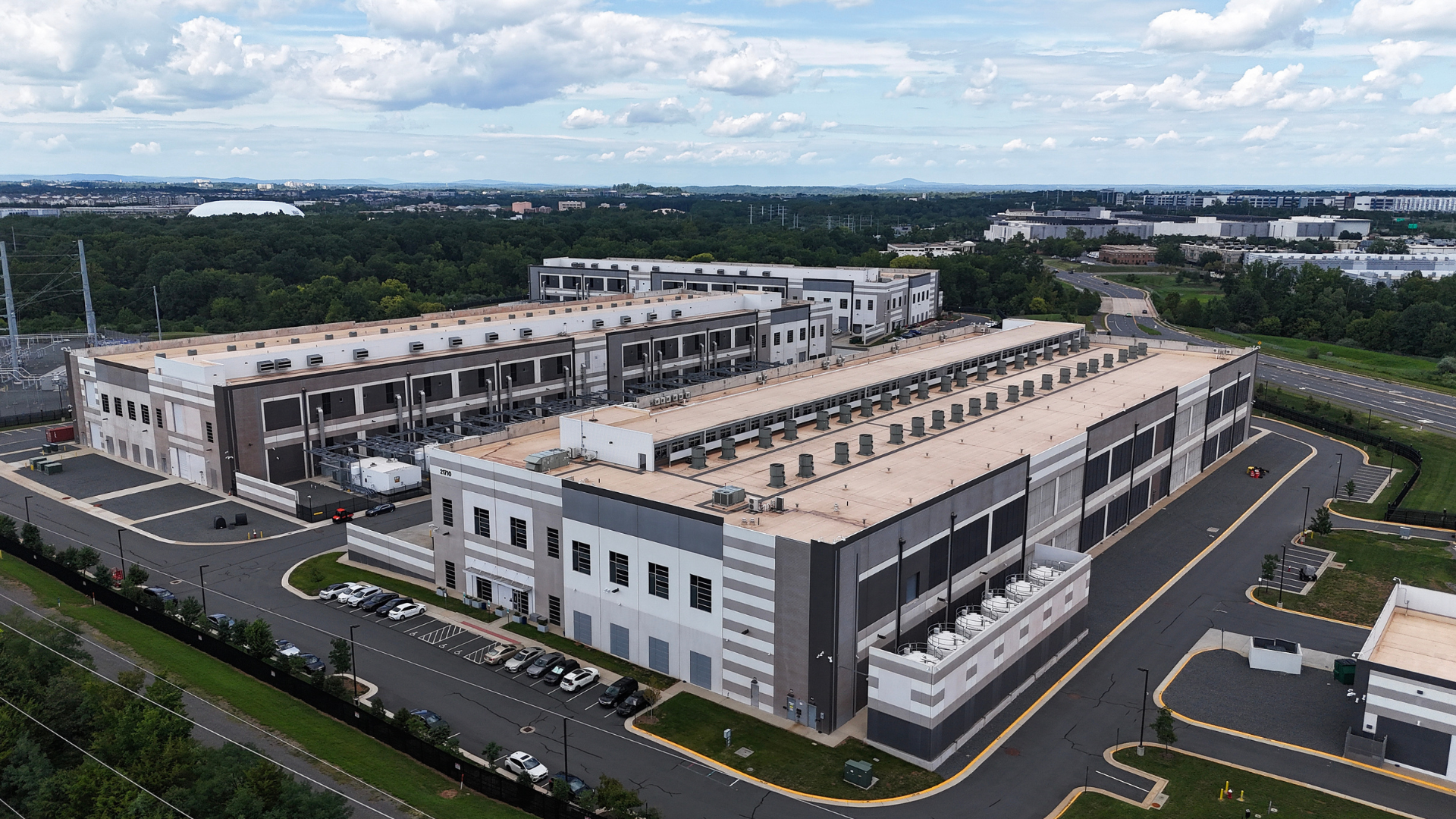
New York State Governor Kathy Hochul has just announced the Community Investment Framework (CIF), which serves as a negotiation guide for towns and municipalities in the state when they’re dealing with data center developers, recommending that communities demand $1 million per megawatt for the privilege of housing data centers. According to Empire State Development [PDF], the state’s economic development agency, the CIF offers “a structured approach to identifying, negotiating, and documenting investments from data center developers/operators/owners that address local priorities and create lasting community benefits.”
The document recommends six principles during data center negotiations: an investment benchmark of $1 million per megawatt of utility demand; long-term planning, including plans for when the data center leaves the facility; a roadmap to manage ongoing costs for projects funded through the CIF; a list of local priority investment areas to address the needs of the community; local ownership confirmation of projects receiving funding from data centers; and clear timelines for any program, especially those that require phased, multi-year investments. Aside from these, it also gave several recommendations, such as focusing on community engagement, engaging decision-makers and counsel, incentivizing good faith and timely negotiations, and maintaining flexibility, among others.
While data centers have been around for decades now, AI data centers are relatively new and are putting more pressure on electricity and water supplies. They also offer limited job creation and community value compared to other industries, which is why Loudoun County, Virginia, which hosts 250 data centers, has started reining in these facilities as well. More than 500 states, counties, and localities across the nation have already passed a moratorium or temporary ban against data centers, including states like New York and Texas. However, these have an expiration date, meaning government units only have a limited time before they would have to start processing data center applications once more.
This framework is a useful guide for when municipalities have to start negotiating with data center developers again, helping ensure that these projects would bring more benefit to the community while limiting their negative effects. One Pennsylvania town actually created a similar comprehensive document, outlining 43 specific demands before approving a proposed data center in Plymouth Township. Unfortunately, the said developer decided to cancel the application and file a new one instead, with the town accusing it of demanding approval “by tantrum.”
Reports suggest that various data center developers have requested up to 9,000 MW from the state grid. However, this does not include operators that are opting to bring their own power sources or build their own power plants on site. So, if New York towns and municipalities adopt the CIF in their negotiations with data center developers, this could potentially add $9 billion or more towards their coffers. This may seem like a lot of money, but it’s a drop in the bucket compared to the expected $32 trillion that some experts suggest will be invested in data centers by 2050.
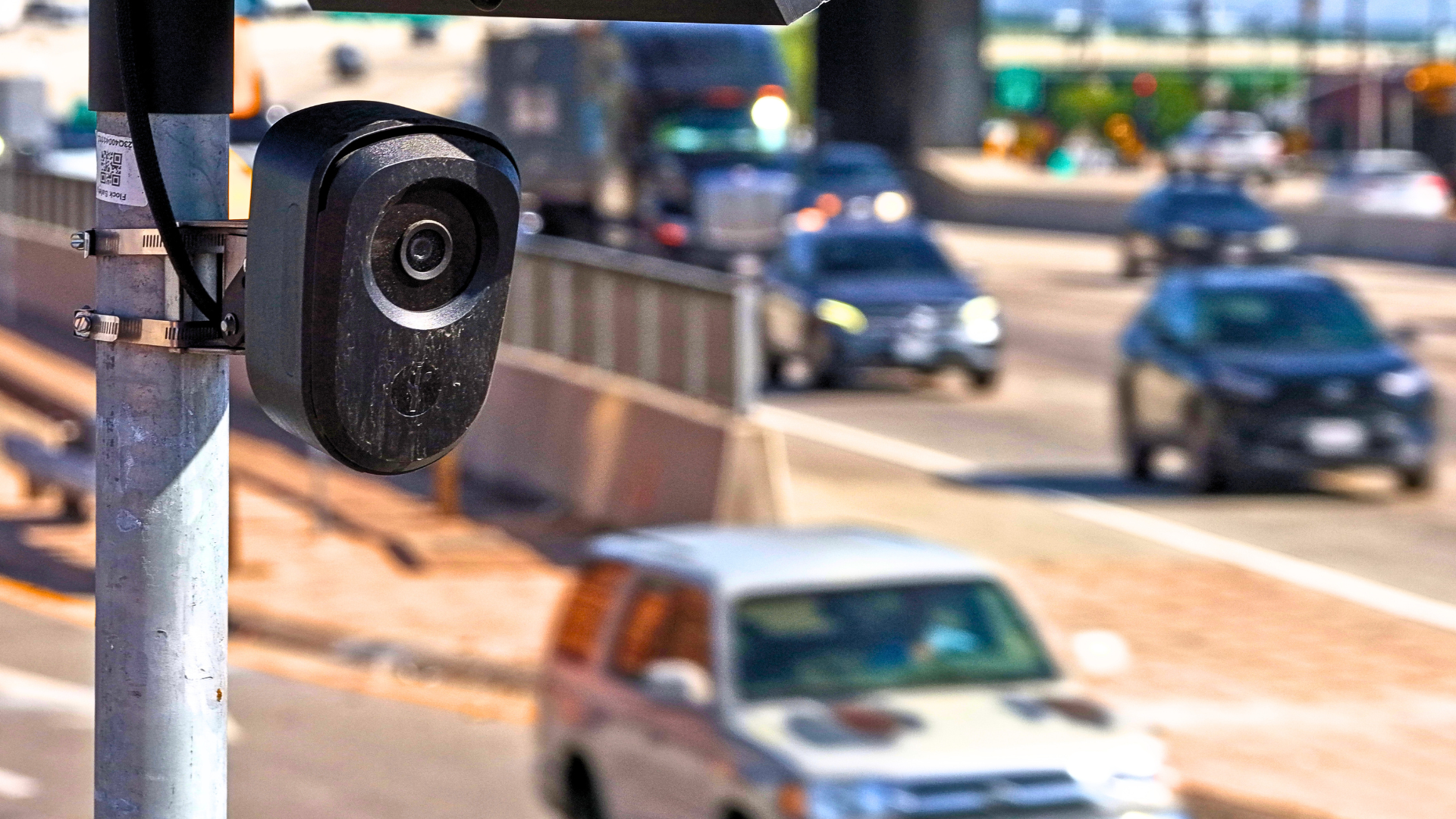
Flock says that its cameras are protected by on-device encryption, and even though a security researcher noted some flaws in its system, the company said that physical access is still required to exploit them and that the images are only briefly retained on the device before they’re forwarded to the cloud. However, 404 Media says that a hacking group called stegan0gram found out that this wasn’t the case after they took down a Flock camera positioned over a roadway and analyzed the data stored inside it.
While the hacking group failed to access the most sensitive data stored on the Flock camera, they were still able to access its Android operating system and found two storage partitions, labeled “vendor” and “media.” The latter was found to contain an encryption key that unlocked another partition containing all the media files from the camera. 404 Media said that that particular Flock camera captured about 1.6 million images across 21 days, detecting around 50,200 vehicles and, more concerningly, 11 people. There were also 27,321 video clips saved on the device — MP4 files with a 1024 x 768 resolution that lasted about a second or two.
Abilities like reading license plates and describing vehicle characteristics like color, make, and model are done on Flock’s servers, but these cameras still retain some edge AI capabilities. This includes detecting people, vehicles, bicycles, and plate-like shapes, which it then crops and sends to the company servers, alongside the original images. Although the software was found to have some facial detection capabilities, the publication said that this was the stock capabilities included in the operating system and wasn’t used by the camera.
This discovery by the hacking group raises another issue with Flock’s system, which is facing a lot of controversies when it comes to privacy and misuse. For example, several police officers have been arrested for using it to stalk romantic partners, while another incident over a mistyped license plate resulted in the unnecessary “ambush” of a car reviewer. Because of this, some towns and cities have ended their contracts with the company, while other people are taking things into their own hands to blind the controversial cameras.
Nevertheless, some critics say that those who are against the deployment of these systems should refrain from damaging or sabotaging these devices, as doing so will only make the authorities feel that these systems are needed. “I think that type of vigilantism will only crystallize the police and the state at large in their belief that this tool is necessary,” former Pawtucket, Rhode Island, police officer Noel Pichardo told the news website. “The longer the state continues to ignore the groanings of their constituents who are against this type of surveillance, the more this will happen.”
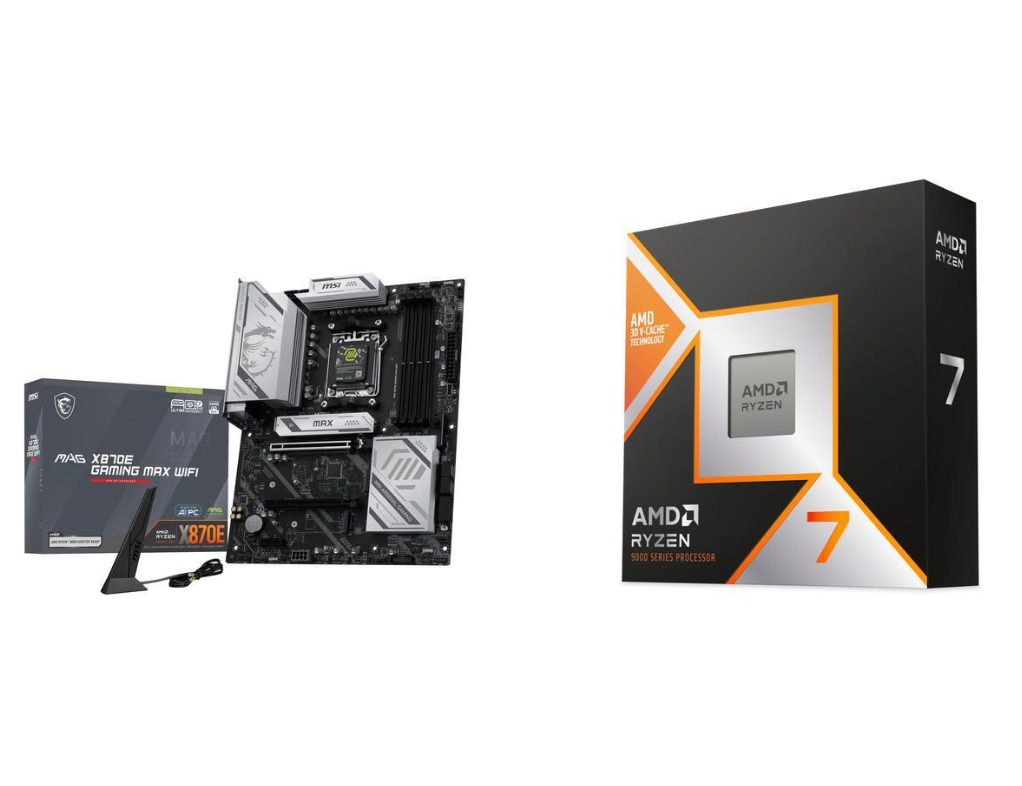
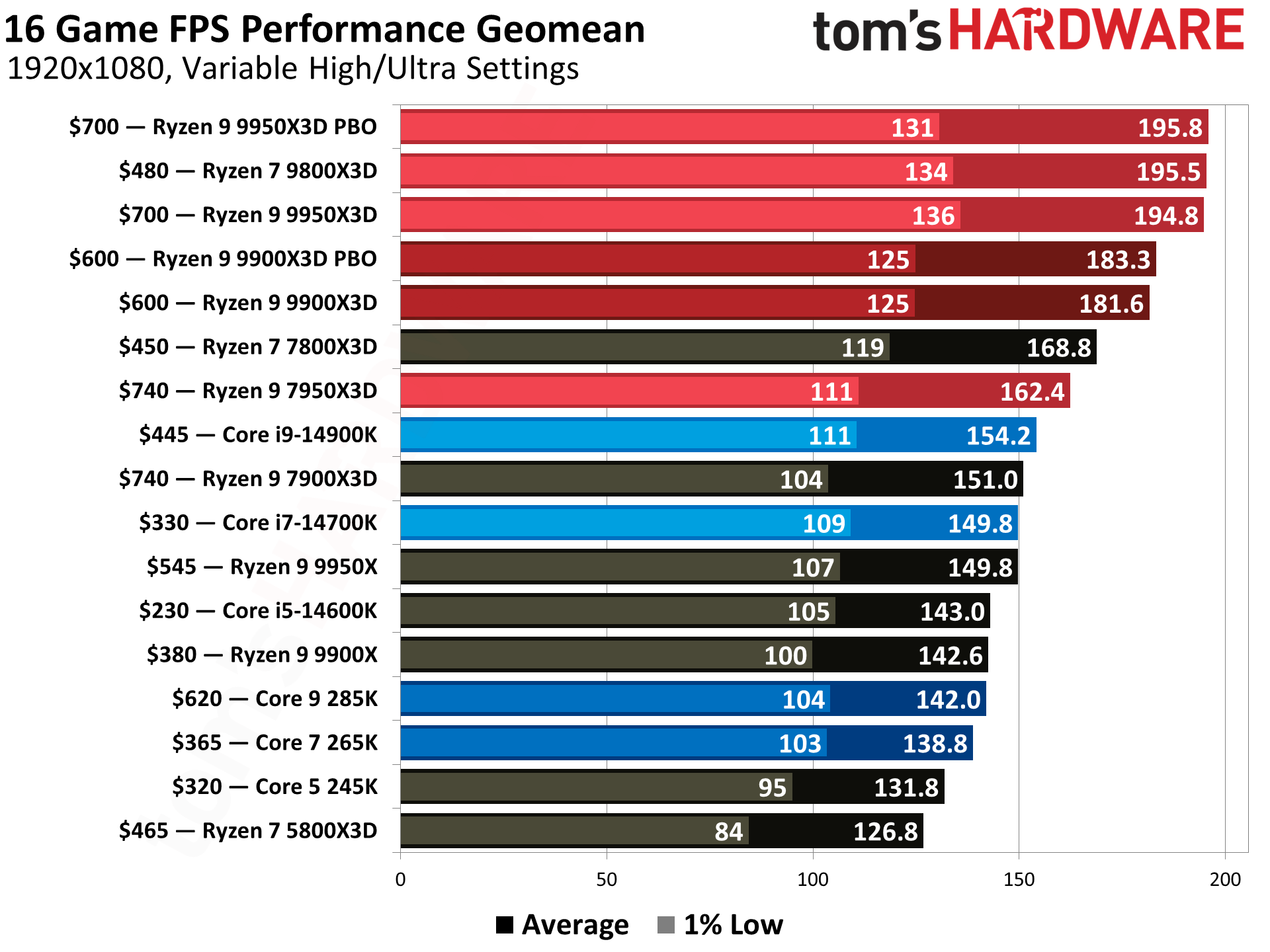
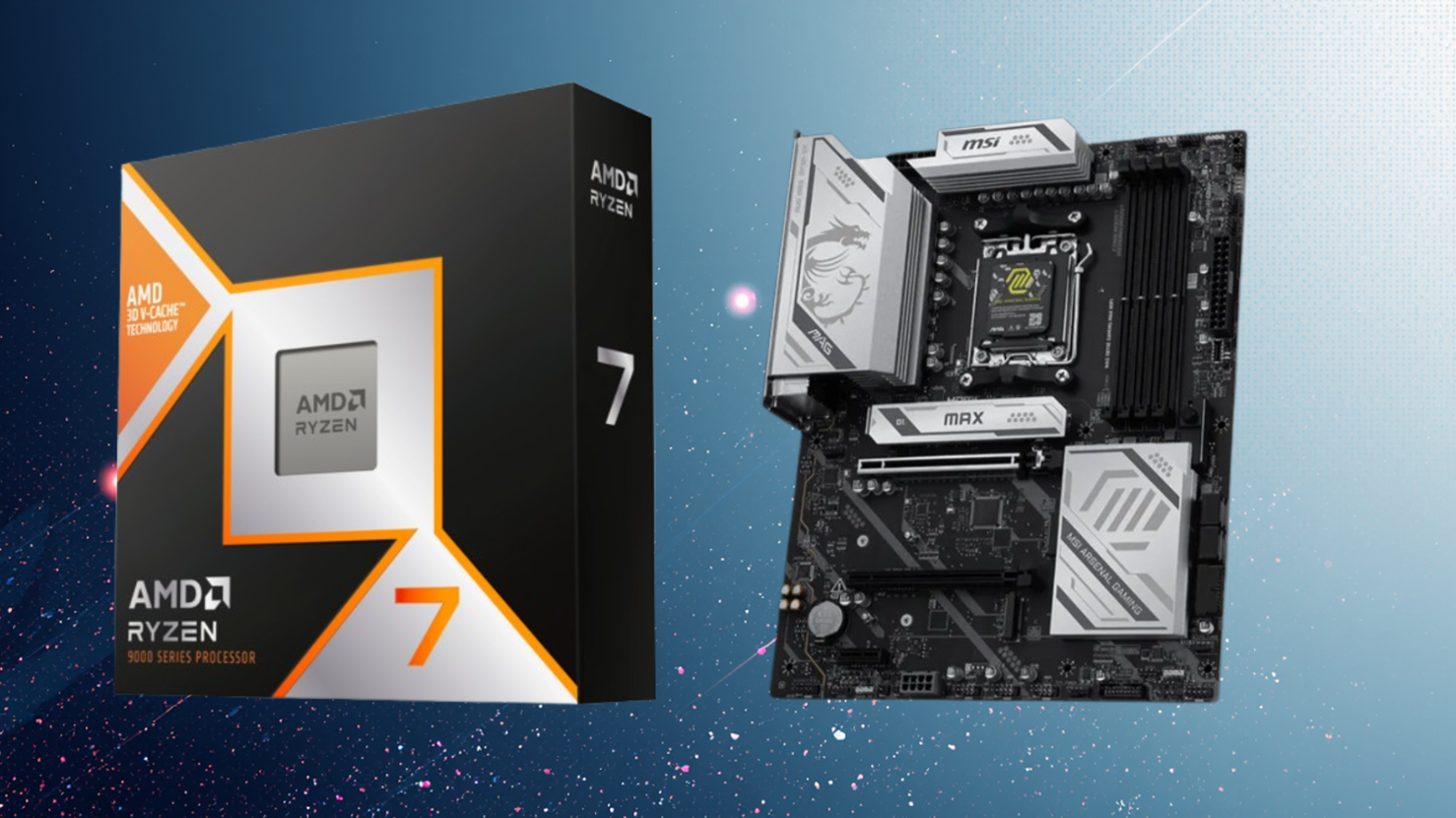
First, and the star of the show, is one of the most popular and fastest current-generation CPUs for gaming, the Ryzen 7 9800X3D. This 8-core/16-thread Zen5-based processor has a base clock of 4.6 GHz and a max boost of 5.2 GHz, which is plenty of speed for any task. The X3D variant's 96MB of L3 cache helps with gaming (among other things), making it one of the fastest gaming CPUs available. It is also a well-rounded performer that excels in games and suits most applications. This combo also includes a free Cooler Master Elite Liquid 240 AIO (a $80 value), which easily handles the 120W processor.
Snag a great deal on a AMD Ryzen 7 9800X3D in this 2-item Newegg combo. You get a quality MSI X870E motherboard with plenty of connectivity, and the star of the show one of the best gaming CPUs aroundView Deal
The combo includes the MSI MAG X870E Gaming Max Wifi motherboard, a solid mid-range refresh board with all the platform's latest features. You get fast networking with integrated Wi-Fi 7 (160MHz) and 5 GbE, DDR5 support up to 8200 MT/s, ample storage options with three M.2 sockets (one PCIe 5.0) and four SATA ports, and 10 USB ports on the rear I/O, including a fast 40 Gbps Type-C port. Plenty of connectivity. It also looks good with the black PCB and silver heatsinks and can blend into most build themes, as long as you don’t want a solid black or solid white aesthetic. I didn’t review this specific motherboard, but I do like most of MSI’s X870E offerings.
Tom's HardwareTom's HardwareTom's Hardware
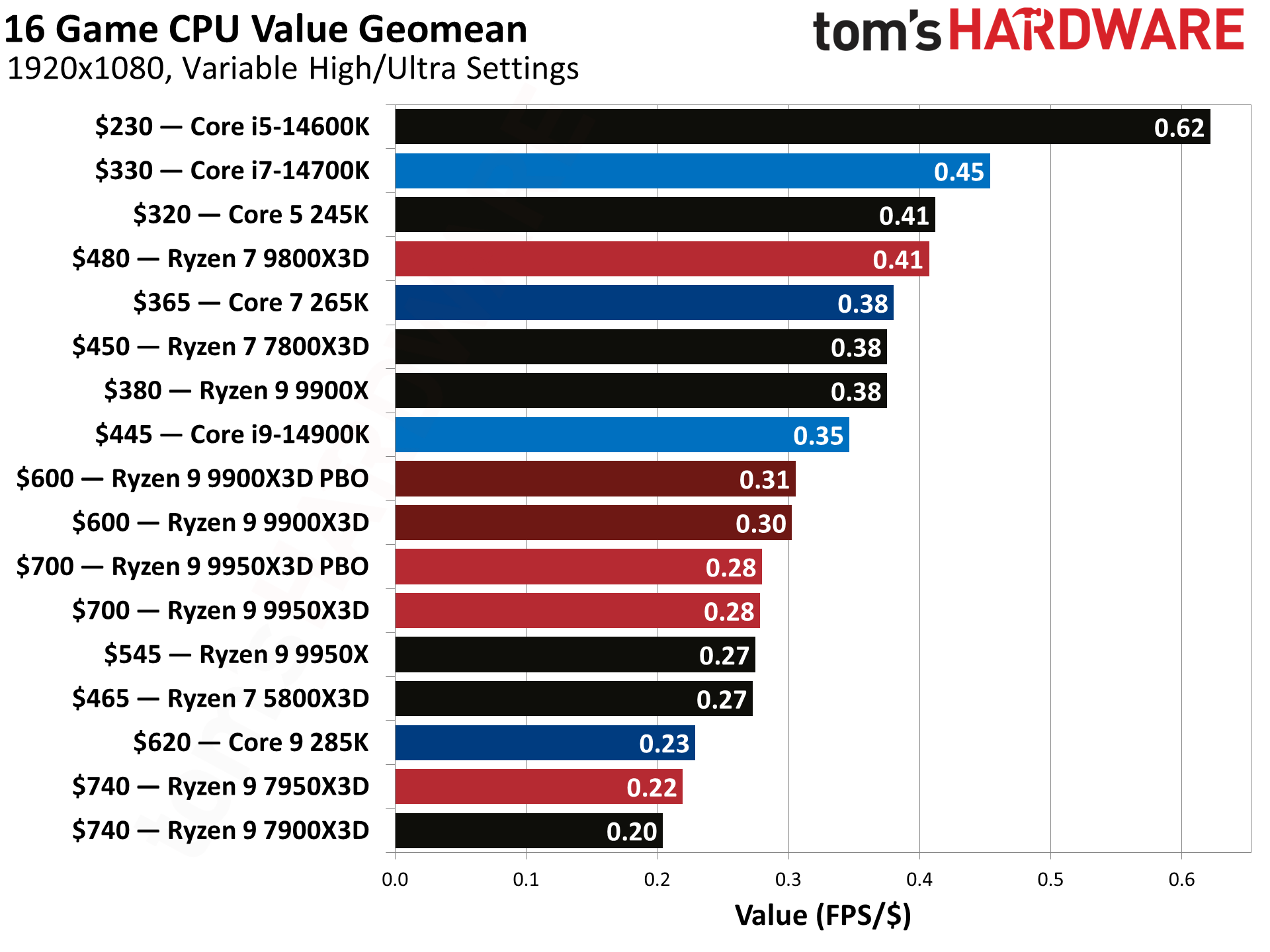
Newegg combos are getting scarcer lately. Where there were a few gems per week, there are now maybe one or two that are truly worthwhile, and this is one of them. For just $578, this combo nets you one of the best gaming processors around for only $320 (as cheap as we’ve seen it by far), a solid MSI X870E-based motherboard, and a couple of freebies with the Cooler Master AIO and AMD game bundle. If you're thinking about updating or buying a new AM5 rig and need the processor, I'd jump on this deal before it expires.
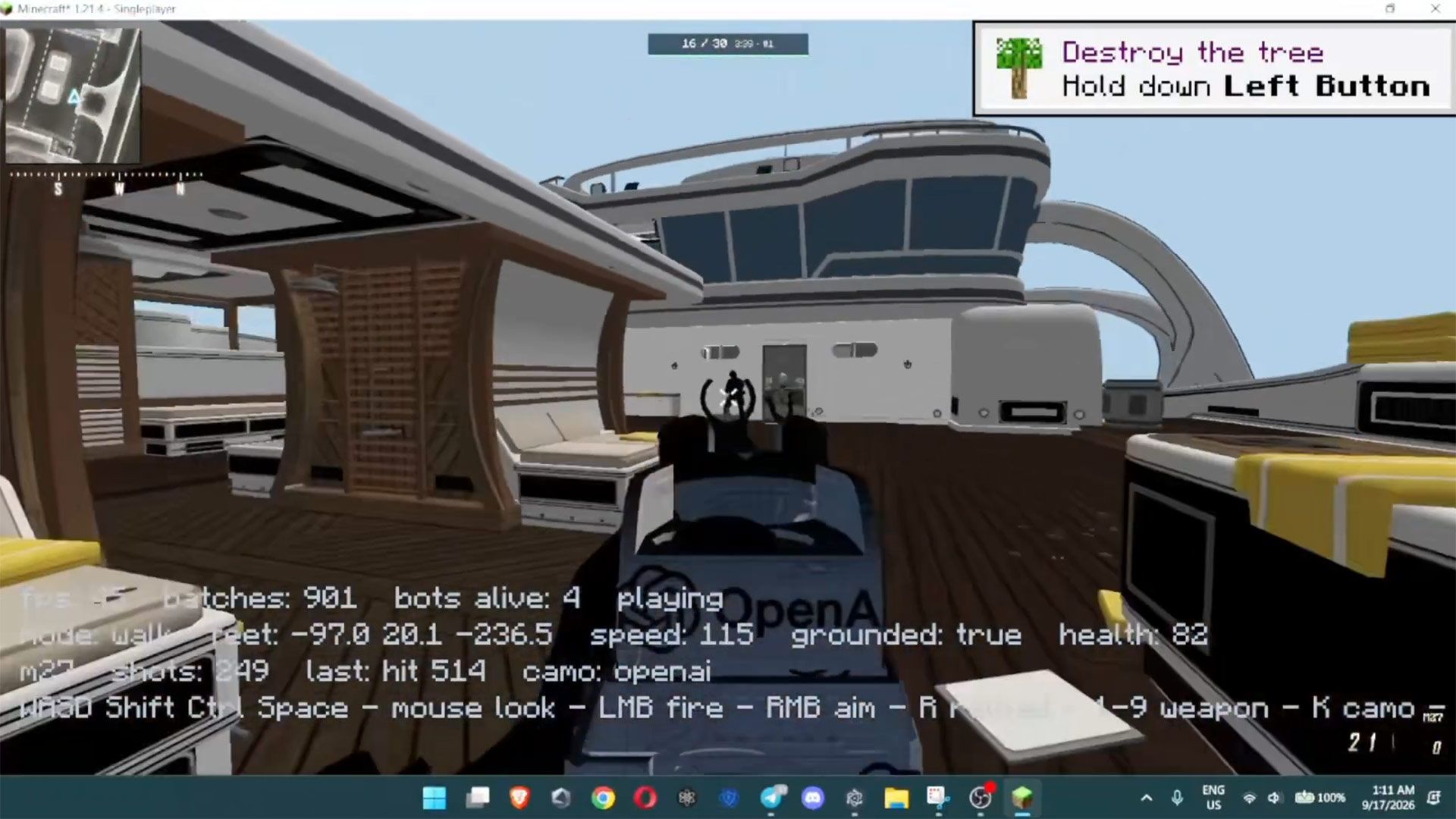
An artificial intelligence and games development enthusiast has demonstrated the Call of Duty: Black Ops 2 Hijacked map running natively in Minecraft. In a post on X/Twitter, Luckey Faraday explains that a browser-based port of Black Ops 2 they previously created was first inserted into Minecraft and ran “on a PC screen inside” the game. Then, GPT Astra was used to rebuild the project so that the Hijacked map ran “directly on Minecraft’s own OpenGL context.” Video footage shows the 2012 Call of Duty map running full-screen pretty fluidly at around 45 fps.
I got Black Ops 2 running natively in Minecraft.Not through a browser, not on a screen inside the game. I ported Hijacked to Java and it runs directly on Minecraft’s own OpenGL context.The map, collision, bots, navmesh, weapons and rendering are all running inside Minecraft… https://t.co/r8PC15VVo7 pic.twitter.com/sMi2mj1mbpSeptember 17, 2026
“The map, collision, bots, navmesh, weapons and rendering are all running inside Minecraft as a Fabric mod,” explains Faraday. Fabric is a lightweight, open-source mod loader and development API for Minecraft. Thus, the Black Ops 2 content and Hijacked map are injected directly into Minecraft through this modding framework.
Faraday runs an AI builders’ community where they invite fellow enthusiasts to collaboratively build demos and share logs and code. The way this port was made and rebuilt is a prime example of their process. Specifically, the dev began by making Hijacked playable in a browser. Subsequently, this effort was shoehorned into Minecraft but would exist only as a playable game on 'a PC' inside the sandbox. Then, Faraday decided to task GPT Astra with rebuilding the whole thing in Java. With this new code, they were able to run the iconic FPS directly in Minecraft’s OpenGL context.
Faraday says that there’s “still a lot left to do,” but this compact yacht-based map looks playable enough running in Minecraft, rather than just being displayed in the game. Next up, if the project continues, we might expect additional maps, more weapons, and multiplayer modes.
Many will know Minecraft as the best-selling video game in history. While it appeals to youngsters for its adventure gaming, creative building, and social aspects, the openness and extensibility of the sandbox mean it also attracts some highly technical minds. This is why it has been behind some spellbinding computer science feats. Examples that immediately spring to mind are the working 5 million parameter ChatGPT model, dubbed CraftGPT, wedged into the game.
 登录
登录

 )
)