登录
登录
Mexican cartel's crypto farm seized in mountain raid — 300 GPUs, satellite links, and industrial transformers tapped hydroelectric power
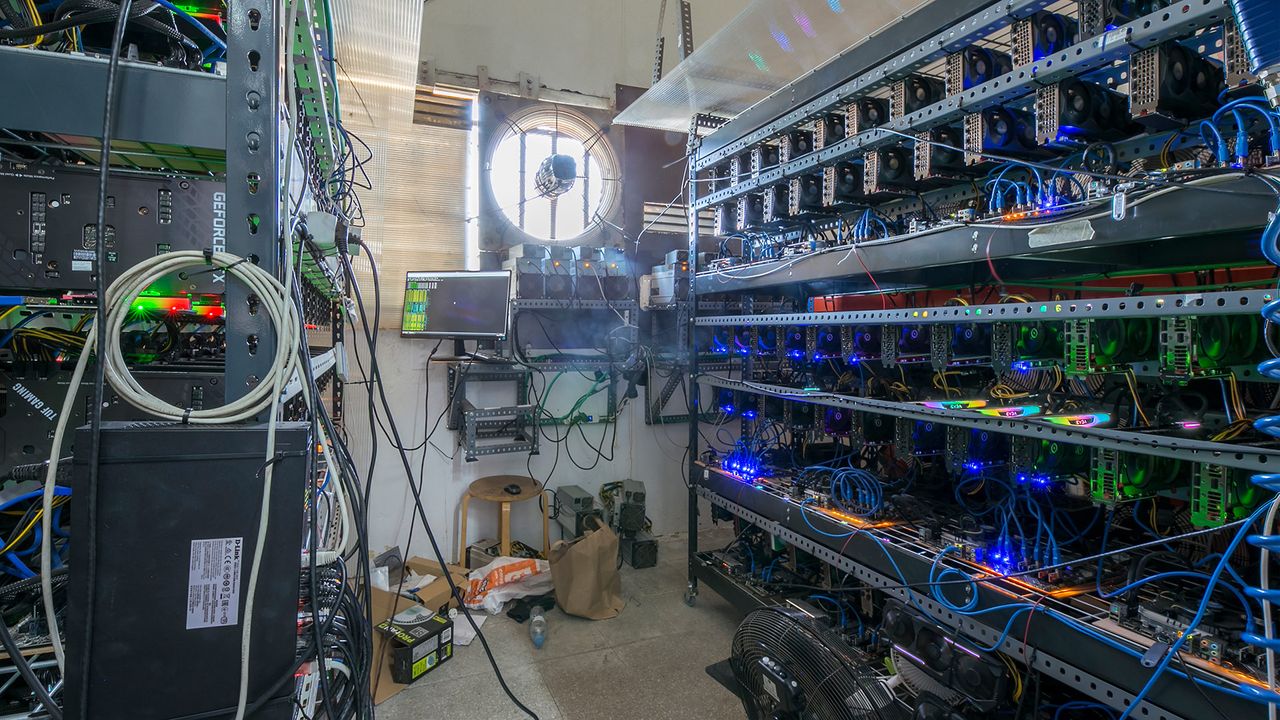
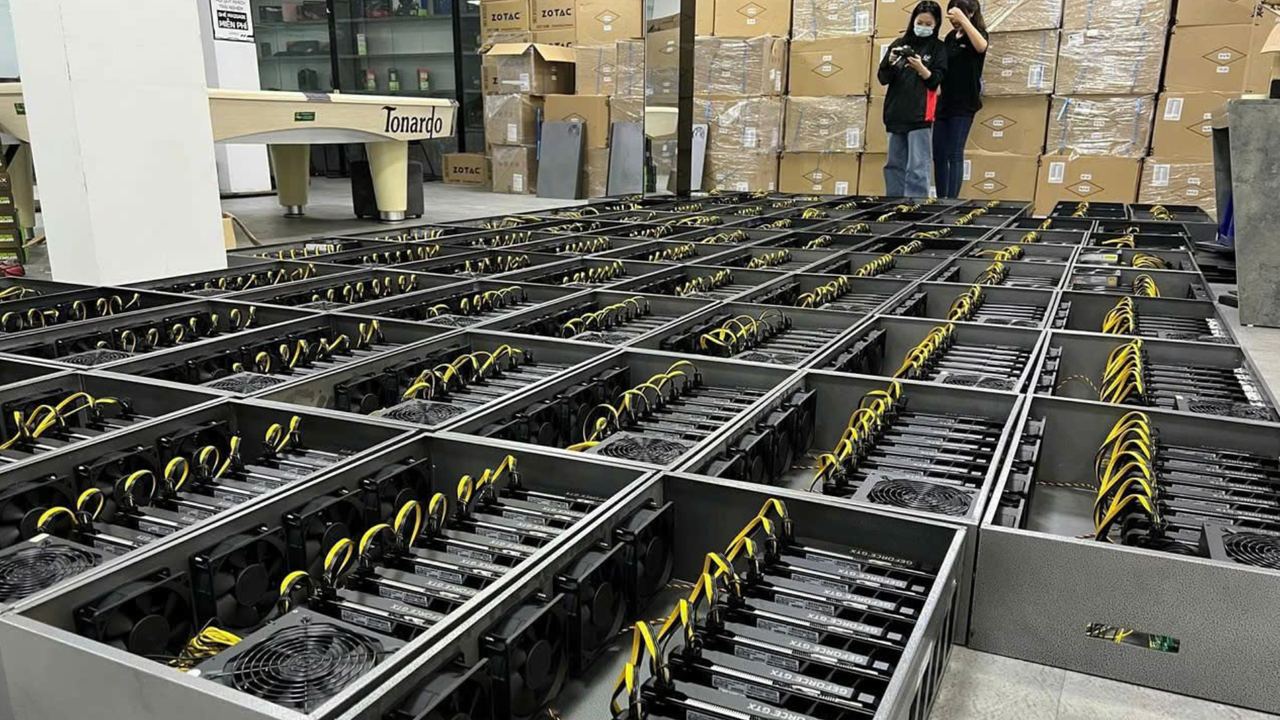
There is increasing evidence that Mexican drug cartels are diversifying into cryptocurrency mining and are using crypto platforms to diversify their income and, at the same time, launder their ill-gotten gains and fund other illegal activities. Reuters reports that local Mexican police uncovered a clandestine cryptocurrency farm in Tlaola, a town located in the leafy mountains of Puebla's Sierra Norte region. They found 300 GPUs, electricity infrastructure, and satellite equipment. The electricity-hungry operation likely drew power by secretly tapping into the grid at Presa de Necaxa, a nearby hydroelectric dam.

While this latest hidden facility found by police may seem small, Reuters notes it is the fourth such crypto farm Mexican authorities have uncovered in this region since early last year. According to a Mexico-based security analyst, the crypto farms discovered show that the cartels are increasingly sophisticated in their operations. In the latest bust, the Mexican federal authorities, the Navy, and state police seized around 300 GPUs, 80 medium-voltage terminations, a transformer, and eight satellite antennas.
It might not be surprising to hear about the Mexican cartels being tied up in crypto. Blockchain analytics firm Chainalysis, as cited by Reuters, reckons illicit crypto transactions grew from $59 billion in 2024 to $154 billion last year. The firm links the surge recorded to sanctions evasion involving governments. However, in South America, cartels are increasingly interested in using this channel to launder money. The mining operations are also integrated into the scheme, as stealing electricity is easy for organized crime. Mainstream consumer GPU mining ended in H2 2022, flooding the market with used graphics cards.
The source report doesn’t say how authorities found the crypto farm. Perhaps locals in this remote area of Puebla alerted authorities to the operation. Two folks from neighboring communities told Reuters that they could hear the crypto farm noise (transformers, cooling) from a kilometer away (0.6 miles), and the place was apparently a mere 2 km (1.2 miles) from the nearest village. The other three recently uncovered crypto farms were also near the same HEP dam, it is noted. Tlaola is a small community with around 20,000 inhabitants, so the noise levels and power consumption of crypto farms are very perceptible even if the cartels try to hide them deep in the mountains.
Remote communities, such as Tlaola, are popular locations for clandestine crypto farms because the electricity is cheap and most of them are under the protection of the cartels. For example, the Cartel Jalisco Nueva Generación (CJNG) and its armed branch, La Barredora, have the strongest presence in Puebla.
According to SILIKN, a Mexican cybersecurity firm, the use of cryptomining to launder illegal money rose by at least 55.8% last year in México. Drug cartels such as the Cartel de Sinaloa and the CJNG have set up crypto farms to mine Bitcoin (BTC), Monero (XMR), and Tether (USDT).
Similarly remote, illicit cryptomining facilities exist around the world, with Reuters recalling news of raids in Brazil, the U.S., and Thailand. Do you think there’s one near you? Please call the local police and liberate those stressed GPUs. Meanwhile, analysts expect crypto-related crime will reach new heights in the coming years.