❌

阅读视图

发现新文章,点击刷新页面。
✇Tomshardware

Seagate and Toshiba battle for TDK's HDD head business, a critical hard drive component

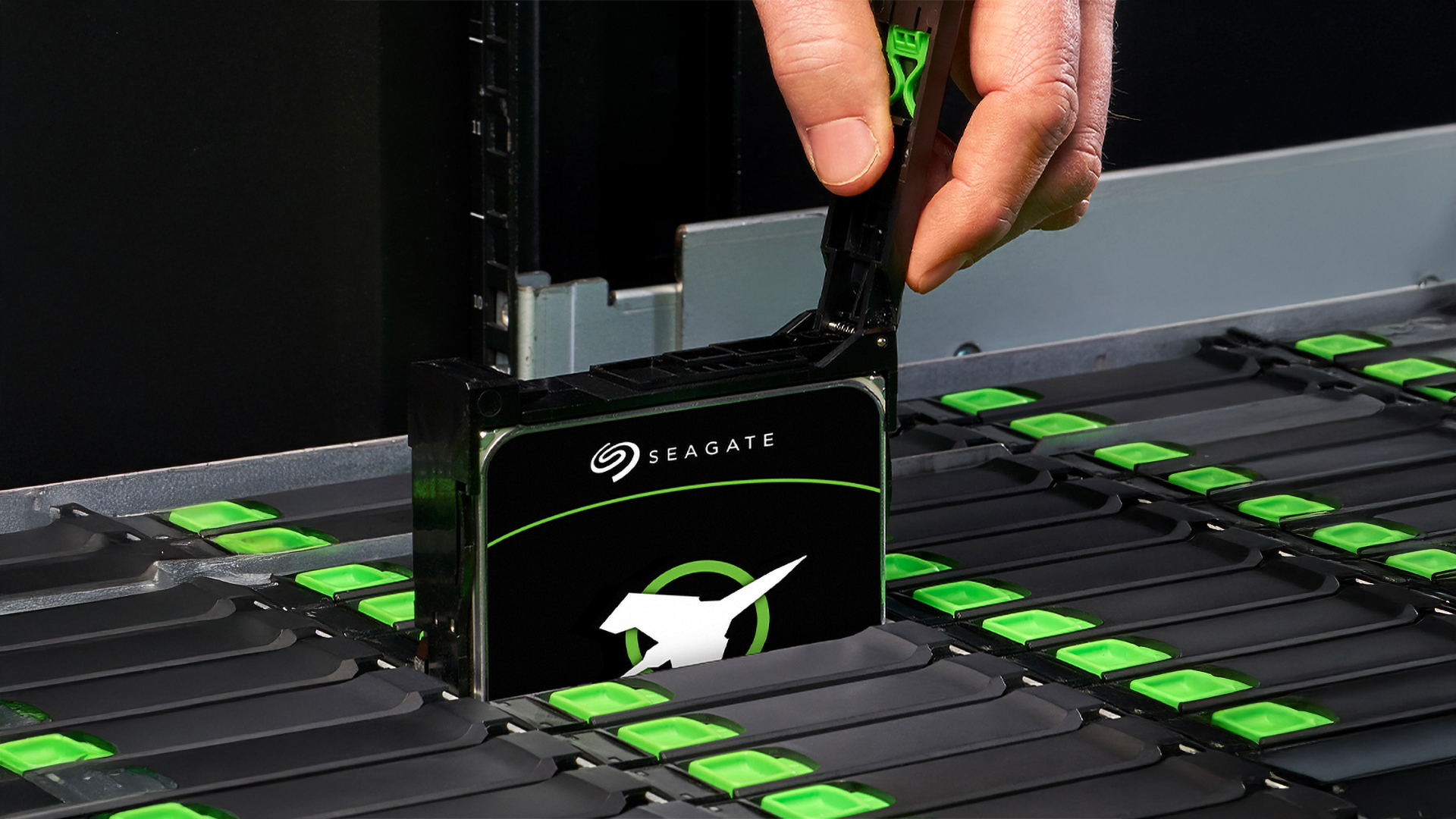
Seagate Technology and Toshiba are reportedly competing to acquire TDK's hard disk drive magnetic head business in a transaction valued at several billion dollars, reports Bloomberg. For Seagate, the acquisition would expand the supply of HDD heads that it also produces internally, but for Toshiba, TDK is the only way for it to get magnetic heads for its hard drives. If Seagate buys TDK's HDD heads operation, then Toshiba's HDD business will depend on supply from Seagate.

TDK is the world's only independent supplier of HDD magnetic heads and Toshiba's sole source of the components. By contrast, Seagate and Western Digital manufacture heads internally and also buy them from TDK if they need to. In recent years, TDK started to produce HDD heads for Seagate's drives that rely on heat-assisted magnetic recording (HAMR) technology, Western Digital's products featuring energy-assisted magnetic recording (EAMR), and Toshiba's HDDs based on microwave-assisted magnetic recording (MAMR) technology, which makes it an important supplier for all hard drive manufacturers.

Yet, while Seagate and Western Digital produce magnetic heads internally, they also source them from TDK when they need additional supply to respond to increases in demand. Toshiba, by contrast, depends entirely on TDK for these components. Access to TDK's technology is particularly important for Toshiba as while the company's next-generation 30TB-class HDDs are expected to rely on MAS MAMR technology, their successors will rely on HAMR. Meanwhile, developing write and read heads for HAMR is particularly hard and time-consuming, which makes TDK a key enabler for Toshiba's HDD business both for existing products (for which the company probably has long-term supply agreements) and future generations of hard drives that only exist in the roadmap.

Toshiba reportedly approached TDK about acquiring its HDD head operation in spring 2026. Seagate subsequently entered negotiations in summer with a higher offer, according to people familiar with the discussions, Bloomberg said. The potential acquisition could be worth as much as several billion dollars.

Control of TDK's magnetic-head operation could significantly alter the competitive balance of the HDD industry. The successful bidder would control the industry's only independent head supplier, which will potentially give it greater influence over pricing and make it more difficult for competitors to rapidly increase HDD output. Both Toshiba and Seagate are therefore reportedly concerned about maintaining access to TDK heads if the rival bidder acquires the business.

For TDK, a sale would provide an opportunity to exit an historically volatile, relatively low-margin business that requires continuous investment as magnetic recording technologies advance. The company has been directing more resources toward batteries, passive components, and sensors in anticipation of increased AI-related demand from devices such as smart glasses. Selling the HDD-head business could provide additional capital to accelerate investments in these areas.
Toshiba

(Image credit: Toshiba)

Executives from Seagate, Toshiba, and TDK reportedly met in Tokyo last week to discuss mechanisms that could preserve supplies of magnetic heads, including a possibility of creating a joint venture. The negotiations remain preliminary and could ultimately produce no transaction. While Seagate and TDK reportedly declined to comment on the Bloomberg report, Toshiba denied that any meeting took place, as well as its plans to acquire HDD heads production capability.

It should be noted that any acquisition would likely face regulatory scrutiny because of the concentrated nature of the HDD market and TDK's unique position in it. TrendForce estimates that Seagate and Western Digital each account for approximately 45% of HDD shipments in terms of bits shipped, whereas Toshiba controls around 10%.
✇Tomshardware

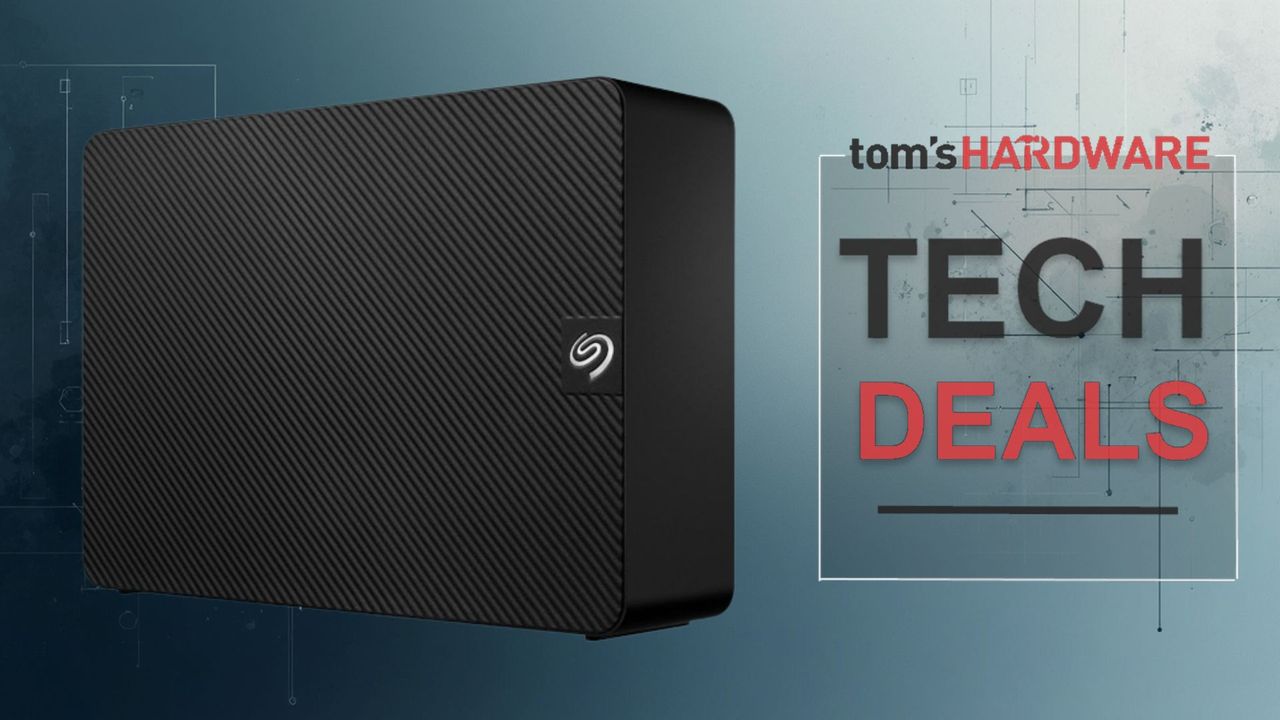
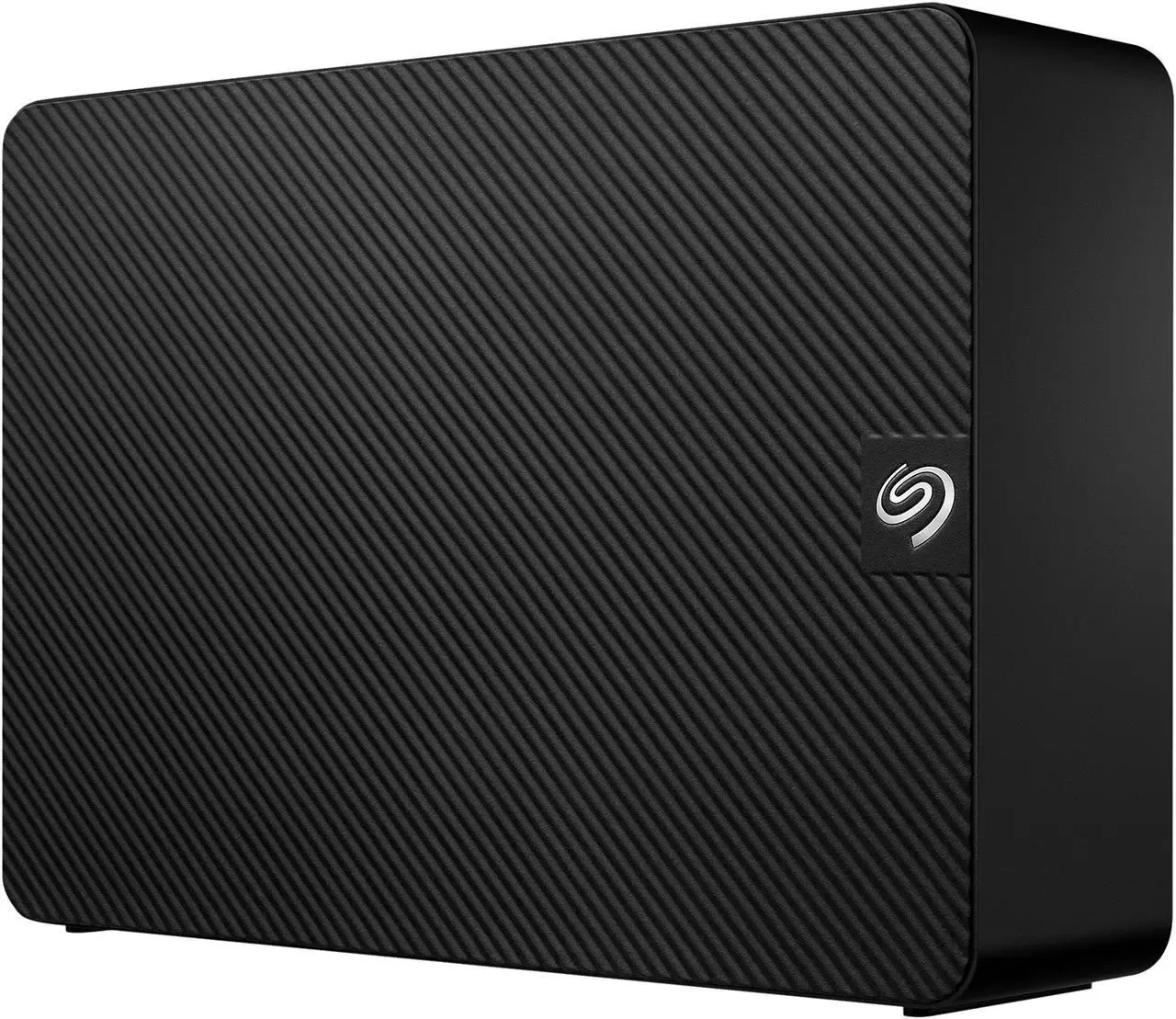
Get a rare deal on a shuckable 16TB Seagate Expansion Desktop drive at $0.02 per GB

作者 Jake Roach

The AIpocolypse has consumed everything in its path, including the once-affordable high-capacity HDD. Newegg has a rare deal on a high-capacity 16TB external Seagate drive, knocking $100 off the price to bring it down to $449.99. That comes out to around $0.02 per GB, which is surprisingly sensible given HDD prices right now.

The cheapest 16TB HDD we can find new right now is the IronWolf Pro at $599, which itself is on sale for 6% off. Around this point last year, before HDD prices started soaring, you'd be able to pick up around 28TB for $500. Now, most 16TB drives are around $700, with higher-end Exos drives pushing up above $800.

If you prefer internal storage, you can remove the enclosure, extract the drive, and put it in a case. Note that doing so will void your warranty, so although it's possible, you might want to rethink that move given how expensive HDDs are right now.

Expansion Desktop 16TB External Hard Drive: was $549.99 now $449.99
The Seagate Expansion Desktop drive is a 16TB HDD that connects via USB 3.0. It's formatted to ExFAT by default, allowing it to work with virtually platform out of the box. View Deal

As with most external drives, the actual drive inside of the enclosure varies. Seagate doesn't list the speed of the drive inside, though many external HDDs run at 5,400 RPM. User reports online have shown both Barracuda and IronWolf Pro drives inside the Expansion Desktop, so naturally, your milage will vary.

You shouldn't expect great speeds from this drive. Most 5,400 RPM drives offer sustained sequential reads and writes around 100 MB/s. Thankfully, the USB 3.0 interface offers plenty of bandwidth to keep up with the slower drive. For long-term storage, speed shouldn't be an issue.

If you install the drive internally, you can use it for games, though you should stick to older titles. A lot of modern AAA games require an SSD, and even titles with HDD fallback like Ratchet & Clank: Rift Apart struggle on slower 5,400 RPM drives.

Seagate ships the drive formatted to ExFAT, so it'll work with virtually any platform out of the box. Of course, you're free to reformat the drive to any file system you want.

At $449, the 16TB version of this drive is the one to buy. Both the 12TB and 14TB versions are more expensive at $619.99 and $660, respectively, while the 26TB version is $1,179.99.

If you're looking for more savings, check out our Best PC Hardware deals for a range of products, or dive deeper into our specialized SSD and Storage Deals, Hard Drive Deals, Gaming Monitor Deals, Graphics Card Deals, gaming chair, or CPU Deals pages.

✇Tomshardware

Toshiba to double HDD production capacity amid devastating shortages

Toshiba has spent approximately ¥60 billion ($380 million) to expand its hard drive assembly capacity in the Philippines, doubling its production capacity for nearline HDDs in fiscal 2027 compared to fiscal 2025, reports Nikkei. The capacity expansion coincides with Toshiba's plans to launch next-generation 30TB-class hard disk drives in 2027 and will prepare the company for 65TB-class HDDs by 2030 and 100TB-class drives in the future.

As part of the expansion, Toshiba has installed additional manufacturing lines at its Philippine Laguna Technopark (LTI) facility to build nearline hard drives and prepare it to produce next-generation HDDs that increase storage capacity per drive by as much as 40%. The 40% claim clearly points to the company's next-generation M12-series hard drives that rely on microwave-assisted magnetic recording (MAMR) technology, use up to 11 platters, and offer capacities of over 30TB.

Meanwhile, as the new product lines have already been installed and the first shipments from them have been made (meaning that the new production lines are at least partly qualified), the ramp of next-generation drives can start anytime.

In addition, the company plans to introduce more automation in its cleanroom operations and drive inspection, measures aimed at improving manufacturing yields amid increased output. The new automation will also reduce the requirement for additional employees by 40%.

The project represents the company's first substantial HDD manufacturing investment in around five years and comes as demand for nearline drives is skyrocketing. So far, both Seagate and Western Digital have enjoyed strong demand for 30TB and 40TB-class HDDs from the AI sector. While Toshiba is lagging with 24TB CMR and 28TB SMR hard drives, it has also sold out every single unit it has produced in recent quarters. Arguably, all three HDD makers are late to expand their production capacity.

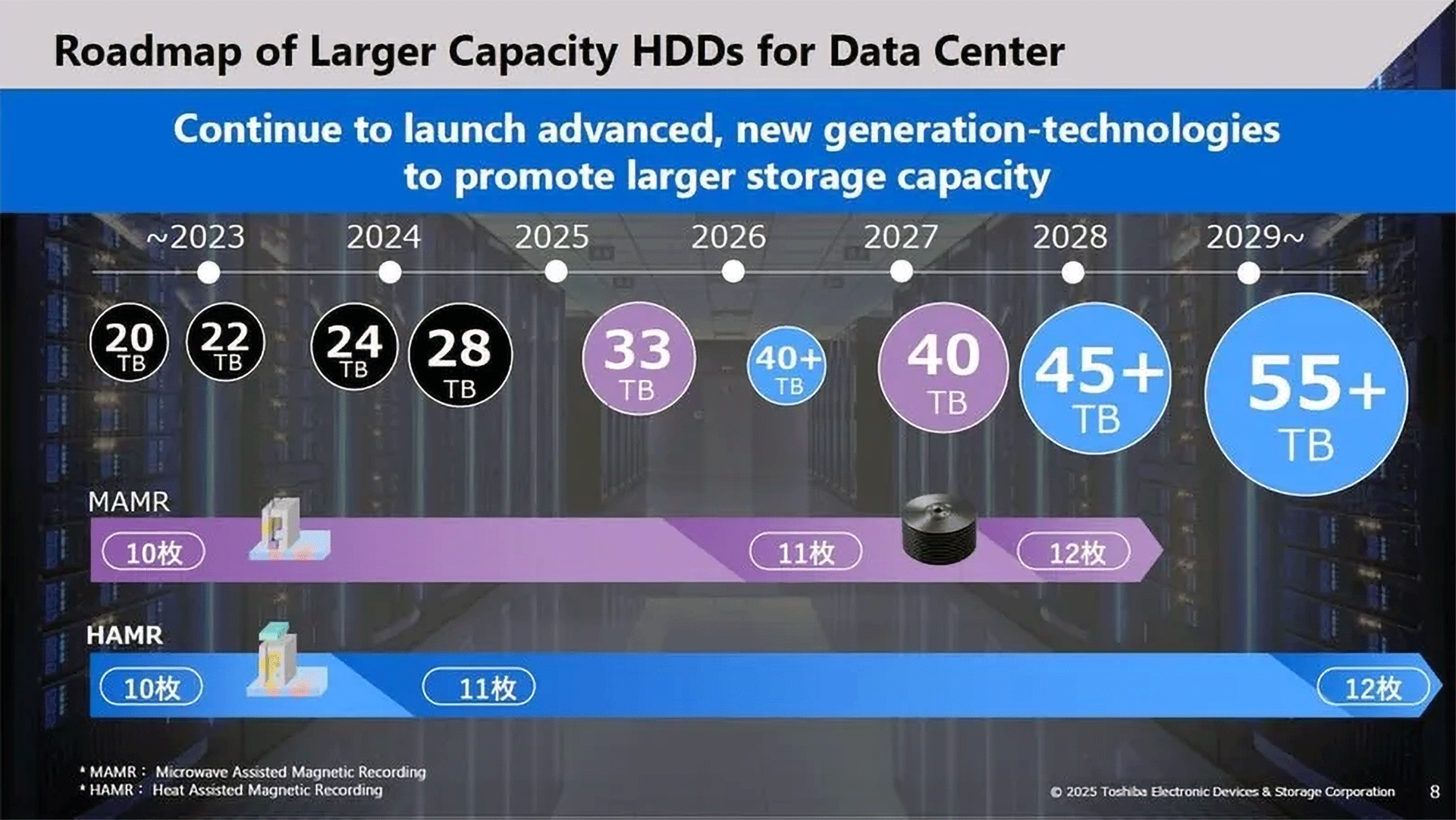
Meanwhile, the expansion is only one step in Toshiba's longer-term HDD roadmap. The company recently reiterated plans to introduce its 40TB-class HDDs with up to 12 disks inside in 2027, so the expansion will be instrumental for the ramp of these products as well. Yet, it remains to be seen whether the company will at least formally introduce its 12-platter 40TB-class models in calendar year 2027, as next year seems to be dedicated to the ramp of the company's 30TB-class M12-series of HDDs.

Toshiba

Toshiba's 2025 roadmap does not seem to reflect the company's actual plans anymore. (Image credit: Toshiba)

The company intends to continue investing in manufacturing capabilities to begin volume production of 65TB-class HDDs around 2030, followed eventually by 100TB-class drives, according to the report. These products will address growing storage requirements in AI and other large-scale data centers. Toshiba also expects the new production lines and next-generation HDDs to help it increase its market share from around 10% today, measured by exabytes shipped, to 30% in the 'medium term,' according to the report.

✇Tomshardware

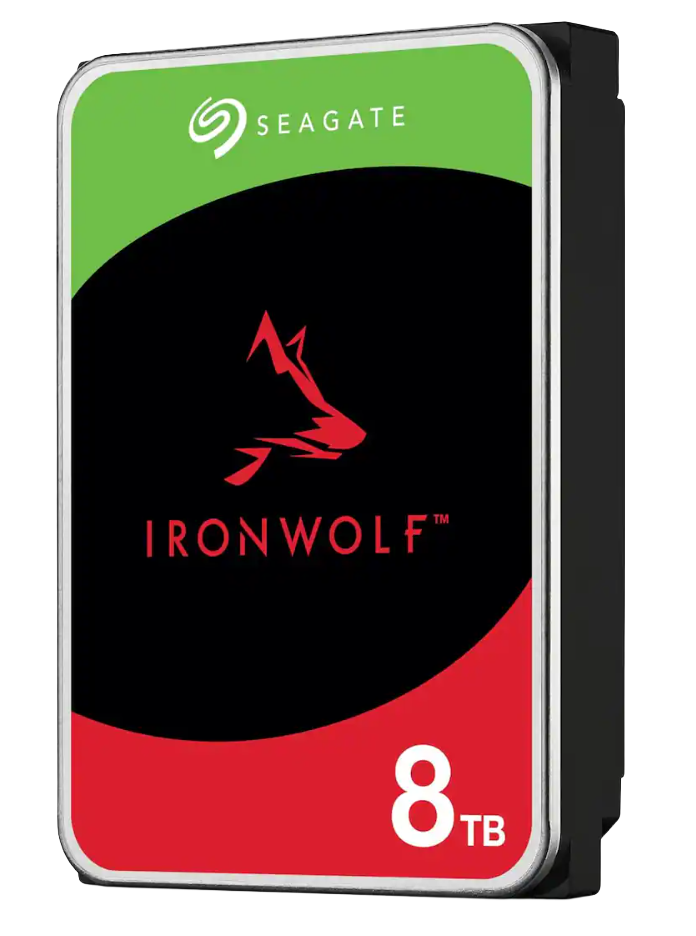
Expand your NAS with a third off this Seagate 8TB IronWolf HDD — 32% discount in Best Buy's 60th Anniversary sale

Storage prices are exceptionally high at the moment, with no end in sight to when the cost of a new drive will fall to the all-time lows of days gone by. If you still need to fill the drive bays of your NAS, though, there are some HDDs available that have received small discounts. Best Buy is currently hosting its 60th Anniversary sales event, with discounts across the board on various tech items, but the deal we're interested in today is on Seagate's 8TB IronWolf NAS Hard Disk Drive, which has had $167 chopped off the list price, making it now $349.99.

● Check out this deal at Best Buy

At this price, the drive works out to cost $43.74 per TeraByte, which is high compared to the price per TB of larger HDD drives, but you're looking at a lower cost per unit if you're going to purchase multiple drives for backup redundancy. 8TB may not seem the greatest size, seeing as you can get 28TB capacities, but those drives cost considerably more in the current economic climate.

IronWolf (8TB) Hard Disk Drive: was $517.65 now $349.99
This 8TB 7,200 RPM drive can store more than its fair share of data. It features 256MB of cache and is one of the fastest hard disk drives (HDDs) available, thanks to a 6GB/s SATA connection. Seagate's IronWolf HDD range is designed for 24/7 NAS server operation. View Deal

The Seagate IronWolf comes in a standard 3.5-inch metal chassis and is a CMR drive with a 256MB cache and 7,200 RPM disk spin speed. A SATA 6Gb/s interface delivers the fastest transfer speeds available for HDDs and makes plug-and-play exceptionally easy. The IronWolf HDDs have some of the fastest available speeds for NAS operation and are designed for 24/7 operation in a NAS storage environment, with lower noise and vibration.

If you're looking for a disk drive for use in a home server setup or media center, and want reliable, hard-working drives, then the IronWolf range of HDDs from Seagate is perfect for the job. Designed for durability and continued 24/7 operation, the IronWolf HDD comes with a 5-year limited warranty from Seagate.

✇Tomshardware

Peer-reviewed study of 443,000 Backblaze hard drives ranks HGST most reliable and Toshiba the least — Analysis of 1.66 million drive-years finds Seagate and Toshiba HDDs fail at roughly twice the rate of WD and HGST

Economists Christoph Siemroth of the University of Essex and Yeomyung Park of Sungkyunkwan University have published a peer-reviewed IEEE study that re-crunches 12 years of Backblaze's public drive data, covering 443,156 hard drives and more than 1.66 million drive-years from 2013 through Q2 2025, and finds that HGST drives fail at roughly 41% of Seagate's rate when drives of matched age, capacity, form factor, and operating temperature are compared. WD comes in at about 52% of Seagate's failure rate, while Toshiba sits in last at 107%. As for the most reliable brand in the ranking? HGST, one you can't buy new after WD acquired it in 2012 and wound it down.

Backblaze's quarterly reports compare whichever drives are available at the time, and the authors argue that approach stacks old drives against young ones because each manufacturer's fleet skews to a different era. HGST led new installations in 2014, Seagate dominated from 2015 to 2020, Toshiba topped 2023, and WD topped 2024, so raw annualized figures pit aging Seagate and HGST stock against much fresher Toshiba and WD units. A further 146,943 drives, about 31% of the sample, exited the dataset without ever failing, mostly pulled during capacity upgrades.

Toshiba's monthly failure rate more than quadruples once its drives pass 60 months in service, a monolithic jump that no other manufacturer in the dataset shows at any age. Between 50 and 100 months, Toshiba units failed at five to six per 1,000 drives per month, while the other three brands generally stayed at or below 2.5. Seagate's failure rate started highest among young drives but held steady with age. Backblaze's own analysis of its dead drives previously found most failures happened before three years of service.

Each additional one-degree Celsius of average drive temperature raised failure rates by 2.1% in the models, compounding to roughly 23% across a 10 degrees Celsius increase. Each extra terabyte of capacity cut failure rates by about 3.4%, which the authors attribute partly to helium-filled enclosures and newer head-fabrication processes in higher-capacity designs.

The dataset consists of enterprise drives run in Backblaze's data centers, so the ranking may not carry over to consumer models. Backblaze doesn't record comparable workload data across manufacturers, and only 0.52% of sampled drives ran longer than a decade, so the estimates reflect short- to medium-term reliability.

The authors also suggest WD's ownership of HGST plausibly explains why the two brands sit closest together, given the potential for shared technology. Backblaze's most recent annual report, published in February, put its fleet-wide annualized failure rate for 2025 at 1.36%.

✇Tomshardware

$29 per Terabyte makes this 24TB Seagate BarraCuda one of the best-value hard drives in today's market — $50 off at Newegg makes it $200 cheaper than the 20TB version

It's a sorry state of affairs in the storage component sector at the moment, with prices having doubled or more since the AI boom moved in to destroy the PC component ecosystem. Prices and deals are now relative to the current climate, not to what was available a year ago, unfortunately. Today we have a decent $50 discount off of a large 24TB HDD, which turns it into one of the best value drives of this size currently available. Seagate's Barracuda Compute 24TB HDD is reduced to $699.99 when you use code BTSF2883 at checkout. That works out to $29.16 per Terabyte, or $0.02 per Gigabyte. In years gone by, we have seen this drive a lot cheaper in sales such as Black Friday, before the extreme compute price inflation took effect. But if you're hunting for a large HDD, then this is one of the best deals you're currently going to find.

● Check out this deal at Newegg

The Seagate BarraCuda comes in a standard 3.5-inch metal chassis and is a CMR drive with a 512MB cache and 7,200 RPM disk spin speed. A SATA 6Gb/s interface delivers up to 190 MB/s transfer speeds, some of the fastest available speeds for this kind of storage, and is the standard for most PC and NAS setups. Its large capacity means you can store reams of data, including pictures and video files.

BarraCuda (24TB) Hard Disk Drive: was $749.99 now $699.99
This massive 24TB 7,200 RPM drive can store more than its fair share of data. It features 512MB of cache and is one of the fastest hard disk drives (HDDs) available, with a transfer speed of up to 190 MB/s.

Use code BTSF2883 for a $50 discount at checkout.View Deal

The massive 24TB capacity of this drive is perfect for someone looking for a large storage drive for a media center or for a big backup drive in a PC. Although the Seagate Barracuda Compute is fast for an HDD, it's not fast enough for modern gaming; you definitely want an SSD for that. But for storing movies, videos, and other media, this drive is perfect.

✇Tomshardware

Seagate to start qualifying record-setting 50TB HDDs in 2027 — most drives are sold out through 2028

Seagate is on track to start qualification of its hard disk drives featuring 50TB-class capacities in late calendar 2027, with shipments to follow in 2028, the company announced this week. Demand for HDDs is so strong because of the rise of AI and continued strength of the cloud computing business that most drives are sold out through 2028 and negotiations about allocations for 2029 are ongoing.

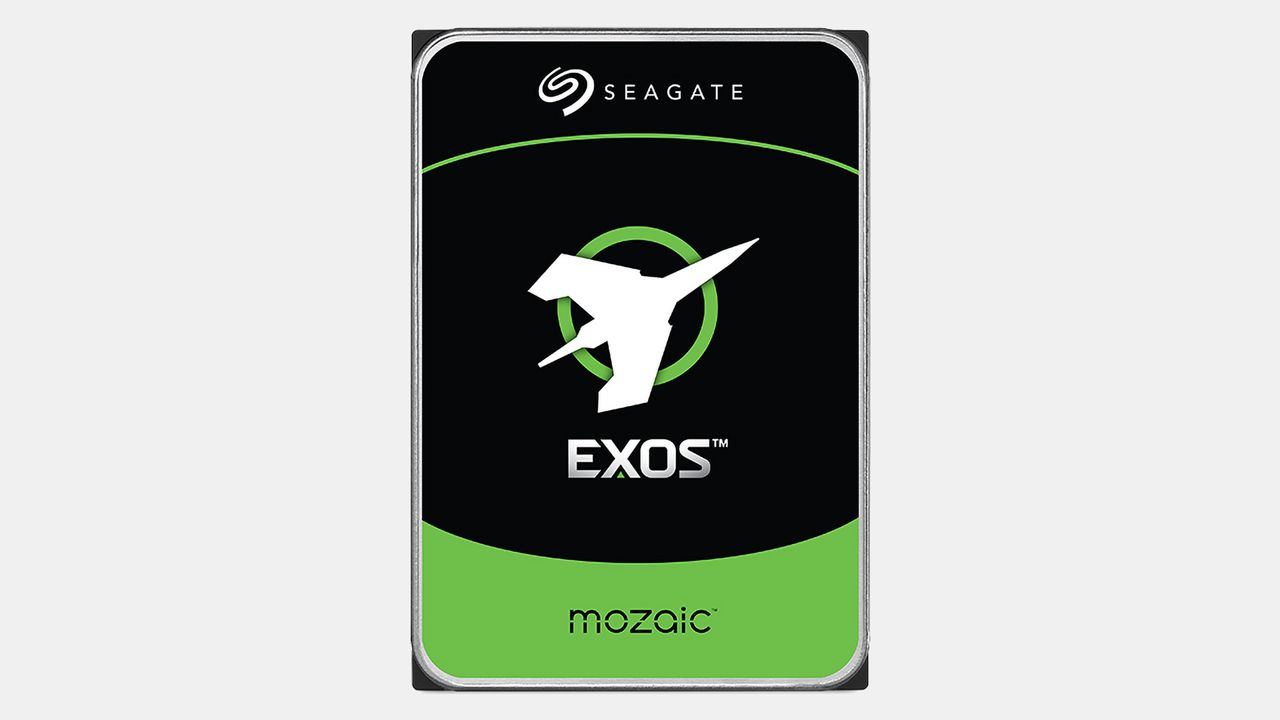
"Mozaic 5, our 5+ terabyte per disk platform, remains on track for qualification shipments in late calendar 2027," said Dave Mosley, chief executive officer of Seagate, during the company's earnings call with financial analysts and investors.

Mozaic 5 is the company's 3rd generation platform for commercial hard drives based on Seagate's heat-assisted magnetic recording (HAMR) technology that succeeds Mozaic 3 and Mozaic 4. The Mozaic 5 platform enables the company to build platters with over 5TB capacity and consequently build 10-platter HDDs with over 50TB capacity featuring conventional magnetic recording (CMR) for clients seeking performance and versatility or shingled magnetic recording (SMR) for clients that need maximum capacity to maximize their storage density.

If Seagate preps to initiate 'qualification shipments' of its 50TB-class hard drives in late calendar 2027, then it means that by the time the HDDs have passed all the manufacturer's internal validations, including reliability and durability of heads and media, shock and vibration tests, and longevity tests among many others. It typically takes server OEMs about two to six months to qualify new HDDs for their offerings, whereas hyperscale cloud service providers usually qualify them for six to 12 months. In any case, it is safe to say that Seagate is on track to ship 50TB-class hard drives in calendar 2028 with significant volume ramp in 2029.

These 50TB-class HDDs will come to market just in time to meet exabyte demand from the AI and cloud sectors. Most of Seagate's nearline HDDs have been allocated for 2027 and 2029 under long-term supply agreements (LTAs), with some customers looking to secure supply in 2029.

Seagate

(Image credit: Seagate)

"Based on the long-term supply agreements in place today, the vast majority of our nearline exabytes are now allocated into calendar 2028," Mosley said. "[…] As our strategic relationships deepen, many are actively seeking to extend planning horizons through 2029 and beyond, which we believe reflects growing confidence in their own long-term infrastructure needs."

Seagate's LTAs not only define exabytes, but also product configuration and prices. As it turns out, both are set for the 'entirety of calendar 2027.' Meanwhile, Seagate is flexible on pricing of drives that are not covered by LTAs as well as newly signed LTAs, so the company is implying price increases, following makers of 3D NAND and SSDs.

"We continue to execute our value-based pricing strategy, balancing a stronger demand environment with our objective of supporting sustainable, profitable growth over the long term," Mosley said.

"Our volume was a little bit higher in fiscal Q4," said Gianluca Romano, chief financial officer of Seagate, during the call. "We think can be maybe a little bit of output available in fiscal Q1. Of course, we are pricing that increased output at a very good price right now."

Seagate

(Image credit: Seagate)

The key advantage of Seagate's high-capacity drives based on the company's Mozaic platforms is, of course, its HAMR technology, which is gradually increasing its share within the company's nearline HDD shipments. HAMR-based products accounted for a 40% exabyte share of Seagate's nearline HDDs as of early July and are on track to account for 70% of the company's nearline exabytes shipments by early July 2027. Moreover, nearly half of Seagate's nearline capacity will rely on its 40TB-class HDDs featuring its Mozaic 4 platform.

"We expect to achieve our next ramp milestone by exiting calendar 2026 with 50% of our HAMR exabytes on our Mozaic 4 platform," Mosley said.

For the fourth quarter of its fiscal 2026 ended on July 3, Seagate earned $3.629 billion, up from $2.444 billion it earned in the same quarter a year ago. The company's gross margin totaled 52.3%, up from 37.4% in Q4 FY2025, and its net income reached $1.294 billion. The company's FY2026 revenue was $12.195 billion, up from $9.097 billion in the prior year. The net income increased more than twice year-over-year to $3.184 billion, with gross margin reaching 45.6%.

✇Tomshardware

Toshiba refuses to replace large hard drive that was under warranty — company offers refund at the purchase price, not the higher current retail price

Toshiba said that it can only offer a refund at the original cost for a broken hard drive, as replacing it would take over a year. The user expressed disappointment over the move, as they'll have to spend significantly more than they'll get back in the refund due to chip shortages.

❌