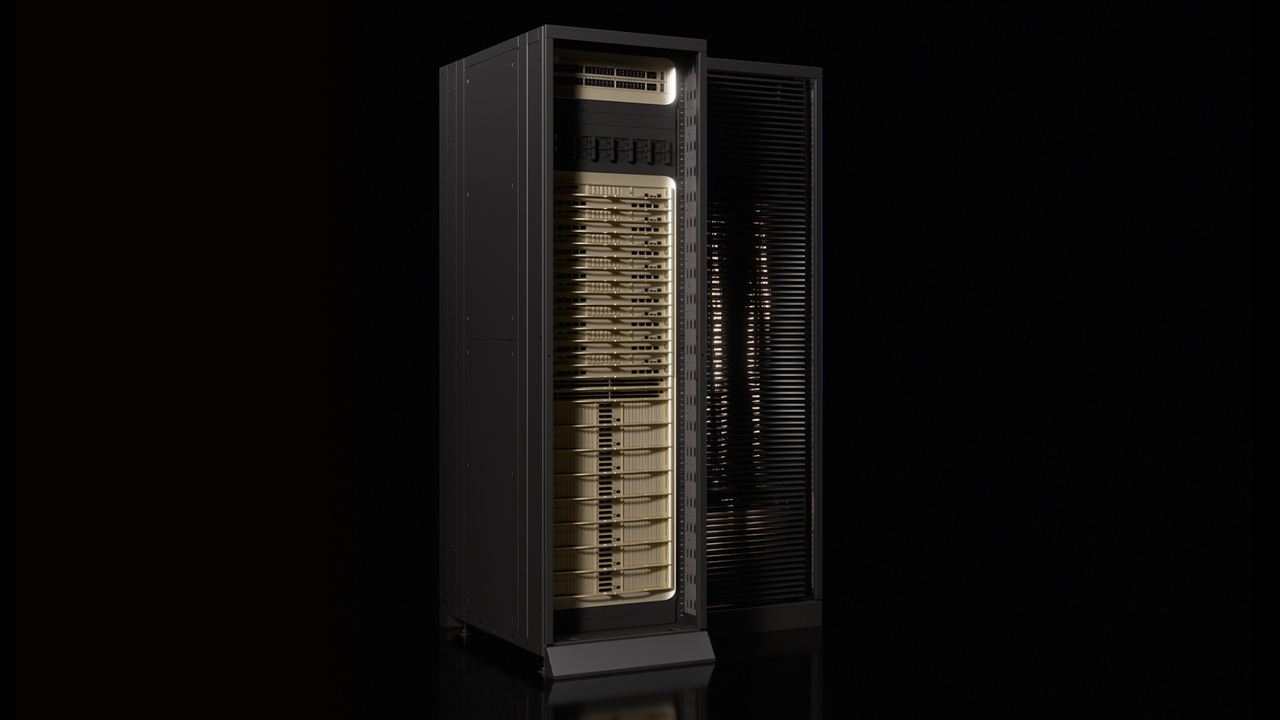
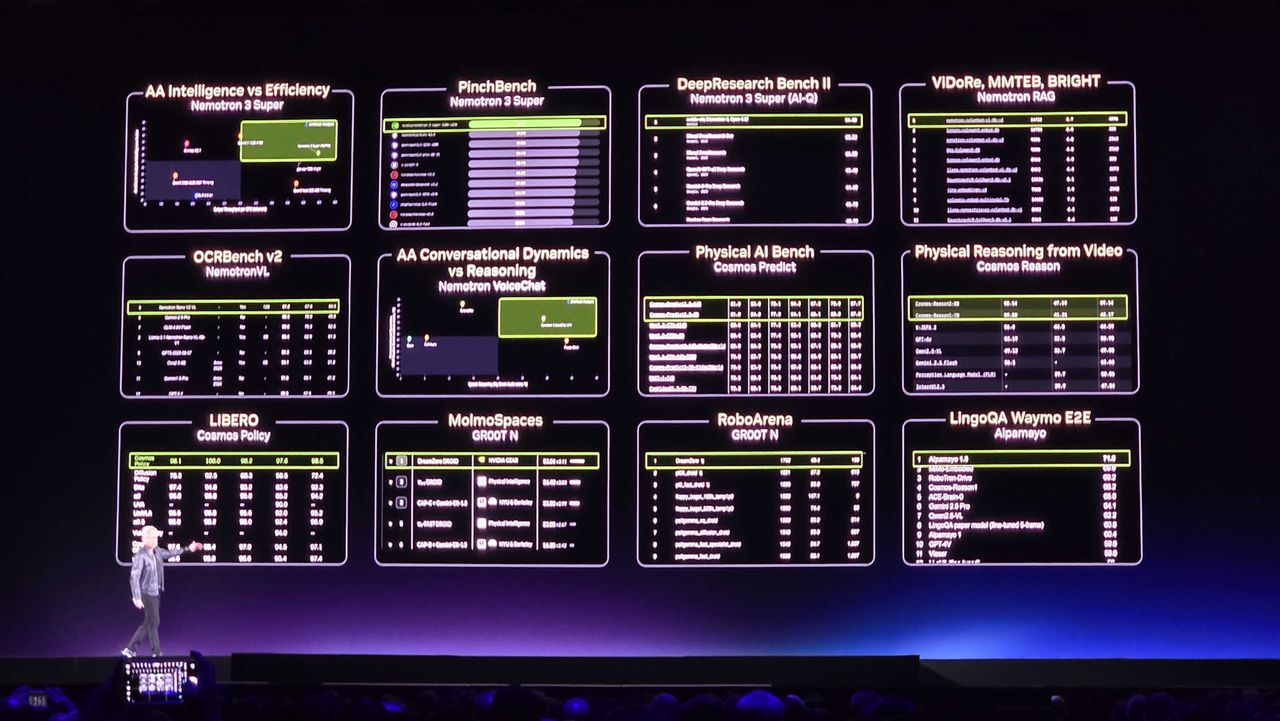
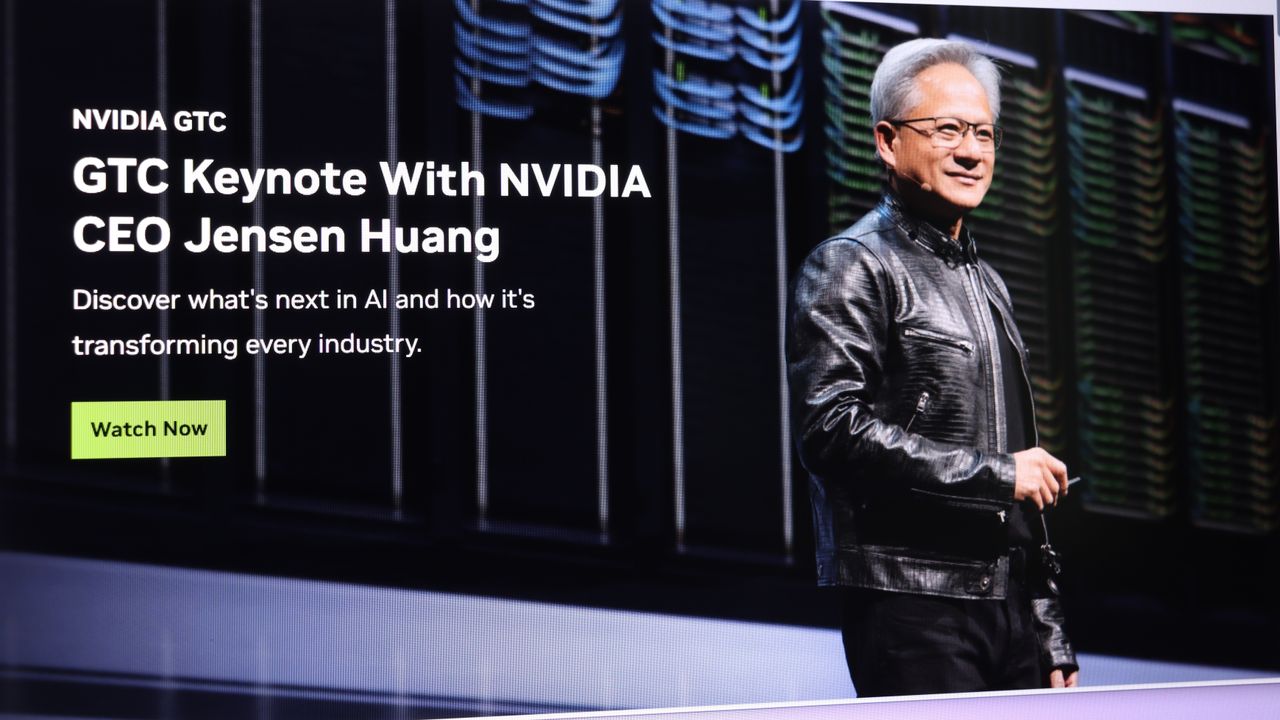
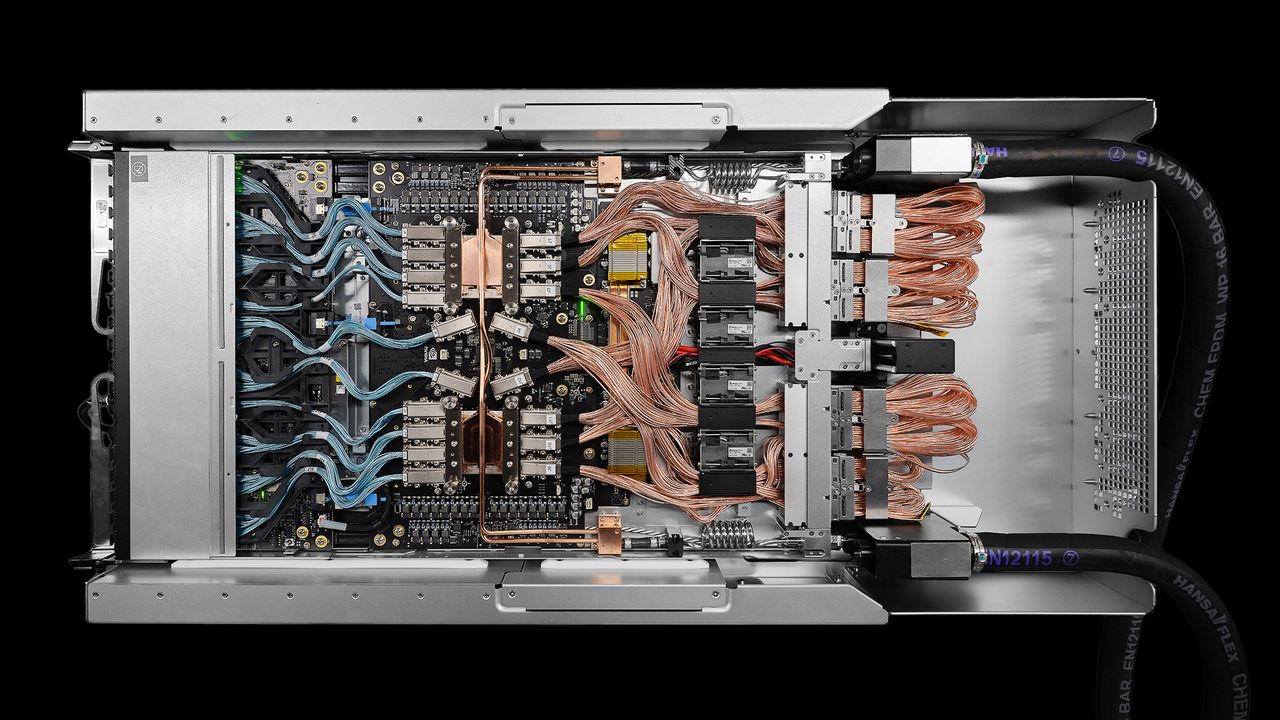
Nvidia announced BlueField-4 STX at GTC 2026 on March 16, a modular reference architecture for accelerated storage designed to address the data access bottleneck limiting agentic AI inference.
Taiwan imports almost all of its energy and requires large amounts of LNG to sustain its electrical grid. That grid is then used by local chipmakers — like TSMC who is responsible for making most of the world's high-end chips. Fabrication for these chips requires helium, which Taiwan also imports and right now, the Iran-U.S. conflict has made it difficult to acquire both.
As Meta introduces its lineup of new AI chips, the company joins other tech giants in diversifying the AI accelerators used for specific workloads, and says that mainstream GPUs built for large-scale pre-training are less cost-effective for inference workloads.
Intel's CPU roadmap is unlike any the company has published in recent years, because its manufacturing ambitions and its product launches have to succeed simultaneously.
As cheap Chinese chips threaten to invade various sectors of the economy in Europe, STMicroelectronics is on track to improve the efficiency of its own fabs
A Tennessee grandmother spent nearly six months in jail after police in Fargo, North Dakota, used facial recognition software to identify her as the primary suspect in a bank fraud case.
U.S. Department of Commerce withdraws draft export rule for AI accelerators that would give the U.S. government ultimate power over export controls and mandate investments of foreign firms in the U.S. AI sector.
Manufacturers have said that prices for key chipmaking metals have doubled, and gallium has climbed sharply, as disruptions from the ongoing Middle East conflict pile onto supply constraints.
AMD, Nvidia, Microsoft, Broadcom, and Meta have formed an Optical Compute Interconnect Multi-Source Agreement (OCI MSA) to develop a standardized optical interconnect for AI data centers, with the aspiration to build a PHY capable of handling speeds of up to 3.2 Tb/s.
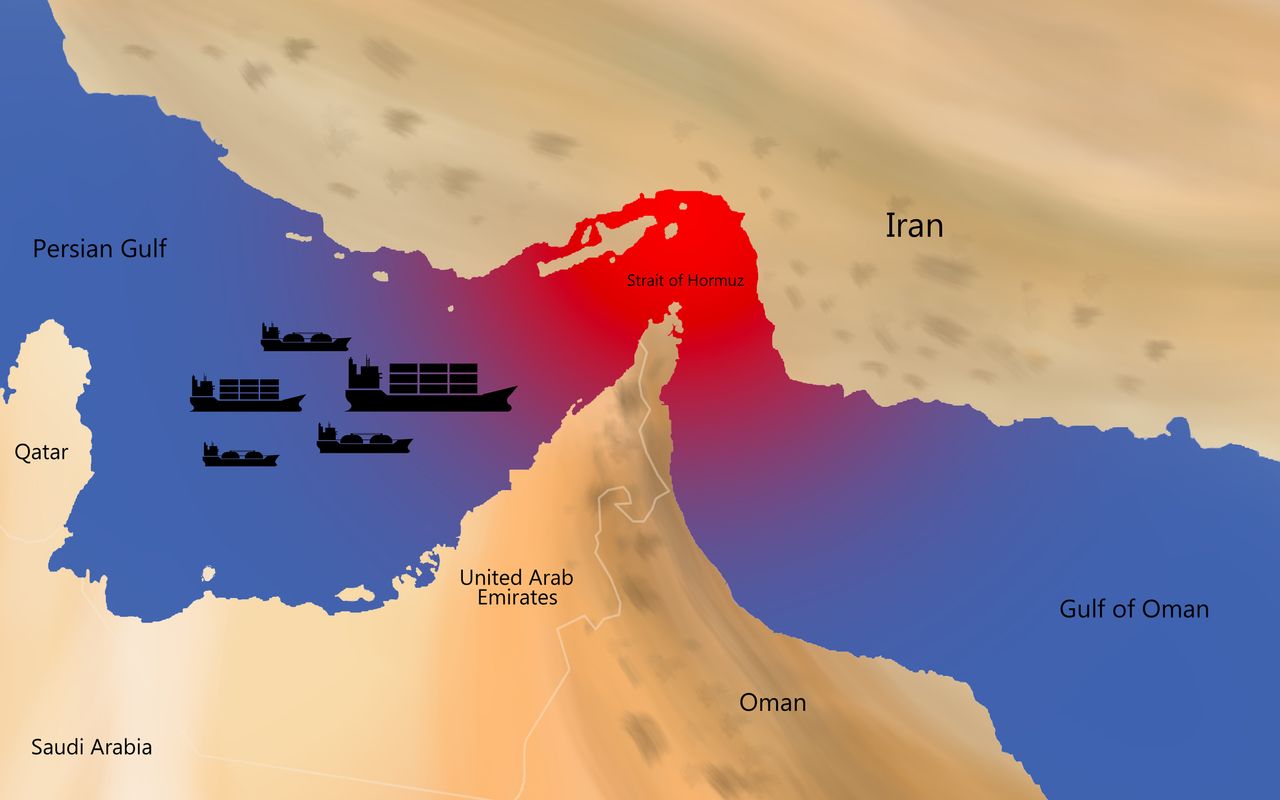
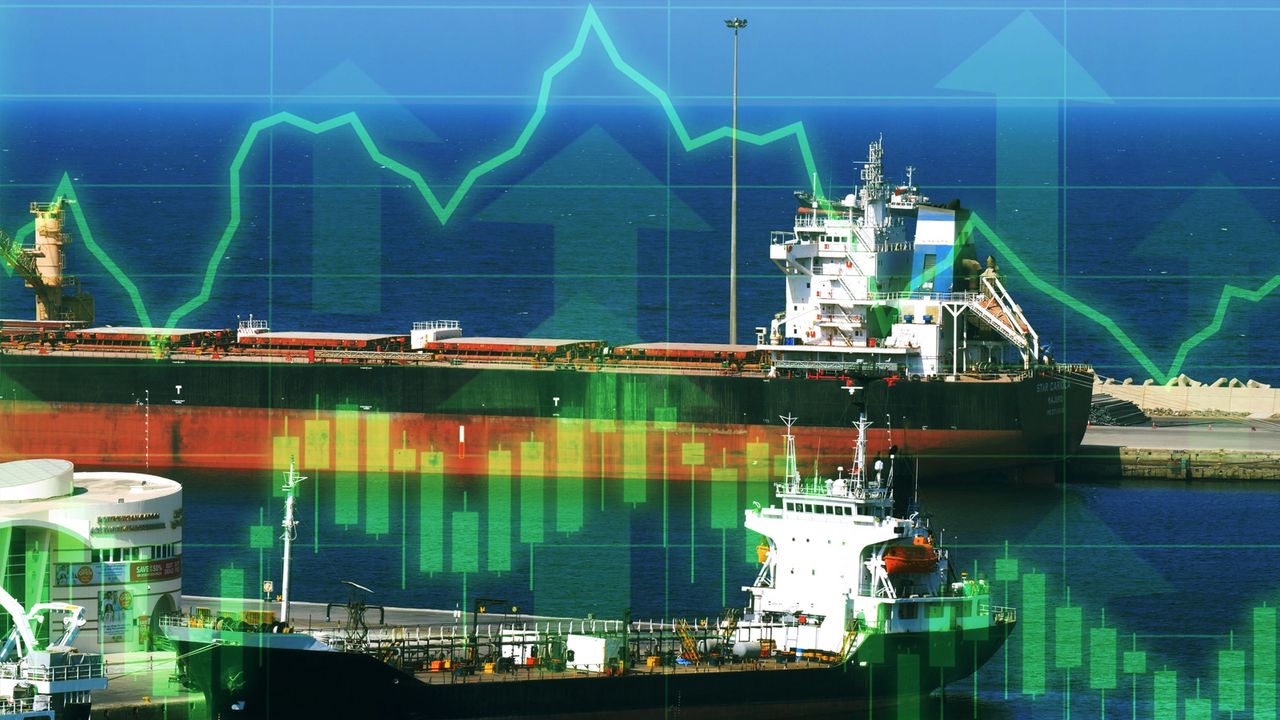
As global oil prices spike due to the ongoing pseudo-blockade of the Strait of Hormuz, other shortages are looming, and they could hit the chip and AI industries dramatically. Aluminum and helium for chip production have been impacted, but shortages of LNG could also cause problems for gas turbines powering many AI data centers.
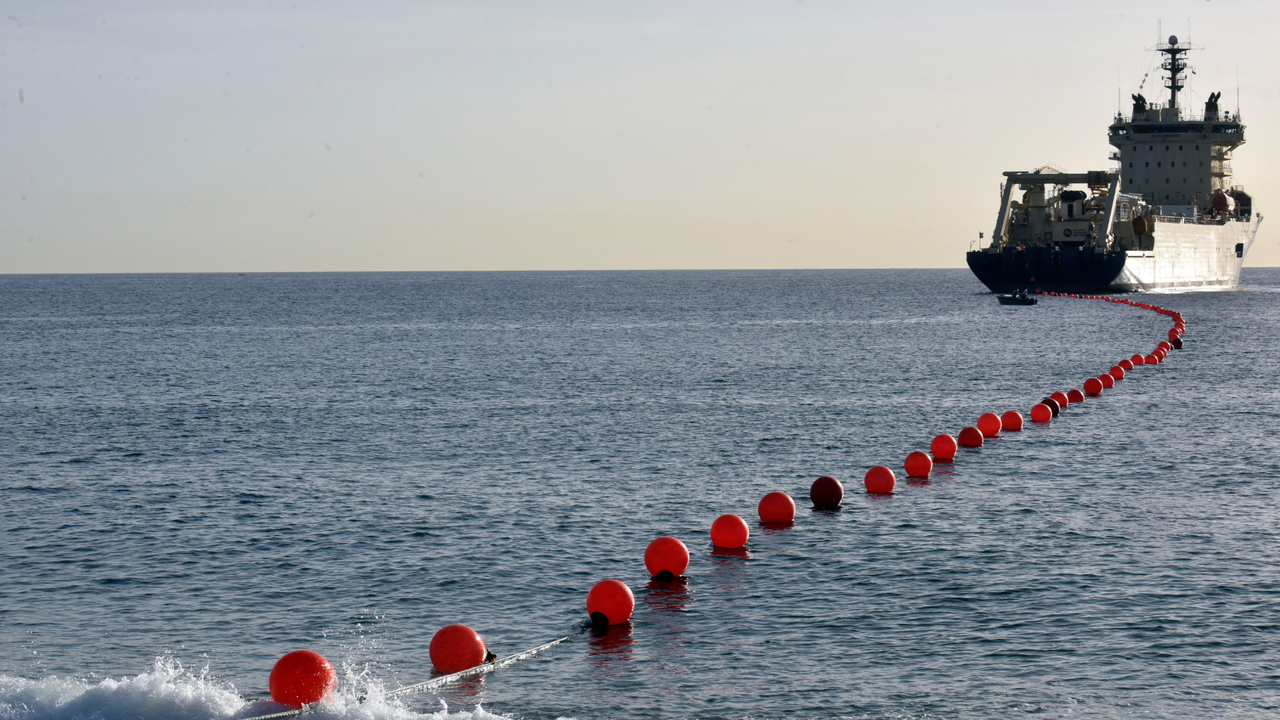
Meta is delaying work on the Pearls section of its Africa2 network after its contracted cable-layer, Alcatel Submarine Networks, declared force majeure due to the risk of getting hit during the Iran conflict.
 登录
登录