❌

阅读视图

发现新文章,点击刷新页面。
✇Tomshardware

Proton hosts Flock map revealing over 300,000 cameras, defying cease-and-desist threats against creator

Proton AG, which provides privacy-focused services like Proton Mail and Proton VPN, has decided to host the Flock camera map that security researcher Joshua Michael built from leaked Flock data. While the original Flock Surveillance Map is still available online, its creator is facing legal threats from the company, especially after Flock sent the researcher a cease-and-desist letter. In addition, Michael’s website is accessible only from within the U.S., requiring users outside the country to use a VPN to access it.

By contrast, Proton’s Flock camera map is easily accessible worldwide. Its location in Switzerland also makes it a little more complicated for the surveillance company to take legal action. Its move to preserve Michael’s work also follows the company’s privacy ethos.
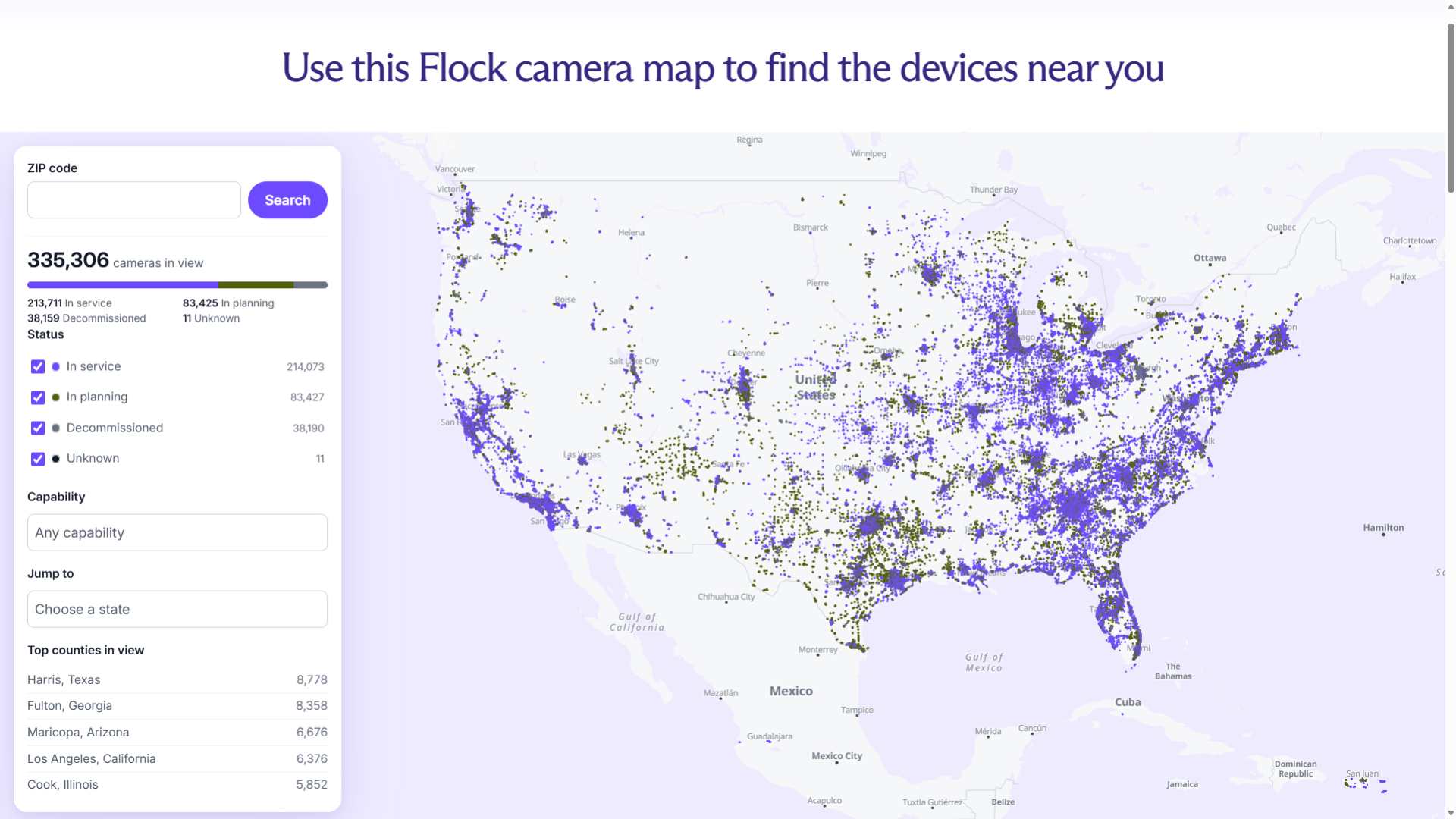
Proton Flock camera map

(Image credit: Proton)

“You have a right to know who’s recording you when you leave home, especially when a private company controls the data and it’s unclear how law enforcement uses that information,” the company said. “This map lets you search by ZIP code to see where Flock’s license plate readers are located. Use it [to] make informed decisions about how you move through your own area and whether you need to reach out to your municipal leaders.”

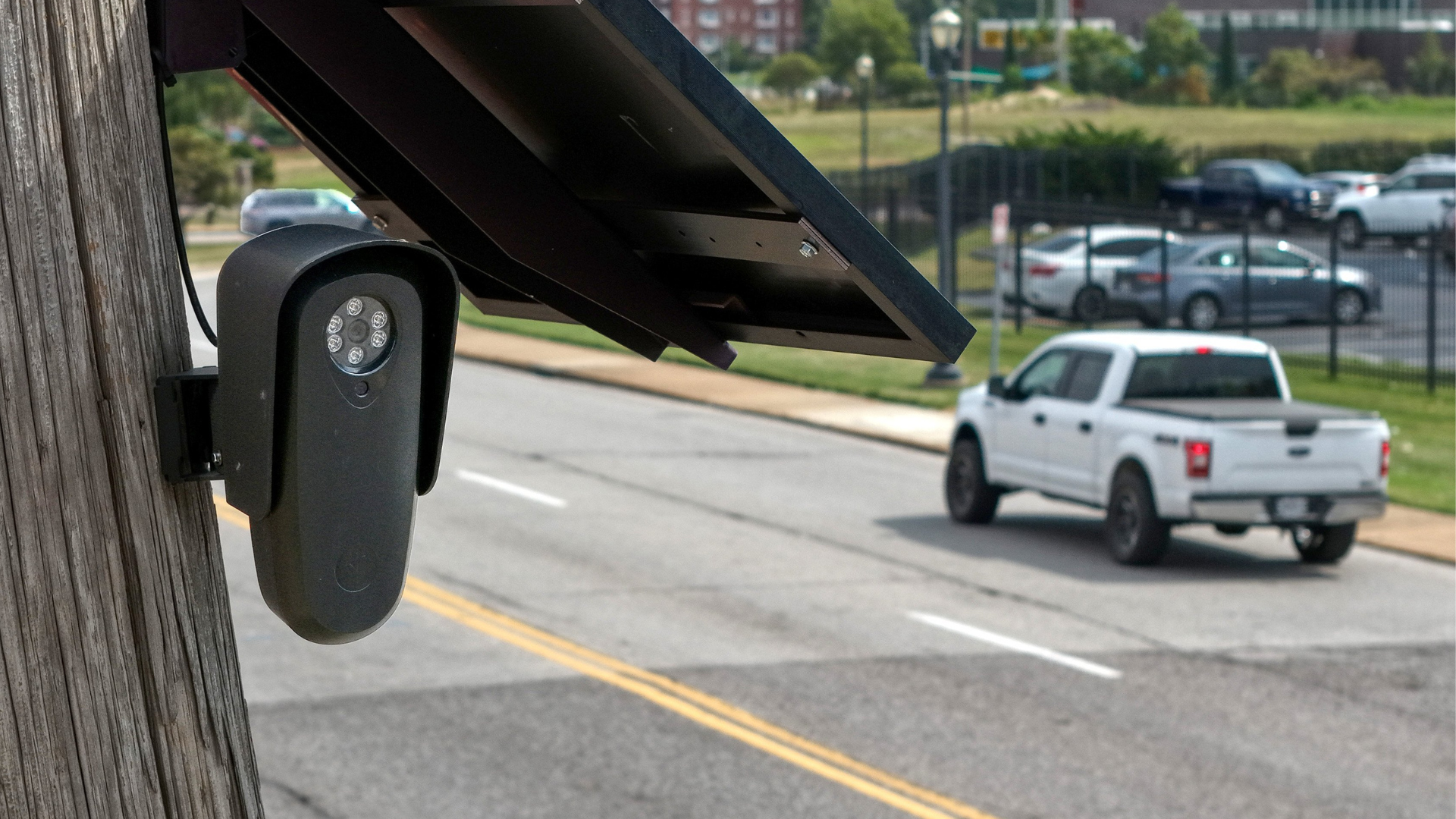
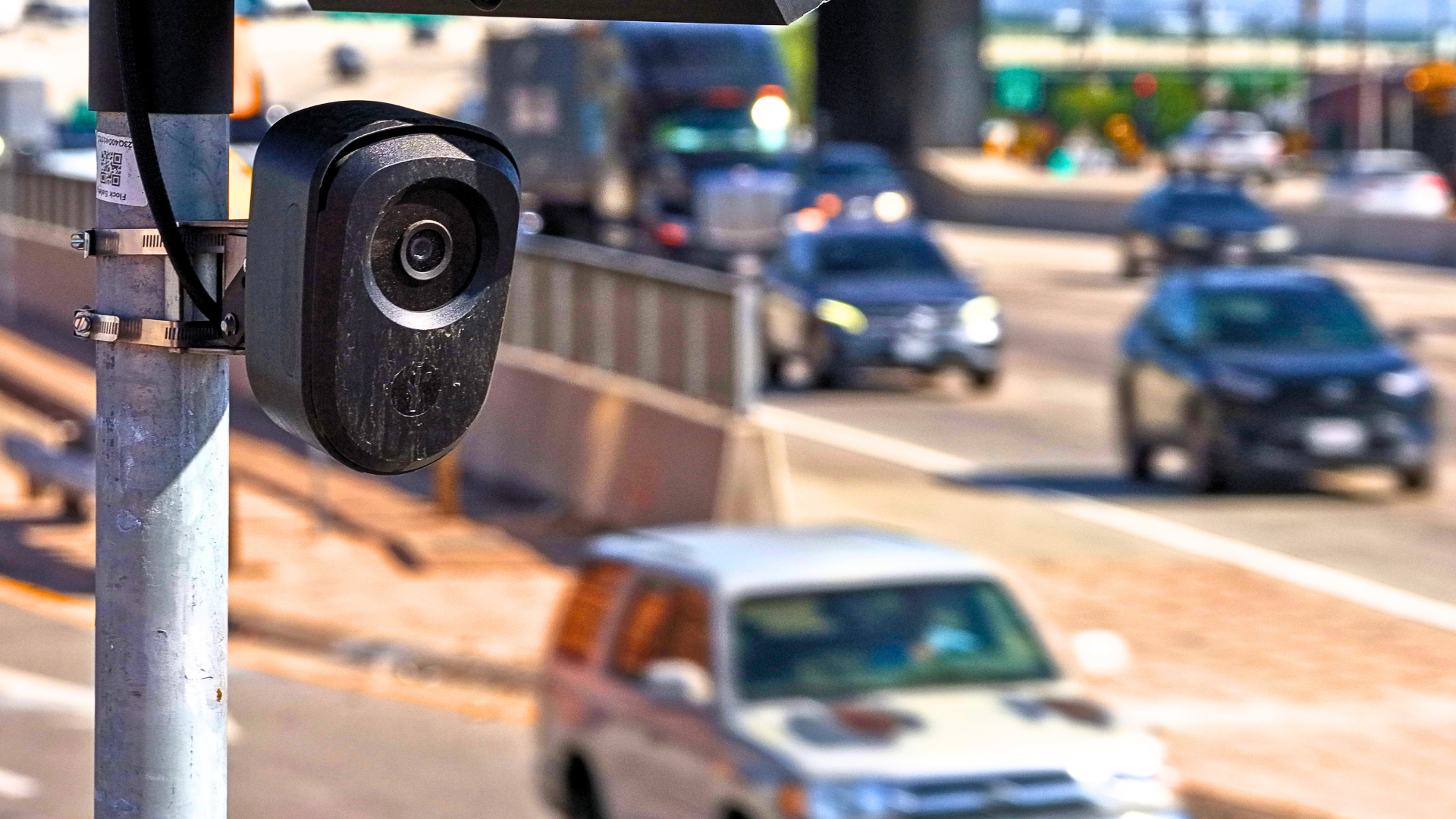
Flock and other automatic license plate recognition (ALPR) cameras are at the center of the privacy debate between law enforcement and citizens. While the former argues these machines help make communities safer, many of the latter worry about the technology's potential misuse. Their fears aren’t unfounded, either — there have already been multiple cases of police officers misusing Flock cameras to stalk romantic partners and even one case of mistaken identity due to a lapse in police procedure.

However, Proton’s map is based on data from November 2025. This makes it more of a snapshot of the company’s network at that time, rather than a live map of Flock’s ALPR cameras. For a more up-to-date map, consider downloading MapQuest, which recently released an update showing the locations of ALPR cameras from Flock and other companies. This could help you plan your trip if you have privacy concerns and want to avoid getting picked up by an ALPR camera.
✇Tomshardware

Flock camera locations revealed on MapQuest’s new Surveillance Layer

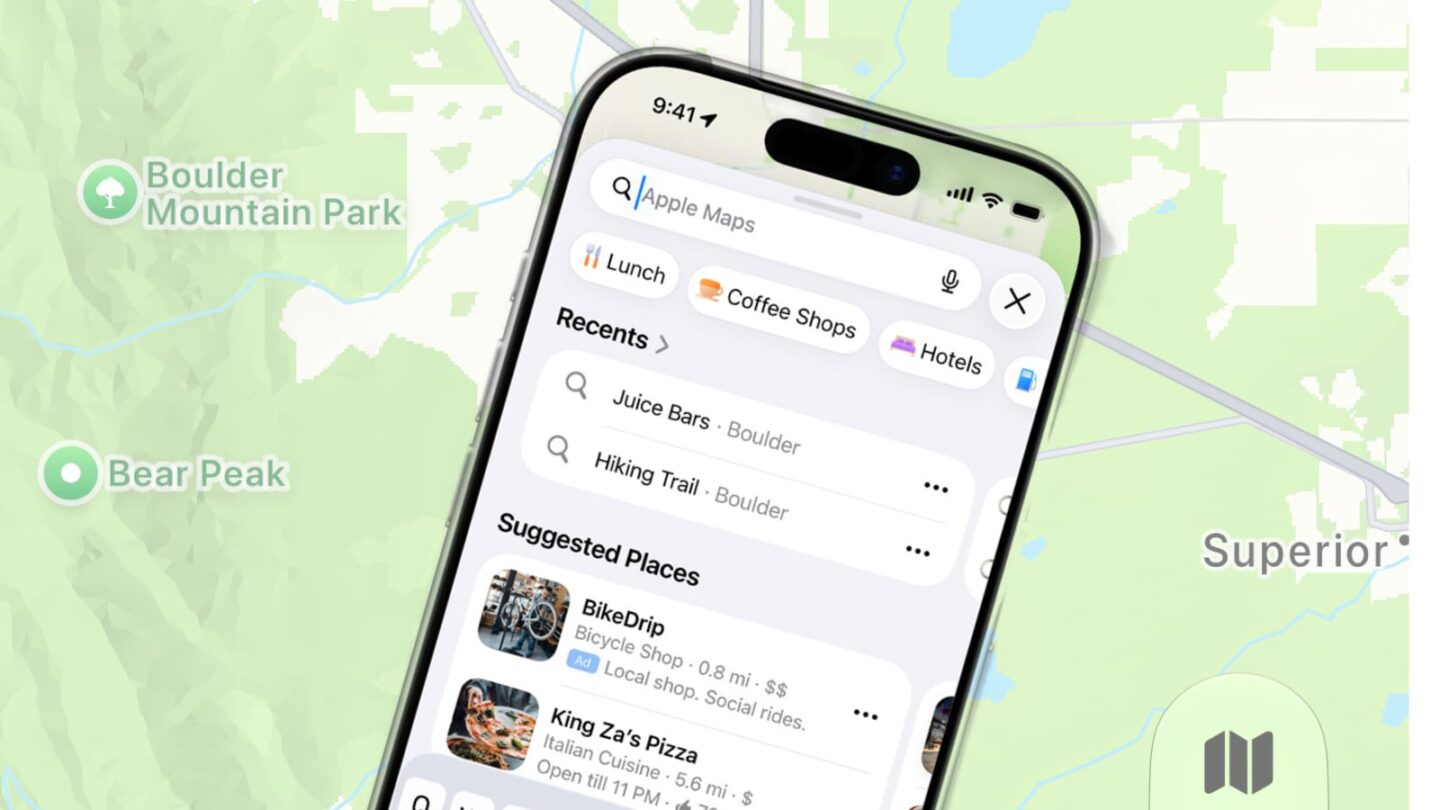
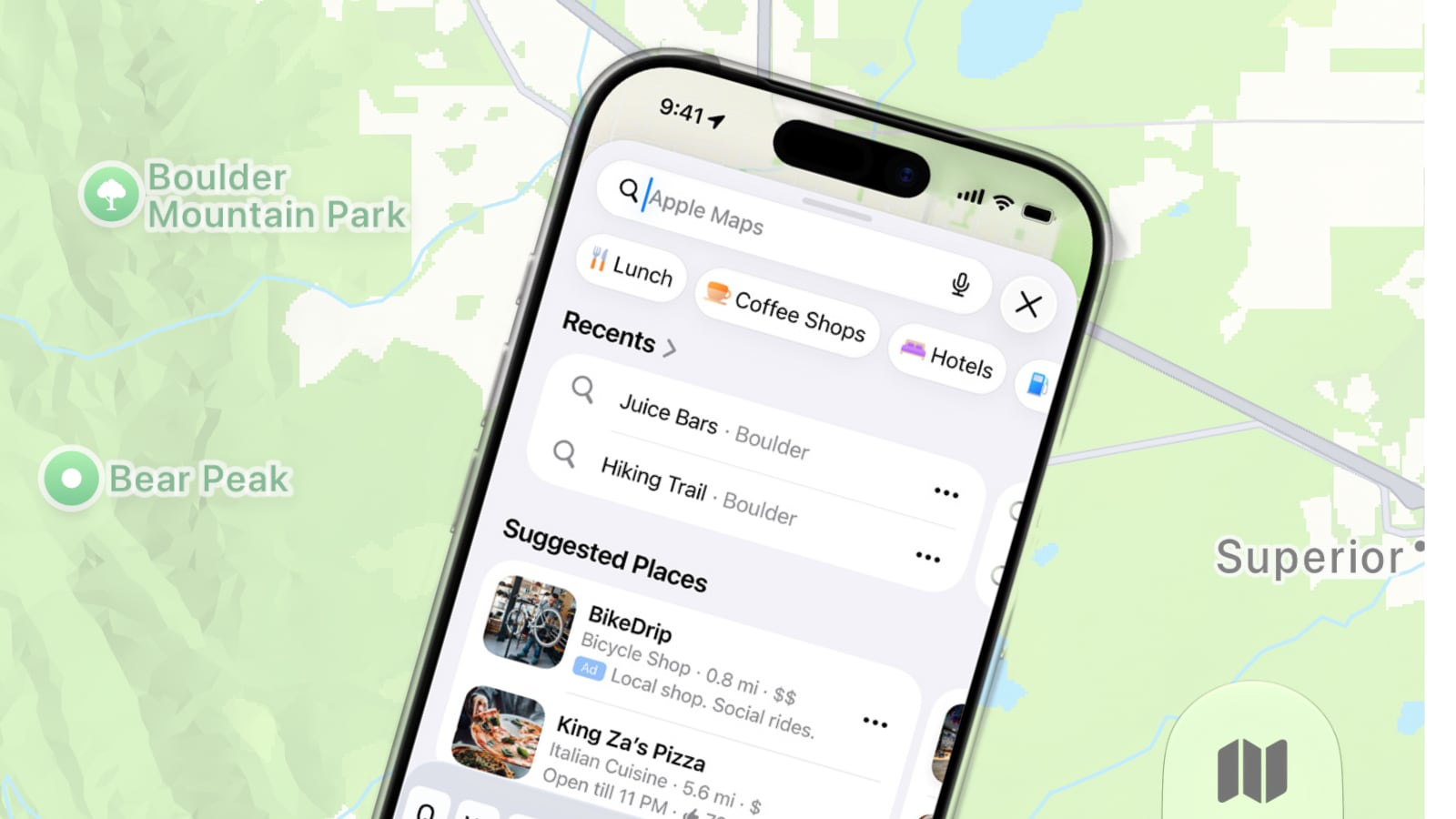
MapQuest, a long-time online mapping and navigation service that predates Google Maps, just released an app update that added a new Surveillance Layer. The company said on Bluesky that it plots the locations of known license plate readers on the map and that it covers devices from Flock, as well as other companies like Motorola Solutions (Vigilant), Genetec, Axis Communications, Axon, Leonardo (ELSAG), Neology, Rekor, PlateSmart, Ubicquia, Verkada, and other brands.

The Roads Have Eyes! 👁️Turn on the Surveillance Layer in Map Options to see known license plate readers from Flock Safety, Motorola Solutions (Vigilant), Genetec, Axis Communications, Axon, Leonardo (ELSAG), Neology, Rekor, PlateSmart, Ubicquia, Verkada, and other outdoor surveillance cameras.

— @mapquest.com (@mapquest.com.bsky.social) 2026-10-18T02:31:11.890Z

It’s unclear how the app developers found all this data, but it is similar to the Flock Surveillance Map that one security researcher built using Flock’s own data. Beyond showing each camera's location, it also indicates the direction it faces, allowing anyone who doesn't want to be captured by an automatic license plate recognition (ALPR) system to avoid known cameras, if possible.

While cities and police forces argue that systems like these help keep people safe by making it easier to track potential criminals, many people say that they’re a massive invasion of privacy, citing multiple incidents of police officers abusing the system and administrative mistakes, like one resulting in the detention of an innocent car reviewer. This is why some cities whose constituents have complained have started removing them.

A Canadian YouTuber built a “Flock-like” camera that tracked police vehicles and was visited by officers who, in an ironic twist, raised privacy concerns. These are the exact concerns critics have about ALPRs, especially when they connect to a wider federal or national system that lets police officers from another city or state track vehicles without a warrant. It’s unclear how police would react to this functionality, but many police departments have previously complained when Waze released a 2015 update that let users report officers' locations.

This new MapQuest feature can help you get around known ALPR camera locations. But if your destination has heavy camera coverage, you’ll have no choice but to pass through one and be detected, unless someone in the neighborhood has put a “Flock Sock” on one of them.

❌