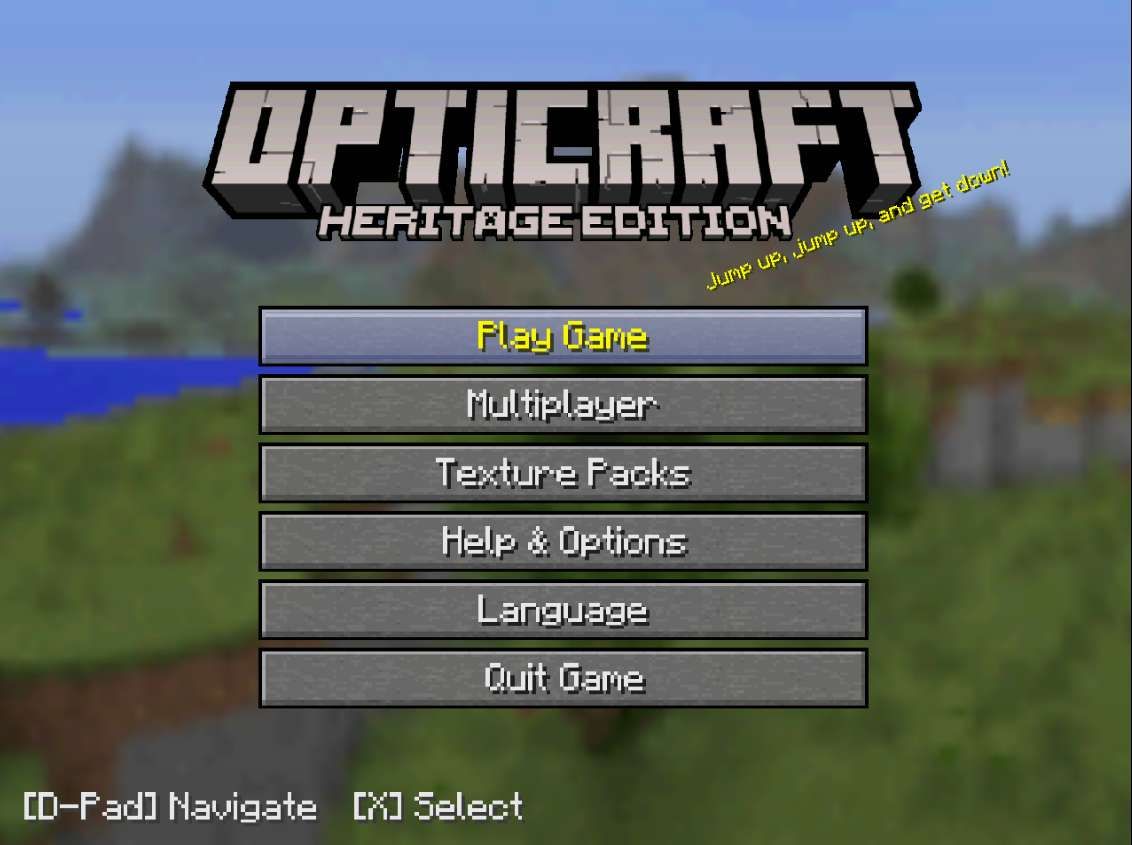
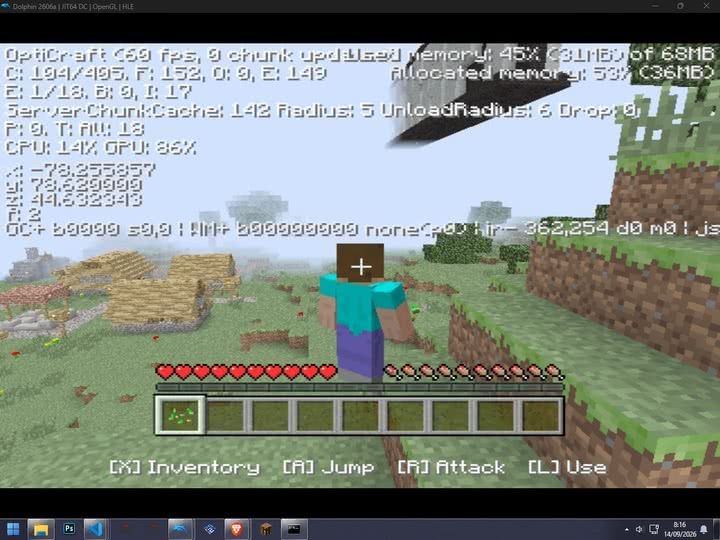
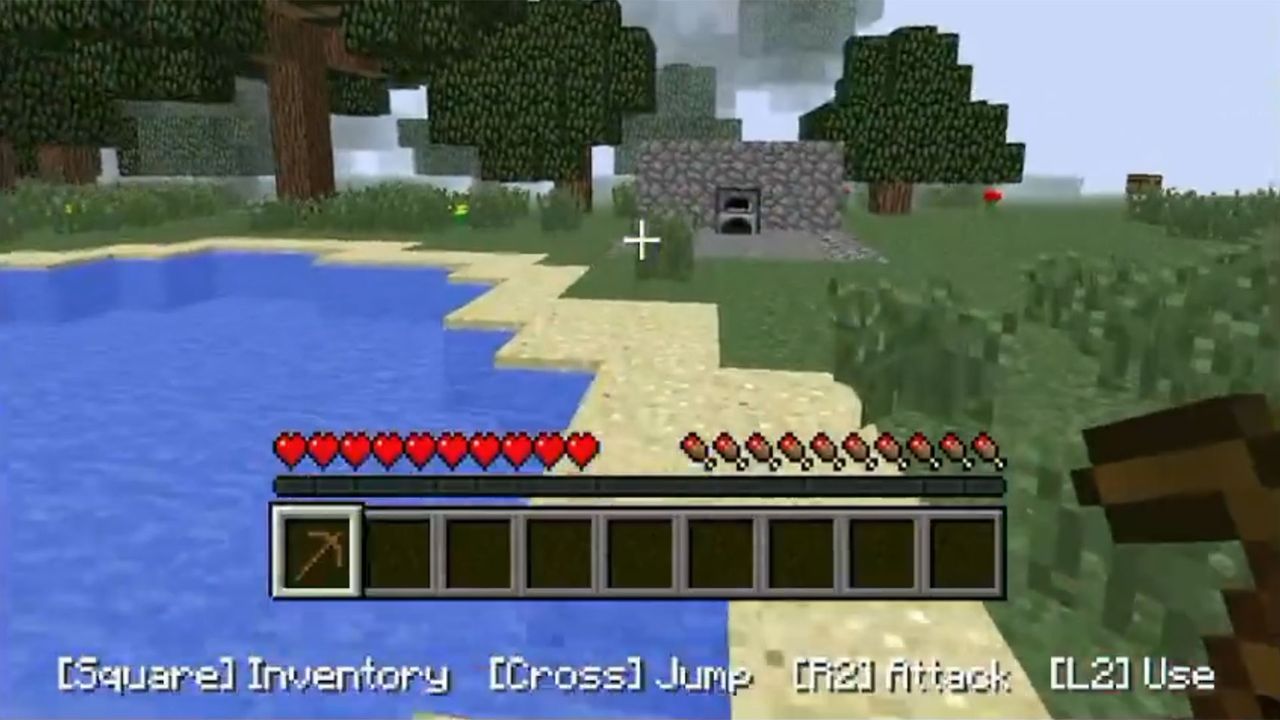
Games optimization specialist OptiProjects (AKA OptiJeugos) has released a new port of Minecraft Legacy for the Sony PlayStation 2 and Nintendo Wii consoles. The project is based on the Minecraft Java 1.2.5 source code, rewritten in C++, and using a recreated legacy console interface (machine translation). Even on the quarter-century-old PS2 with its cramped 32MB of RAM, the OptiCraft Heritage Edition runs at 15-30 fps. Check out the video demo embedded below.
TERMINADO!!! FINALMENTE NUEVO PORT DE ""MINECRAFT LEGACY"" a PS2 y WII!!Es un PORT de JAVA 1.2.5 a C++ con la interfaz de Legacy recreada, corriendo nativamente en la PS2 y Wii.Probado en hardware real! La wii soporta online con servidores de JAVA en esa version! https://t.co/x3pQw8XvBJ pic.twitter.com/nZNc0QehGySeptember 14, 2026
Minecraft is one of the best-selling games of all time, with sales above $400 million according to an Entertainment Weekly report earlier this year. Meanwhile, the PS2 is the best-selling home console in history, with 160 million units shifted worldwide. When Minecraft first launched, the PS2 had already been kicking around for close to a decade and was rapidly reaching retirement age. Thus the Minecraft PS2 game release was never a thing (it did launch on PS3 in 2013-14). Similarly, the Wii got overlooked by Minecraft's publishers, with the Wii U only getting the game in late 2014.
Windows PC (Java Edition 1.2.5)
PS2 (OptiCraft Heritage)
Wii (OptiCraft Heritage)
Engine / Language
Java
C++ (native port)
C++ (native port)
Hardware / RAM
Min. ~2GB recommended for era
32MB system RAM
~88MB available RAM
Chunks / draw distance
Scalable, (usually 8–16+ chunks)
2 chunks
4 chunks
Performance
Often 60+ FPS on period PCs
15–30 FPS
15–60 FPS
Controls
Keyboard + mouse
DualShock 2
Wii Remote / Classic Controller
Interface
Original 1.2.5 UI
Recreated Legacy interface
Recreated Legacy interface
Ponder over the features and performance comparison table we have nailed together, above. You can see how tightly the PS2 version is constrained by its hardware limitations. In comparison the Wii version is significantly more comfortable. Moreover, the Wii version has experimental online gaming functionality.
OptiProjectsOptiProjects
If you are interested in enjoying some retro Minecrafting on your old PS2 or Wii, or emulators for either system head on over to the official OptiProjects page linked top for your downloads. Those aiming to play on original hardware will need to be able to load .ELF files from USB (on PS2), or access the game via SD card and the Homebrew Channel (on Wii). To my knowledge that means your PS2 or Wii must be soft or hard modded to play homebrew code.
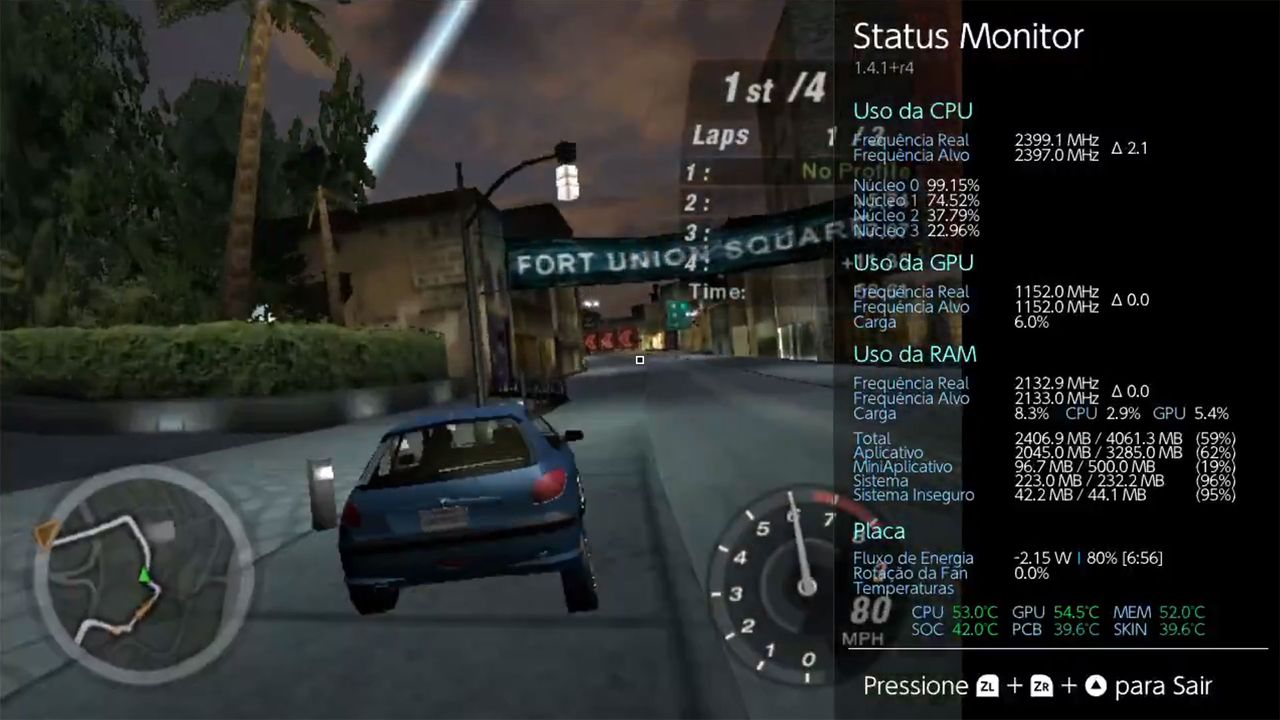
Retro gaming fans who own Nintendo Switch consoles now have several classic Windows titles they can now enjoy. A video shared on Twitter/X shows the well-loved Need for Speed Underground 2 running pretty smoothly on Nintendo’s hybrid device. Meanwhile, a forum about Wine-NX says that Quake III and OpenTTD are also playable, with WarCraft III nearly ready, too. It's early days for this 'experimental' software, but things look very promising.
Windows x86 games are now running directly on Nintendo Switch homebrewNeed for Speed Underground 2 on capture 😀 pic.twitter.com/SD0sugV4DsSeptember 13, 2026
In the embedded video you can see NFSU2 runs rather well on Nintendo’s hardware. Older PC games are perhaps a good fit for what many consider to be the rather anemic specs of the Switch. A status panel shows CPU and GPU usage. According to the forum post “Races run at roughly 20–45 fps at default detail with the CPU overclocked.”
Other games that Wine-NX can handle well at this time include OpenTTD (Transport Tycoon Deluxe), which runs at up to 60 fps. Quake III Arena is also capable of running at around 37 fps at 1,280 x 720 pixels, according to the source. The last PC game mentioned as being compatible, almost, is WarCraft III, and specifically this work in progress has working “menus, campaigns, and now cutscenes.”
The Wine-NX forum page linked to helpfully explains what exactly this is, and how it works. In brief, Wine-NX is a port of Wine 11 to the Switch’s native Horizon OS. It comes as a homebrew package in the NRO format Horizon expects games to be in, but that allows it to run Windows programs and games with Box64's ARM64 dynarec translating the x86 code. Graphics are handled through Mesa 20.1's nouveau driver. It supports audio and touchscreen, and the Switch controllers can also handle mouse / keyboard duties – as well as doubling as an Xbox 360 controller.
You can’t use any Nintendo Switch to load Wine-NX and Windows PC games. You’ll need to have a console that can boost custom firmware, and run homebrew NROs. That means an older unpatched Switch or one with a hardware mod.
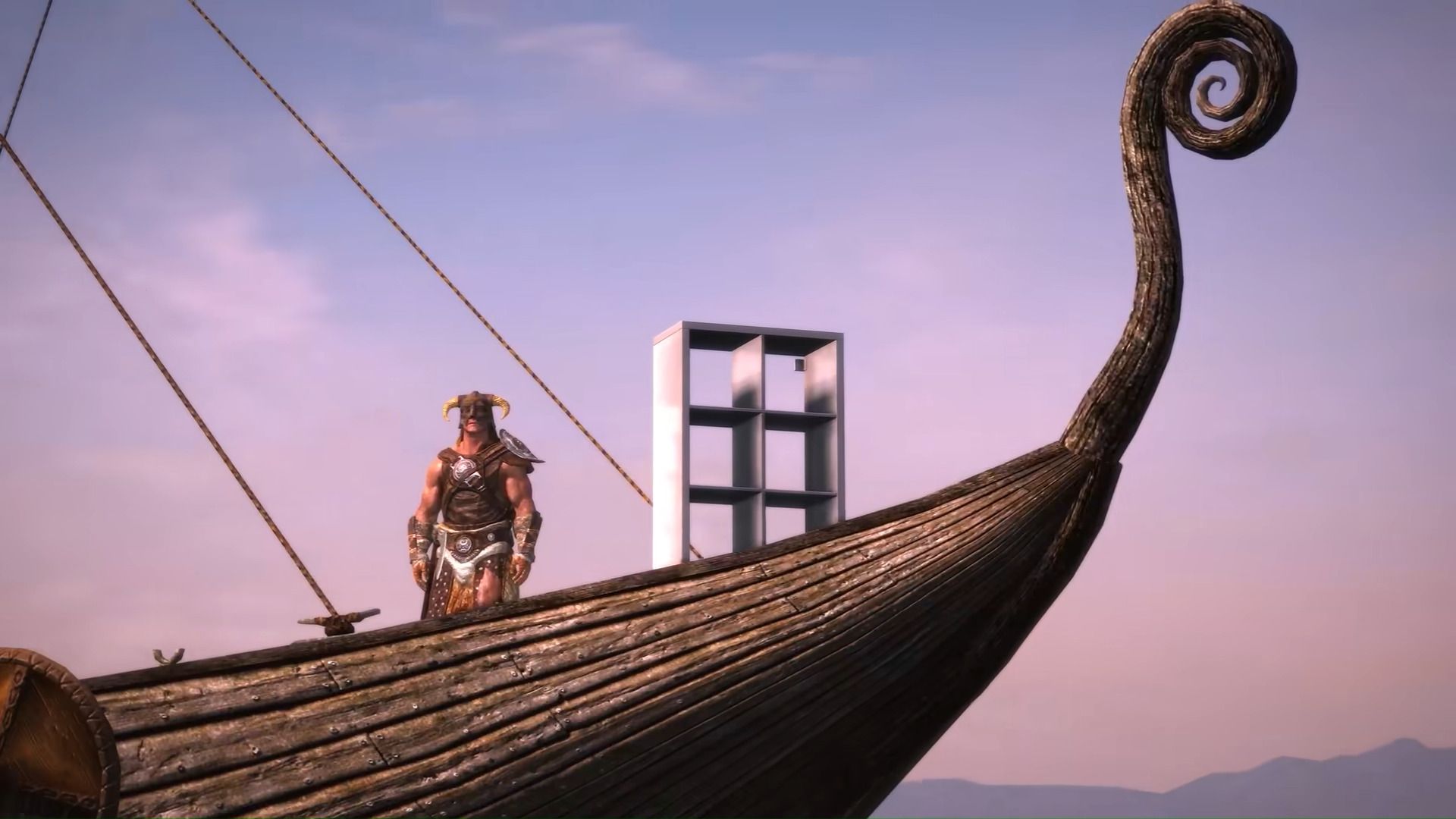
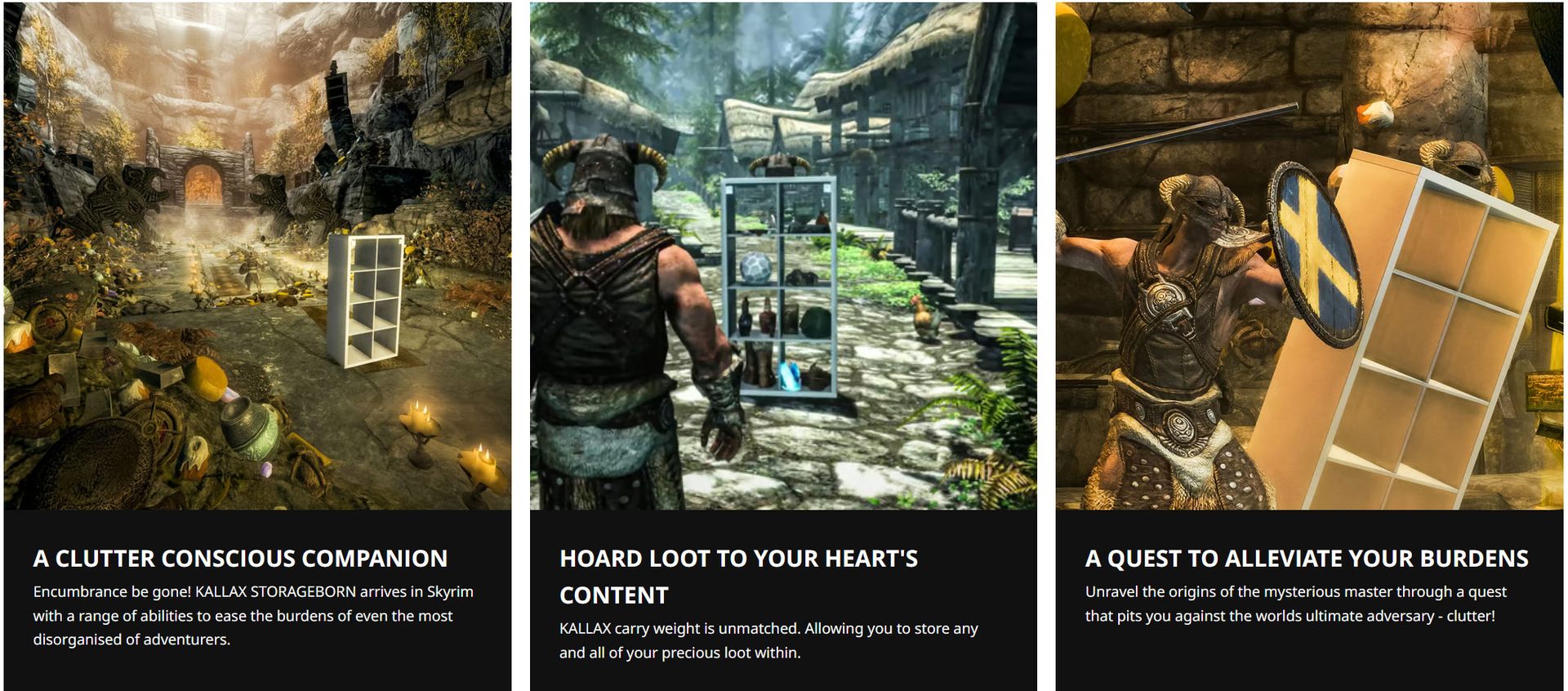
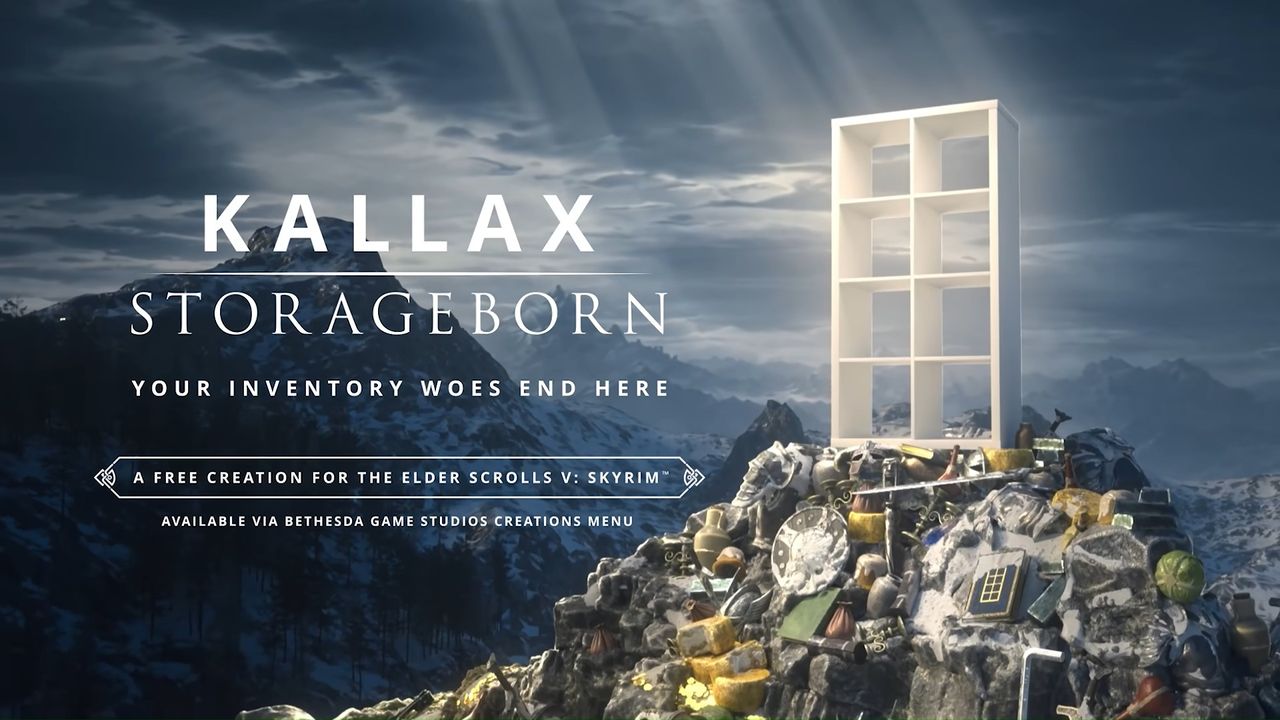
IKEA has announced the Kallax Storageborn companion creation for players of The Elder Scrolls V: Skyrim Special Edition on PC or Xbox. But who’d want a set of drab utilitarian Swedish shelves following them around during their adventures in this fantastical role-playing game? The answer is quite a lot of people, it would seem, from the social media feedback we’ve seen. IKEA’s free mod for this iconic RPG also appeals to gamers’ pragmatic instincts with its claims that “your inventory woes end here.”
The household furniture giant says it designed this Skyrim mod as it wanted to bring its real world smart storage solutions to the digital domain. Skyrim was chosen, in particular, because gamers in this classic title are “plagued by the evils of encumbrance and disorganization,” asserts IKEA.
Of course, the furniture maker will have invested time and money into the development of this fully voiced companion mod (voiced by comic actor Matt Berry) for the publicity, too. But there's little to complain about as it's free and entirely optional to your Skyrim experience.
If you are interested in adding the Kallax Storageborn companion creation to your Skyrim experience, you can get it directly from Bethesda here, for free. But before using these eminently practical flatpack DIY shelves in your game and “sending clutter back to the fires of oblivion,” you have to discover and assemble your Kallax through a questline. You’ll find it at the Dwemer furniture store, where you’ll also discover the secrets of Kallax’s origin and have to defeat the Clutter Golem.
IKEAIKEA
Naturally, you summon this shelving unit in the game with a call of ‘Aya Key Yah.”
The mod doesn’t just introduce your trusty new Kallax Storageborn companion; you’ll also get access to the Allenblade weapon, some blue and yellow-themed armor, and a Meatball helmet.
It is always interesting to see non-tech brands cross over into our reporting realm. The first example that springs to mind is the KFC console, but IKEA has dipped its toe into tech more recently by expanding its computer furniture ranges to include products such as the Xbox Gaming Den furniture series showcased at Gamescom 2026, plus various smart home accessories.
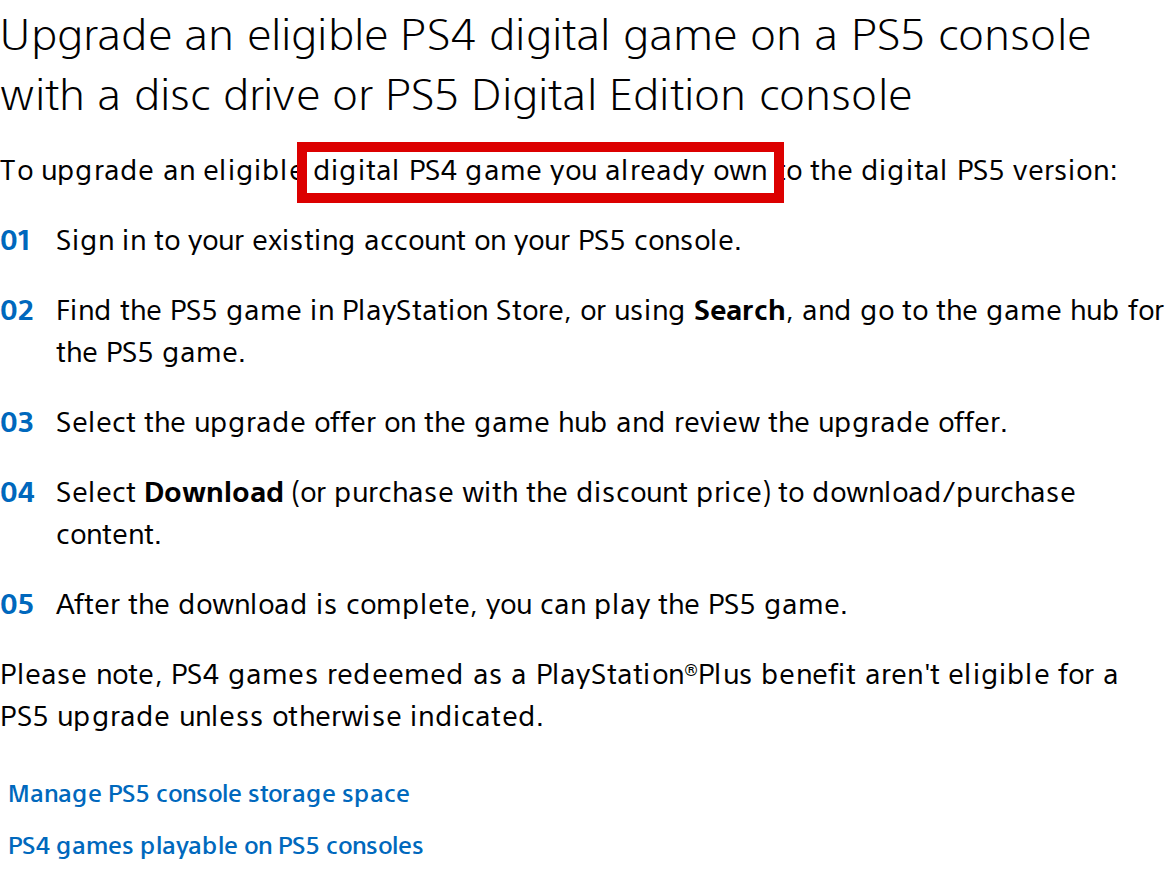
In a recent lawsuit against Sony, the firm argued that "reasonable consumers would not be misled" into believing they own digital games that they "purchased" on the PlayStation Store. Folks on the Consumer Rights Wiki have now compiled a humongous list of specific instances in which Sony currently states that users do, in fact, own their digital PS4 and/or PS5 games. The list is currently up to 44 specifically documented statements, but actually notes hundreds of examples where Sony explicitly states that users do, in fact, "own" their games across its various services and pages.
In this case, Sony says that no "reasonable person" would believe that, when they add a game to their cart and click "Purchase" on the PlayStation Store, they are entering a contract that entitles them to ownership of the digital goods in question. Instead, Sony believes it's obvious that what you're paying for is a limited, revocable license for a service that only remains available as long as Sony offers it, which is quite different from ownership in a legal context.
The case isn't exactly about ownership, though; it's really about consumer disclosure and product representation. The plaintiffs aren't arguing that buying a digital game somehow transfers ownership of Sony's underlying intellectual property, but rather that Sony's use of words such as "buy," "purchase," and "own" could reasonably lead consumers to believe that they were acquiring a durable right to use the game, rather than merely obtaining a revocable license. That distinction matters because Sony's defense depends in part on the claim that no reasonable consumer would interpret the transaction that way. At the same time, the plaintiffs have produced a substantial body of evidence showing that Sony itself routinely uses precisely that ownership language when describing the digital games its customers have purchased.
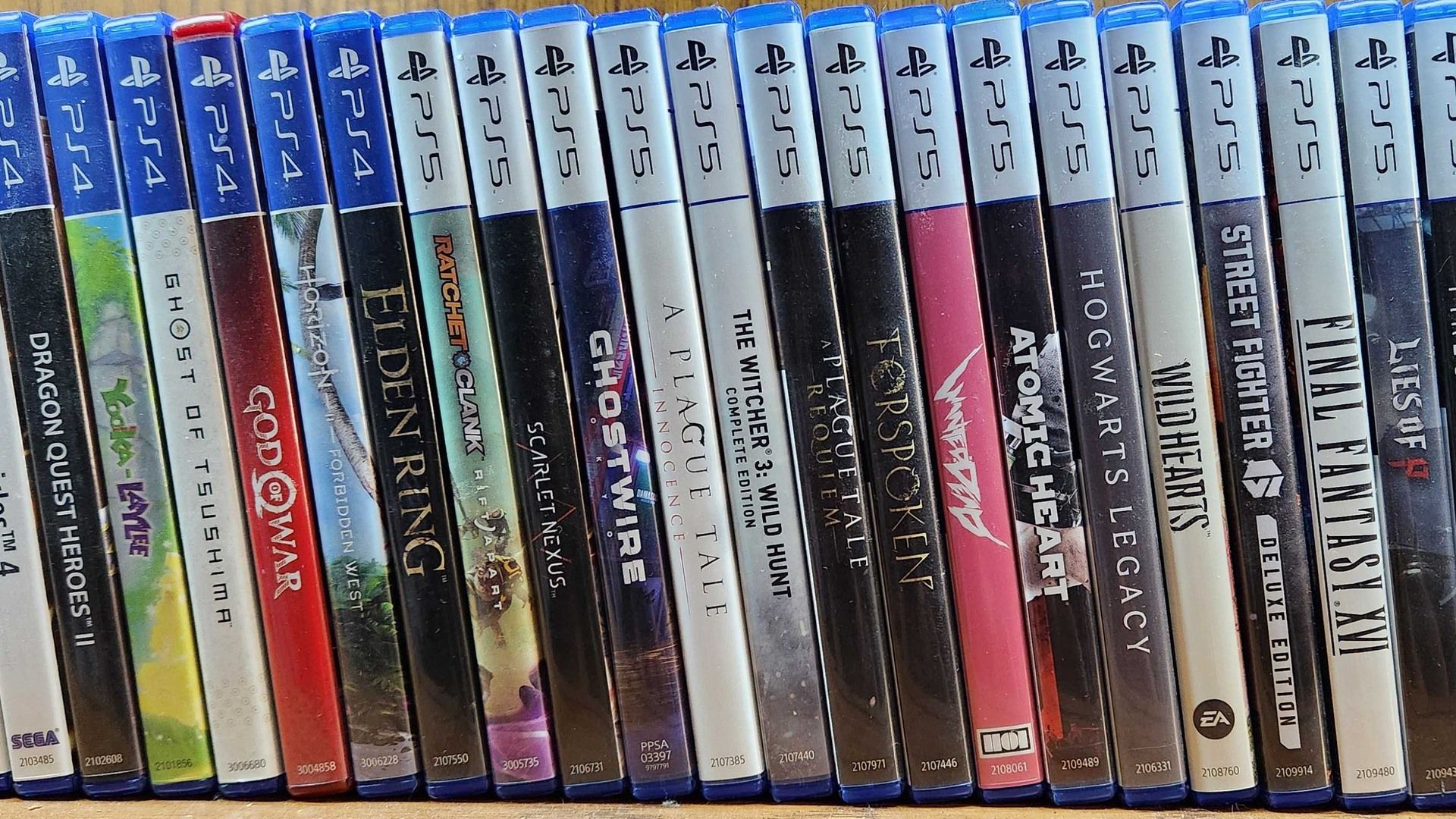
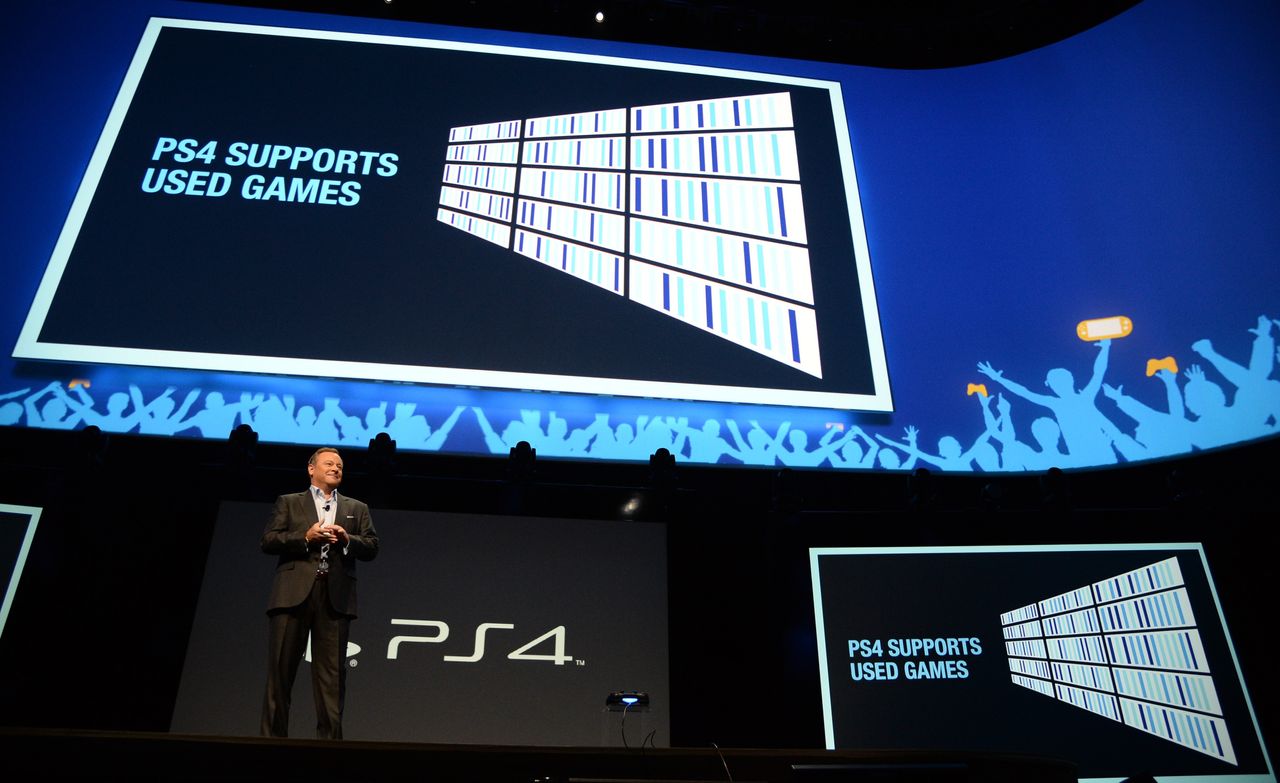
This issue is in particularly sharp relief now that Sony's digital store is confirmed to be the only way to purchase new PlayStation games from next year. The publisher's announcement that it would stop producing game discs in January of 2028 caused quite an uproar among gamers who value physical copies of games as a token of ownership. It's worth noting that most players do purchase games digitally (as much as 85% of PlayStation games, by some reporting), and also that disc production and usage become less practical as the manufacturing of both disc drives and discs slowly winds down.
The gamer outrage isn't really about the end of discs, though. This fury has been simmering for a good while now, as gamers resent perceived anti-consumer practices. The realization that discs are going away simply forced a lot of gamers outside the enthusiast sphere to confront the reality that they do not own their digital purchases and that they can be taken away at any time, just as Sony has already done in the past. This is especially pointed in light of the price increases asked by game publishers in the last few years, where games have gone from a typical ceiling of $60 USD up to $70 and now, more recently, $80 (with Mario Kart World, Zelda: Tears of the Kingdom, and now Grand Theft Auto VI), despite often struggling to provide the same level of satisfaction and enjoyment as older titles.
There are many more examples like this on the Consumer Rights Wiki page about the lawsuit. (Image credit: Screenshot of Sony Interactive Entertainment website — source: Consumer Rights Wiki, licensed under CC BY-SA 4.0. Screenshot by unknown author. No modifications.)
And so we come back around to the Consumer Rights Wiki and its list of times that Sony has explicitly used ownership language on its website and on its digital storefront. The Wiki catalogs these quotes with both links to live pages as well as archived snapshots and screenshots with the relevant text highlighted. The Consumer Rights Wiki was of course founded by consumer rights advocate and YouTuber Louis Rossmann, but much of the work was done by the community that has sprung up around the site as people rebel against the continuous erosion of their consumer rights, particularly by technology companies that argue against their own responsibility.
It's unfortunately still not clear if this case is actually going to trial yet. Sony is attempting to have the case moved to private arbitration, citing that all four plaintiffs agreed to such when signing up for the PlayStation Network; in that case, Sony will likely pay a small cash award to each plaintiff and the matter will be settled, legally speaking. If the case goes to trial, there's a possibility for real legal precedent to be set by a public ruling, at least in California. For the sake of consumer transparency on the PlayStation Store, let's hope that the court agrees to hear this one.
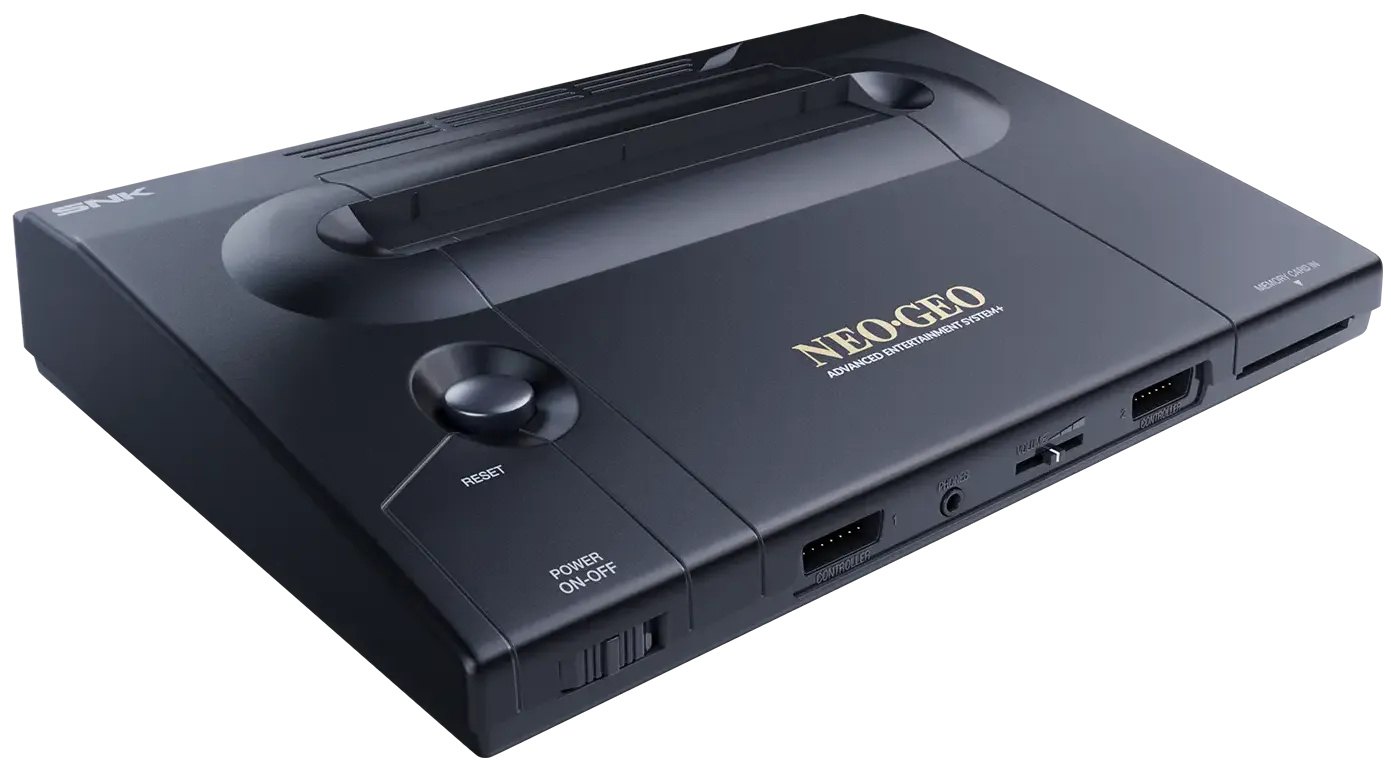
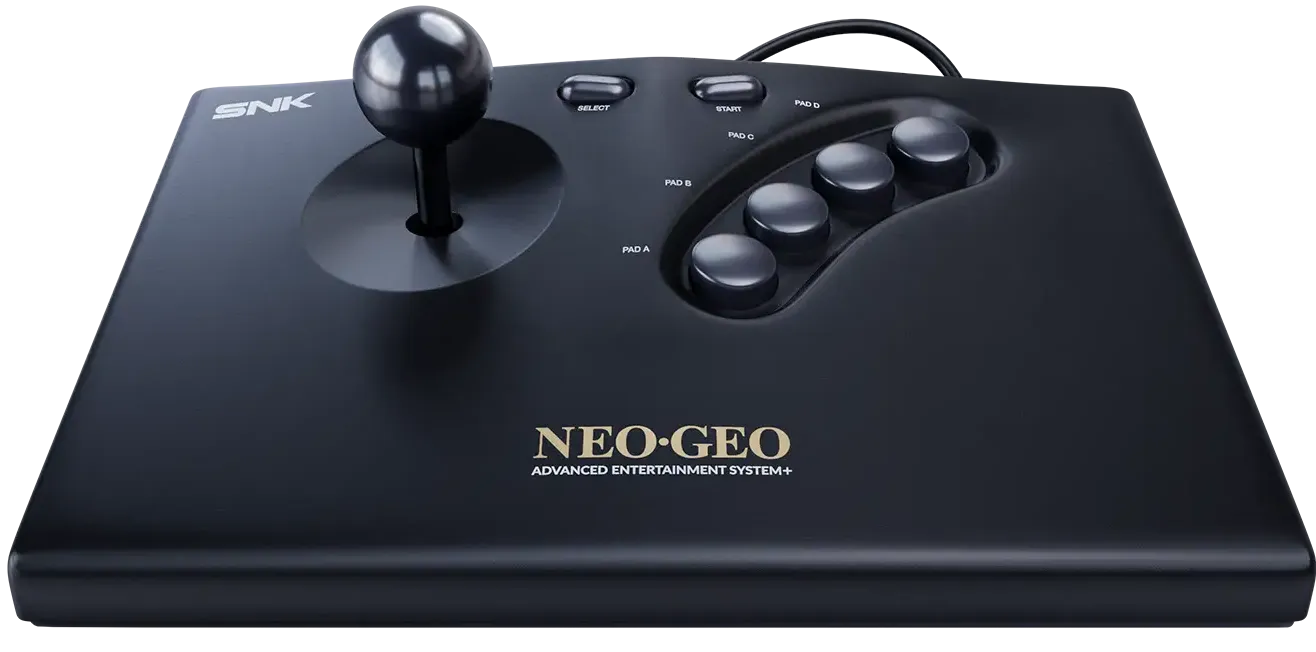
Plaion's release of the NeoGeo AES+, a contemporary, hardware-level 1:1 replica of SNK's evergreen NeoGeo console, is being delayed by 10 months, with a new September 16, 2027 release date. Predictably, Plaion says the main reason is the AI-driven RAM shortage, though it remarks that demand is higher than expected.
Unlike nearly every other modern console re-release, the AES+ is intended to be an exact, 100% compatible replica of the original, by way of physical hardware rather than emulation software. Plaion says it's using dedicated ASIC chips and presumably contemporary clones of processors like the Motorola 68000 and Zilog Z80A.
The team counts long-time MiSTER core developer Jotego among its staff, lending serious pedigree to the project and assuaging concerns about whether the AES+ will perform just like the original. They're even going as far as using 5 V power delivery to be directly compatible with the original cartridges.
(Image credit: Plaion / SNK)
It's expected that every game cartridge from the original NeoGeo AES (Advanced Entertainment System) home console will work on the AES+, and there are modern third-party adapters for using original arcade cartridges. Plaion is re-releasing ten iconic games in cartridge form, including Metal Slug, Garou: Mark of the Wolves, Pulstar, and King of Fighters 2002.
The NeoGeo was the greatest 2D arcade/home system that ever existed (according to me), with production lasting for 14 years from 1990 to 2004. It had a number of "firsts," being the first system that used the same exact hardware for the home version as it did inside an arcade cabinet, with nothing but the form factor, the name (AES vs. MVS), and a defeatable lockout mechanism as a distinction. Arcade operators loved the then-new swappable cartridge system, and there were variants that could hold four games that were switchable on the fly.
The AES also marked the appearance of memory cards for save games, and that came with a serious arcade joystick, unlike its competitors' gamepads. Every home console release at the time promised "arcade-quality games in your home," but only the Neo Geo actually delivered.
(Image credit: Plaion / SNK)
Of course, all this goodness had a small problem: the AES cost $399.99, or $1,028 in today's dollars — for just the base system with the one joystick and no games. The Gold package with two sticks, one game, and a memory card would set buyers back a cool $649.99, or $1,671 today.
The technical reasons for the NeoGeo's longevity are quite straightforward: it was ridiculously overpowered from the start. Its architecture covered almost every possible use case and lent itself well to most every type of 2D game. The NeoGeo packed a total of seven processors and co-processors, and a GPU with a 24-bit bus, capable of 3840 simultaneous colors across 380 sprites. The graphics chip also had hardware scaling and used an unconventional but effective vertical-strip sprite mechanism, unlike tile maps of the era.
The expandable storage also played a big part in longevity, with late-day cartridges storing as much as 716 Mb, or 89.5 MB. The only notable omission is the lack of a direct-to-screen drawing mechanism (aka framebuffer), precluding Doom ports — but as always, people are finding a way regardless.
If you're looking to order a NeoGeo AES+, the base model with the console and one stick will set you back $249.99 (or 199.99€), an affordable amount considering a decent joystick can cost $75-100 on its own. The Anniversary Edition comes in a white finish, with Metal Slug, a wireless joystick, and a memory card, for $349.99 (or 299.99€). Finally, the Ultimate Edition comes with all ten re-released games, two joysticks (one wired, one wireless), and a gamepad, for $999.99 (or 899.99€).
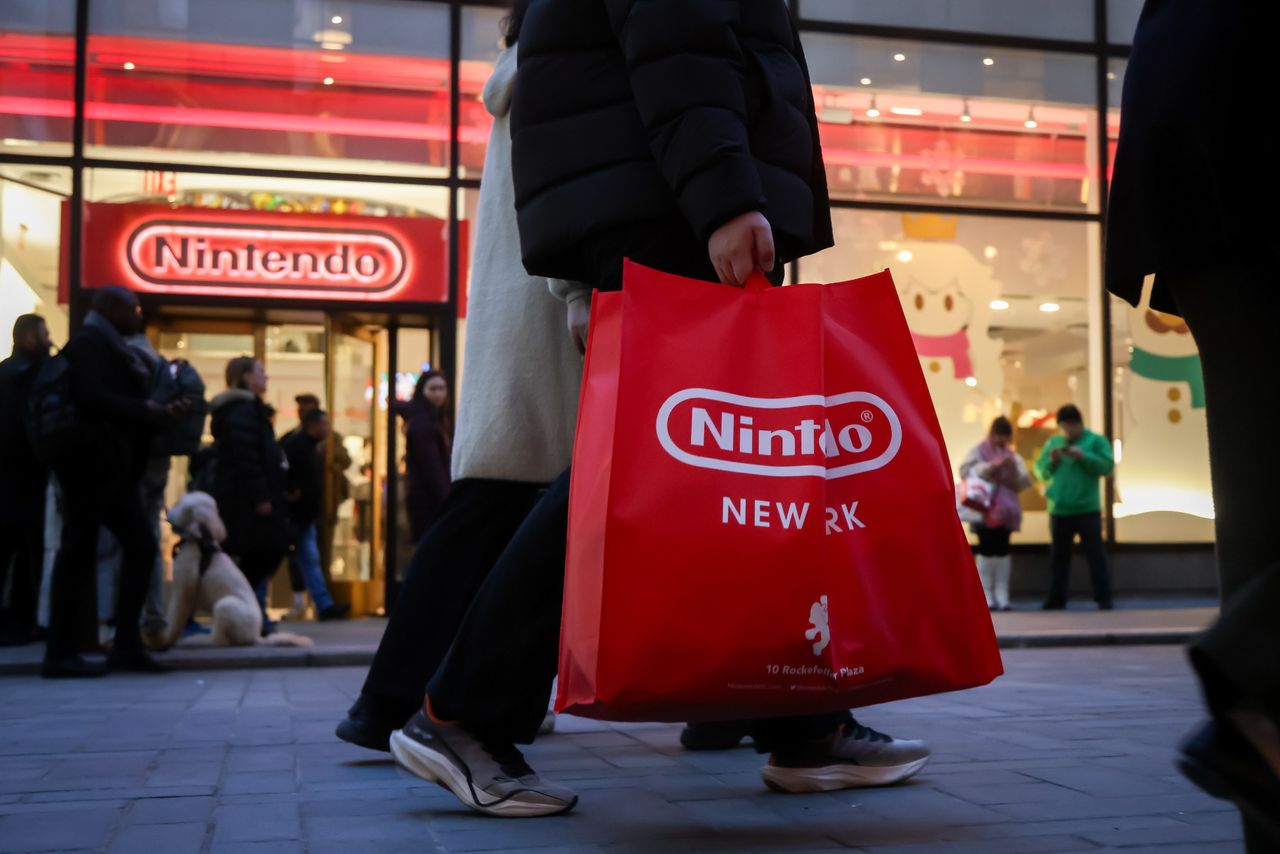
Nintendo of America got its tariff refund and is using the money to hold a sale, rather than returning it to customers who paid higher-than-expected prices for the Nintendo Switch 2 and accessories. The rare promotion, dubbed the "Customer Appreciation Sale," will run from September 13 to 26 and will offer 30% off digital Switch games, bundles, and "select physical games, downloadable content, accessories, amiibo, and apparel." Discounts will be available in Nintendo Stores and the Nintendo eShop, as well as other participating retailers.
"The Customer Appreciation Sale is our way of saying thank you to Nintendo players for their continued support and is made possible in part by tariff-related refunds," a brief blog post on Nintendo's U.S. website reads. "While Nintendo absorbed most tariff-related costs, the refunds helped make promotions like this one possible."
In a 2026 earnings document, the company stated that it got $300 million in tariff refunds.
Nintendo of America is facing a proposed class action lawsuit from customers who believe the company will be made whole twice: once through raised prices and a second time through the refunds. Sony is facing a similar suit, and in September, Nintendo of America filed a motion to dismiss its suit.
Nintendo was hit hard by the Trump administration's tariffs. Soon after the Switch 2's initial announcement, the company delayed U.S. pre-orders for the console, though the system launched on time. In May, Nintendo raised the price of the Switch 2 by $50 to $499, though that also priced in component shortages and included hikes in Europe and Japan.
In March, Nintendo of America sued the U.S. government in the U.S. Court of International Trade seeking refunds, joining Costco, FedEx, Revlon, and more than 1,000 others. The Supreme Court ruled that large swaths of the tariffs were unlawful, with over $166 billion due back to American businesses. By the end of July, the government had paid $100 billion in refunds.
Most companies seem to be pocketing the refunds, even though costs were typically passed on to American consumers. In August, Panic, which makes the handheld Playdate focused on indie games, refunded tariffs to customers.
Today is September 9, and the significance of the date for Australian consumers is that, by law, buying online apps and games now requires an over-18 age verification step. The local law isn't specific about the exact type of verification, only that it offers "appropriate age assurance measures." Valve is complying by asking for a bank card rather than government ID or a biometric check. The problem in the land down under is that while credit cards seemingly all work, debit card support is spotty and conditional.
This situation isn't unique, as it's basically a repeat of the same existing scenario in the United Kingdom. Valve's privacy-minded approach is laudable, as a bank card only links a payment method to a name and address. Meanwhile, a government ID is a more dangerous document if it gets leaked; face scans are quite fallible and revealing, and biometrics are intrinsic to the person and not replaceable if exposed — unlike bank cards, which can be canceled and swapped in minutes.
However, having a card check as the only verification option is causing problems, and many users are already asking for other means of verification, even if they're more invasive, citing Xbox and Sony's services as more accommodating.
Since credit cards in Australia (and the UK) can only be issued to adults, they work fine for Steam verification. Debit cards, on the other hand, can be carried by minors, and they're only valid for age checks under specific conditions. For now, that seems to be those (a) belonging to the Mastercard network, which introduced its own global automatic age verification check on June 2, 2026, and (b) for which the issuing bank flagged the card product as adults-only. The transaction firm only passes the answer to "is the buyer an adult?" back to the merchant (in this case, Steam), without exposing an actual date of birth.
A quick harnessing of user reports, mainly from Reddit posts, seems to indicate that debit Mastercards from Commonwealth, Westpac, and Macquarie appear to work, while those from Bendigo, St. George, Revolut, ANZ, and most Visa cards seem to fail the check. Note that this is an evolving situation, so the situation may have changed by the time you're reading this.
The demographics of credit card ownership definitely don't help matters. Unlike the U.S., where credit cards are the default method of purchase, only about 45% of Australian buyers and 65% of UK punters own one. Perhaps most importantly, within the 18-24 age demographic, only 25% to 30% own a credit card — precisely the people who buy the most games and are the most affected. For both user satisfaction and business reasons, it's seemingly desirable that Steam add verification alternatives.
Preorders for the Nintendo Switch 2 The Legend of Zelda 40th Anniversary Edition went live shortly after yesterday's Nintendo Direct and sold out instantly. Walmart has listed the handheld gaming console but has enabled preorders. Meanwhile, you can preorder it on Amazon for $519.99, so you may still have a chance to get one at MSRP before the scalpers.
Major U.S. retailers, including Target, Best Buy, and GameStop, were the first to enable preorders for the Switch 2 The Legend of Zelda 40th Anniversary Edition, which instantly sold out. It did not take long for scalpers to hit eBay to resell preorders for as much as $1,000, almost 2X over Nintendo's MSRP. Zelda-exclusive consoles have always been prime targets for scalpers.
The Switch 2 The Legend of Zelda 40th Anniversary Edition, the first limited edition of the Switch 2 and a The Legend of Zelda-themed edition celebrating the franchise's 40 years, makes the handheld console even more desirable to hardcore fans and scalpers looking to make a quick profit. Plus, the console's $519.99 price tag, which is only $20 over the vanilla Switch 2, gives gamers extra incentive to purchase one. The problem is finding one in stock.
Along with the console, Nintendo also gave the Switch 2 Pro controller and carrying case with an included screen protector the same The Legend of Zelda 40th Anniversary Edition treatment. Best Buy currently has both up for preorder at $99.99 and $39.99, respectively.
The Switch 2 The Legend of Zelda 40th Anniversary Edition officially launches on October 29. Historically, The Legend of Zelda-themedconsoles are available for purchase on launch day. However, stock will likely be extremely limited, which is why many fans like to lock in their preorders early.
It remains to be seen whether Nintendo will produce many units of the Switch 2 The Legend of Zelda 40th Anniversary Edition. At least for the previous limited-edition consoles, like the Nintendo Switch OLED: Tears of the Kingdom Edition or Nintendo Switch Lite: Hyrule Edition, stock was not a problem since you can still buy them today despite being last-generation consoles.
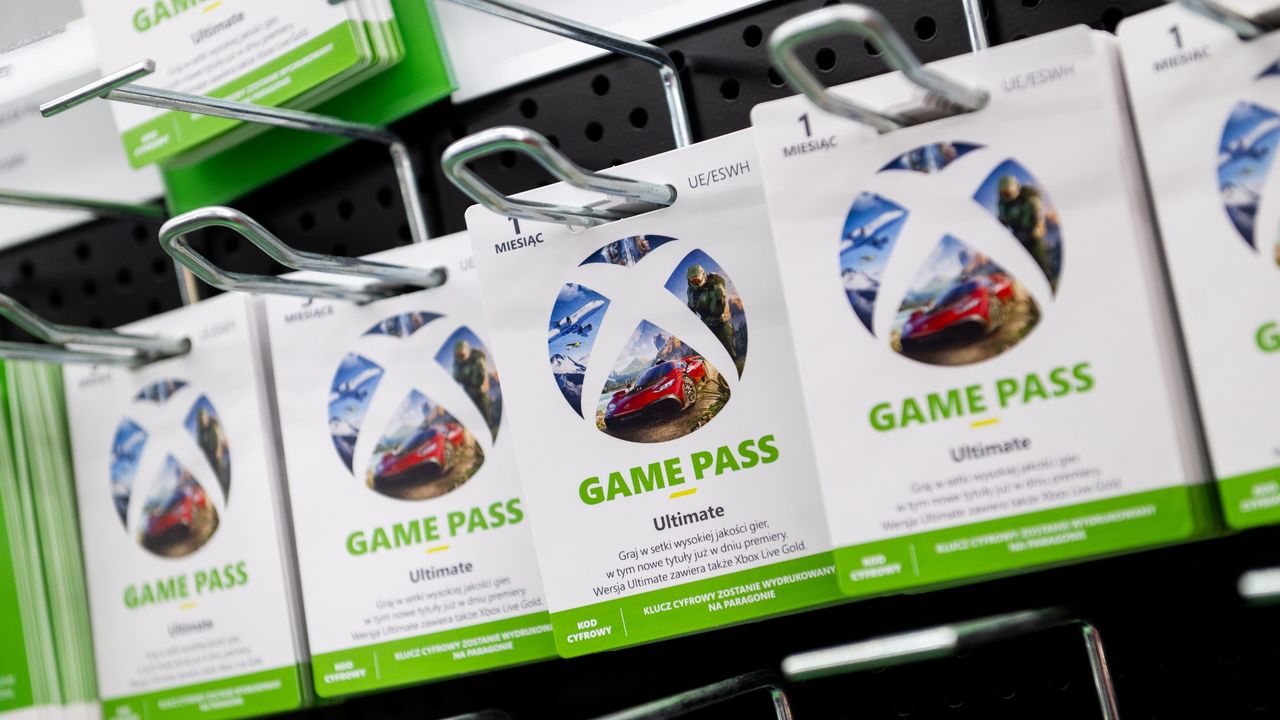
If you play hard to get, you could get Xbox Game Pass for cheaper; at least that is what numerous users are reporting on a Reddit thread. One Xbox Game Pass subscriber shared a screenshot of Microsoft offering them the Ultimate plan for $16.09 for a month, 30% lower than the standard $22.99. Their secret? Cancel Xbox Game Pass almost every month.
Dynamic win-back discounts are perhaps the oldest trick in the book, but they remain widely used because of their effectiveness in re-engaging customers who have stopped buying a product or, in Microsoft's case, canceled their Xbox Game Pass subscription. These targeted offers, often disguised as "We Miss You" or "Welcome back" deals, aim to win back lost customers with exclusive or time-limited discounts.
According to the Redditor, they have used Xbox Game Pass on and off for about two years. However, instead of committing to an annual plan, the user frequently paused and resubscribed. In the Redditor's words, they were "not doing any sort of tricks lol...just got the offer randomly because I cancel gamepass almost every month, so maybe this was their way of keeping me."
This kind of customer behavior is not uncommon among subscription services, since buyers seek to maximize value and avoid unnecessary spending. Apparently, Microsoft seemingly noticed this user and proactively offered a 30% discount, dropping the Xbox Game Pass Ultimate price from $22.99 to $16.09 for a year. And it worked. The Redditor confirmed that they took the offer and locked in for the entire year.
At least one other Redditor confirmed they also received the same $16.09 offer. The thread quickly filled with additional posts as users shared their experiences with Xbox Game Pass discounts. For example, one Reddit user said that when they logged in with a secondary account on their Xbox console, they saw an $18 offer for 12 months of Xbox Game Pass Ultimate. Their main account allegedly never receives offers like this. Meanwhile, other users chimed in to report receiving $ 20-per-month offers.
It is unclear what criteria Microsoft uses to distribute these win-back discounts. Many speculate that the company may be considering activity, subscription history, or even multiple accounts. The discounts do not seem limited to the U.S., where the Redditor lives. Users in the thread have reported similar discounts in regions like México.
Despite Microsoft slashing Xbox Game Pass pricing earlier this year, many gamers still resort to digital key marketplaces such as Eneba, G2A, or Loaded, where one month of Xbox Game Pass Ultimate can cost as little as $9.28. By running targeted annual promotions, Microsoft can encourage subscribers to stick with Xbox Game Pass, secure long-term revenue, and avoid the risks of month-to-month cancellation.
However, these targeted discounts raise an important question: should Microsoft not reward loyal Xbox Game Pass subscribers with similar exclusive discounts? Win-back promotions are great for bringing back former subscribers, but long-time users will feel overlooked and see no reason to commit, since the generous deals go to those who cancel and return.
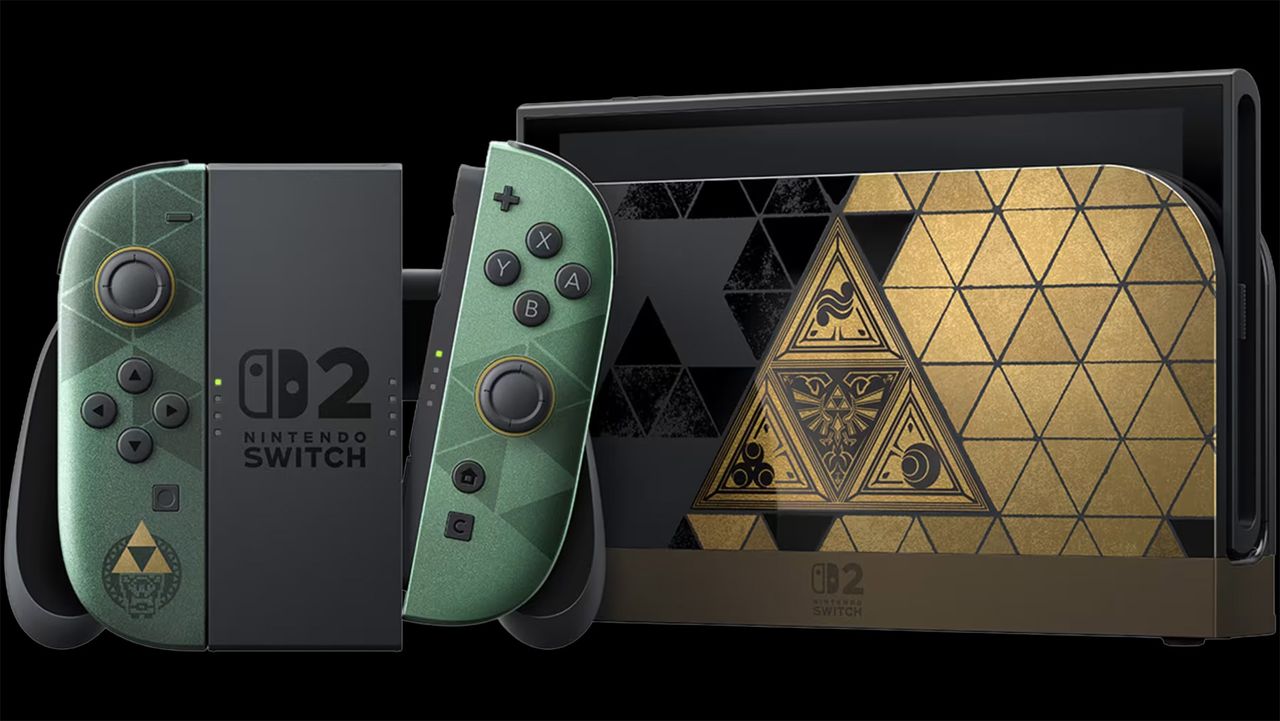
Nintendo just aired one of the most important Directs of the Switch 2 generation, showcasing the upcoming Ocarina of Time remake in all its glory. The presentation also brought along the announcement of the first special edition Switch 2 hardware: The Legend of Zelda 40th Anniversary Edition. The console costs $519.99, but there's also an identically themed Pro Controller for $99.99 that you can pre-order right now — either item ships later this year on October 29.
The company's first handheld to be adorned in special edition Zelda makeup was the Game Boy Advance SP released in 2004 alongside The Legend of Zelda: The Minish Cap. The first home console to receive the same treatment was The Wind WakerHD edition of the Wii U in 2013. Most recently, we got a Tears of the Kingdom-themed Switch OLED in 2023, followed by the Hyrule Edition of the Switch Lite next year.
Across every handled and home console released, The Legend of Zelda 40th Anniversary special edition Switch 2 will be the 12th piece of Zelda-themed hardware Nintendo has put out. Moreover, it took the original Switch just a few months to get its first limited-edition hardware (Monster Hunter XX Special Pack), but the Switch 2 has clearly taken its time with this design, and it's sure to be a collector's item.
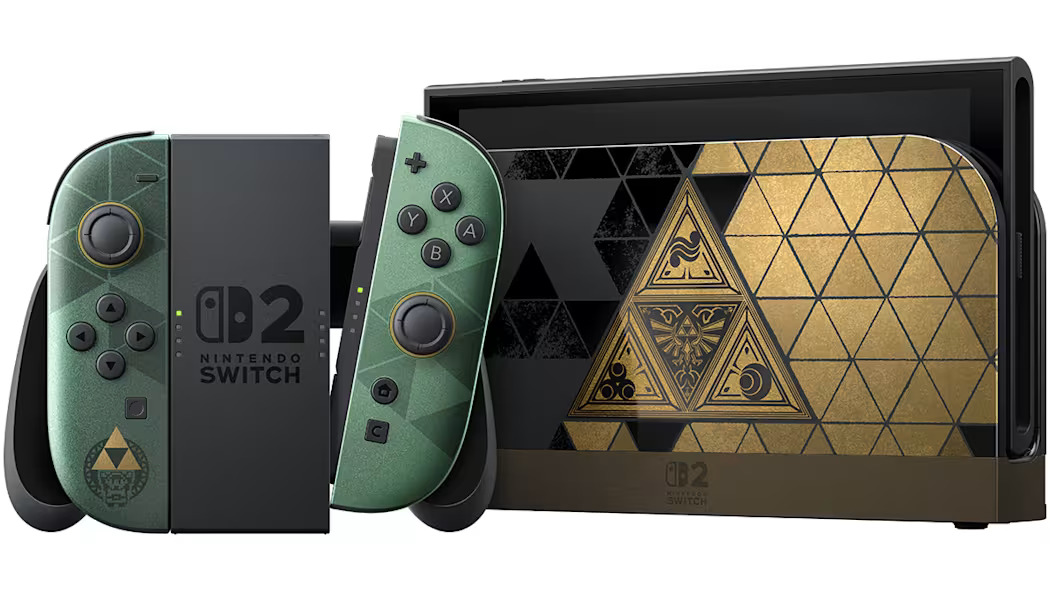
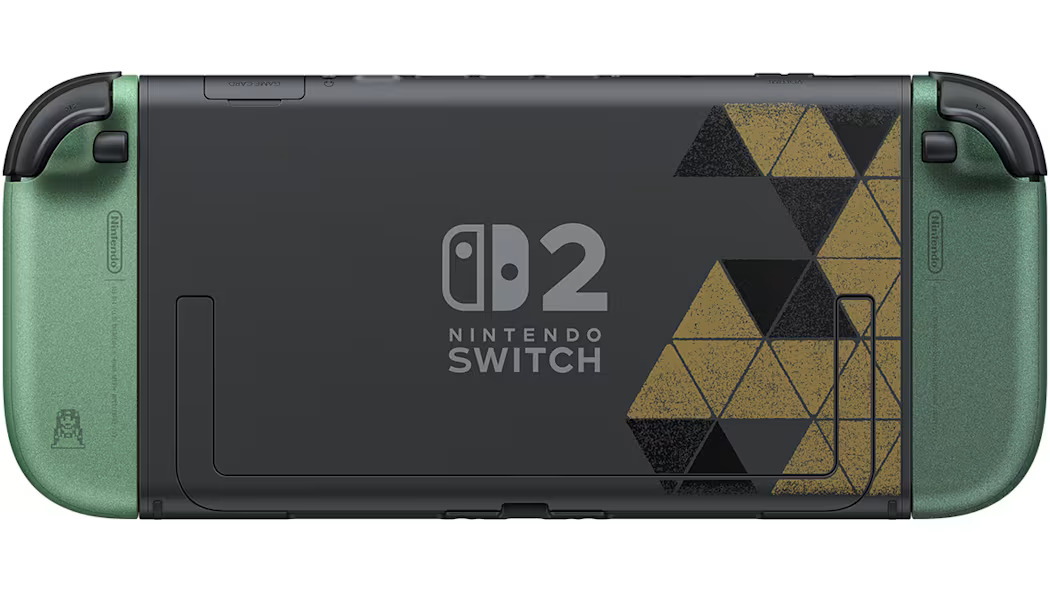
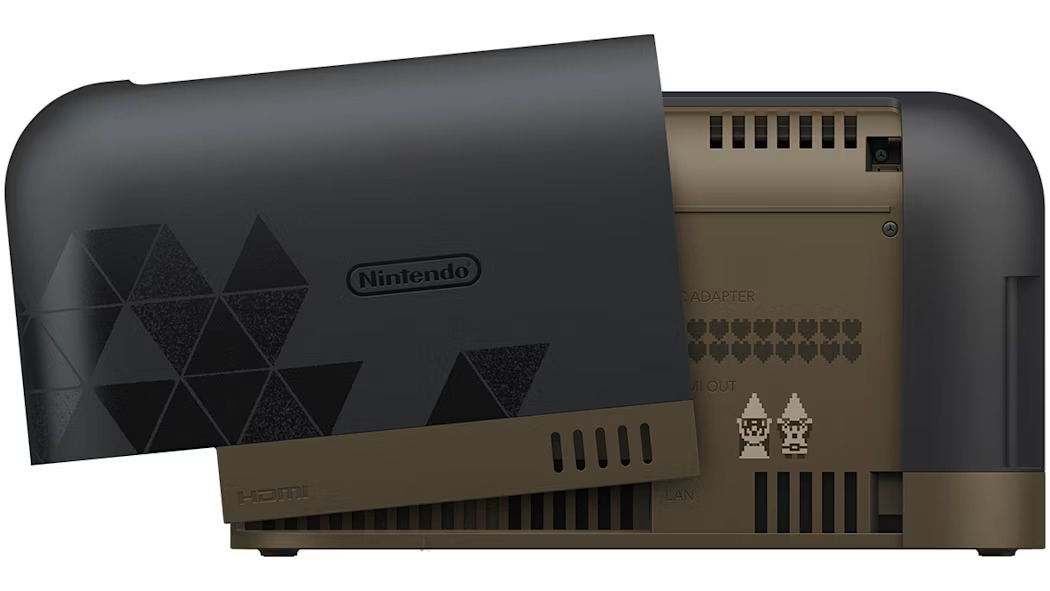
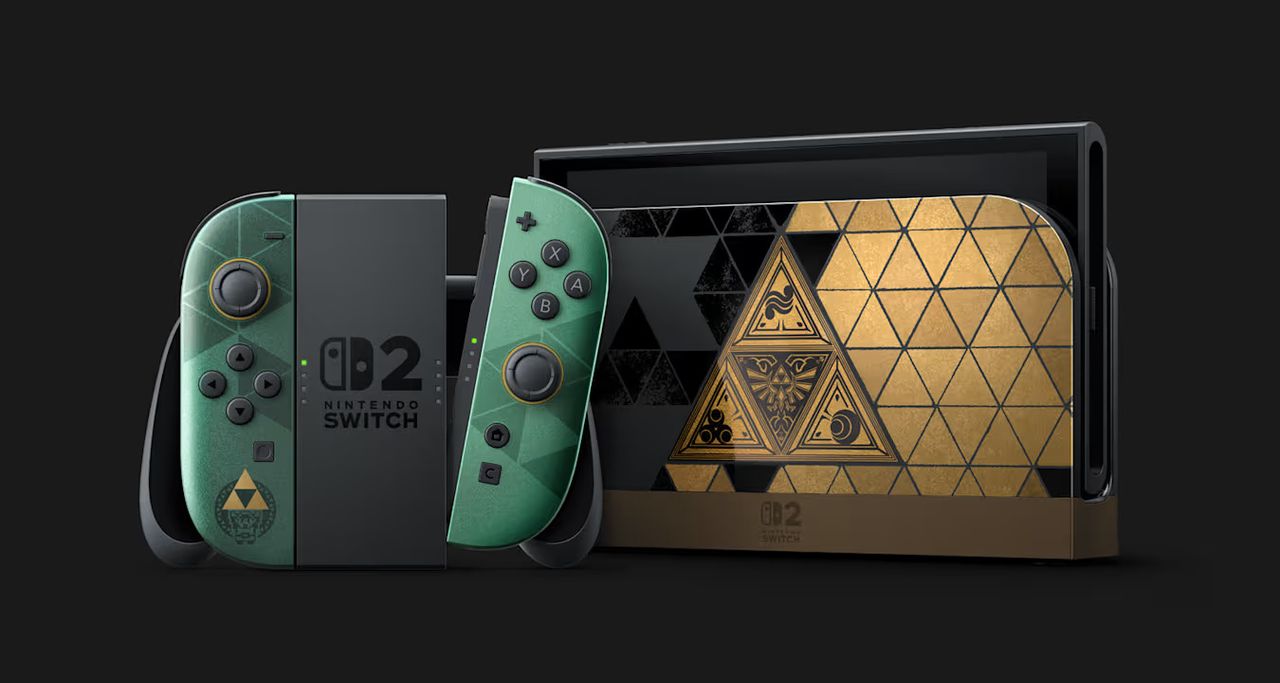
The tablet itself is mostly the same boring black except for a few golden triangles at the back. However, the Joy-Cons feature a beautiful green design with a Tri-Force symbol on the left. The dock is a gorgeous, two-tone golden and black color with a very bold Tri-Force theme across the front and some easter eggs on the back. Even the packaging is supposed to have textured foil cover art. The console will retail for $520 and does not come with any game.
NintendoNintendoNintendo
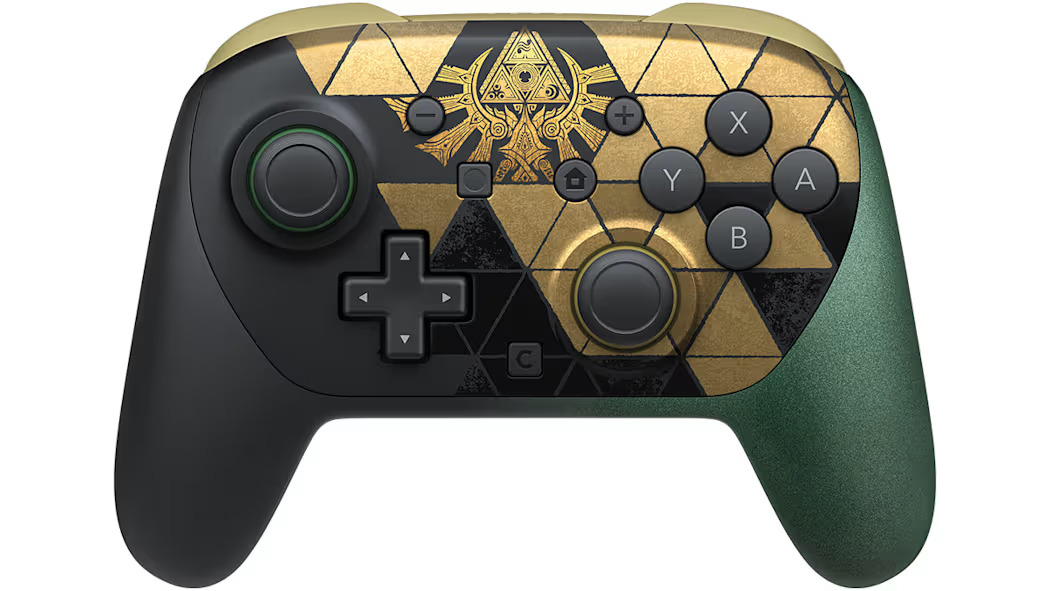
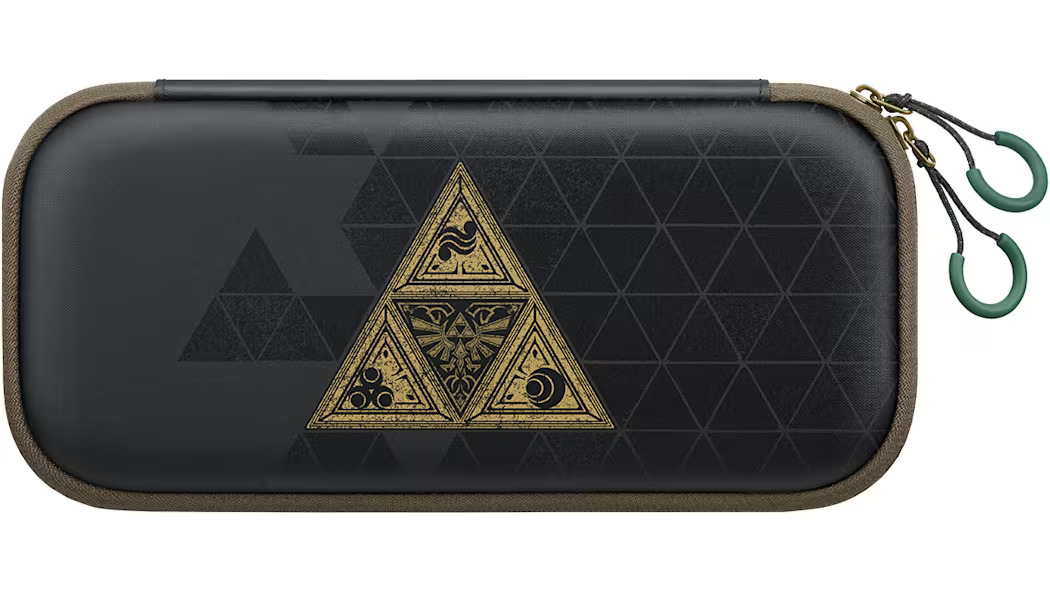
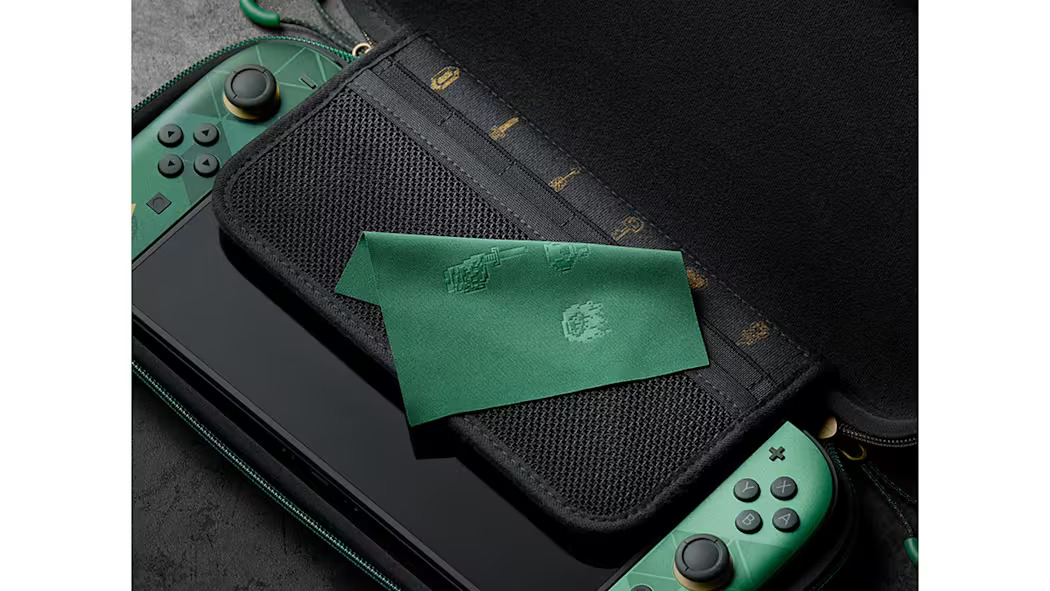
Alongside the console, there's a Switch 2 Pro Controller that looks very similar to the Joy-Cons, with a green and gold theme that combines elements of the Triforce with a crest emblem. It comes as is for $100, but you can also get it with a subtly themed display stand for $110. Finally, there's also a $40 carrying case adorned with Zelda illustrations. You even get a custom, green-colored microfiber cloth inside and a screen protector.
Keep in mind that all of this hardware celebrates the 40th anniversary of the Zelda franchise, which already passed earlier this year. It has nothing to do with the upcoming Ocarina of Time remake and, as such, the game is not included in the $520 limited edition Switch 2. Pre-orders for all the items discussed above are open, and they will be released on October 29, 2026. The Ocarina of Time remake drops next month, on November 19, 2026, and will be sold separately for $60.
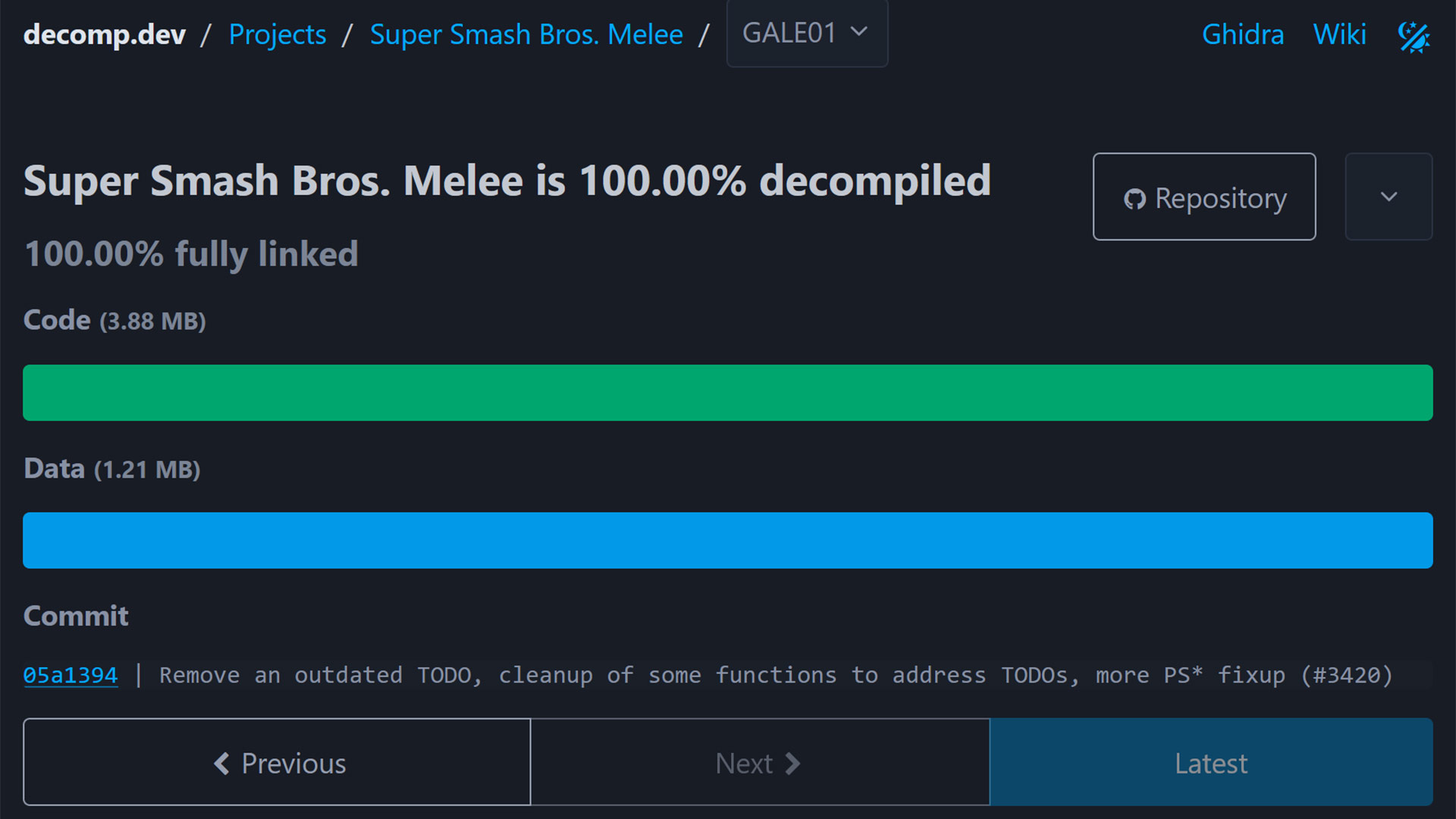
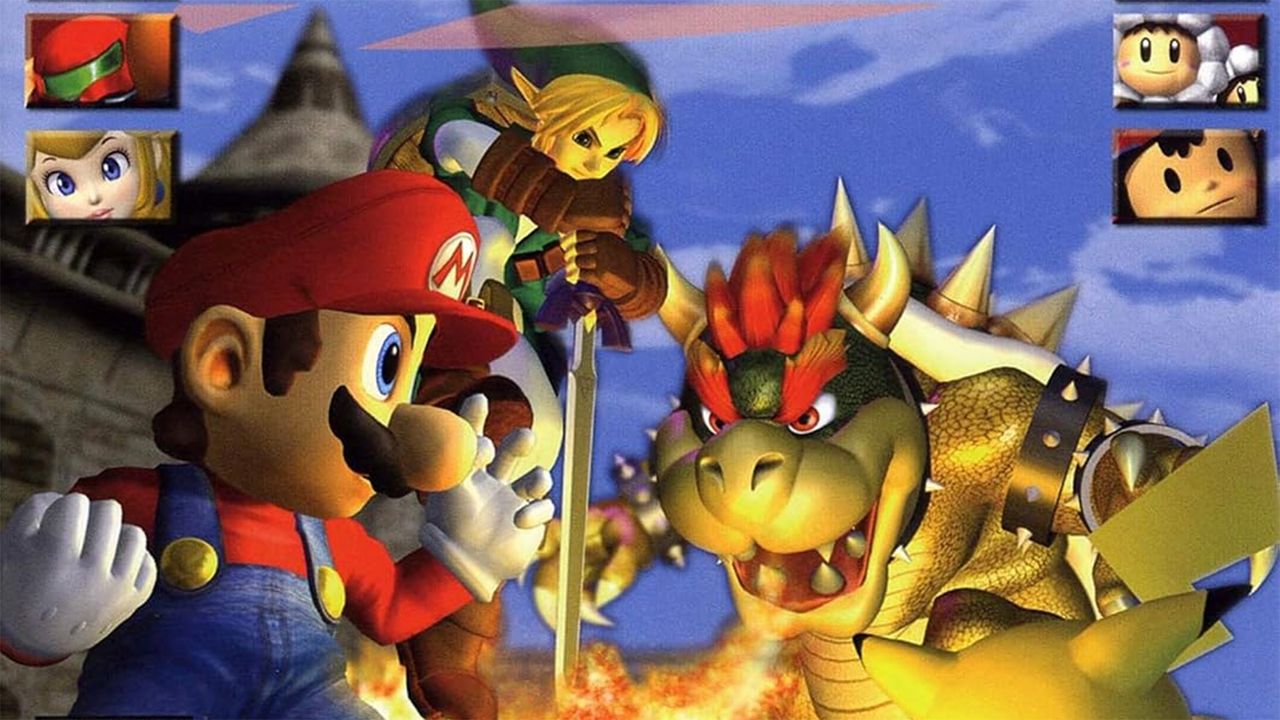
A Super Smash Bros Melee decompilation project hit its key long-standing goal a few hours ago. Nintendo’s legendary platform fighting game, which launched on the GameCube in 2001, has now been 100% decompiled by a team of developers. This is a complex game to convert to C code, but the project code can now be compiled into a binary byte‑for‑byte identical to Nintendo’s original main.dol. The effort has taken the team six years or more to get to this stage, with OpenAI's Astra part of the effort to get it over the line. Gamers may already be excitedly anticipating Super Smash Bros Melee ports and modding tools, but these too will take time and effort.
Decompilation projects seem like the latest trend to grasp the retro gaming and development communities, but some, like this, have been in progress for a very long time. Enthusiasts are spurred on by old console hardware becoming scarce, expensive, or uneconomical to repair. Thus, they want to preserve the original game code in a manner that can be ported to modern supported systems. Demanding 100% accuracy with a complex game like this was ambitious, but now that milestone has been reached.
Preservation isn’t the only goal, or result of projects like this. Seasoned developers will now be able to pore over the game’s C code and gain insights into Melee’s engine, physics, game mechanics, and more. Armed with this knowledge, we should eventually see the modding potential of this game blossom. This has happened in the wake of previous successful decompilation projects.
If you drop in on the doldecomp/melee GitHub page, linked above, you can check over the code for yourself. There are instructions for compiling this Super Smash Bros Melee C code on various platforms, including Windows. However, please remember these aren’t ports; you will just be recreating the v1.02 US release main.dol file from the GameCube, which weighs in at 3.88MB. You'll also need the original assets (textures, audio, etc.) from the GameCube disc that you own, in order to run the game.
Some highlight that the project was finalized with thanks in part to the latest AI tech, including GPT-6 Astra. Similar tech might also be used to rapidly develop the ports and mods that the crowds are looking forward to.
Sony Japan has officially implemented a new customer harassment policy to address ongoing customer backlash, following the company’s controversial announcement to phase out physical PlayStation game discs by January 2028. In an official publication on September 1, the company outlined prohibited customer behaviors to protect the dignity and safety of its employees and threatened to suspend customer service if the behaviors continued.
“The dignity and safety of our employees must not be threatened by customer harassment, such as words or demands from customers that exceed what is considered reasonable according to social norms,” the publication read. “If any behavior constituting customer harassment is confirmed, we may restrict or suspend customer service in order to protect the safety of our employees.”
Some of the examples of customer harassment detailed in the publication include “persistent and repeated, or prolonged, demands; excessive or unreasonable demands for compensation; abusive language, threats, slander, and other similar behaviors; requests unrelated to products or services; intimidating attitude; discriminatory or sexual conduct; and attacks and demands against individual employees.
The company also listed “forcing someone to prostrate themselves,” visiting company grounds without permission, and excessively asking for apologies as customer harassment, expressing willingness to use legal force if necessary. “We will take a firm stance against such actions and aim to build healthy and sustainable relationships while respecting both our customers and employees,” it said. “If we deem it necessary, we will cooperate with the police, lawyers, etc., and consider taking action, including legal measures and criminal proceedings.”
The new policies appear to be in response to the intense backlash over Sony's decision to end physical disc production by 2028. The decision was met with immediate, widespread backlash from the gaming community, which argued — among other things — that ending physical discs was equivalent to eliminating true ownership. Critics also argued that digital purchases were rentals and placed too much power in the company's hands, which could restrict access at will. Just 6 days after the July 1st announcement, a Change.org petition to stop the move had amassed 200,000 signatures and is now approaching 400,000.
The company doesn't appear to be backing down. After a class action lawsuit related to Sony’s decision to kill physical discs, the company moved to force the case into out-of-court arbitration, arguing that “reasonable consumers would not be misled into believing they own digital games.” The plaintiffs allege that Sony misleads consumers by using "Buy" buttons for digital PlayStation games without clearly disclosing that buyers are only purchasing a temporary, revocable license rather than actual, permanent ownership of the game.
Several other related lawsuits are ongoing. Regardless, Sony has said it will "cautiously move forward" with its decision despite “strong views” from players. The company hopes its new customer harassment policy will curb some of the backlash individual employees are currently facing. The policies also align with Japan's recent law that mandates companies to take measures to prevent customer harassment towards their workers.
Musicians and synth-heads in the audience, rejoice. A new vintage synthesizer plugin has arrived that has the potential to blow many commercial offerings out of the water — and it's completely free, to boot. Audio software maker Autodafe has released the Vintage Emulator Studio (VES), a fresh new plugin that integrates a fair number of the open-source MAME emulator's synthesizer cores in one neat package.
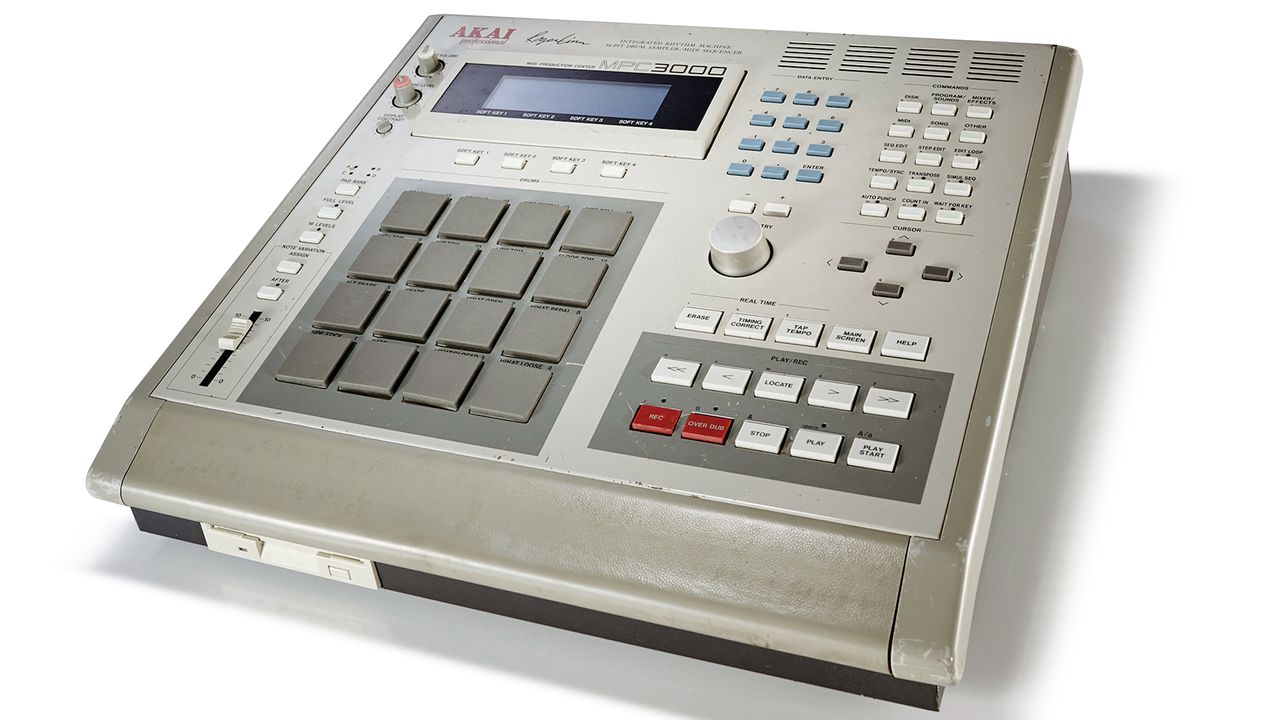
The entire list of emulated synths is below, but it includes iconic entries like the Akai MPC3000, LinnDrum, Oberheim DMX, and Roland TR-707 — used by names like Dr. Dre, New Order, The Police, INXS, and Prince, among many other high-level acts. There are a total of 44 machines, all with component-level emulation.
What makes VES different from most other synth plugins is that instead of presenting a facsimile of the final output or a hybrid mix of component- and output-stage emulation, it employs — by way of MAME — full component-level emulation. Each processor, tone generator, envelope generator, filter chip, and converter should be faithfully reproduced, potentially resulting in a "perfect" emulation of the gear in question, more or less depending on the status of each driver core.
Notably, on machines whose MAME emulation is farther along, analog and/or digital output stages are faithfully recreated, meaning you won't need additional low-pass filters or any other trickery to make the synth sound like the actual hardware. Additionally, the skeuomorphic, HiDPI-ready UI replicates the units' control panels, dials, buttons, and LCD displays, making them easy to interact with if you're familiar with the real hardware — and probably a nightmare if you're not, as "ease of use" wasn't high on the list of priorities back then. Floppy disk, CD-ROM, and peripheral emulation ought to be included too.
If by now you're thinking this is all too good to be true, there are indeed a couple or three catches. First and foremost, as with any emulator, you'll need to provide your own ROM/firmware, and depending on the synthesizer, any associated sample packs. Although obtaining those is not too difficult, having a copy of that data is a legal gray area if you don't own the original hardware. Although we haven't tested it ourselves, the CPU usage of the plug-in ought to be somewhat high, considering all the work it's doing simulating every single component.
Additionally, while MAME's emulation cores aim for full component-level emulation, not every synth driver has had the same amount of work put into it. For example, the Akai MPC-3000 driver is nearly complete, while the Prophet-5's has only been introduced to MAME fairly recently — so your mileage may vary. We'd expect this VST to be updated somewhat frequently as work on its MAME core moves forward.
For the sake of argument, though, if only a handful of synths are fully emulated, that's still an impressive showing out of a list of 44, given that in theory you'll get output that tracks exceedingly close to that of the original hardware, all from one plugin. You can download the Vintage Emulator Studio right here, in VST3 or AU format, for every major OS: Windows, macOS Intel/M-series, and Linux. It's also available as a handy standalone application.
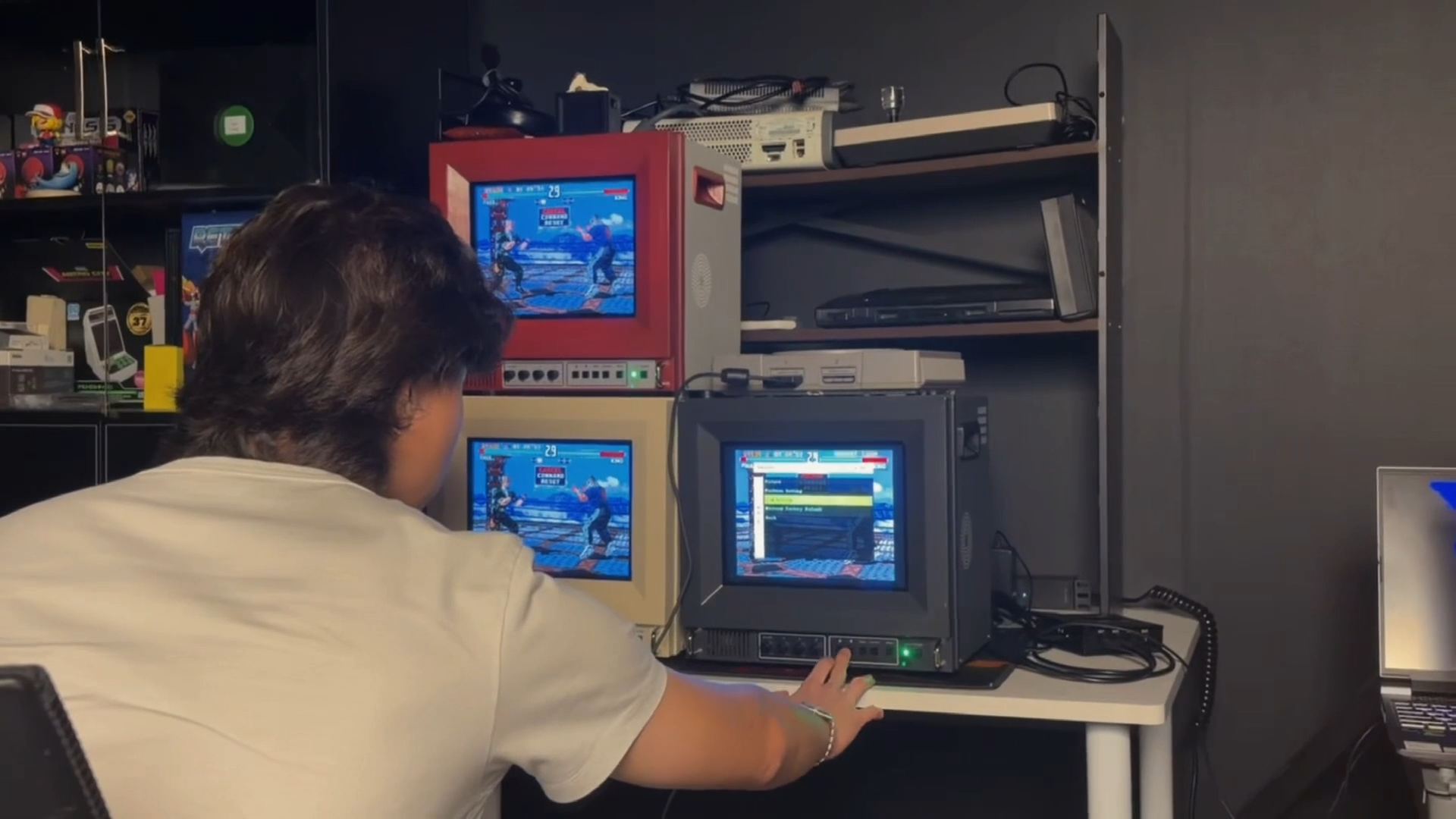
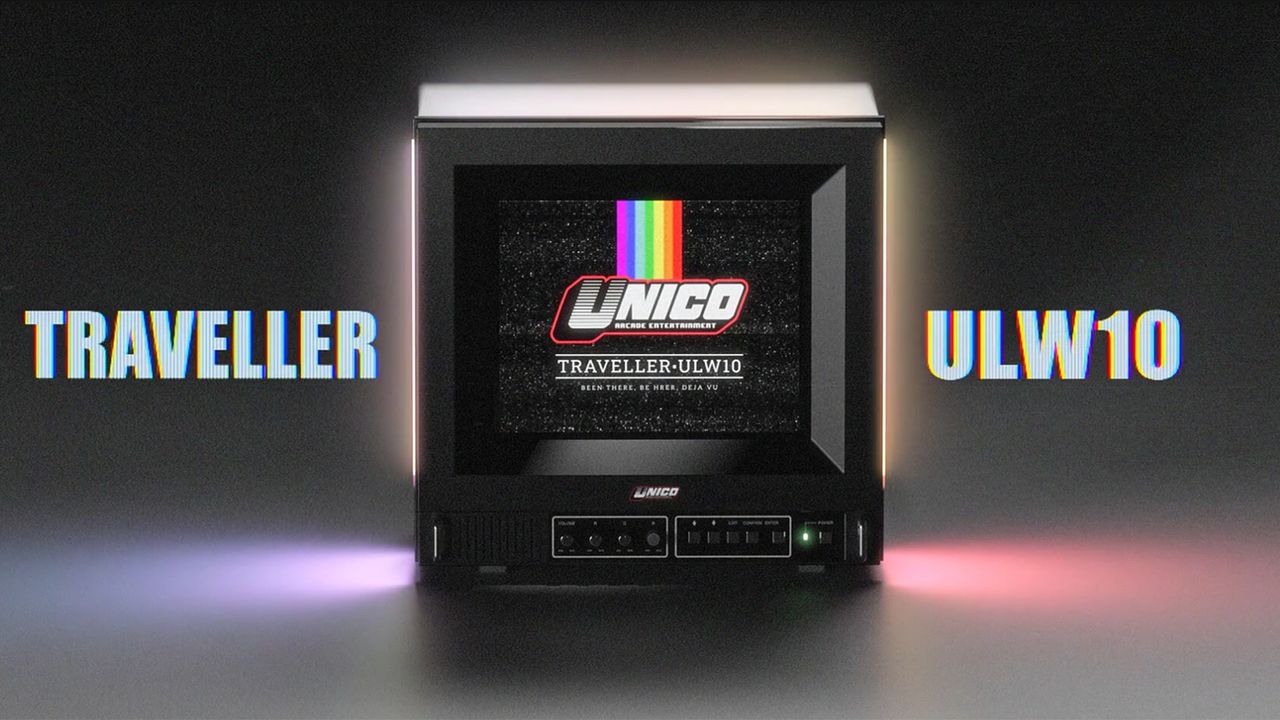
Getting a retro game console to look right on a modern TV can be a challenge, as legacy video signals need to be scaled or de-interlaced, while latency and aspect-ratio issues can further make retro games look or feel different from the original experience. In an attempt to recreate the nostalgic experience, retro gaming hardware manufacturer Unico has introduced the Traveller ULW10, a CRT-inspired 10-inch TV.
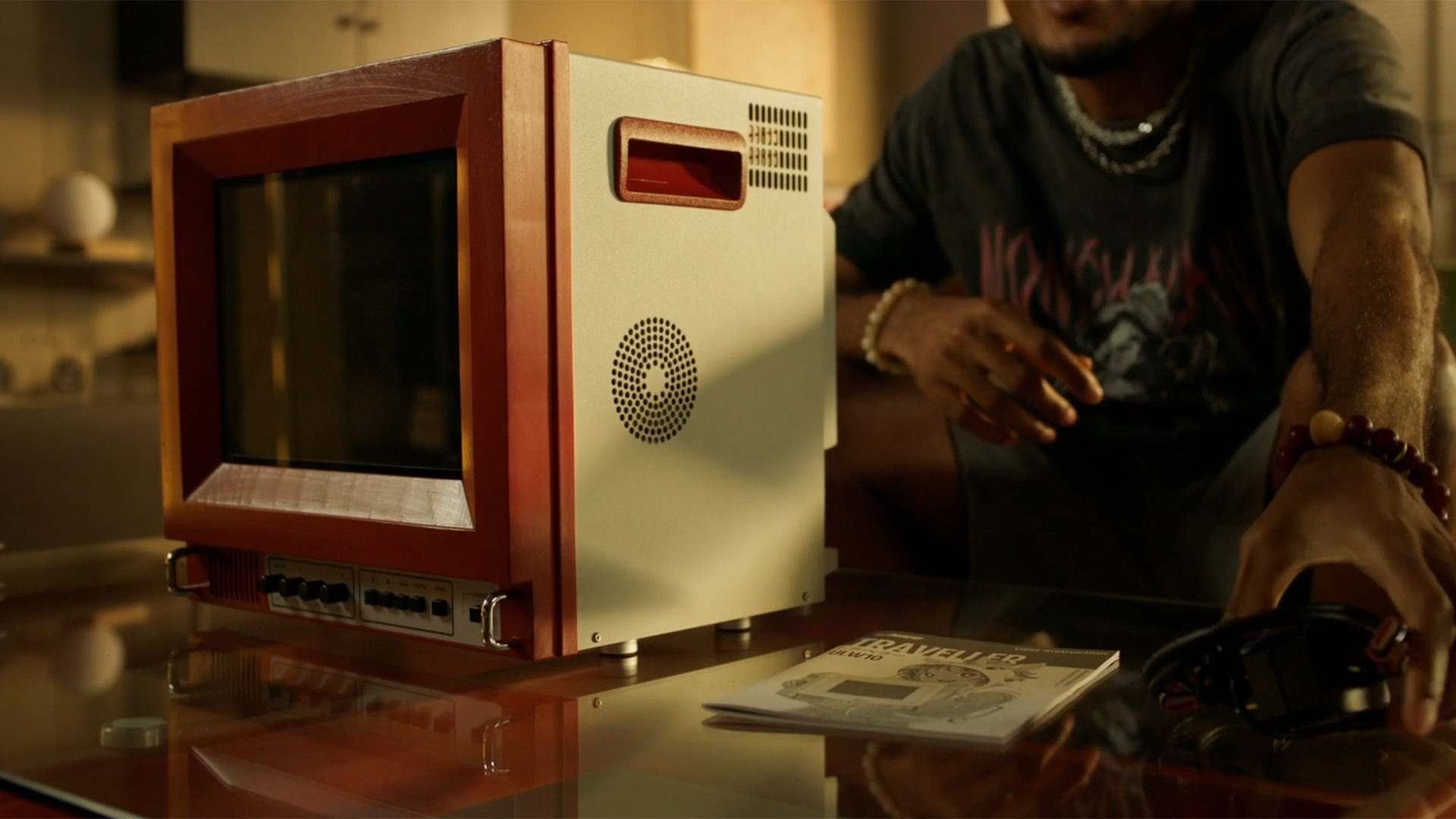
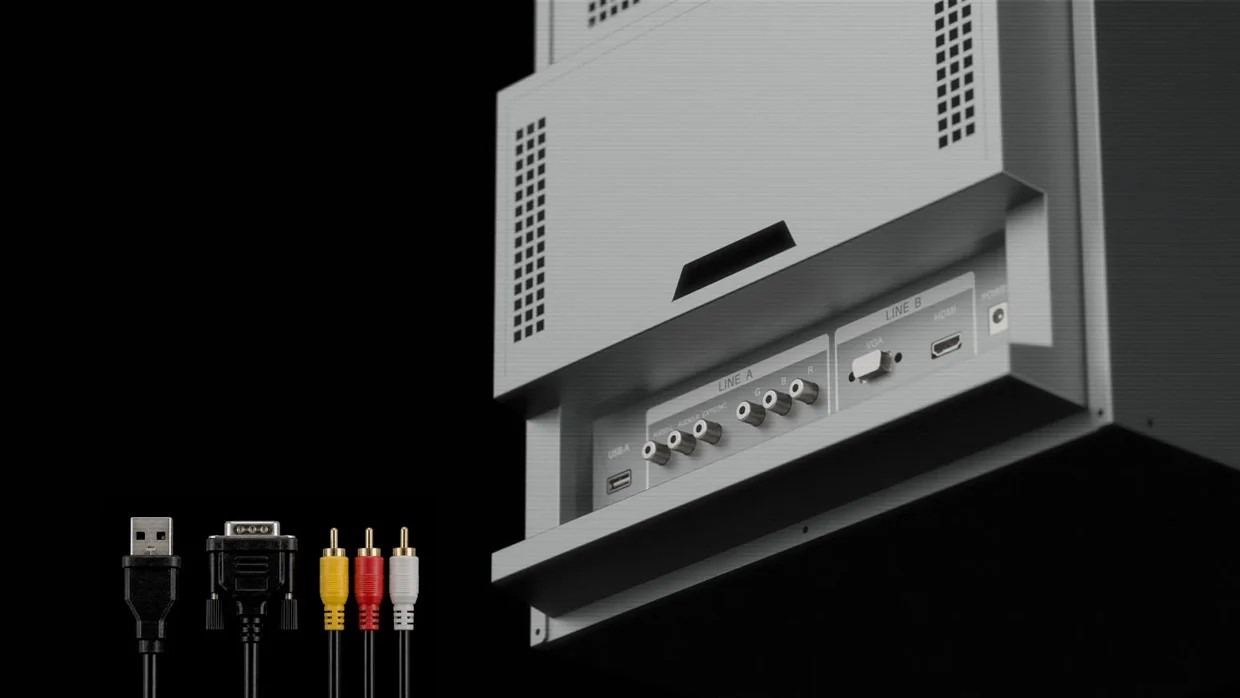
According to the company, the ULW10 is a PVM (Professional Video Monitor) with a vibrant 4:3 panel that “combines the character of a classic display format with the reliability of modern technology.” In terms of connectivity, the monitor comes with RGB, VGA, and HDMI video inputs, offering support for a wide variety of consoles. There is also a USB Type-A port, while the rear compartment provides storage for compatible consoles that can be tucked behind the display. It also includes knobs and physical buttons for various settings, similar to those found on old-school televisions.
UnicoUnicoUnico
Unfortunately, the ULW10 does not include a composite video input, and Unico says the decision ultimately came down to the limited space inside its compact chassis. With room needed for the signal board and other components, the company had to choose which video inputs to include. HDMI and VGA were retained for modern devices, PCs, and video converters, while RGB SCART was selected as the analog option because it offered the best balance between compatibility and image quality. It is also worth mentioning that the ULW10 is not a CRT monitor, but it can simulate the CRT or pixel-art style of old games.
The monitor will be offered in three color options: red and white, cream white, and studio gray. The casing includes built-in carrying handles as well as speaker vents, although the monitor itself does not include any speakers. The Traveller ULW10 will be available via Kickstarter, and while pricing information has not yet been confirmed, you can reserve a ‘Founder Spot’ for $5 and receive $30 back when you back the monitor on Kickstarter.
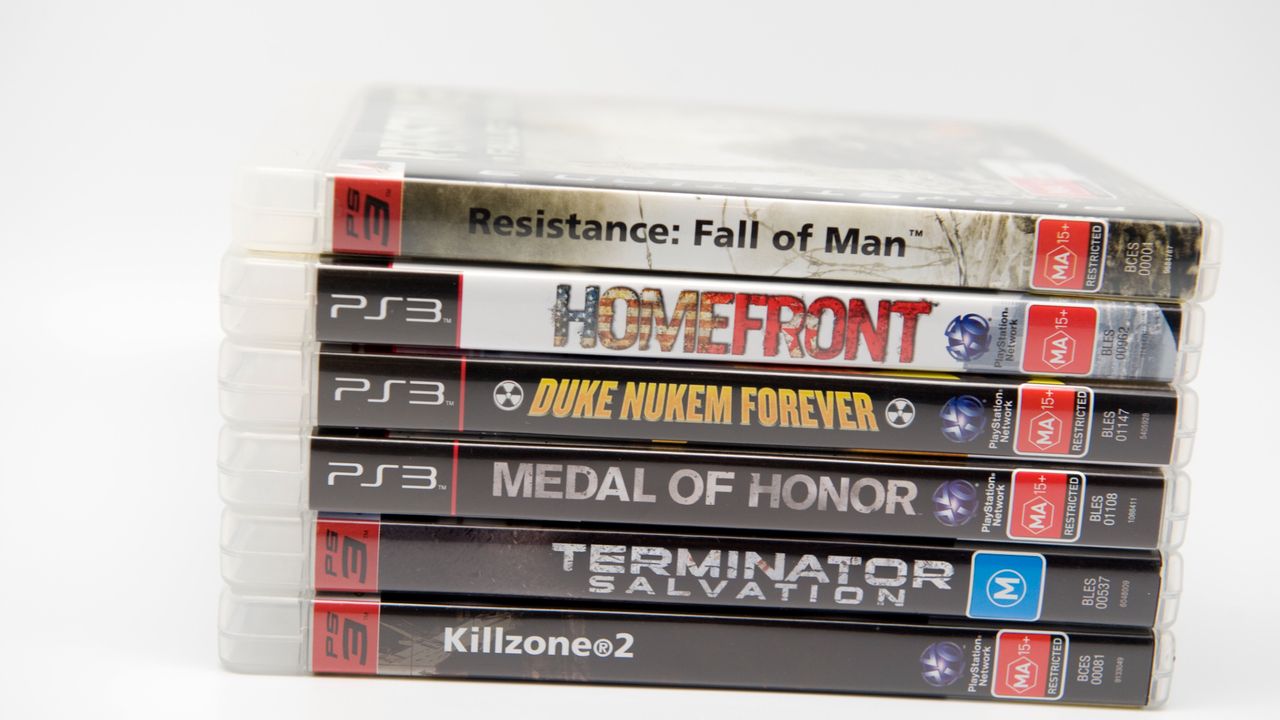
The developers of the Sony PlayStation 3 emulator RPCS3 have told their social media followers that it is now possible to play games straight from discs. As announced on Twitter/X, the emulator’s latest refinement works only with certain internal and external Blu-ray drives. Happily for retro gamers, there’s a lengthy compatibility list of drives featuring many models and brands, and the same drives are also compatible with dumping your media to fixed storage.
You can now play your PS3 games on PC... DIRECTLY FROM THE DISC DRIVE!💿 PLUG AND PLAY! Owning your games as physical media allows you to play games released as far back as 20 years ago without relying on any servers!See compatible disc drive models at https://t.co/nSzG5S954L pic.twitter.com/d1uKE7BpyrSeptember 6, 2026
Above you can see the RPCS3 devs are pretty happy with the slick new “plug and play” refinements that are available to users of the latest version of the emulator. “You can now play your PS3 games on PC... DIRECTLY FROM THE DISC DRIVE!” boast the open source emulator programmers. “PLUG AND PLAY! Owning your games as physical media allows you to play games released as far back as 20 years ago without relying on any servers!” The RPCS3 team thanks digant73 and Megamouse, specifically, for contributions making this feat possible.
Indeed, this is another step forward in making a slick emulator that works in a surprisingly frictionless fashion. Though the Tweet mentions PC, specifically, extended disc drive play support is also available on Linux, FreeBSD, and macOS. You just need to check that drive compatibility list. Moreover, all users can enjoy “optimized install times for package installations from the disc drive.” It has also been confirmed that PS4 and PS5 console users with Linux installs can launch PS3 games directly from disc using RPCS3.
Here’s a quick tip for folks who have an obscure Blu-ray drive that isn’t in the list. If you want to confirm compatibility with the drive, just put a PS3 disc in it. If you can browse its files, it's compatible; if nothing shows up, then it's not.
With pricing for the best SSDs now sky-high, being able to test-run new (old) games before dumping them to fixed storage could be a boon. It might also be good for auditioning a batch of discs you have recently bought, to see which ones are keepers.
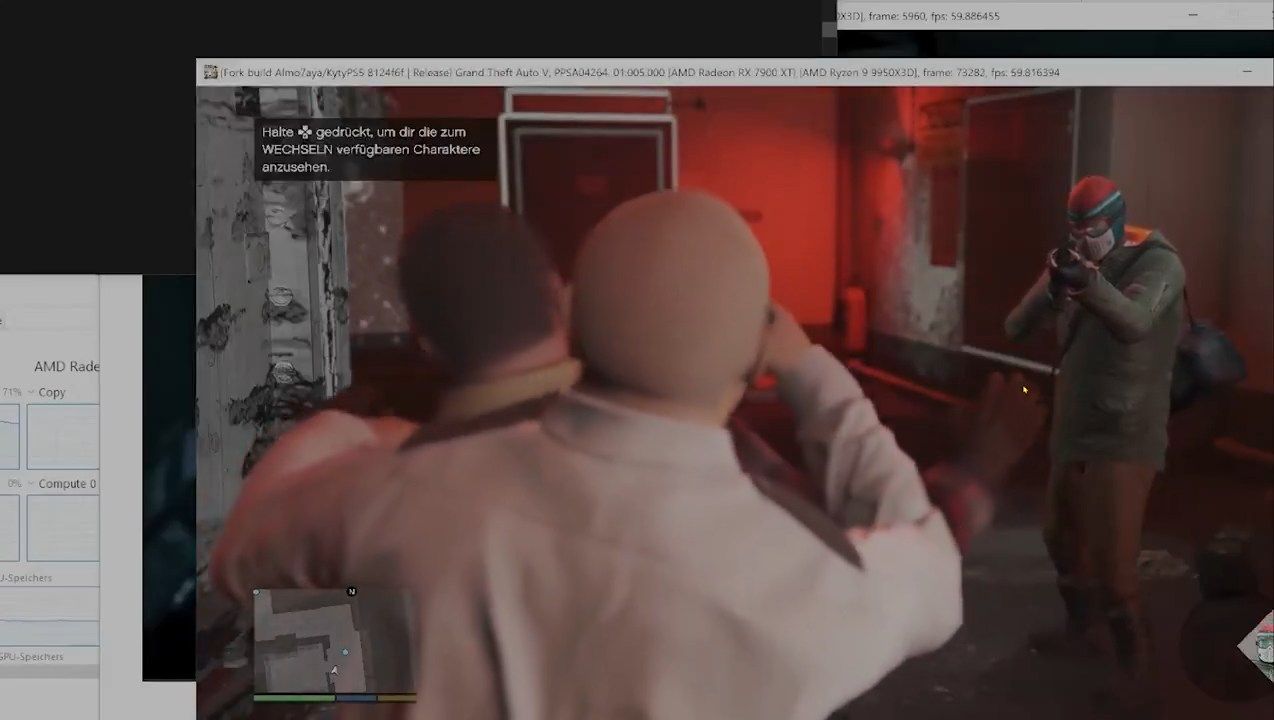
The PS5 emulation scene is growing at a rapid pace, perhaps the most rapidly we've ever seen, because the PS5 version of GTA V is now at least playable at up to 60 FPS on PC for a few minutes as modders work to fine-tune their approach. The last time we checked in over a month ago, GTA V was still stuck at the initial splash screen while 2D games were running smoothly, and other 3D games were just beginning to perform. Evidently, a lot of progress has been made since then — all in an effort to potentially get GTA VI playable on PC before an official port drops.
PS5 Version of Grand Theft Auto 5 emulated on KyTyPS5 emulator at 40 to 60 fps pic.twitter.com/JJlvqrHCofSeptember 5, 2026
The video above shows GTA V's starting mission running at roughly 40 to 60 FPS, fluctuating based on how much action is going on. It's the starting mission of the game, so the true test of the open world is still a bit far out. The game is being emulated via KytyPS5, the most prominent PS5 emulator at the moment, alongside ShadEmu. The PC running it has a Ryzen 7 9950X3D CPU and an RX 7900 XT GPU, so admittedly very high-end specs.
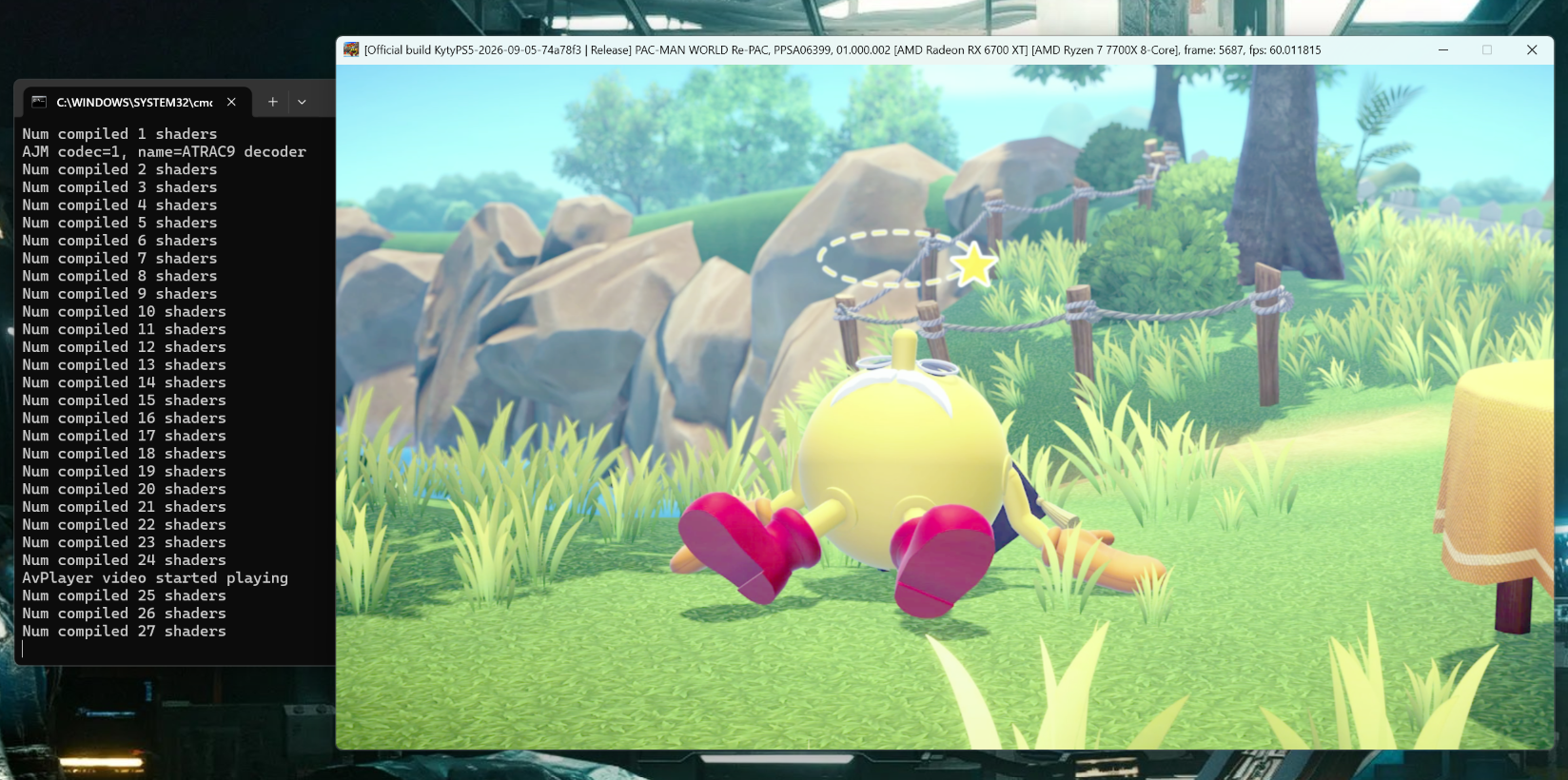
More PlayStation 5 games are now running smoothly on Kyty PS5 Emulator.Current playable titles include:• Tomb Raider IV-VI Remastered• STORY OF SEASONS: A Wonderful Life• PAC-MAN WORLD Re-PAC• Double Dragon Gaiden: Rise of the DragonsAll of them are now rendering and… pic.twitter.com/Ms4RCS29muAugust 6, 2026
Unfortunately, as soon as the player gets to the shutter that opens up to police waiting outside, the game crashes. It would've been almost euphoric to see actual gunplay between the character you're controlling and the NPCs shooting at you, but what we already witnessed was highly impressive, nonetheless. This is by far the biggest milestone in the PS5 emulation scene and the closest we've gotten to the actual goal of all this sudden development.
Case in point, a user was able to get past the starting mission and actually into the open world of GTA V. The game was running below 15 FPS, but as soon as Franklin and Lamar's cutscene occurred, the frame rate rose to the mid-40s. The game crashed as soon as the cutscene ended, but remember that GTA V cutscenes are not pre-rendered videos but are instead rendered in real time using the game engine, so this is a very impressive feat for the KytyPS5 emulator.
GTA V is not a difficult game to run; Android flagships from the past three years can emulate it at up to 60 FPS as well these days. But getting the PS5 version of the game to even be playable on PC in such a short amount of time is a testament to the community's dedication. It's easy to imagine that after seeing the GTA VI gameplay reveal, the urge to play it on PC right away instead of waiting for an official release has spiked to an all-time high.
Grand Theft Auto PS5 version PPSA04264 running on PS5 emulator KyTyPS5 forks.(some of the builds are forks, some are local builds)(Yes, GTA 5 is on PC, we know that, the point is the progress for big 3D games).for updates: https://t.co/Hz6VoBrtHh credit to ihc160/Komary pic.twitter.com/en1iKatnmTSeptember 6, 2026
GTA V actually first booted inside KytyPS5 a week ago before getting to this point, but it's not the only game running well right now. There are at least four other PS5 titles capable of being played at 60 FPS through emulation. The tweet above shows them all running on an RTX 5080 system with a Ryzen 7 5800X3D. We tried one game ourselves — PAC-MAN WORLD Re-PAC — and it ran shockingly well, locked at 60 FPS, even on an RX 6700 XT rig paired with a Ryzen 7 7700X processor.
(Image credit: Future)
On the other hand, SharpEmu is also making progress, but that team has a different approach to the same hurdle. They're busy tackling accuracy and infrastructure setup rather than game-specific compatibility, per its GitHub repo. In other words, it means fixing low-level issues that are preventing games like Astro Bot from currently reaching the gameplay state. Astro's Playroom has just barely reached the point where it boots.
SharpEmu is delivering a lot of achievements on the handheld side, though, with massive improvements made for the Steam Deck. The post below shows a similar level of performance for Astro’s Playroom compared to a much more powerful RX 7900 XT system with a Ryzen 9 7900X CPU. It's still barely 1 frame per second, and the game doesn't get past the boot screen, but the fact that it's even possible is enough cause for celebration. Remember, this is the worst that PS5 emulation will ever be.
SharpEmu just hit a pretty wild Steam Deck emulation milestone.-Astro’s Playroom booted locally on SteamOS-PS5 emulation running directly on Steam Deck-Roughly 0.5–1 FPS-Only reaches the intro/loading sequence-Completely unplayable right nowThe interesting part isn’t… pic.twitter.com/qL8lLKHwDOAugust 14, 2026
Xbox Game Pass has been an alternative option for gamers who cannot afford the best graphics cards. However, Microsoft has changed the business model for its cloud gaming service. The company has decided to monetize actual gaming time. Beginning in November, Game Pass subscribers will have new monthly limits on their total cloud gaming playtime. Once they reach these limits, players will be prompted to purchase additional gaming hours from the Xbox Store to keep playing.
Game Pass Essential, Premium, and Ultimate subscribers will face monthly cloud playtime limits of five, 10, and 15 hours, respectively. The changes affect only Xbox Cloud Gaming, a feature included with Xbox Game Pass that lets subscribers stream and play games directly from Microsoft's servers over the Internet. Subscribers can still download and install as many Xbox Game Pass titles as they want on their consoles or gaming systems, with no monthly limits on playtime.
Needless to say, Microsoft's decision marks a drastic shift for Xbox Cloud Gaming, moving from an unlimited model to a capped-hour system. Under the current packages, Game Pass Essential, Premium, and Ultimate users pay $2, $1.50, and $1.53 per hour for Xbox Cloud Gaming, respectively. Despite announcing these changes, Microsoft has yet to disclose details regarding the pricing structure for additional playtime.
A hardcore gamer who subscribes to Xbox Game Pass Ultimate could easily average around 50 hours of cloud gameplay per month. For example, if they pay the highest rate ($1.53) for 35 overage hours, an Xbox Series S 512GB ($499.99) would pay for itself in under 10 months. Alternatively, the user could break even on an Xbox Series X 1TB ($749.99) in about 14 months.
These changes will significantly affect heavy cloud gamers who stream games regularly. Even the highest subscription tier, Game Pass Ultimate, now imposes a 15-hour monthly playtime cap. The limit is not even enough to complete one game per month. For instance, AAA titles such as Cyberpunk 2077 or Clair Obscur: Expedition 33 can take almost 30 hours to complete, even if you just stick to the main storyline.
Xbox Game Pass Pricing
Tier
Monthly Price
Xbox Cloud Gaming Monthly Hour Limit
Cost Per Hour
Ultimate
$22.99
15
$1.53
Premium
$14.99
10
$1.50
Essential
$9.99
5
$2.00
The new policy introduces limits for frequent cloud gamers, but it also opens a new market for Microsoft: casual players who don't own a console or may not want to commit to a subscription but are willing to buy gaming hours to play select titles in the Xbox Game Pass library. Microsoft's decision ultimately transforms Xbox Cloud Gaming into an "à la carte" type of service where gamers buy cloud playtime hours as needed.
Microsoft attributes its recent policy changes to the rising infrastructure costs associated with maintaining the cloud server network. The company estimated only about 4% of its subscribers will be directly impacted by the new playtime limits. Therefore, it is reasonable to think that the other 96% of the user base do not use Xbox Cloud Gaming or stay under the monthly hour thresholds.
Over the past two years, Microsoft has implemented two price increases for Xbox Game Pass, with the most recent hike occurring in October of last year. Interestingly, despite the upward trend in pricing, the company made a surprising move by reducing the cost of Xbox Game Pass earlier this year. By shifting Xbox Cloud Gaming to a metered system, Microsoft may be trying to maintain profitability and subscriber retention.
But nothing about the timing appears coincidental. Grand Theft Auto VI, arguably the most anticipated title of the decade, will launch on November 19. Microsoft’s new Xbox Cloud Gaming policy is set to take effect in the very same month. Microsoft is strategically positioning the subscription service to capitalize on the massive surge of interest. The company likely wants to attract users who do not own a console or gaming system because of the ridiculous pricing but still want to play Grand Theft Auto VI.
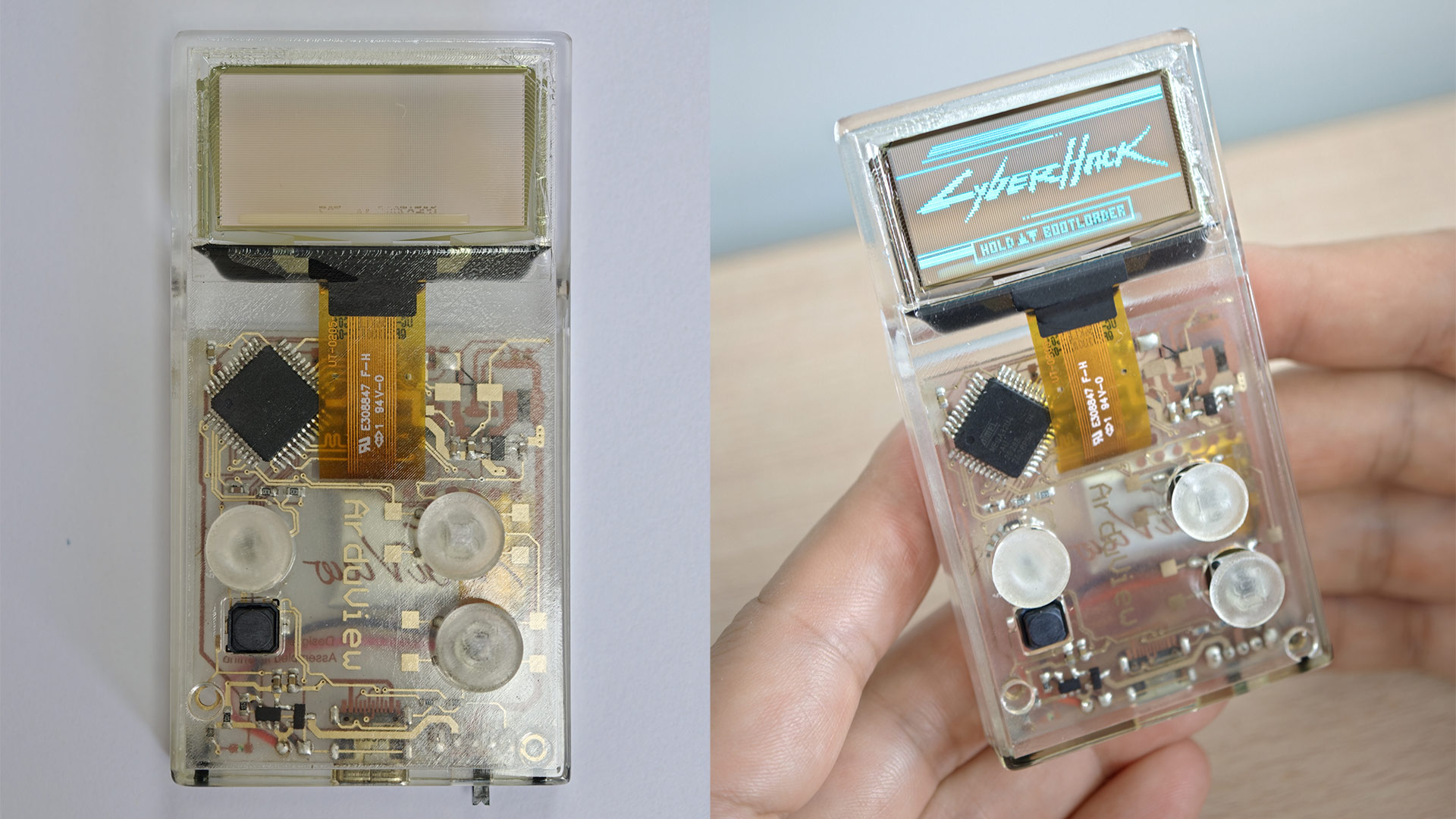
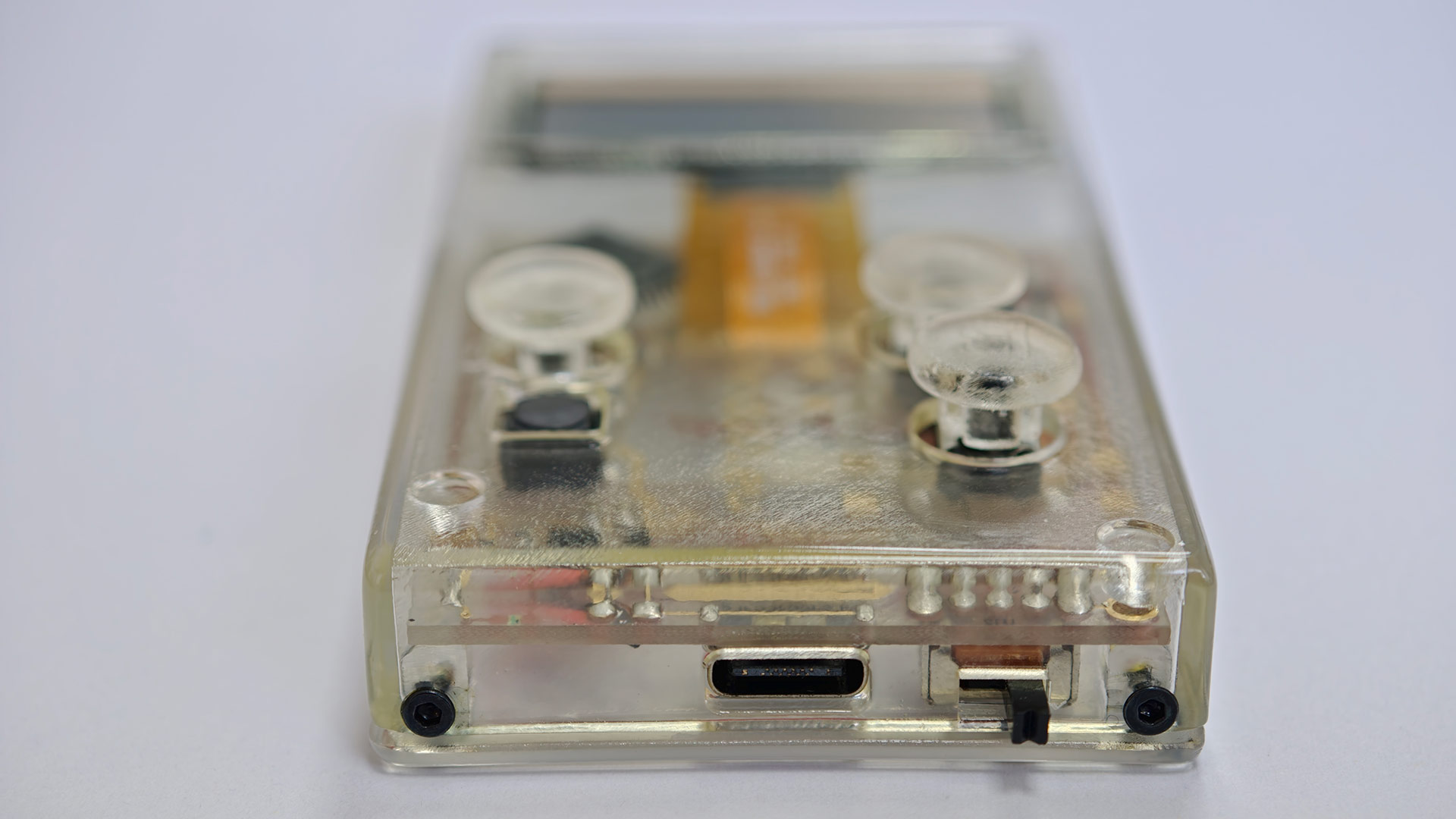
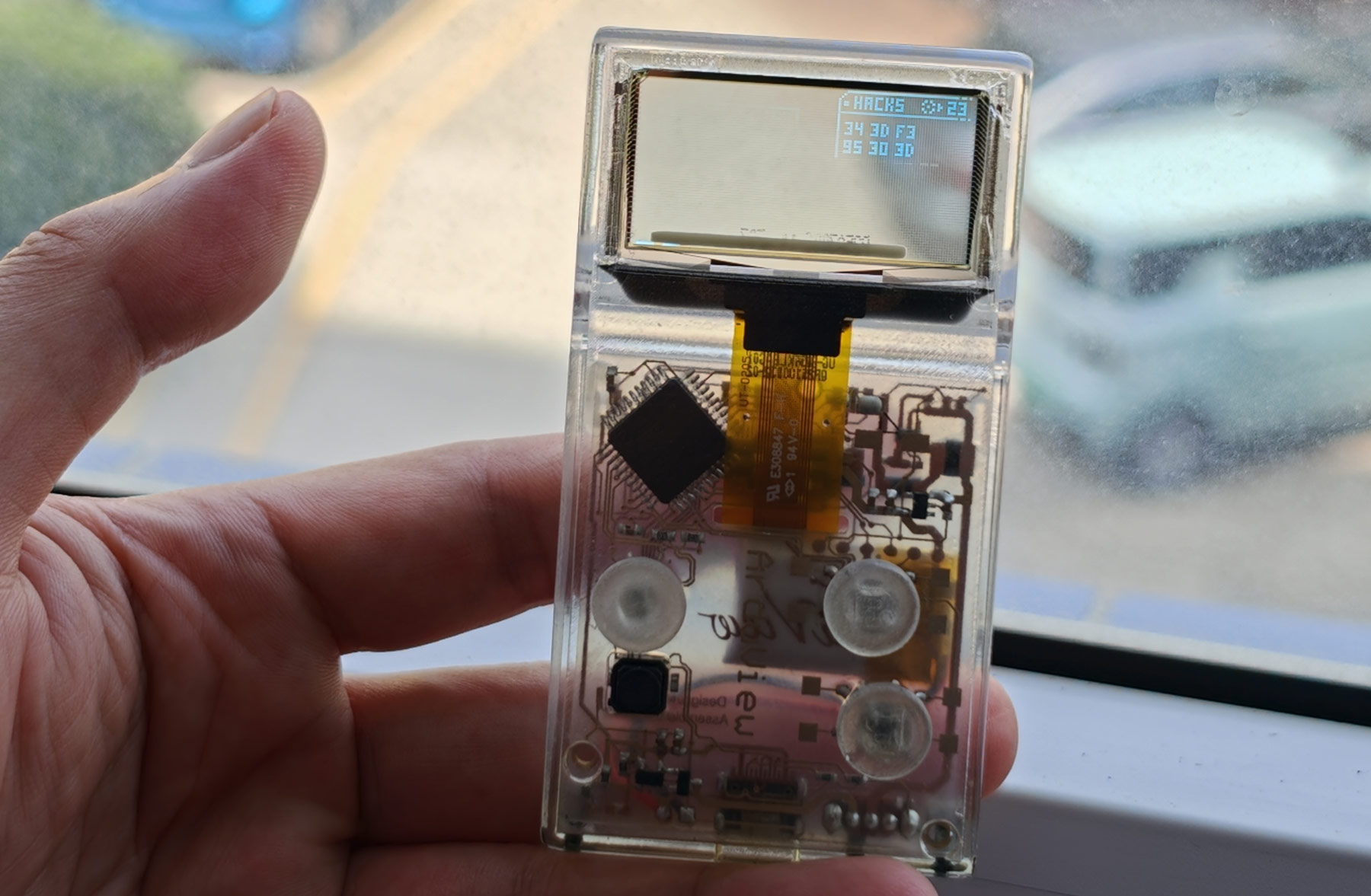
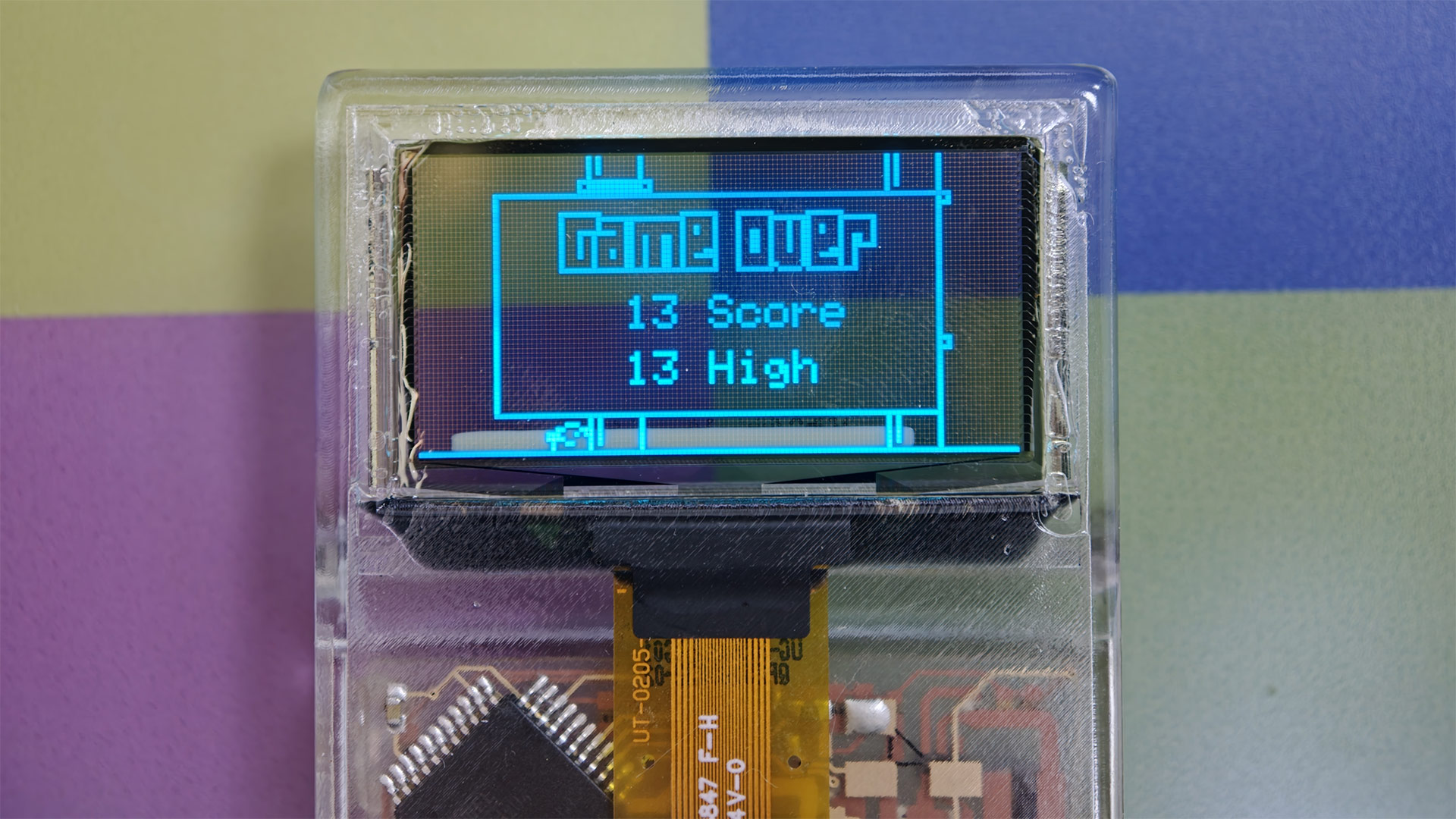
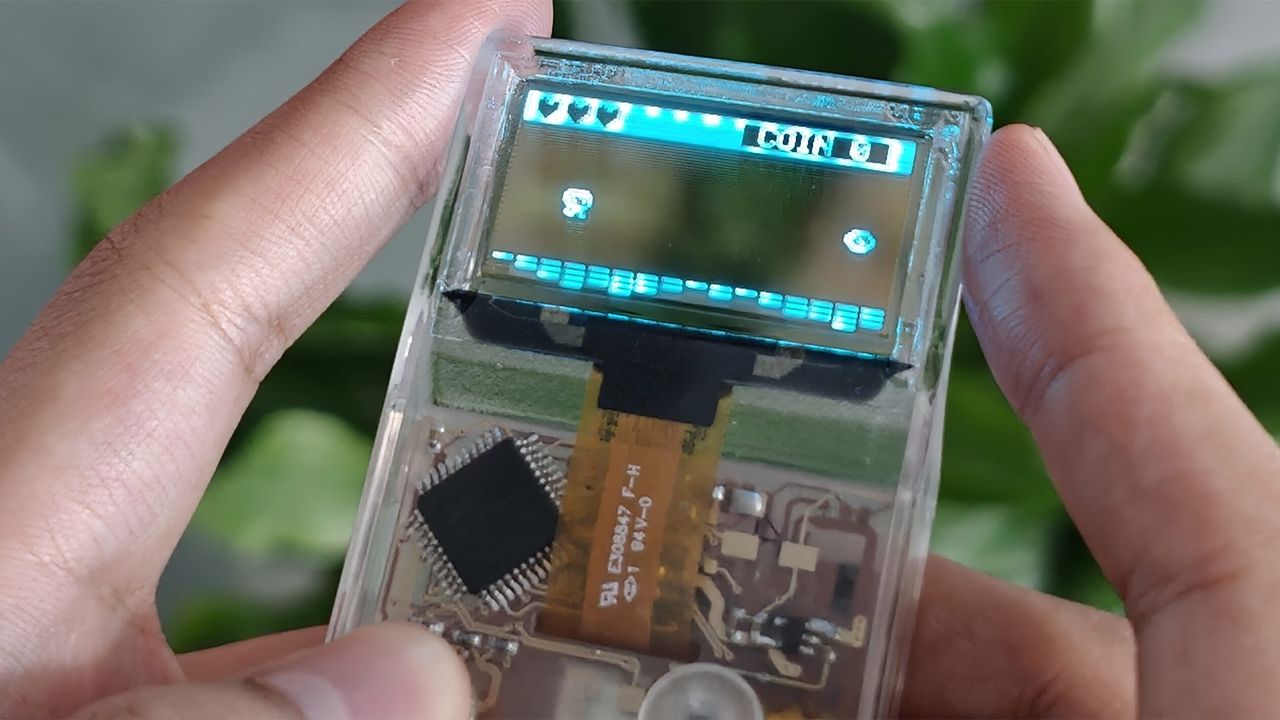
The first units of the ‘world’s first fully transparent video game console’ are shipping to founders, and now the project is on its way to Kickstarter. Above and below you can see images of the new Arduview. As you can see, it isn’t just another clear-shell console or handheld; the makers of this device have fully embraced the latest in transparent electronics. Thus, here we have a crystal shell handheld with a see-through motherboard, using a transparent display.
ArduviewArduviewArduviewArduview
There have been quite a few transparent shell consoles over the years, with some of the best-known probably being the Game Boy Color in Atomic Purple and the N64 Funtastic series. Earlier this year we saw the new Commodore release a dazzling Starlight edition of the C64U. Most recently, Microsoft has revealed its translucent green Xbox Series X25.
Adruview founder Louis Huang told Tom’s Hardware that while he has always loved transparent consoles and clear-shell mods, he was disappointed that the transparency always just stopped at the frame. “So we pushed it further with a transparent OLED screen, board, and case. You can see straight through the whole device,” wrote the Babson College student.
That's enough about the console’s appearance, what about the guts of this handheld? Well, the Arduview project is based on the open-source Arduboy. You guessed it, this console is based on the Arduino platform, designed for DIY electronics tinkering and coding, and here it is purposed for playing hundreds of community-made 8-bit games on the ATmega32u4 microcontroller with its meager resources (2.5KB RAM, 32KB storage).
Huang highlights that the Arduview weighs just 50g (
If you are interested in this kind of handheld, the Arduview early access program still appears to be open, despite the site mentioning it runs “in August 2026.” I guess we are only just into September… I clicked the button and could still reserve a unit for $5 and benefit from the $49 'founder price.' Apparently it will be $100 at retail.
We don’t have a date for the Kickstarter launch yet, and perhaps there will be similar cheaper-than-$100 offers for early birds, and so on. However, the Kickstarter backers won’t get their hardware until 2027.
As an open-source platform, there are other makers and suppliers of Arduboy hardware, such as Seeed Studio. If the Arduview’s clear charms aren’t reeling you in but the portable platform appeals, you can grab the not-very-transparent Arduboy FX-C available on Amazon at $79.99, for example.
Nvidia's DLSS 5 has arrived in NBA 2K27, and we've been up since midnight testing it across every RTX 50-series graphics card to see what the first official implementation of this tech can do and how it compares to the community-implemented mods that have been circulating over the past couple weeks.
Before we discuss the performance cost of DLSS 5, many will ask whether this tech is even worth getting excited about, given the intense controversy that it's sparked ever since Nvidia revealed it earlier this year.
In short: yes, absolutely.
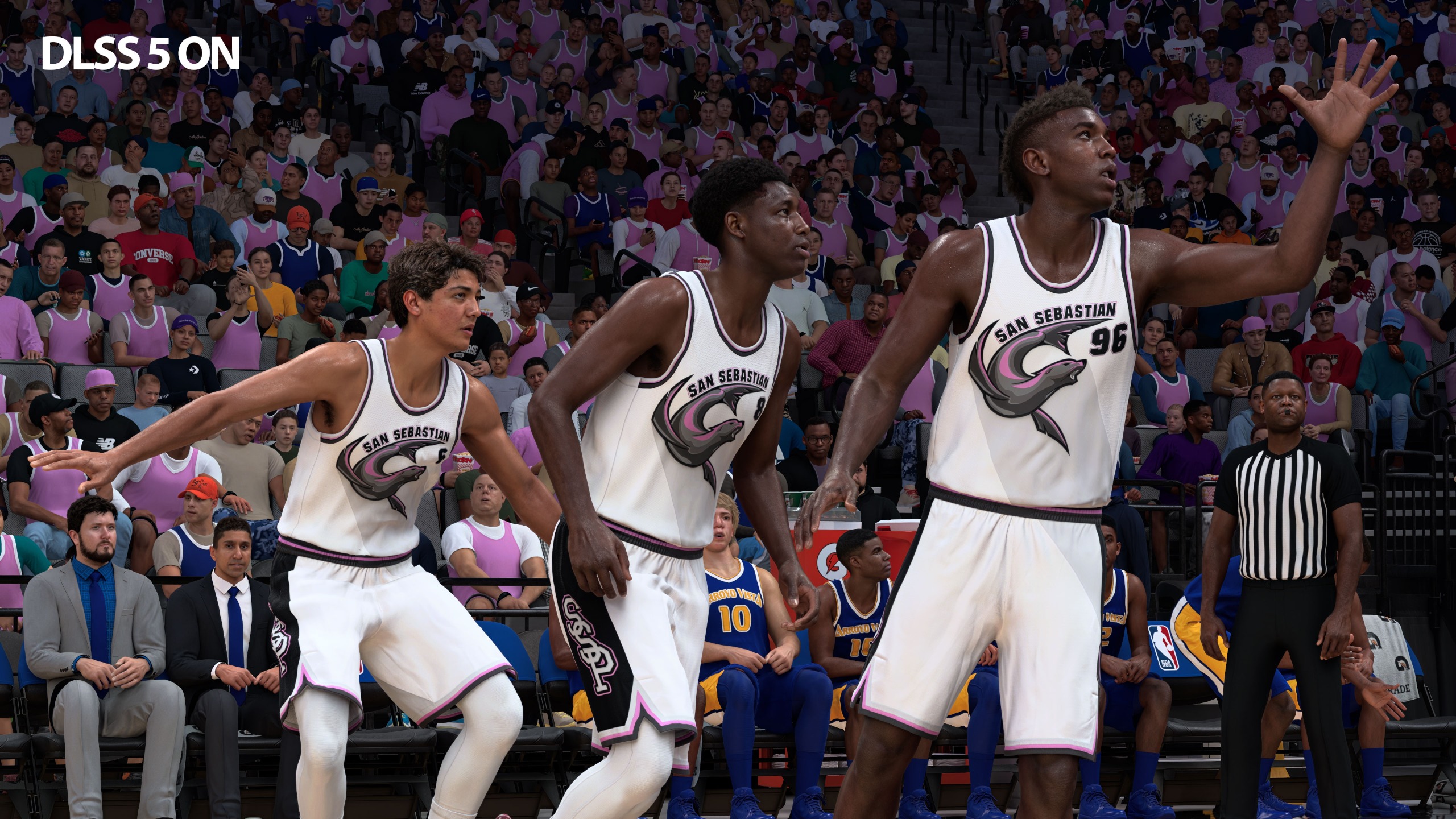
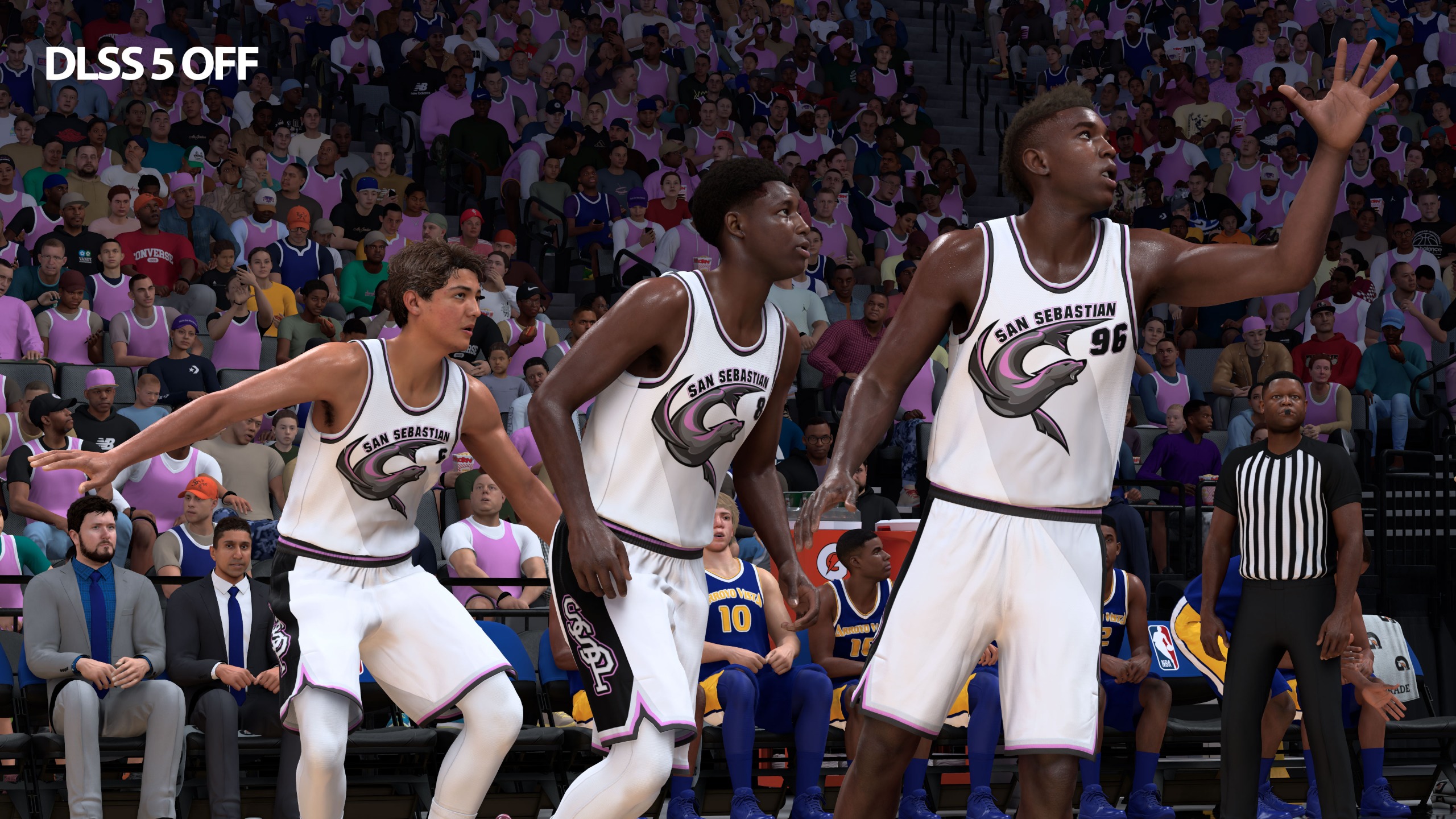
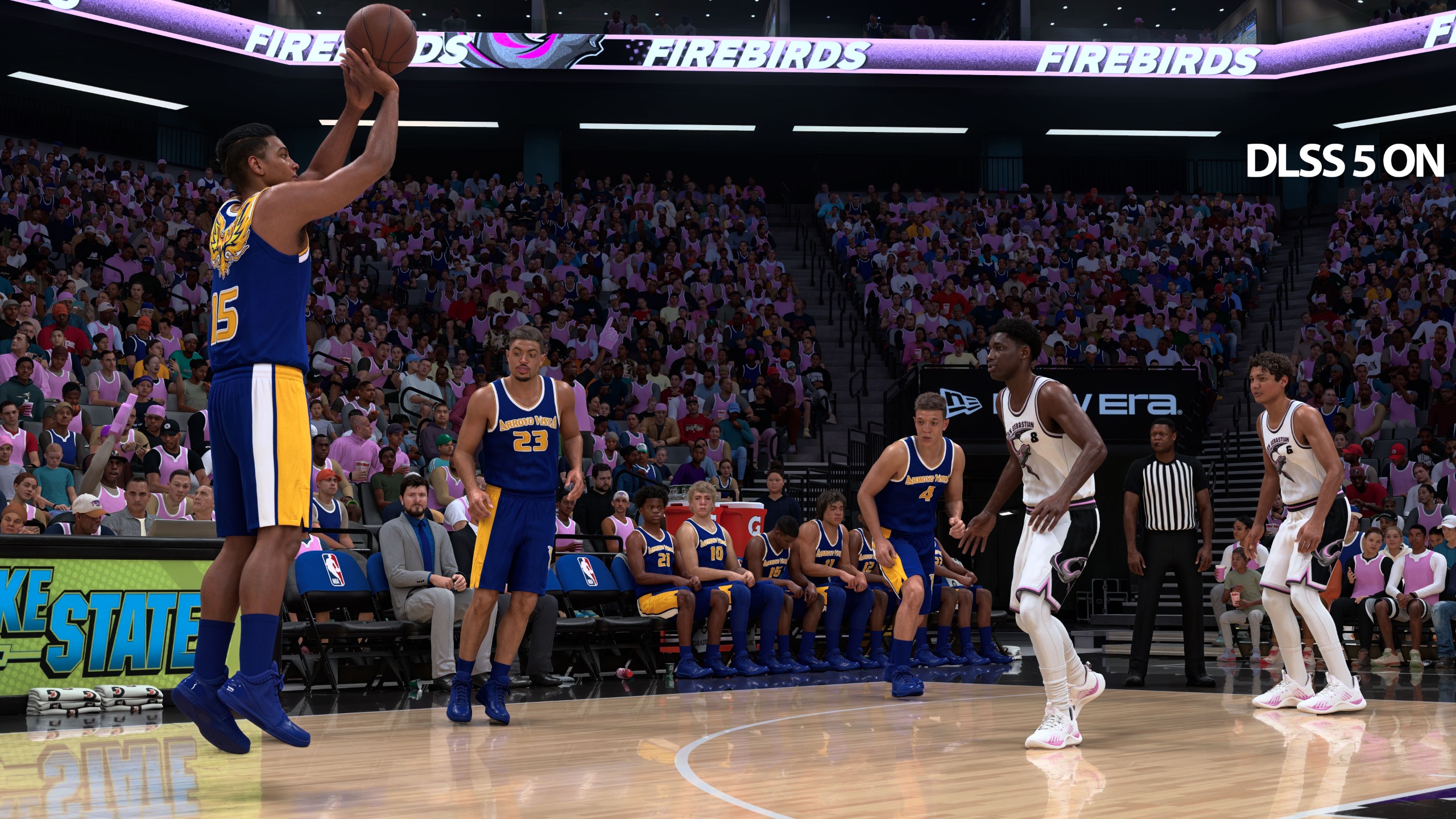
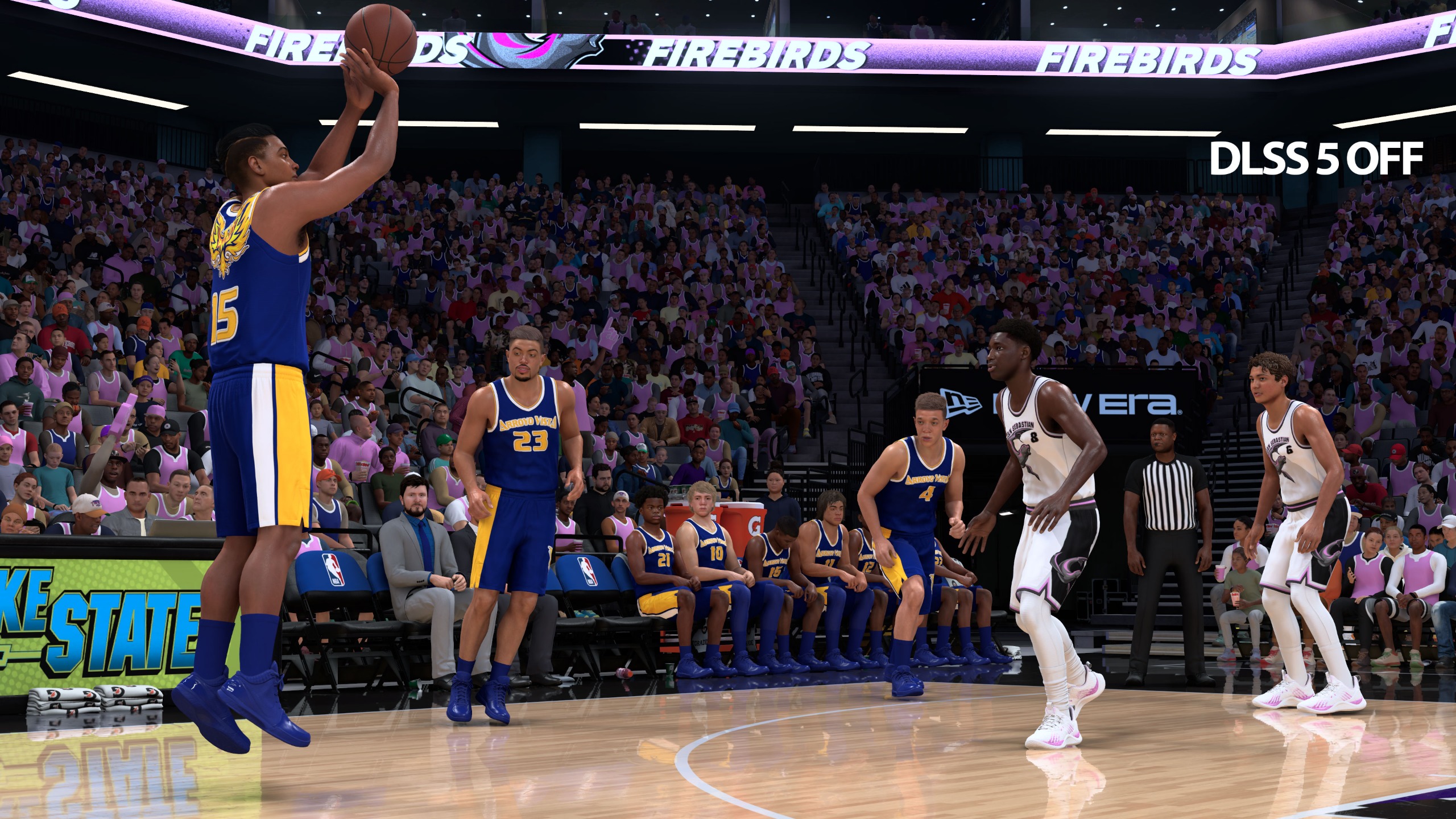
This first-party implementation of DLSS 5, tuned under the full control of 2K Games' art directors and artists, looks incredible, full stop. If you see it running, you will want to leave it on. It doesn't look like "slop" or a cheap filter. It just looks correct, or at least more correct.
2K2K
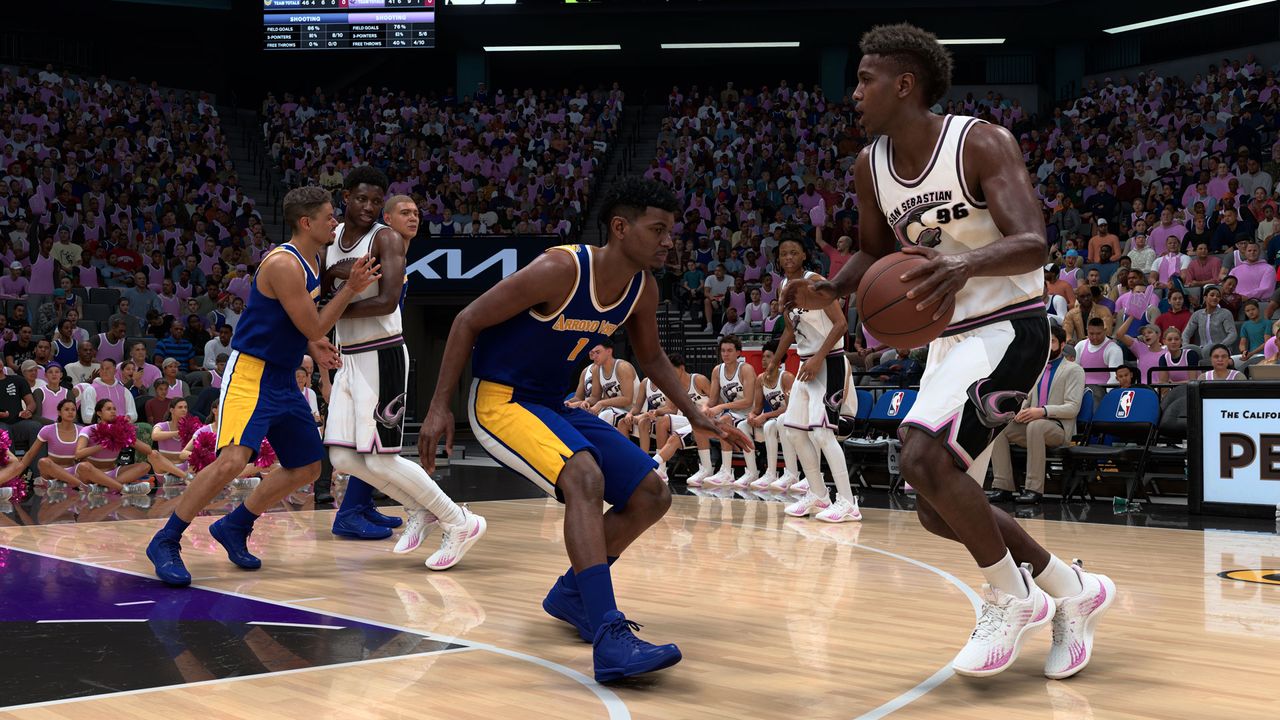
For just a couple of examples, without DLSS 5, even at ultra settings and with RT, the game has a slightly "plastic" or "flat" look. Faces can have a waxy uniformity that immediately indicates that you're looking at a video game, not a live broadcast. Hair looks totally and unnaturally flat. The whites of eyes can be unnaturally bright, giving a sort of googly-eye or doll-like effect that immediately broke my sense of immersion. I didn't think any of this would be a big deal for a sports game, but it all stands out.
2K2K
DLSS 5 breathes incredible life into NBA 2K27. Skin looks like real flesh and blood. Eyes are rendered with the proper tones, depth, and sparkle. Hair looks a billion times more realistic. Every human on screen just looks more alive. You won't entirely forget that you're looking at a game, but it becomes much easier to suspend disbelief and get lost in the action.
My experience slapping DLSS 5 mods into games has produced promising but sometimes mixed results. If the polished experience that NBA 2K25 delivers is any indication, I can't wait for more studios to get their hands on it and integrate it into their games under the care of the same artists that created them.
Our testing methods
We did our best to deliver clean test numbers in the short time we've had with NBA 2K27. Performance in this can be tricky to measure. Benchmarking in the hub worlds or cutscenes will deliver lower performance than on the court, and even then, in-game events like fouls and time-outs will also result in skewed numbers if you're not careful. We picked a repeatable match-up from the game's career mode and sampled 60 seconds of continuous gameplay with DLSS 5 on and off, making sure to restart if we ran into any of the scripted events above.
We used NBA 2K27's maximum graphics settings as our baseline, including RT. We tested at native resolutions without upscaling, and we didn't test with Multi Frame Generation enabled. We view MFG as a cherry on top of an already solid baseline experience, not a baseline in itself.
Our test system is built with the following components:
All of our performance results are captured using Nvidia's FrameView 2.0 utility. We measure graphics card power consumption directly with Nvidia's PCAT hardware power logging tool.
If you have any questions about our testing methods, let us know in the comments and we'll do our best to answer them. On to the numbers.
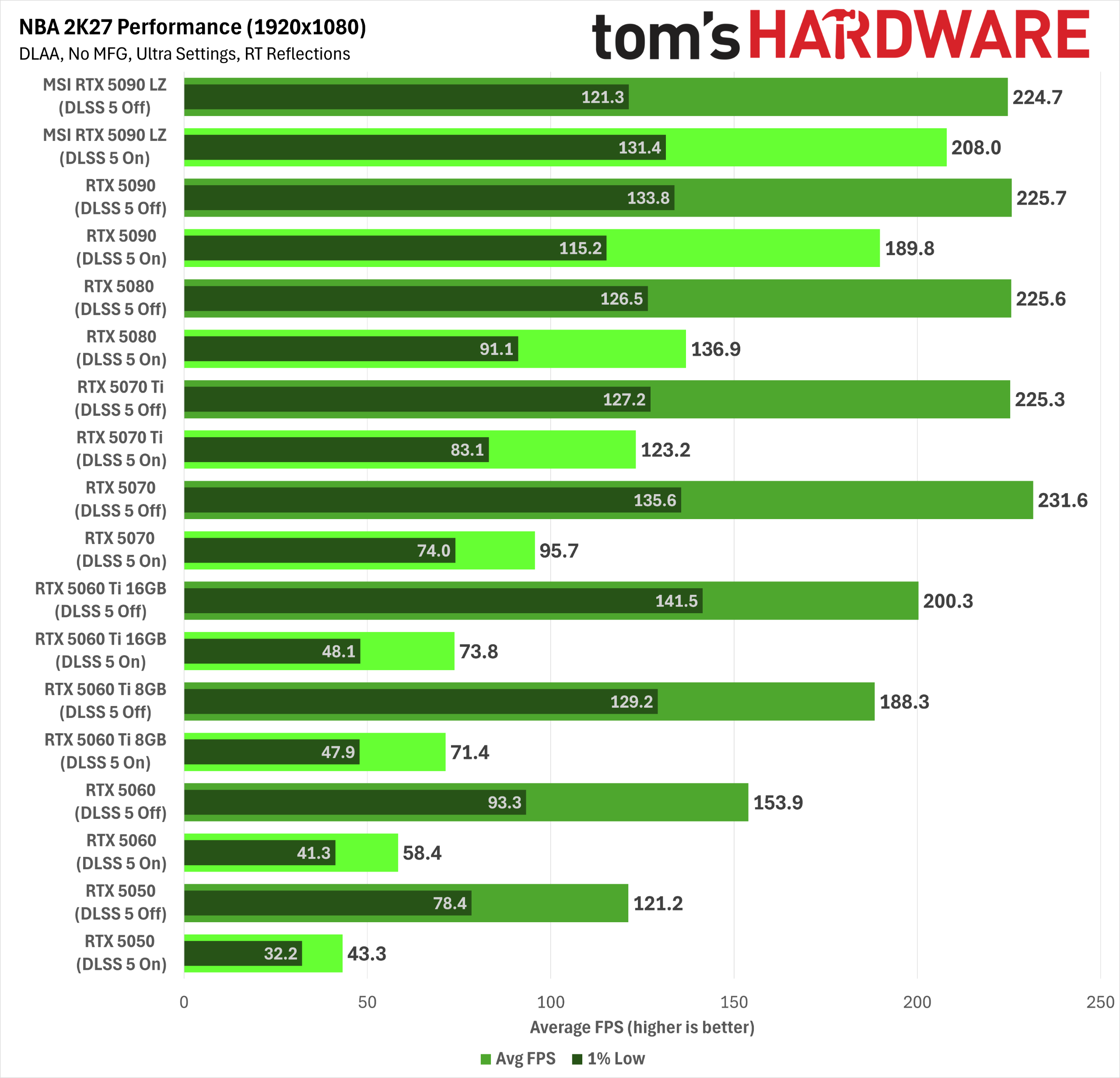
NBA 2K27 1080p performance
(Image credit: Future)
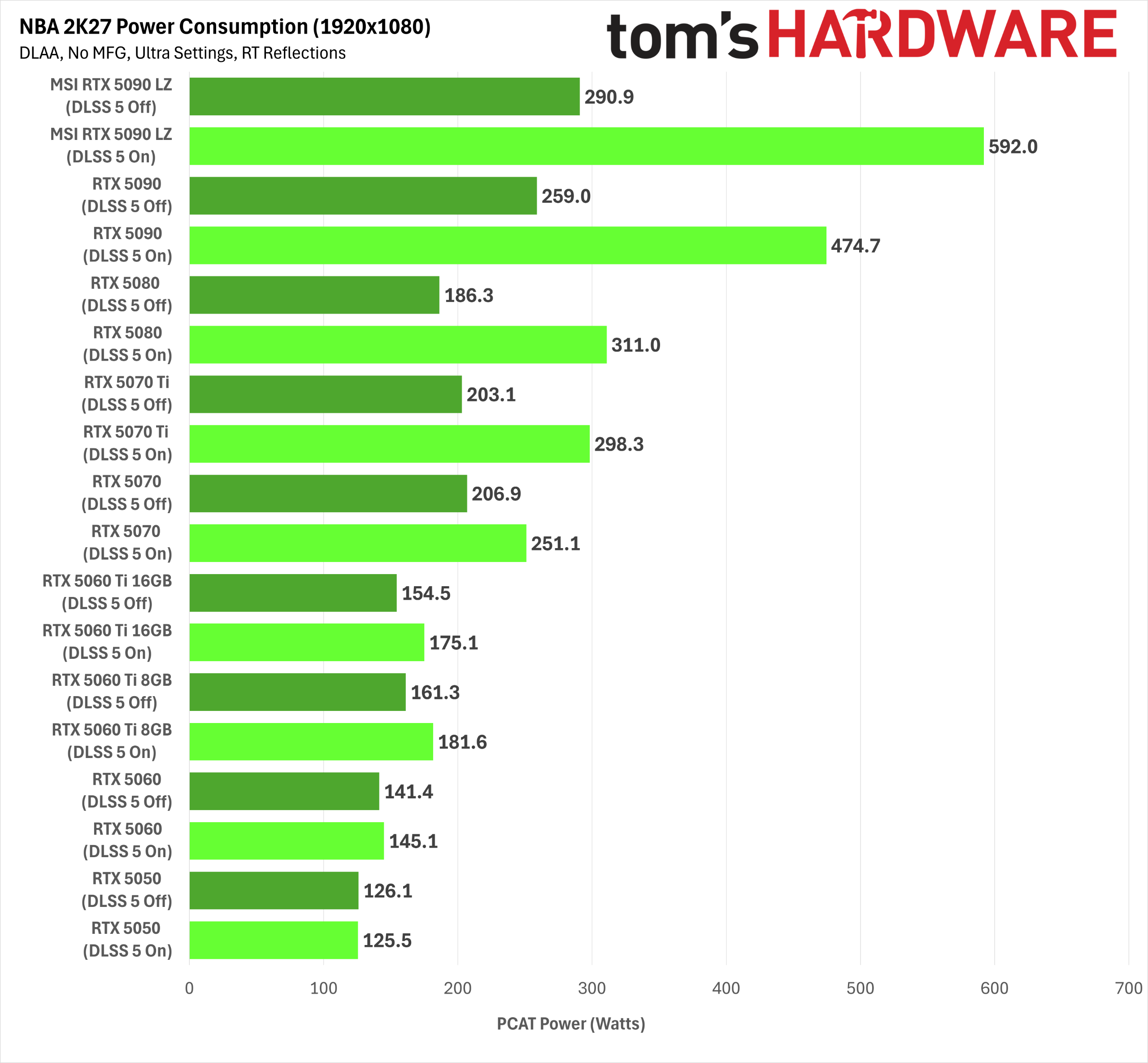
At 1080p, everything from the RTX 5070 on up is CPU-bound without DLSS 5 enabled, even with maxed-out settings and RT on. Turn on DLSS 5, though, and the differences in Tensor Core compute across the cards quickly becomes obvious. But even the RTX 5060 can manage nearly 60 FPS on average with DLSS 5 enabled at 1080p, so almost anybody with a Blackwell card can at least try out the feature.
Given these results, you might think to enable DLSS Super Resolution (aka upscaling). But because the amount of time needed to run the DLSS 5 model has a fixed cost per output frame that scales with your target resolution and largely dominates the total frame time, especially on lower-end hardware, you may find that enabling DLSS SR doesn't have as much of an effect on performance as we've come to expect. The game still has to wait for that final generative step to occur, even if DLSS SR cuts down some of the total frame time.
As noted, we didn't use MFG for these tests, simply because there's no need for us to make the numbers on these charts artifically large. If you do want to enable it, the multiplier you want will be determined by your monitor's refresh rate and your own personal tastes.
(Image credit: Future)
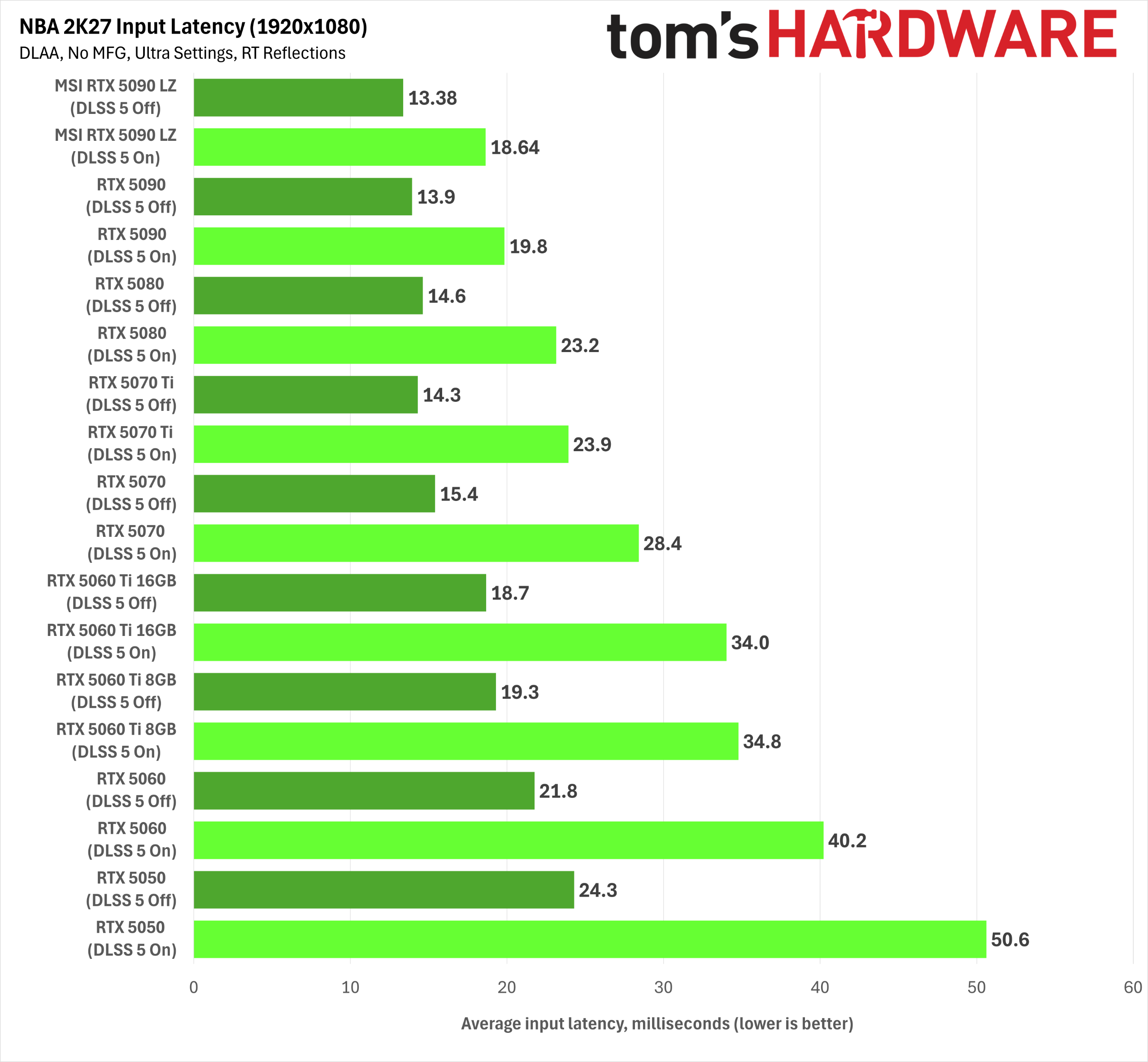
We did chart PC latency as estimated by FrameView, so you can get a sense of whether there's enough of a latency budget to enable MFG at all. At 1080p, every card is a solid candidate for enabling MFG without adding unreasonable amounts of input latency, although the RTX 5050 is in a borderline position. And all three of the 8GB cards might have trouble fitting the MFG model into their VRAM with these maxed-out settings and DLSS 5 enabled, so you might need to turn off RT at a minimum to use MFG on these lower-end GPUs.
(Image credit: Future)
As we already saw in early testing of the leaked DLSS 5 builds circulating in the community, enabling the model has a large impact on power consumption, likely due to the intense Tensor Core load required to run the DLSS 5 model.
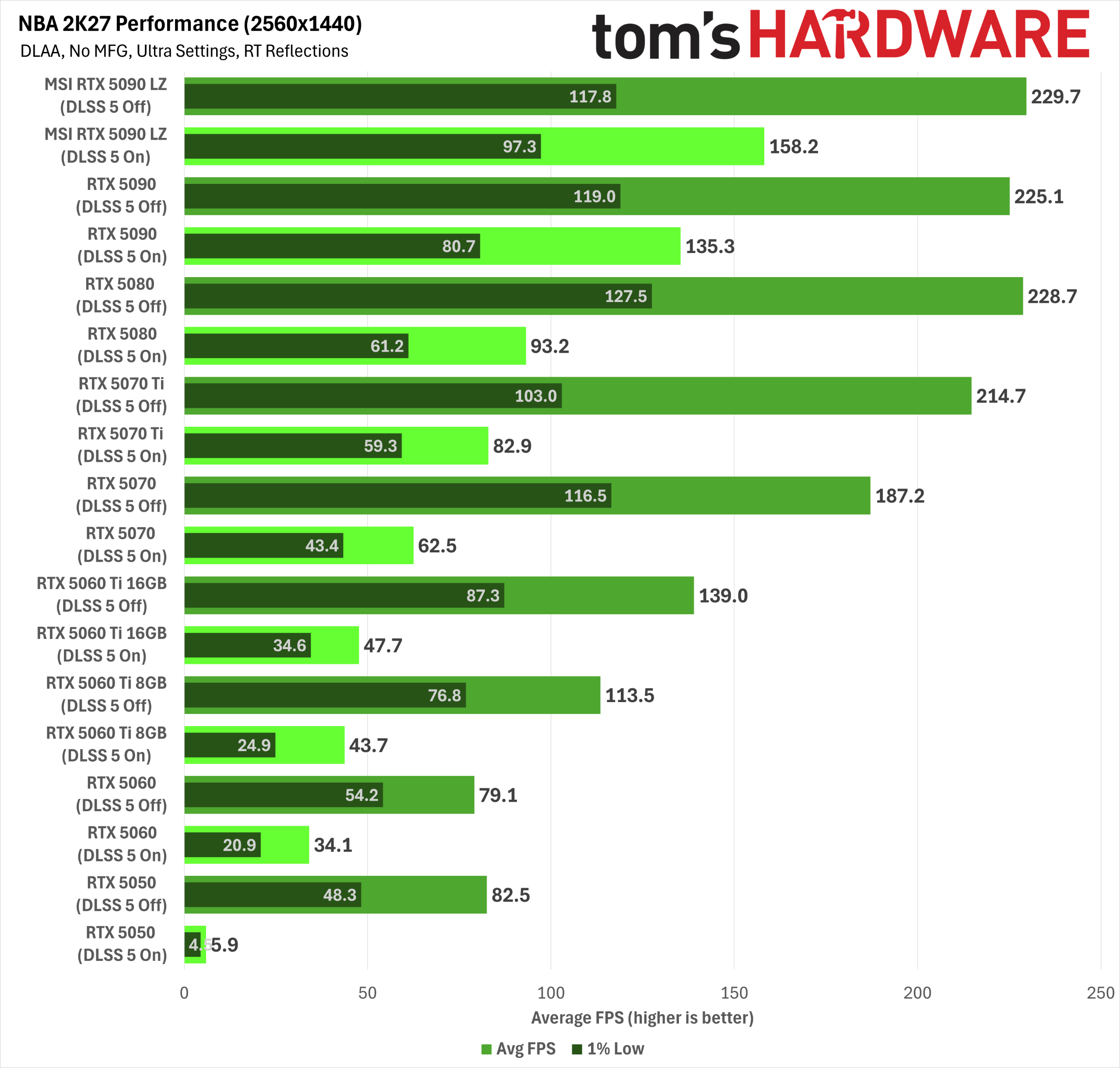
NBA 2K27 1440p performance
(Image credit: Future)
Moving up to 1440p separates our cards some more. The RTX 5080 and RTX 5090 are still CPU-limited without DLSS 5. The RTX 5060 Ti 8GB, RTX 5060, and RTX 5050 all get a "Low VRAM" warning with these settings, so if you're trying to push this higher resolution with those cards, you might want to start tuning your DLSS upscaling settings to relieve VRAM pressure, even if it doesn't result in additional performance with DLSS 5.
(Image credit: Future)
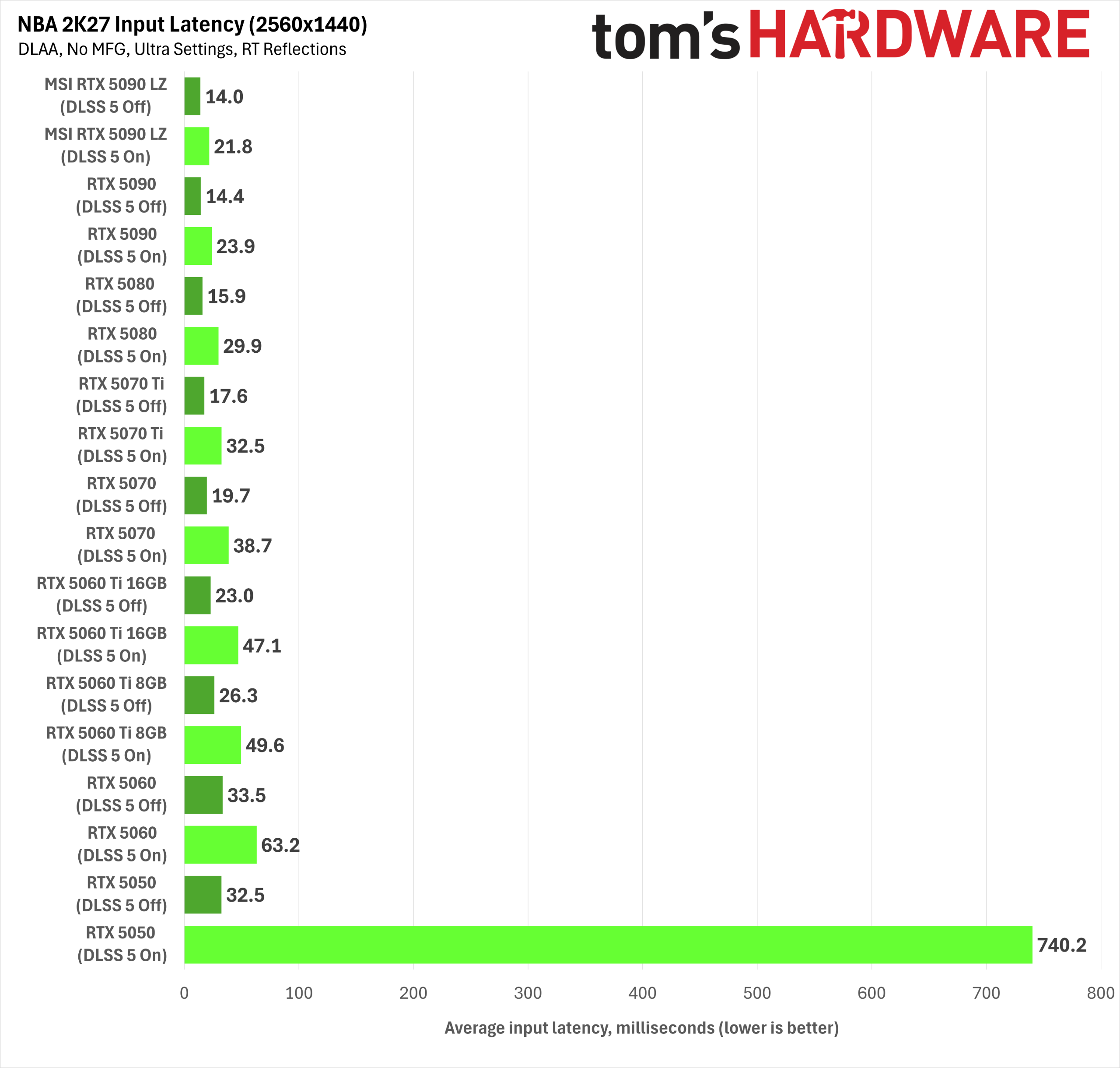
But you really want an RTX 5060 Ti at a minimum here to get acceptable input latency with DLSS 5 enabled, and the RTX 5070 is the true baseline for a good experience. At the higher end, the RTX 5070 Ti and RTX 5080 both provide fluid frame rates even without MFG, and you have the latency budget to enable framegen without worry on anything from the RTX 5070 on up.
(Image credit: Future)
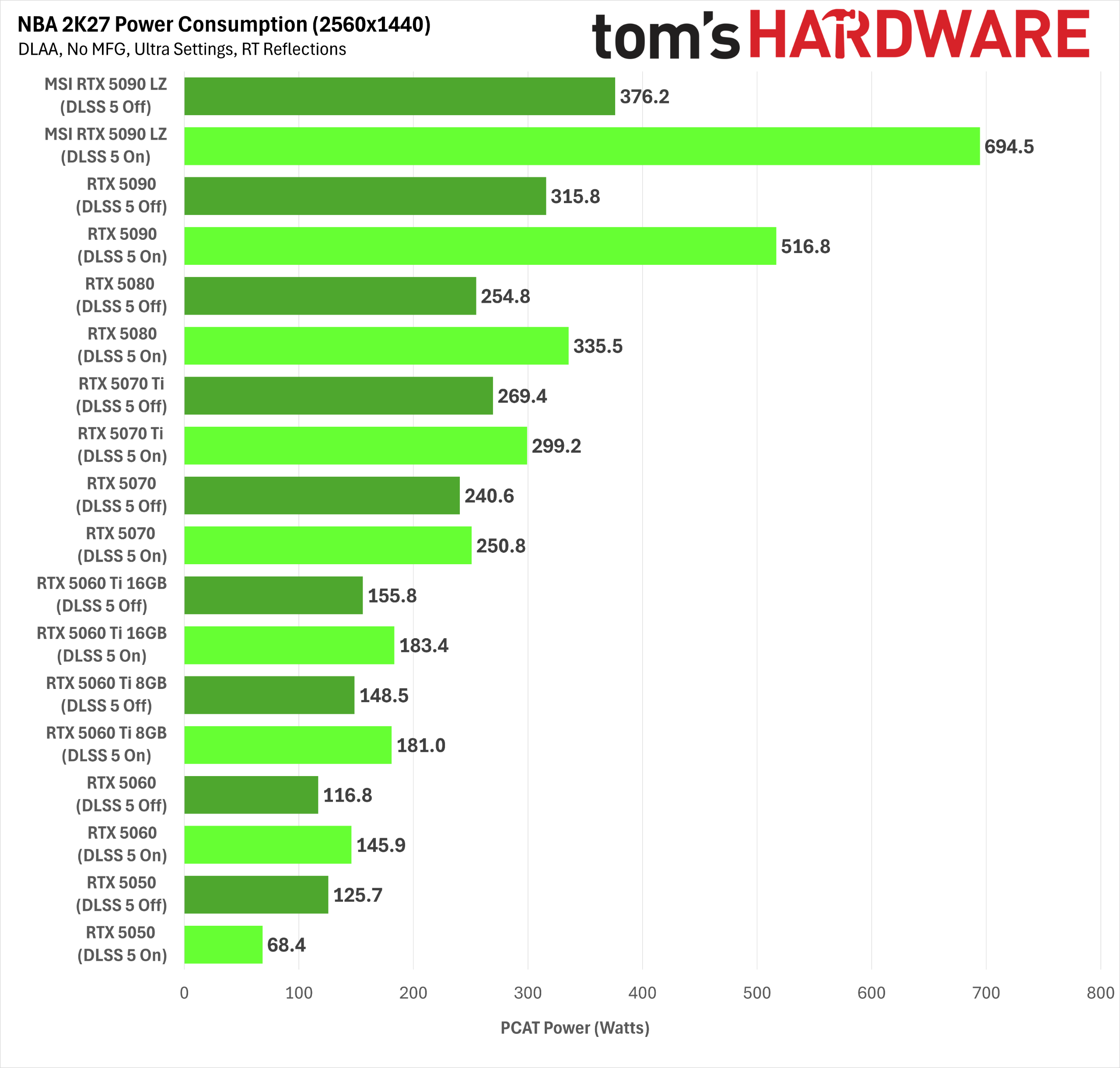
DLSS 5's power consumption on all these cards (except the chugging RTX 5050) rises as expected with the higher-resolution output frame we're asking it to generate. Everything from the RTX 5060 up to the RTX 5070 Ti ends up running at its power limit, while the RTX 5080 and RTX 5090 still have room to stretch out. The unconstrained MSI RTX 5090 Lighting Z sucks down a ton of power to deliver its scorching performance.
NBA 2K27 4K performance
(Image credit: Future)
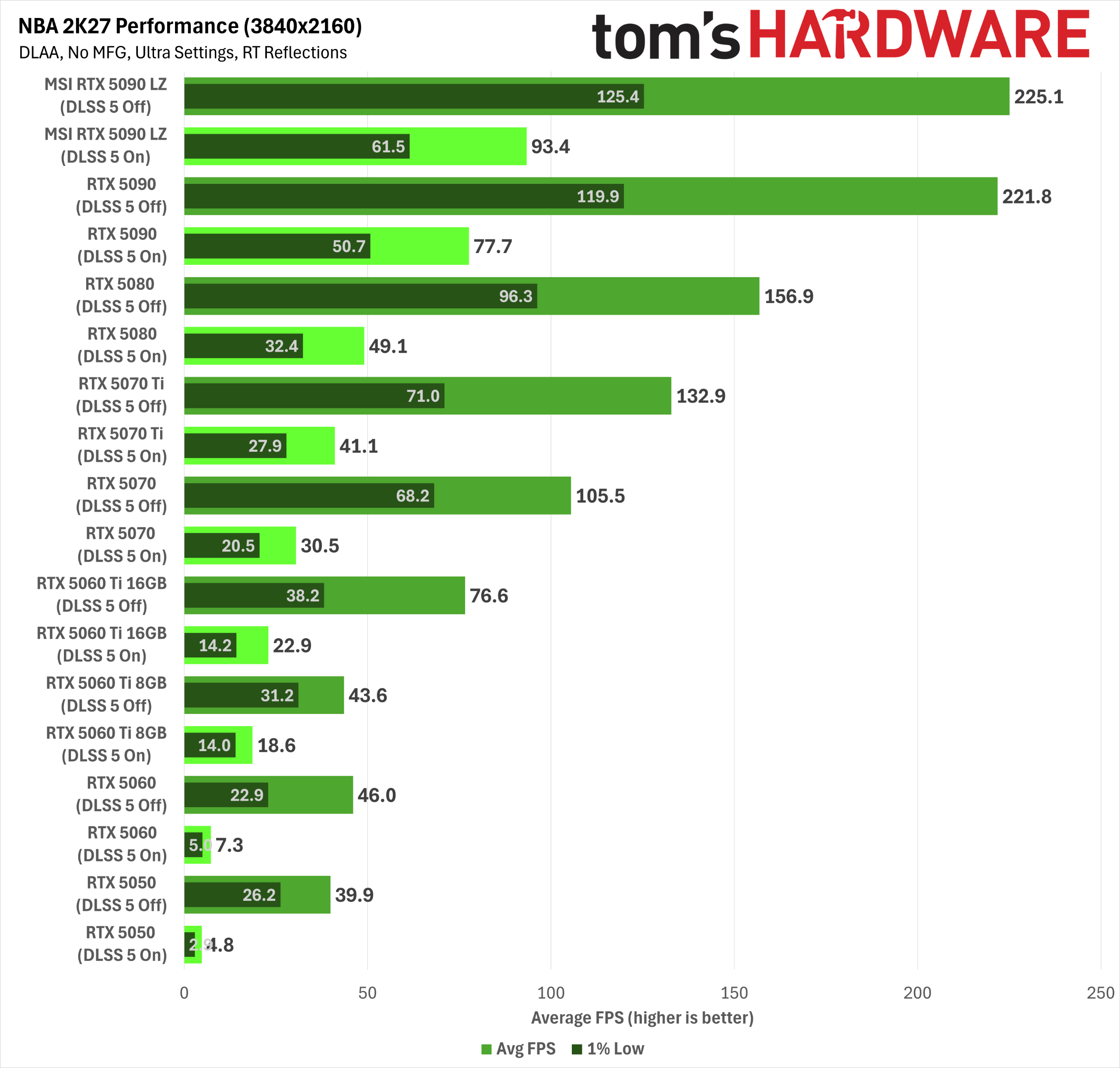
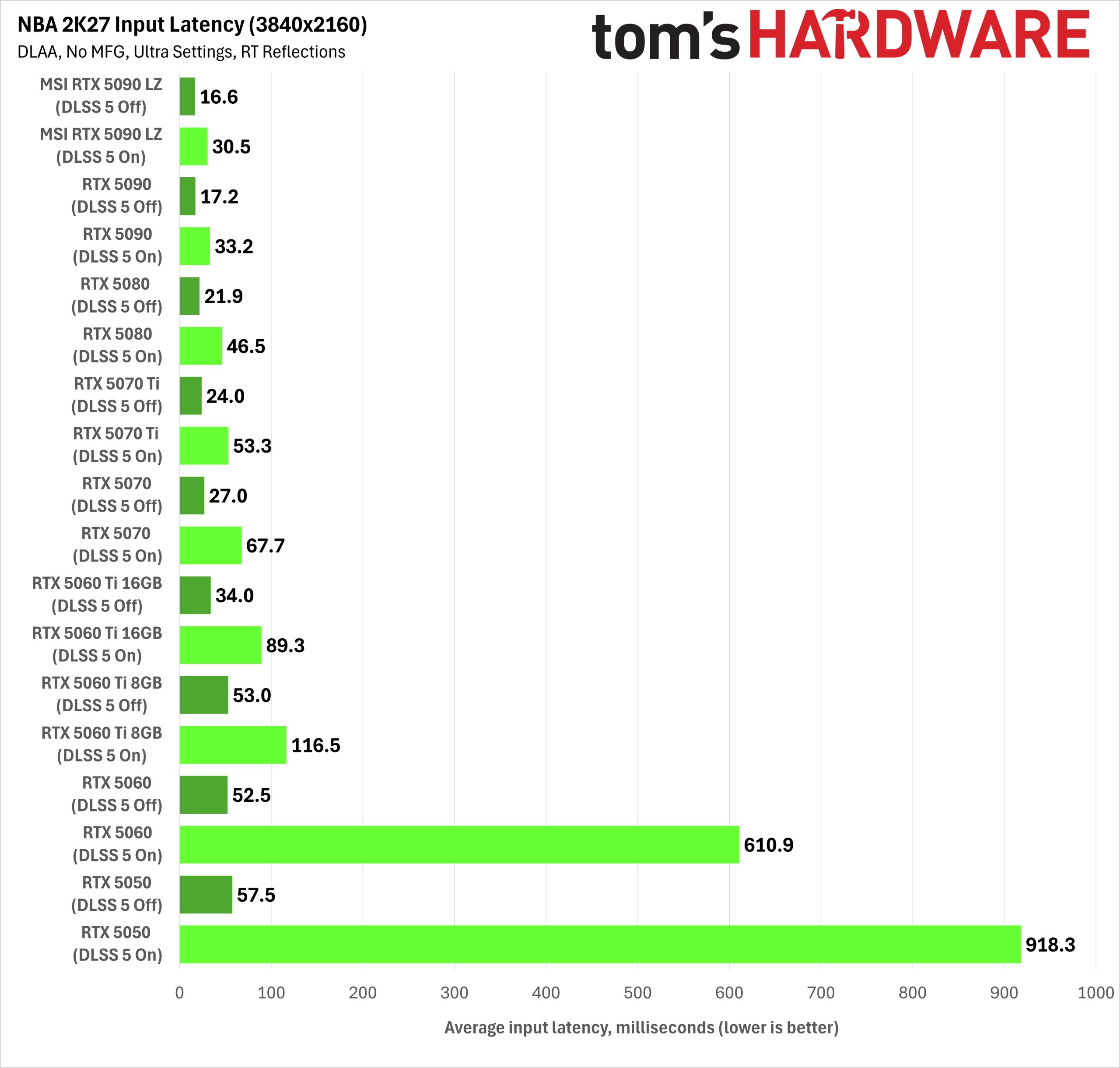
Running NBA 2K27 at 4K with DLSS 5 is extremely demanding, since the model has to generate an output frame with more than twice as many pixels than at 1440p. Even the RTX 5070 Ti is straining here, as its input latency with DLSS 5 is potentially too high to enable MFG while still delivering a responsive gameplay experience.
(Image credit: Future)
You can see why Nvidia only recommends the RTX 5080 and RTX 5090 for a 4K DLSS 5 experience in this title, as they're the only two cards that deliver high enough baseline performance with low enough input latencies to make MFG practical. And even then, the RTX 5080 is on the edge of what we'd consider an acceptable input latency before enabling MFG.
(Image credit: Future)
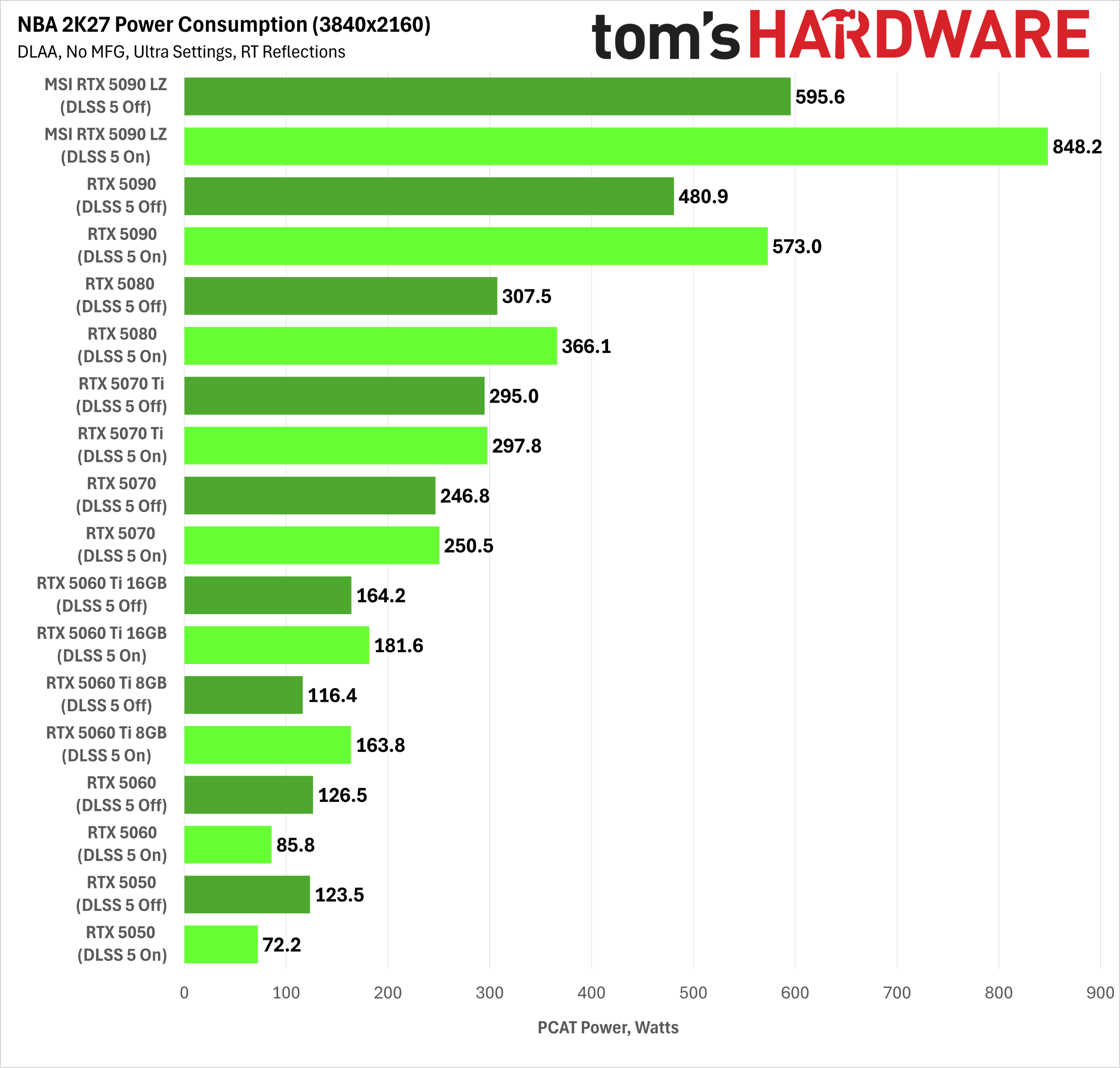
Our power consumption chart at 4K is a bit of a mess at the low end since the RTX 5050 and RTX 5060 are crushed by the demands of DLSS 5 and end up chugging. Really, though, we're here to see how the RTX 5080 and RTX 5090s handle this incredibly Tensor Core-intensive work. Both cards end up running at their power limits.
The MSI RTX 5090 Lightning Z shows how much power scaling the GB202 GPU has left in it once you remove the constraint of a single 12V-2x6 connector. We were wondering whether the power numbers we saw from a modded version of Control were a fluke, but DLSS 5 in NBA 2K27 goes even harder and pushes the RTX 5090 Lightning Z to nearly 850W on average in this test. For 48% more power than the RTX 5090 Founders Edition, you get 22% higher performance.
On a big 4K screen like an OLED TV, a fluid 90 FPS at a native 4K resolution with the level of detail and realism that DLSS 5 adds is an astounding gaming experience. You really haven't seen anything like it. But mere mortals with single-plug 5090s will probably want to enable MFG 2X at a minimum.
Bottom line
It's early days for DLSS 5 performance, and in its first official showing in NBA 2K27, it certainly has a large performance cost—sometimes well over 50% on lower-end hardware. But the generational leap in realism it provides for every human on screen is well worth it to my eye, at least. Now that I've seen a first-party, developer-driven implementation of DLSS 5, I want it in every game where its photorealistic enhancements would make sense, without question.
And as it's implemented in NBA 2K27, our performance results show that the tech is accessible enough that almost anybody with an RTX 50-series graphics card can try it out and still enjoy a fluid and responsive experience, even without Multi Frame Generation. Most of us aren't playing on 4K monitors, and at 1080p and 1440p, the Blackwell card you may already have is probably up to the task of running DLSS 5 with acceptable baseline performance.
DLSS 5 does upend some intuitions we've developed around the interactions of upscaling and frame rate. The large fixed frame-time cost that's required to generate the DLSS 5 output frame is entirely dependent on your target output resolution, making the lowered input resolution of DLSS 4.5 upscaling far less of a performance multiplier than it might otherwise be.
Given those realities, DLSS MFG can still make for a more fluid experience alongside DLSS 5 with a couple of clicks in a menu—at least assuming you have enough VRAM to hold the game assets, the DLSS 5 model, and the MFG model all at once. On 8GB graphics cards, this may require some tweaking to get working.
Nvidia has promised to continue improving the fundamental performance of the DLSS 5 model with time, and the fact that it's moved from requiring a dedicated RTX 5090 to run in the demos we saw at GTC to running on an RTX 5060 today is a sign that such promises do bear fruit.
Boosting the fundamental performance of the DLSS 5 model is vital, because as we all well know, prices for most Blackwell cards have spiked across the board to the point that former midrange options like the RTX 5060 Ti 16GB and RTX 5070 are many hundreds of dollars more expensive than their MSRPs and well out of whack with their former performance-per-dollar propositions. A hardware upgrade to get better performance is no longer a no-brainer for many PC builders, and that problem is going to get even worse as the AI boom continues unabated.
Those elevated prices are also why Nvidia's post-launch pledge to bring the DLSS 5 model to RTX 40-series cards later this year is a welcome development. In our limited experience with community mods, Ada GPUs run the current DLSS 5 model about as well as Blackwell cards do, and gamers who haven't already upgraded from their 40-series cards certainly won't be raring to move off that hardware any time soon. Locking DLSS 5 to new GPUs that are prohibitively expensive to buy for non-technical reasons isn't a winning strategy for goodwill or broad adoption, and it's good to see Nvidia acknowledge that reality.
For all that, we shouldn't lose sight of the fact that DLSS 5 is a huge, exciting leap forward in the never-ending pursuit of photorealism in real-time graphics. When you toggle it on and off in NBA 2K27, it feels like a generational improvement in rendering technology at the press of a button. Now that I've seen it in action, I don't want to play NBA 2K27 without it, and I hope to see more first-party integrations of it soon.
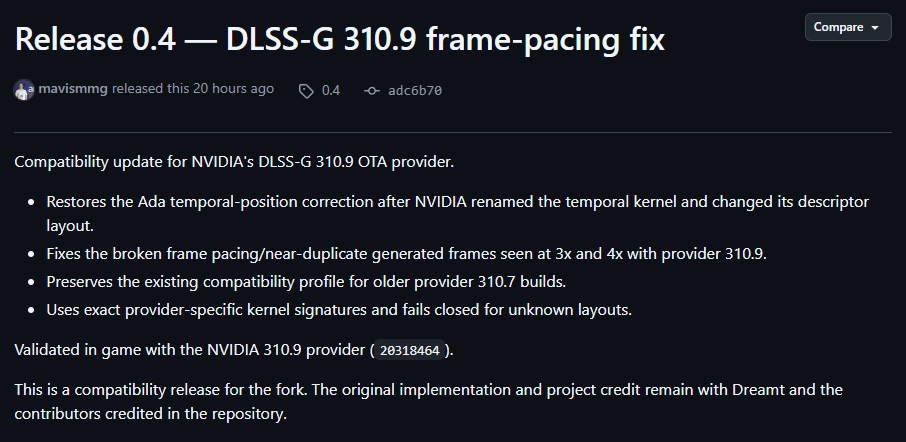
When NVIDIA launched the GeForce RTX 50 series, a major part of the hype surrounding the new GPU family was its support for DLSS Multi-Frame Generation. This feature was officially locked to the new RTX 50 "Blackwell" GPUs, but modders have been working on unlocking it for RTX 40-series cards for a while now. NVIDIA is clearly aware of these efforts, as it recently pushed an over-the-air update via the NVIDIA App that seemed targeted at blocking them due to its odd changes. Yet, as pointed out by Sebastian Castellanos on X, enterprising hackers had already found a workaround just hours later.
At the launch of Blackwell, NVIDIA explained that bringing Multi-Frame Generation to previous-generation RTX 40-series cards wasn't possible because those GPUs relied on a hardware optical flow generator incapable of producing multiple interpolated frames per rendered frame. Instead, Blackwell introduced a software-based optical flow method executed directly on the GPU shader cores without requiring the hardware unit. To tech-savvy gamers, the obvious question arose: why not use that same software method on Ada Lovelace GPUs and bypass their hardware optical flow units? NVIDIA showed no interest in enabling this, leading many to assume it was technically impossible.
I uploaded a video on how to enable DLSS Multi-Frame Generation on my RTX 4060 GPU.I tested RE9 and Forza Horizon 6. To be honest apart from the oblivious latency increase, it works extremely well!Thanks to @Sebasti66855537 for notifying me about this mod!Video linked below pic.twitter.com/Tldr9JZIxJSeptember 4, 2026
Put simply, it's possible. There are apparently various roadblocks within NVIDIA's software, but the strength of the PC platform lies in its openness; users can freely modify software running on their own hardware. And so, at least three distinct mods have emerged to unlock DLSS Multi-Frame Generation across multiple titles. It began with a Cyberpunk 2077 mod by creator "dashdogy" that relied on game-specific modding frameworks, but the technique has since been adapted into a broader ReShade plugin applicable to almost any game, and that's just one of at least three different multi-game unlock mods I found.
It's obviously in the company's best interest to protect its marketing narrative, and the narrative is that Multi-Frame Generation doesn't work on GeForce RTX 40 series graphics cards. However, user reports across X and Reddit tell a different story. Users report that the mods not only work, but also deliver surprisingly smooth frame pacing. NVIDIA had previously warned that Blackwell's specialized hardware flip metering was mandatory for proper frame pacing with multi-frame generation, but dashdogy noted that his mod backports "Blackwell-specific frame timing instructions to allow Ada to place the frames in the correct positions," suggesting that MFG's purported hardware dependency was greatly exaggerated.
There are already two more updates after this, both fixing major bugs. (Image credit: Future)
Earlier attempts to enable multi-frame generation on Ada Lovelace relied on GPU spoofing or hybrid solutions, like combining standard 2x DLSS Frame Generation with AMD's FSR 3 or Lossless Scaling's software frame generation. Those workarounds were significantly clunkier than native game mods that utilize NVIDIA's own DLSS-G framework. While I couldn't get this latest mod working in the limited time before publication, community developers have not only bypassed the latest roadblocks thrown up by Mean Green, but in fact, they've released at least two more updates for the mod in the last ten hours since Castellanos' X post.
All of this coincides rather neatly with the contentious rollout of DLSS 5 "Neural Rendering," which is another technology originally pitched as an RTX 50-series exclusive before NVIDIA made a last-minute reversal to promise it for RTX 40-series cards as well. That shift may well have been driven by hackers porting DLSS 5 Neural Rendering not just to older NVIDIA architectures, but even to AMD Radeon GPUs. Once it became common knowledge that DLSS 5 runs on non-Blackwell hardware, continuing to claim hardware exclusivity risked a major loss of consumer trust. It'll be fascinating to see if NVIDIA will pivot on DLSS Multi-Frame Generation in the same way. While it would be a nice bone to throw the company's loyal previous-generation customers, we wouldn't bet on it.
 登录
登录