阅读视图

发现新文章,点击刷新页面。
✇Tomshardware

Wiki documents at least 44 instances in which Sony says you own your games as digital games ownership lawsuit progresses — project is direct assault on Sony's claim in recent ownership lawsuit

作者 Zak Killian

In a recent lawsuit against Sony, the firm argued that "reasonable consumers would not be misled" into believing they own digital games that they "purchased" on the PlayStation Store. Folks on the Consumer Rights Wiki have now compiled a humongous list of specific instances in which Sony currently states that users do, in fact, own their digital PS4 and/or PS5 games. The list is currently up to 44 specifically documented statements, but actually notes hundreds of examples where Sony explicitly states that users do, in fact, "own" their games across its various services and pages.

In this case, Sony says that no "reasonable person" would believe that, when they add a game to their cart and click "Purchase" on the PlayStation Store, they are entering a contract that entitles them to ownership of the digital goods in question. Instead, Sony believes it's obvious that what you're paying for is a limited, revocable license for a service that only remains available as long as Sony offers it, which is quite different from ownership in a legal context.
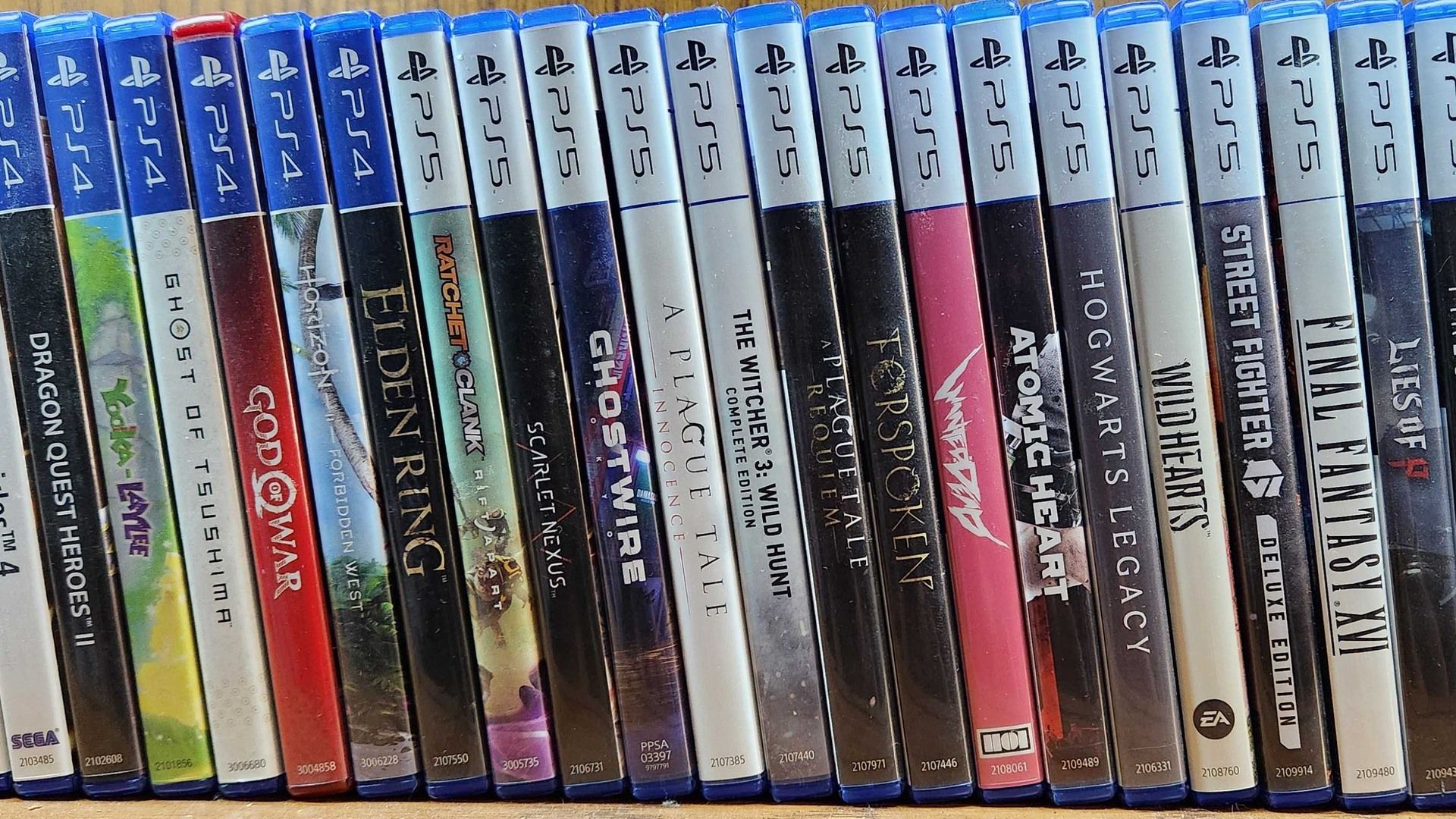
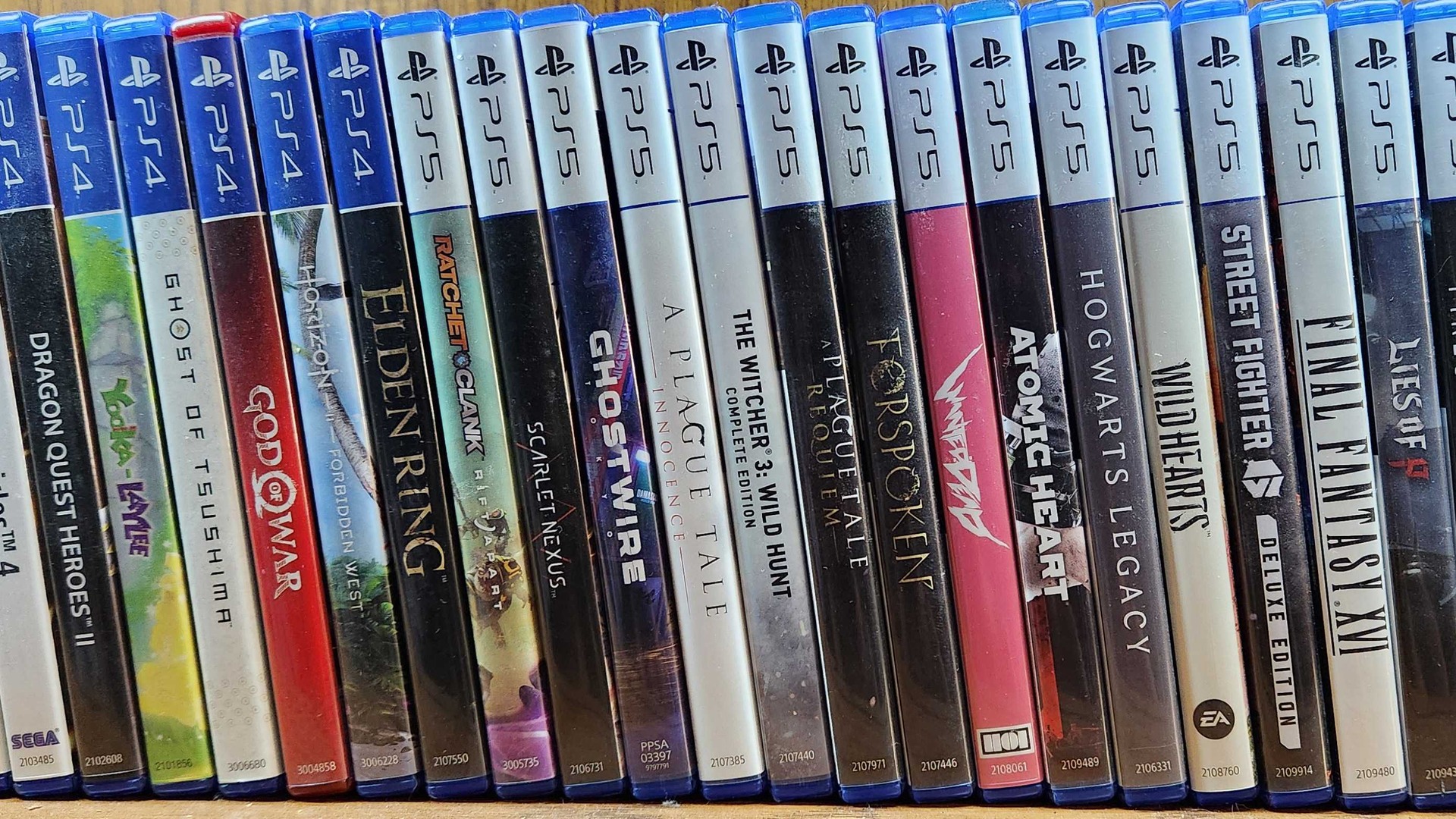
A photograph of PlayStation 4 and PlayStation 5 games in their cases.

Whose games, exactly? (Image credit: Zak Killian/Future)

The case isn't exactly about ownership, though; it's really about consumer disclosure and product representation. The plaintiffs aren't arguing that buying a digital game somehow transfers ownership of Sony's underlying intellectual property, but rather that Sony's use of words such as "buy," "purchase," and "own" could reasonably lead consumers to believe that they were acquiring a durable right to use the game, rather than merely obtaining a revocable license. That distinction matters because Sony's defense depends in part on the claim that no reasonable consumer would interpret the transaction that way. At the same time, the plaintiffs have produced a substantial body of evidence showing that Sony itself routinely uses precisely that ownership language when describing the digital games its customers have purchased.

This issue is in particularly sharp relief now that Sony's digital store is confirmed to be the only way to purchase new PlayStation games from next year. The publisher's announcement that it would stop producing game discs in January of 2028 caused quite an uproar among gamers who value physical copies of games as a token of ownership. It's worth noting that most players do purchase games digitally (as much as 85% of PlayStation games, by some reporting), and also that disc production and usage become less practical as the manufacturing of both disc drives and discs slowly winds down.

The gamer outrage isn't really about the end of discs, though. This fury has been simmering for a good while now, as gamers resent perceived anti-consumer practices. The realization that discs are going away simply forced a lot of gamers outside the enthusiast sphere to confront the reality that they do not own their digital purchases and that they can be taken away at any time, just as Sony has already done in the past. This is especially pointed in light of the price increases asked by game publishers in the last few years, where games have gone from a typical ceiling of $60 USD up to $70 and now, more recently, $80 (with Mario Kart World, Zelda: Tears of the Kingdom, and now Grand Theft Auto VI), despite often struggling to provide the same level of satisfaction and enjoyment as older titles.
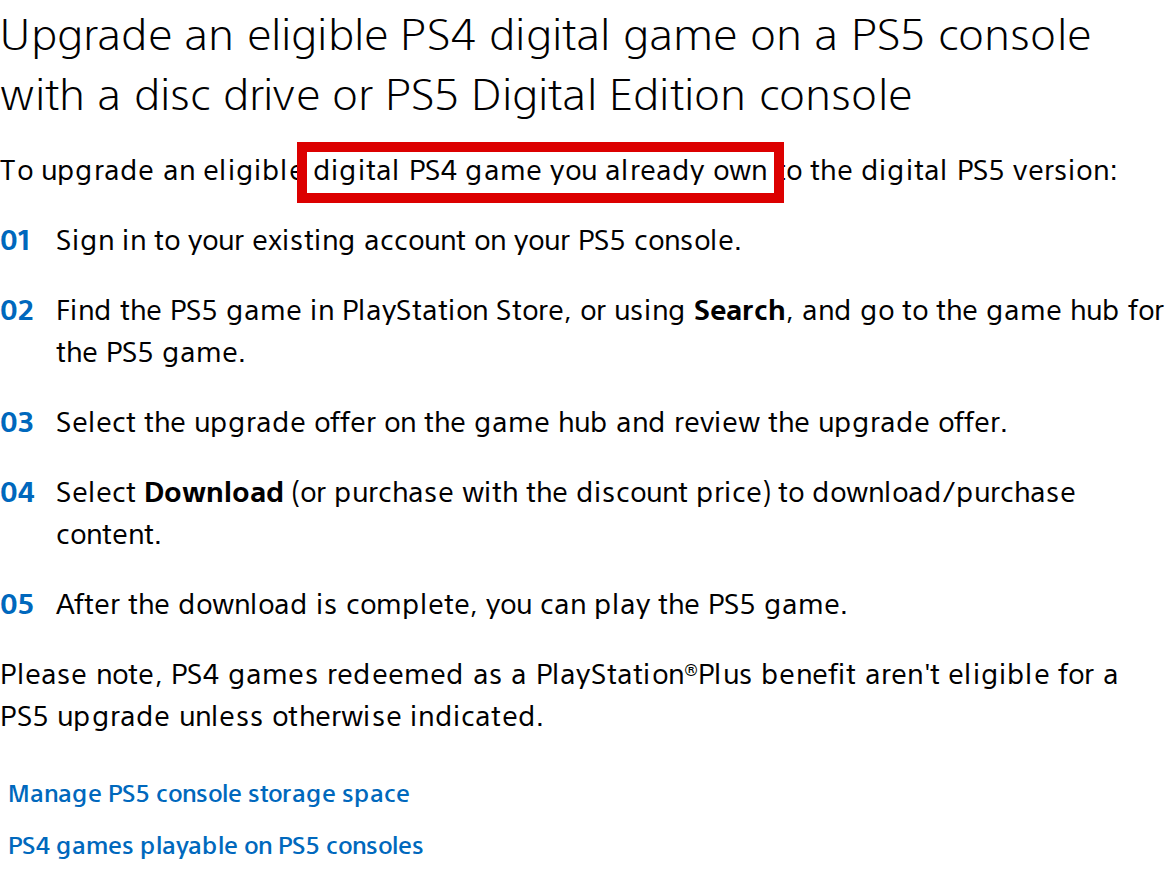
A screenshot of a Sony website showing the language

There are many more examples like this on the Consumer Rights Wiki page about the lawsuit. (Image credit: Screenshot of Sony Interactive Entertainment website — source: Consumer Rights Wiki, licensed under CC BY-SA 4.0. Screenshot by unknown author. No modifications.)

And so we come back around to the Consumer Rights Wiki and its list of times that Sony has explicitly used ownership language on its website and on its digital storefront. The Wiki catalogs these quotes with both links to live pages as well as archived snapshots and screenshots with the relevant text highlighted. The Consumer Rights Wiki was of course founded by consumer rights advocate and YouTuber Louis Rossmann, but much of the work was done by the community that has sprung up around the site as people rebel against the continuous erosion of their consumer rights, particularly by technology companies that argue against their own responsibility.

It's unfortunately still not clear if this case is actually going to trial yet. Sony is attempting to have the case moved to private arbitration, citing that all four plaintiffs agreed to such when signing up for the PlayStation Network; in that case, Sony will likely pay a small cash award to each plaintiff and the matter will be settled, legally speaking. If the case goes to trial, there's a possibility for real legal precedent to be set by a public ruling, at least in California. For the sake of consumer transparency on the PlayStation Store, let's hope that the court agrees to hear this one.
✇Tomshardware

Nintendo of America puts tariff refunds towards 'customer appreciation' sale, but no refunds to Switch 2 buyers — offers 30% off games and accessories from September 13 to 26

Nintendo of America got its tariff refund and is using the money to hold a sale, rather than returning it to customers who paid higher-than-expected prices for the Nintendo Switch 2 and accessories. The rare promotion, dubbed the "Customer Appreciation Sale," will run from September 13 to 26 and will offer 30% off digital Switch games, bundles, and "select physical games, downloadable content, accessories, amiibo, and apparel." Discounts will be available in Nintendo Stores and the Nintendo eShop, as well as other participating retailers.

"The Customer Appreciation Sale is our way of saying thank you to Nintendo players for their continued support and is made possible in part by tariff-related refunds," a brief blog post on Nintendo's U.S. website reads. "While Nintendo absorbed most tariff-related costs, the refunds helped make promotions like this one possible."

In a 2026 earnings document, the company stated that it got $300 million in tariff refunds.

Nintendo of America is facing a proposed class action lawsuit from customers who believe the company will be made whole twice: once through raised prices and a second time through the refunds. Sony is facing a similar suit, and in September, Nintendo of America filed a motion to dismiss its suit.

Nintendo was hit hard by the Trump administration's tariffs. Soon after the Switch 2's initial announcement, the company delayed U.S. pre-orders for the console, though the system launched on time. In May, Nintendo raised the price of the Switch 2 by $50 to $499, though that also priced in component shortages and included hikes in Europe and Japan.

In March, Nintendo of America sued the U.S. government in the U.S. Court of International Trade seeking refunds, joining Costco, FedEx, Revlon, and more than 1,000 others. The Supreme Court ruled that large swaths of the tariffs were unlawful, with over $166 billion due back to American businesses. By the end of July, the government had paid $100 billion in refunds.

Most companies seem to be pocketing the refunds, even though costs were typically passed on to American consumers. In August, Panic, which makes the handheld Playdate focused on indie games, refunded tariffs to customers.

✇Tomshardware

Switch 2 Zelda 40th Anniversary Edition preorders open on Amazon for $519.99 — here's your last shot to grab the limited-edition console at MSRP

作者 Zhiye Liu

Preorders for the Nintendo Switch 2 The Legend of Zelda 40th Anniversary Edition went live shortly after yesterday's Nintendo Direct and sold out instantly. Walmart has listed the handheld gaming console but has enabled preorders. Meanwhile, you can preorder it on Amazon for $519.99, so you may still have a chance to get one at MSRP before the scalpers.

Major U.S. retailers, including Target, Best Buy, and GameStop, were the first to enable preorders for the Switch 2 The Legend of Zelda 40th Anniversary Edition, which instantly sold out. It did not take long for scalpers to hit eBay to resell preorders for as much as $1,000, almost 2X over Nintendo's MSRP. Zelda-exclusive consoles have always been prime targets for scalpers.

The Switch 2 The Legend of Zelda 40th Anniversary Edition, the first limited edition of the Switch 2 and a The Legend of Zelda-themed edition celebrating the franchise's 40 years, makes the handheld console even more desirable to hardcore fans and scalpers looking to make a quick profit. Plus, the console's $519.99 price tag, which is only $20 over the vanilla Switch 2, gives gamers extra incentive to purchase one. The problem is finding one in stock.
Along with the console, Nintendo also gave the Switch 2 Pro controller and carrying case with an included screen protector the same The Legend of Zelda 40th Anniversary Edition treatment. Best Buy currently has both up for preorder at $99.99 and $39.99, respectively.

The Switch 2 The Legend of Zelda 40th Anniversary Edition officially launches on October 29. Historically, The Legend of Zelda-themed consoles are available for purchase on launch day. However, stock will likely be extremely limited, which is why many fans like to lock in their preorders early.

It remains to be seen whether Nintendo will produce many units of the Switch 2 The Legend of Zelda 40th Anniversary Edition. At least for the previous limited-edition consoles, like the Nintendo Switch OLED: Tears of the Kingdom Edition or Nintendo Switch Lite: Hyrule Edition, stock was not a problem since you can still buy them today despite being last-generation consoles.

✇Tomshardware

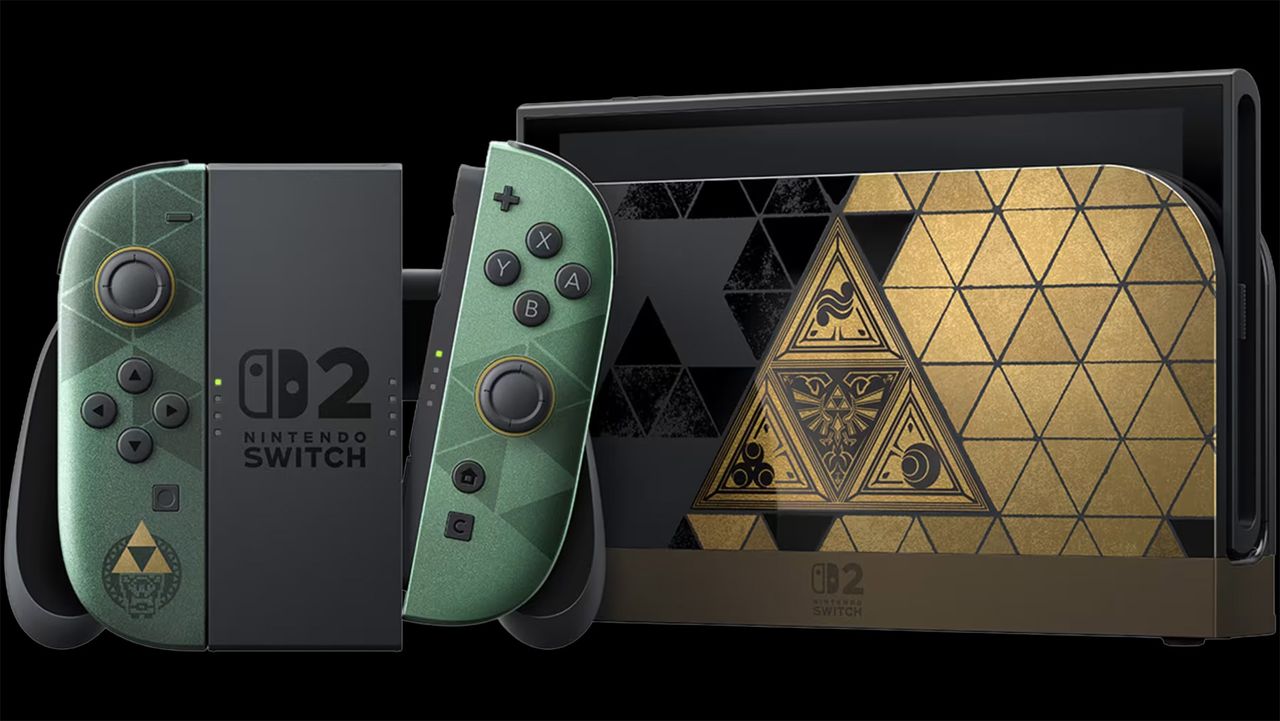
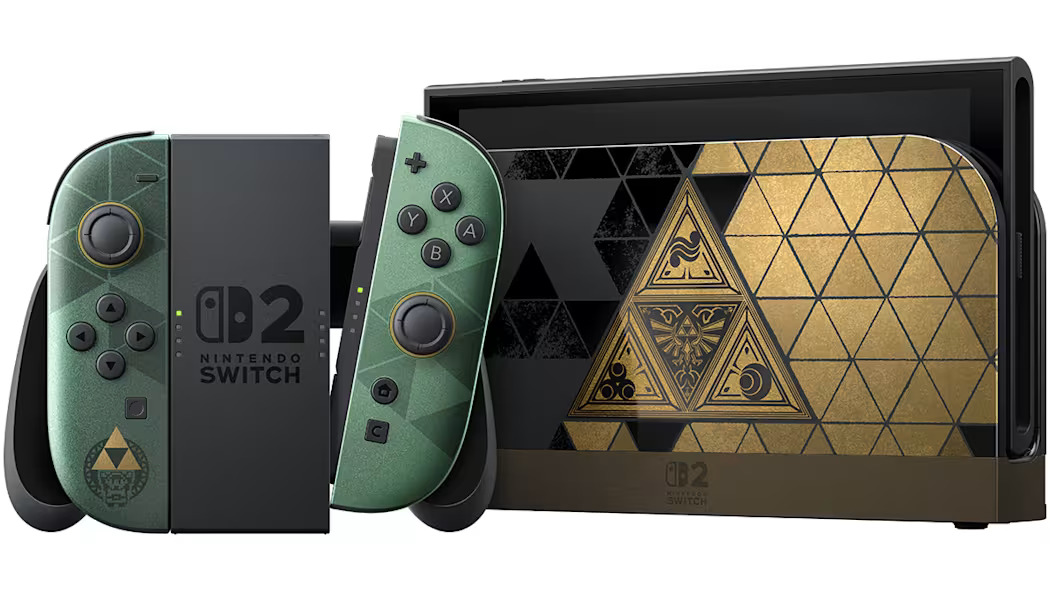
Nintendo unveils The Legend of Zelda 40th Anniversary Switch 2 for $520 — First-ever special-edition Switch 2 drops October 19, alongside $100 Pro Controller, pre-orders live

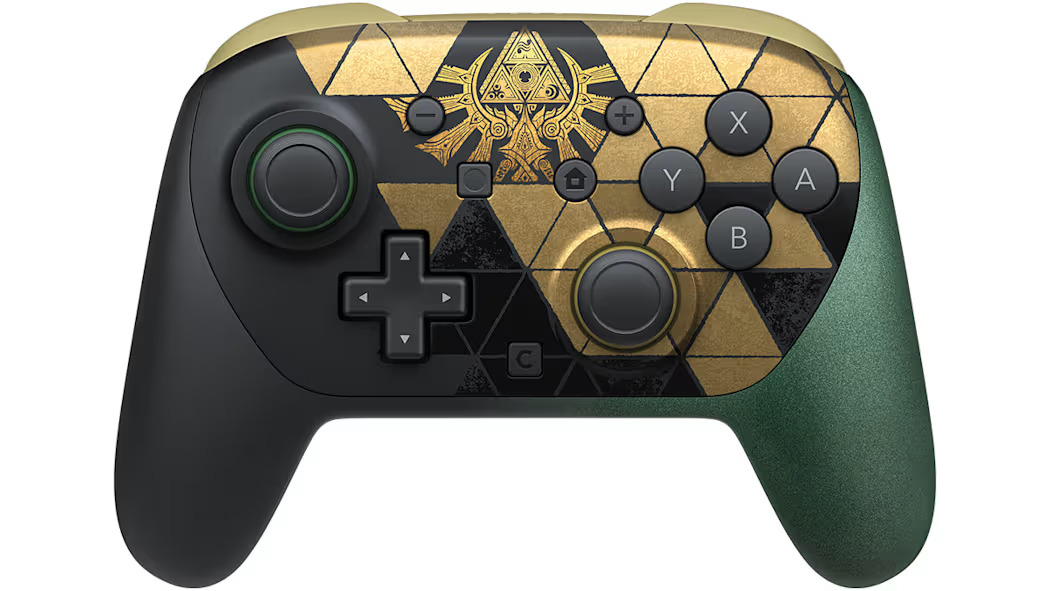
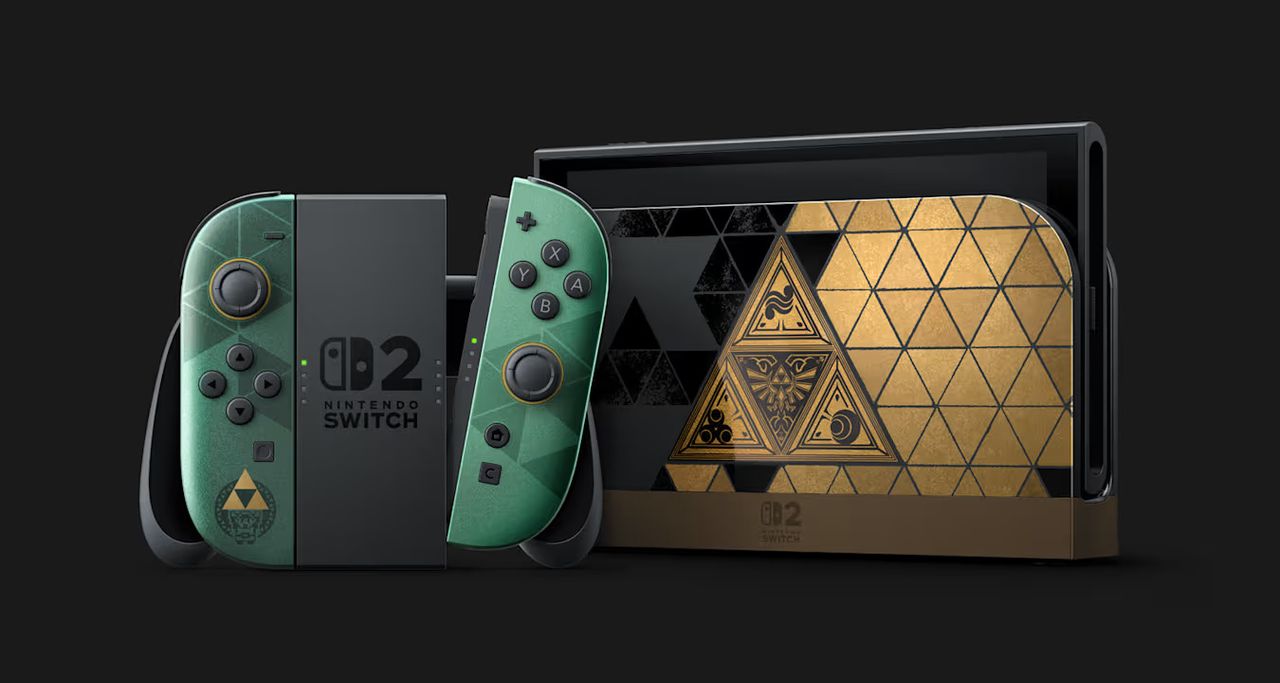
Nintendo just aired one of the most important Directs of the Switch 2 generation, showcasing the upcoming Ocarina of Time remake in all its glory. The presentation also brought along the announcement of the first special edition Switch 2 hardware: The Legend of Zelda 40th Anniversary Edition. The console costs $519.99, but there's also an identically themed Pro Controller for $99.99 that you can pre-order right now — either item ships later this year on October 29.

The company's first handheld to be adorned in special edition Zelda makeup was the Game Boy Advance SP released in 2004 alongside The Legend of Zelda: The Minish Cap. The first home console to receive the same treatment was The Wind Waker HD edition of the Wii U in 2013. Most recently, we got a Tears of the Kingdom-themed Switch OLED in 2023, followed by the Hyrule Edition of the Switch Lite next year.

Across every handled and home console released, The Legend of Zelda 40th Anniversary special edition Switch 2 will be the 12th piece of Zelda-themed hardware Nintendo has put out. Moreover, it took the original Switch just a few months to get its first limited-edition hardware (Monster Hunter XX Special Pack), but the Switch 2 has clearly taken its time with this design, and it's sure to be a collector's item.

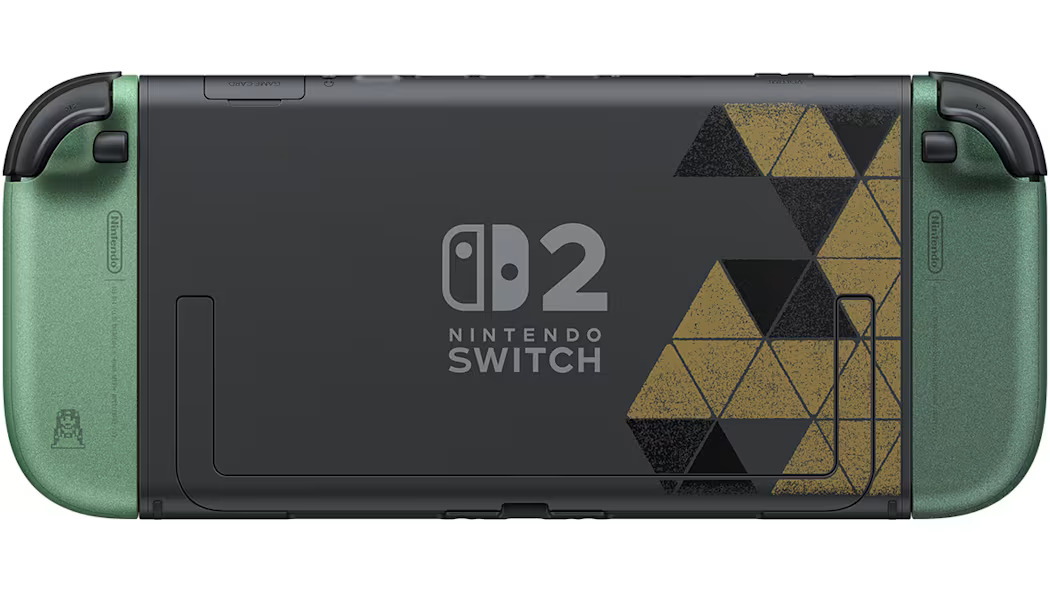
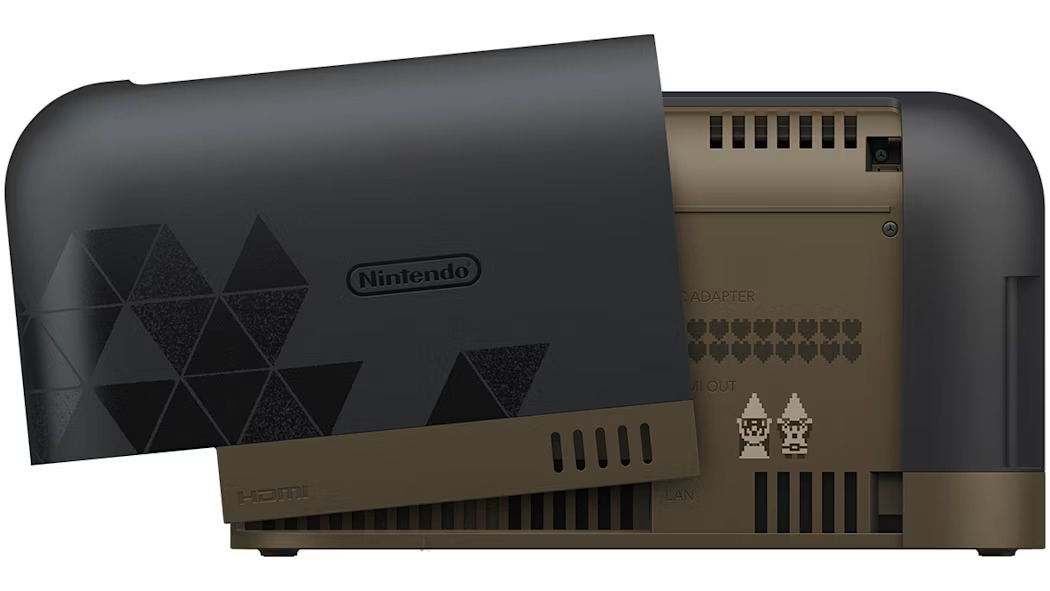
The tablet itself is mostly the same boring black except for a few golden triangles at the back. However, the Joy-Cons feature a beautiful green design with a Tri-Force symbol on the left. The dock is a gorgeous, two-tone golden and black color with a very bold Tri-Force theme across the front and some easter eggs on the back. Even the packaging is supposed to have textured foil cover art. The console will retail for $520 and does not come with any game.

The Legend of Zelda™ – 40th Anniversary Edition Nintendo Switch 2, Pro Controller, and Carrying Case
Nintendo
The Legend of Zelda™ – 40th Anniversary Edition Nintendo Switch 2, Pro Controller, and Carrying Case
Nintendo
The Legend of Zelda™ – 40th Anniversary Edition Nintendo Switch 2, Pro Controller, and Carrying Case
Nintendo

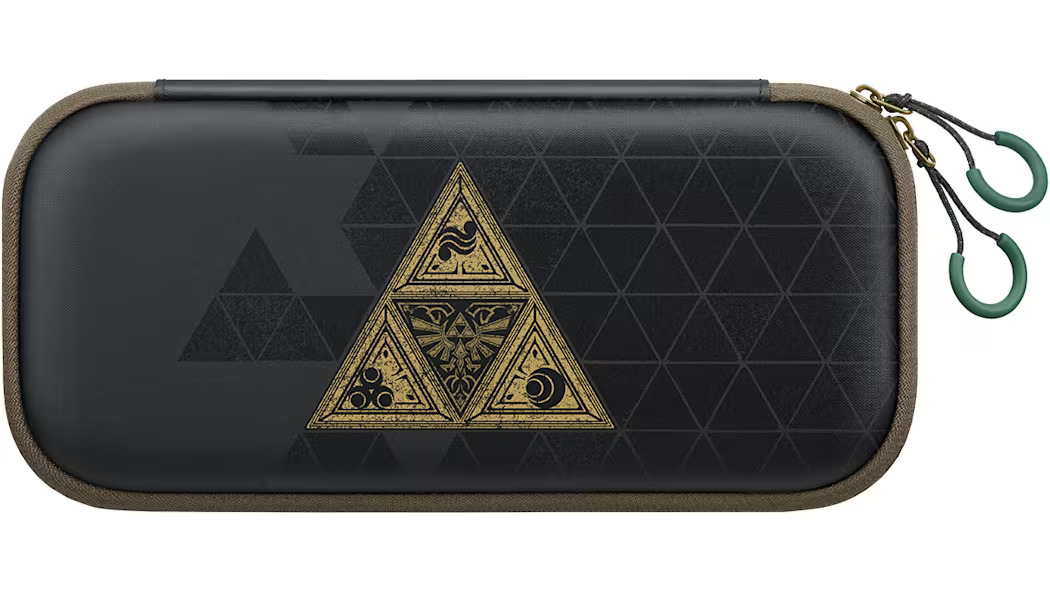
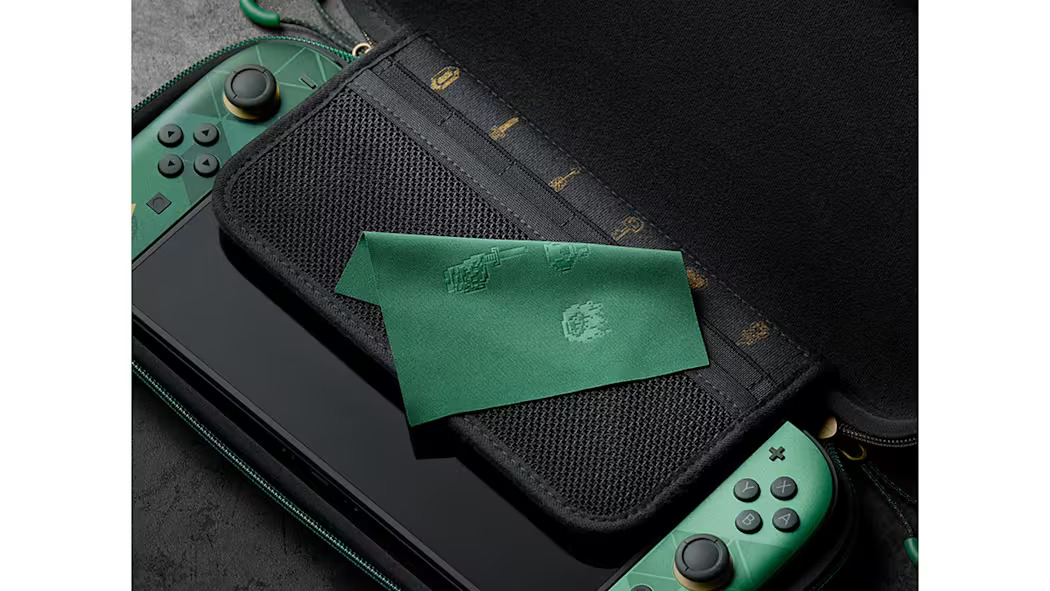
Alongside the console, there's a Switch 2 Pro Controller that looks very similar to the Joy-Cons, with a green and gold theme that combines elements of the Triforce with a crest emblem. It comes as is for $100, but you can also get it with a subtly themed display stand for $110. Finally, there's also a $40 carrying case adorned with Zelda illustrations. You even get a custom, green-colored microfiber cloth inside and a screen protector.

The Legend of Zelda™ – 40th Anniversary Edition Nintendo Switch 2, Pro Controller, and Carrying Case
Nintendo
The Legend of Zelda™ – 40th Anniversary Edition Nintendo Switch 2, Pro Controller, and Carrying Case
Nintendo
The Legend of Zelda™ – 40th Anniversary Edition Nintendo Switch 2, Pro Controller, and Carrying Case
Nintendo

Keep in mind that all of this hardware celebrates the 40th anniversary of the Zelda franchise, which already passed earlier this year. It has nothing to do with the upcoming Ocarina of Time remake and, as such, the game is not included in the $520 limited edition Switch 2. Pre-orders for all the items discussed above are open, and they will be released on October 29, 2026. The Ocarina of Time remake drops next month, on November 19, 2026, and will be sold separately for $60.

✇Tomshardware

Sony threatens to cut off customer support and pursue legal action over harassment as backlash to PlayStation’s physical-disc phaseout intensifies — company to move forward with no disc decision despite several lawsuits

作者 Etiido Uko

Sony Japan has officially implemented a new customer harassment policy to address ongoing customer backlash, following the company’s controversial announcement to phase out physical PlayStation game discs by January 2028. In an official publication on September 1, the company outlined prohibited customer behaviors to protect the dignity and safety of its employees and threatened to suspend customer service if the behaviors continued.

“The dignity and safety of our employees must not be threatened by customer harassment, such as words or demands from customers that exceed what is considered reasonable according to social norms,” the publication read. “If any behavior constituting customer harassment is confirmed, we may restrict or suspend customer service in order to protect the safety of our employees.”

Some of the examples of customer harassment detailed in the publication include “persistent and repeated, or prolonged, demands; excessive or unreasonable demands for compensation; abusive language, threats, slander, and other similar behaviors; requests unrelated to products or services; intimidating attitude; discriminatory or sexual conduct; and attacks and demands against individual employees.

The company also listed “forcing someone to prostrate themselves,” visiting company grounds without permission, and excessively asking for apologies as customer harassment, expressing willingness to use legal force if necessary. “We will take a firm stance against such actions and aim to build healthy and sustainable relationships while respecting both our customers and employees,” it said. “If we deem it necessary, we will cooperate with the police, lawyers, etc., and consider taking action, including legal measures and criminal proceedings.”

The new policies appear to be in response to the intense backlash over Sony's decision to end physical disc production by 2028. The decision was met with immediate, widespread backlash from the gaming community, which argued — among other things — that ending physical discs was equivalent to eliminating true ownership. Critics also argued that digital purchases were rentals and placed too much power in the company's hands, which could restrict access at will. Just 6 days after the July 1st announcement, a Change.org petition to stop the move had amassed 200,000 signatures and is now approaching 400,000.

The company doesn't appear to be backing down. After a class action lawsuit related to Sony’s decision to kill physical discs, the company moved to force the case into out-of-court arbitration, arguing that “reasonable consumers would not be misled into believing they own digital games.” The plaintiffs allege that Sony misleads consumers by using "Buy" buttons for digital PlayStation games without clearly disclosing that buyers are only purchasing a temporary, revocable license rather than actual, permanent ownership of the game.

Several other related lawsuits are ongoing. Regardless, Sony has said it will "cautiously move forward" with its decision despite “strong views” from players. The company hopes its new customer harassment policy will curb some of the backlash individual employees are currently facing. The policies also align with Japan's recent law that mandates companies to take measures to prevent customer harassment towards their workers.

✇Tomshardware

RPCS3 emulator can now run PS3 games on PC directly from a disc drive in landmark development — unlocks 20 years of physical titles on Windows, Linux, and macOS

作者 Mark Tyson

The developers of the Sony PlayStation 3 emulator RPCS3 have told their social media followers that it is now possible to play games straight from discs. As announced on Twitter/X, the emulator’s latest refinement works only with certain internal and external Blu-ray drives. Happily for retro gamers, there’s a lengthy compatibility list of drives featuring many models and brands, and the same drives are also compatible with dumping your media to fixed storage.

You can now play your PS3 games on PC... DIRECTLY FROM THE DISC DRIVE!💿 PLUG AND PLAY! Owning your games as physical media allows you to play games released as far back as 20 years ago without relying on any servers!See compatible disc drive models at https://t.co/nSzG5S954L pic.twitter.com/d1uKE7BpyrSeptember 6, 2026

Above you can see the RPCS3 devs are pretty happy with the slick new “plug and play” refinements that are available to users of the latest version of the emulator. “You can now play your PS3 games on PC... DIRECTLY FROM THE DISC DRIVE!” boast the open source emulator programmers. “PLUG AND PLAY! Owning your games as physical media allows you to play games released as far back as 20 years ago without relying on any servers!” The RPCS3 team thanks digant73 and Megamouse, specifically, for contributions making this feat possible.

Indeed, this is another step forward in making a slick emulator that works in a surprisingly frictionless fashion. Though the Tweet mentions PC, specifically, extended disc drive play support is also available on Linux, FreeBSD, and macOS. You just need to check that drive compatibility list. Moreover, all users can enjoy “optimized install times for package installations from the disc drive.” It has also been confirmed that PS4 and PS5 console users with Linux installs can launch PS3 games directly from disc using RPCS3.

Here’s a quick tip for folks who have an obscure Blu-ray drive that isn’t in the list. If you want to confirm compatibility with the drive, just put a PS3 disc in it. If you can browse its files, it's compatible; if nothing shows up, then it's not.

With pricing for the best SSDs now sky-high, being able to test-run new (old) games before dumping them to fixed storage could be a boon. It might also be good for auditioning a batch of discs you have recently bought, to see which ones are keepers.

✇Tomshardware

‘World’s first fully transparent video game console’ is on its way to Kickstarter — Arduview handheld’s shell, PCB, and display are all transparent

作者 Mark Tyson

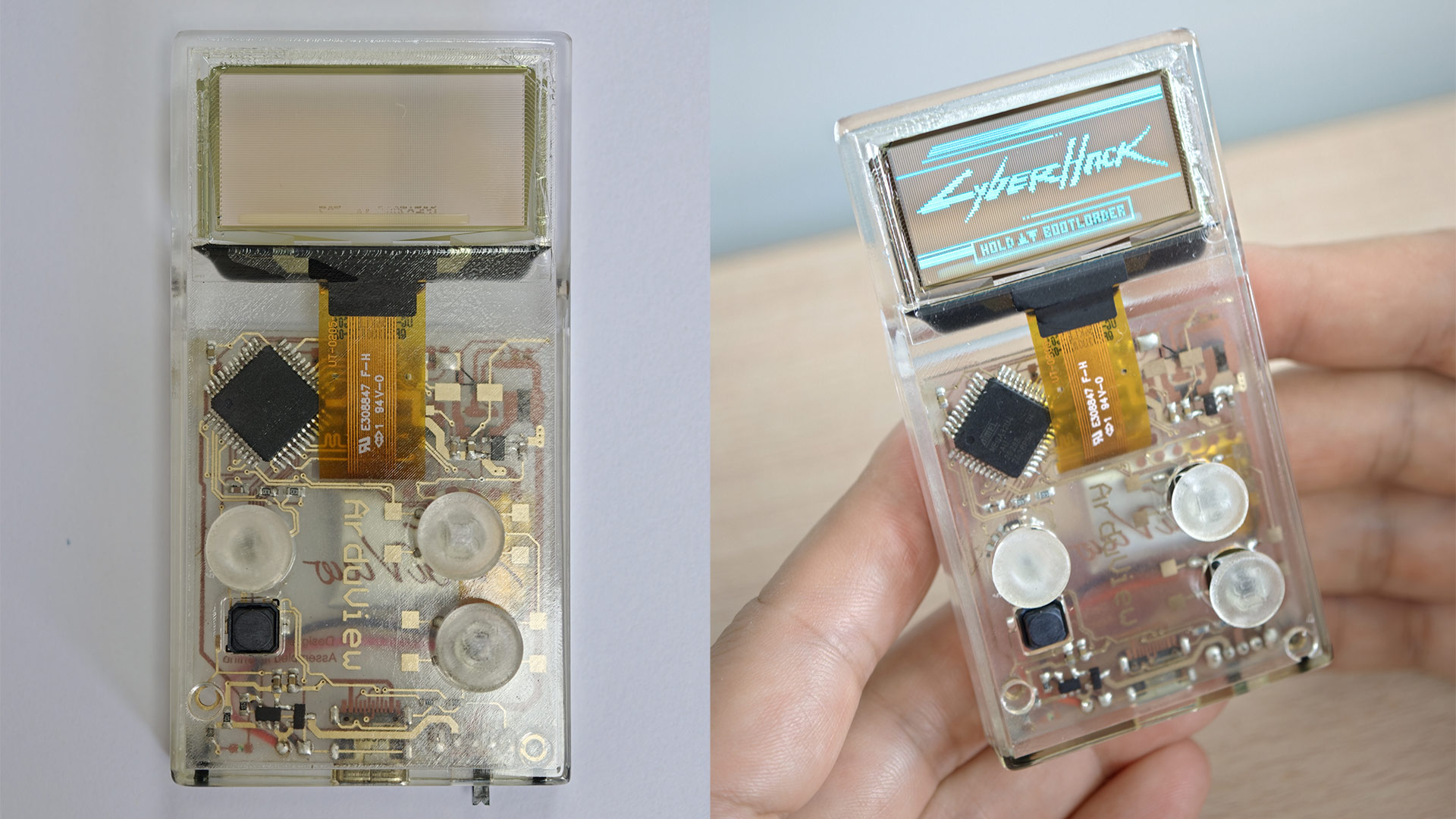
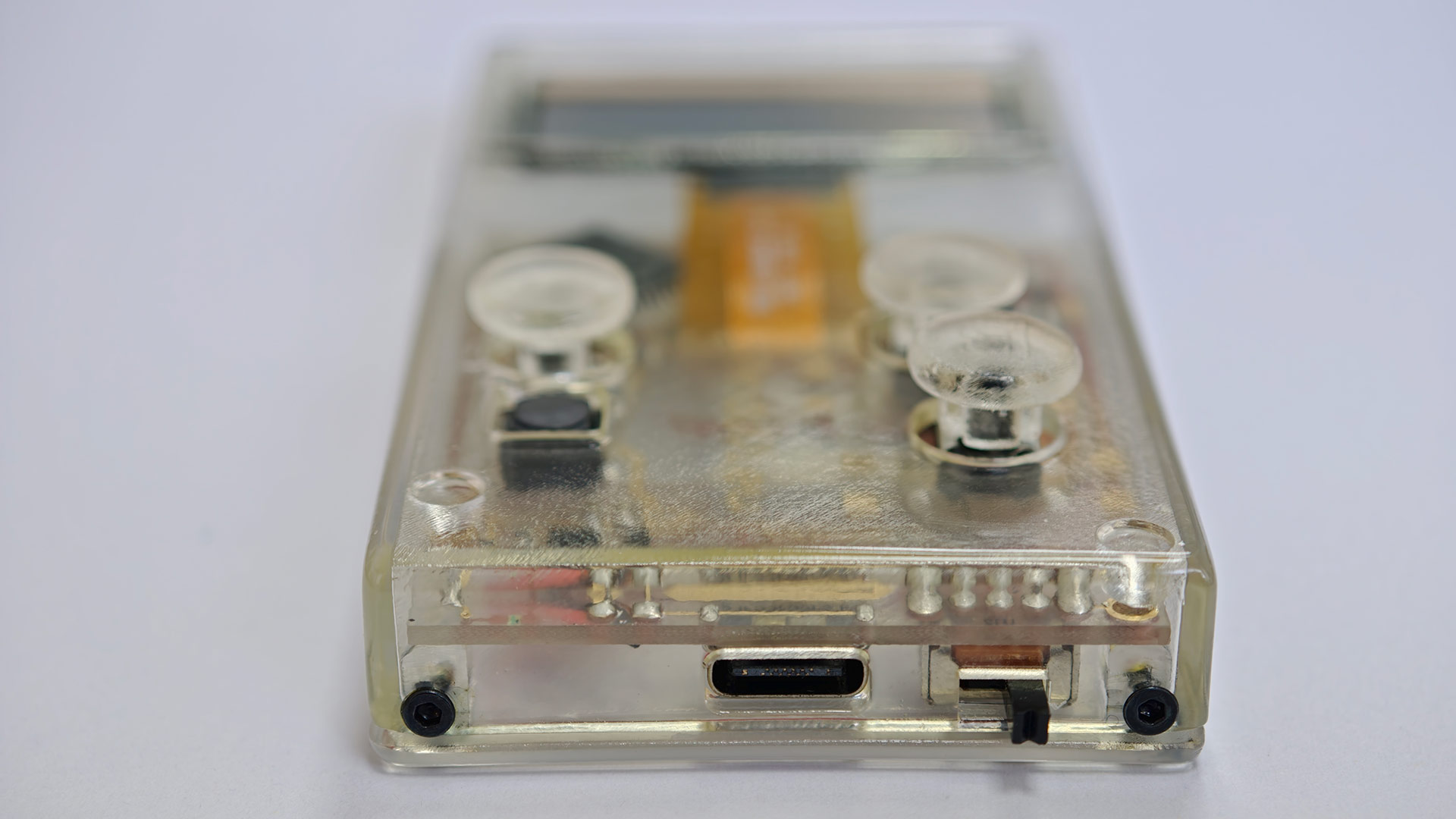
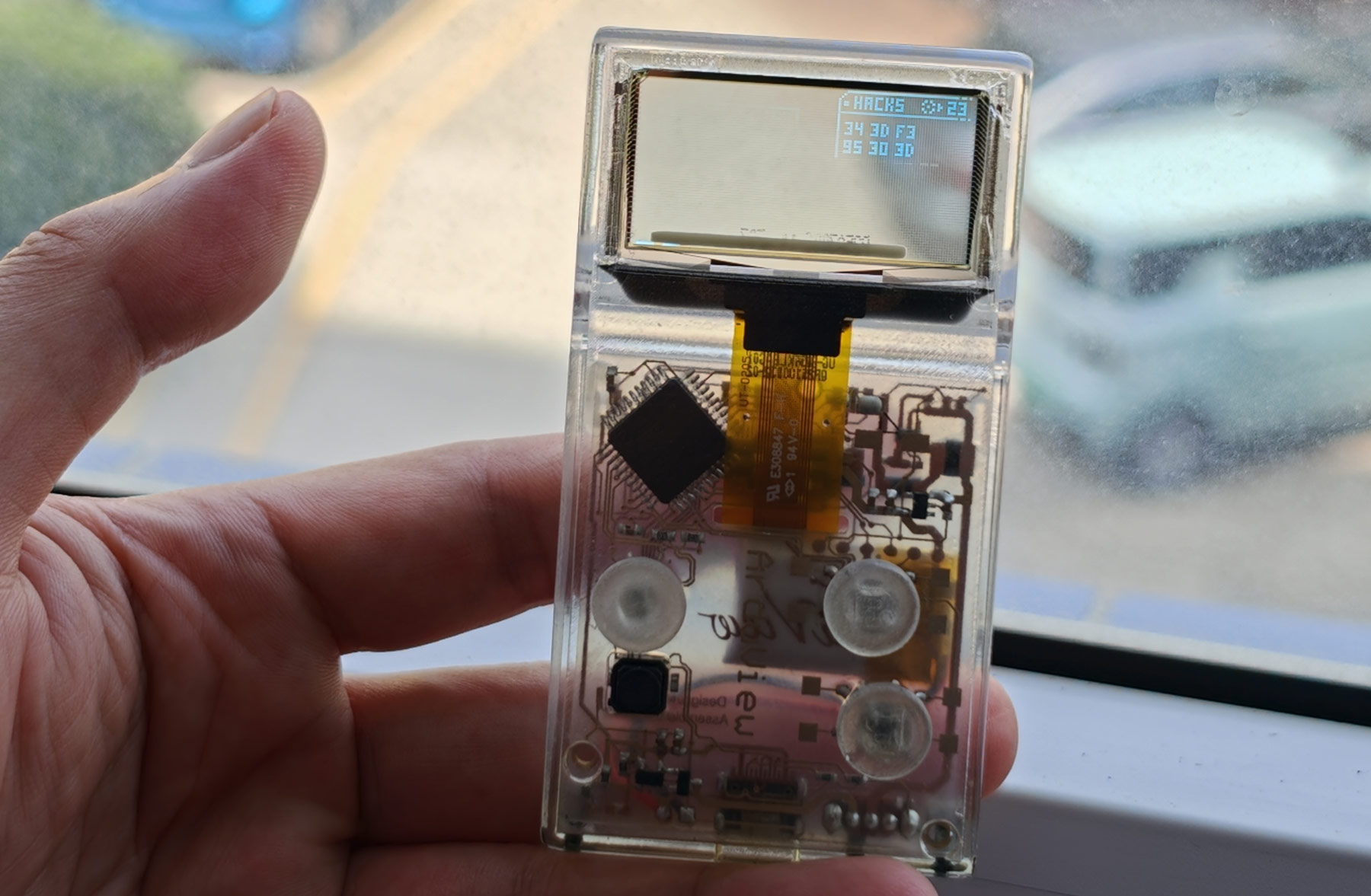
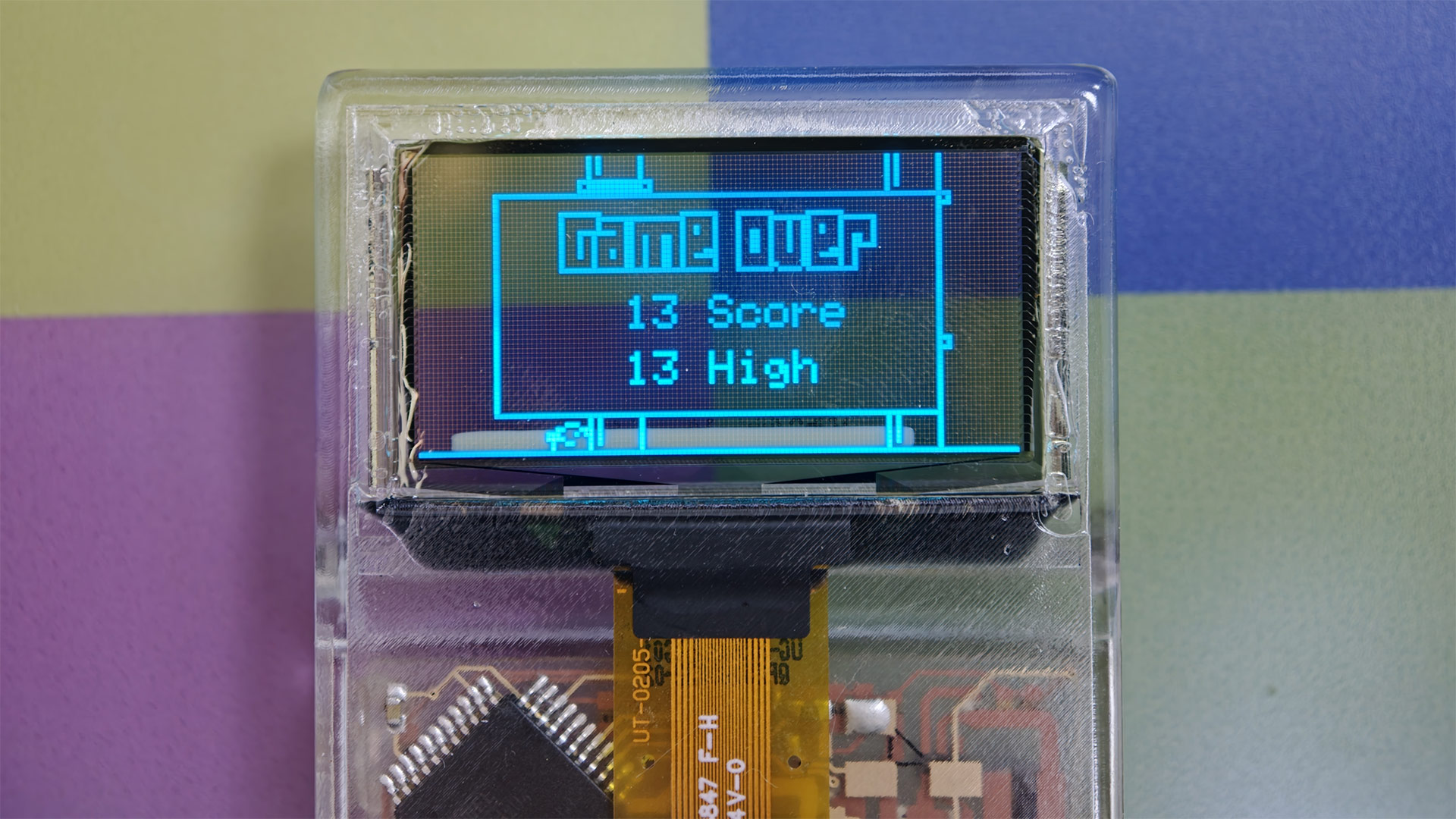
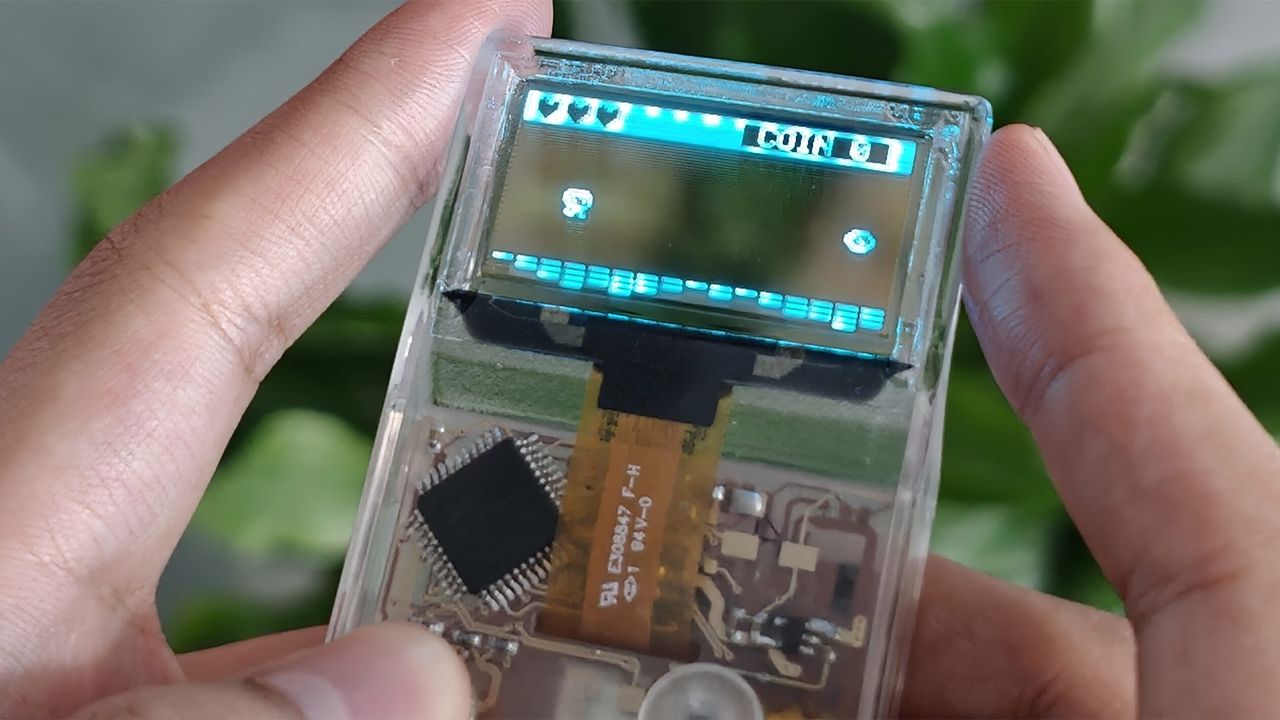
The first units of the ‘world’s first fully transparent video game console’ are shipping to founders, and now the project is on its way to Kickstarter. Above and below you can see images of the new Arduview. As you can see, it isn’t just another clear-shell console or handheld; the makers of this device have fully embraced the latest in transparent electronics. Thus, here we have a crystal shell handheld with a see-through motherboard, using a transparent display.

Arduview transparent handheld game console
Arduview
Arduview transparent handheld game console
Arduview
Arduview transparent handheld game console
Arduview
Arduview transparent handheld game console
Arduview

There have been quite a few transparent shell consoles over the years, with some of the best-known probably being the Game Boy Color in Atomic Purple and the N64 Funtastic series. Earlier this year we saw the new Commodore release a dazzling Starlight edition of the C64U. Most recently, Microsoft has revealed its translucent green Xbox Series X25.

Adruview founder Louis Huang told Tom’s Hardware that while he has always loved transparent consoles and clear-shell mods, he was disappointed that the transparency always just stopped at the frame. “So we pushed it further with a transparent OLED screen, board, and case. You can see straight through the whole device,” wrote the Babson College student.

That's enough about the console’s appearance, what about the guts of this handheld? Well, the Arduview project is based on the open-source Arduboy. You guessed it, this console is based on the Arduino platform, designed for DIY electronics tinkering and coding, and here it is purposed for playing hundreds of community-made 8-bit games on the ATmega32u4 microcontroller with its meager resources (2.5KB RAM, 32KB storage).

Huang highlights that the Arduview weighs just 50g (

If you are interested in this kind of handheld, the Arduview early access program still appears to be open, despite the site mentioning it runs “in August 2026.” I guess we are only just into September… I clicked the button and could still reserve a unit for $5 and benefit from the $49 'founder price.' Apparently it will be $100 at retail.

We don’t have a date for the Kickstarter launch yet, and perhaps there will be similar cheaper-than-$100 offers for early birds, and so on. However, the Kickstarter backers won’t get their hardware until 2027.

As an open-source platform, there are other makers and suppliers of Arduboy hardware, such as Seeed Studio. If the Arduview’s clear charms aren’t reeling you in but the portable platform appeals, you can grab the not-very-transparent Arduboy FX-C available on Amazon at $79.99, for example.

✇Tomshardware

You can now play GTA V natively on a Nintendo Switch thanks to unofficial Homebrew port — game runs at 30 FPS but requires a jailbroken, overclocked Switch

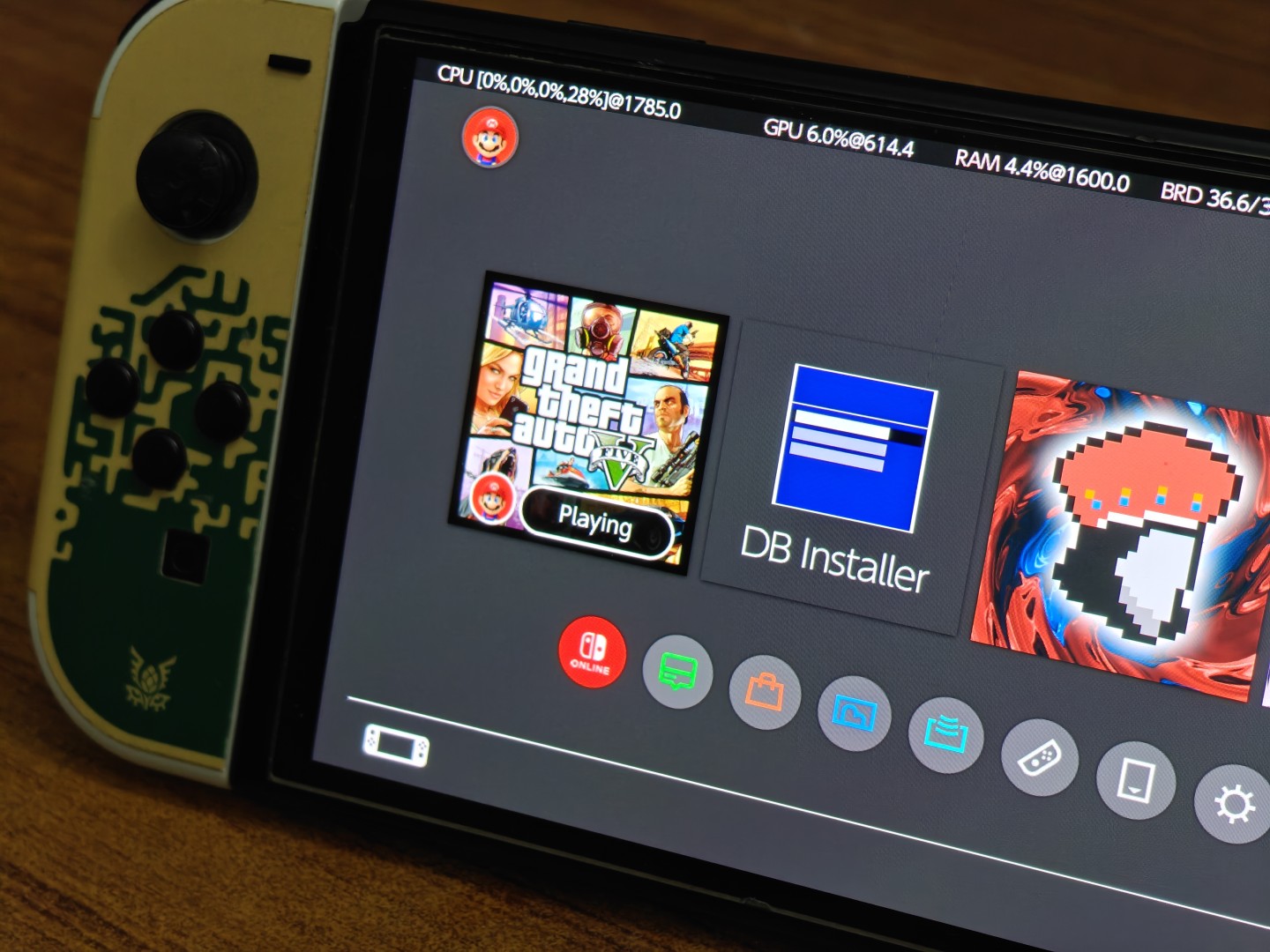
Grand Theft Auto V came out in late 2013 for PS3 and Xbox 360 before it was ported to eighth-gen consoles. Despite running on seventh-gen hardware, Rockstar never released it on the Nintendo Switch. Fast forward 13 years later and modders have done Rockstar's job for them. An unofficial Homebrew port of GTA V is now available for the Switch, and it runs natively on the hardware at roughly 30 FPS. You do need a jailbroken device, and it needs to be overclocked in order for the game to be playable.

GTA V corriendo en Nintendo Switch.- Nativo sin Android ni Linux (No es Stream).- Pesa 49GB.- Ocupas Overclock (Yo uso Sys-CLK que es seguro) pero si usas Horizon OC irá mucho mejor.- Corriendo en mi OLED sin modificaciones de RAM, puro Overclock seguro.INFO:… pic.twitter.com/ChtFlwq2TKAugust 28, 2026

The port is developed by Paralympics Productions and is based on the leaked source code from 2023. That source code allowed modders to reverse-engineer the game logic and recompile it for Arm, allowing it to run natively on the Switch's Tegra X1 SoC. That means GTA V can technically also run on Android, and sure enough, Paralympics' Discord server teases that an Android port is coming soon.

The Discord server is also where you'll find all the necessary resources required to make this work. There are four key components: a package builder, an asset converter tool, modified config files, and a specific folder layout. They work together to patch the original GTA V files, construct an executable (.NSP), and make the game data compatible with Switch's Horizon OS.

Obviously, we can't detail the entire process here, but it's relatively straightforward, and you'll find detailed guides, including a video tutorial, on the Discord. There are a few bugs to look out for, but personally we did not face any during installation. You can skip all the work and just download the already-prepped archive from Switch piracy sites, too, which is around 50GB.

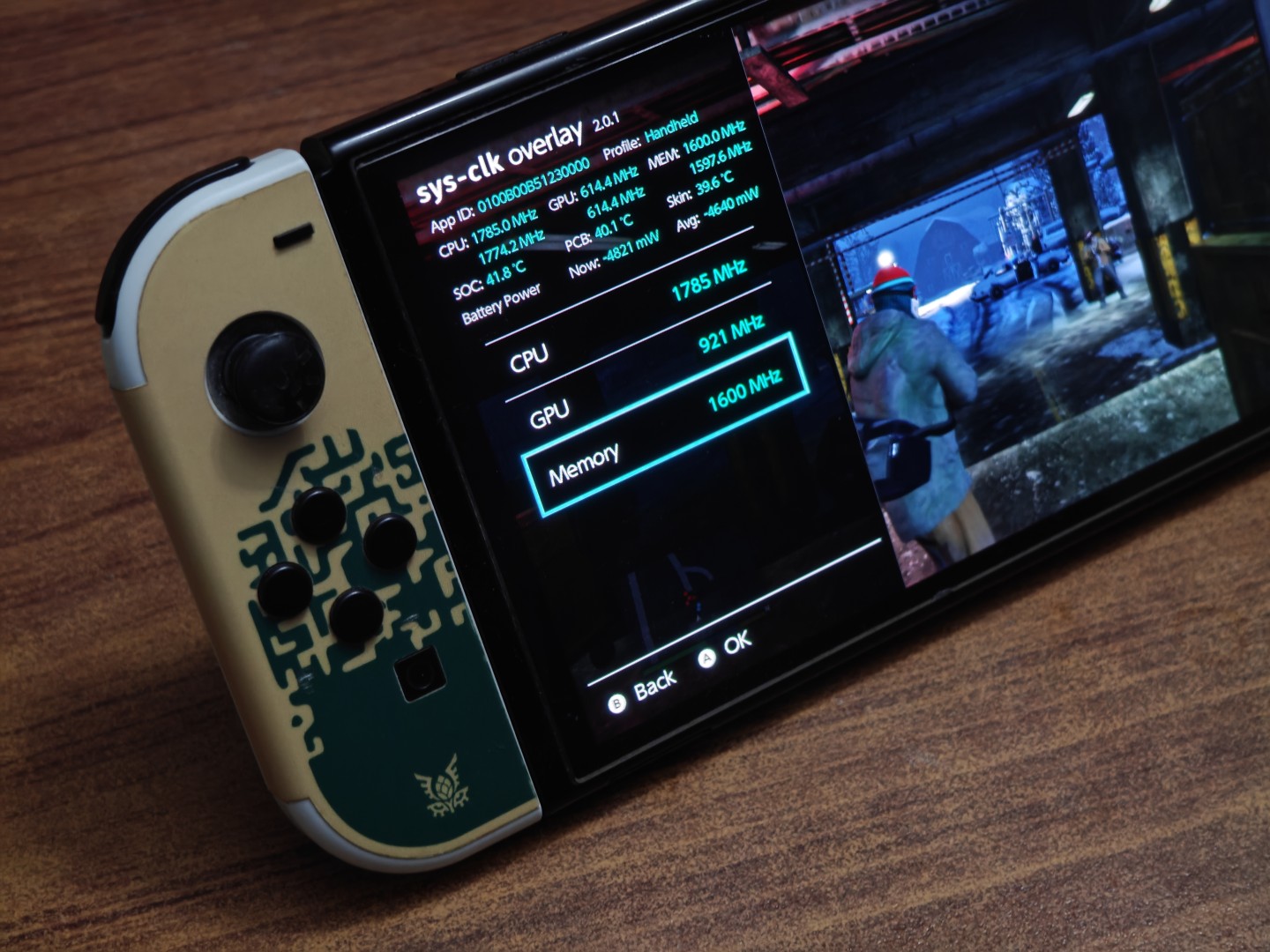
Once everything is set up, you transfer the NSP to a jailbroken Switch running custom firmware, along with the modified game files, and open GTA V like you would any other game. It's kind of surreal at first, but it boots up and runs directly on the console without any emulation overhead. The load times are alright; it doesn't heat up the handheld like crazy, and battery drain was similar to any other demanding title.

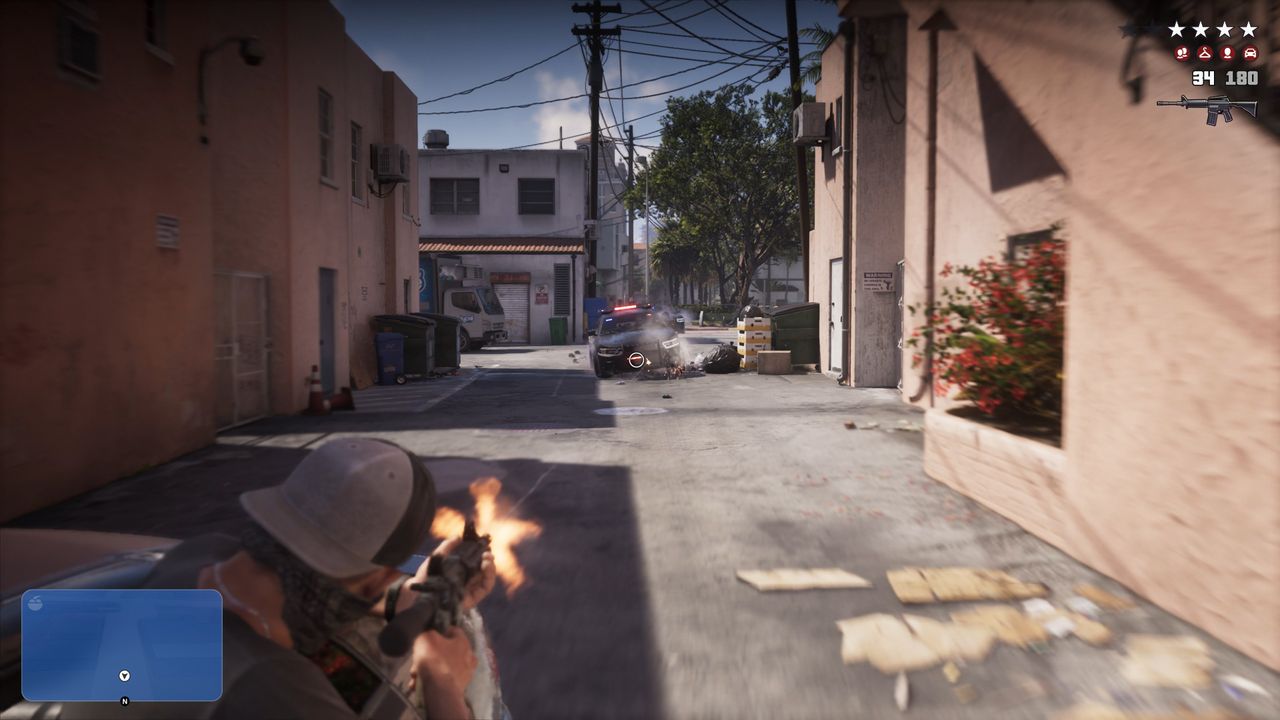
Grand Theft Auto V running natively on a Nintendo Switch

(Image credit: Future)

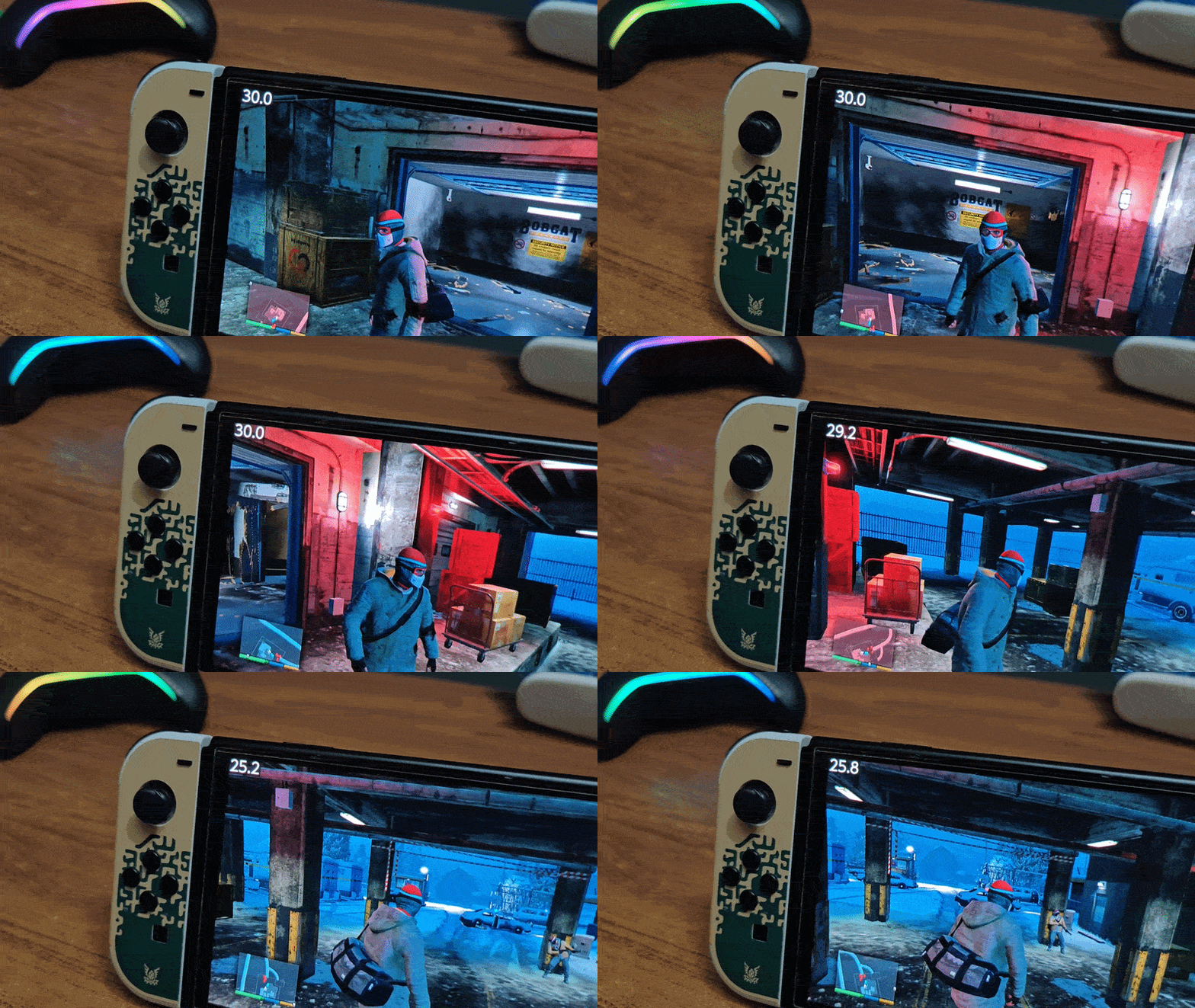
Despite that, the performance is quite wonky because the Tegra X1 inside is dated and thermally constrained. You'll get between 10-25 FPS depending on exactly what Switch model you have and the silicon lottery. To get a more stable experience that mostly locks the framerate at 30 FPS, you'll need to overclock your Switch. It's easy enough to do so through sys-clk, and you can create different profiles for handheld, docked, and charging modes.

We tried moderate overclocks across the CPU, GPU and memory on a Switch OLED, and were able to run the game at a "smooth" 30 FPS as long as there wasn't too much action going around. The moment a bunch of NPCs pop up in a mission, or there's an explosion, for instance, the framerate dips quite aggressively. The controls also felt weighty since Joy-Cons aren't suited for precise movement, so the portable experience might be a bit compromised.

Grand Theft Auto V running natively on a Nintendo Switch

(Image credit: Future)

Plenty of folks online have gone past the starting mission and explored the open world, too. There are no issues with save states, and the game runs surprisingly well considering the Switch's stature. Keep in mind that the source code making this possible comes from GTA V Legacy in particular, which is the PS4, Xbox One, and PC version. The PS3/Xbox 360 version of the game did not leak, or else scaling down the logic to fit within the Switch's 4GB memory buffer would've been far easier.

Those consoles only shipped with 512MB of unified RAM. Instead, the modders had to deal with high-resolution PC assets that needed to be heavily compressed first. The modified config files mentioned earlier throttle settings like draw distances and particle counts, so the PC engine code doesn't instantly melt the Switch. At the end, the Homebrew port performs similarly to the PS3/Xbox 360 versions of the game.

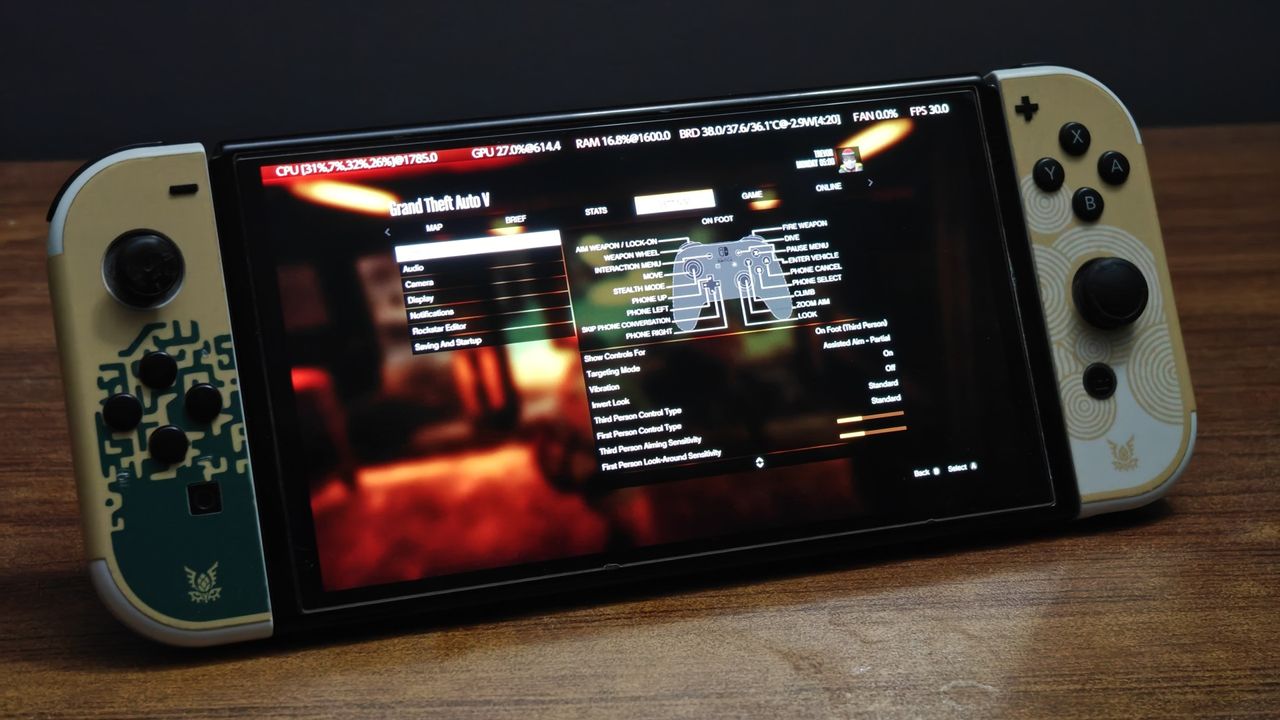
Grand Theft Auto V running natively on a Nintendo Switch

A neat detail: the Nintendo Pro Controller shows up in the port's settings. (Image credit: Future)

Paralympics Productions has already put out a few patches that improve performance, with more to come down the line, especially once the Android port rolls around. You can already emulate GTA V on Android phones through apps like GameHub and Winlator that translate x86 instructions into Arm. That will run much better if you have a flagship (Snapdragon) phone from the past few years. You can even emulate this Homebrew port through a Switch emulator if you want to enjoy twice the overhead.

It feels like the emulation and modding community across the entire handheld space is going through a renaissance. Ever since the Steam Deck lit the spark, these developers have made the impossible seem possible. People used to wonder why GTA V never came out on the original Switch (the answer is GTA: Online) up until literally weeks ago, and now we have the game running natively on an almost decade-old device that was underpowered even at the time it came out.

Okay, this is impressive and lends more credibility to my theory that the Switch 2 will probably get a port of both GTAV and GTA6 as well as RDR2. pic.twitter.com/LkEnuQzfmGAugust 28, 2026

This does not suddenly mean that the Switch 2 can run GTA VI. For the PS5/Xbox Series version of the game, you'll need a potential Switch 3 if we follow a similar trajectory. More importantly, though, Rockstar's stance towards Nintendo in general has changed, and that plays a much bigger role in getting GTA VI on Nintendo hardware one day as opposed to just the capabilities of the silicon.

✇Tomshardware

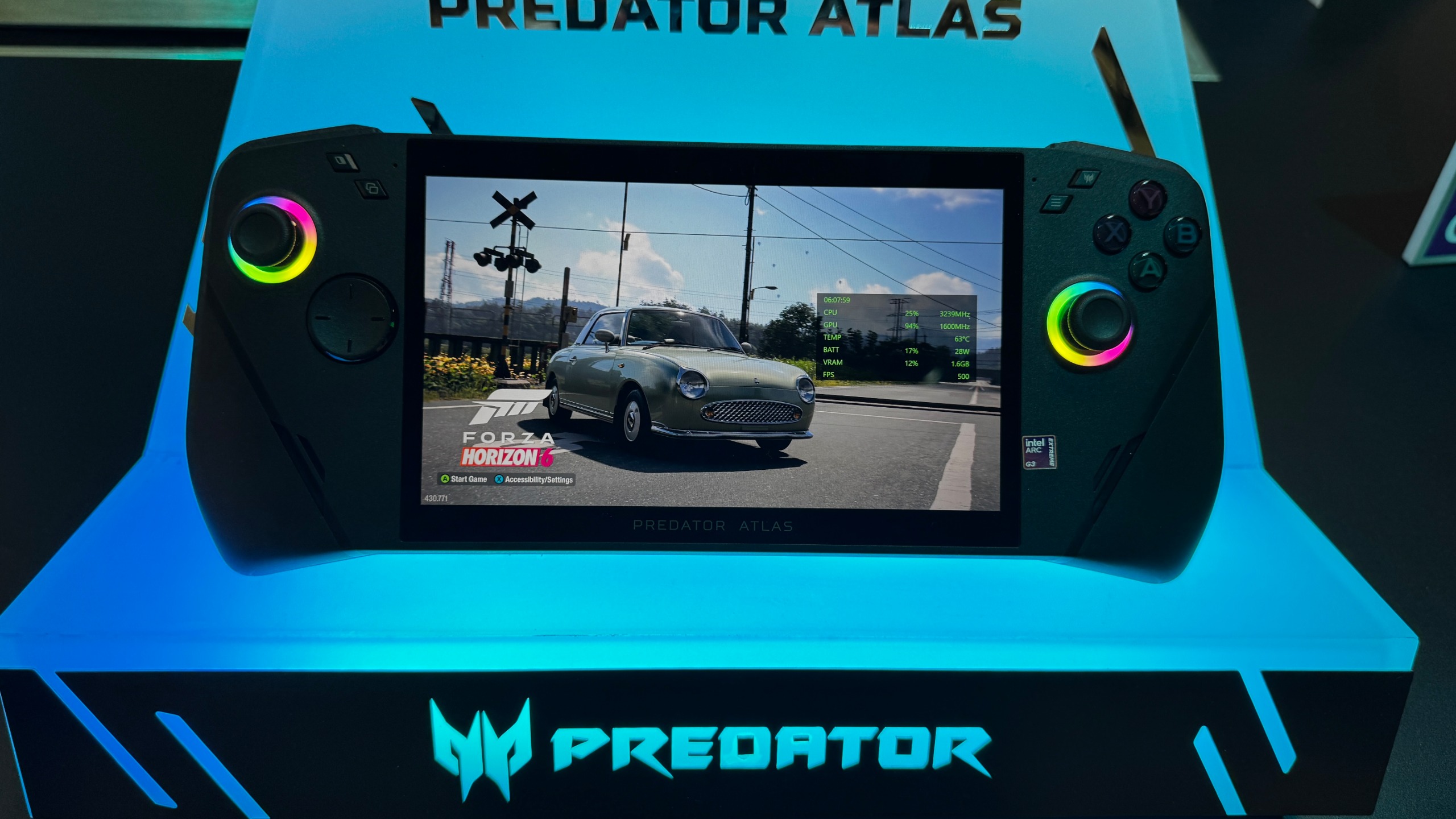
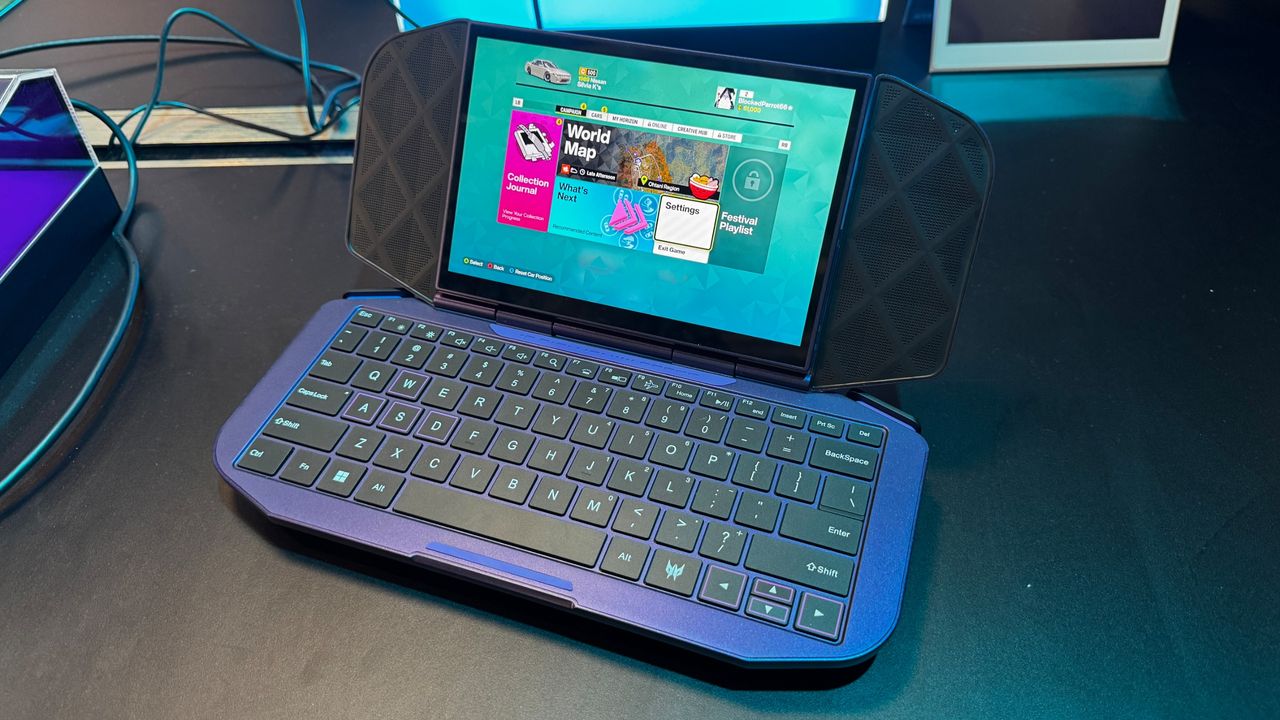
Acer’s wild Project DualPlay Mini is a foldable handheld that doubles as a netbook — concept shown alongside Predator Atlas 7 handheld sporting Intel’s Arc G-series chip

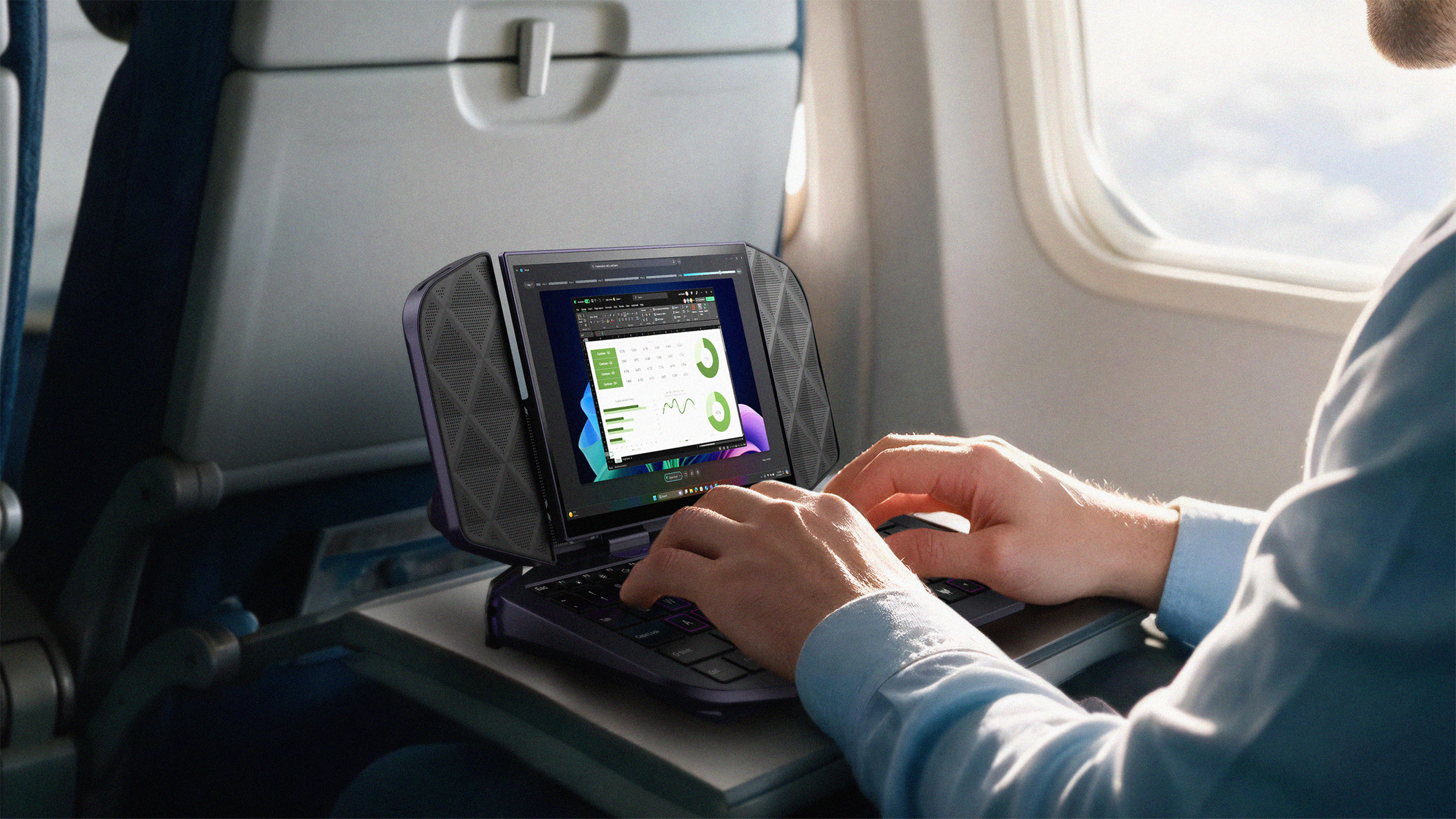
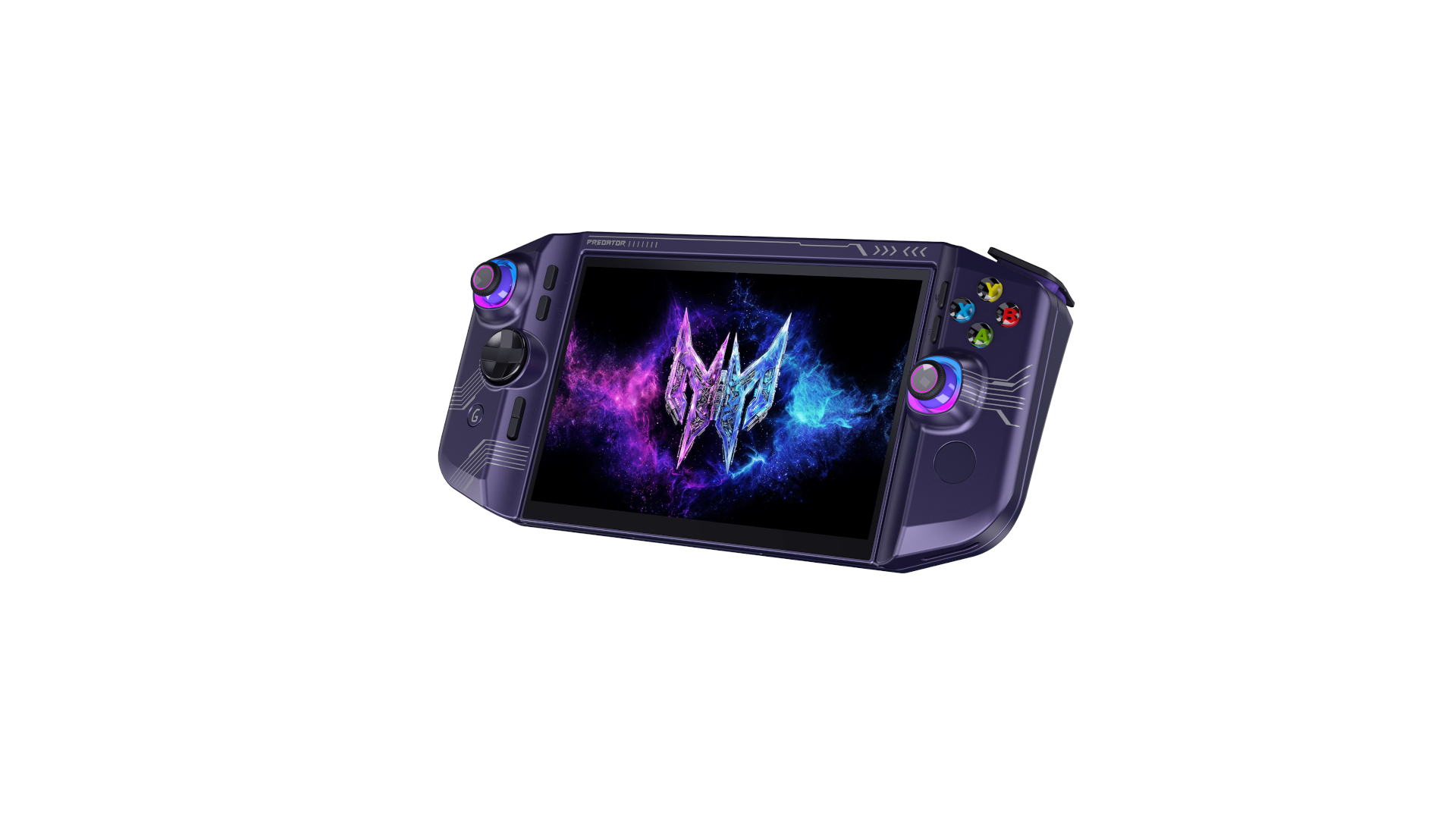
Acer debuted the smaller Predator Atlas 7 handheld at IFA 2026, joining the larger Atlas 8 that we saw earlier this year. Like its larger sibling, it packs up to an Intel Arc G3 Extreme SoC, now with a smaller 7-inch, 1080p screen. Alongside it, Acer teased Project DualPlay Mini, a concept that brings together an 8-inch gaming handheld with the idea of a netbook in a foldable design.

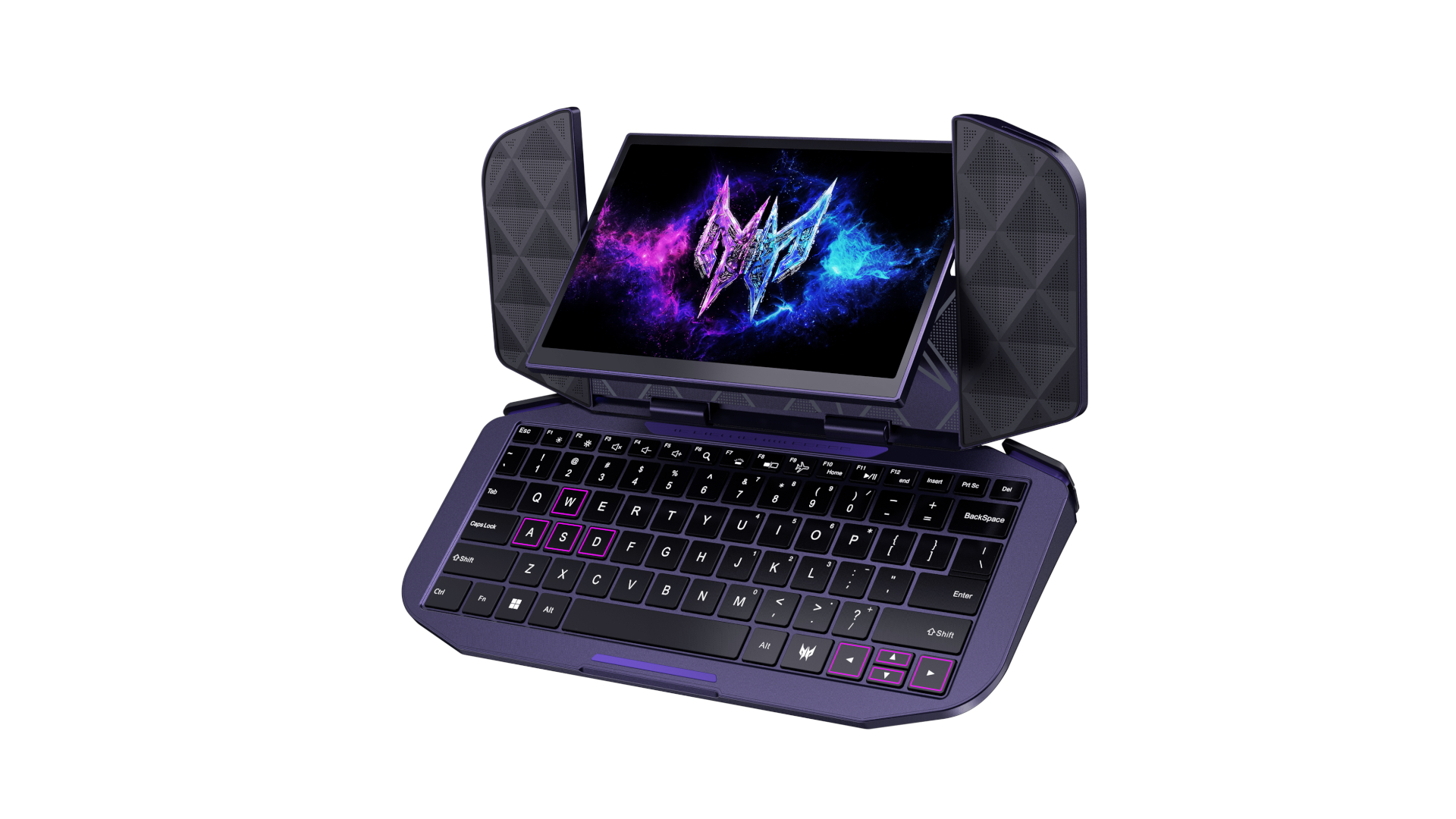
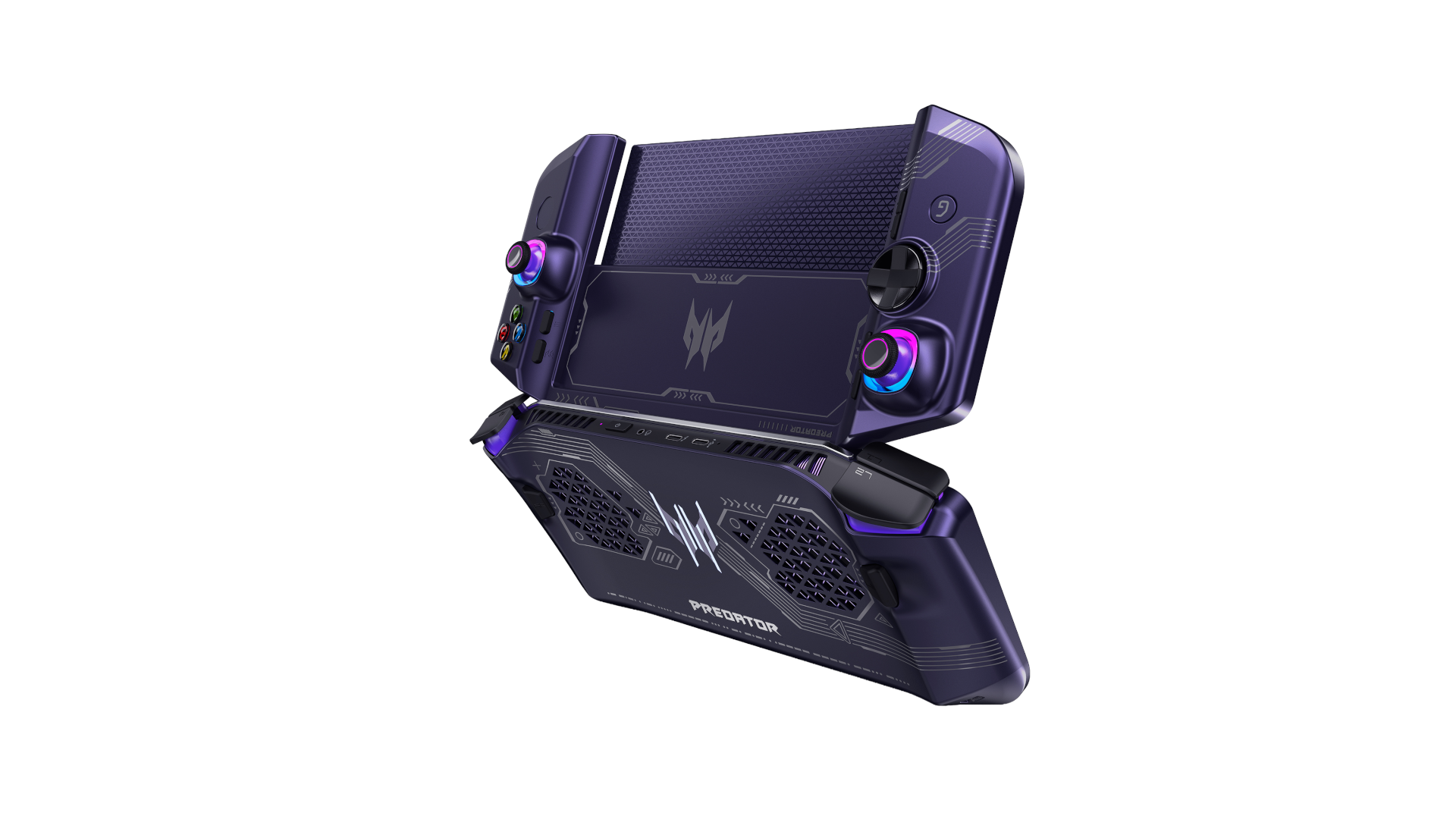
Project DualPlay Mini is certainly the more interesting of the two announcements, though Acer was clear that it is “a concept only” right now. Specs-wise, Acer shared very little. The handheld is powered by an Intel chip (presumably a G-series SoC, though possibly full Panther Lake), and it uses the same dual-fan cooling apparatus as the Predator Atlas 8, with one AeroBlade metal fan and one plastic fan.

The handheld is split in the middle, allowing you to flip up the front on a hinge and expose a keyboard underneath. Once open, the screen area shows two large speaker grilles. The screen itself is on a hinge that can flip to the other side of the shell, allowing you to use the handheld as a very small laptop, reminiscent of a netbook (though likely with far better compute capabilities).

Acer DualPlay Gallery
Acer
Acer DualPlay Gallery
Acer
Acer DualPlay Gallery
Acer
Acer DualPlay Gallery
Acer
Acer DualPlay Gallery
Acer

Based on Acer’s renders, the device sports two USB-C ports, two back buttons, as well as either a touchpad or fingerprint reader. None of those details were included in Acer’s press release, though the renders of the design provide some hints as to what the goal of the device actually is.

Acer says the keyboard has a backlight, and that the device will be able to connect to an external display. Assuming Acer used the Predator Atlas 8 as a blueprint, that display support likely comes through Thunderbolt 4. To celebrate Acer’s 50th anniversary, the back of the handheld has “Acer 50 since 1976” inscribed in Morse Code, which you can just barely see on the render of the back of the device in the gallery above (look toward the bottom).

Acer Predator 7 handheld at IFA 2026.

(Image credit: Tom's Hardware)

More consequential in the immediate term is the Predator Atlas 7. It, too, features a dual-fan design with one AeroBlade fan that’s made of metal with 89 blades measuring 0.1mm thick, alongside a plastic fan. The specs from top to bottom are identical to the Atlas 8, just with the smaller 7-inch display.

You get up to an 80Whr battery, dual Thunderbolt 4 ports, a UHS-II micoSD card slot, Wi-Fi 7 and Bluetooth 5.4, and dual 2W speakers with DTS:X Ultra spatial audio support. At the heart of the machine is the Arc G3 or Arc G3 Extreme, alongside up to 1TB of PCIe 4.0 storage through the M.2 2280 slot and up to 24GB of LPDDR5X-7467 memory.

Processor

Intel Arc G3, Arc G3 Extreme

Graphics

Intel Arc B370, Arc B390

Memory

Up to 24GB LPDDR5X-7467

Storage

Up to 1TB PCIe 4 NVMe SSD (M.2 2280)

Ports

2x Thunderbolt 4, UHS-II microSD, 3.5mm combo

Wireless

Intel Killer Wi-Fi 7, Bluetooth 5.4

Display

7-inch FHD IPS panel, 120Hz refresh rate, 10-point multi-touch, 500 nits brightness, VRR

Audio

Dual 2W speakers with DTS:X Ultra, dual microphones

Battery

60WHr, 80Whr

Dimensions

292 x 112.7 - 123 x 28.5 - 48.4mm

Weight

Under 700 grams (60Whr), under 750 grams (65Whr)

The screen differs in size, though it sports identical specs to the Atlas 8 otherwise. It’s a 16:9 display with a 120Hz refresh rate and 10-point multi-touch support. Acer claims it can achieve 500 nits of brightness, and it’s an IPS panel.

As is the case with the Atlas 8, the larger 80Whr battery is paired with the Arc G3 Extreme, while a smaller 60Whr battery is used for the base Arc G3. The battery size will change the weight, with Acer claiming the device weighs “under 700 grams” and “under 750 grams” for the 60Whr and 80Whr batteries, respectively.

Acer has yet to put a price on the Atlas 7, though given what we’ve seen with Arc G-series handhelds like the MSI Claw 8 EX AI+, it’s reasonable to expect a price tag north of $1,500. The Atlas 7 goes on sale in North America in Q4 of this year. The Atlas 8, meanwhile, will be available in North America in EMEA regions in Septembe, after being revealed at Computex earlier this year.

✇Tomshardware

Sony argues ‘reasonable consumers would not be misled’ into believing they own digital games in class action motion — PlayStation Store ‘buy’ button lawsuit may never reach a courtroom

Sony Interactive Entertainment asked a federal judge on August 21 to push a proposed class action lawsuit over the PlayStation Store’s “buy” and “purchase” labels out of court and into individual arbitration. In doing so, Sony is invoking a clause in the same terms of service that the four litigants suing it in Heycock v. Sony Corporation of America argue aren’t presented clearly enough at checkout to satisfy California law.

The June lawsuit alleges that Sony sells revocable game licenses behind “Buy Now” and “Confirm Purchase” buttons without the disclosures required by AB 2426, California’s digital goods law. That law, which came into effect on January 1, 2025, requires that companies clearly disclose when consumers are obtaining a revocable license to access “digital goods,” the definition of which includes games, and prohibits storefronts from using words like “buy” or “purchase” when a license is being granted.

Four PlayStation owners, Andrew Garcia, Edward Heycock, Jason Mendoza, and Josh Salinas, filed the complaint on June 18 in the Northern District of California, pleading violations of Business and Professions Code § 17500.6, the state’s False Advertising Law, and the Consumer Legal Remedies Act on behalf of a proposed class of California purchasers.

The purchases the plaintiffs are pleading all post-date the statute’s January 1, 2025 effective date: Garcia bought NBA 2K25 for $20.99 on March 27, 2025, then NBA 2K26 and Madden NFL 26 for $65.99 and $69.99, respectively, on August 11, 2025. The complaint alleges that these transactions convey “only a limited, revocable license,” while the language used on the PlayStation Store communicates ownership. The four plaintiffs claim they sent two CLRA demand letters on April 21, 2026, and May 11, 2026, respectively, which Sony didn’t answer.

See you in court

Section 14 of the PlayStation Terms of Service requires U.S. users to resolve disputes through binding individual arbitration and waives class actions, unless the user mails a written opt-out to Sony’s legal department in San Mateo within 30 days of accepting the terms. Sony’s motion attached three versions of those terms as exhibits dated August 2023, March 2025, and April 2026, along with the Software Product License Agreement, covering the window in which the proposed class members accepted them. The plaintiffs voluntarily dismissed co-defendant Sony Corporation of America on August 20, one day before Sony’s motion, leaving Sony Interactive Entertainment as the sole defendant.

Some readers — especially those outside the U.S. — may be surprised to learn that corporations can contractually block their customers from suing them in court. The foundation for this is the Federal Arbitration Act of 1925, which makes arbitration agreements “valid, irrevocable, and enforceable,” and the Supreme Court’s 2011 decision in AT&T Mobility v. Concepcion, which held that the Act overrides state rules treating class action waivers in consumer contracts as unenforceable. Sony added the arbitration clause to the PlayStation Network terms in September 2011, months after that ruling.

The clause isn’t bulletproof: California’s McGill v. Citibank ruling bars contracts from waiving a consumer’s right to seek a public injunction, and the present Heycock complaint is asking for an injunction against Sony’s checkout practices. The plaintiffs’ response to Sony’s motion is due by September 4, and we can expect the plaintiffs to argue that at least the injunctive claims belong in court.

A photograph of PlayStation 4 and PlayStation 5 games in their cases.

(Image credit: Zak Killian/Future)

Both Sony’s motion and the plaintiffs’ response will then be heard by Judge Vince Chhabria on October 1st in San Francisco. Its fallback asks Judge Chhabria to dismiss the case outright on the grounds that the checkout flow already complies with California law, with Sony’s filing arguing that “reasonable consumers would not be misled” into believing they own digital games because buyers agree to the license terms via the Software Product License Agreement before the purchase is finalized. Quoting Section 8.4 of the PlayStation Terms of Service, the motion states that a purchase buys “a personal license” and that users “do not own the product,” and Section 1 of the SPLA, which reads: “The software is licensed to you, not sold.” Sony’s lawyers, then, appear to contend that digital purchasers inherently understand that they can’t own a game the way they’d own a physical object, since a digital copy isn’t exclusive to any one buyer.

The filing also argues that claims over digital game ownership are highly unlikely (prima facie implausible), pointing to the plaintiffs’ own purchase histories in what is either a wild display of mental gymnastics or a bad-faith attempt to argue that, in saying they own the games they’ve purchased, the plaintiffs are trying to stake a claim to owning the game IP outright, which they obviously don’t. Sony highlights that Heycock bought Resident Evil Requiem for $69.99 on February 25, 2026, 11 days after co-plaintiff Jason Mendoza bought the same game, and argues that if a purchase conveyed ownership, Mendoza would have owned the title and Heycock’s transaction couldn’t have happened.

California's AB 2426

California Assembly Bill 2426 took effect on January 1, 2025, and bars sellers of revocable digital goods from using language like “buy” and “purchase,” or any term that a reasonable person would read as conferring ownership, unless the seller collects an affirmative acknowledgment that the transaction is a license or displays a clear and conspicuous statement, distinct from other T&Cs, before checkout.

Subscriptions, free content, and games offered for permanent offline download are exempt, and violations carry potential misdemeanor liability and civil penalties. Valve added a license disclaimer banner to Steam’s shopping cart within weeks of the bill’s signing in 2024. Sony’s checkout, meanwhile, links to the Terms of Service and license agreement in fine print but requires no acknowledgment and shows no separate statement.

The only real precedent on AB 2426 is Casell v. Ubisoft, which reached no ruling on digital ownership. Players sued in November 2024 over the server shutdown that rendered The Crew unplayable, but their purchases and the filing itself predated § 17500.6, so the statute was never applied to the case. The plaintiffs voluntarily dismissed the federal action in June 2025, refiled in Sacramento County Superior Court, and reached a class settlement with Ubisoft that’s now in the approval process.

The plaintiffs’ opposition to Sony’s motion is due September 4, and Sony’s reply is due September 11, ahead of the October 1 hearing. The dispute runs alongside Sony’s controversial intent to wind down physical media production for new PlayStation releases and comes months after a firmware change briefly convinced players that digital games required an online check-in every 30 days.

✇Tomshardware

GTA 6 leaker cashes out in $250,000 crypto rug pull just hours before Rockstar's official reveal — memecoin crashes as Cyberleek's 'anti-corporate' campaign ends in a payday

The person or group behind nine days of Grand Theft Auto VI gameplay leaks cashed out of the $CYBERLEEK memecoin on Thursday, hours before Rockstar's Extended Look premiered on Netflix, according to on-chain data reported by CoinDesk. The wallet that created the Solana token claimed roughly $146,000 in wrapped SOL plus 15.4 million tokens in accumulated creator fees, then sold the whole allocation for about $125,000 in SOL in a single transaction, with GTAForums user ViceCit — who has been documenting the debacle — putting the total exit near $250,000 across four transactions.

The token, which “Cyberleek” watermarked onto every leaked clip, next to a QR code and a promise that a higher market cap would buy more leaks, peaked at around $0.0344 on August 23, per data cited by CoinDesk. It now trades near $0.002725 and is continuing to fall.

“Cyberleek” minted $CYBERLEEK on Solana around August 15, just a few days before the first gameplay clip appeared online, and its manifesto against digital-only preorders. As PC Gamer explained, liquidity providers collect a cut of the fees charged on every trade through the pool. As each gameplay leak drove trading volume, each trade through the pool charged a fee that accrued to Cyberleek as its liquidity provider. The $250,000 estimated exit came from those accumulated fees rather than from dumping a founder's stash on the market.

As the leaker’s campaign pushed on, 270 million reserve tokens, worth about $1.79 million at the time, were burned, which commentators believe was part of a trust-building exercise to keep traders in the pool and the fees flowing. GTAForums’ Vice Cit wrote in a post that the scheme was "planned out and executed very intentionally to maximize the money they'll make."

As the scheme came to a close Thursday afternoon, its proceeds were moved into four newly created wallets after being cashed out. At least 91 SOL were deposited in a KuCoin account, per CoinDesk. Another portion went to CCE.Cash, a non-custodial, anonymous swap service.

Take-Two filed DMCA subpoenas on August 20 demanding that Microsoft and Discord identify the “CyberLeek” persona by September 4, and has since served a similar subpoena on X.

KuCoin does verify its users through Know Your Customer verification. However, given that it’s an entity headquartered in the Seychelles, there’s no route for a civil subpoena to be served, let alone any mechanism to force the company to comply if one were served. KuCoin hasn’t had a U.S. presence since early last year, when it pleaded guilty to operating an unlicensed money transmitting business and exited the U.S. market after paying a $297 million Department of Justice settlement.

The final leak, a four-plus-minute cut of protagonist Lucia's prologue, appeared on August 26, with the same on-screen plea for more leaks in exchange for more trading volume. No new leaks have been posted since the meme coin was cashed out, despite “Cyberleek” claiming to hold a full working build of the game. The saga has also (predictably) spawned a fake 113GB ISO padded with malware. GTA VI launches November 19.

✇Tomshardware

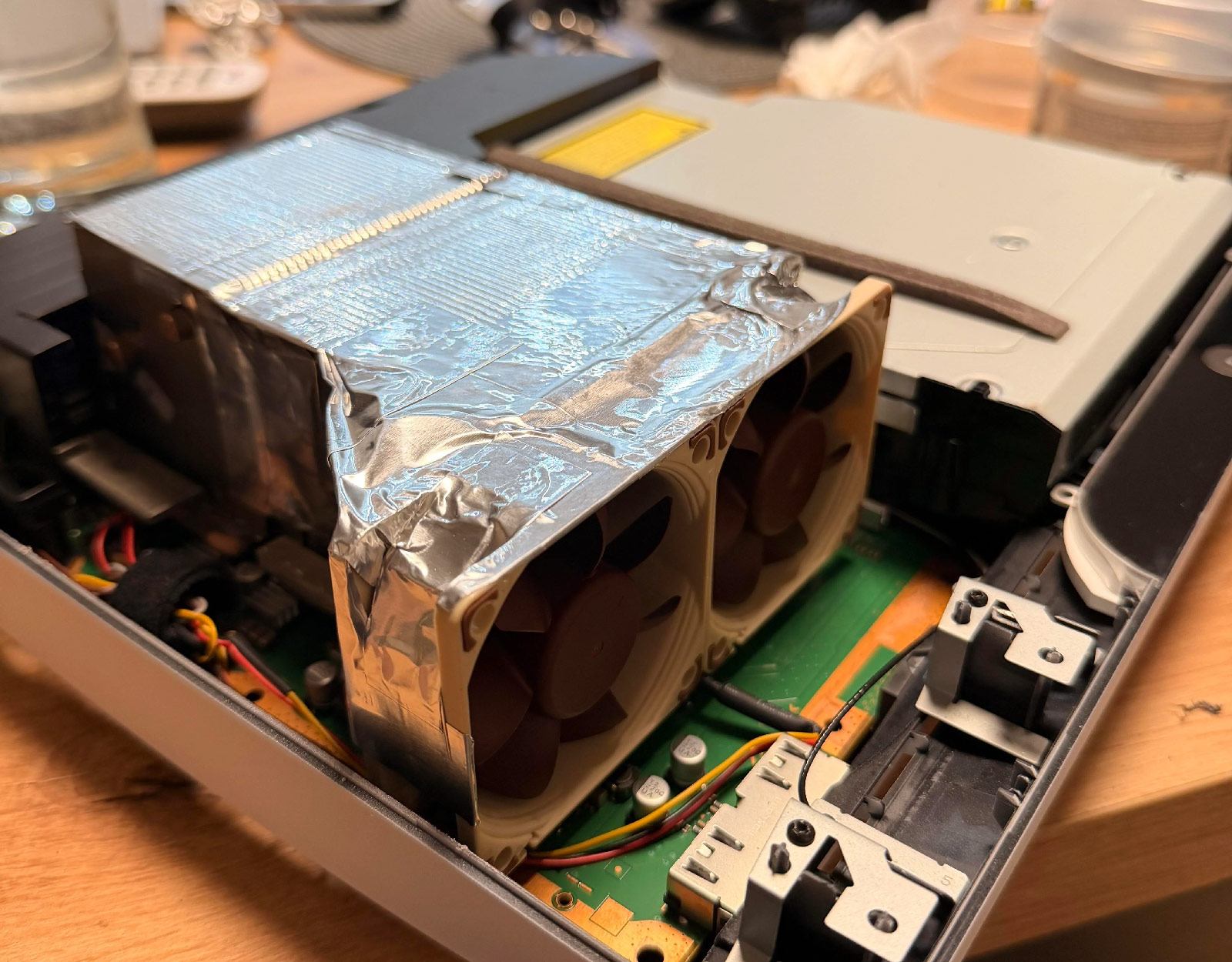
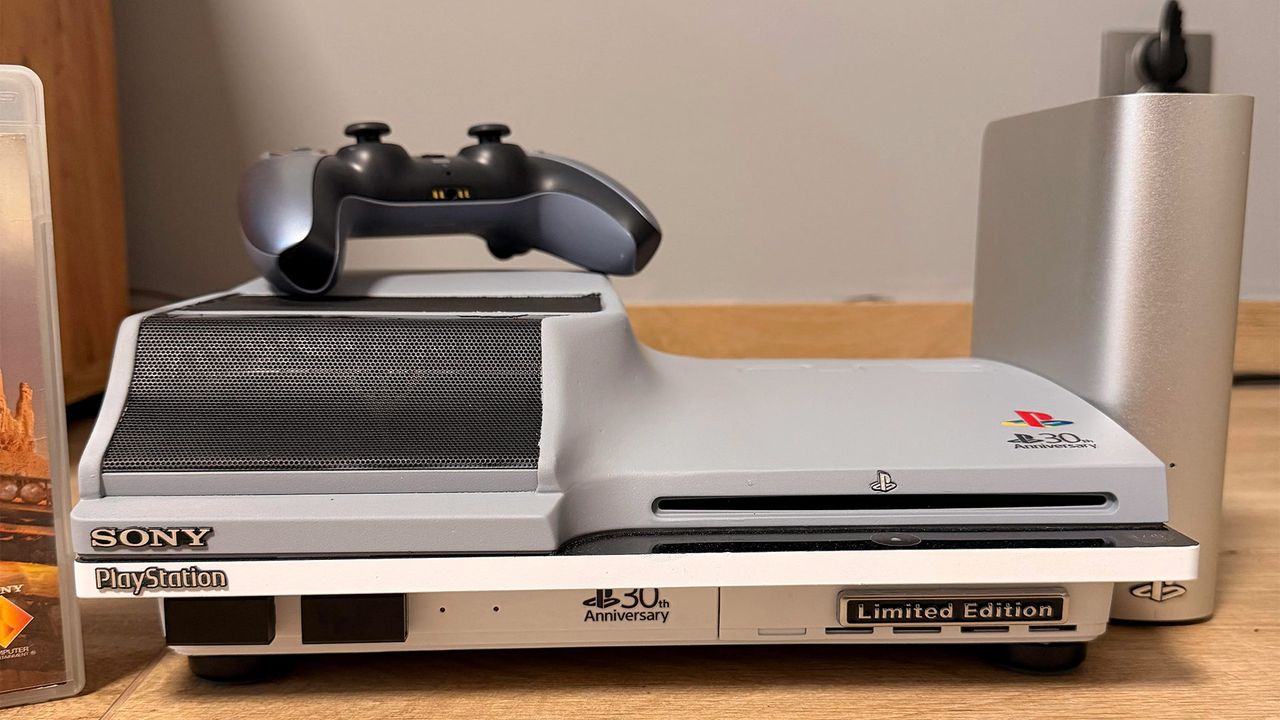
Hardware modder builds overclocked PS3 ‘Pro’ v3 with 3D-printed cooling mod — dual Noctua fans and server heatsinks provide FPS boost in 'almost every game'

A Sony PlayStation 3 console modder has shared images and details of their ‘PS3 Pro v3’ design. On the PS3 subreddit, Fun-Equivalent-7785 showcases this project, which includes a heavily customized 3D-printed top case, dual Noctua fans, and liberal use of tin foil. While you may love or hate the new aesthetic, the results seem impressive, with the PS3 overclocked like a champ and running very cool and quiet.

My ps3 pro v3 RSX 750/1000 512gb ssd, 2tb iso hdd, ps5 pad plus wingman xe2.
 from r/PS3

Yes, this is at least the third PS3 Pro mod from Fun-Equivalent-7785, but all projects benefit from refinement. PC builders will be familiar with the dread of unwrapping their motherboards and seeing the revision number is v1.0.0, contrasting with the pleasure of seeing v1.0.3. Moving swiftly back on topic, you can look and read about the first version of this PS3 Pro project here, and there’s also a video about the PS3 Pro v2.

In some comments following the original post, Fun-Equivalent-7785 provides more technical details about the PS Pro v3 mod. They claim that the processors aren’t delidded, nor undervolted. Instead, they have installed “server heatsinks” on Sony’s custom PS3 processors. In front of these, one can clearly see two chunky Noctua fans, presumably pushing much air through the heatsink fins. Tinfoil has been used to shape the ducting. The Noctua fans are somewhat wider than the heatsinks, and overall it is “super silent.”

The ‘PS3 Pro v3’ design.

(Image credit: Fun-Equivalent-7785)

One screenshot shows an overlay from the ‘PS3 Pro v3’ running. Specifically, we can see the CPU is 40 degrees Celsius, the Reality Synthesizer (AKA the RSX, a GPU) is 42 degrees Celsius, while the fans are only rotating at 24% max RPM. This is while the RSX is overclocked to 750 MHz core and 1,000 MHz memory. A stock PS3 would achieve around 500 MHz core and 650 MHz memory.

Those uprated numbers result in broadly improved performance in PS3 gaming. “Almost every game has a boost in FPS,” crows Fun-Equivalent-7785. The results seem pretty worthwhile, especially if you like the look of this design from Fun-Equivalent-7785.

While it is an interesting project that might inspire you to do something similar with your old PS3, there are some aspects to modding like this that you have to consider. This particular project isn’t a ‘product’ so you can’t just buy a kit to copy it. There aren't yet 3D printer resource files shared on GitHub or similar. We are also not aware of any other shared resources to make it easy for other modders to replicate the PS3 Pro v3 project.

Lastly, please remember, before you risk your precious PS3 under the knife, there can be risks to modding. For example, there are many opportunities to inflict accidental physical damage to electronics when undertaking DIY projects like this. Moreover, overclocking may shorten the lifespan of your console's components, and applying unofficial firmware has the potential to soft- or hard-brick your system.

✇Tomshardware

Xbox announces new disc-to-digital feature for physical media — lets players claim digital versions of their games, with support for Play Anywhere and Cloud Gaming

Xbox has unveiled its long-rumored new disc-to-digital service, which will let players who own physical copies of games claim digital entitlements, playing them as if they own digital copies. In an announcement, Microsoft confirmed support will include digital benefits such as Xbox Play Anywhere and Xbox Cloud Gaming.

"Players have spent decades building their XBOX libraries. Some games were purchased on disc. Some were purchased digitally. Many span multiple generations of hardware," the company stated in a blog post on Xbox Wire. Microsoft says the new feature "brings the benefits of digital to physical discs." Xbox Insiders can test the feature from August 31.

The company says that "most" disc-based games for Xbox One and Series X support the new feature. If you insert a game disc into your Xbox One or Series X, you can claim a "digital entitlement" by launching the game.

That means that games you own on disc will be accessible through your digital library, including support for Xbox Play Anywhere and Xbox Cloud Gaming "where supported."

You can also keep using your physical copy as normal. Microsoft says that "thousands" of titles are supported, with more being added over time, but confirms that not every title will be available at launch.

The news will be of some comfort to fans of physical media, especially given recent developments in the gaming sphere, notably Sony's decision to end physical media with its next console. While the move does give physical media a new lease of life in some regards, it still marks a shift away from physical media towards online, digital libraries, encouraging users to transition from physical to digital.

✇Tomshardware

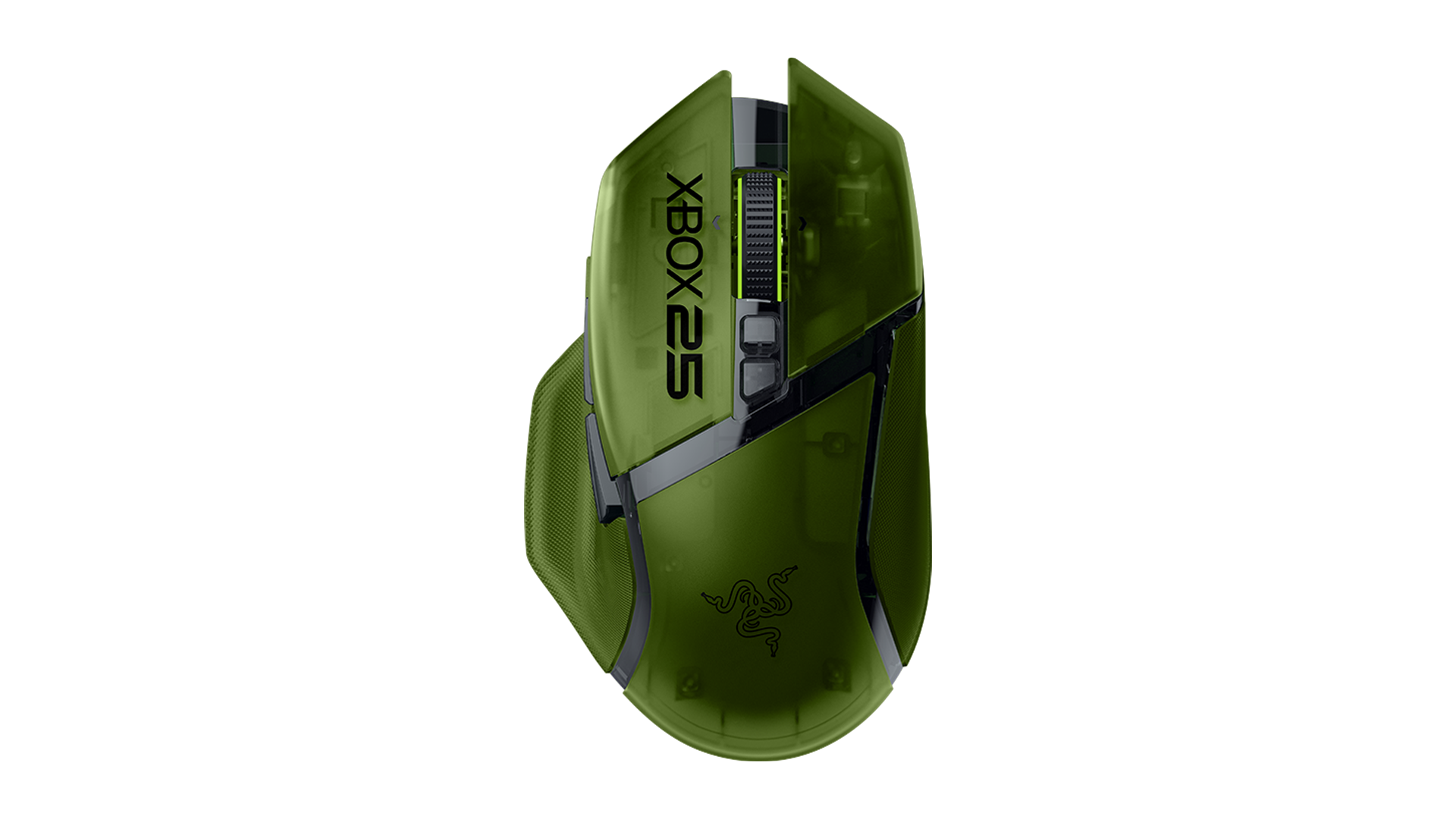
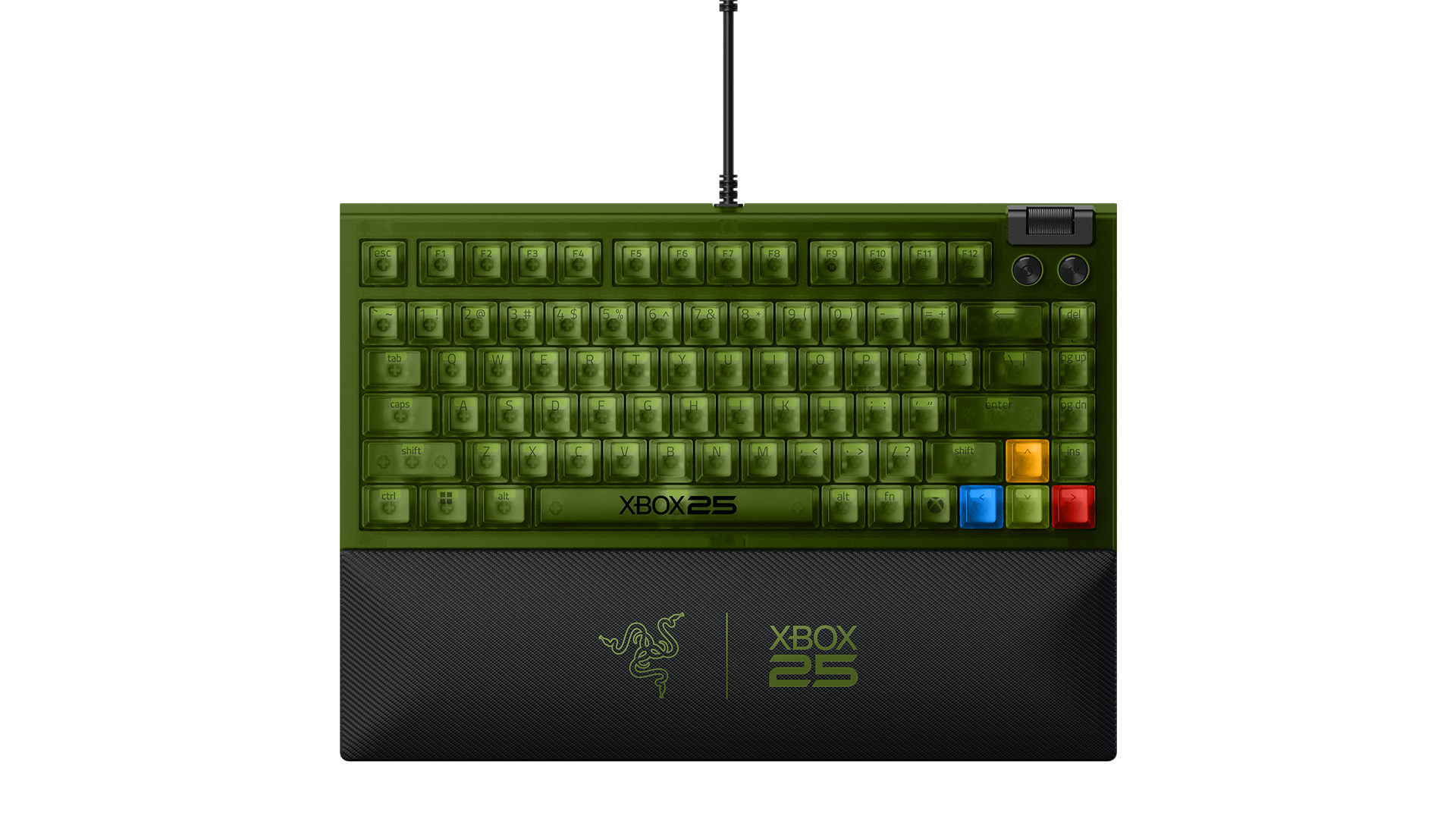
Xbox marks 25 years with eye-catching translucent green PC accessories — Razer mouse, keyboard, and earbuds available to pre-order now

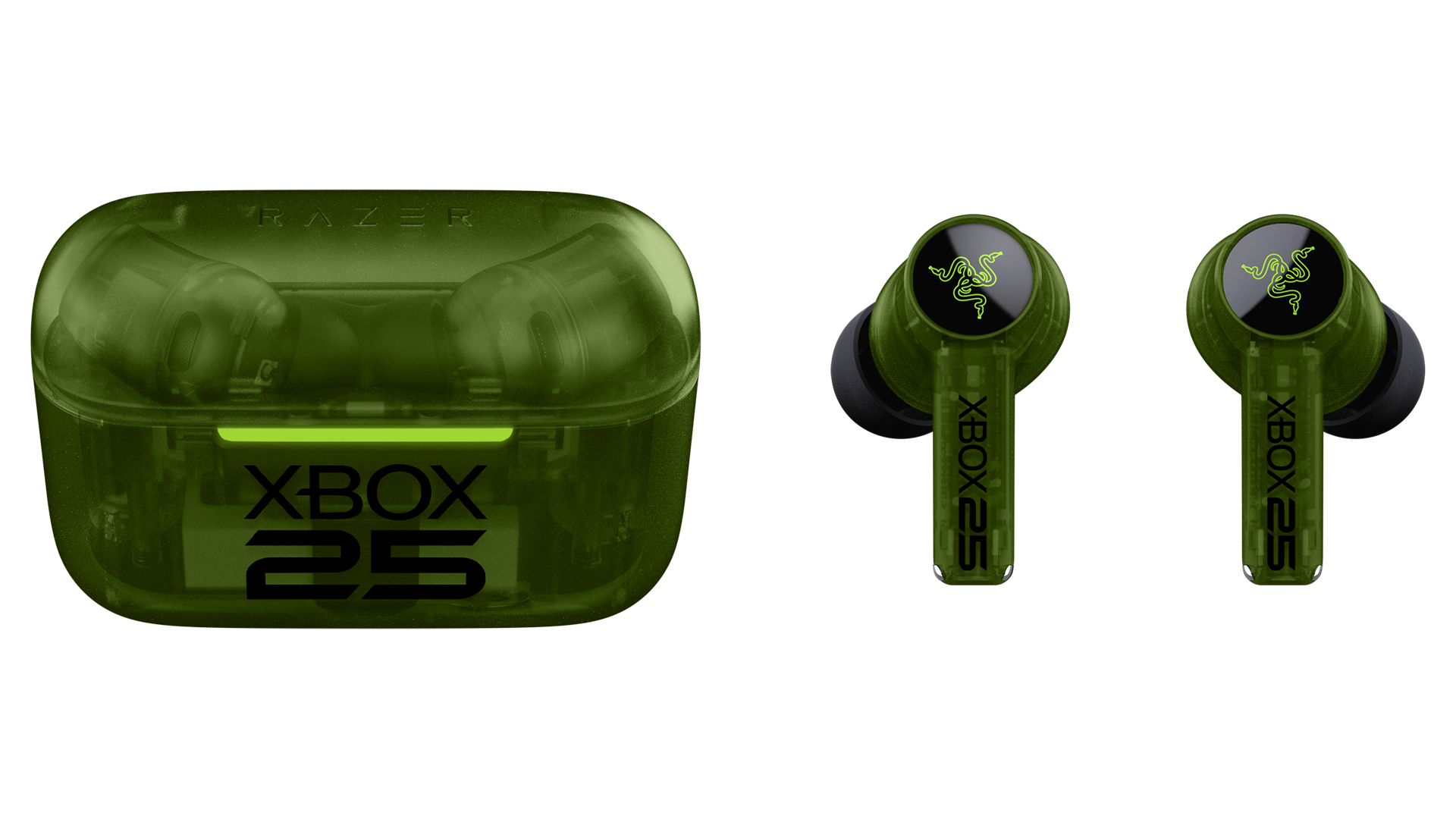
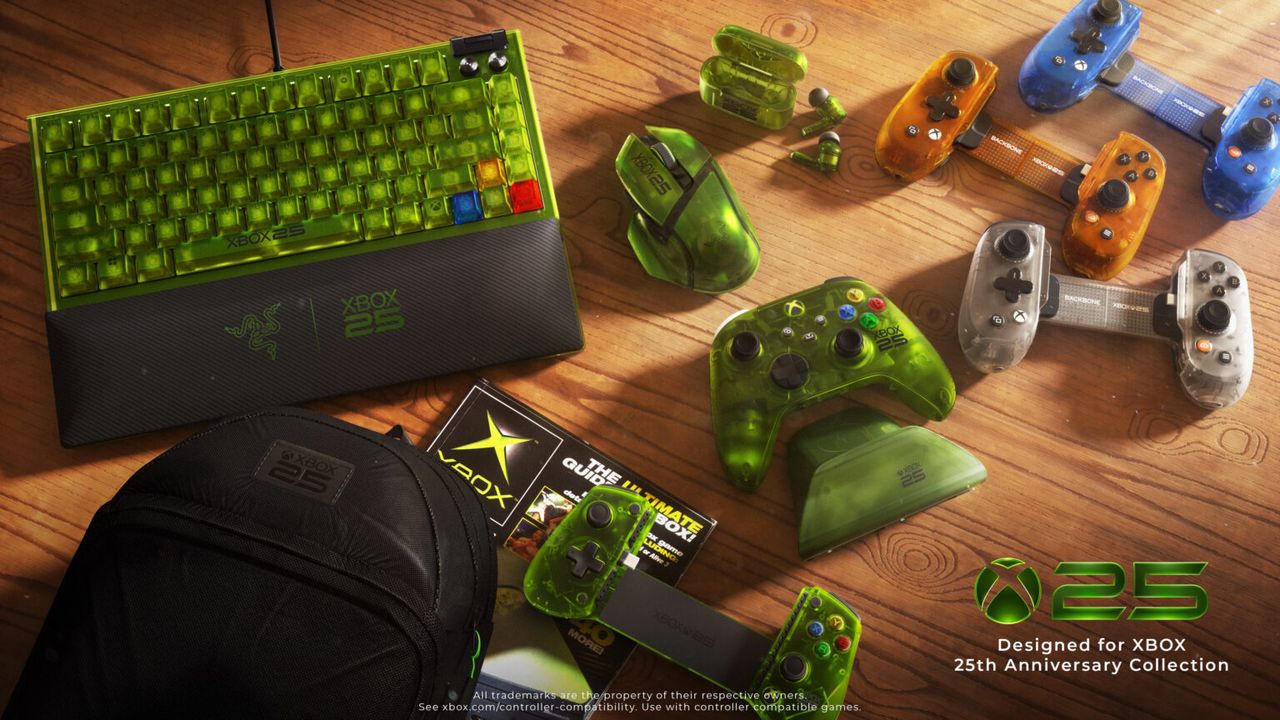
Microsoft has opened preorders for the Designed for Xbox 25th Anniversary Collection, a set of officially licensed peripherals in translucent "OG Green" marking 25 years since the original Xbox launched on November 15, 2001. Every item comes from a third-party partner rather than Microsoft, and the set leans toward PC and mobile, with three Razer desktop peripherals, two phone controllers, an 8BitDo charging dock, and a PowerA bag built to carry the Asus-made ROG Xbox Ally handhelds. Most units will ship in late October, with the Razer gear dated for October 20.

Razer naturally contributes the priciest pieces, with the Basilisk V3 Pro 35K mouse at $179.99, the BlackWidow V4 75% keyboard at $209.99, and the Hammerhead V3 X HyperSpeed for Xbox earbuds at $119.99, each carrying a $20 premium over the standard model.

Xbox-licensed Razer peripherals
Xbox
Xbox-licensed Razer peripherals
Xbox
Xbox-licensed Razer peripherals
Xbox

The Basilisk pairs Razer's Focus Pro 35K Optical Sensor Gen-2 with up to 140 hours of wireless battery, and the BlackWidow comes with hot-swappable Orange Tactile Switches Gen-3, the same internals as their standard versions. Backbone's Pro controller runs $159.99 in a blind-box format that hides which of three heritage colorways sits inside, GameSir's X5 Lite phone controller lists at $44.99, and 8BitDo's Ultimate Charging Dock lists at $39.99. The translucent green shells revive the look of the original Xbox and its Halo special editions, down to the four-color face-button palette that carries over to the separate anniversary console.

The keyboard carries a dedicated Xbox key that opens Windows Game Bar, the same shortcut the ROG Xbox Ally maps to its own Xbox button, and the collection's other anchors are a bag for that Windows 11 handheld and two clip-on controllers for phones. That composition aligns with the platform that Xbox has become, after Microsoft began rolling Xbox Mode out to Windows 11 desktops and laptops in April, extended the ROG Xbox Ally's full-screen interface across PCs, and started building its next-generation console on a custom AMD chip.

The Xbox Series X25 Limited Edition is the only anniversary product Microsoft makes itself, announced June 7 at the Xbox Games Showcase and due in November alongside a matching Wireless Controller X25 sold separately. It reuses the standard Series X internals with 1TB of storage in a translucent green shell, and Dealabs pricing cited by TechPowerUp puts it near $899, roughly $100 above the current 1TB Series X, though Microsoft hasn't yet confirmed a price.

✇Tomshardware

$50k worth of retro Nintendo NES games stolen in devastating home robbery — crooks took 850 games spanning 40 years from family

A family from Pierce County in Washington, Seattle, claims that thieves broke into their home and stole a haul of retro Nintendo hardware worth more than $50,000. Amongst other items taken, Fox13 reports the perps made off with more than 850 NES games, collected by the family over the span of some forty years.

According to the report, the thieves simply forced entry to the home by breaking in through the front door. The stricken family told the outlet that it appeared the thieves knew the layout of their home, targeting the master bathroom and making off with a tennis bracelet, amongst other things.

"They’ve been in our home. They know our home layout. They’ve been in our master bathroom. They took my wife’s tennis bracelet," Roger Holler said. The prize haul, however, seems to have been the aforementioned bundle of retro video games.

Holler told the outlet he had begun collecting Nintendo games from 1984, and had spent some 30 years "driving around on the weekends from game store to game store." Holler's son reportedly said the father and son duo would spend up to 10 hours on car journeys, collecting and cleaning the cartridges.

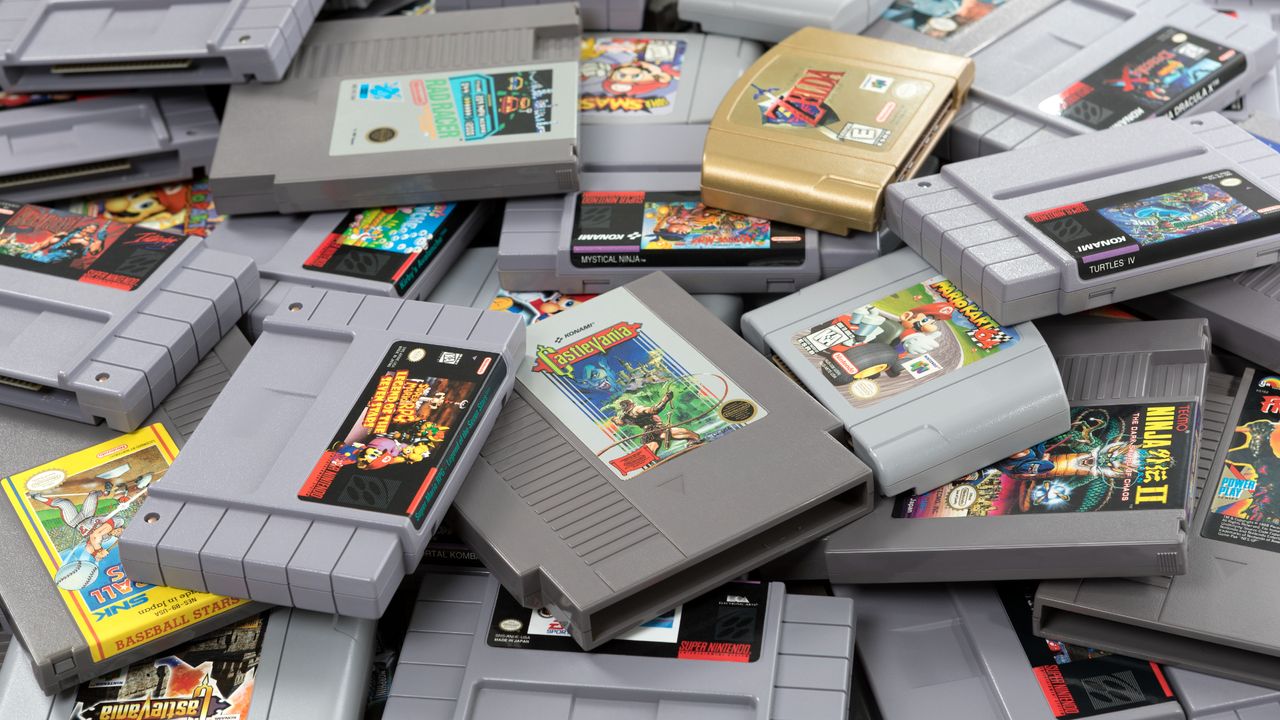
All in all, the collection amounted to 850 NES games, some of which are said to have been worth a small fortune. An image from the report shows five games that appear to be from the collection, likely not worth more than $25 a piece as loose cartridges. They are:
  • The Legend of Kage (1987)
  • Ice Climber (1985)
  • Raid on Bungeling Bay (1987)
  • Rygar (1987)
  • Donkey Kong 3 (1986)

Depending on the condition and the game, NES titles can indeed fetch astonishing amounts of cash in today's retro market. One lucky scavenger recently discovered a collection of 97 untouched Duck Hunt and Super Mario Bros. cartridges, thought to be worth $10,000 each. In 2024, an ultra-rare NES Gold Nintendo World Championships cartridge sold for $207,400.

Given the stated value of the stolen collection, Holler told the outlet that it "was going to be my grandkids' inheritance or college tuition." Beyond the financial value, Holler lamented the loss of decades of family history.

✇Tomshardware

Asus ROG Xbox Ally X20 with OLED screen available October 15, pre-orders start now — standalone system for $1,299.99, or an AR bundle for $2,499.99

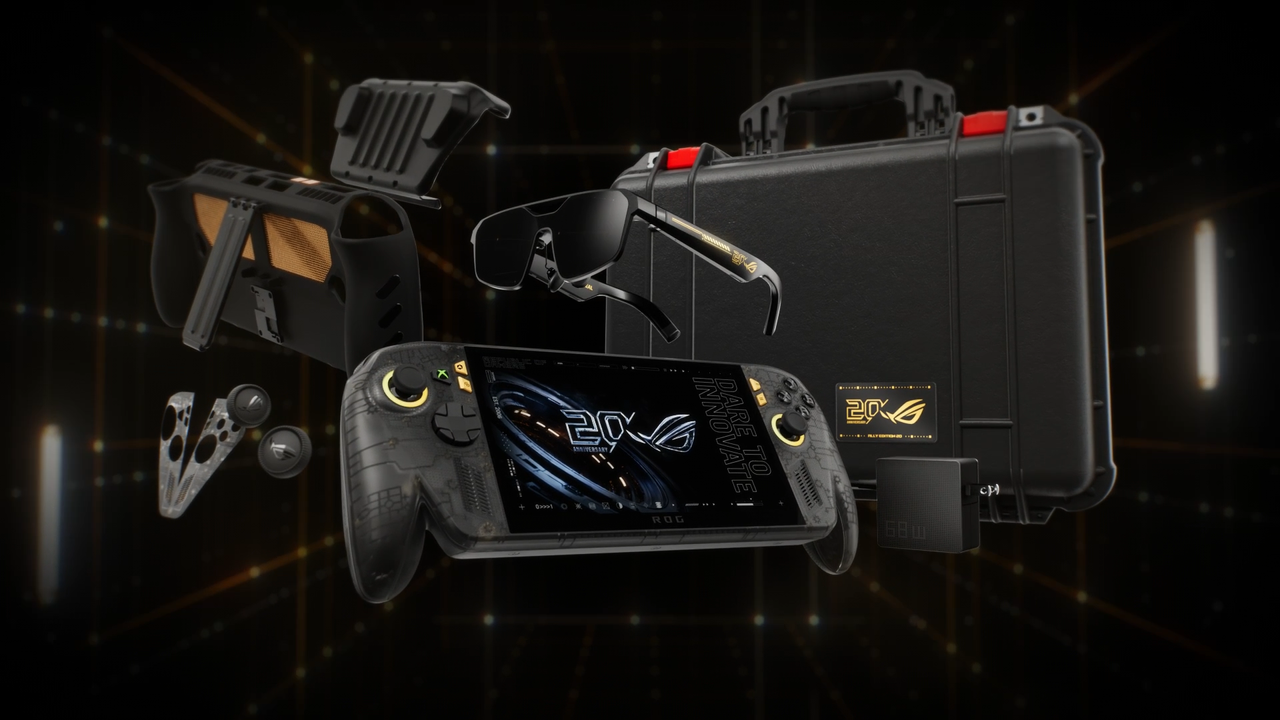
Asus has finally opened pre-orders for the ROG Xbox Ally X20, an upgraded version of its flagship handheld with an OLED screen and transforming D-Pad. On its own, the system will sell for $1,299.99, while a bundle with the ROG Xreal R1 Edition 20 AR glasses, a dbrand Killswitch case, and a custom Pelican case will cost $2,499.99. The device will be available on October 15 at the Asus Store at Best Buy.

See the Asus ROG Xbox Ally X20 at Asus

See the Asus ROG Xbox Ally X20 at Best Buy

Initially, Asus had only announced the bundle, but later turned around and said a standalone version of its new take on the best handheld gaming PC. Given that this version of the Ally has an OLED screen (one of the biggest drawbacks of the original), it didn't make much sense to force a pair of AR glasses when so many people would want to look at the built-in display.

The original ROG Xbox Ally X, which, released in the fall of 2025, still costs $999.99. This new version, with a translucent shell, the OLED screen, transforming d-pad (from 4-way to 8-way), TMR joysticks, and rubberized grips, will come with a $300 premium before you add the bundle. What isn't changing is the internals: the X20 will still come with an AMD Ryzen AI Z2 Extreme processor.
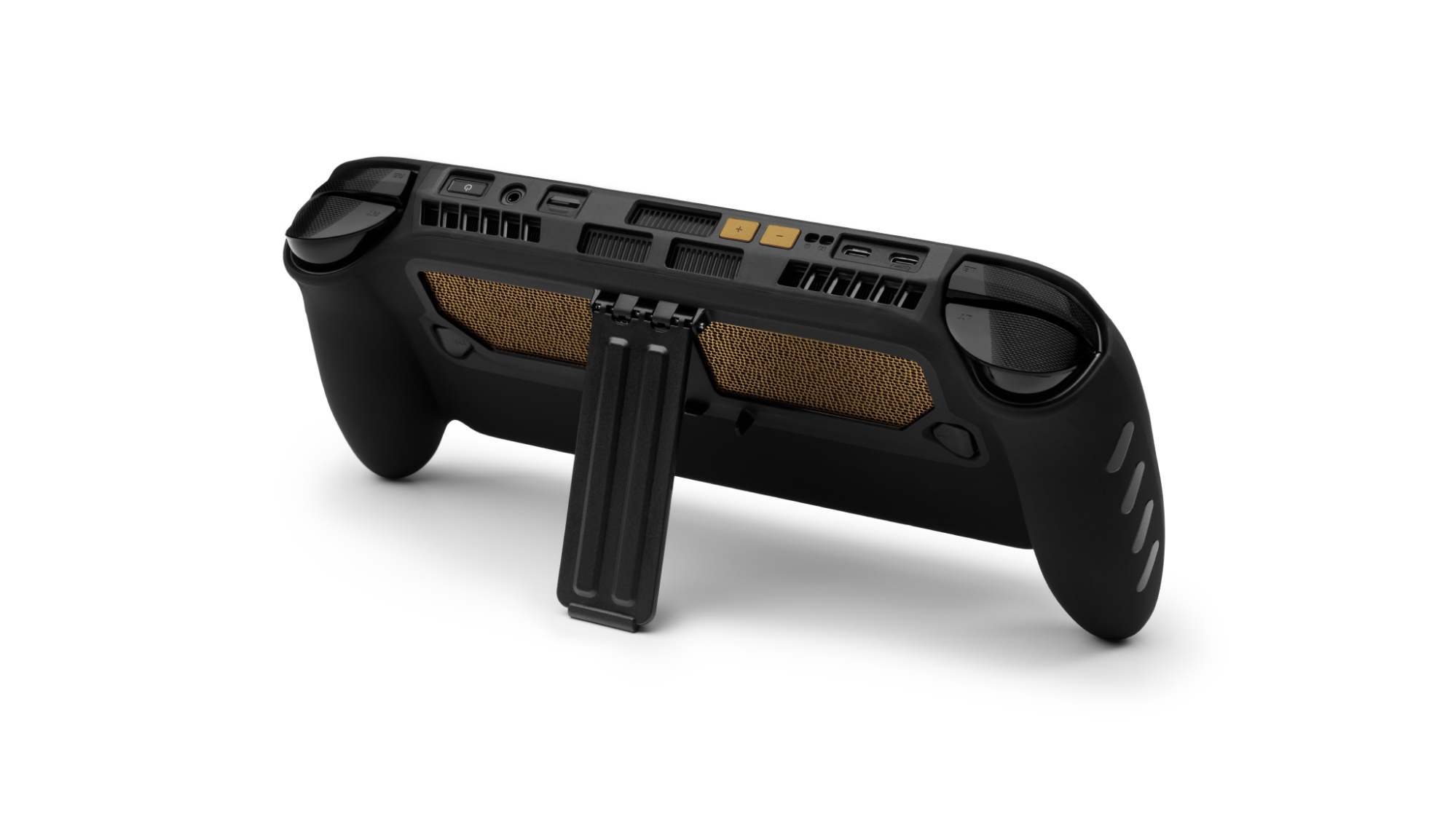
The dbrand Killswitch in the bundle blocks much of the clear plastic, but has black and gold accents, as well as a built-in kickstand. The Killswitch also includes a skin that shows what's inside the Ally, but given that the black plastic is seethrough, it seems somewhat redundant.

Asus ROG Xbox Ally X2

(Image credit: Asus)

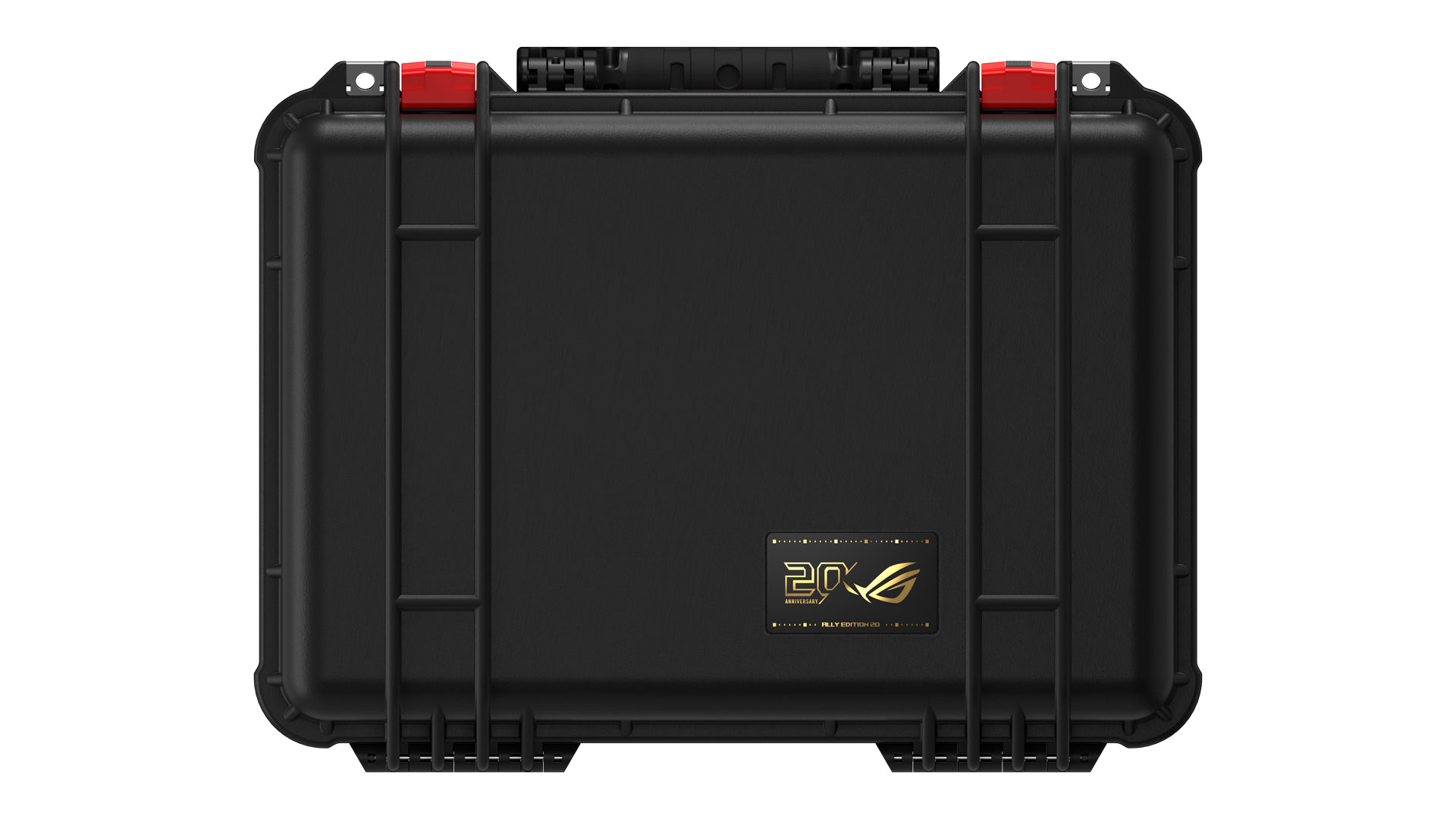
The Pelican case is exactly what you would expect: a black box with red latches. There is a black-and-gold ROG 20th Anniversary logo, but all things considered, this is the most restrained item in the entire anniversary lineup. While I appreciate a case for the device, this is pretty heavy-duty.

Asus ROG Xbox Ally X2

(Image credit: Asus)

The ROG Xreal R1 glasses appear to be functionally identical to the version we reviewed earlier this year, but with black and gold accents.

The ROG Xbox All X20 was originally announced at Computex, along with a suite of twentieth anniversary ROG computer components that cost as much as $15,000 in one PC build. Beyond components and the handheld, there is also a twentieth anniversary monitor, keyboard, mouse, router, and NUC mini PC.

✇Tomshardware

Nintendo takes down over 400 GitHub repositories for Switch emulators in one go — Relentless DMCA strikes tied to piracy concerns over illegal cryptographic keys

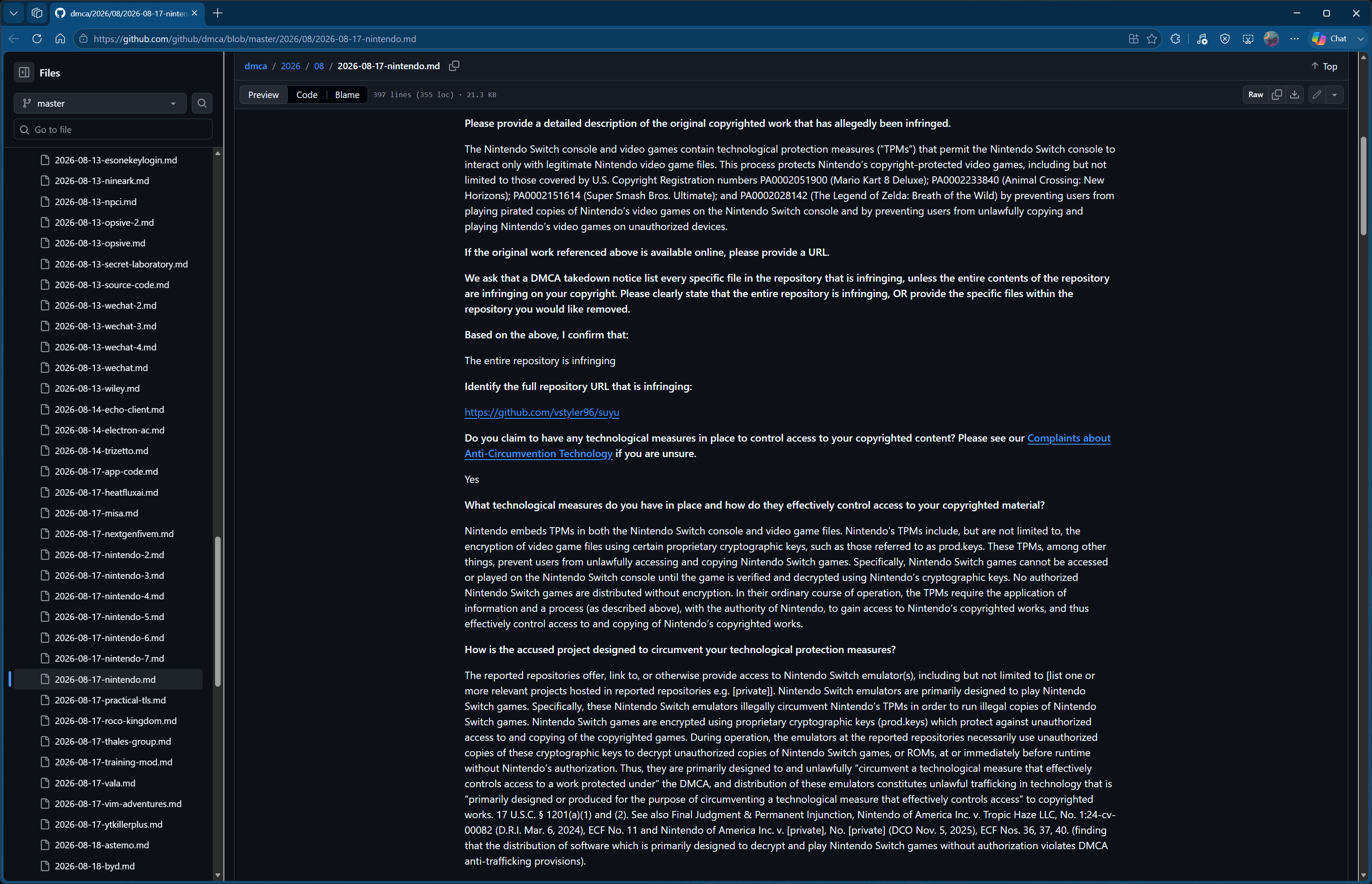
Nintendo has just issued DMCA takedowns against seven GitHub repositories hosting Switch emulation code, leading to 401 affected repos being removed from the platform. Most of these belonged to a single parent repo of the Suyu emulator, which itself is a fork of the previously shut down Yuzu emulator. Nintendo leveraged GitHub policies to their fullest extent to execute its notice, arguing that emulators inherently rely on circumventing anti-piracy protections built into Switch games.

TorrentFreak reports that this was a coordinated campaign by Nintendo as it filed seven different strikes on the same day. GitHub has a rule that says if a parent repo contains more than 100 forks, then the platform will not look at each one individually but rather remove the entire network. Suyu had 311 of these repos under its parent, so all of them were wiped off the map. Suyu was born in 2024, picking up after Yuzu following a lawsuit against its creators, Tropic Haze, that ended in a settlement.

Nintendo's DMCA takedown for Suyu

(Image credit: Future)

Besides Suyu, the Android-based Skyline emulator was also affected in this campaign, but it has already been defunct for the past three years. It's not based on Yuzu, so it stands out in this lineup. Skyline devs actually stopped development in 2023, fearing legal repercussions, so the source code has remained dormant, but it did have 29 independent forks under the parent repo. Since it's an open-source project, anyone can iterate on it and publish their own versions.

Similarly, Yuzu Android, another fork of Yuzu was also struck with a DMCA notice that took down 8 forks under it. NicholasArvani's Yuzu fork had a network of 14 repos that were removed. A repo focusing on an early access build of Yuzu with 21 forks was taken down as well. Finally, MonoNX and its 17 forks, along with the parent repo of the main Yuzu emulator, were hit by Nintendo, too. These repos now link to the seven DMCA notices Nintendo sent to them, as visible in the sidebar, while their forks may return a 404 error.

Nintendo's DMCA against seven GitHub repos hosting Switch emulation code

(Image credit: Future)

The reasoning for the takedown is tied to piracy, with the company saying these emulators "illegally circumvent Nintendo's TPM in order to run illegal copies of Nintendo Switch games." Switch games require cryptographic keys upon every boot to verify the authenticity of the title, and emulators rely on a ripped-off prod.keys file to bypass this failsafe at runtime. Nintendo argues that, therefore, these keys are used to play pirated games instead of legally acquired ones.

The company lists two previous court cases as justification. The first one is its settlement with Tropic Haze — the devs behind Yuzu — and the second one is a default judgment against streamer EveryGameGuru who streamed pirated copies of Switch games ahead of their release using emulators. According to Nintendo, both convictions prove that merely providing the tools that lead to piracy also constitutes illegal trafficking since they rely on circumventing the company's TPM.

Keep in mind that neither case actually set a legal precedent because they weren't contested rulings where a judge interpreted the law; there was no verdict. Tropic Haze decided to settle, and EveryGameGuru failed to appear in front of a court entirely, granting Nintendo a victory by forfeiture. Still, the outcome of either case sets a strong legal blueprint on which the Japanese game company stands today as it tries to warp the legal precedent surrounding emulation as a whole.

✇Tomshardware

Group plans one-week PlayStation blackout to protest Sony’s plan to end physical game production — calls for players to turn off their consoles or log out of PSN from August 23 to 30

Sony’s decision to end physical game production by 2028 is facing backlash from the community, with one group announcing a concrete protest. DoesItPlay, a community dedicated to video game preservation, has called for a one-week boycott of PlayStation, asking players to turn off their consoles or log out of the PlayStation Network from August 23 to 30. According to its Bluesky post, the community, along with other creators, is calling for a one-week #PSBlackout starting tomorrow, asking for “No logins, no play sessions, no purchases on any of Sony’s platforms.”

Unfortunately, many say this move likely won't make much of an impact. That’s because the last week of August is “ordinary,” with no major events or PlayStation-related launches. In fact, it’s also the same week as Gamescom, so many hardcore gamers would likely be away and at the convention anyway. Some comments on DoesItPlay’s post suggest more drastic measures, like a mass cancellation of PSN subscriptions for three months or even mass refunds of pre-selling digital games, arguing that a boycott or blackout with an expiry date is meaningless, as Sony will simply wait it out.

Other users are showing their displeasure with the move towards digital-only releases in more drastic ways. One example of this is Cyberleek, who leaked gameplay clips and the entire map of Leonidas a week before GTA VI’s extended look trailer is set to come out on Netflix. Take-Two is already taking steps to find out who was behind the leaks, but only after it became apparent that the hacker apparently has a full working build of the much-anticipated game. While the leaker did not mention anything about Sony’s plan to go fully digital, Cyberleek opposed the decision to offer pre-selling digital copies of GTA VI and threatened to keep releasing leaks until the publisher issues a public apology and “a concrete commitment to be better.”

Sony wants to abandon fans? Let's give them a small taste of their own medicine!Together with other creators we call for a 1 week #PSBlackout in August. No logins, no play sessions, no purchases on any of Sony's platforms.

— @doesitplay.org (@doesitplay.org.bsky.social) 2026-08-23T02:04:05.199Z

The gaming industry has been slowly moving away from physical media and toward fully digital releases, especially with the prevalence of the Steam and Epic storefronts. However, what many do not realize is that “buying” games from most of these services does not equate to ownership—something Steam had to clarify on its checkout page in 2024.

The only major distributor that currently offers complete ownership is GOG, which says, “A purchase of a digital content on GOG grants you its Offline Installers, which cannot be taken away from you.” Subscriptions like PC Game Pass have also started offering short-term convenience for gamers, especially those who only want to play something for a while and don’t mind losing access to the game after they’ve already completed or grown tired of it.

Companies like Sony are likely reacting to market preferences for digital games, which is probably why it doubled down on its decision to axe physical game discs. One way consumers can force these tech companies to keep physical distribution alive is by putting their money where their mouth is and start purchasing game discs from retailers instead of downloading them from online storefronts.

✇Tomshardware

GTA 6 leaks prompt Take-Two to subpoena Microsoft for Windows device IDs of everyone in three Discord servers — daily gameplay leaks shatter cloud of secrecy around the much-hyped game

Take-Two Interactive filed two DMCA subpoenas in the Southern District of New York on August 20, demanding that Microsoft and Discord identify the person or persons behind the "CyberLeek" persona responsible for this week's Grand Theft Auto 6 gameplay leaks. Take-Two wants more than just names and is asking for MachineGuid and MSA device identifiers, registration and last-login IP addresses, phone numbers, linked Google and Xbox connections, and OneDrive contents for every account that communicated in three named Discord servers since June 1. Both subpoenas, filed by Dale Cendali and Joshua Simmons of Kirkland & Ellis, set a September 4 deadline.

MachineGuid is a Windows value generated during installation and, according to Microsoft's own support documentation, stable across hardware changes unless the OS drive is replaced. Attachment A asks Microsoft to return that identifier for every account that was a member of, or communicated with any of the three listed Discord servers between June 1, 2026 and the present, in addition to the three handles named in the filings.

The Discord subpoena names three servers: Ødyssey.gg (guild ID 1517326120867991592), "! Odyssey" (1127436882800816149), and DarkViperAU (268280696601051136). The Microsoft subpoena describes the first of those as a cheat community and labels it the "operator's home." It also demands device telemetry where certain "tool/file artifacts" were present on a system, though no list of those artifacts appears anywhere in the exhibit.

Take-Two's petition directs the Microsoft subpoena to the company as GitHub's service provider, not as the operator of Xbox or OneDrive. The predicate takedown notice, filed as an exhibit, was sent on August 19 by Take-Two IP paralegal Alex Aviles to GitHub's copyright address over a single repository, zyrexdz/cyberleek-leak-research. It states that the repository "must be completely disabled, there are no remedies to rectify this clear case of infringement." At the time of writing, the GitHub repo is public with nearly 500 stars, more than 30 forks, and a commit pushed at 16:18 UTC.

Discord account and server IDs encode their creation time, and decoding the IDs in the filings dates the CyberLeek account to January 10, 2019, and the DarkViperAU server to January 10, 2017. Australian creator Matthew "DarkViperAU" Judge, whose server the filings describe as an editors' server, denied any knowledge in a post on X, writing "I don't know anything." The Ødyssey.gg server decodes to June 19, 2026, which is 18 days after the start of the June 1 records window. The Discord petition also lists 1517326120867991592 as a user ID belonging to the handle Surfer24k, while both subpoena attachments list the same number as the Ødyssey.gg server ID.

Take-Two has filed multiple subpoenas seeking info to catch the GTA 6 leaker. They're asking for my discord info, I'm mentioned by name.- I don't know anything. - That isn't my editors discord. - There aren't even any clips of the leaks in either of my Discords. I am… pic.twitter.com/uhhZOlvmf9August 21, 2026

A sixth gameplay video leak appeared on August 21, six days before Grand Theft Auto 6: An Extended Look premieres on Netflix. Rockstar's parent company was itself hacked by ShinyHunters in April, while CyberLeek claims to have a full, working build and has published a manifesto attacking digital-only preorders.

✇Tomshardware

Spending on physical games falls to lowest on record since 1995 — US console sales plunge 39% in July as memory costs push average price to $542

Spending on physical game disks has fallen to the lowest recorded level since tracking began in 1995, according to a new report documenting a drastic slump in the console market. U.S. console hardware sales fell 39% by unit volume in July against a year earlier, while the average price paid for a new system rose 16% to $542, according to Circana data posted by analyst Mat Piscatella on August 20.

Dollar sales came in at $282 million, down 29% and the lowest July total since 2020, with Piscatella tying the drop to console price increases caused by the RAM and component crisis, a link Circana hadn't made in its monthly reporting before. PlayStation 5 units fell 6%, Xbox Series units fell 18%, and Switch 2 units fell 51%, with Nintendo's own $50 price increase still to come on September 1.

PS5 dollar sales rose 29% in July even as unit sales fell 6%, a gap driven by Sony's $100 increase across the PS5 range in April, which took the standard console to $599 and the PS5 Pro to $899. Sony still led the month in dollar sales, while the Switch 2 led in unit volume.

Switch 2 dollar sales fell 52% alongside the 51% unit decline, and the original Switch dropped 62% in units and 61% in dollars. Nintendo's Switch 2 is the only one of the three current platforms that hasn't raised its U.S. price yet, but that’ll change when the console goes to $499 on September 1. The company's RAM costs for the console rose 41% late last year, and Nintendo reportedly cut planned Switch 2 output by 2 million units in March. Piscatella noted the comparison is skewed by the record-setting June 2025 launch, and that the Switch 2 is still 11% ahead of the original Switch's time-aligned pace.

Xbox Series dollar sales fell 18%, matching its unit decline, after Microsoft raised prices on every Xbox model for the third time in two years and dropped the 2TB Series X. Xbox CEO Asha Sharma has said the company will pay five times more for memory and storage in 2027 than it did two years earlier. Taken together, the July numbers work out to roughly 520,000 consoles sold across all platforms, against around 850,000 a year earlier, based on Circana's dollar totals and average selling prices.

As for physical game discs, spending fell to $85 million in July, the lowest July figure Circana has recorded since tracking began in 1995, according to the firm's full report as cited by Kotaku. Nintendo platforms account for 63% of U.S. physical game spending so far in 2026 and PlayStation for 32%, leaving Xbox a little over 4% once PC collector's editions are stripped out. Sony has already committed to ending disc production for new PlayStation games in January 2028.

Microsoft stopped sharing digital sales data with Circana as of the July report, Piscatella confirmed, and EA also left the firm's digital panel around the time it went private. That means Circana now estimates rather than measures digital sales for Xbox, Activision, and Bethesda titles, including Call of Duty: Black Ops II, which topped July's chart on its new PS4 and PS5 port. Total U.S. video game spending across content, hardware, and accessories fell 10% to $4.5 billion in July.

❌