阅读视图

发现新文章,点击刷新页面。
✇Tomshardware

Dell Pro 5 Webcam 2K Review: So you can look good in office

Just because you're in the office doesn't mean you might not still need to be on camera — so I guess it's not too surprising that some of the best webcams are made specifically for the office. Or that Dell is the one to make them.

Dell's new office-oriented 2K webcam, the Dell Pro 5 (WB526), is a small, lightweight webcam that records video at 2K QHD / 30fps, 1080p / 30fps, and 720p / 60 and 30fps. It sports a Sony sensor and has a 78-degree field of view, 2x digital zoom, and an autofocus lens with a maximum aperture of f/2.0. As for its "office-friendly" features, it's compatible with Windows Hello, and it has an "anti-theft interface" and comes with a lockable cable that you can attach to a loop on the non-detachable USB-C cable. It also has some intelligent features, such as smart auto-exposure, AI auto-framing, and face tracking, as well as a built-in omnidirectional microphone that doesn't sound quite as terrible as most built-in webcam mics. It's available now for $119.99, though it's currently on sale for $114.99.

Design

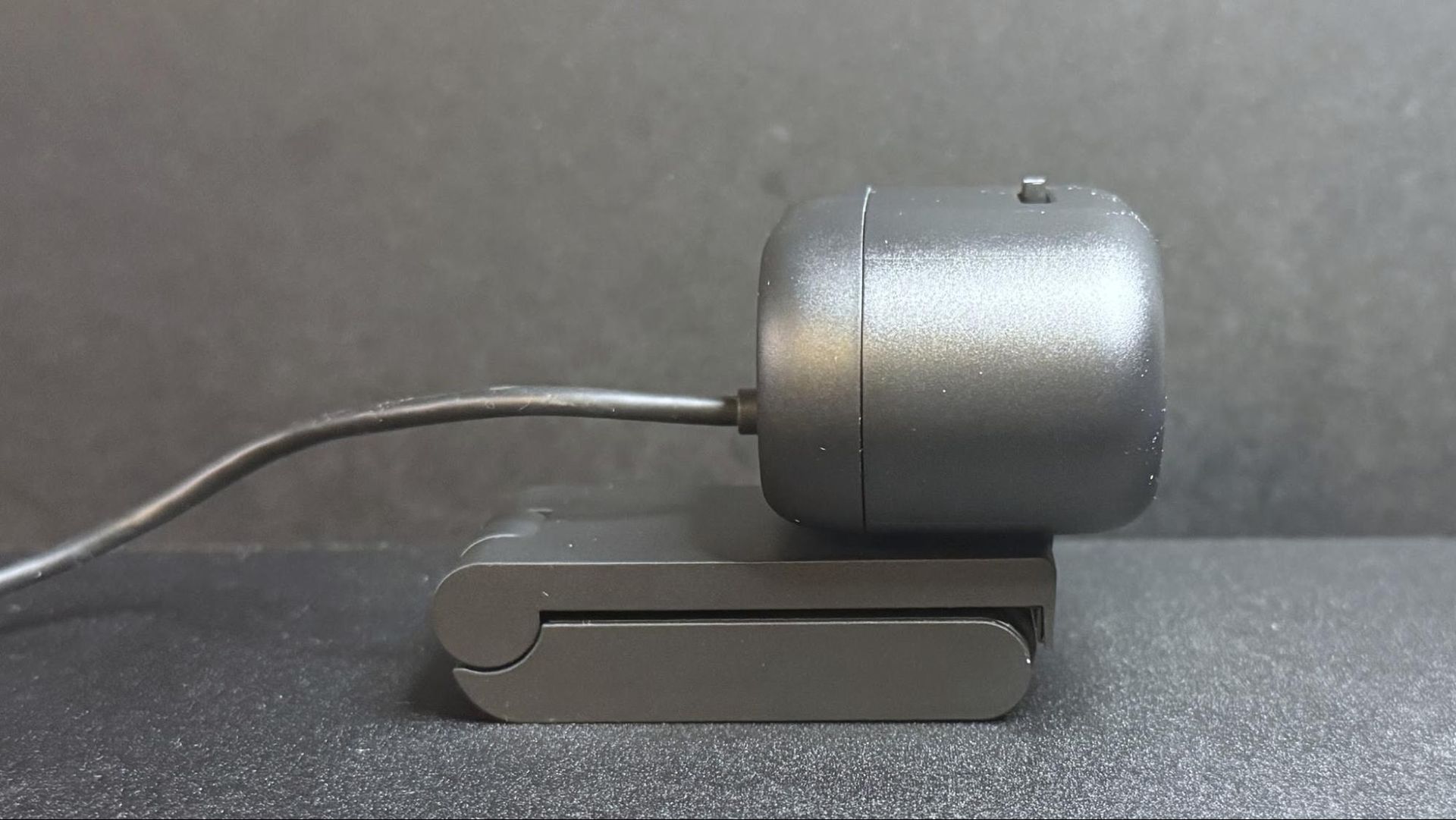
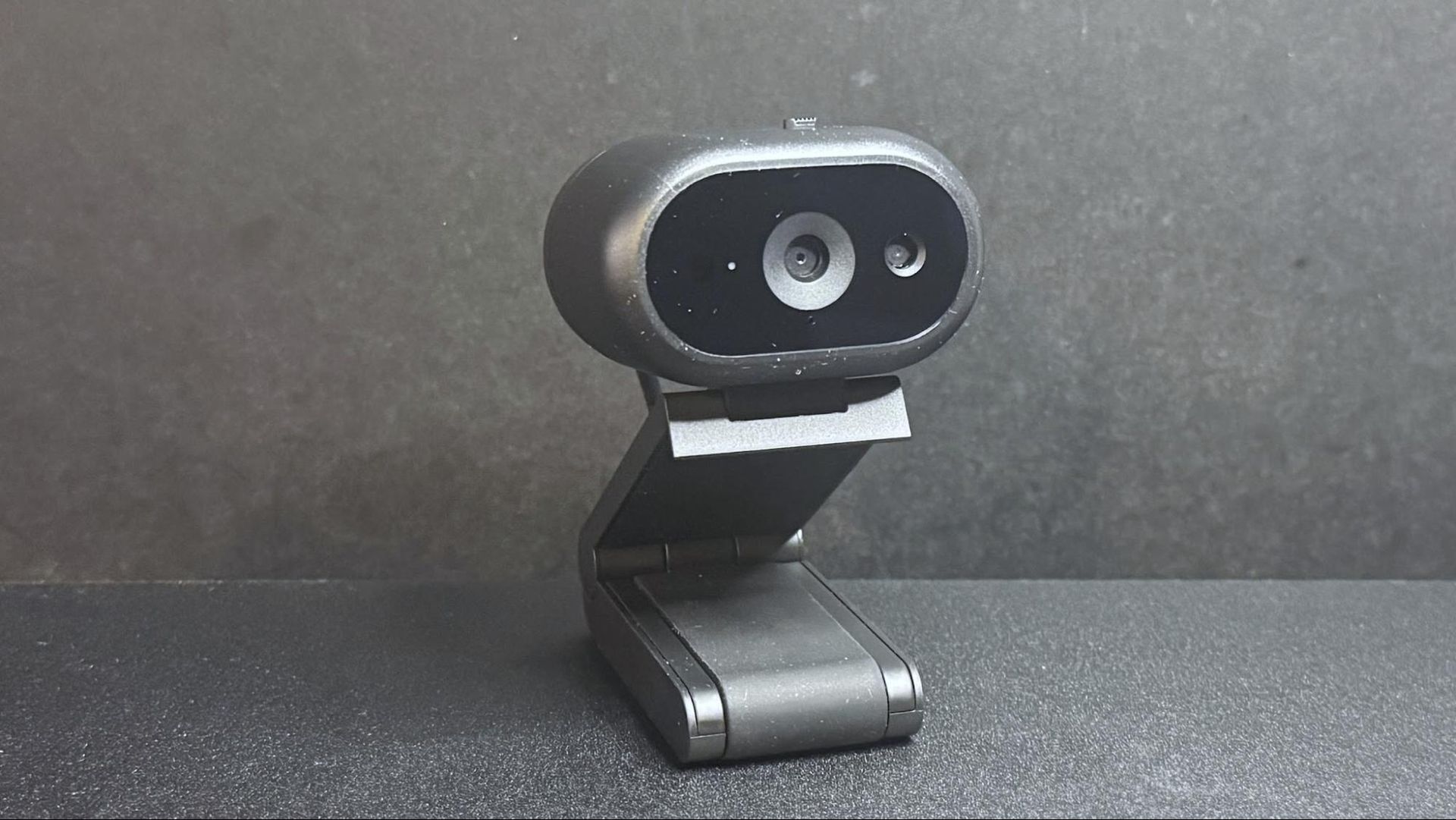
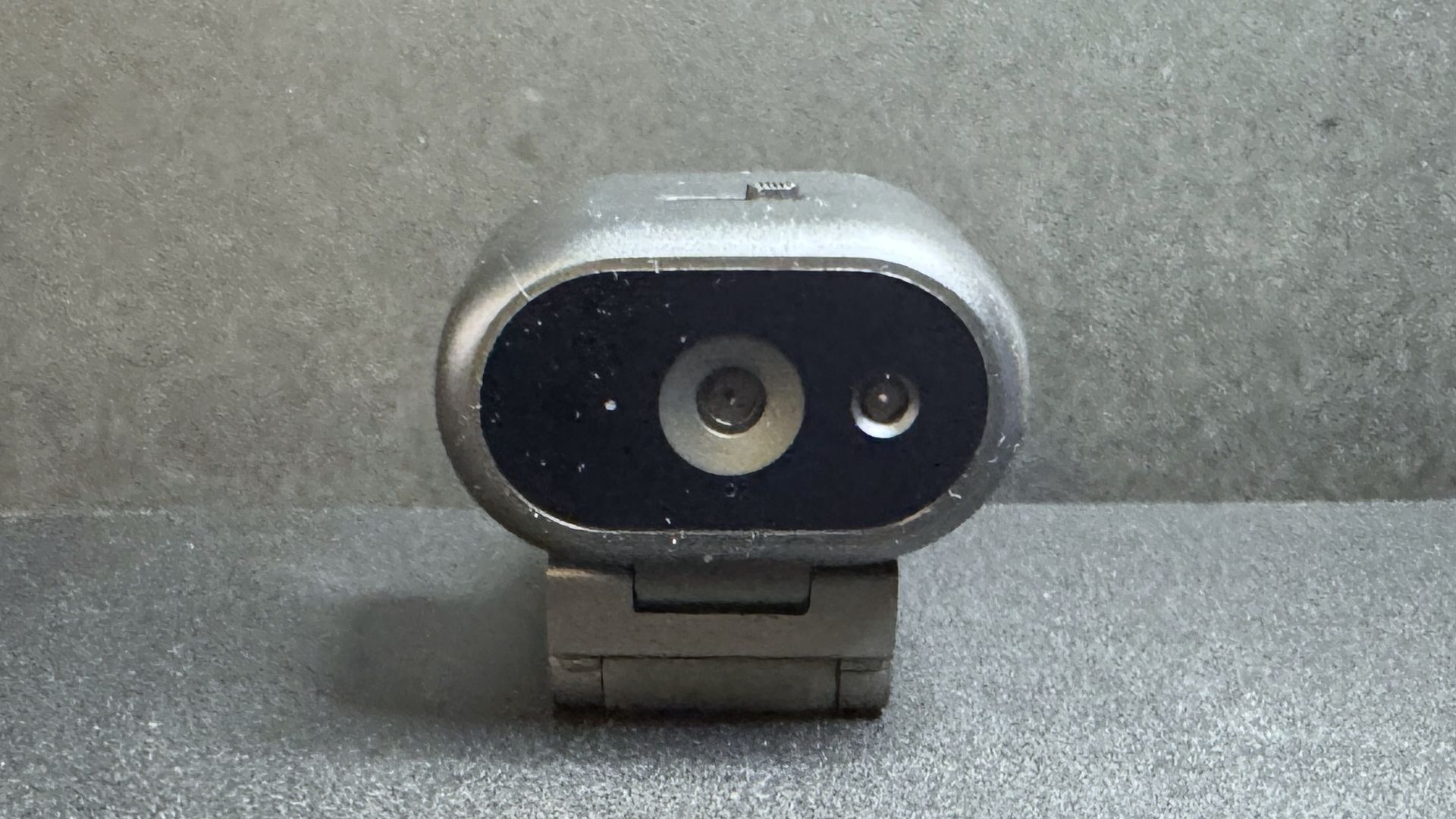
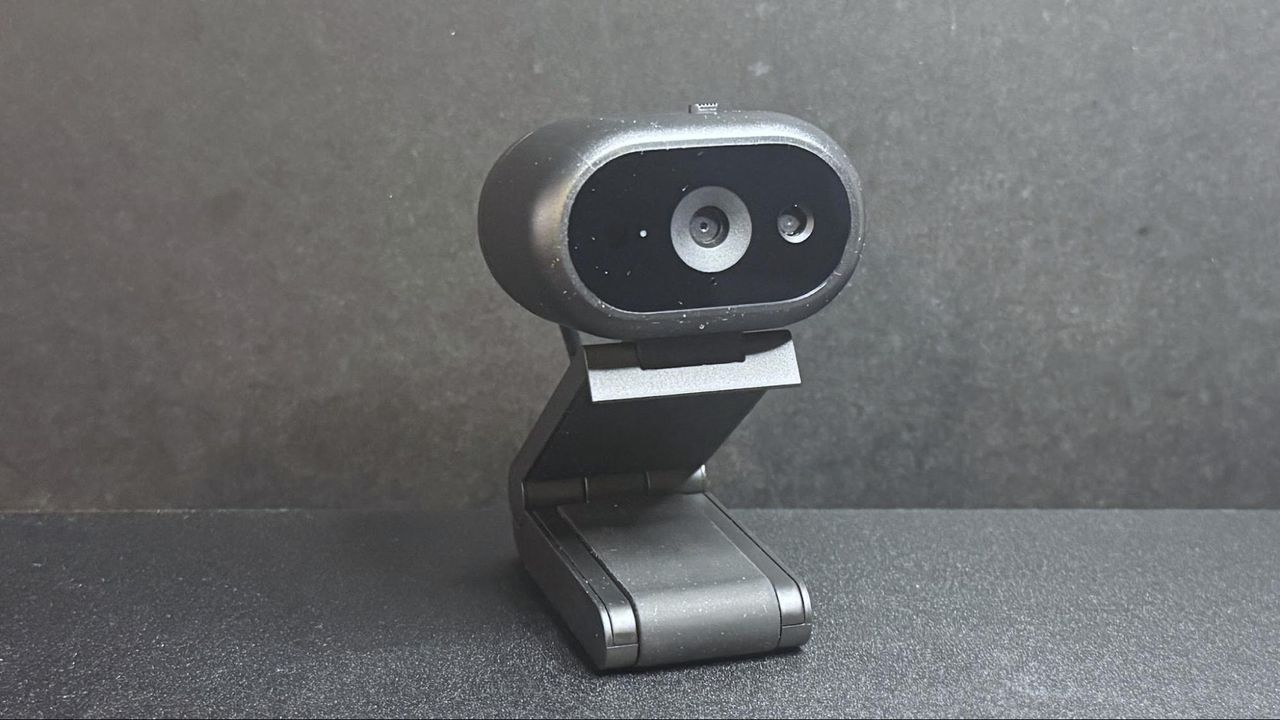
The Dell Pro 5 webcam is a small oval-shaped webcam with a non-detachable USB-C cable (which comes with a built-in USB-A adapter. It has a lightweight black plastic body, measuring about 2.28 inches (57.9mm) wide by 1.7 inches (43.18mm) deep, and is 1.4 inches (35.56mm) high. It's a fairly small webcam — not quite as small as the YoloLiv YoloCam S3, but close. It also has a physical lens shutter, which you can open and close via a small switch on top of the device. It's not the most elegantly implemented lens shutter we've ever seen, but it does the job perfectly well.
Dell Pro 5 Webcam 2K
Tom's Hardware
Dell Pro 5 Webcam 2K
Tom's Hardware
Dell Pro 5 Webcam 2K
Tom's Hardware
Dell Pro 5 Webcam 2K
Tom's Hardware

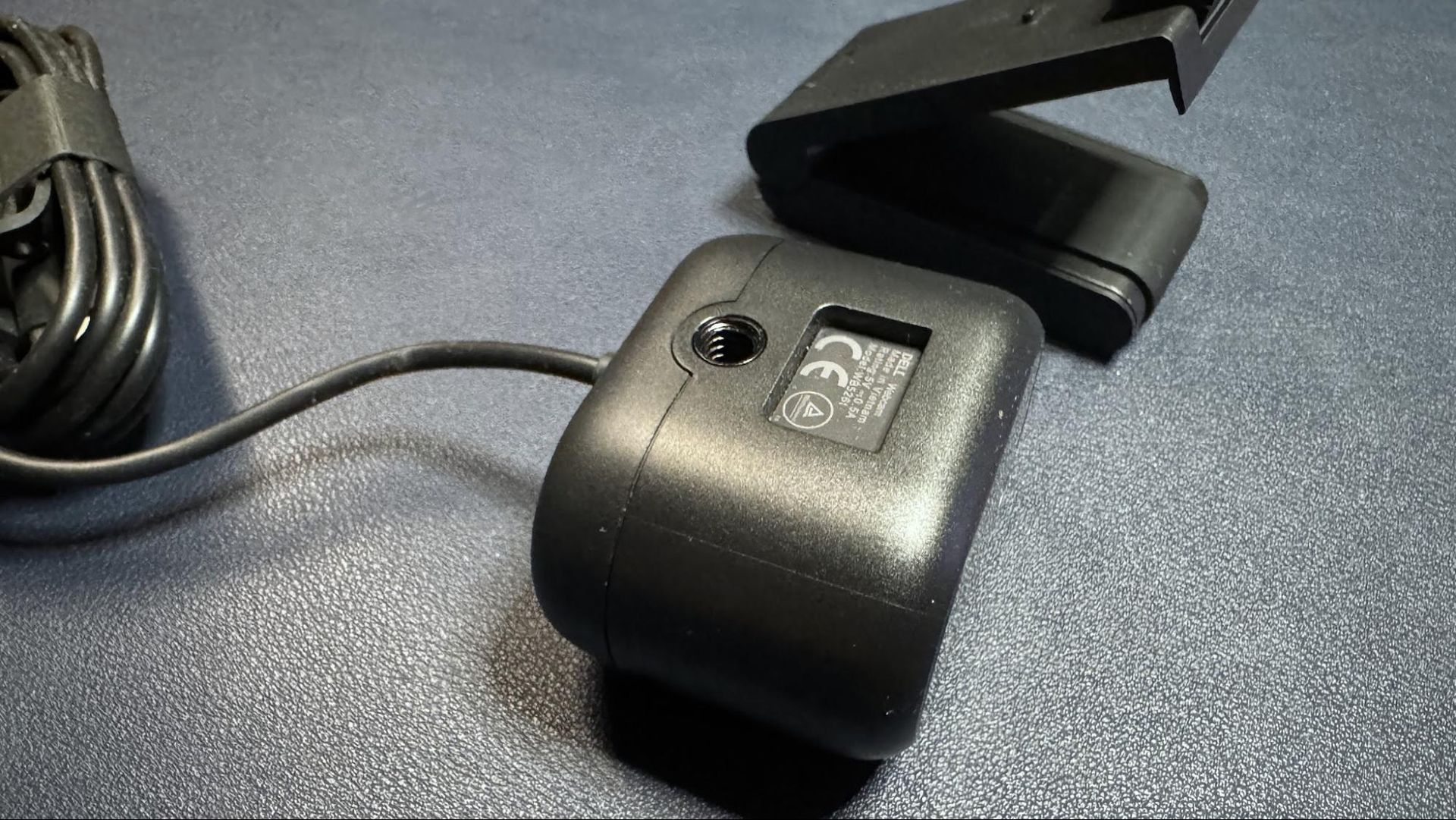
Like many lower-cost webcams, its cable is not detachable — it's a 5-foot (1.5m) rubber USB-C cable with a built-in USB-C to USB-A converter attached to one end. It's not a particularly thick cable, but it's stiff enough (and the webcam is lightweight enough) that it does influence the webcam's position, and bumping it can cause the webcam to accidentally move and mess up your framing.
Dell Pro 5 Webcam 2K
Tom's Hardware
Dell Pro 5 Webcam 2K
Tom's Hardware

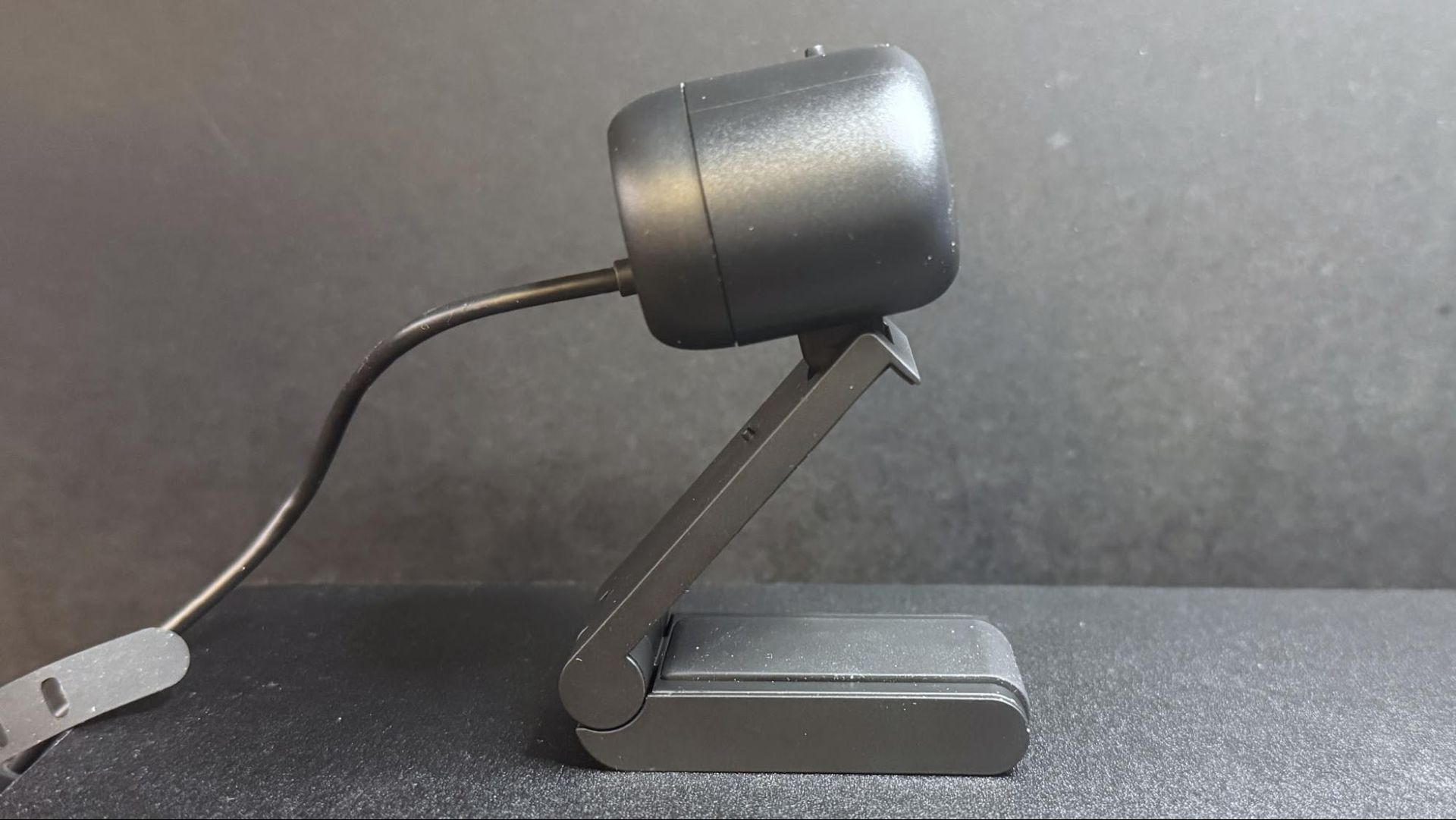
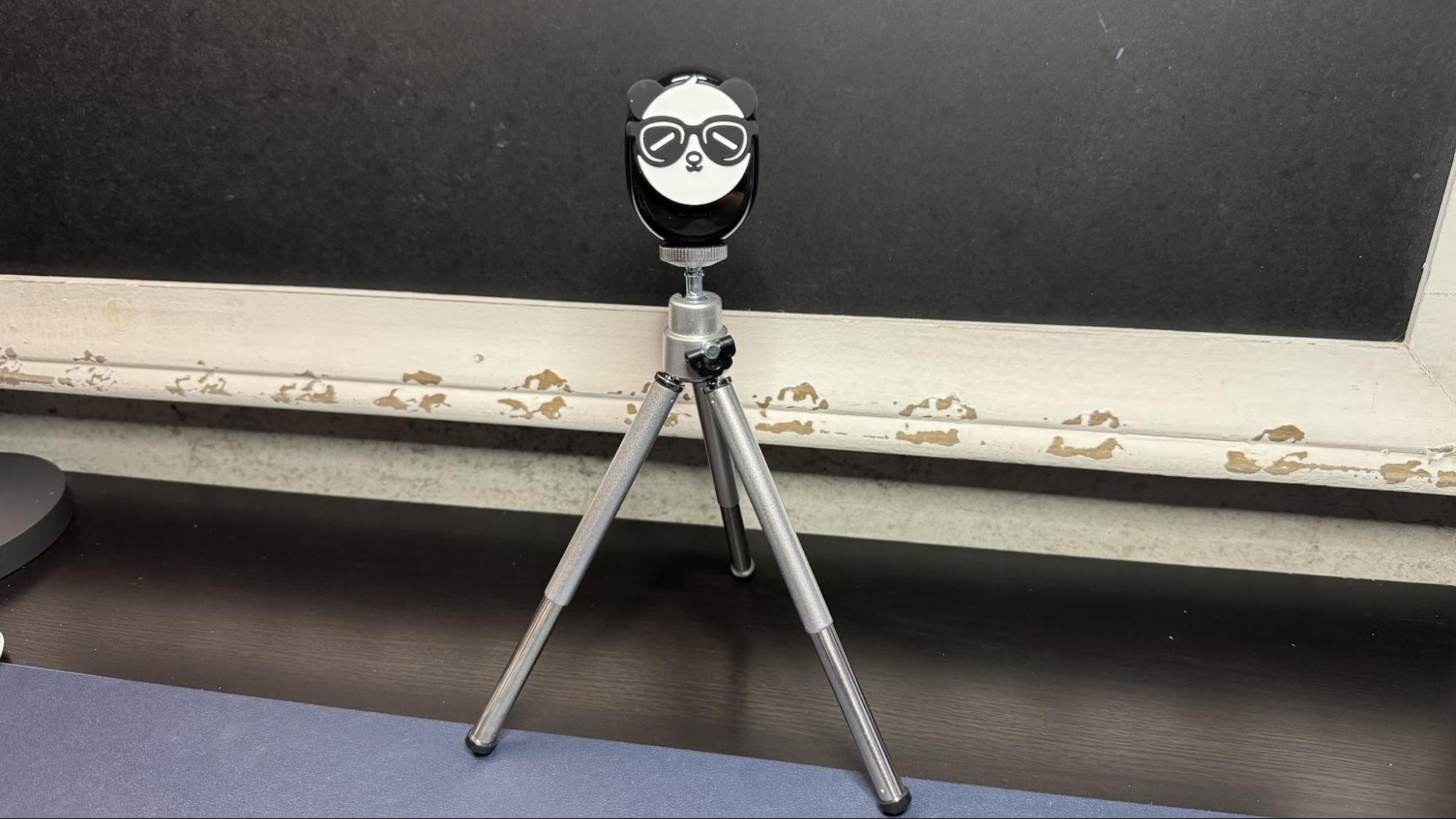
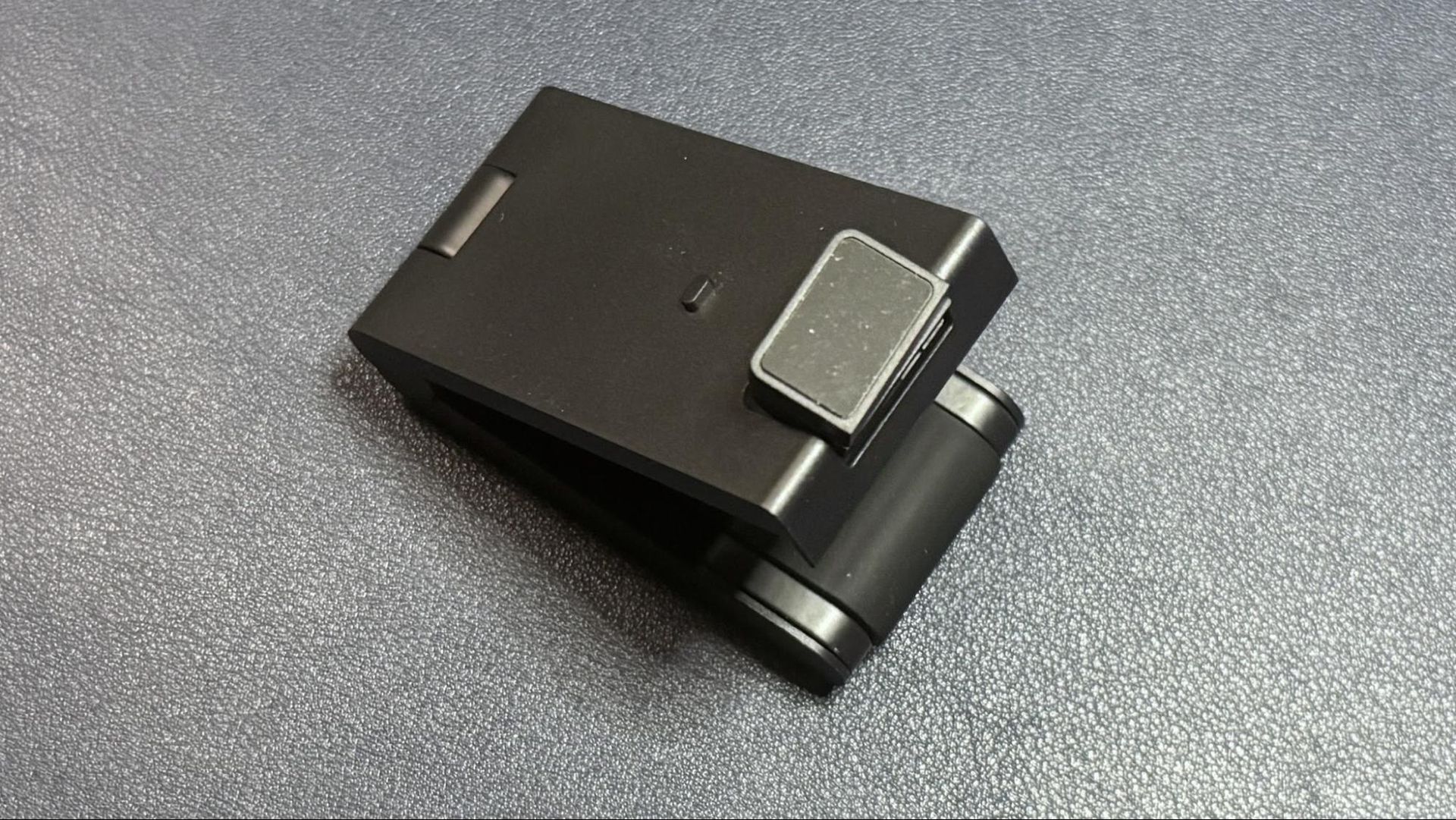
The Dell Pro 5 comes with a sturdy detachable monitor mount that attaches to the bottom of the webcam via a strong magnet. (The webcam also has a standard tripod mounting point, should you want to use it with a different camera mount.) The mount is surprisingly hefty — it weighs about 4.7 ounces (133g), which is nearly twice the weight of the webcam itself, which weighs around 2.57 ounces (73g). It's a pretty standard monitor clip mount, with a lip that goes over the edge of your monitor and an adjustable, rubber-coated "foot" that sits on the back of your monitor to hold the webcam in place.

The mount allows you to tilt the webcam forward up to 90 degrees, which will probably be useful for the webcam's document-reading feature. It also allows you to swivel the webcam almost 90 degrees in either direction, so it's actually pretty flexible for a mount included with a more budget-friendly webcam. It does not have a tripod mounting point on the bottom, however, so you won't be able to take advantage of this flexibility away from your PC.
Dell Pro 5 Webcam 2K

(Image credit: Tom's Hardware)

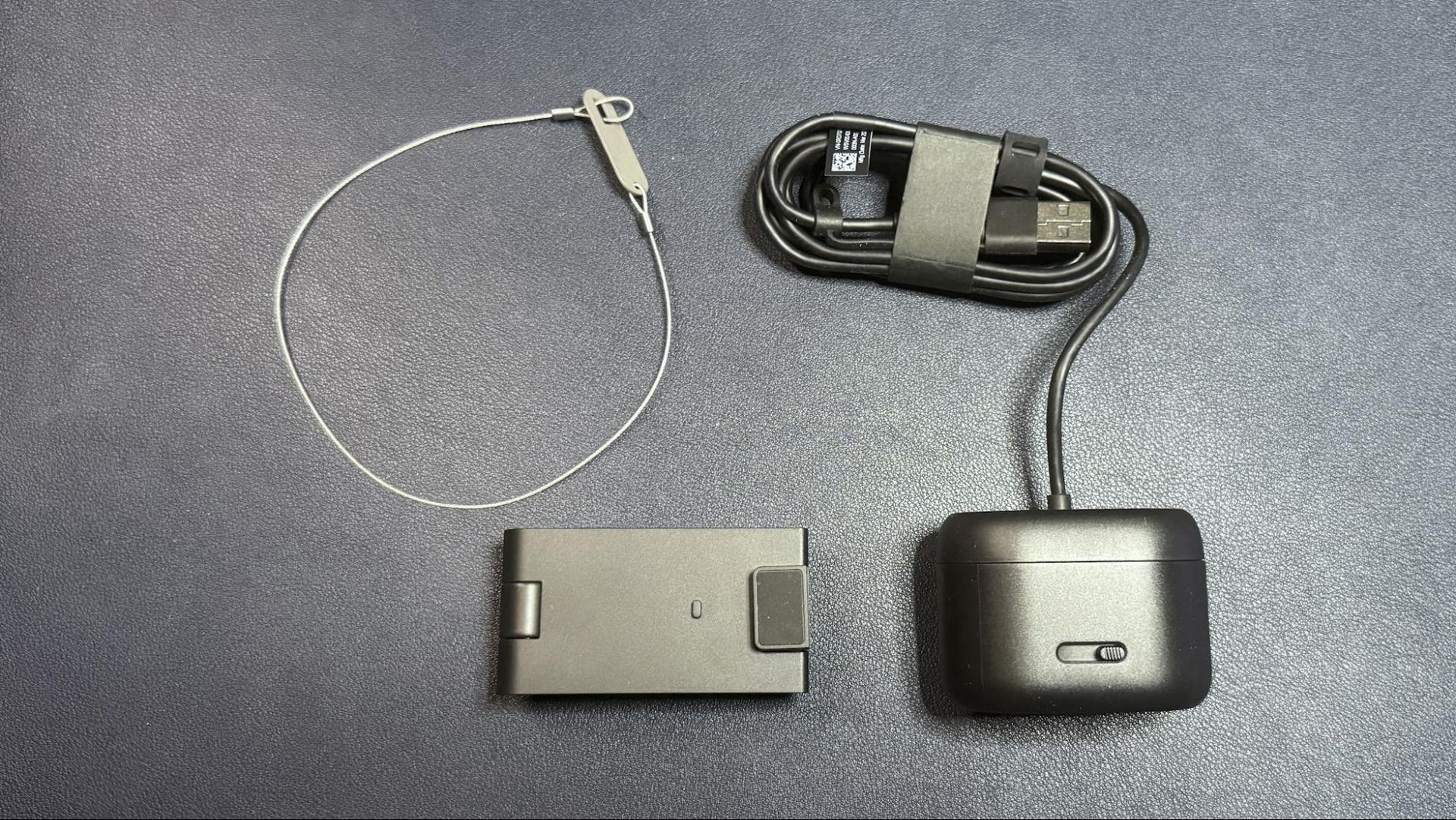
In the box, the Dell Pro 5 comes with its detachable monitor mount and a locking mechanism for those of you who work in insecure office environments (or, I suppose, for those who might travel and work from co-working spaces, I guess). The locking mechanism is designed to slide through a loop on the cable.

Specs

Resolution FPS

2K QHD / 30fps; 1080p / 30fps; 720p / 60fps, 30fps

Diagonal Field of View

78, 65

Zoom

2x digital

Autofocus

Yes

HDR

Yes

Microphone

Omni-directional

Connection

Wired (USB-C)

Mount

Universal clip

Dimensions

2.28 x 1.7 x 1.4" / 57.9 x 43.18 x 35.56mm

Weight

7.41oz / 210g (with mount)

Software

Dell Display and Peripheral Manager

Special Features

Lock

MSRP / Price at Time of Review

$119.99 / $114.99

Release Date

June 2026

Well-lit Performance

The Dell Pro 5 is a 2K webcam that outputs video in 2K UHD at 30fps — it's not 4K, but it should give you more detail and better image quality than a standard full HD 1080p webcam, even if most streaming and video conferencing services limit your outgoing stream to 1080p or lower.

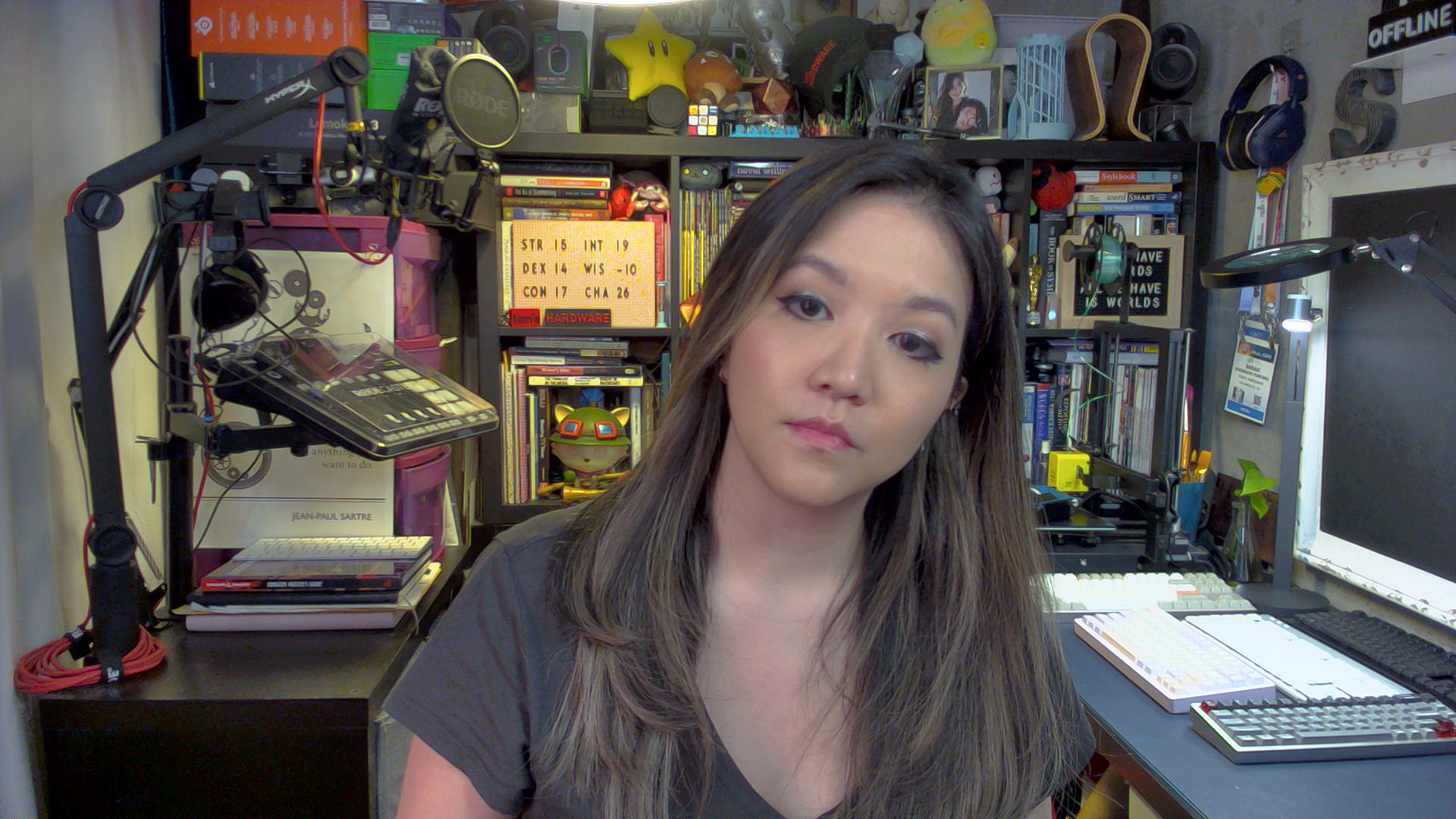
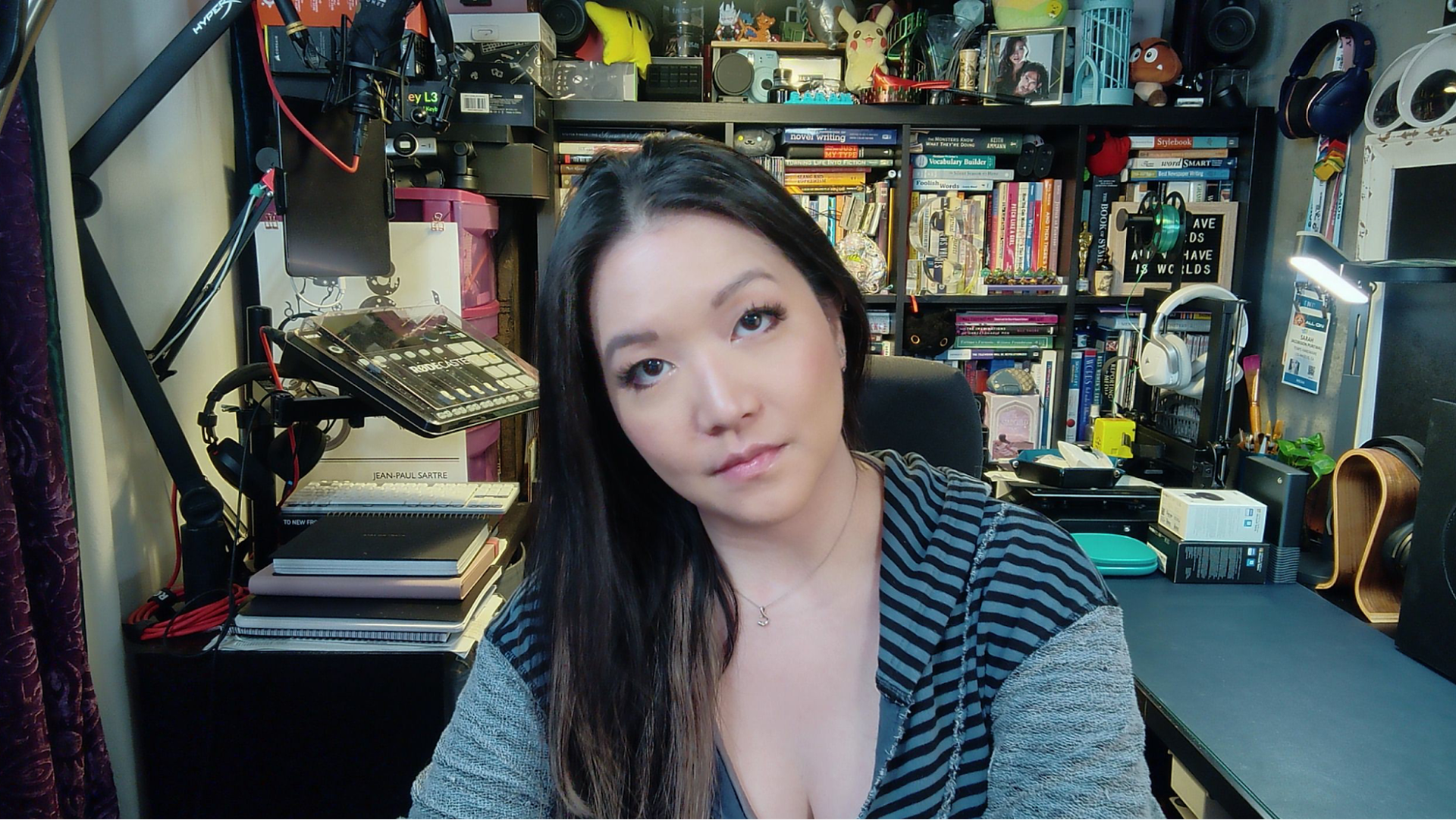
For our well-lit performance test, I tested the Dell Pro 5 webcam in a fully-lit setting. From the front, I have two professional lights (a ring light on the right side and a key light on the left side), as well as four monitors (three 27-inch monitors and one 34-inch widescreen monitor), plus ambient lighting from various peripherals, including my desk. Behind me, there are two desk lamps, and overhead I have an arching floor lamp. There is no uncontrolled light in my home office, and it's a pretty bright scenario. (All of my test photos are taken with Windows' native camera app for consistency, but please note that test photos are mainly for illustrative purposes and the conclusions drawn are based on extensive testing.)

Dell Pro 5 Webcam 2K
Dell Pro 5Tom's Hardware
Dell Pro 5 Webcam 2K
Dell Pro (WB5023)Tom's Hardware
Dell Pro 5 Webcam 2K
Elgato NeoTom's Hardware

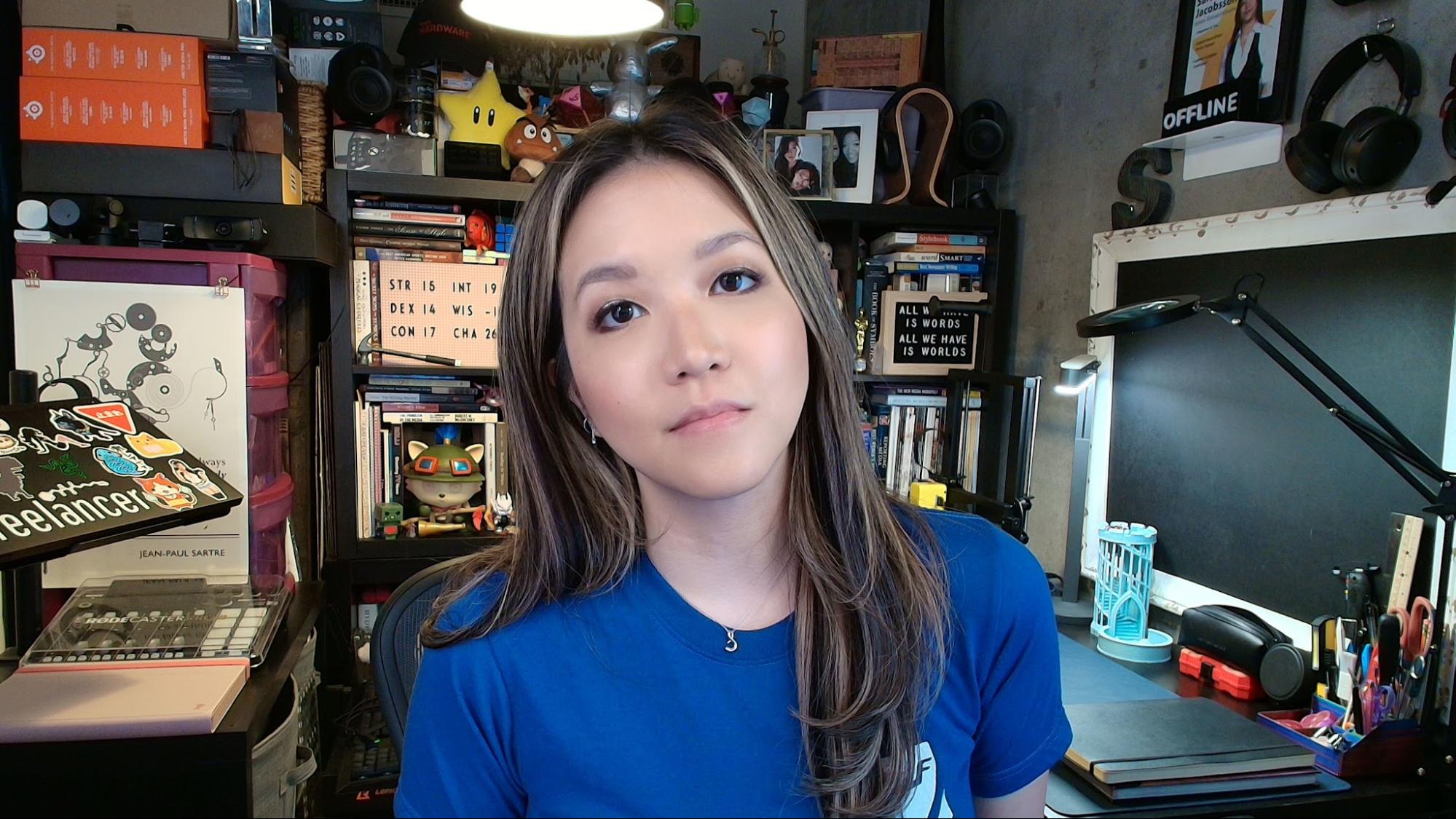
The Dell Pro 5 performed pretty well in our well-lit scenario, though the color balancing seemed to wash me out slightly and the picture wasn't quite as crisp as I would have liked. That said, this is exactly the kind of picture I look for in an office-oriented webcam — bright and evenly-lit, if a little flat, for a more "professional" appearance (and so it can do things like read text and scan documents). It's not the most cinematic, dramatic, or flattering image from a webcam, but it should work very well in a professional setting.

Low-Light Performance

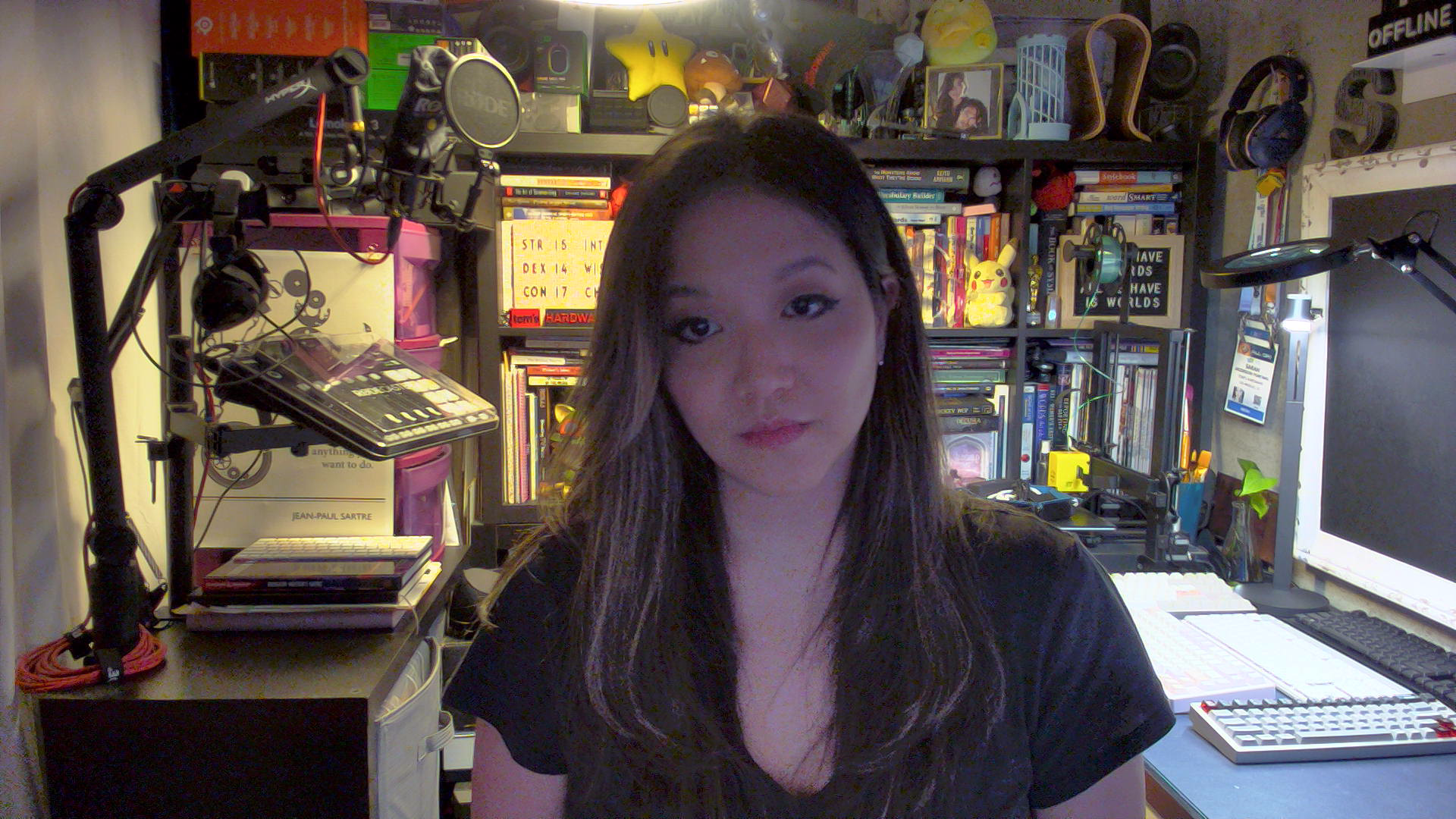
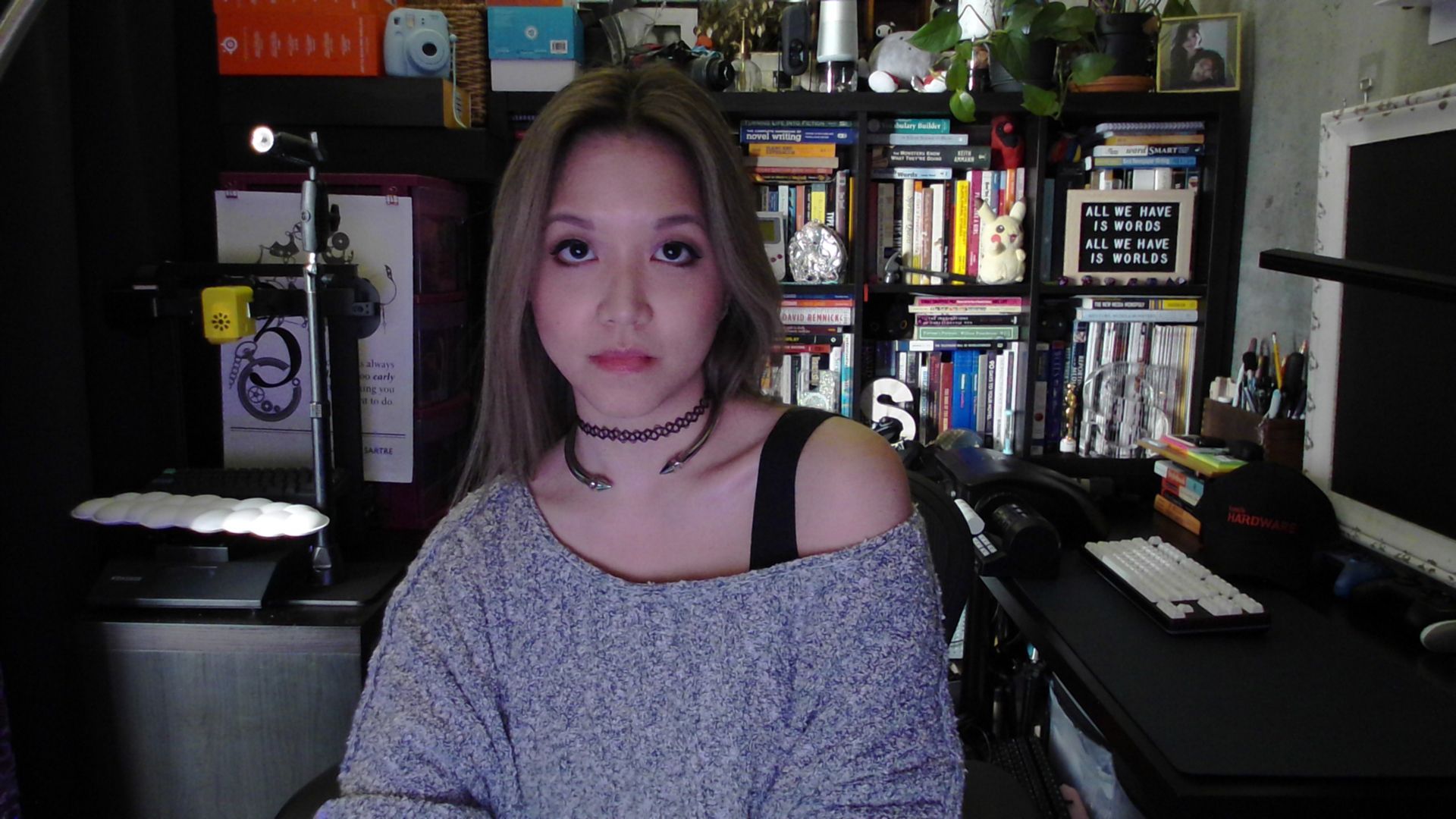
For our low-light test, I turned off all of the lights in my home office except for one 27-inch monitor, on which I had a window open with Google's homepage (mostly white) filling half the screen and the Windows 11 Camera app filling the other half. This is basically a completely dark scenario with only my (admittedly, relatively large) monitor for lighting.

Dell Pro 5 Webcam 2K
Dell Pro 5Tom's Hardware
Dell Pro 5 Webcam 2K
Dell Pro Webcam (WB5023)Tom's Hardware
Dell Pro 5 Webcam 2K
Elgato NeoTom's Hardware

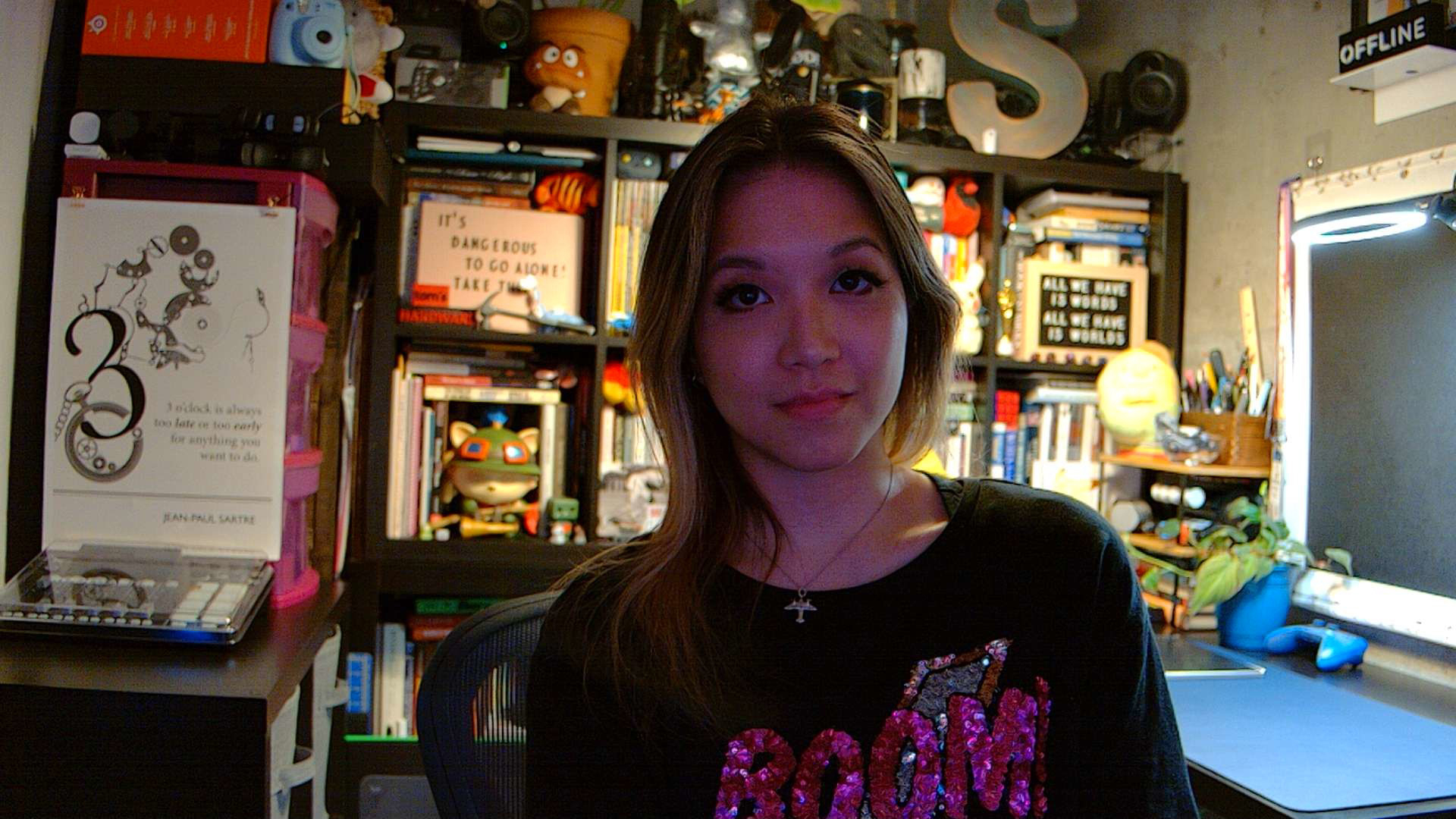
The Dell Pro 5 performed about as well as I expected in this scenario — it was able to pick up more detail in the dark than most 1080p webcams, though its low-light performance is far from what I'd call "good." This was more noticeable in moving video, however, as the video was extremely grainy with large artifacts (this photo actually makes it look much better than it was). The Dell Pro 5 does have HDR, but this didn't seem to make a significant difference in the low-light picture quality.

By comparison, the Dell Pro (WB5023) webcam did a better job with balancing light in the low-light scenario, though it picked up the same amount of detail. The Elgato Neo, which is a budget 1080p webcam, did a much better job of balancing light in this scenario, but its picture was also extremely grainy.

Overexposed Performance

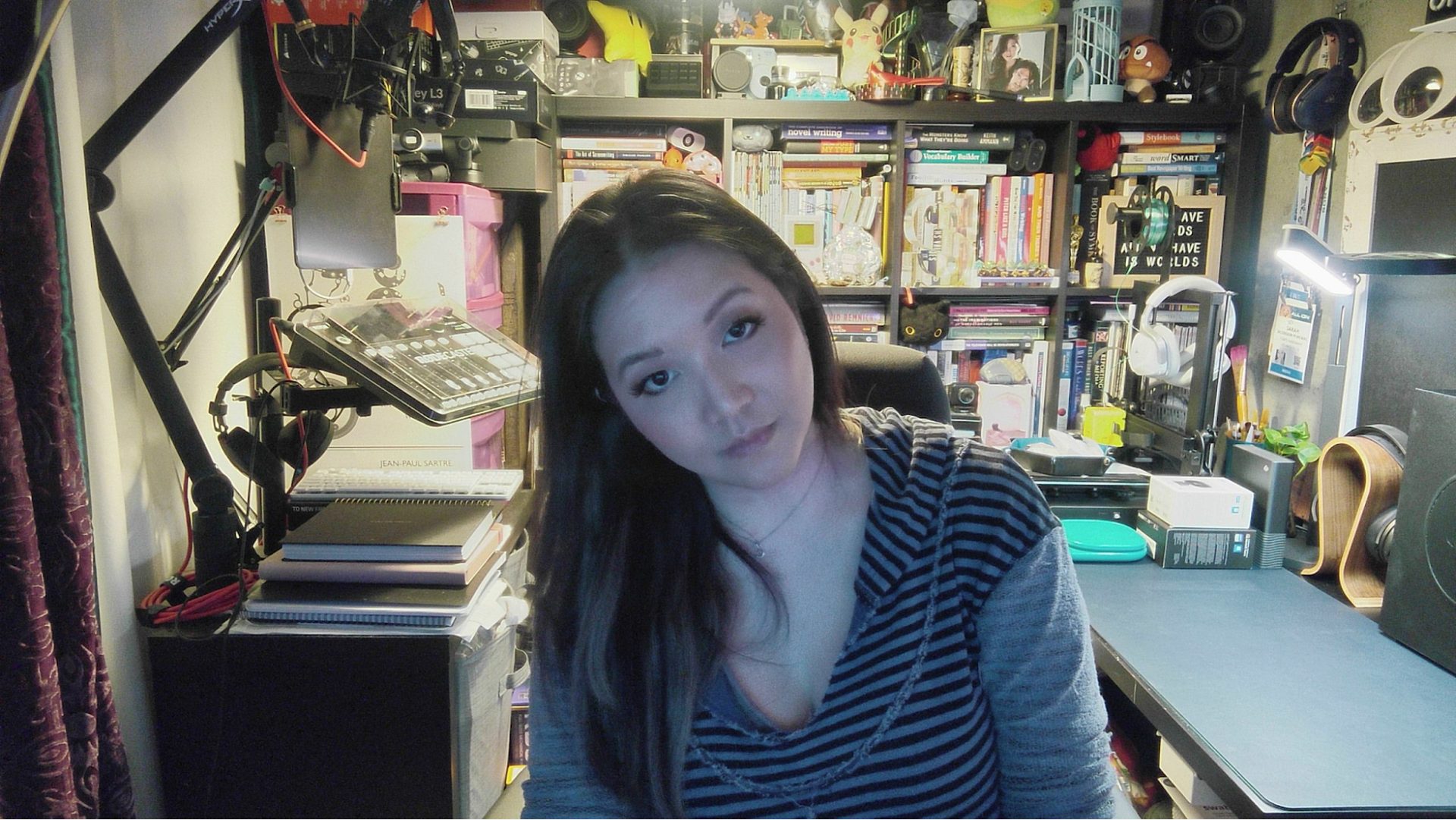
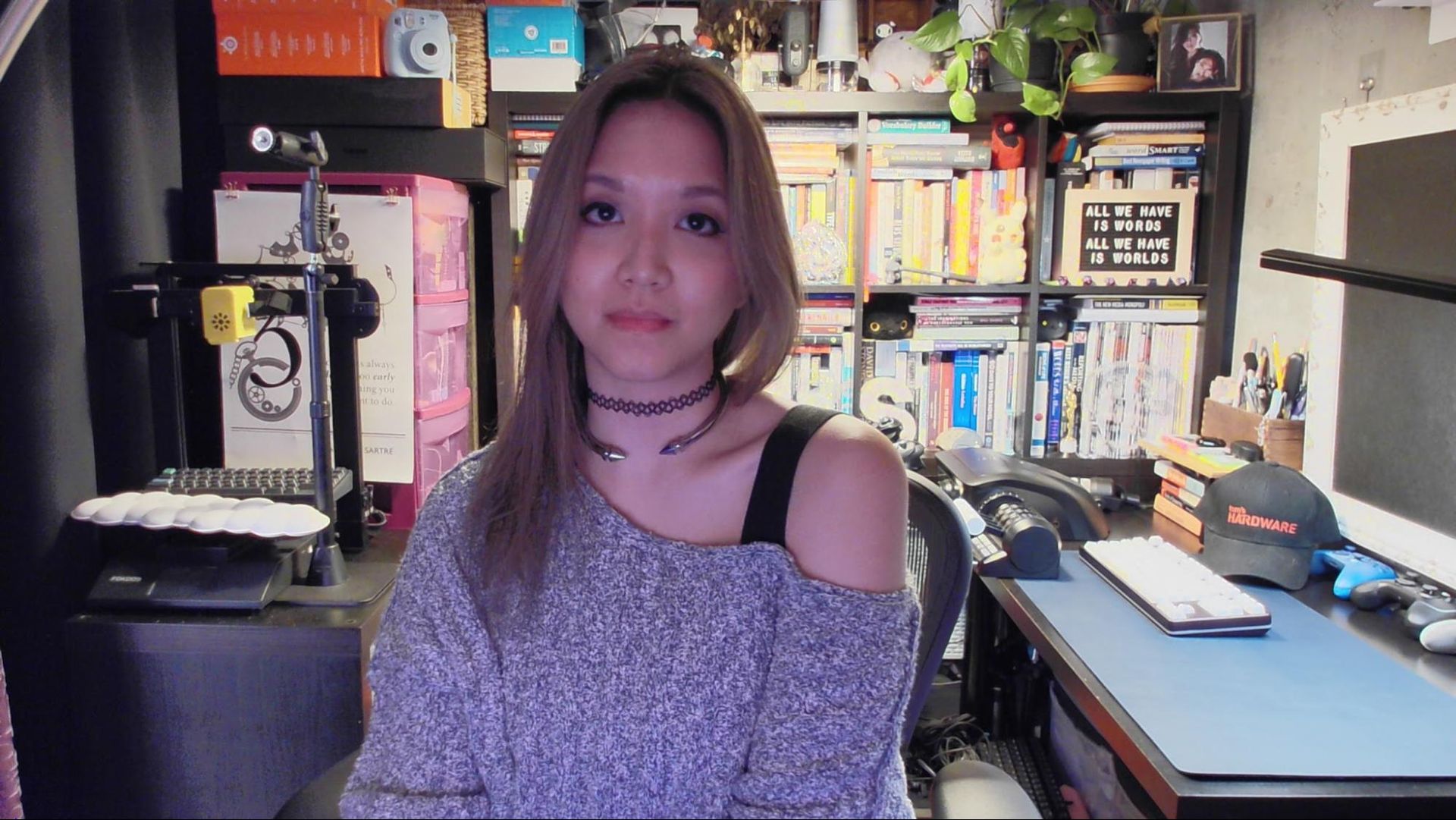
For our overexposed performance test, I turned off most of the lights in front of me (save for one 27-inch monitor) and left the lights behind and above me turned on. This is actually one of the most likely scenarios for webcam users, as offices tend to be generally well-lit environments, but without dedicated camera-focused lighting aimed at the user.
Dell Pro 5 Webcam 2K
Dell Pro 5Tom's Hardware
Dell Pro 5 Webcam 2K
Dell Pro Webcam (WB5023)Tom's Hardware
Dell Pro 5 Webcam 2K
Elgato NeoTom's Hardware

The Dell Pro 5 performed adequately in our overexposed performance test: it managed to balance light fairly well (every webcam struggles with this), but its auto color balancing was definitely off. Both the Dell Pro (WB5023) and the Elgato Neo did a much better job with color balancing in the overexposed scenario, especially with the default settings.

Features and Software

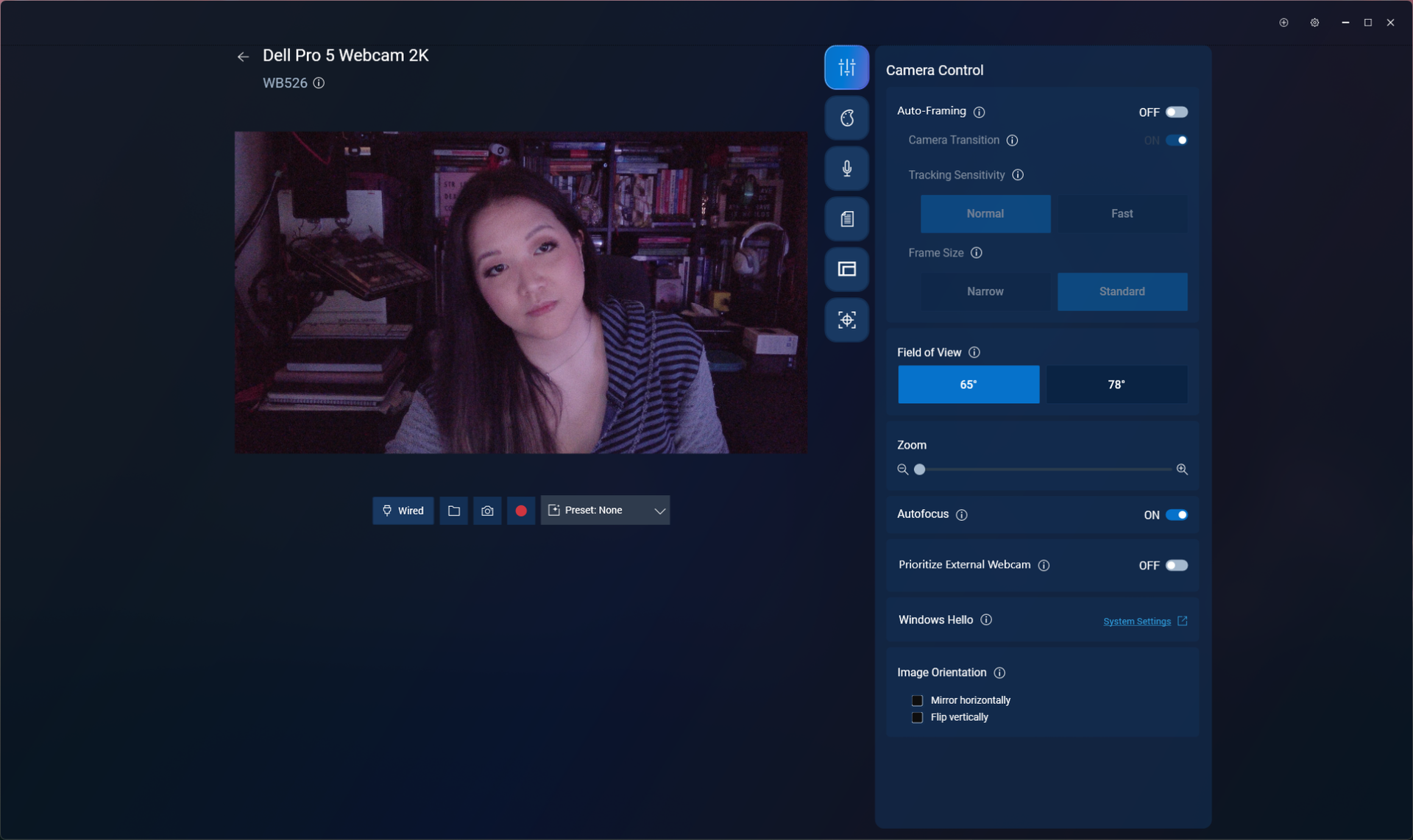
The Dell Pro 5 is configurable via Dell Display and Peripheral Manager, which lets you adjust the webcam's image settings and toggle on various features such as face tracking, HDR, and auto exposure. You can also set up features such as gesture control and Windows Hello from this app, as well as Document View, which can be configured to automatically turn on when you tilt the camera down at least 60 degrees and show a rectangular document.
Dell Pro 5 Webcam 2K

(Image credit: Tom's Hardware)

While the Dell Display and Peripheral Manager does have a lot of settings you can adjust, including brightness, sharpness, contrast, saturation, and vibrance, I found that adjusting the settings didn't actually seem to do much for the picture. Turning the saturation down to 0%, for example, gave me a slightly desaturated image — not a completely black-and-white one. I also found it frustrating that there was no way (at least as far as I could see) to minimize the app to your system tray.

The Dell Pro 5 has a built-in omni-directional microphone for when you have absolutely no choice other than to use your webcam's built-in mic. The mic wasn't the worst I've heard on a webcam — it managed to pick up my voice pretty clearly, and didn't make me sound like I was yelling through an underwater tunnel — but it wasn't great, either. It should work fine if you've got nothing else on hand to speak into, but it's not a microphone I'd recommend.

Bottom Line

The Dell Pro 5 webcam is definitely designed for office use — and for an office-oriented webcam, it's not bad. But if you're looking for something easy to use and cheap enough that your coworkers aren't going to try to steal it, I'd probably recommend the Elgato Neo over the Dell Pro 5 — after all, the Elgato Neo retails for $60 and can currently be found for about half that, which means the Dell Pro 5 is more than four times as expensive.

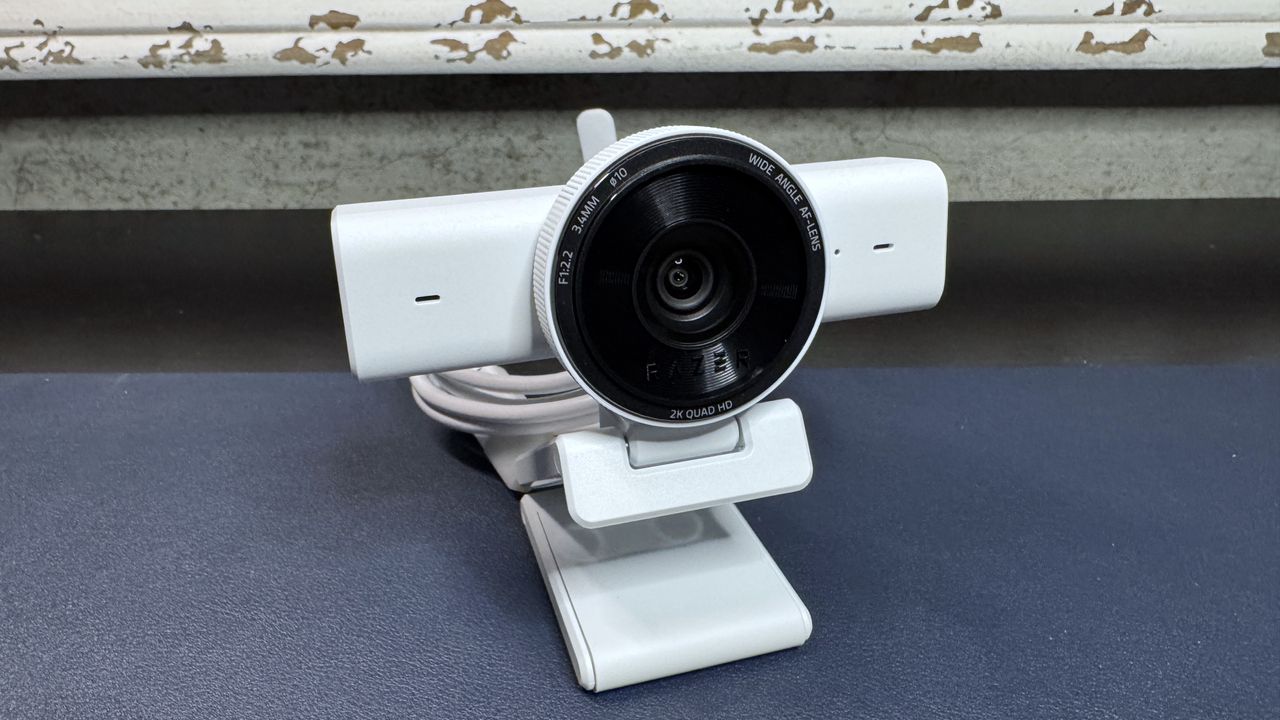
The Dell Pro 5's 2K resolution might come in handy if you're the type of person who's constantly showing documents over video calls, but Razer's Kiyo X also has a 2K resolution and retails for $100 (and can currently be found on sale for around $75). The Dell Pro 5 isn't a bad webcam, but you don't need to pay $120 for similar quality.
✇Tomshardware

The world's first webcam was switched off 25 years ago today — 128x128 grayscale feed predated the World Wide Web to monitor a Cambridge coffee pot

It has been a quarter century since the world’s first webcam was turned off for good. The Trojan Room Coffee Pot was retired on Wednesday, August 22, 2001, after 10 years of service at Cambridge University. This extraordinary webcam’s final low-res image was of its own switch-off, with the fingers of Daniel Gordon, Martyn Johnson, and Quentin Stafford-Fraser pressing the power-off switch on the Acorn Archimedes to which the cam was attached.

Quentin Stafford-Fraser and Paul Jardetzky created the webcam for the entirely practical purpose of preventing team members from being disappointed when they visited the coffee pot. “There were about fifteen of us involved in related research and, being poor, impoverished academics, we only had one coffee filter machine between us, which lived in the corridor just outside the Trojan Room,” Stafford-Fraser recalls. “However, being highly dedicated and hard-working academics, we got through a lot of coffee, and when a fresh pot was brewed, it often didn't last long.” With several team members in other parts of the building, some needing to traverse several flights of stairs to reach the coffee pot, XCoffee was devised as a solution.

The Archimedes mentioned in the intro wasn’t the first host for the Trojan Room Coffee Pot camera; that was an unnamed Motorola 680X0 machine. The Acorn RISC computer took over webcam duties less than eight years prior to the switch-off in 2001.

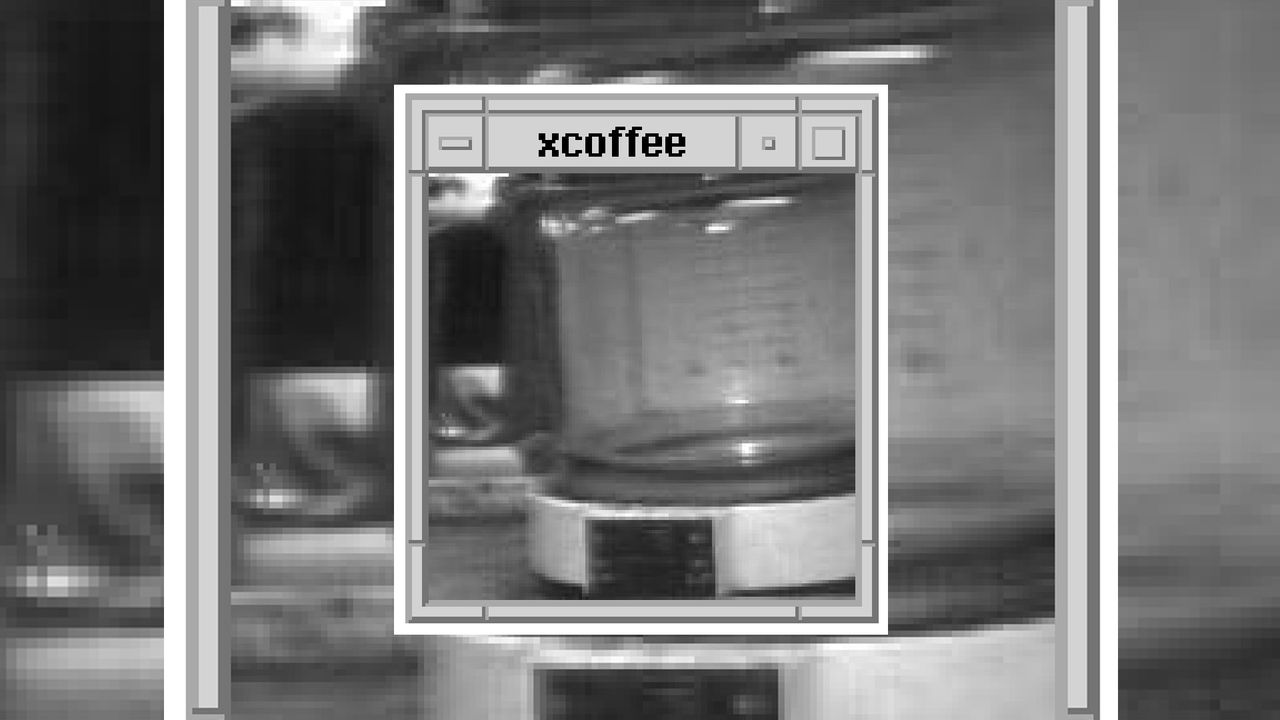
This webcam has a history going even further back, though. Remarkably, the Trojan Room Coffee Pot webcam was live even before the World Wide Web was a thing. It began service in 1991, when a 128 x 128 pixel grayscale camera was connected to the science lab’s LAN via a frame capture card. An image of the coffee pot was captured three times a minute and via a custom-coded server-side X Window System protocol app so that any team member on the network could monitor/check it. This pioneering webcam actually connected to the internet for the first time in November 1993, just a few months after web browsers gained the ability to display images.

Today, webcams can be used to broadcast very high-quality streams with high resolutions and supporting very fast data and frame rates. Great capture hardware, fast computers, and fiber internet are widespread now, so if you wanted to live-stream a coffee pot, it would be a cinch to do so in true color, in up to 4K, and 60 frames per second using one of the best webcam picks of 2026.

✇Tomshardware

How to look better on webcam — tips for the average person to look better and more professional

You don't need a professional streaming setup to take work video calls and chat with friends and family — and, honestly, you don't want one. And webcams have a lot of limitations (most professional streamers use DSLRs to shoot content, not webcams), so there's only so much you can do. But it's not nothing.

Here are several things the average person can do to make their webcam streams look better.

Webcam

First of all, let me point out that the webcams on our list of best webcams are, for the most part, not 4K webcams. That's because you don't need a fancy, expensive 4K webcam to look good — and, in fact, a 4K webcam might end up working against you. Most video conferencing platforms, including Google Meet, Microsoft Teams, and Zoom, limit your outgoing stream to 1080p or 720p, depending on the type of account you have. So you basically can't stream in 4K even if you want to (and you probably don't want to). Plus, higher-resolution webcams often require more power and bandwidth, which can result in freezing, lagging, and choppiness (none of which are flattering) if your PC or your internet connection isn't up to speed.

Instead of looking for a high-res webcam, look for one with a relatively narrow field of view and/or digital zoom (which narrows the field of view). One of the reasons we love the Logitech Brio 500 is that it has the option for narrowing the field of view to 65 degrees, and a narrower field of view is more flattering to your face. Wide-angle lenses tend to distort the picture subtly, warping objects at the edges and making whatever's in the center look larger than it is.

How to look great on (web)cam
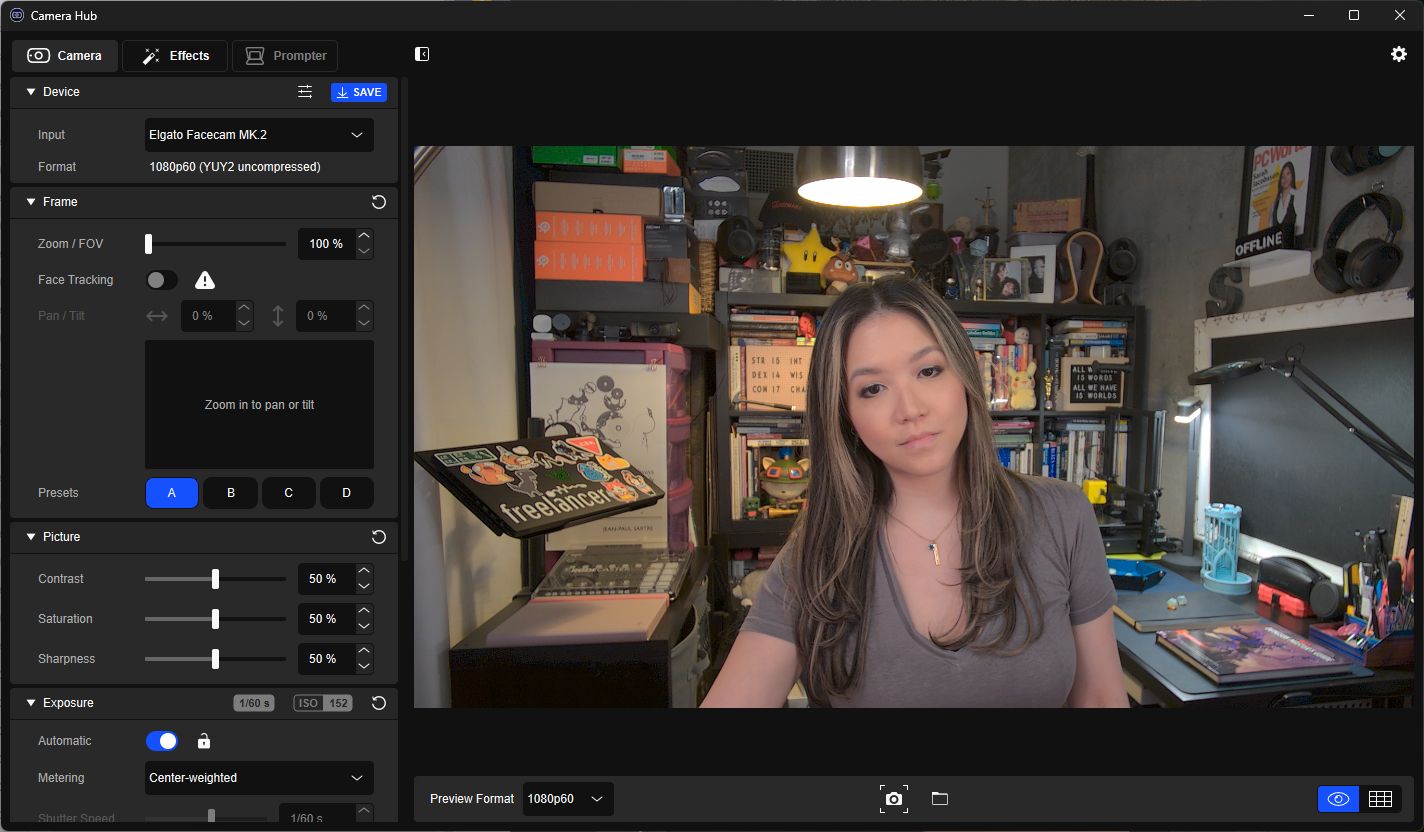
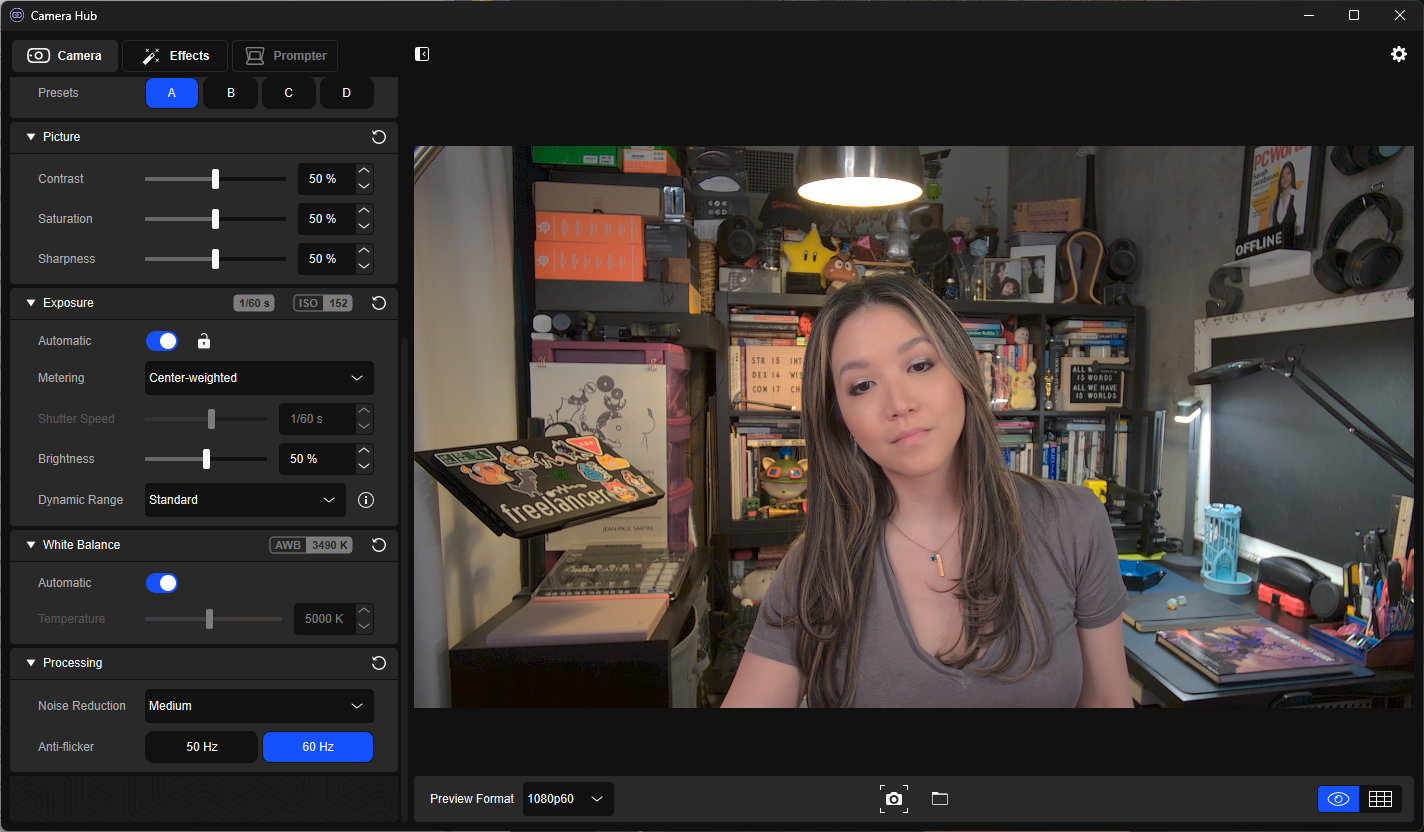
Elgato's Camera HubTom's Hardware
How to look great on (web)cam
Elgato's Camera HubTom's Hardware

Larger sensors and lenses can also help, but what you'll find is pretty limited in the webcam market (they are, after all, webcams) — so instead of worrying too much about the hardware, look for a webcam with robust software support. I'm a big fan of Elgato's Camera Hub (which supports Elgato webcams, such as the Elgato Facecam MK.2 and the Elgato Facecam Neo), which gives you a lot of control over exposure, white balance, and picture adjustments, and also lets you zoom in and save presets so you can quickly switch between angles while you're streaming.

How to look great on (web)cam

Logitech MX Brio has some of the best auto-exposure and auto-white balancing we've seen. (Image credit: Tom's Hardware)

Needless to say, part of the reason you're looking for a webcam with good software is that you should be changing the settings in the software — webcam auto-exposure and auto-white balancing are notoriously terrible and should almost always be manually adjusted. But if you're the type of person who can't be bothered to go in and tweak software settings, you should pick up a webcam with decent auto-exposure and auto-white balancing — the Logitech MX Brio has excellent auto settings (though, at $200, you are paying for them).

Lighting

Lights shining down on you from above, such as those found in a typical office setup or, I don't know, in your kitchen, are designed to help you work more efficiently. They're not designed to flatter your face. In fact, this is probably some of the least flattering lighting around, thanks to the harsh shadows it creates. That said, you generally won't find a "naturally occurring" ideal webcam lighting setup, because most people do not place bright lights behind their already-bright, backlit monitors. But lighting is one of the most important elements when it comes to looking good on webcam, and it definitely makes a difference.

While there are some webcams that handle poor lighting situations slightly better than others, the difference is pretty minor. So instead of looking for a webcam that performs like a beast in the dark, just grab some lights.

You don't need to go overboard with a full studio setup, but basic three-point lighting is a classic for a reason. This consists of two lights on either side of you (at 45-degree angles) and one light behind you. At the very least, you should try to have two lights on either side of your face, and some sort of lighting (even overhead lighting) in the background so it doesn't look like you're sitting around in the dark. You can, of course, buy lights specifically for your webcam streaming setup — Elgato's Key Light is slim and comes with a desktop clamp mount designed to fit sleekly into your setup, while the brand's cheaper Key Light Neo features a monitor mount. Logitech sells the Litra Beam LX, which is dual-sided (colorful on one side, white on the other), as well as a monitor-mounted option, the Litra Glow.

How to look great on (web)cam
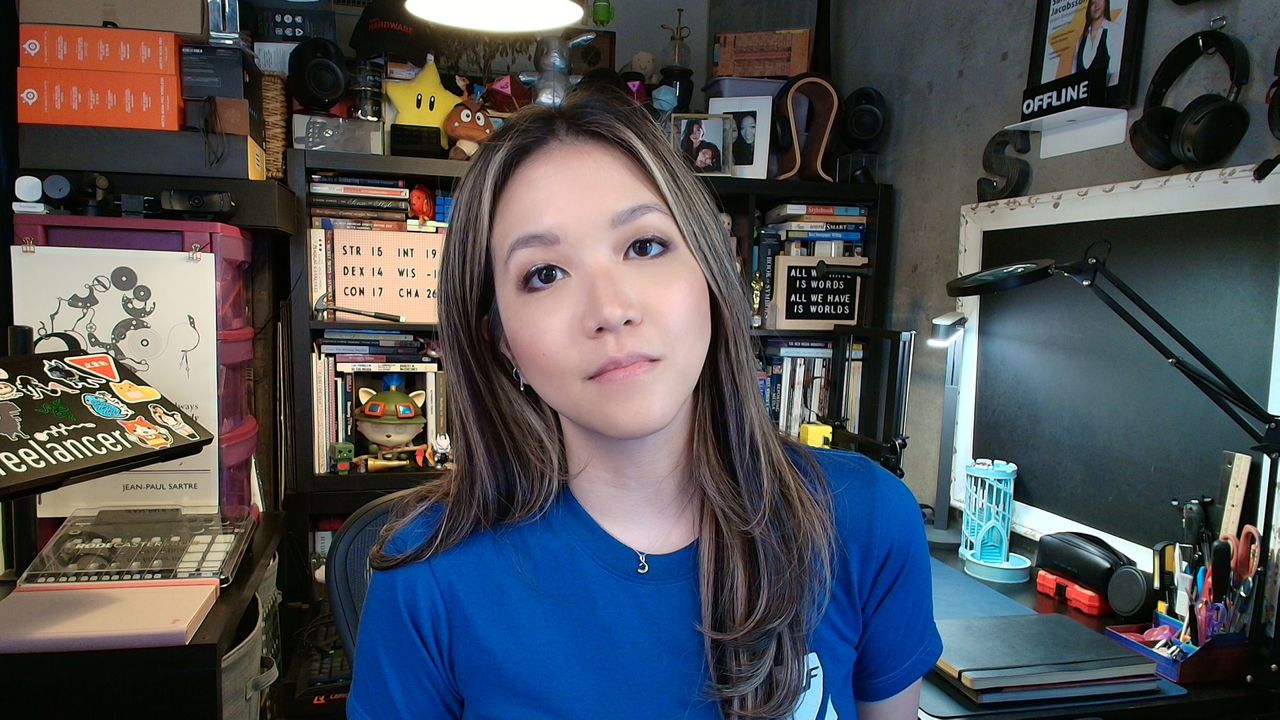
Three different lighting scenarios on the Razer Kiyo Pro Ultra — lighting in front, lighting behind/above, no lighting except monitor.Tom's Hardware
How to look great on (web)cam
Three different lighting scenarios on the Razer Kiyo Pro Ultra — lighting in front, lighting behind/above, no lighting except monitor.Tom's Hardware
How to look great on (web)cam
Three different lighting scenarios on the Razer Kiyo Pro Ultra — lighting in front, lighting behind/above, no lighting except monitor.Tom's Hardware

But you don't need a fancy, wirelessly-controlled webcam-specific streaming light — you can use a lamp, or even the sun. You just need two light sources, of which one is (ideally) dimmable. If you happen to have a multi-monitor setup, you can even use your monitor (or monitors, depending on how many you have). I use this whitescreen website to switch two of my monitors into lights when I'm taking pictures for webcam reviews. Just make sure the lights are off to the side of your face — straight-on lighting is more flattering than top-down lighting, but it does make your features look a little flat.

When you do have at least two lights in front of you, you'll want to make sure you turn off your webcam's auto-exposure and tune the exposure to work with the lights.

Height

Most webcams come with some sort of monitor mount for convenience. But your monitor — especially the top of your monitor — basically never sits at a height that makes for a flattering camera angle. If you've got a laptop, it's too low (even if it's not on your lap), and if you have a desktop monitor, it's probably too high. The best place for your webcam to be is at eye-level — not only does this give the most flattering, accurate view of your face, it also makes it easier for you to look into the camera (and making eye contact with the camera, not your screen, goes a long way in making you look good — or at least like you're paying attention).

There are a few ways to get your webcam to eye-level height:

How to look great on (web)cam

(Image credit: Tom's Hardware)

✔️ Get a separate camera mount

You don't have to mount your webcam on your monitor! Most webcams either have tripod attachment points built in or come with a monitor mount that has a tripod attachment point built in. This lets you mount your webcam on any standard camera mount, such as a tripod, a desktop tripod, or some other sort of desktop camera mount. A desktop tripod is probably the easiest way to get your webcam to an acceptable height, although it's perhaps not the most elegant, as you'll have to move it around when you're not using it. For a more permanent solution, I recommend a desktop clamp mount if you have somewhere to mount it — just make sure that the one you buy has enough adjustment options to get your webcam to where you want it to be.

✔️ Lift your laptop

If you're on a laptop and you happen to be using the built-in webcam, you can't exactly mount it separately, so you'll need to figure out how to get your laptop to eye-level height. The easiest way to do this is to just put your laptop on something: a box, a stack of books, or, if you're feeling fancy, a laptop mount. You'll also need to make sure that the screen is angled correctly — either straight on (90 degrees) or tilted slightly down.

How to look great on (web)cam

(Image credit: Tom's Hardware)

✔️ Mount your webcam in the middle of your screen

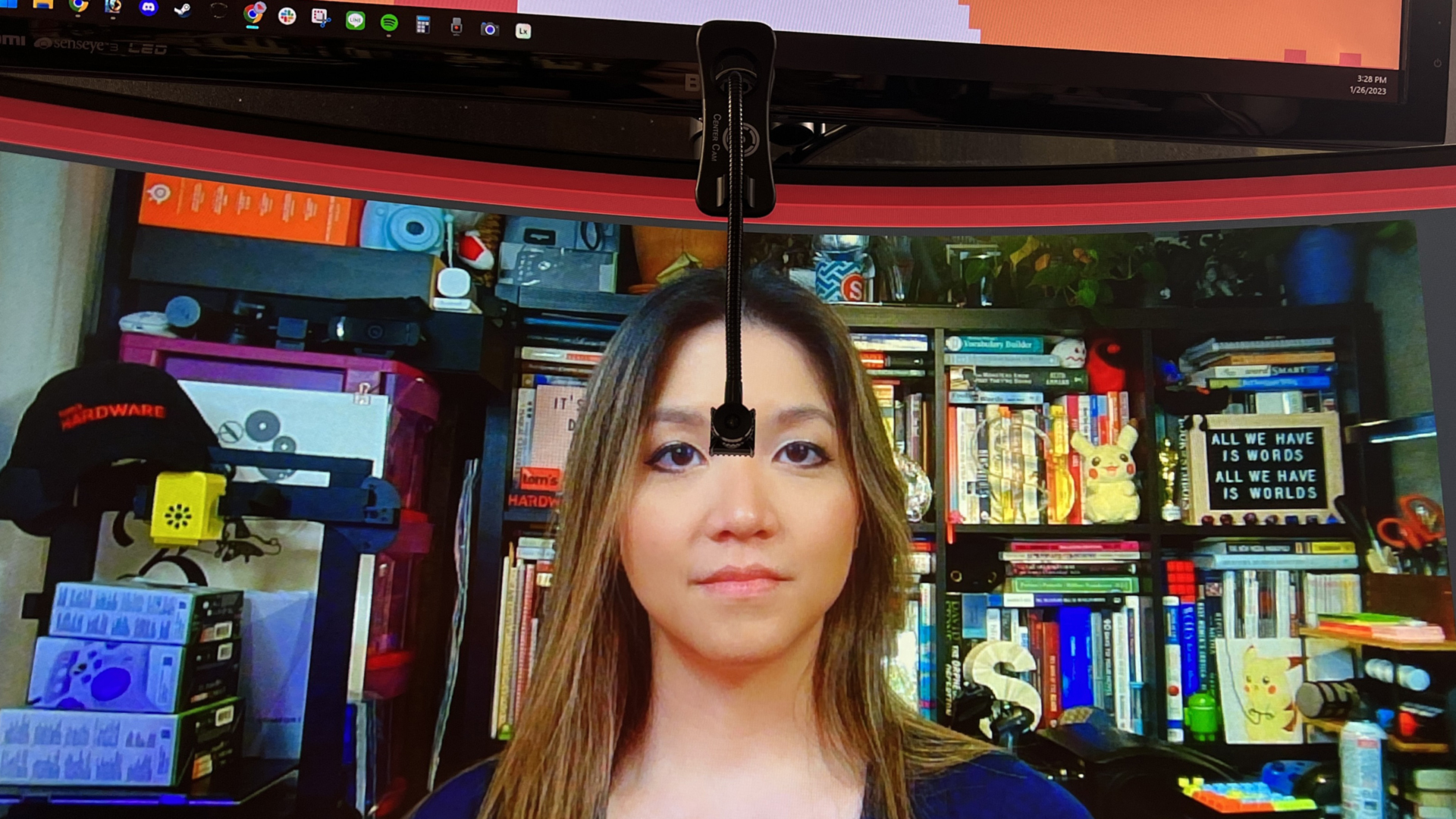
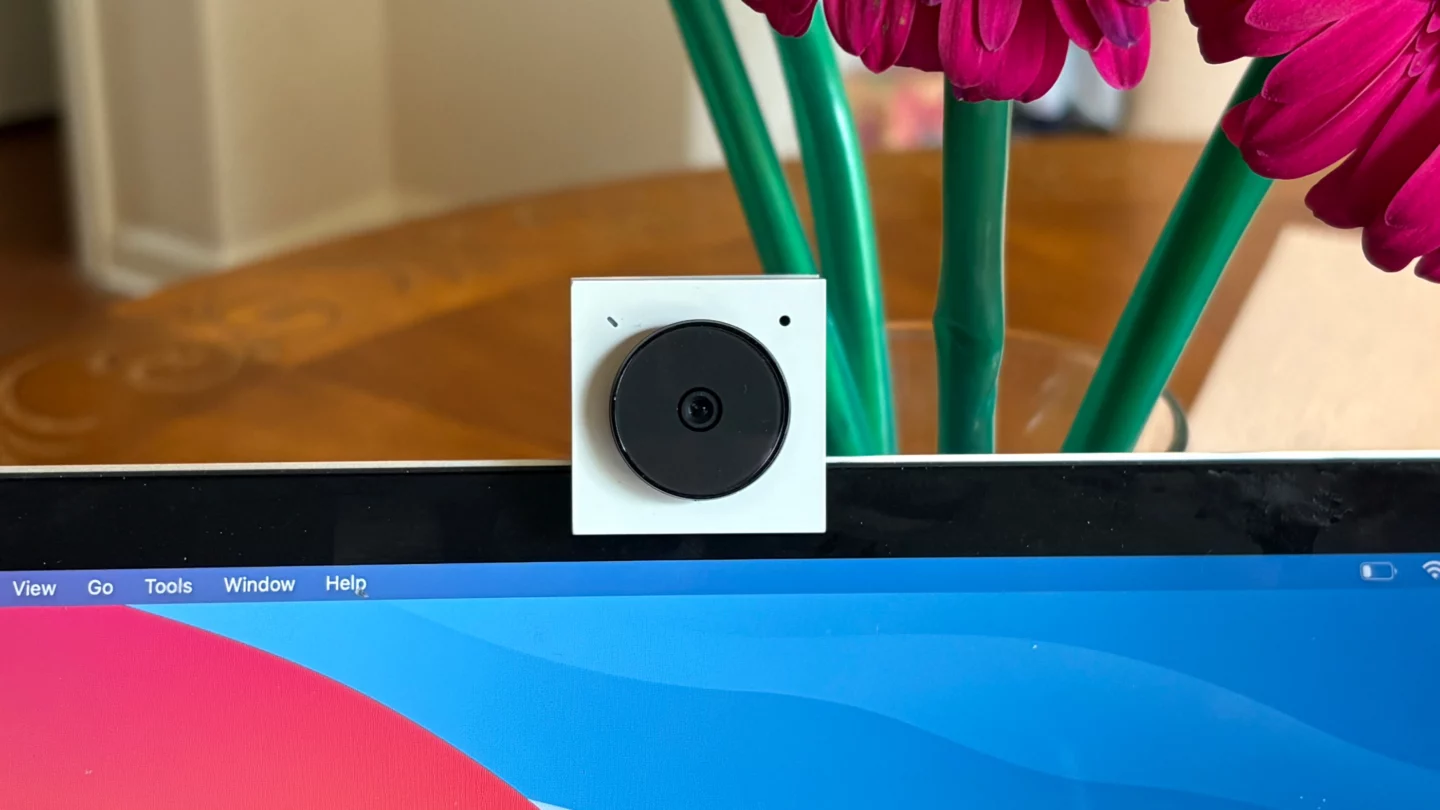
Look, your webcam is probably going to end up in the middle of your screen in an ideal scenario anyway, so why not just... put it there to begin with? There are a couple of ways to do this — you can buy a webcam specifically designed to be mounted this way, such as the Center Cam, or you can get a mount that sits in the middle of your screen, such as the PlexiCam Pro V2, which is a clear, acrylic webcam mount that hangs on your monitor and puts the camera right in the center of your screen.

Background

This might seem obvious, but it's not just about how you look... it's about what people can see in the background. I know that not everyone has the space, resources, or willpower to set up some sort of perfectly curated streamer-ready background, and that's understandable. But there's probably some middle ground between showing off piles of laundry and unsuspecting roommates, and looking like you're ready to launch a Twitch partnership.

How to look great on (web)cam

(Image credit: Tom's Hardware)

✔️ Less is more

If you can't clean up your background before you get on a call, use the power of zoom and crop. Try to make the area directly behind you as neat and camera-ready as possible, and then use your webcam's software to zoom in and crop so that people just can't see what's just outside the frame.

✔️ But not... nothing

While you don't want everyone to see a pile of junk behind you, you also don't want to look like you live in an asylum. And that's what you look like when you just have a blank white wall behind you. If you have to be tucked up against a wall (and, turning your desk around to hide the mess is a completely valid strategy), just... put something on the wall. A picture, a painting, a sign, some of that peel-and-stick wallpaper, anything. It doesn't have to be fancy; it just has to look like you're anywhere that's not an endless void.

✔️ Use a greenscreen

Most video conferencing apps have an option to blur your background and/or replace it. I'll just come right out and say it: Blurring your background looks terrible. Yes, I know everyone does it, and it's generally accepted in workplace video calls, but that doesn't mean it looks good — that just means we're all willing to overlook how bad it looks. And replacing your background rarely works well, unless you're against a blank white wall (in which case you should just throw up some art and go with it). If you really can't make a real background work, consider a pop-up greenscreen for a more seamless background-replacing experience. And if you must blur your background, make sure you at least zoom in and crop so that people focus on you, and not whatever you're mysteriously hiding behind you.

This is not an exhaustive guide to how to look good on a webcam, but it's a start.

✇Tomshardware

Elgato Facecam Neo Review: Versatile and cheap

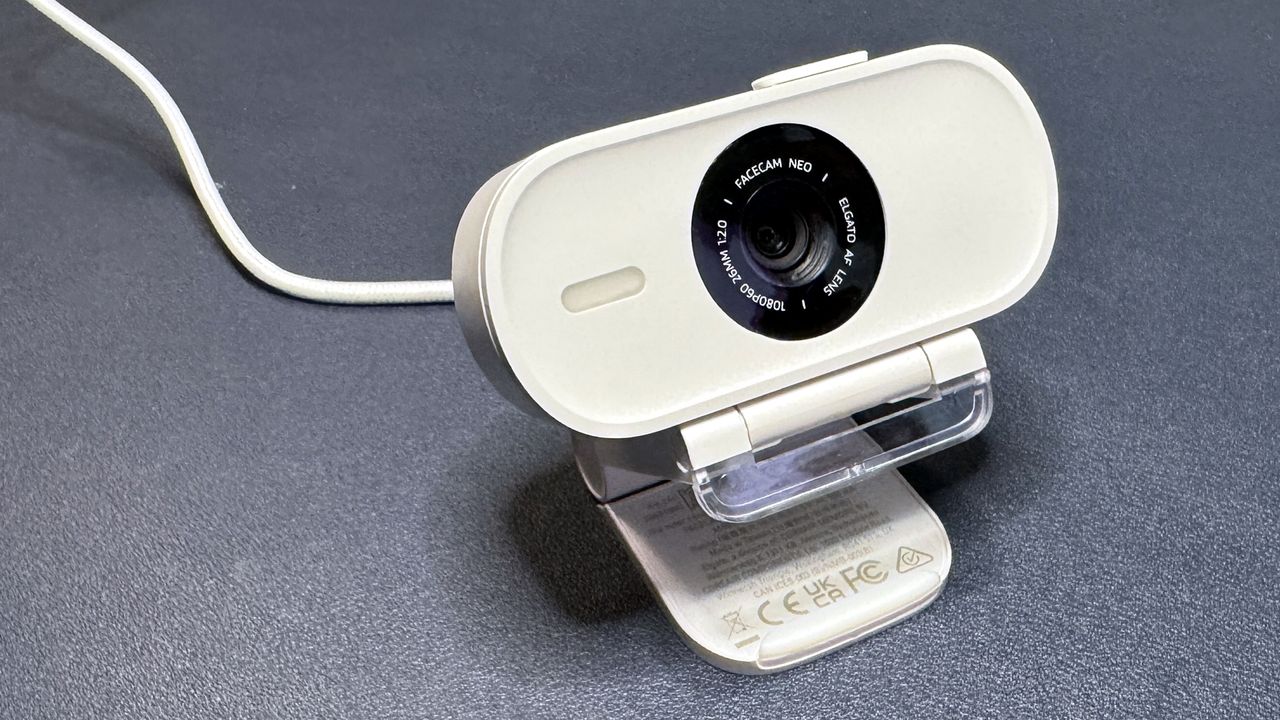
Elgato's Facecam Neo is a budget-friendly plug-and-play webcam that performs well in low-light scenarios and works on just about any device with a USB-C port (including non-traditional devices, such as iPads). It cost $99.99 when it first launched, but the price has since been permanently cut to $59.99, which might be an unbeatable deal.

❌