India’s Central Consumer Protection Authority (CCPA) has reportedly escalated its probe into whether Apple should be held responsible for an iOS 18 update that allegedly caused display and microphone issues on some iPhones. Here are the details.
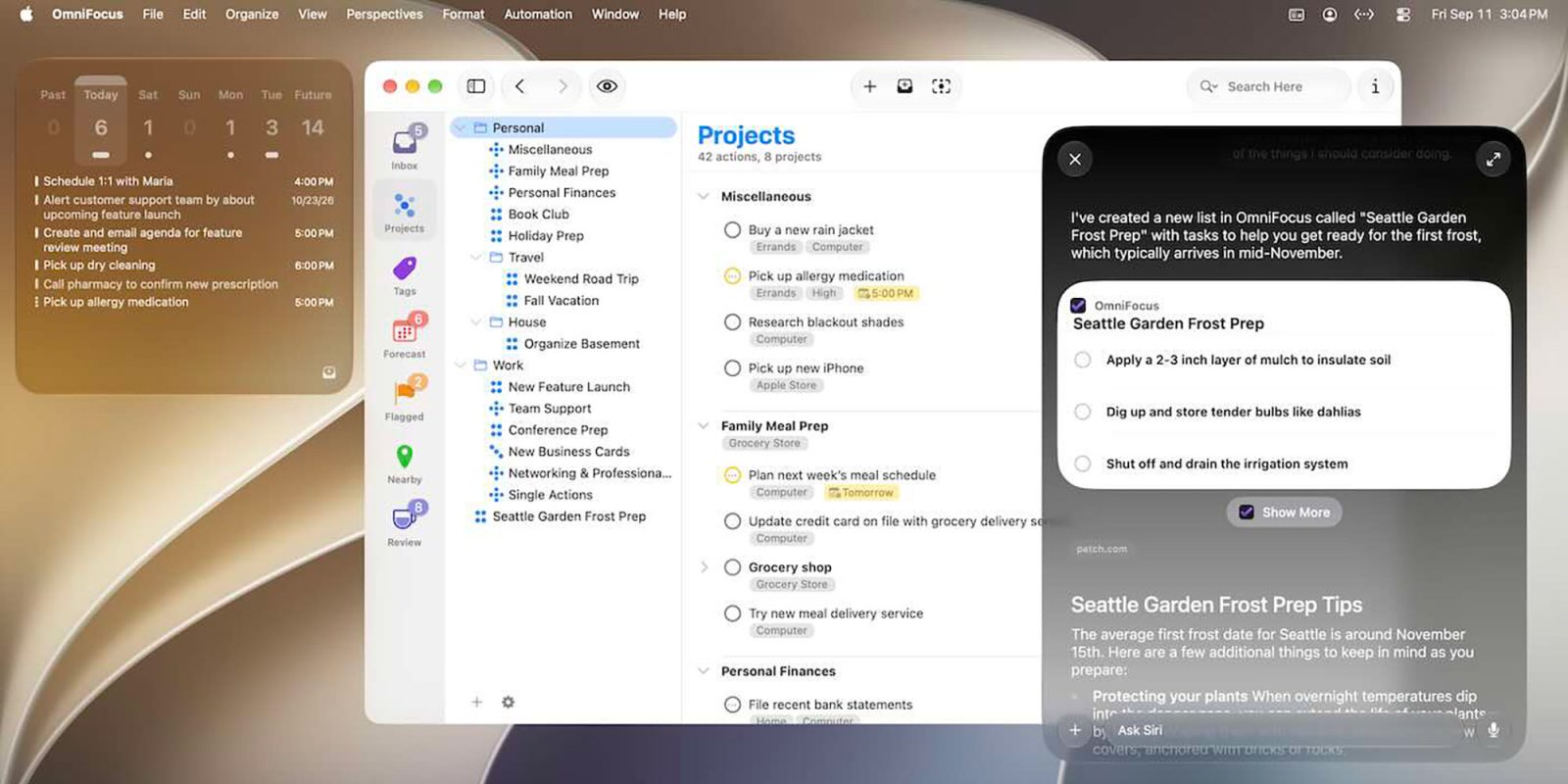
Following the release of macOS 27 Golden Gate and iOS 27, Ulysses was updated with Siri AI support, a refreshed interface, customizable toolbars, project templates, and more. Here are the details.
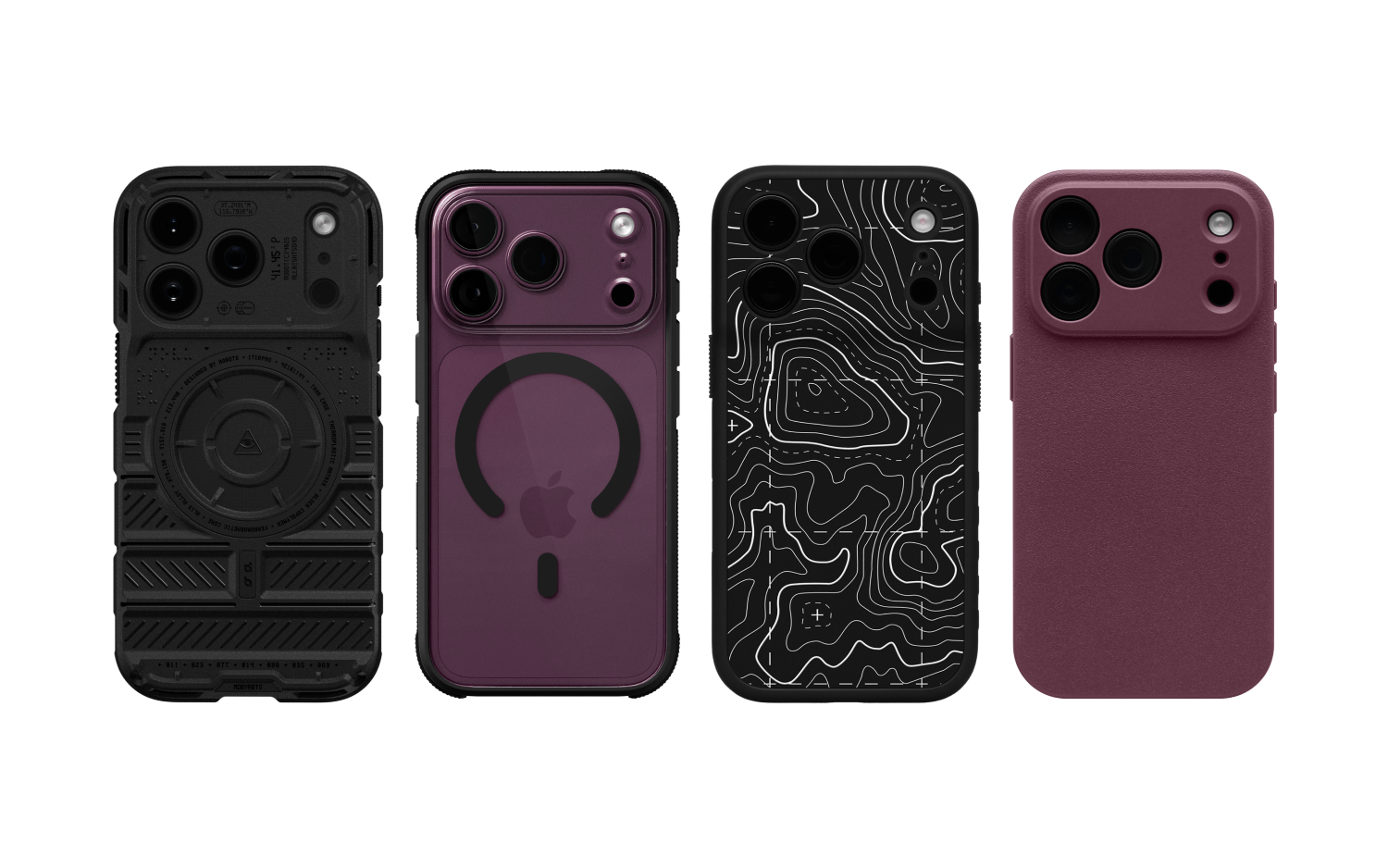
With the exciting new iPhone Duo and latest evolution of the iPhone 18 Pro now official, casemaker dbrand has wasted no time in announcing its latest cases, vinyl wraps, and screen protectors.
Whether you’re looking for a minimalist, barely-there case or one that offers the ultimate in no-compromise protection, dbrand has you covered.
This past week, employees and key figures at leading AI companies have called for a slowdown in the development of frontier AI models, citing warnings from their own teams and other AI researchers that the risk stemming from a super-intelligent AI could endanger the human race. However, while the top Western firms have shown solidarity on this issue, others have urged caution or downright denied their claims, but there's a deeper story within the calls for a slowdown, namely the tension between open-source and closed-source AI models.
Nvidia CEO Jensen Huang said the safety fears were "made up," and that there was no need for a slowdown. Chinese officials called the claims "fearmongering," and an effort to stymie international AI development efforts, while President Trump waded in with characteristic bombast and said that he was enough of an AI safeguard on his own, and that it was in the interests of China to enact a frontier AI slowdown
Meanwhile, other countries are reacting to the news and taking independent efforts to investigate AI safety, with the UK's King Charles setting a meeting with leading AI figureheads to discuss how to better develop AI for the benefit of humanity.
Why now?
If you ask most workers who've been scared into believing their livelihoods were in jeopardy, the time for AI slowdowns came and went years ago. Indeed, many are nostalgic for the time before AI. But why are so many tech leaders only now raising the alarm?
They claim it's entirely based around safety fears. Following months of AI seemingly surprising their own developers by breaching sandboxes to go on exploit-hunting sprees. The volume of concern rose considerably after former OpenAI researcher, Jacob Coxon, resigned from Anthropic, claiming that none of the AI companies were taking AI safety and alignment seriously enough.
He didn't whistleblow on anything nefarious, dump documents or internal company data to prove his claims, or point to any specific attack vectors, or even actual harms. Instead, Coxon warned of a future potential of AI that he sees these companies racing towards without due concern.
What they're developing could, "kill us all by the end of the decade," he warned. It's not clear how, but it started a viral conversation all the same. Much like Matt Schumer's "Something big is happening" viral post from February this year.
Days later, OpenAI CEO Sam Altman, Anthropic CEO Dario Amodei, and Elon Musk showed surprising levels of solidarity for arch rivals in the space, putting out similar statements claiming that AI was becoming too powerful and that a general slowdown in the development of frontier AI models was the best solution.
Claiming that AI was playing an increasing role in improving itself — hinting at the recursive self-improvement (RSI) event that many AI researchers are concerned about — Amodei called for the creation of independent auditors for AI models. Altman agreed, even calling on governments to globalize the regulation to encourage unified compliance with any safety protocols enacted by the frontier developers.
Where we're going, we don't need roads
Not everyone feels these fears are warranted, however. China, which has recently made great strides in its development of highly intelligent open-weight models, called the concerns "fearmongering" and said it served no one's interest to be so confrontational. Although Chinese Premier Xi Jinping has said in the past that it was important for AI to "always remain under human control," the Chinese state-run Global Times paper called demands for a slowdown a method to "contain" Chinese developments.
Meanwhile, Nvidia CEO Jensen Huang has broken ranks with other Western AI leaders, claiming that there was no need for a slowdown and that any apocalyptic fears around AI were entirely fictional.
Nvidia CEO Jensen Huang was asked how to explain a claimed 10% risk of human extinction from AI.“We shouldn't, because it's made up.” "All of these predictions have been wrong" pic.twitter.com/TZ3EXL8cl1September 14, 2026
As one of the few companies making real — and enormous — profits from AI development, Nvidia has a vested interest in the expansion of the AI industry continuing on its current explosive trajectory. Indeed, it has heavily invested in it. Nvidia has stakes in hardware and software companies, along with providing backstops for neo-cloud firms. It also recently bought Hugging Face for $13 billion.
We've been here before
While the AI CEOs might have suddenly decided it's time to slow down, there have been many, many others who have made that call before now. U.S. Senator Bernie Sanders has been at the forefront of claims that the AI industry was moving too fast and breaking too many things, and recently called for heavy prison sentences for those developing superintelligent AI.
Over 1,000 AI workers signed an open letter in July this year calling on the U.S. government to control AI research and ensure safety and security. Others did that in 2023, too. This isn't even the first time that AI CEOs have called for slowdowns on AI development. Dario Amodei called for global coordination to police AI after the release of OpenAI's GPT2 model in 2019. Elon Musk did the same in 2023.
None of this takes away from the real dangers of AI, or the suggestion that now may really be the time to do something about them. But it does raise questions about the reasons behind their coordinated fear-raising. Even if it isn't fear-mongering.
Safety, or a trojan horse?
The collation of leading Western frontier AI companies clamoring for tighter controls over powerful AI models has another theoretical benefit too: containing the number of AI models that are permitted for use in the Western Hemisphere. A cursory look at OpenRouter's AI model rankings, which base themselves on the total number of tokens generated, places just three Western-made models on the top ten list — the heavily discounted GPT 5.6 Luna at number one, Nvidia's Nemotron Ultra 3 (Free) at number eight, and Google's recently-launched Gemini 3.8 Flash at number ten.
The rest of the models in the rankings are all open-weight Chinese models, which, more often than not, are cheaper than leading Western frontier models, according to the Artificial Analysis' Cost per Intelligence index. The Chinese models in OpenRouter's current top ten include Z.AI's GLM 5.3, Deepseek V4 Flash, and Tencent's Hy4 and Hy3. So, if the development of a Western frontier AI alliance emerges under the guise of calls for safety, it's possible that said companies are aiming to be the chosen few, creating a closed-loop monopoly for "preferred" AI providers. However, this remains speculation as the situation develops.
Will anything actually change?
Although the major AI companies may voluntarily, or even jointly, throttle their development efforts to improve safety, enacting anything globally significant will need the cooperation of international governments. There are certainly calls from politicians the world over to rein in the trillion-dollar companies and their cutting-edge autonomous systems.
But with the U.S. government firmly on the side of limited regulation, and no clear indication of what a slowdown would even look like. Would that entail limited compute? No new models? A halt to superintelligence research? It's hard to imagine a global consensus taking shape as things stand.
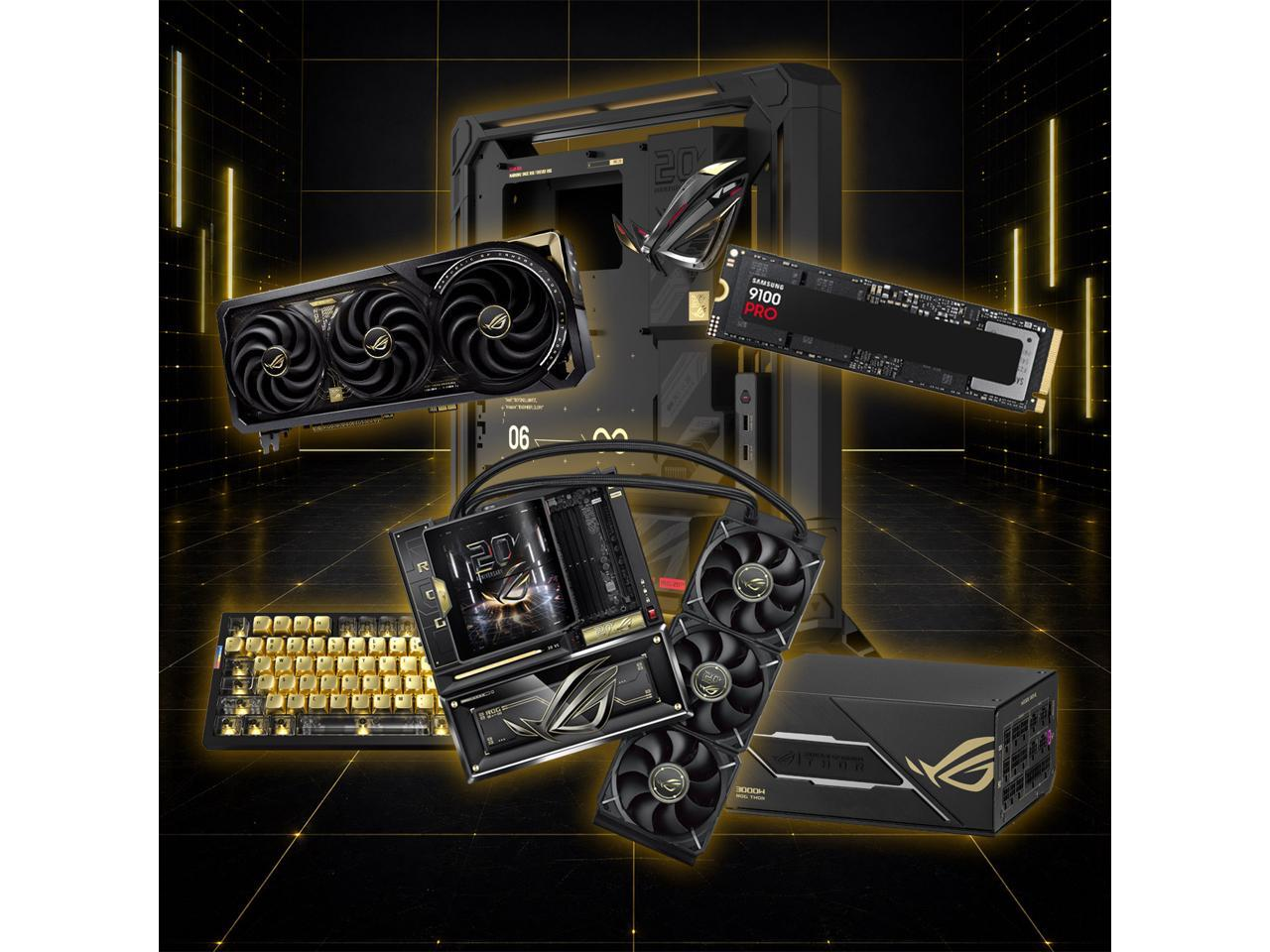
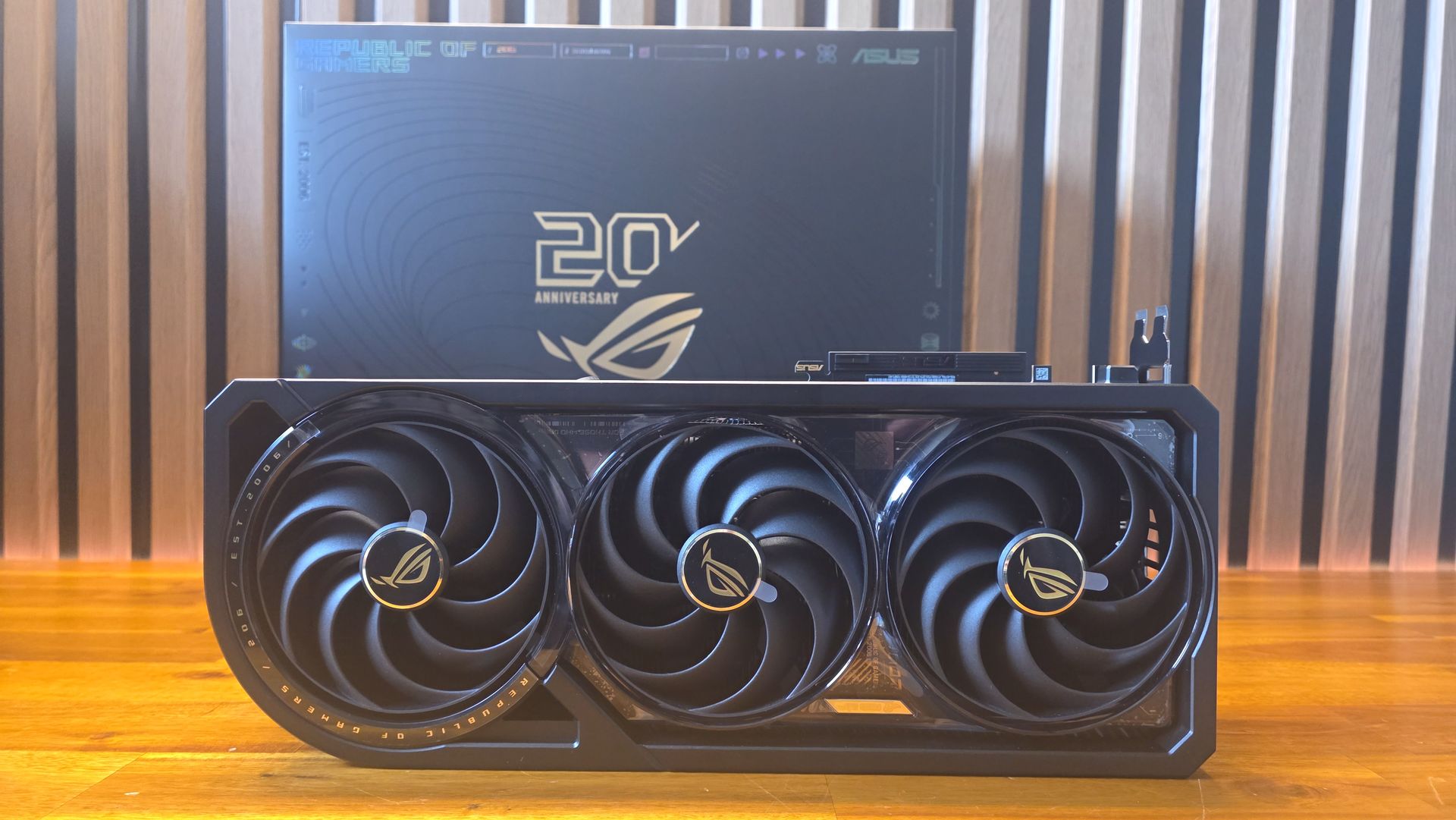
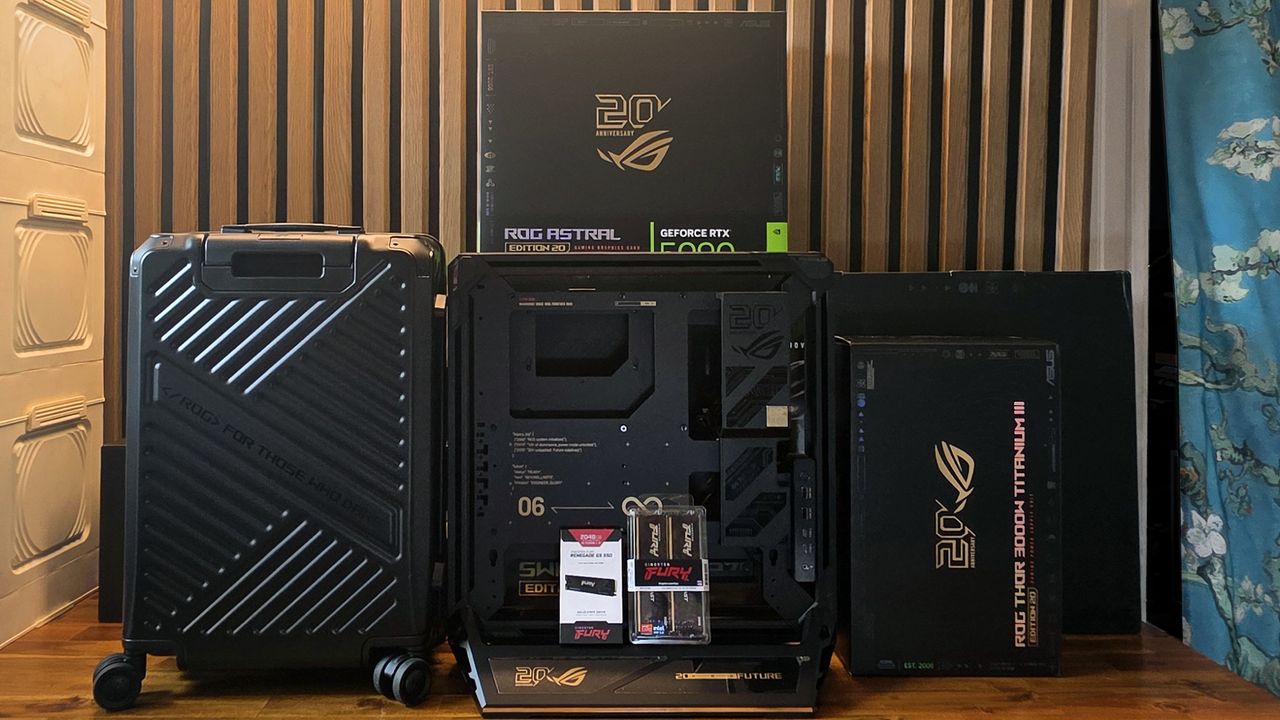
We've reviewed Asus' ROG Edition 20 anniversary kit. We've built a PC with it. It's about as premium as a gaming PC build can get. Right now, you can pick up the same kit for a whopping $10,849.96 on Newegg in a combo deal. To put it mildly, this is one expensive deal, but it's actually hiding a secret gem: it's the cheapest RTX 5090 graphics card on sale right now.
Writing up a near-$11,000 combo set as a deal might seem silly, but one of the core components here is the Asus ROG Astral GeForce RTX 5090 Edition 20 that is priced as part of this deal at $5,999. You can't buy this Astral card on sale individually right now. In fact, you can barely buy an RTX 5090 anywhere. RTX 5090 stock has almost completely disappeared in the United States, with only sketchy third-party sellers offering it at prices approaching $10,000.
This premium GPU is now ultra premium and, for the time being, ultra rare. Does that make this $10,849.96 Newegg combo deal a good option? If money is no object, you're perversely getting some value for your money, as long as you don't think too hard about the RTX 5090's original $1,999 MSRP.
ROG Edition 20 combo: $10849.96 This frankly ridiculous bundle includes all of Asus' ROG Edition 20 kit, including the ROG Astral RTX 5090, ROG Crosshair X870E, ROG Thor Titanium III 3000W PSU, and the ROG GR20 open-frame PC case. No discount, but the RTX 5090 is the cheapest you'll find it, in the oddest way.View Deal
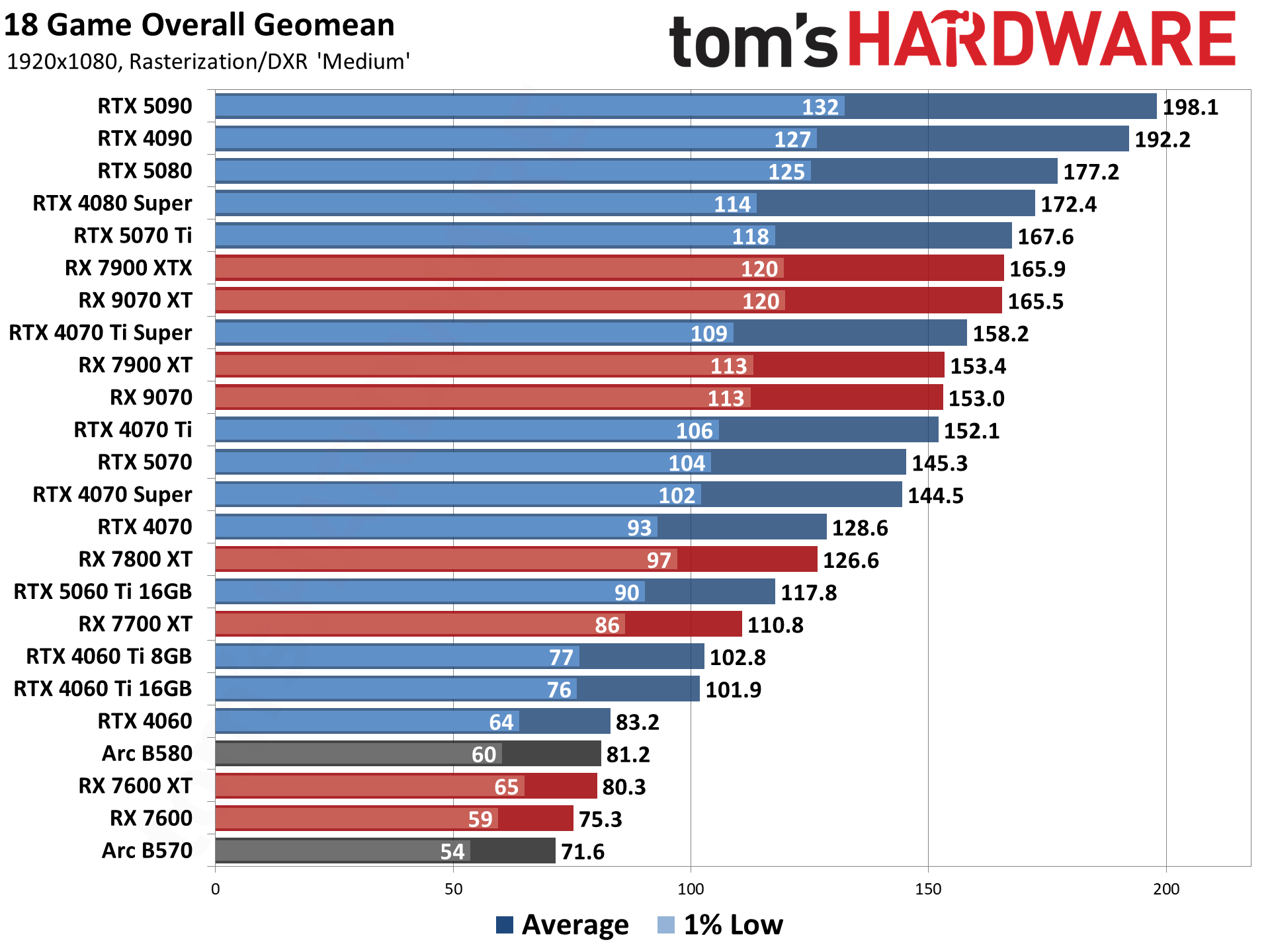
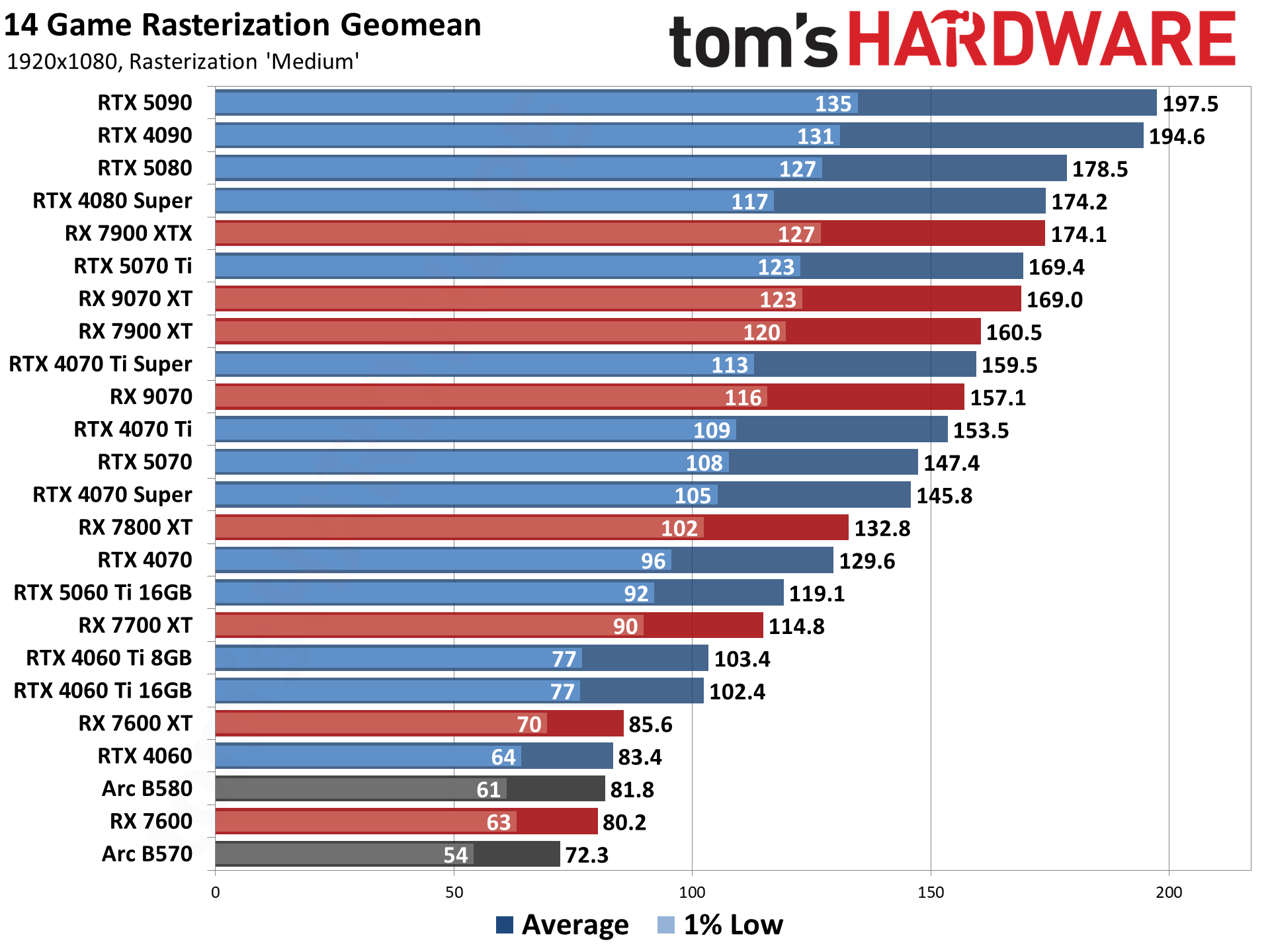
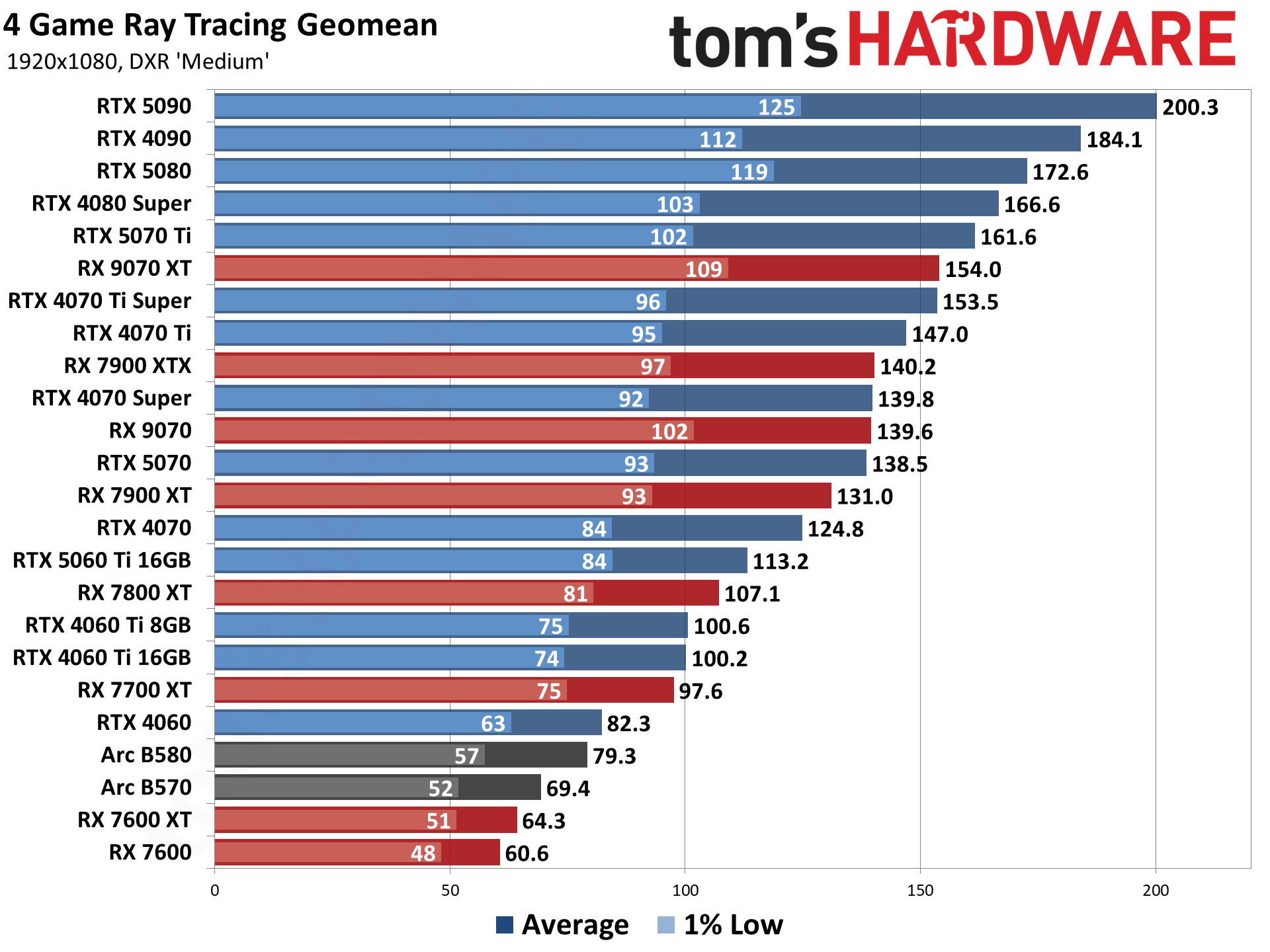
Yes, the GPU is an unstoppable force for any gamer. Our GPU benchmarks make that very clear. The RTX 5090 is the best GPU you can buy, and no other consumer GPU is going to beat it. It has 21,760 CUDA cores and 22GB of GDDR7 VRAM, with a 512-bit memory bus and bandwidth speeds of up to 1,792 GB/s.
This Astral is a world-beater of its own, though. It features an upgraded design, with a second BTF power connector to pull up to 800 watts, a glass backplate, and a curved OLED screen. It has faster clocks, hitting 2,750 MHz, with a 4.7-slot design. Performance-wise, the OG Astral is beating world records, so this is a card that you can really push to its limits (if you're not scared of charred power cables).
Tom's HardwareTom's HardwareTom's Hardware
The $6,000 GPU aside, you're also getting a $3,299 Asus ROG Crosshair X870E Edition 20 motherboard. Asus has a few variants of this, but the Edition 20 board here has (alongside some beautiful gold accents) supports for up to nine M.2 SSDs, with five slots on the board and more via add-in cards. There are six USB-C ports, plus two 20 Gbps front-panel connectors. Large copper VRM heatsinks work with its integrated AIO cooler, with a curved 6.7-inch AMOLE screen and a huge copper heatsink. Probably overkill, but for $3,299, you want it all.
You're also getting a $899.99 Asus ROG Thor Titanium III 3000W Edition 20 power supply. It's a PSU, but 3000W isn't to be sniffed at, and it'll certainly provide enough power for the monstruous Astral RTX 5090. It’s fully modular, with another OLED display (magnetic, this time) which you can mount either side, or extend with a cable.
(Image credit: Tom's Hardware)
Finally, you get the Asus ROG GR20 open-frame EATX PC case, set at $649.99. This is a totally new design from Asus, supporting large EATX motherboards, and you can stand it vertically or horizontally. There's a crossflow fan to blow cool air onto the GPU, RGB light strips, and several fast USB ports. It's mostly aluminum, with some plastic, magnetically attached cosmetic covers around the sides.
$10,849.96 for this Asus combo kit is so much money for anyone to spend on a gaming PC build, but, unfortunately, we are where we are. As our Asus ROG Edition 20 build write-up mentions, this is a kit that few will buy and own. AI is pushing gaming PCs to new heights, and it's a real shame that we're now seeing current-gen flagship GPUs like the RTX 5090 becoming so rare to buy that combo offers like this are, perversely, almost good value. If you're spending $6K or more on a GPU, though, then it might make sense. You won't find an RTX 5090 cheaper (or, probably, at all, at least for some time) so if you want the best gaming PC build that you can find, this is the kit you'll want. For once, we don't imagine this will sell out soon, but Newegg might pull the deal at any point.
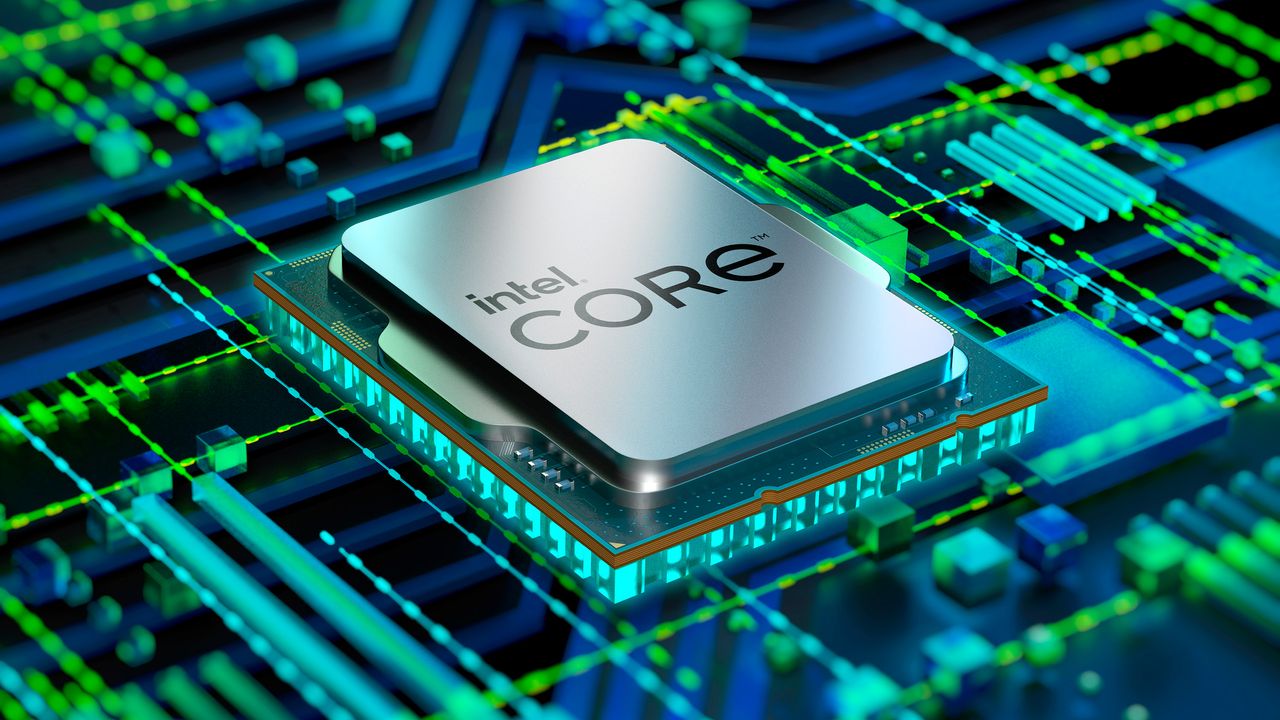
Intel won't launch a Nova Lake-S SKU with 12 Xe3P graphics cores, according to tipster Jaykihn, who originally flagged a beefed-up APU design with the Nova Lake architecture. The original SKU was said to come with 4 P-cores, 8 E-cores, and 4 LPE-cores, along with the 12 Xe3P cores, presumably offering an inexpensive onramp to a gaming desktop without a discrete GPU. Now, the leaker says that design is cancelled, and Intel intends to pick it back up with Razor Lake, the generation that will follow Nova Lake.
Nova Lake -S 12Xe has been changed to Razor Lake -S 12XeSeptember 14, 2026
Originally, Intel's 12 Xe3P Nova Lake SKU was said to require 65W of dedicated power to drive the iGPU, necessitating the use of two VCCGT phases on the motherboard for integrated graphics. Intel's Arc B390 GPU, which is the 12 Xe3-core model available in Panther Lake and Arc G-series processors, has a thermal design that can sustain up to 80W. However, it's currently being used in Panther Lake machines and handhelds like MSI Claw 8 EX AI+ that have lower power targets.
The Xe3P architecture is slotted for use in Intel's Crescent Island AI accelerator, but it hasn't been announced for any other products yet. Xe3P supports a wide deployment of Xe cores (up to 32), a deeper XMX engine with support for low-precision data types like FP8 and FP4, an increased 512KB L1 cache per Xe core, and a new unified L2 cache (32MB on Crescent Island).
Even by desktop APU standards, an 80W iGPU is a beefy accelerator to have on the same package. In addition, Intel's Nova Lake stack is said to extend up to a 175W TDP with the rumored top-end 52-core SKU, meaning the full 12 Xe3P iGPU would likely only be possible lower down the stack (and maybe only in the 4 + 8 + 4 + 12 Xe design originally suggested).
Earlier in the year, rumors suggested Intel was working on a mobile APU to counter AMD's Strix/Gorgon Halo products, featuring a large pool of unified memory and a large iGPU, dubbed Nova Lake AX. Now, the rumor mill suggests Intel will recycle the Nova Lake CPU cores for Razor Lake AX on mobile while pushing a larger iGPU.
Nova Lake-S rumored specifications
SKU*
Core Config (P+E+LPE)*
bLLC*
TDP (Unlocked/Locked)*
52 Cores (dual-tile)
(8+16)+(8+16)+4
288MB
175W
44 Cores (dual-tile)
(8+12)+(8+12)+4
264MB
175W
28 Cores
8+16+4
144MB
125W
28 Cores
8+16+4
-
125W / 65W
24 Cores
8+12+4
132MB
125W
24 Cores
8+12+4
-
125W / 65W
22 Cores
6+12+4
108MB
125W / 65W
22 Cores
6+12+4
-
125W / 65W
16 Cores
4+8+4
-
65W / 35W
12 Cores
4+4+4
-
65W / 35W
8 Cores
4+0+4
-
65W / 35W
6 Cores
2+0+4
-
65W / 35W
*Specs rumored, unconfirmed by Intel
Intel has told us that Nova Lake is one of the most important desktop CPU launches for the company ever, following on the heels of the mediocre Arrow Lake rollout. Perhaps the biggest addition to the lineup is rumored to be bLLC, or big last-level cache, which is said to show up on select SKUs to counter AMD's X3D assault among the best CPUs for gaming. The company has yet to confirm that bLLC is even possible with its current packaging capabilities, though enthusiast channel VP Robert Hallock hinted to Tom's Hardware that Intel has plans to address X3D in the next generation.
The main stack is rumored to climb up to 28 cores, with two additional dual-tile SKUs that can go as high as 52 cores. The dual-tile models look like a bid for HEDT, perhaps competing with AMD's Threadripper CPUs, though it's not clear how Intel will position its dual-tile models yet.
Alongside Nova Lake, Intel will introduce the new LGA1954 socket, along with the flagship Z990 chipset. We've already seen multiple Z990 motherboards in the flesh, suggesting Intel is preparing for a Nova Lake release in short order.
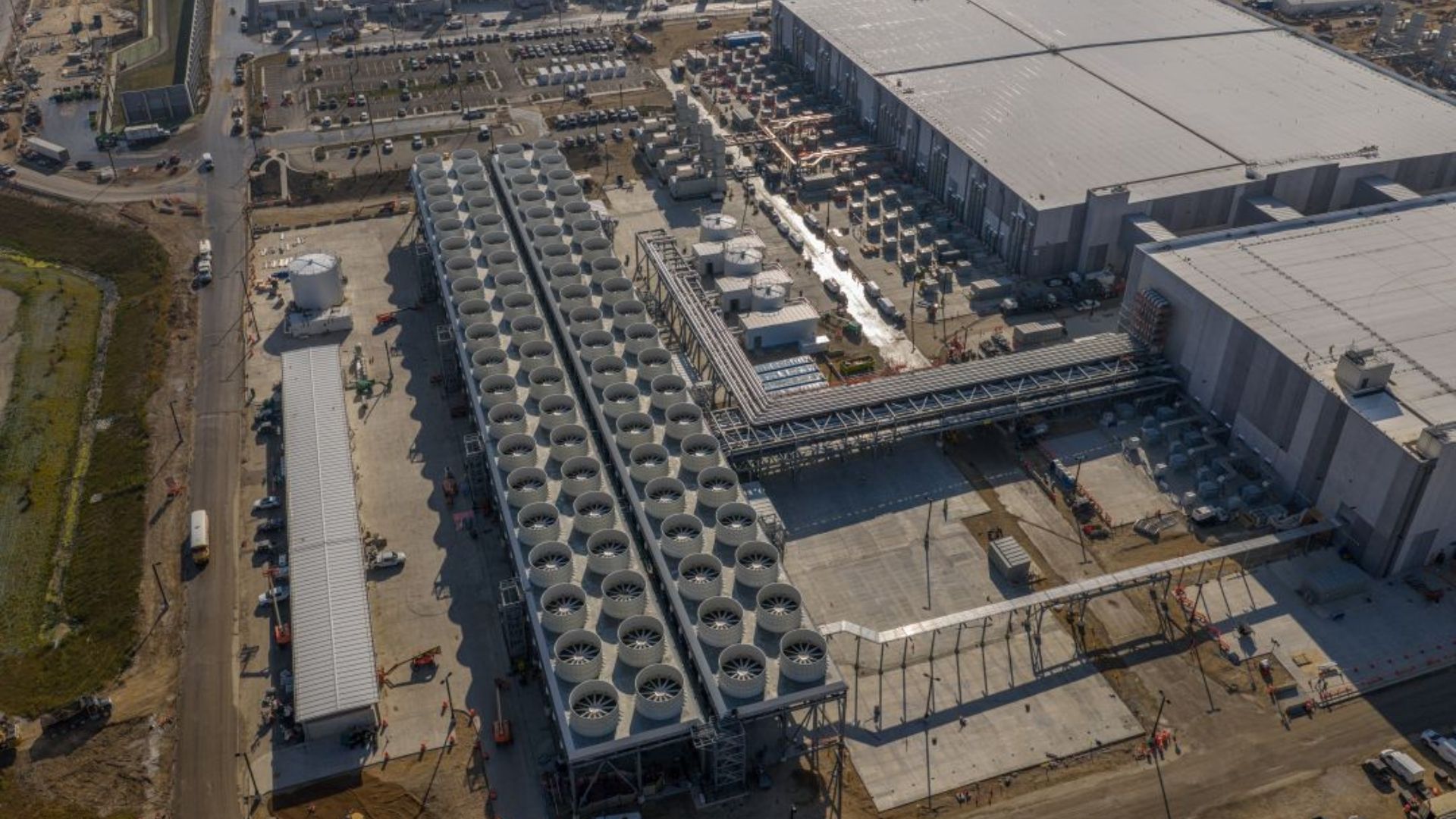
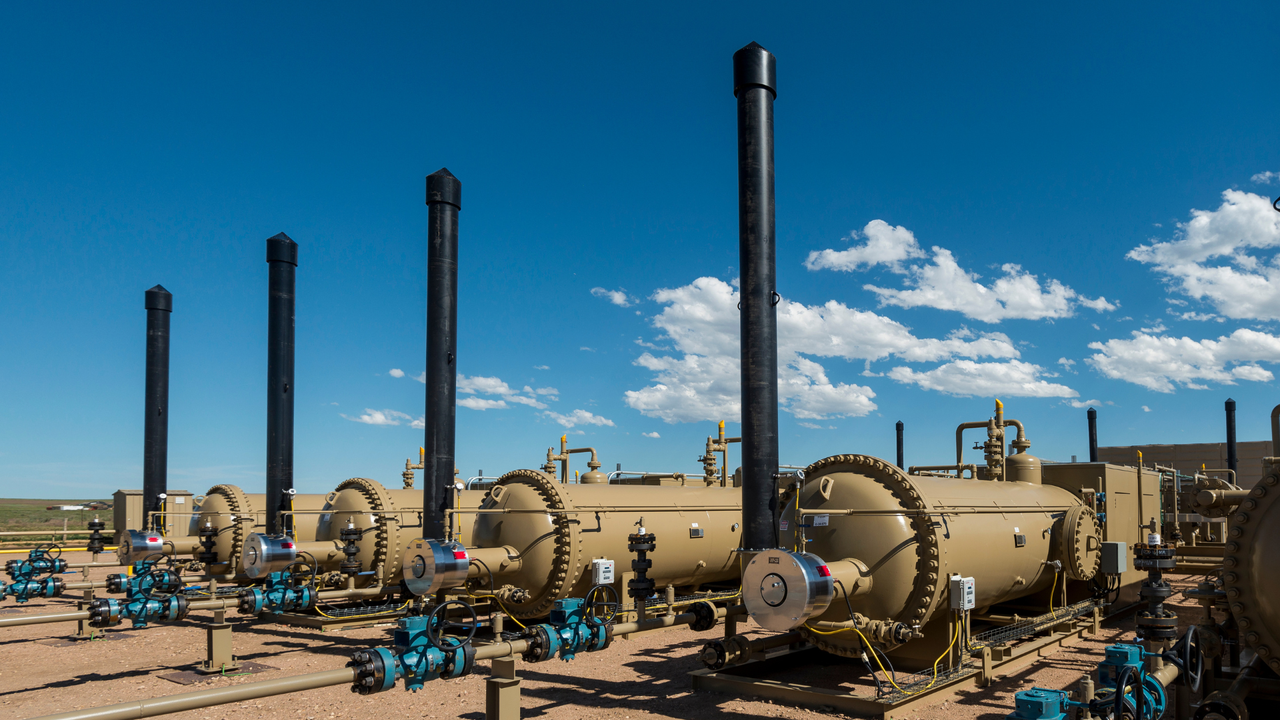
The estimated natural gas consumption of data centers in the U.S. is expected to massively increase as these facilities increasingly rely on gas turbine generators for their power. According to Bloomberg, data centers are projected to use up to 15 billion cubic feet per day by 2035, a 117% increase from the previous forecast of 6.9 billion cubic feet. This number tracks with other data center forecasts, which suggest that data centers will use 20% of U.S. power by 2035, amounting to about 194 gigawatts.
New technologies like small modular reactors are currently being developed as an answer to AI data centers’ insatiable demand for power, like Ampera’s 3D-printed modular thorium nuclear reactor or Valar Atomics’ Ward 250 nuclear microreactor. Many AI hyperscalers, including Amazon, Google, Microsoft, Nvidia, and Oracle, have even invested in projects like these in a bid to generate massive amounts of clean energy for AI. However, they’re expected to take a few more years before they could become commercially viable — time that tech giants do not have. Because of this, Musk said that “natural gas will still be needed to supplement and bootstrap solar for several years.”
The deployment of natural gas turbines in data centers isn’t good news for the communities living around them, though. The NAACP said in its lawsuit against SpaceXAI that the use of these turbines at Colossus 2 increased nitrogen oxide exhaust by 111%, PM2.5 particles by 83%, and formaldehyde emissions by 88%. While the company has already pledged to remove all its unpermitted generators, the process will take at least a year as the portable turbines are slowly being replaced by a 1.2-gigawatt on-site power plant.
Aside from this, the massive demand for natural gas could potentially put a strain on the supply, causing prices to rise and hit the average consumer. Domestic natural gas producers are projected to raise their output by 35 billion cubic feet per day in the next decade, but this still falls short of the forecasted demand by around 11 billion cubic feet per day. So, unless output manages to catch up with the demand, prices are expected to shoot up and cause a scramble for available supply. Still, some experts suggest that there are still more than enough undeveloped gas fields within the U.S. to allow the industry to increase natural gas supplies and reduce costs.
iOS 27 adds a small birthday-themed tidbit to the Phone app, with a new animation that appears when calling someone on their big day. Here are the details.
After adding three MacBook models to its obsolete products list last month, Apple today updated its vintage products list to include the 2019 21.5-inch iMac with Retina 4K display. Here are the details.
Apple TV won big at the Emmys last night, taking home more awards than any other competitor, including HBO. Here’s what HBO boss Casey Bloys said in response to Apple’s victory.
iPhone Duo pre-orders open next month, and a new analyst report indicates the device could be in even shorter supply at launch than expected. Here are the details.
AppZapper is one of the first Mac apps I bought when I switched from PC to Mac in 2009. Coming from Windows, OS X lacked an obvious solution for thoroughly uninstalling software.
The answer, of course, is dragging an app from the Applications folder to the Trash. But what about all the extra cruft that apps leave behind? AppZapper handled it.
This week, the app returned from a long hiatus to introduce a brand-new version of “the uninstaller Apple forgot” with AppZapper 3000.
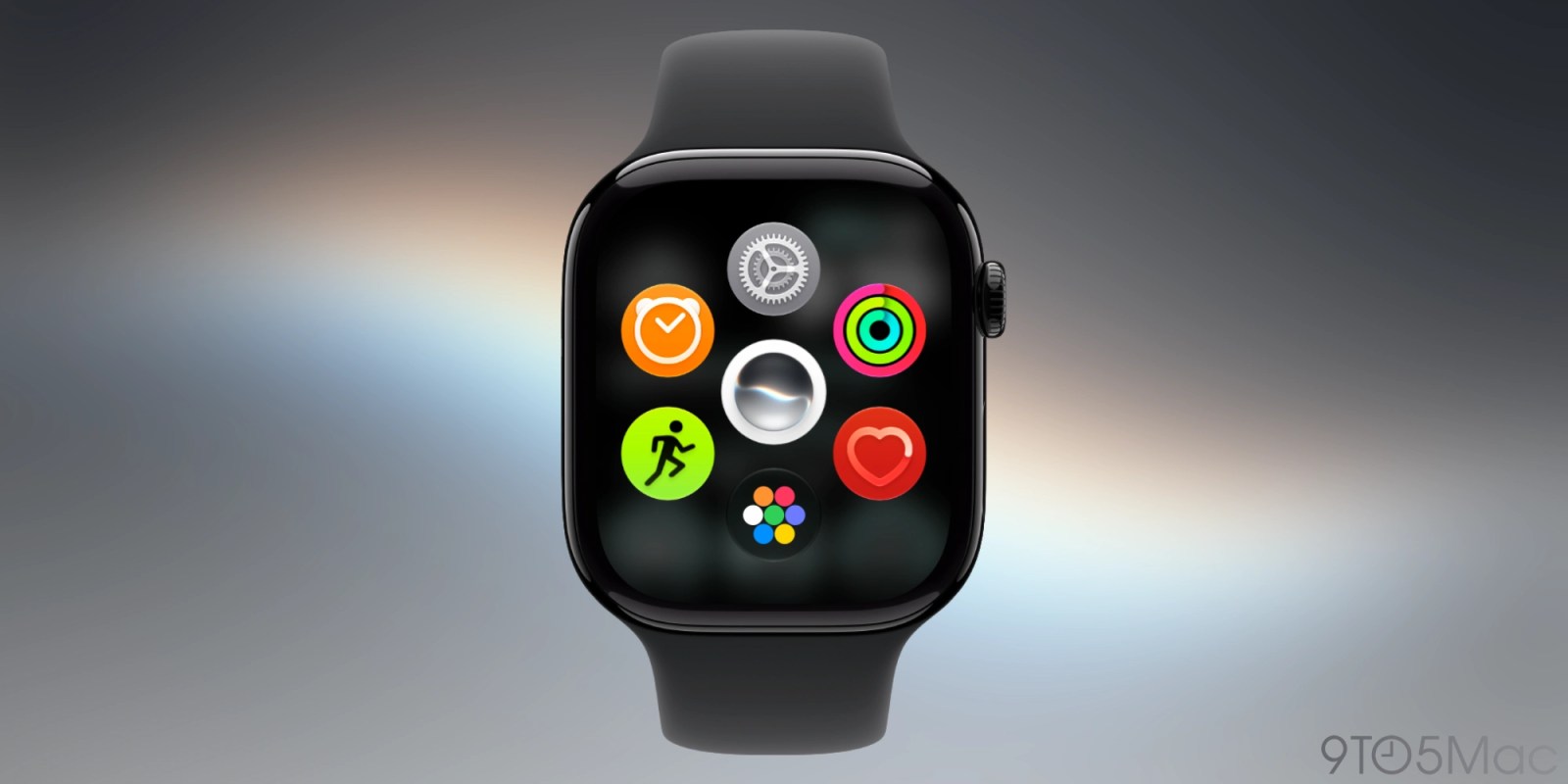
watchOS 27 removes a useful multitasking shortcut from Apple Watch. While we don’t know if it will make a return, we at least now know why the gesture was removed.
Sponsored by Stuff:Stuff helps you get everything out of your head and into a simple, elegant system—closing open loops and reducing mental stress. A simple to-do list for iPhone, iPad, and Mac, with powerful tools that make organizing, tracking, and checking off your tasks a whole lot more satisfying. Get Stuff done.
iOS 27 brings powerful upgrades to the iPhone’s Camera app, especially for users who have AI-compatible models or the iPhone 18 Pro. Here’s what’s new for Camera in iOS 27.
Amazon is now offering the lowest price anywhere on the new AirPods 5 with ANC pre-orders down at $125, just after launching its early fall Prime Day deals ($50 off and AirTag 2 at $20 each, but today’s 9to5Toys Lunch Break is headlined by a pair of M5 MacBook Air configs at $150 off via Amazon. We also have the first cash discounts on most affordable Apple Watch Series 12 and Apple Watch Ultra 4 with the new Translucent Ocean Band, joined by this discount on Anker’s iPhone 18 Pro-ready Prime Qi2 25W MagSafe Wireless Car Charger Mount. All of that and more awaits below.
 登录
登录