登录
Elon Musk mocks OpenAI CEO Sam Altman's claim that PCs having RAM is terrible
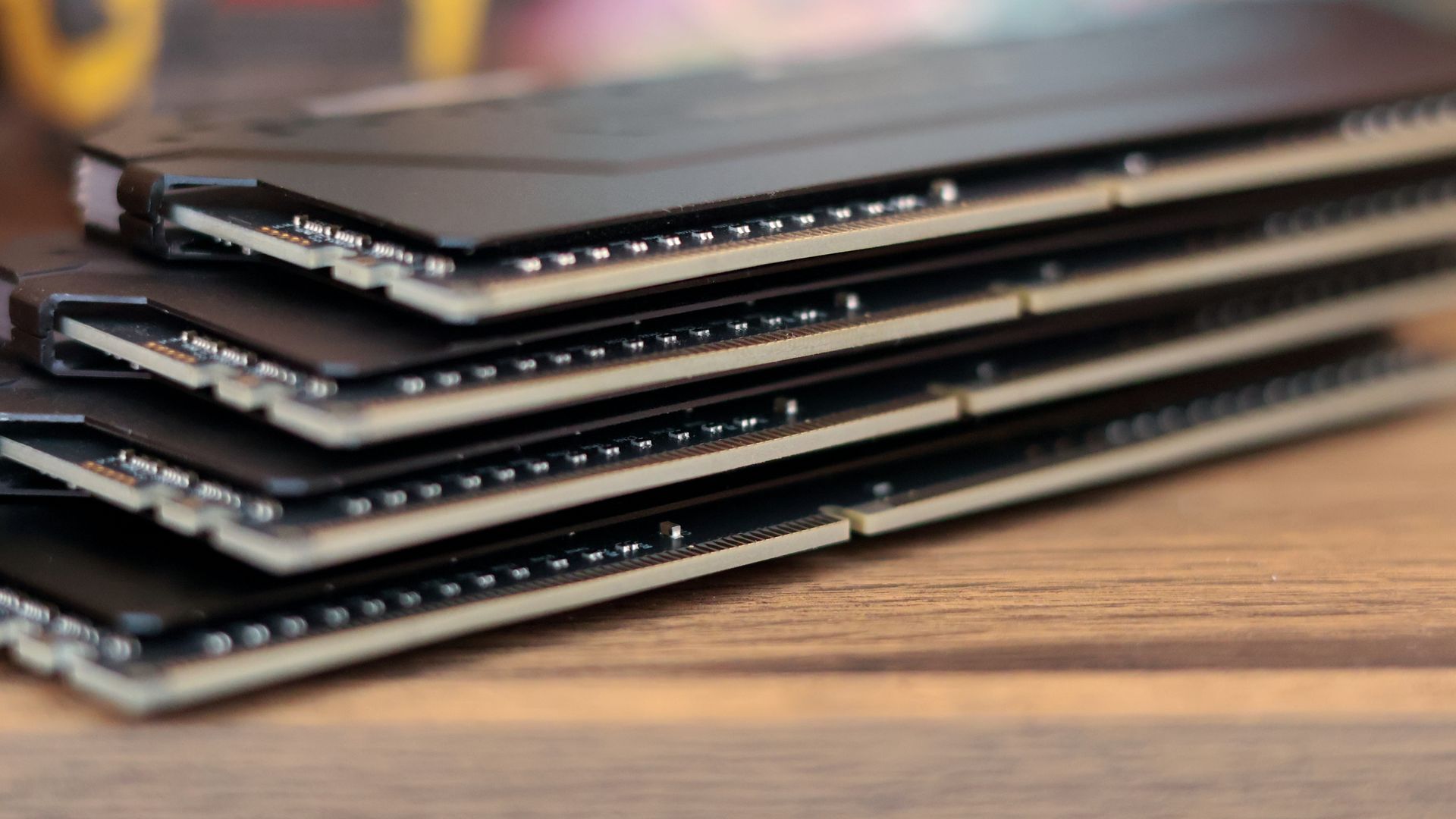
SpaceX CEO Elon Musk has taken to X, the social network that he owns, to mock OpenAI CEO Sam Altman's stance that it's "quite terrible" for home computer users to have DRAM in their machines. Altman made the claim during an appearance on the YouTube channel Cheeky Pint, noting that it would be better for DRAM to be used in AI data centers instead. Mocking the point, Musk shared a meme on X that referenced a movie in which a German WWII officer appears to be hunting for people hiding sticks of DRAM.
- The data center cooling state of play
- The custom AI ASIC state of play
- America’s AI chip rules keep changing — and the rest of the world is paying the price
- GTC 2026: Ian Buck press Q&A transcript — VP of Hyperscale and HPC speaks out on shelving CPX and shipping LPU decode this year
- Demand for data center CPUs has surged, and AI agents are responsible
Altman's stance has already drawn plenty of ire across the internet. "From a global allocation perspective, actually, it's quite terrible to have everybody have a bunch of the world's limited supply of DRAM sitting in their own computer and being used 5% of the time," Altman said during the YouTube interview. "You want maximum utilization in the cloud if you're trying to deal with this very supply-constrained environment. And somehow many people's intuition is the opposite of that."
The people deserve to have their RAM too! https://t.co/q6dwauALw4November 1, 2026
OpenAI does, of course, offer some open-source models, but it makes its money from models hosted in data centers, which it can charge users to access at home. With that in mind, it's perhaps unsurprising that Altman would rather people not have home computers that are capable of running local models, negating the need for cloud-based alternatives. However, Altman's comments are ill-timed — computer enthusiasts and average users alike are facing increased prices across the board, whether buying DRAM kits themselves or computers as a whole. As chipmakers retool factories to produce components for AI data centers rather than the consumer market, prices have skyrocketed on everything from DRAM kits to the storage used in devices of all shapes and sizes.
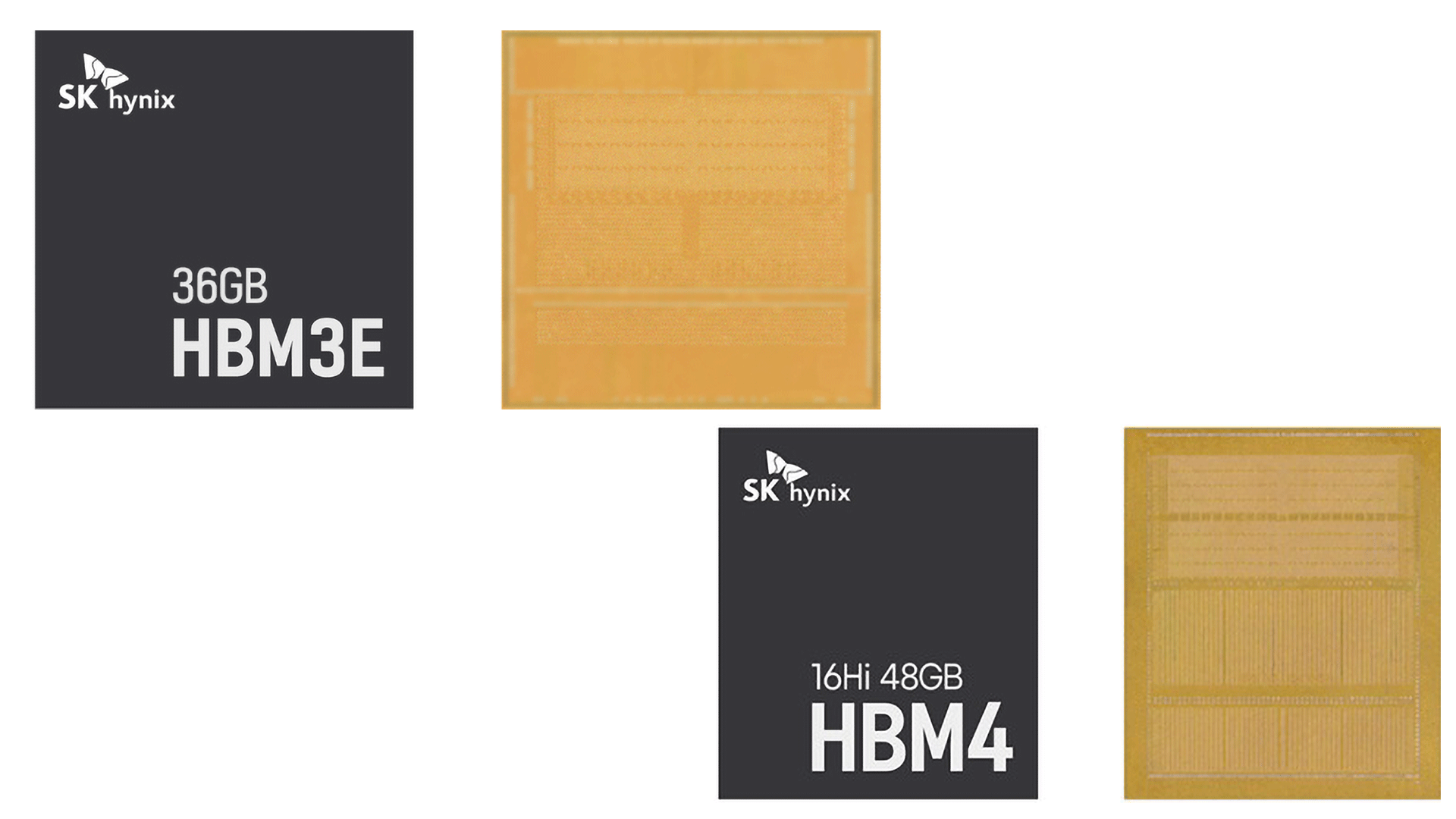
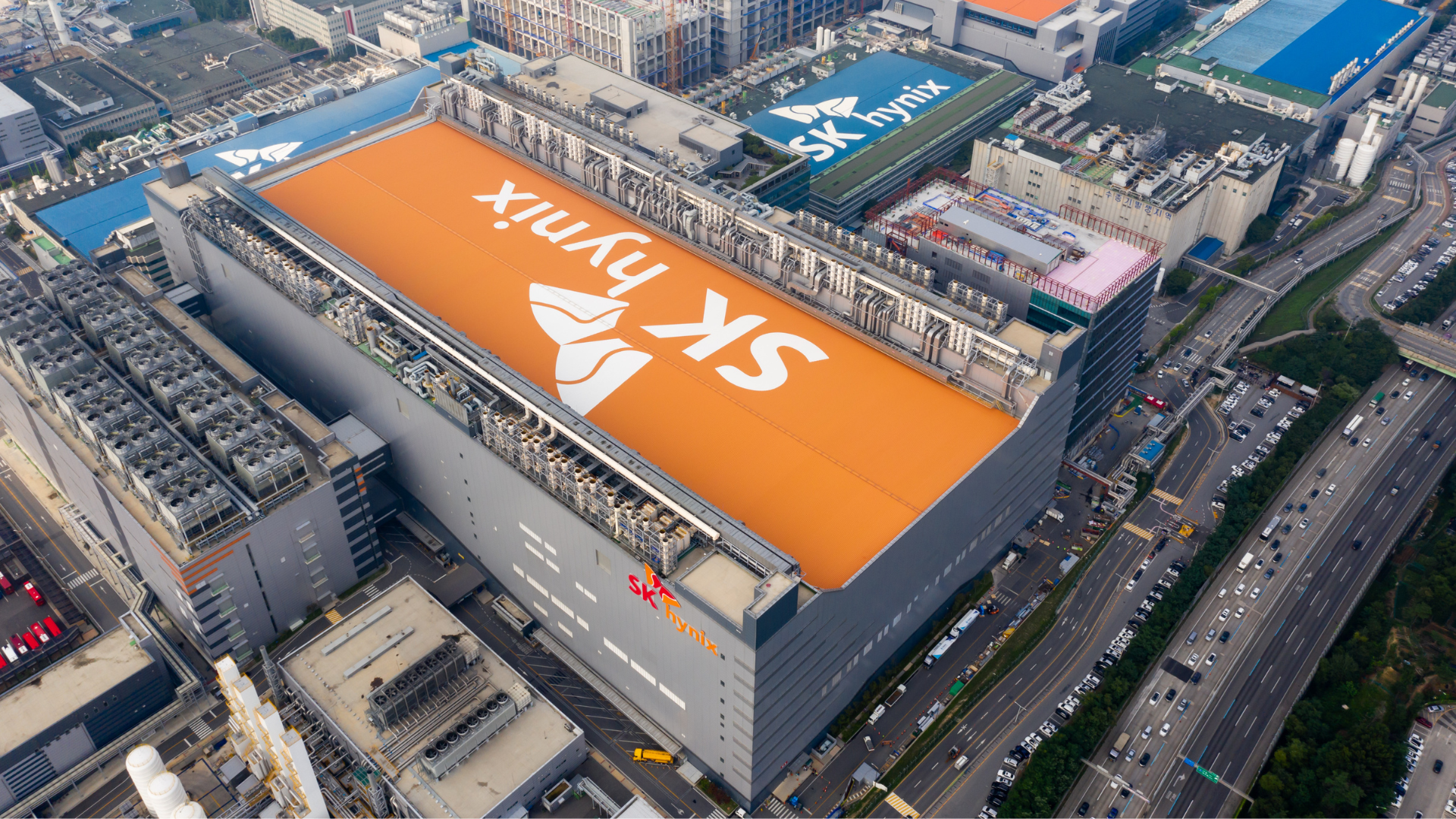
Even Apple, a company previously thought immune to component price increases, hiked prices across its lineups earlier this year. Its recent iPhone launches saw a price increase across the board, too. Beyond Apple, Lenovo said in June that it didn't expect prices to return to pre-2026 levels anytime soon, if ever. Makers of DRAM, Samsung and SK hynix, have also warned that AI-driven memory shortages will last until 2027 and beyond.
As the perceived demand for more AI data centers shows little sign of slowing, the demand for the components that power them will similarly maintain levels that put all other technology at risk of price increases and limited availability.