普通视图

发现新文章,点击刷新页面。
昨天以前IT News

Nintendo unveils The Legend of Zelda 40th Anniversary Switch 2 for $520 — First-ever special-edition Switch 2 drops October 19, alongside $100 Pro Controller, pre-orders live

Nintendo just aired one of the most important Directs of the Switch 2 generation, showcasing the upcoming Ocarina of Time remake in all its glory. The presentation also brought along the announcement of the first special edition Switch 2 hardware: The Legend of Zelda 40th Anniversary Edition. The console costs $519.99, but there's also an identically themed Pro Controller for $99.99 that you can pre-order right now — either item ships later this year on October 29.

The company's first handheld to be adorned in special edition Zelda makeup was the Game Boy Advance SP released in 2004 alongside The Legend of Zelda: The Minish Cap. The first home console to receive the same treatment was The Wind Waker HD edition of the Wii U in 2013. Most recently, we got a Tears of the Kingdom-themed Switch OLED in 2023, followed by the Hyrule Edition of the Switch Lite next year.

Across every handled and home console released, The Legend of Zelda 40th Anniversary special edition Switch 2 will be the 12th piece of Zelda-themed hardware Nintendo has put out. Moreover, it took the original Switch just a few months to get its first limited-edition hardware (Monster Hunter XX Special Pack), but the Switch 2 has clearly taken its time with this design, and it's sure to be a collector's item.

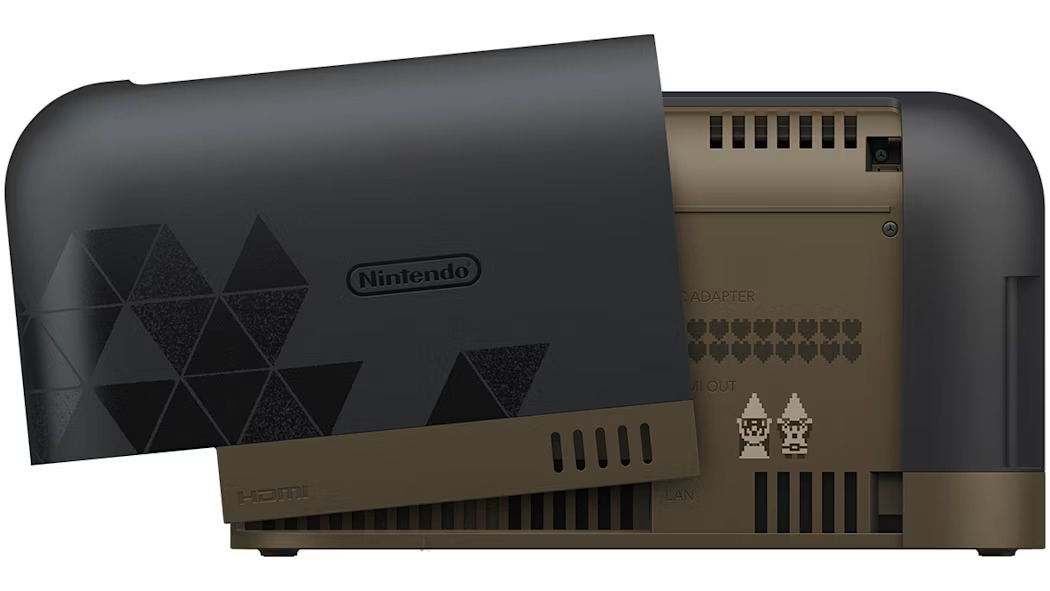
The tablet itself is mostly the same boring black except for a few golden triangles at the back. However, the Joy-Cons feature a beautiful green design with a Tri-Force symbol on the left. The dock is a gorgeous, two-tone golden and black color with a very bold Tri-Force theme across the front and some easter eggs on the back. Even the packaging is supposed to have textured foil cover art. The console will retail for $520 and does not come with any game.
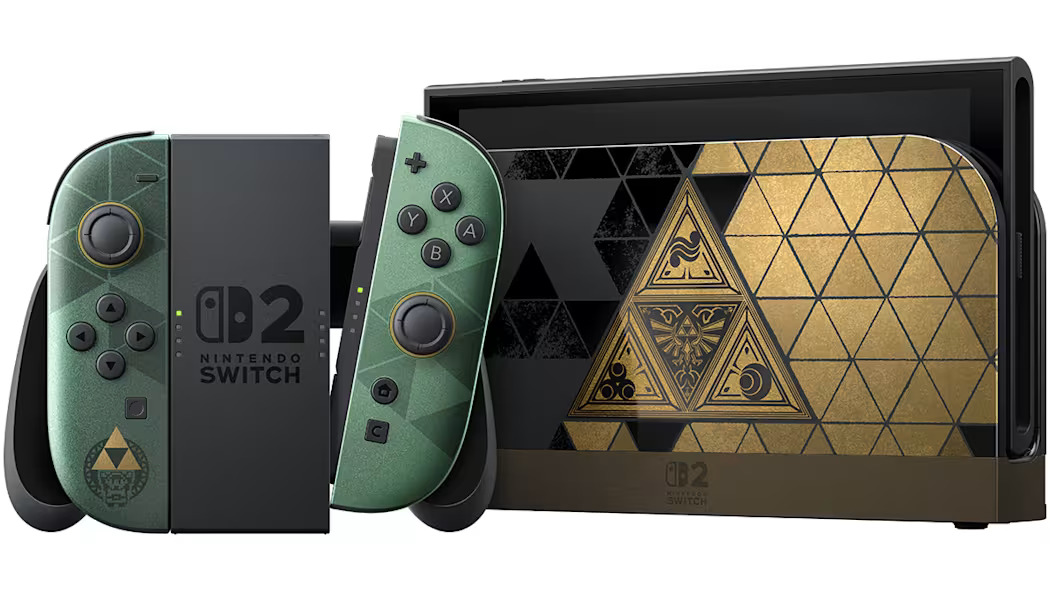
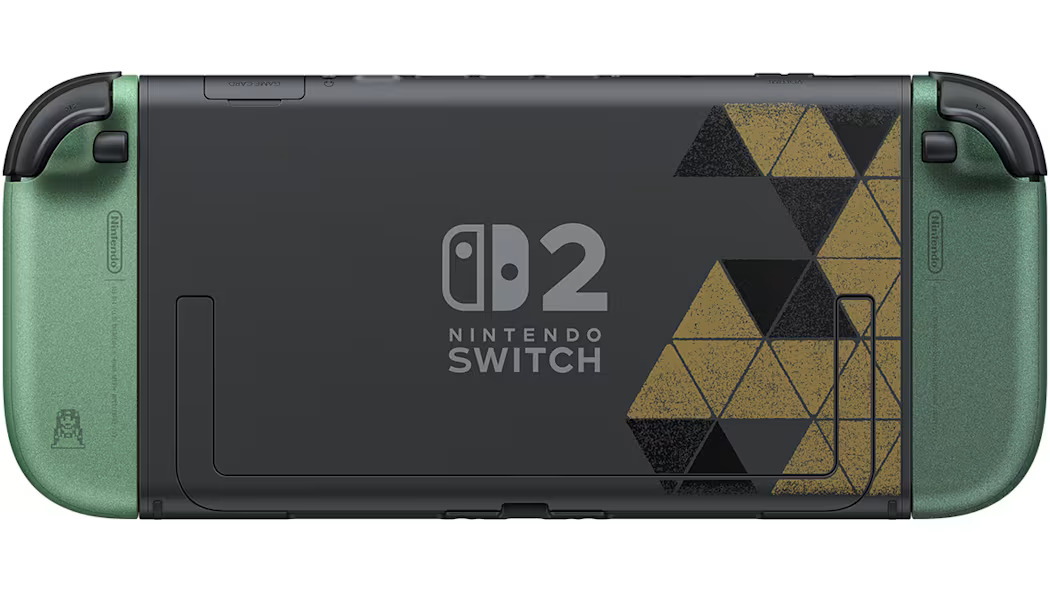
The Legend of Zelda™ – 40th Anniversary Edition Nintendo Switch 2, Pro Controller, and Carrying Case
Nintendo
The Legend of Zelda™ – 40th Anniversary Edition Nintendo Switch 2, Pro Controller, and Carrying Case
Nintendo
The Legend of Zelda™ – 40th Anniversary Edition Nintendo Switch 2, Pro Controller, and Carrying Case
Nintendo

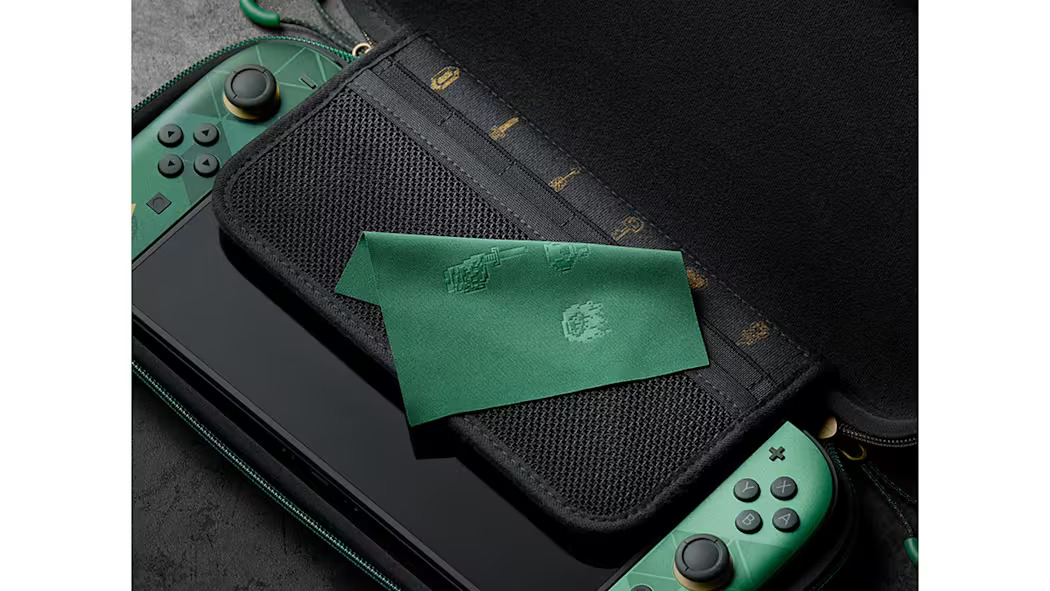
Alongside the console, there's a Switch 2 Pro Controller that looks very similar to the Joy-Cons, with a green and gold theme that combines elements of the Triforce with a crest emblem. It comes as is for $100, but you can also get it with a subtly themed display stand for $110. Finally, there's also a $40 carrying case adorned with Zelda illustrations. You even get a custom, green-colored microfiber cloth inside and a screen protector.


The Legend of Zelda™ – 40th Anniversary Edition Nintendo Switch 2, Pro Controller, and Carrying Case
Nintendo
The Legend of Zelda™ – 40th Anniversary Edition Nintendo Switch 2, Pro Controller, and Carrying Case
Nintendo
The Legend of Zelda™ – 40th Anniversary Edition Nintendo Switch 2, Pro Controller, and Carrying Case
Nintendo

Keep in mind that all of this hardware celebrates the 40th anniversary of the Zelda franchise, which already passed earlier this year. It has nothing to do with the upcoming Ocarina of Time remake and, as such, the game is not included in the $520 limited edition Switch 2. Pre-orders for all the items discussed above are open, and they will be released on October 29, 2026. The Ocarina of Time remake drops next month, on November 19, 2026, and will be sold separately for $60.
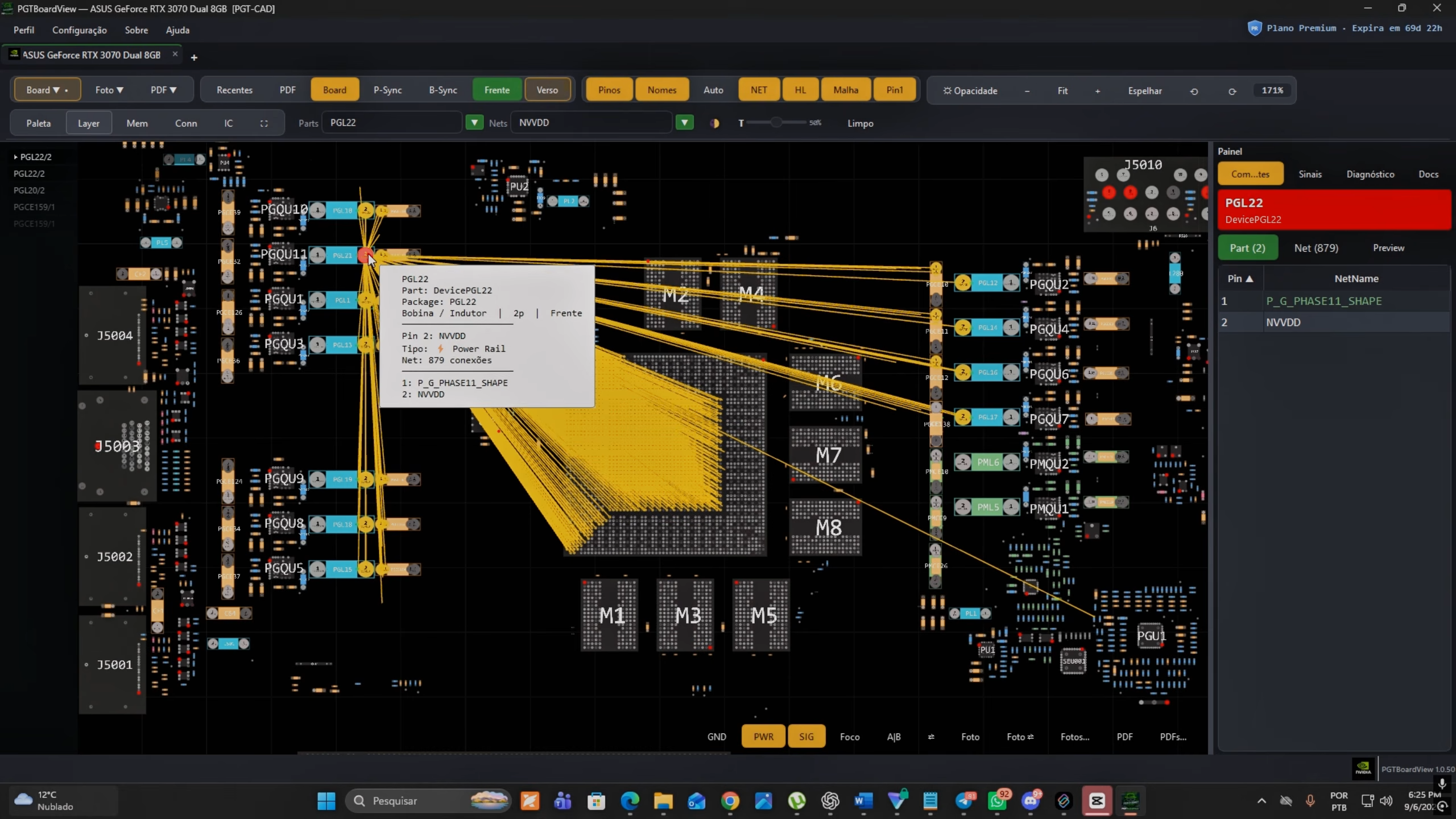
Nvidia's unreleased RTX 3070 Ti 16GB comes to life thanks to a modder's crazy GDDR6 swap — Frankenstein card combines RTX 3070 PCB and new VRAM with RTX 3070 Ti GPU

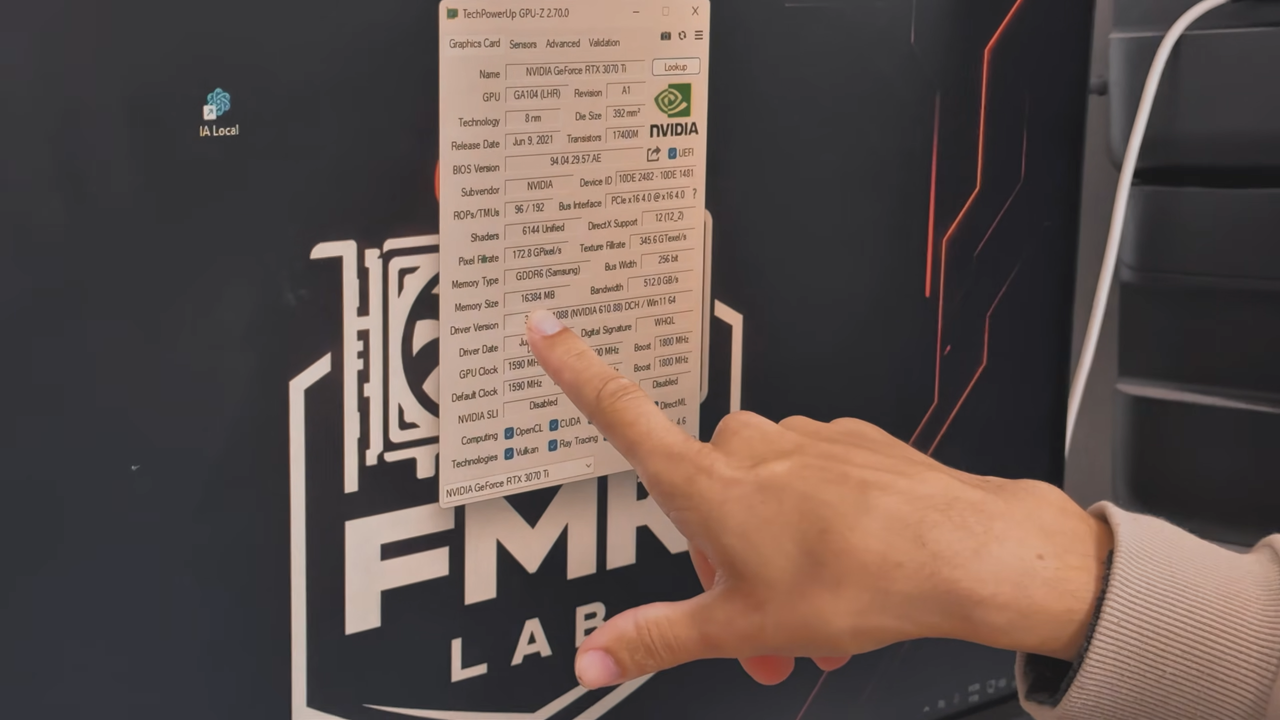
A few years ago, Nvidia was expected to release the RTX 3070 Ti with as much as 16GB of VRAM instead of the 8GB we actually ended up getting. Only database listings ultimately indicated its existence until a physical prototype showed up, but we never really got to see it working. Fast forward to today, however, and Brazilian YouTuber fmklab, aka Fabian, has recreated the card on his own. Using an RTX 3070 PCB with a transplanted 3070 Ti core and GDDR6 chips from Samsung, fmklab broughall those parts together to achieve a 16GB memory pool.

The card was stripped down to its PCB, and the RTX 3070 GPU was removed and replaced with a 3070 Ti chip. The reason for the swap is that the RTX 3070 uses GDDR6 instead of the GDDR6X the retail version of the RTX 3070 Ti is equipped with, which presented an interesting challenge.

A VRAM-modded RTX 3070 Ti with 16GB of GDDR6 memory

(Image credit: Fabian - @fmklab on YouTube)

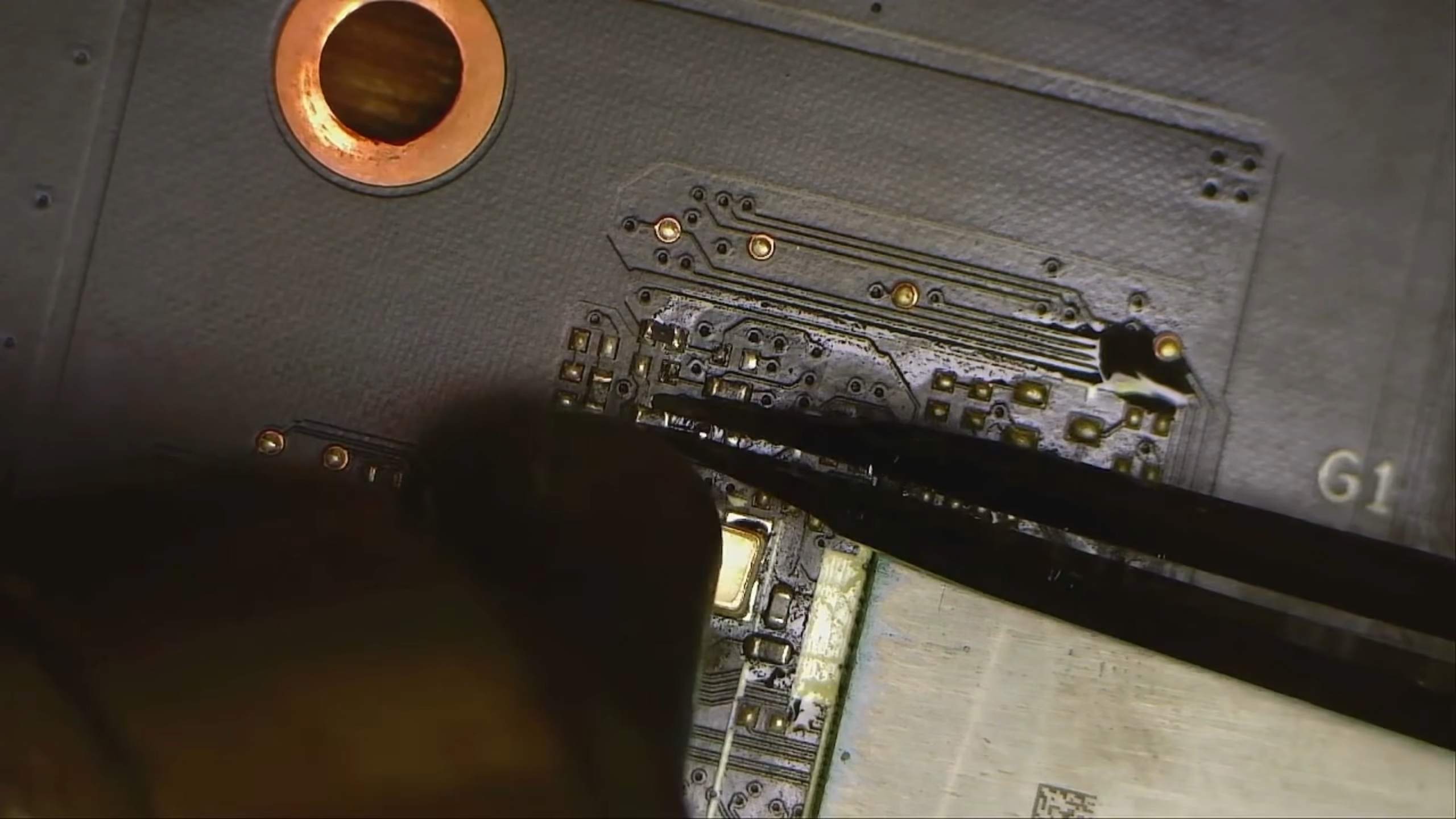
Fabian could've put all 16GB of GDDR6X memory on a 3070 Ti card, but it would've been far too expensive, so he swapped the Samsung-made HC14 (8Gb) GDDR6 chips that were already on the board with HC16 (16Gb) chips. That changed the VRAM capacity from 8GB to 16GB, but when the card booted, GPU-Z only recognized 8GB. The PCB's memory straps needed to be reconfigured in order for it to use the entire memory pool.

A VRAM-modded RTX 3070 Ti with 16GB of GDDR6 memory

(Image credit: Fabian - @fmklab on YouTube)

Using the Nvidia BIOS Reader tool, Fabian figured out exactly what straps to adjust and went ahead with the soldering process. Afterward, MATS properly recognized the full 16GB VRAM capacity with no errors. GPU-Z also showed the RTX 3070 Ti equipped with 16GB of GDDR6 memory, similar to the prototype that popped up years ago. But verifying that the card recognized the additional VRAM was just the first step.

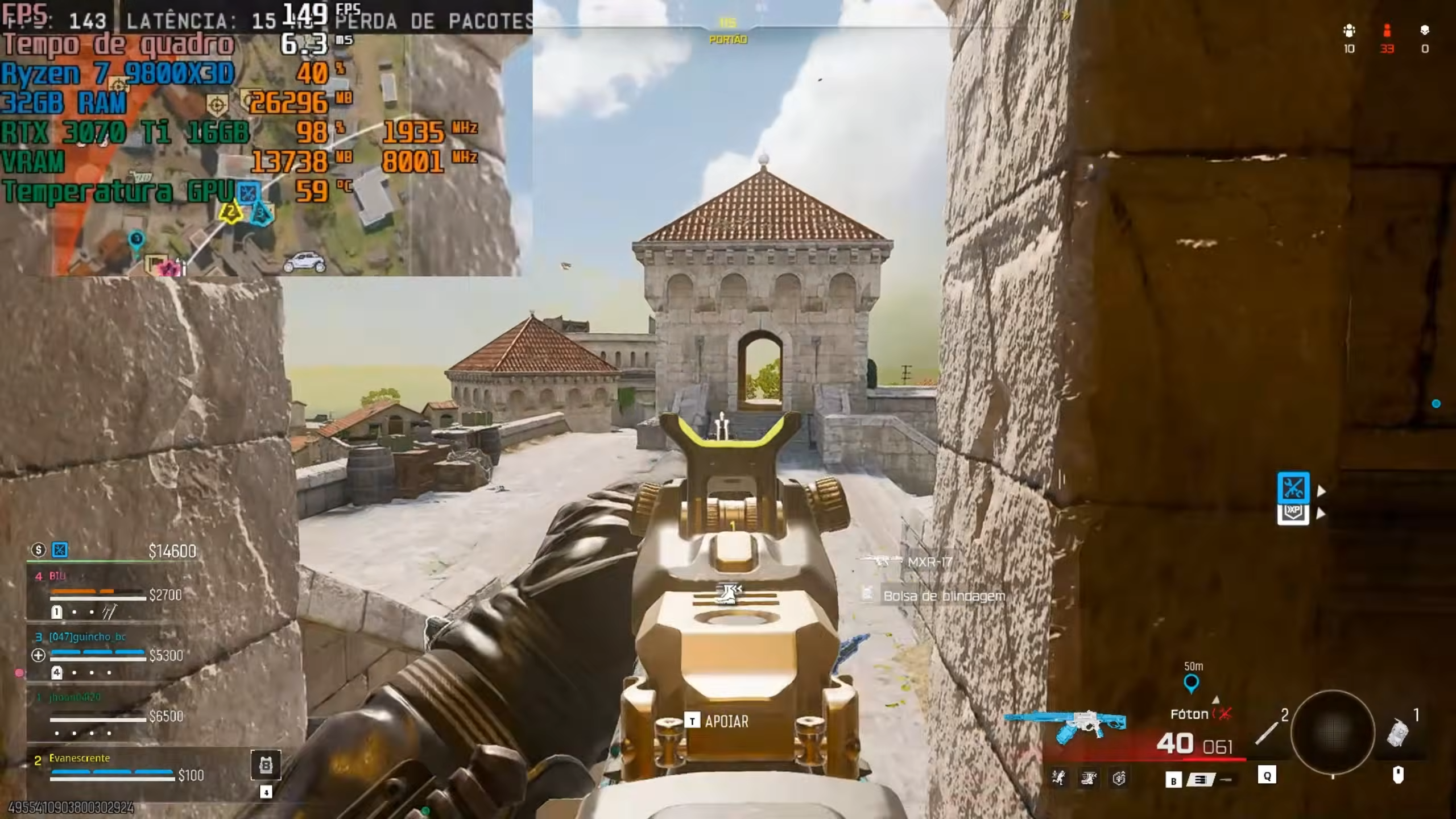
To actually test his creation's performance, Fabian ran a local LLM on the GPU to see if it would allocate more than 8GB and found that it used nearly the entire 16GB pool. Call of Duty: Warzone ate more than 13GB of VRAM while paired with a Ryzen 7 9800X3D, exhibiting no signs of instability.

Fabian even linked a Unigine Superposition benchmark in the video's description as proof of the card's existence, where he scored 5,367 points, which is actually lower than most real 3070 Ti runs. That's probably because of the decreased memory bandwidth of GDDR6 versus that chip's stock GDDR6X, which is the biggest tradeoff for the higher capacity.

A VRAM-modded RTX 3070 Ti with 16GB of GDDR6 memory

(Image credit: Fabian - @fmklab on YouTube)

Overall, this was a successful experiment and possibly the only working 3070 Ti 16GB in the world, but there comes a point of diminishing returns. A 3070 Ti is still a powerful card, but it gets smoked by current-gen Blackwell options even with less memory. It would be much more reasonable to buy, say, an RTX 5060 Ti 16GB if you actually need better performance with some future proofing today, not to mention the superior efficiency, feature set, and after-sales support you'd get from a new Blackwell card.

All-in-one 'DLSS Unlocked' mod brings DLSS 5 and multi-frame gen to RTX 20, 30, and 40 series — hybrid tool taps AMD FSR 3.1 to boost frame rates up to 6X

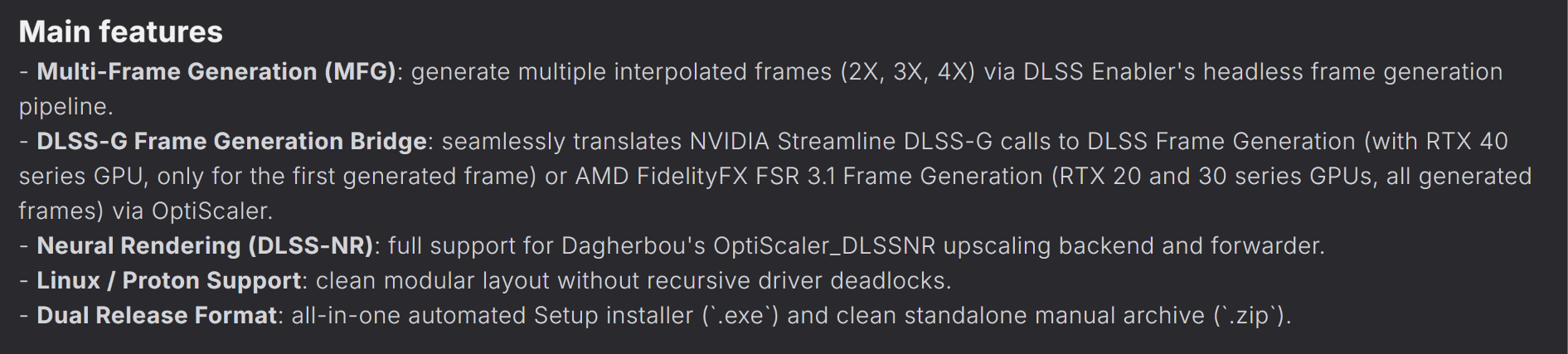
There are now several mods enabling DLSS 5 on older Nvidia GPUs, along with even AMD's RDNA 4 cards. Similarly, Nvidia's multi-frame gen has also been ported to prior generations. It can get a bit confusing to keep track of all these developments, and that's where "DLSS Unlocked" comes in. It's a new mod from ShyVox that combines OptiScaler_DLSSNR with DLSS Enabler to bring DLSS 5 and DLSS MFG to all RTX GPUs: Turning, Ampere, and Ada.

NVIDIA says your GPU is too old to run DLSS 5?Today, I prove that's not exactly the truth.DLSS Unlocked is my mod based on DLSS Enabler and OptiScaler_DLSSNR that allows every RTX GPU (20, 30 and 40 series) to combine DLSS 5 with MFG technology.https://t.co/WYbLVUJnBvSeptember 4, 2026

DLSS Unlocked serves as a sort of all-in-one package for owners of RTX 20-, RTX 30-, and RTX 40-series looking to enjoy the latest Nvidia goodies on both Windows and Linux. It takes two separate mods developed by other community members and organizes them into one seamless, unified release. You download the executable from GitHub or Nexus Mods and just select the root directory of the game you want to try it on.

As for the requirements, the game must use the DirectX 12 API and already support both DLSS upscaling and frame generation natively. You need to provide your own patched DLSS 5 DLL as well, for legal reasons. The two mods comprising DLSS Unlocked also have their own peculiarities. OptiScaler_DLSSNR is simple; it just uses OptiScaler to add neural rendering on top, but DLSS Enabler works in a more complicated manner.

On RTX 20- and RTX 30-series GPUs, you'll be using AMD's FSR 3.1 to interpolate all of the frames instead of using Nvidia's pipeline. On RTX 40-series, the second frame is generated through DLSS-G (regular frame-gen), but the rest of the frames are handled by FSR 3.1 to get you up to 6X MFG. That handoff is itself possible thanks to another mod called DLSSG to FSR3. See how this web of tweaks can get a bit confusing?

The main features of the DLSS Unlocked mod

(Image credit: Future)

You also need to keep in mind that this is a different approach compared to DLSS 5 Swapper, which enables DLSS 5 inside any game through ReShade (using RenoDX). For DLSS Unlocked, the game must already support DLSS 2/3 upscaling for it to be patched into DLSS 5 and unlock MFG. That's how OptiScaler_DLSSNR works, which DLSS Unlocked relies on.

None of these mods should be used with multiplayer games because the anti-cheat software can detect them as threats and potentially ban you. Ultimately, when you have DLSS Unlocked installed, a DLSS-compatible game should now have DLSS 5 neural rendering while having its frames interpolated up to 4x. You definitely need that, considering DLSS 5 comes with a massive compute cost that can purportedly even melt RTX 5090s.

GTA Vice City and GTA III return to web browsers after a DMCA takedown — Open-source reverse engineering brings the classics to the web with over 100 FPS performance

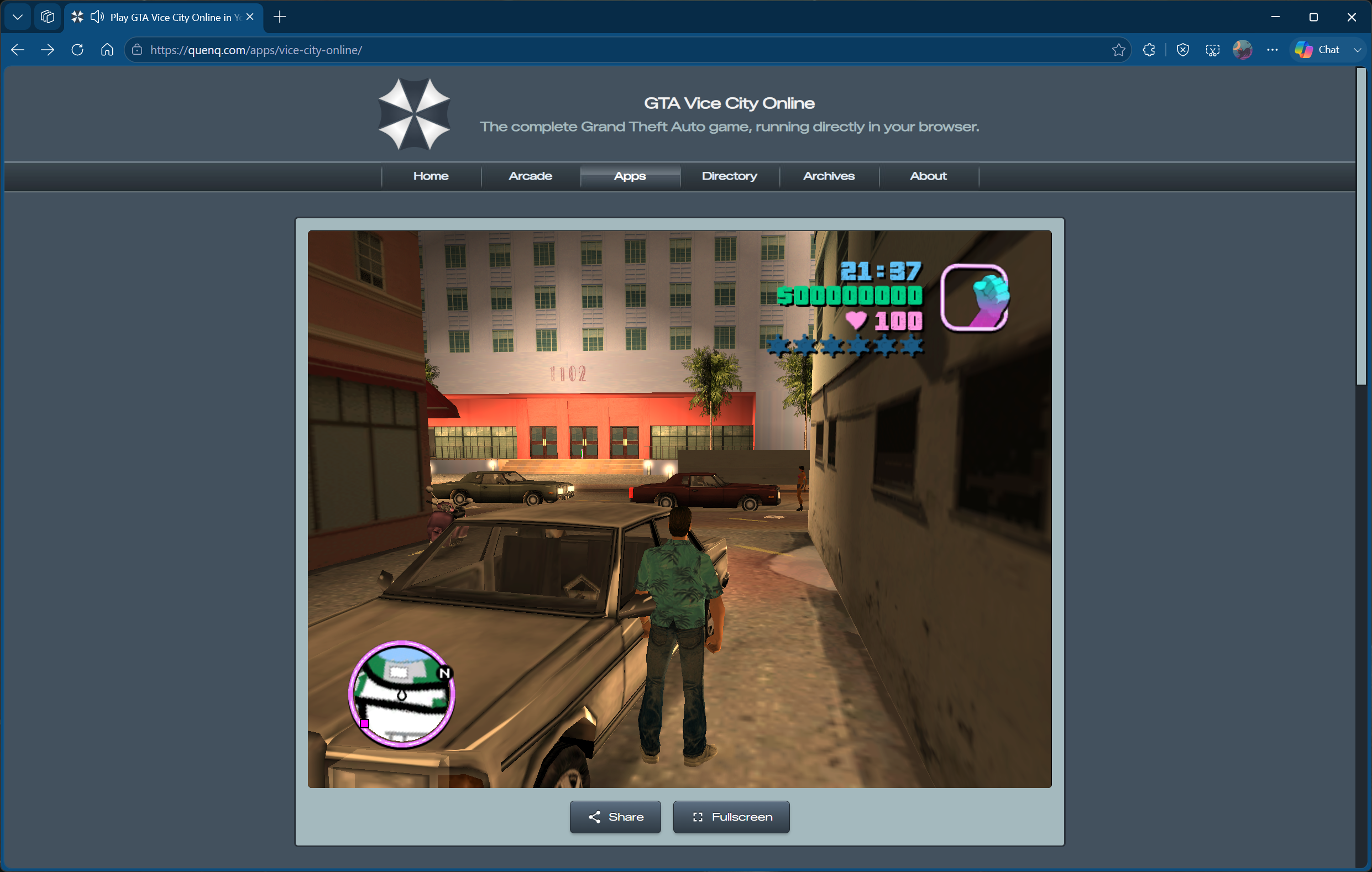
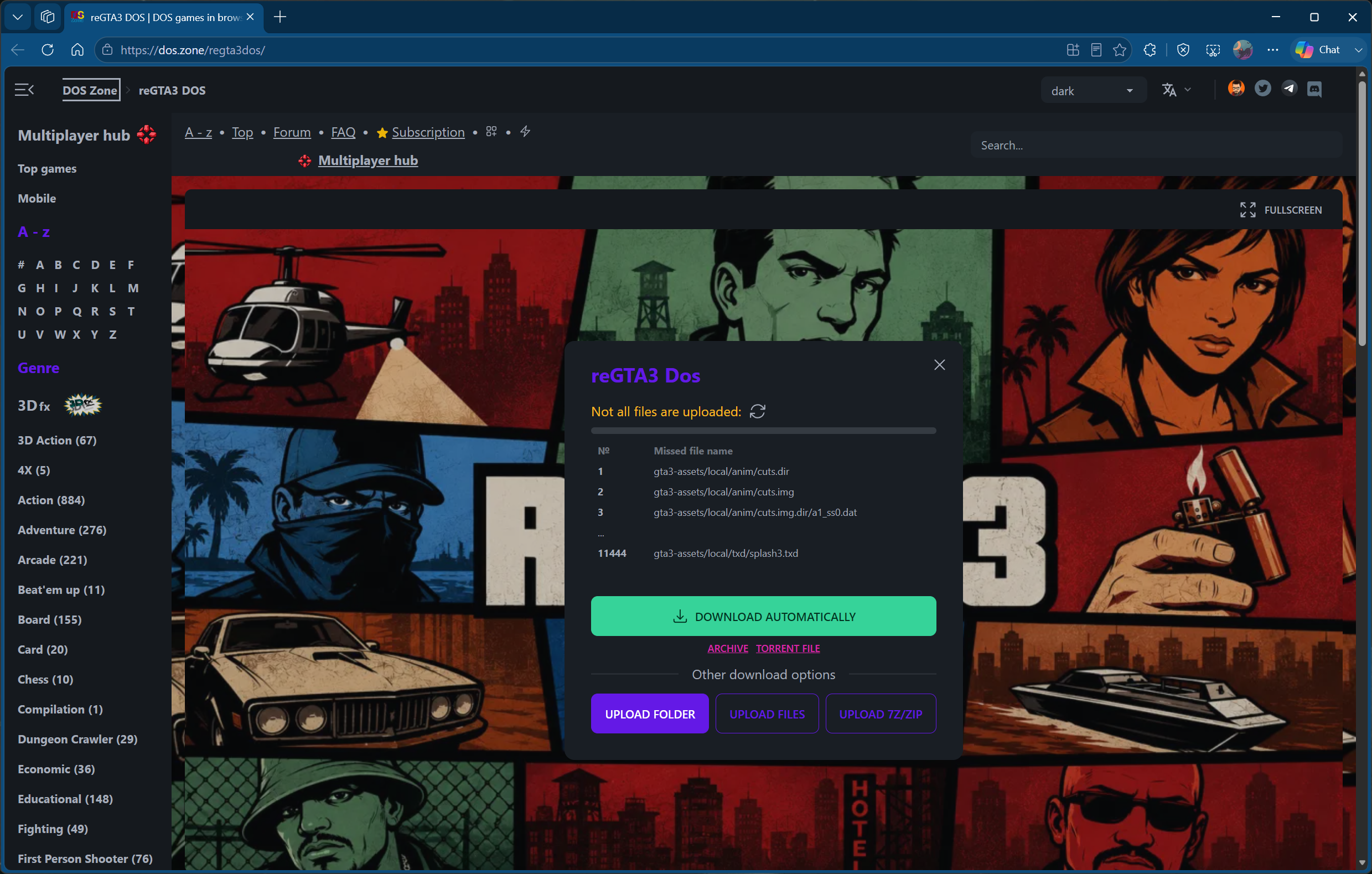
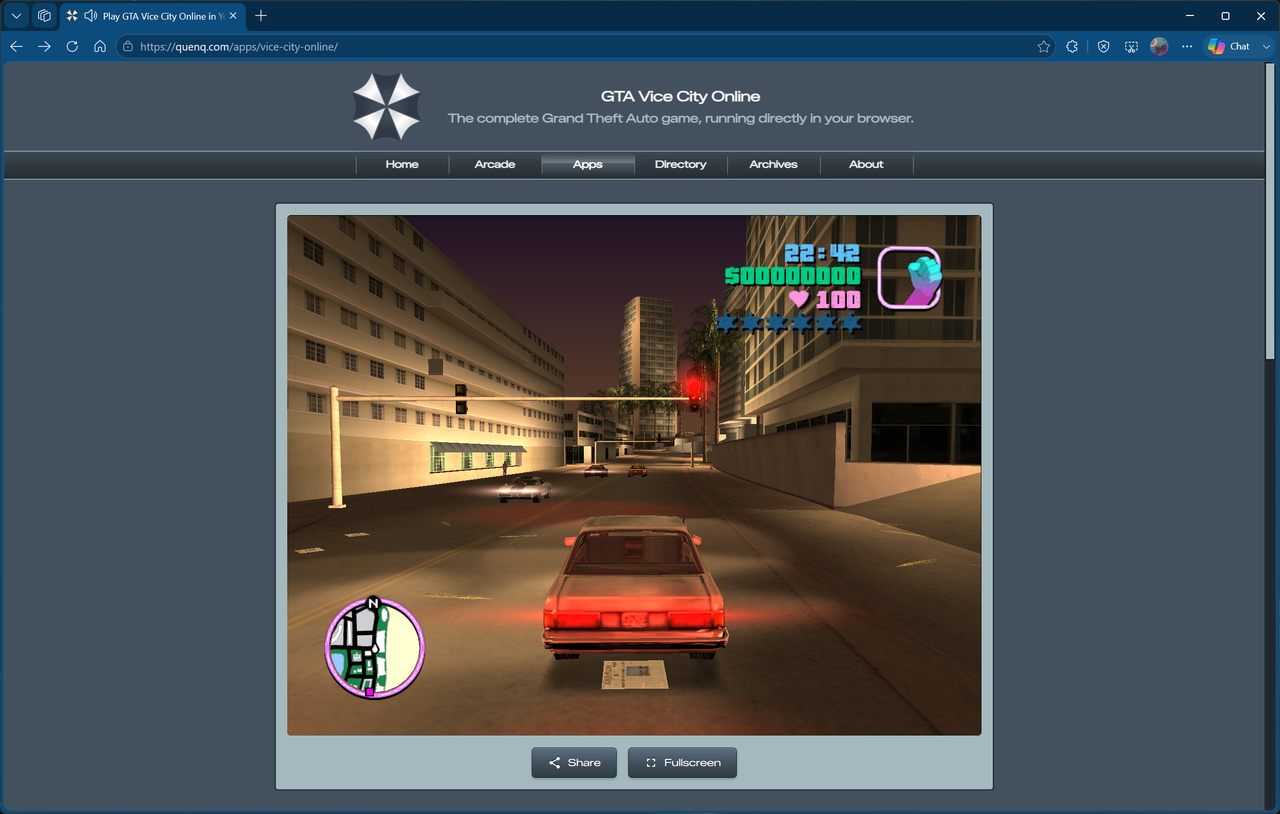
Grand Theft Auto: Vice City has cemented itself as one of the most legendary games of all time. It originally came out in 2002 on the PS2 before making its way to the Xbox and PC a year later. Fast forward to 2026, and now the game is entirely playable in a browser window. It was actually already playable last year on DOS Zone but was quickly shut down following a DMCA strike from Take-Two. However, a different website called "Quenq" has taken up the mantle now, and it also hosts GTA III there.

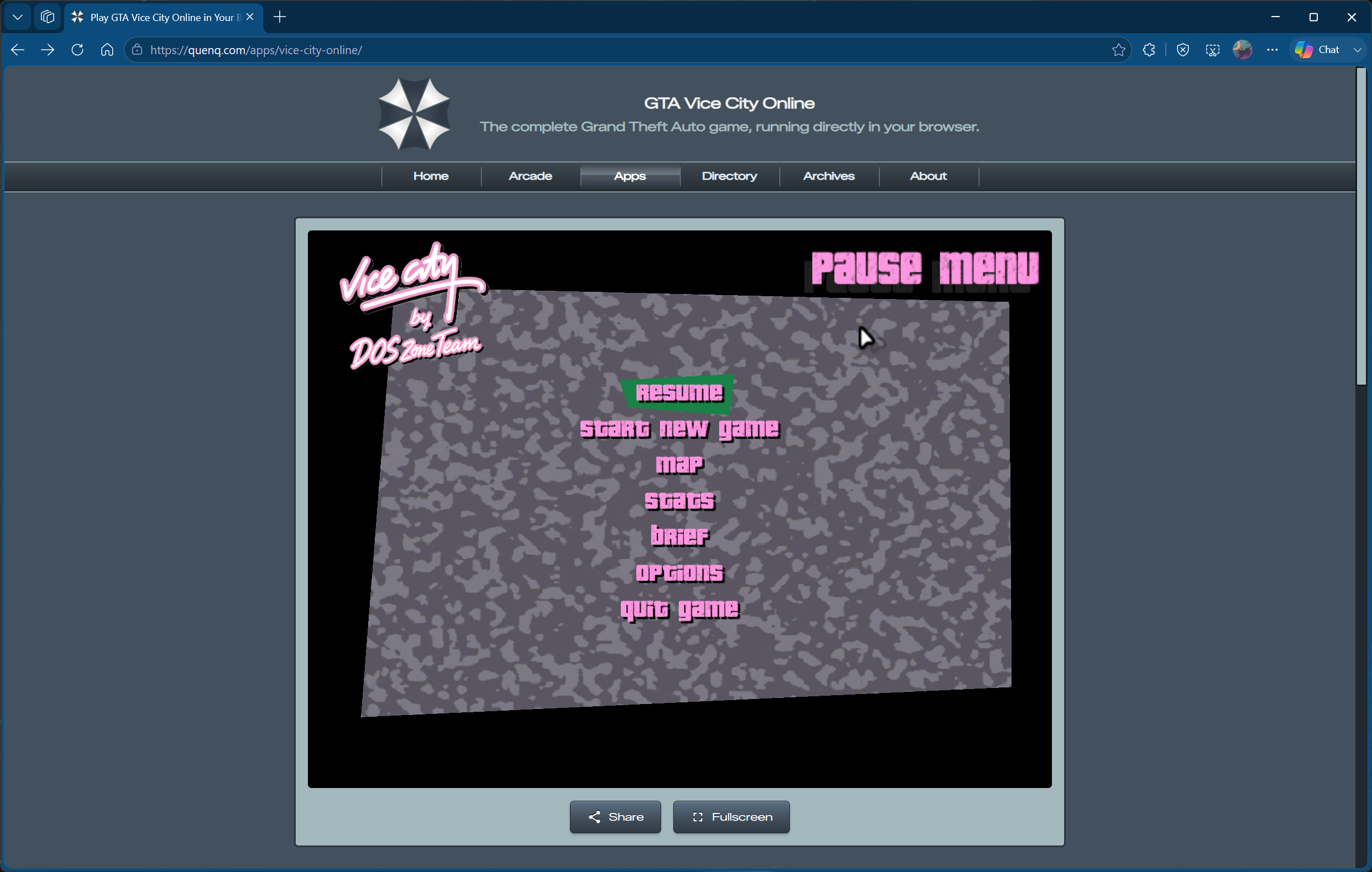
The project is still the same because it quite literally says DOS Zone in the pause menu. Anyhow, for a change of pace, we tried the game on a OnePlus 12; it loaded immediately and ran without any issues. Beyond keyboard/mouse and controller, the game is also compatible with touchscreen controls. We were able to seamlessly move around the world and control Tommy in both landscape and portrait orientations.

You get a save game and mod manager, allowing you to upload your own files right into the browser. You can type cheats using an external keyboard as well. There's an FPS limit option before the game begins because GTA Vice City was intended to run at 30 FPS, so playing it at unlocked framerates (which this port supports) can sometimes cause bugs and physics to break. We were able to easily play the game past 100 FPS on desktop, though.

GTA: Vice City running in a browser
Future
GTA: Vice City running in a browser
Future

The project likely uses reVC — a community project that decompiles the original source code of GTA: Vice City into clean, readable C++ code. Then, WebAssembly helps translate C++ code into JavaScript that the browser can natively understand. The port should be running on WebGL 2, a JavaScript API that bypasses your browser's typical layout engine and talks directly to your GPU to execute graphics-intensive tasks.

The same goes for GTA III — it's also available on Quenq, features the same controls and options (except for the mod manager), and is likely built using re3, which is the decompiled source code of GTA III. This project doesn't seem to be ripped off from DOS Zone, as there is no indication of such in the pause menu. It also runs just as well as the Vice City port, and we had no issues playing it across a bunch of devices.

Just out of curiosity, we checked DOS Zone and actually found both Vice City and GTA III listed there, but they require uploading the game assets. You can also just download the data through a torrent after you click a button, but the platform leaves that choice to you with clear disclaimers that they won't be responsible for piracy. It's clear that the DMCA takedown has shifted the way the platform distributes these projects, but it's still impressive that they're up, nonetheless.

GTA III running in a browser

(Image credit: Future)

Flea market shopper uncovers $1,500 worth of Samsung SSDs inside a $30 expansion card — Three 2TB 980 Pro drives were hidden beneath an Asus Hyper M.2 heatsink

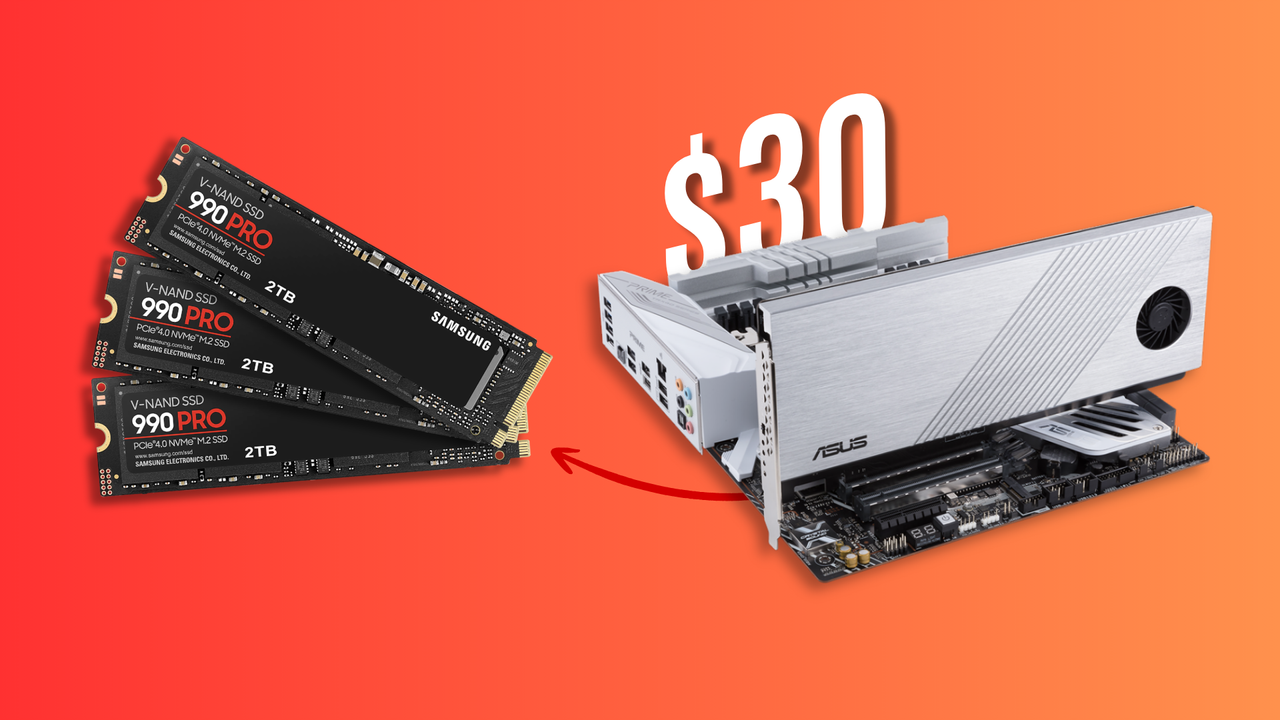
Storage has gotten exponentially more expensive in the past year thanks to the ongoing component crisis. During times like these, scoring a deal feels extra special, especially when it's as bountiful as what @whateversunnyfinds (Sunny) stumbled upon in a local flea market. He hunted down a seemingly menial PCIe expansion card from Asus for $30, only to open it and find three Samsung 980 Pro 2TB SSDs already slotted inside.

Each of those drives is worth at least $400 today, if not more. We found the 980 Pro 2TB listed for $444 on Amazon and $499 on Newegg, which makes three of them worth between $1,300 and $1,500 together. The expansion card holding them is an Asus Hyper M.2 x16 Gen 4 that retails for $79, so even if there were no SSDs inside, this would be a solid find. The card looks worn down but not quite beat up, while the drives honestly appear mint.

An expansion card like this allows you to install extra M.2 drives in your system by using an x16 slot usually meant for GPUs. Just three of the four slots on the card were populated, so there's a chance someone took out one SSD and threw this thing in the trash. If the original owner only ever installed three, they could've forgotten to check since the heatsink covers the drives underneath.

As for the thrifter, Sunny is from Kuwait City, and he frequents the largest flea market in the region called "Souq-al-Juma" — Arabic for "Friday Market." These open-air buildouts are common in Asian and Middle Eastern countries, but not all of them carry electronics. You usually have to visit the biggest venue on a designated day, since multiple flea markets are often propped up on the same day, to get the best, most relevant deals possible.

If you're lucky enough to score something similar, the NANDpocalypse might just feel a little less crushing. We don't know the exact internal condition or health of these 980 Pros, but 6TB for $30 is such an incredible find that you wouldn't even mind if they were roughed up. It's also the exact same capacity as another person found last year while dumpster diving, so technically they got a better deal, but those were 850 Pro SATA SSDs.

Enthusiast says DLSS 5 pushed RTX 5090 past 600W and melted the 16-pin connector — Nvidia's neural rendering tech adds up to 50% more power draw in testing

The RTX 5090 is no stranger to controversy thanks to the incendiary nature of its 16-pin connector. When you add something as taxing as DLSS 5, which comes with a heavy increase in power draw, to an already dangerous mix, you're just cooking up a recipe for disaster. And it seems like this recipe has likely claimed its first victim. HardOCP forum member Erek claimed their RTX 5090 fell prey to the woes of the 16-pin connector yesterday, as it melted while testing DLSS 5 in NBA 2K27.

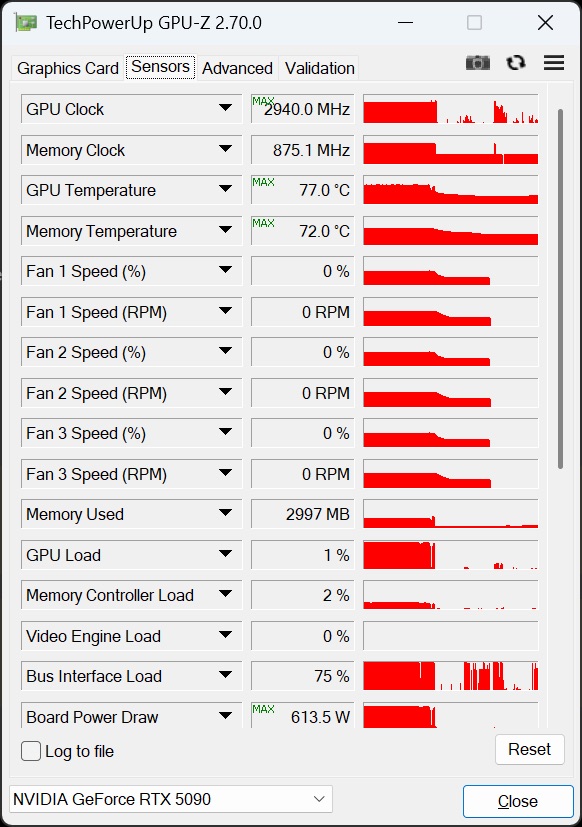
The irony is not lost on us that NBA 2K27 is the only game that officially supports DLSS 5 right now — everything else is modded — yet it still reportedly killed the user's MSI RTX 5090 Gaming Trio OC, which carries a 575W TDP. However, during testing, erek reported his GPU going past 600W, with GPU-Z showing it hovering above 610W consistently, not just as a spike. Before this, the card only consumed around 450W while gaming, implying that DLSS 5 added more than 150W to the power draw.

A post-DLSS 5 RTX 5090 suffering from a genetic disease known as its 16-pin connector melting

(Image credit: erek on HardOCP Forums)

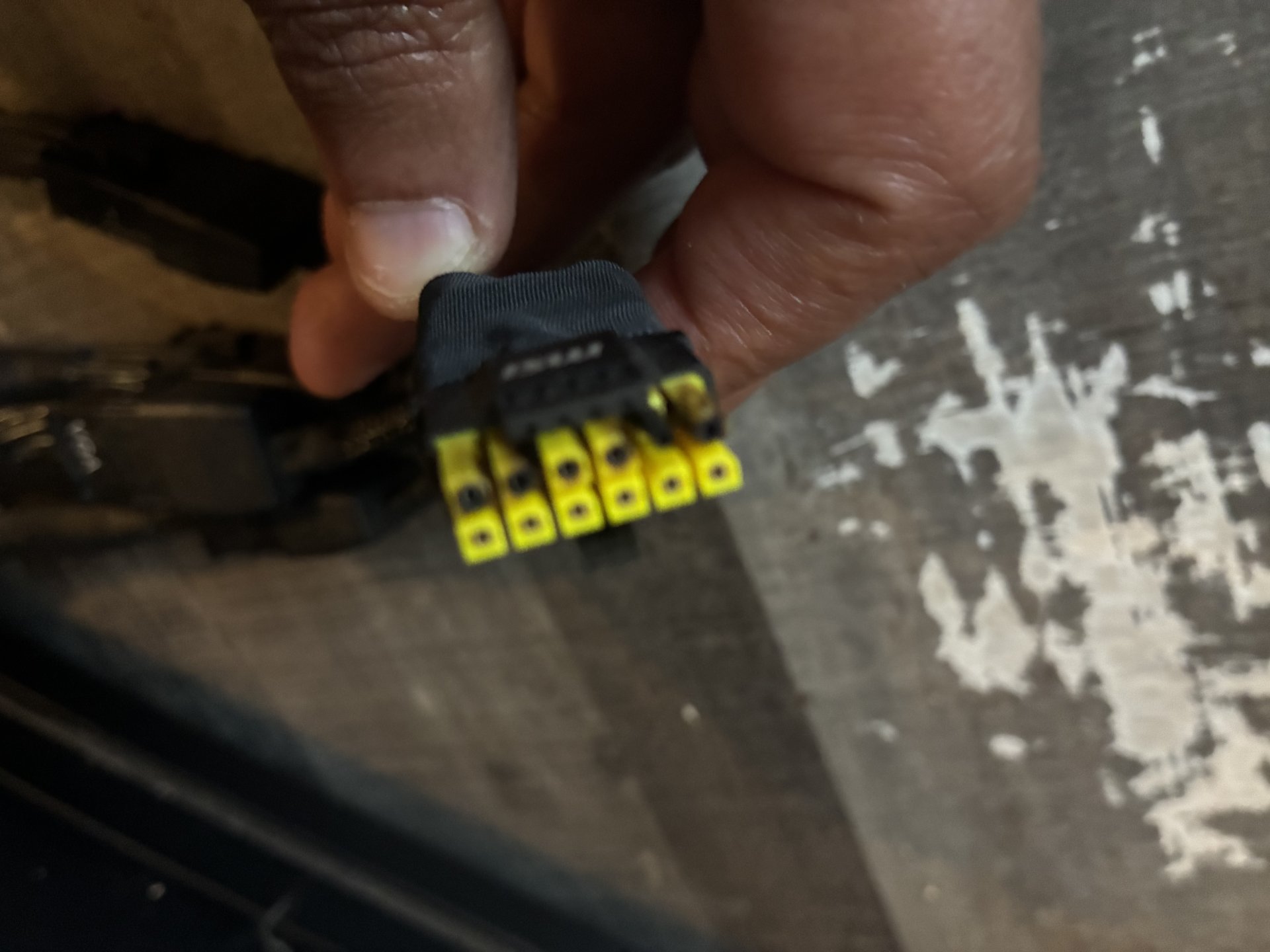
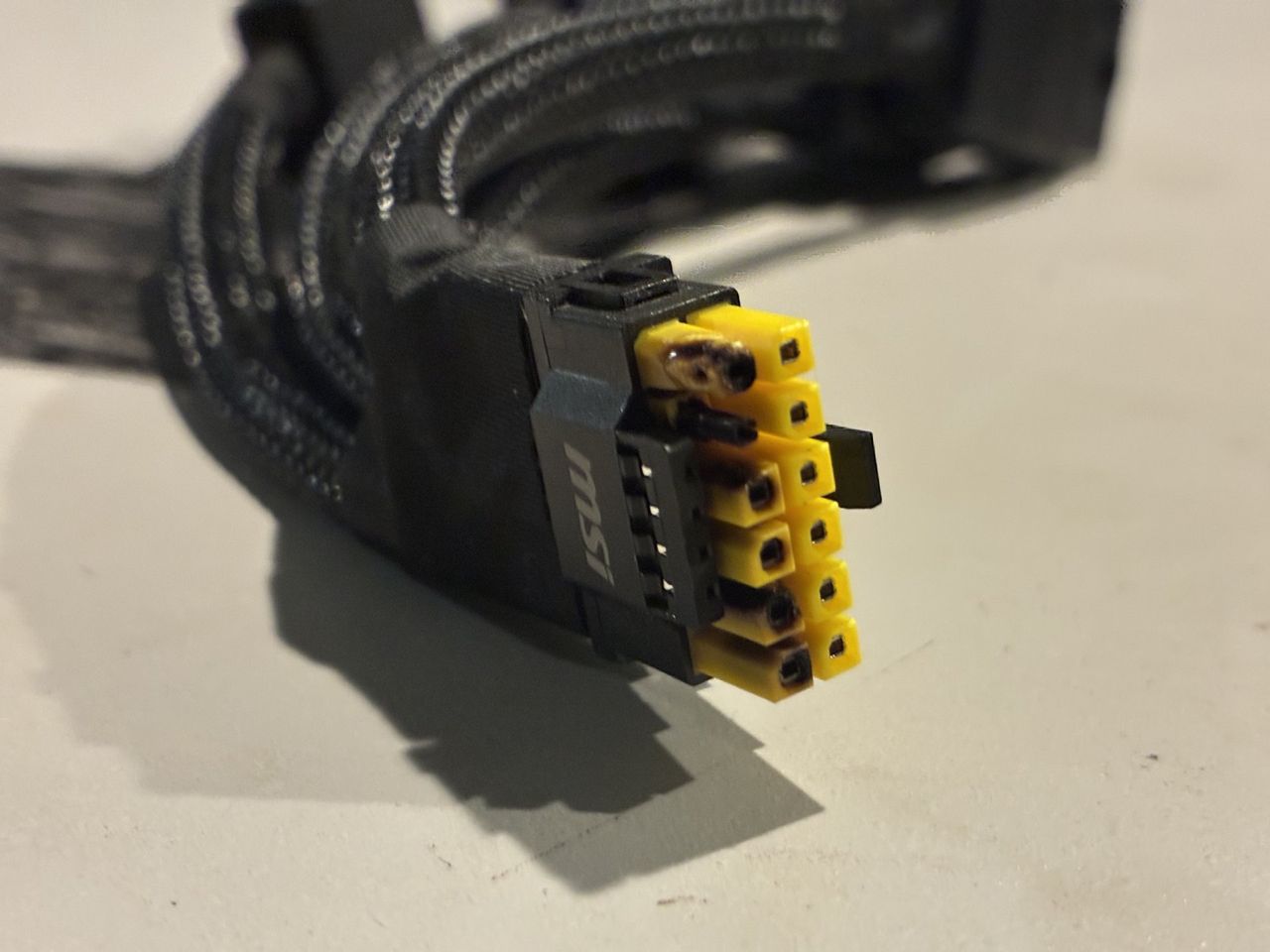
While the 16-pin connector is capable of carrying up to 600W of power, the PCIe x16 slot the card is plugged into also provides 75W on its own. So, the connector wasn't necessarily drawing over 600W alone. Tragedy struck right after as Erek's RTX 5090 started exhibiting signs of instability and eventually stopped working entirely. The owner smelled something burning and, sure enough, found the 16-pin connector pulling an age-old classic: melting.

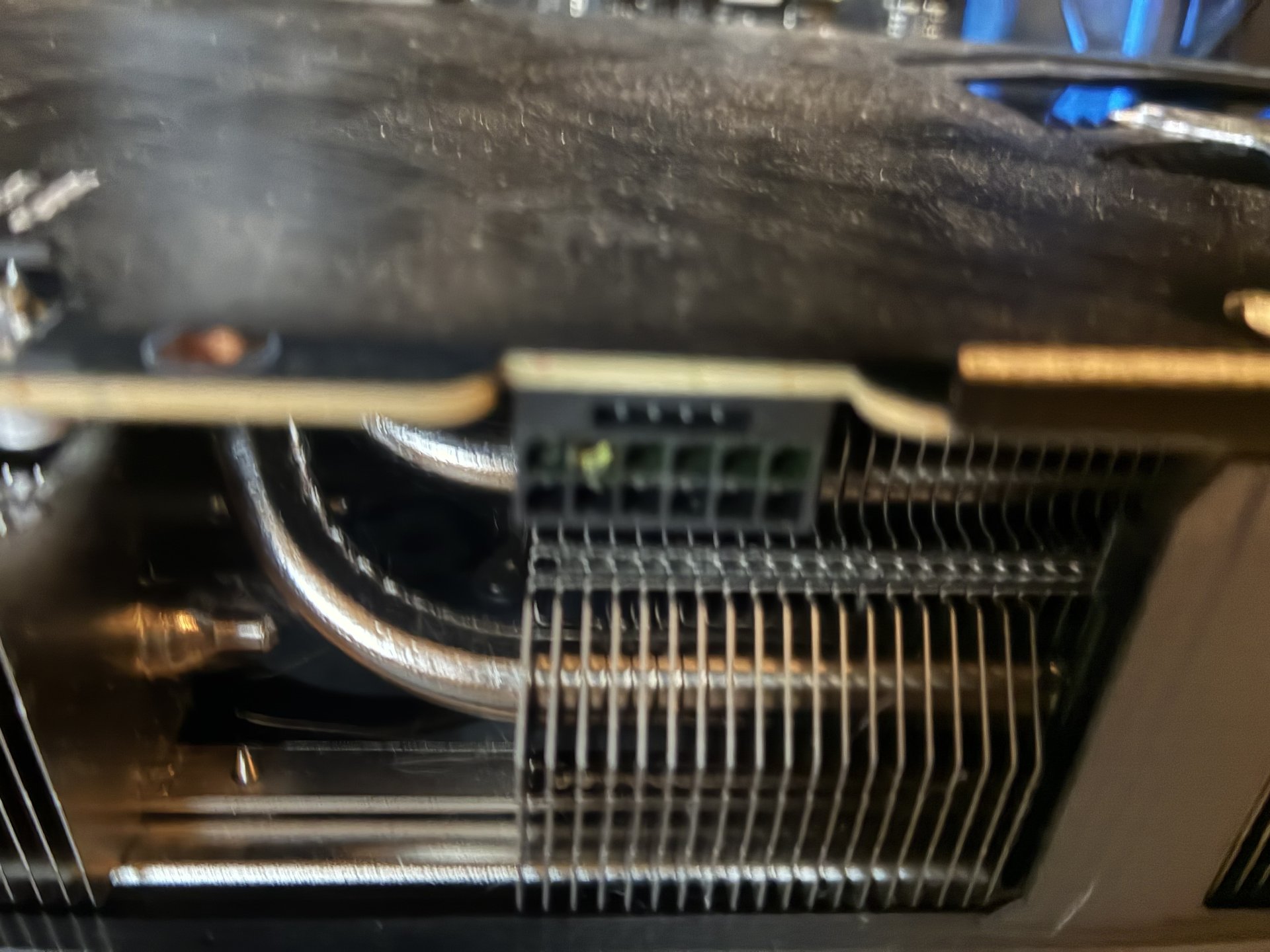
The plastic on the connector had melted enough to bond with the cable, making it very difficult to separate the two. Once they did come undone, the damage was clearly visible, with at least five pins on the 16-pin cable scorched; one pin's housing had completely melted away. This was a yellow-tipped cable, too, meant to ensure it was plugged all the way in. Despite the fact that we only got a blurry picture of the connector on the GPU, the little yellow dot of melted plastic almost comically stands out amidst a sea of black and grey.

A post-DLSS 5 RTX 5090 suffering from a genetic disease known as its 16-pin connector melting
erek on HardOCP Forums
A post-DLSS 5 RTX 5090 suffering from a genetic disease known as its 16-pin connector melting
erek on HardOCP Forums

We can't confirm whether DLSS 5 was actually responsible for burning Erek's card. After all, an RTX 5090 meeting its maker is a monthly tradition at this point, and the cause is usually tied to a loose fit between the connector and the cable. However, our own testing does align with how the enthusiast came up with their DLSS 5 hypothesis. We saw the MSI Lightning Z variant of the 5090, which has 2x 16-pin connectors and a 1,000W XOC BIOS, pull 800W in Control with DLSS 5 enabled. Without DLSS 5, the same GPU pulled just 691W.

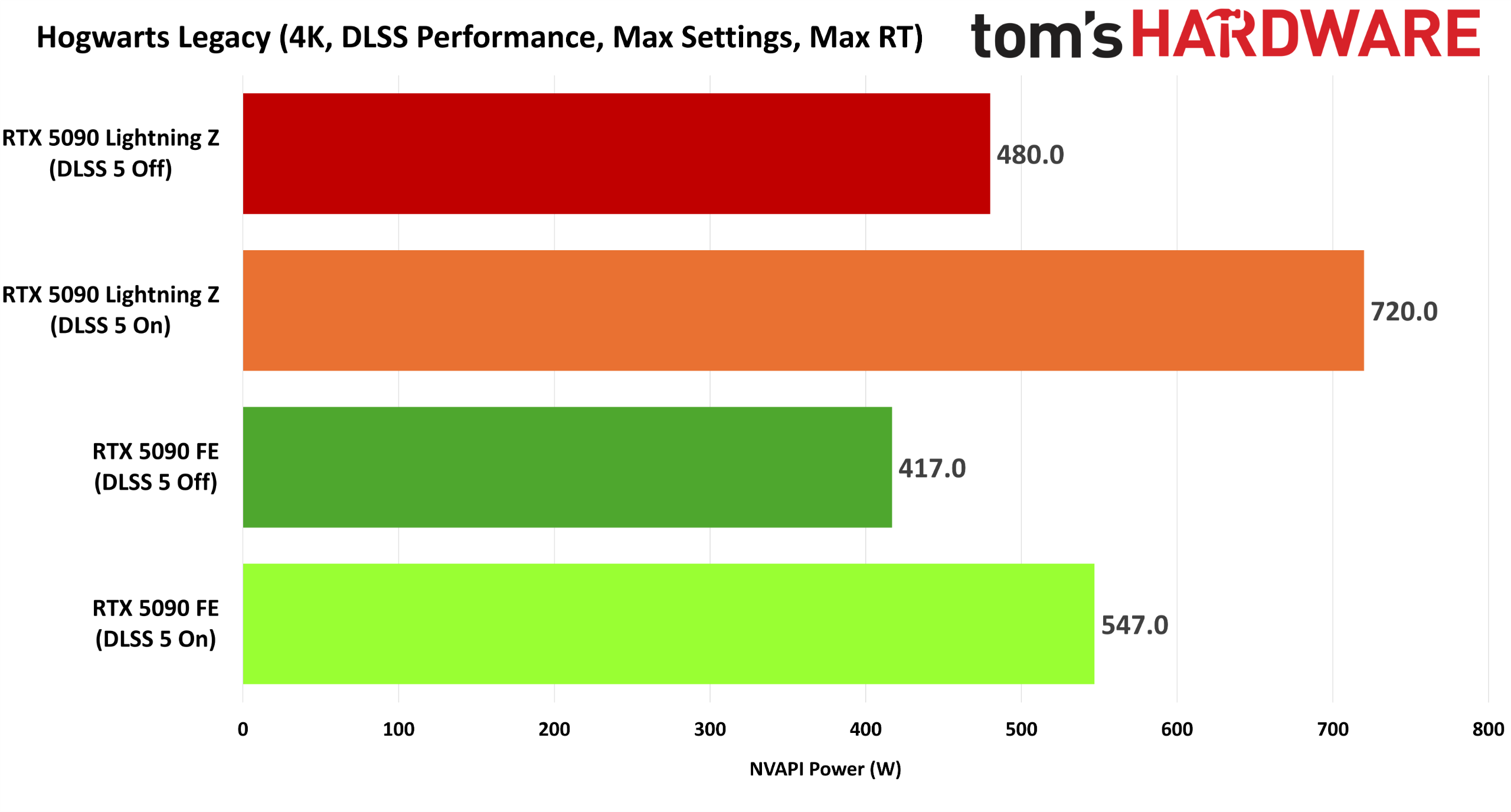
That wasn't even the most egregious difference; in Hogwarts Legacy, we went from 480W without DLSS 5 to a whopping 720W with it enabled. That's a 50% increase in power draw for just one feature. The same game made the Founder's Edition of the 5090 pull 417W without the neural rendering tech involved, and 547W with it toggled on. So even in the standard version of the GPU with a single 16-pin connector, there's a 31% jump in power consumption because of DLSS 5.

Hogwarts Legacy DLSS 5 power

(Image credit: Future)

Considering Erek's 5090 model lands somewhere between those two, and given his own testing showing a severe power budget imbalance, it's not unreasonable to assume DLSS 5 was the culprit. Had the user's GPU been acting weird before they tried the new feature, we might be having a different conversation. But it's clear that Nvidia has a lot of work to do before DLSS 5 makes its way onto the RTX 40-series down the line. Performance improvements aside, the safety concerns stemming from poor efficiency also need to be addressed.

Single-slot low-profile 75W RTX 3060 with no power connectors disappoints in tests — GPU runs entirely off the PCIe slot, but offers severely crippled performance and frightening thermals

Nvidia launched the GeForce RTX 3060 (12GB) in early 2021 as an affordable mainstream gaming GPU with a 170W TDP, before re-releasing two months ago to offer relief during the ongoing component crisis. Throughout this time, not one person thought that the 3060 consumed too much power... except someone in China who decided to make a 75W version of the card. This blower-style variant has no 6- or 8-pin power connectors and runs entirely off the PCIe slot it'll be connected to, resulting in some expectedly underwhelming performance.

you may wonder why someone would need to set the power limit lower than what nvidia allows. someone in china makes a cableless 3060 that requires no external power connection. an 3060 runs at 170w stock, but it can go as low as 100w.a bilibili channel (WestmereX丶冷月) recently… https://t.co/Hn9PPrRHRY pic.twitter.com/pRuuRthwNcSeptember 4, 2026

The RTX 3060 takes very well to undervolting and, therefore, can already be taken all the way down to just 100W at the cost of modestly reduced performance. A single PCIe x16 slot can provide up to 75W of power, so forcing a 3060 down to that number requires a shunt mod. This practice is usually associated with unlocking power limits on a GPU to chase overclocking feats where you decrease resistance, but in this case, you'd be increasing it.

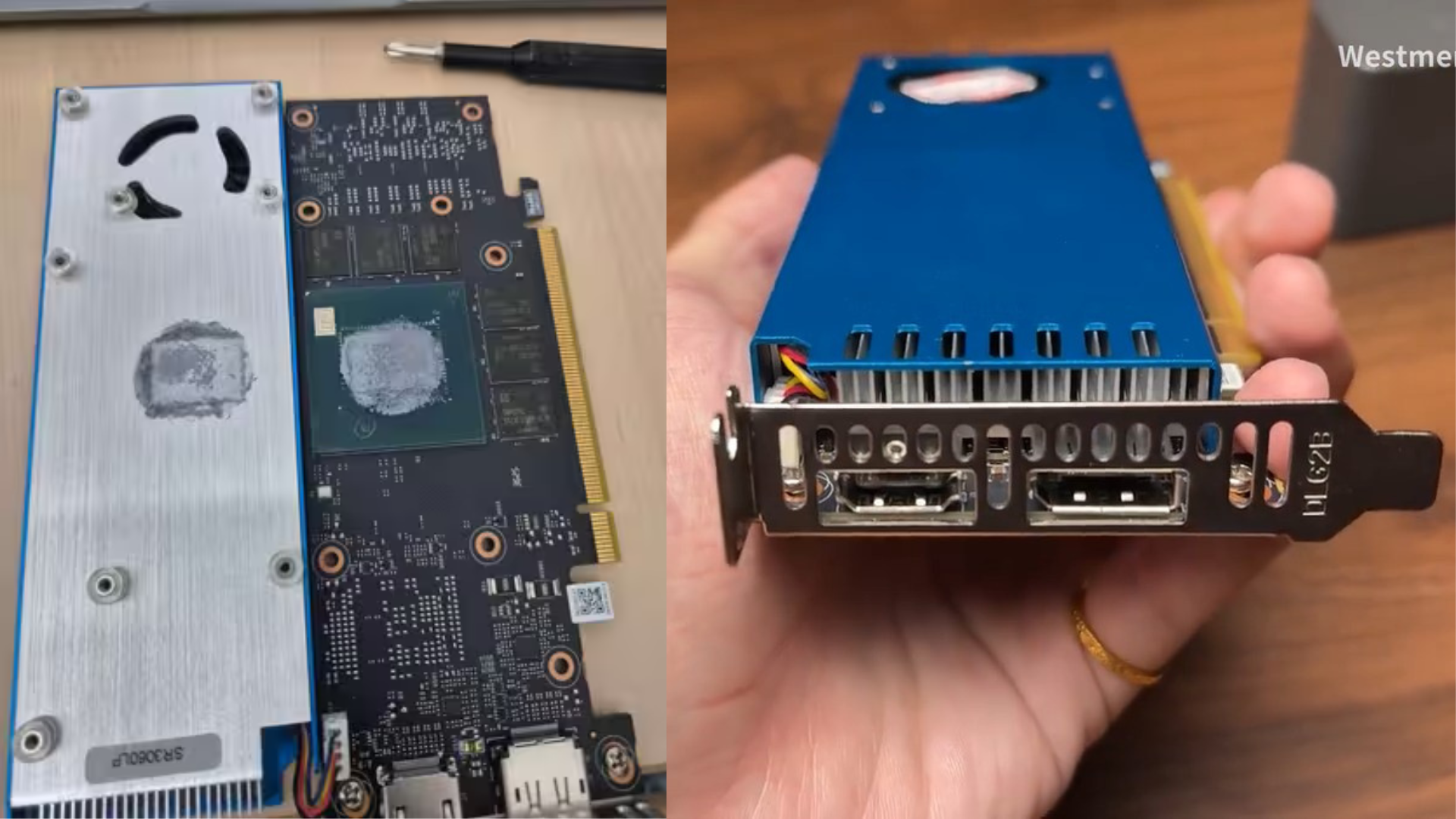
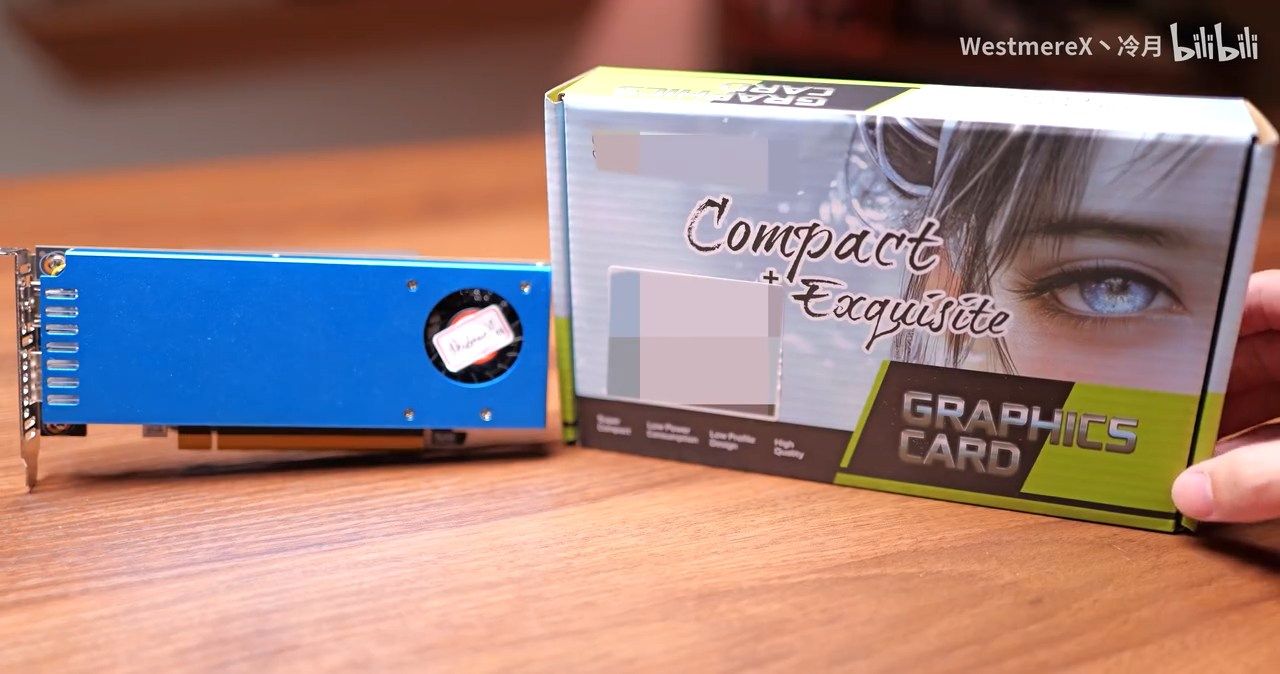
This is a single-slot, low-profile card with a blower-style cooler about the size of a modern smartphone. You get just 1x HDMI and 1x DisplayPort in terms of connectivity. There is no fin stack present either, the PCB lacks a backplate, and the shroud is a thin metal sheet responsible for all the heat dissipation with a rudimentary heatsink in the middle.

A teardown of the GPU on BiliBili shows it's under-equipped from the inside, too. The memory chips have no thermal pads or paste on them. Instead, the metal shroud just touches the core directly to keep the entire thing cool. Remember that there's just one fan at the far end to blow hot air; there is no intake or proper airflow with positive pressure. So far, everything about this card, except its compact size, is looking subpar.

A 75W RTX 3060 with no power connectors

(Image credit: WestmereX on BiliBili)

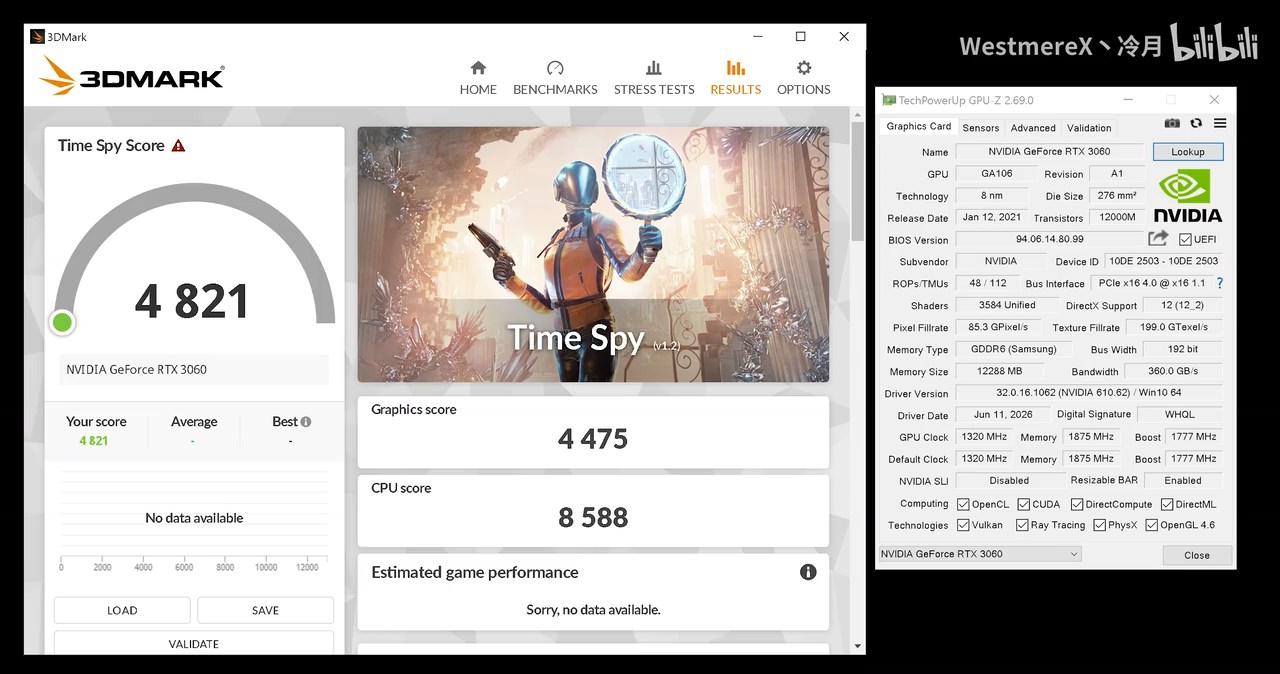
Once we get to testing, any skepticism is validated as the 75W RTX 3060 GPU is barely able to edge past 900 MHz, despite being rated for 1,770 MHz boost clocks. This results in a Time Spy score of just 4,821 points whereas a regular RTX 3060 easily scores upwards of 9,000 points in the same benchmark. Even older budget GPUs like AMD's iconic RX 580 and Nvidia's equally-popular GTX 1060 score more.

A 75W RTX 3060 with no power connectors

(Image credit: WestmereX on BiliBili)

During the Time Spy run, the GPU hotspot also went past 90 degrees Celsius, proving that the cooler is barely performing if it's struggling to tame even a 75W card. Clearly, this GPU was suffering from severe thermal throttling on top of already having its power budget more than halved. One could make an argument that it's still an Ampere GPU, so it could make sense in low-power, compact systems. But there are now mini PCs with similarly performing or far more potent integrated graphics in 2026.

PS5 emulator can now run the console version of GTA V at up to 60 FPS on PC, but quickly crashes as tweakers continue to optimize — PS5 emulation advancing at an astronomical pace leading up to GTA VI launch

The PS5 emulation scene is growing at a rapid pace, perhaps the most rapidly we've ever seen, because the PS5 version of GTA V is now at least playable at up to 60 FPS on PC for a few minutes as modders work to fine-tune their approach. The last time we checked in over a month ago, GTA V was still stuck at the initial splash screen while 2D games were running smoothly, and other 3D games were just beginning to perform. Evidently, a lot of progress has been made since then — all in an effort to potentially get GTA VI playable on PC before an official port drops.

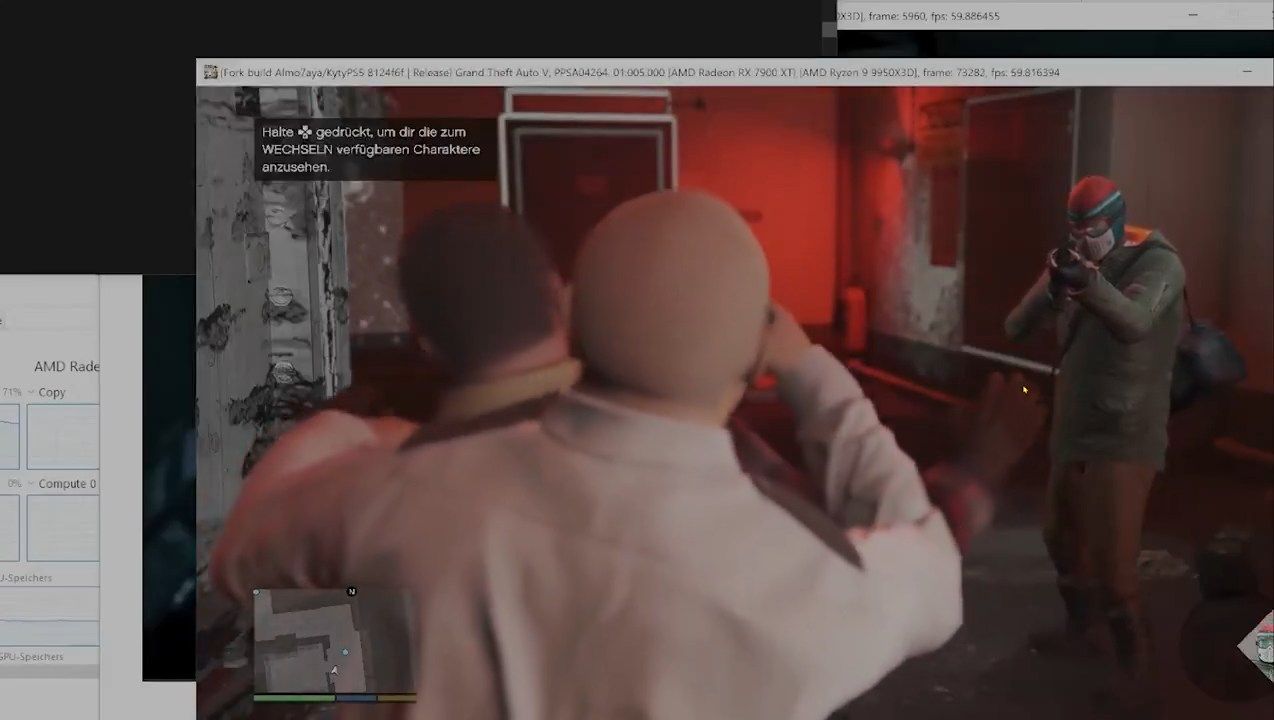
PS5 Version of Grand Theft Auto 5 emulated on KyTyPS5 emulator at 40 to 60 fps pic.twitter.com/JJlvqrHCofSeptember 5, 2026

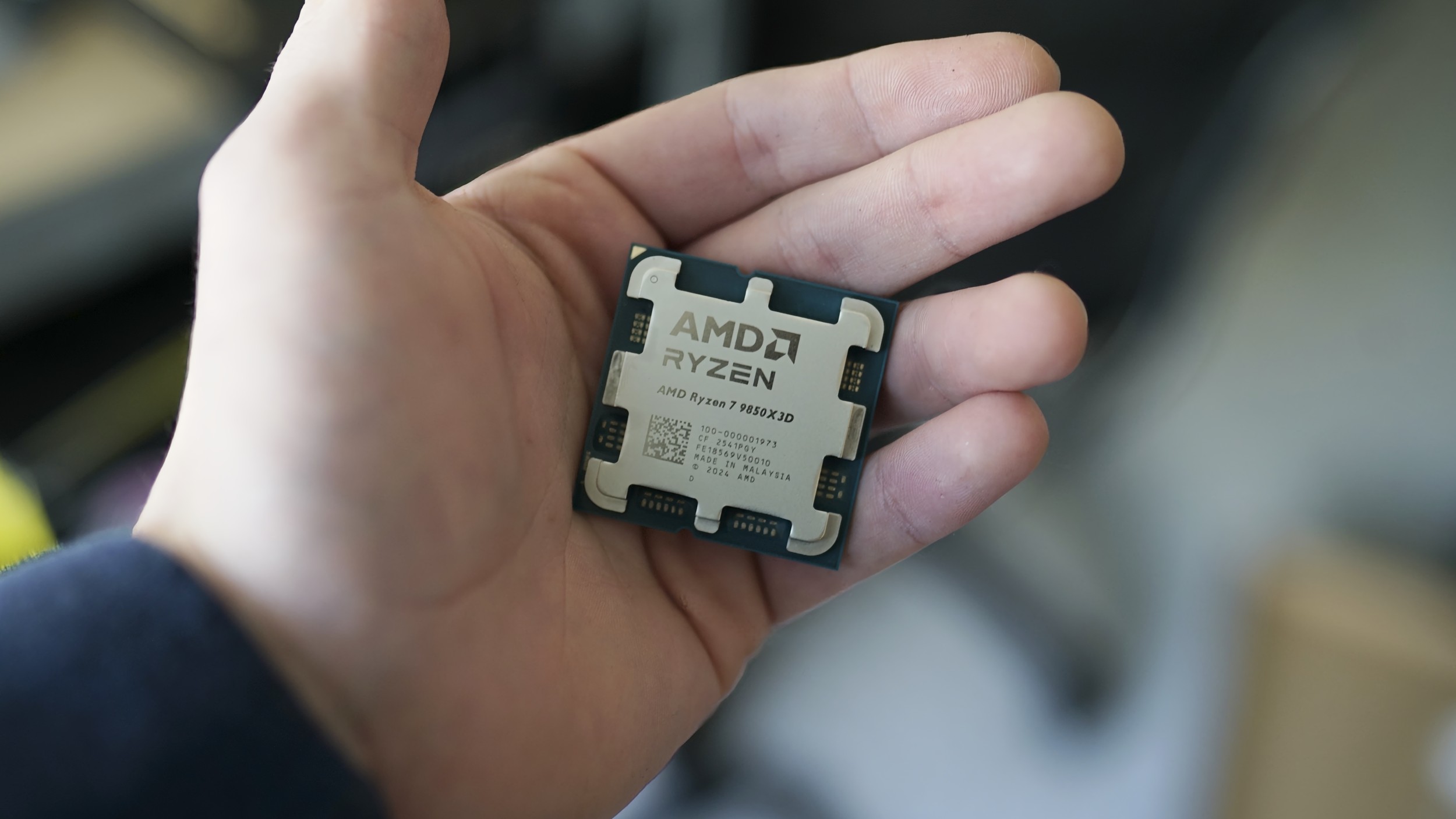
The video above shows GTA V's starting mission running at roughly 40 to 60 FPS, fluctuating based on how much action is going on. It's the starting mission of the game, so the true test of the open world is still a bit far out. The game is being emulated via KytyPS5, the most prominent PS5 emulator at the moment, alongside ShadEmu. The PC running it has a Ryzen 7 9950X3D CPU and an RX 7900 XT GPU, so admittedly very high-end specs.

More PlayStation 5 games are now running smoothly on Kyty PS5 Emulator.Current playable titles include:• Tomb Raider IV-VI Remastered• STORY OF SEASONS: A Wonderful Life• PAC-MAN WORLD Re-PAC• Double Dragon Gaiden: Rise of the DragonsAll of them are now rendering and… pic.twitter.com/Ms4RCS29muAugust 6, 2026

Unfortunately, as soon as the player gets to the shutter that opens up to police waiting outside, the game crashes. It would've been almost euphoric to see actual gunplay between the character you're controlling and the NPCs shooting at you, but what we already witnessed was highly impressive, nonetheless. This is by far the biggest milestone in the PS5 emulation scene and the closest we've gotten to the actual goal of all this sudden development.

Case in point, a user was able to get past the starting mission and actually into the open world of GTA V. The game was running below 15 FPS, but as soon as Franklin and Lamar's cutscene occurred, the frame rate rose to the mid-40s. The game crashed as soon as the cutscene ended, but remember that GTA V cutscenes are not pre-rendered videos but are instead rendered in real time using the game engine, so this is a very impressive feat for the KytyPS5 emulator.

GTA V is not a difficult game to run; Android flagships from the past three years can emulate it at up to 60 FPS as well these days. But getting the PS5 version of the game to even be playable on PC in such a short amount of time is a testament to the community's dedication. It's easy to imagine that after seeing the GTA VI gameplay reveal, the urge to play it on PC right away instead of waiting for an official release has spiked to an all-time high.

Grand Theft Auto PS5 version PPSA04264 running on PS5 emulator KyTyPS5 forks.(some of the builds are forks, some are local builds)(Yes, GTA 5 is on PC, we know that, the point is the progress for big 3D games).for updates: https://t.co/Hz6VoBrtHh credit to ihc160/Komary pic.twitter.com/en1iKatnmTSeptember 6, 2026

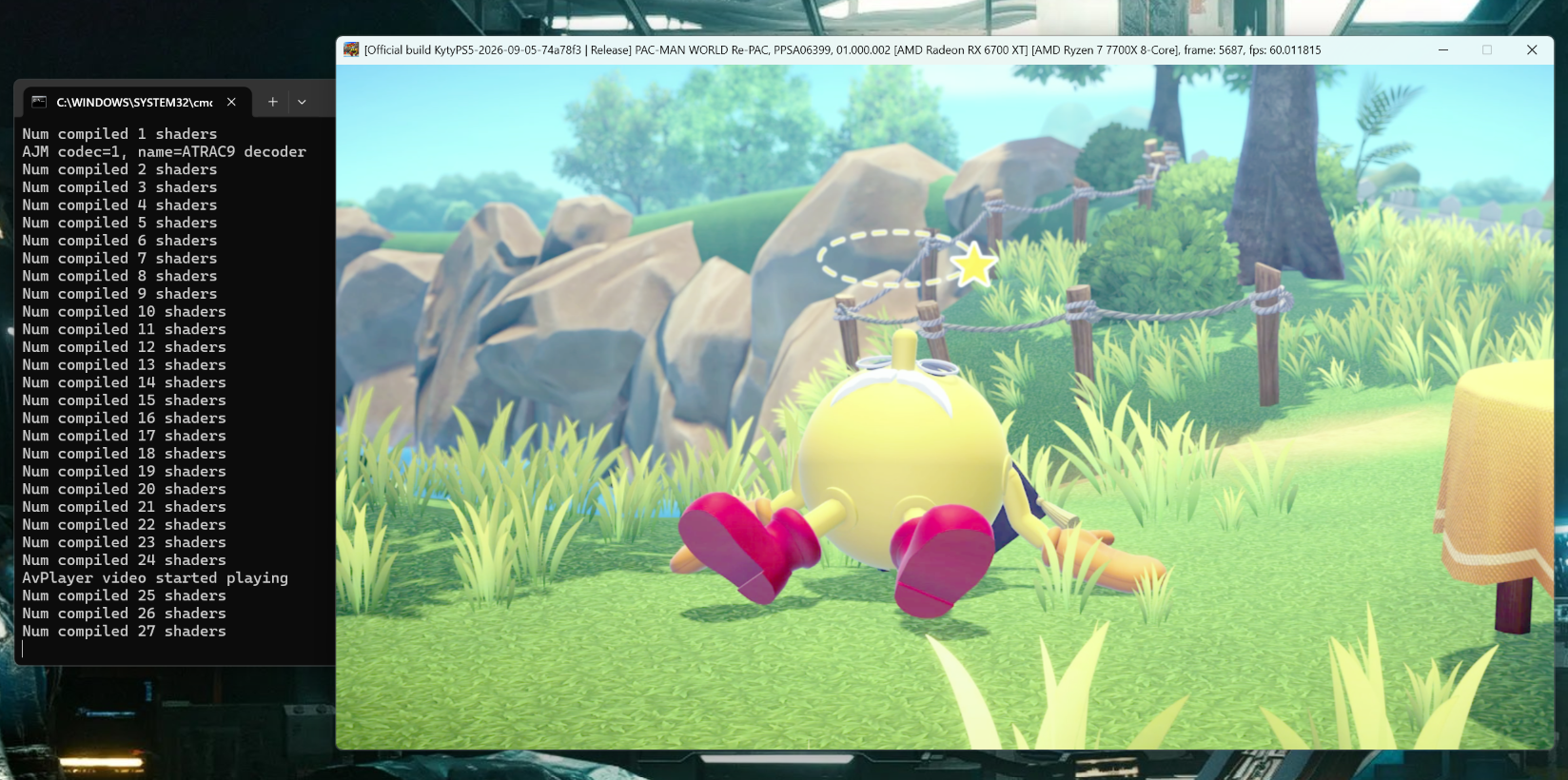
GTA V actually first booted inside KytyPS5 a week ago before getting to this point, but it's not the only game running well right now. There are at least four other PS5 titles capable of being played at 60 FPS through emulation. The tweet above shows them all running on an RTX 5080 system with a Ryzen 7 5800X3D. We tried one game ourselves — PAC-MAN WORLD Re-PAC — and it ran shockingly well, locked at 60 FPS, even on an RX 6700 XT rig paired with a Ryzen 7 7700X processor.

The PS5 version of PAC-MAN WORLD Re-PAC being emulated on a PC via KytyPS5

(Image credit: Future)

On the other hand, SharpEmu is also making progress, but that team has a different approach to the same hurdle. They're busy tackling accuracy and infrastructure setup rather than game-specific compatibility, per its GitHub repo. In other words, it means fixing low-level issues that are preventing games like Astro Bot from currently reaching the gameplay state. Astro's Playroom has just barely reached the point where it boots.

SharpEmu is delivering a lot of achievements on the handheld side, though, with massive improvements made for the Steam Deck. The post below shows a similar level of performance for Astro’s Playroom compared to a much more powerful RX 7900 XT system with a Ryzen 9 7900X CPU. It's still barely 1 frame per second, and the game doesn't get past the boot screen, but the fact that it's even possible is enough cause for celebration. Remember, this is the worst that PS5 emulation will ever be.

SharpEmu just hit a pretty wild Steam Deck emulation milestone.-Astro’s Playroom booted locally on SteamOS-PS5 emulation running directly on Steam Deck-Roughly 0.5–1 FPS-Only reaches the intro/loading sequence-Completely unplayable right nowThe interesting part isn’t… pic.twitter.com/qL8lLKHwDOAugust 14, 2026

This 246TB SSD media server is built for millionaire cinephiles —Kaleidescape's newest home theater vault supports 25 simultaneous 4K streams, stores up to 2,300 4K cinematic movies

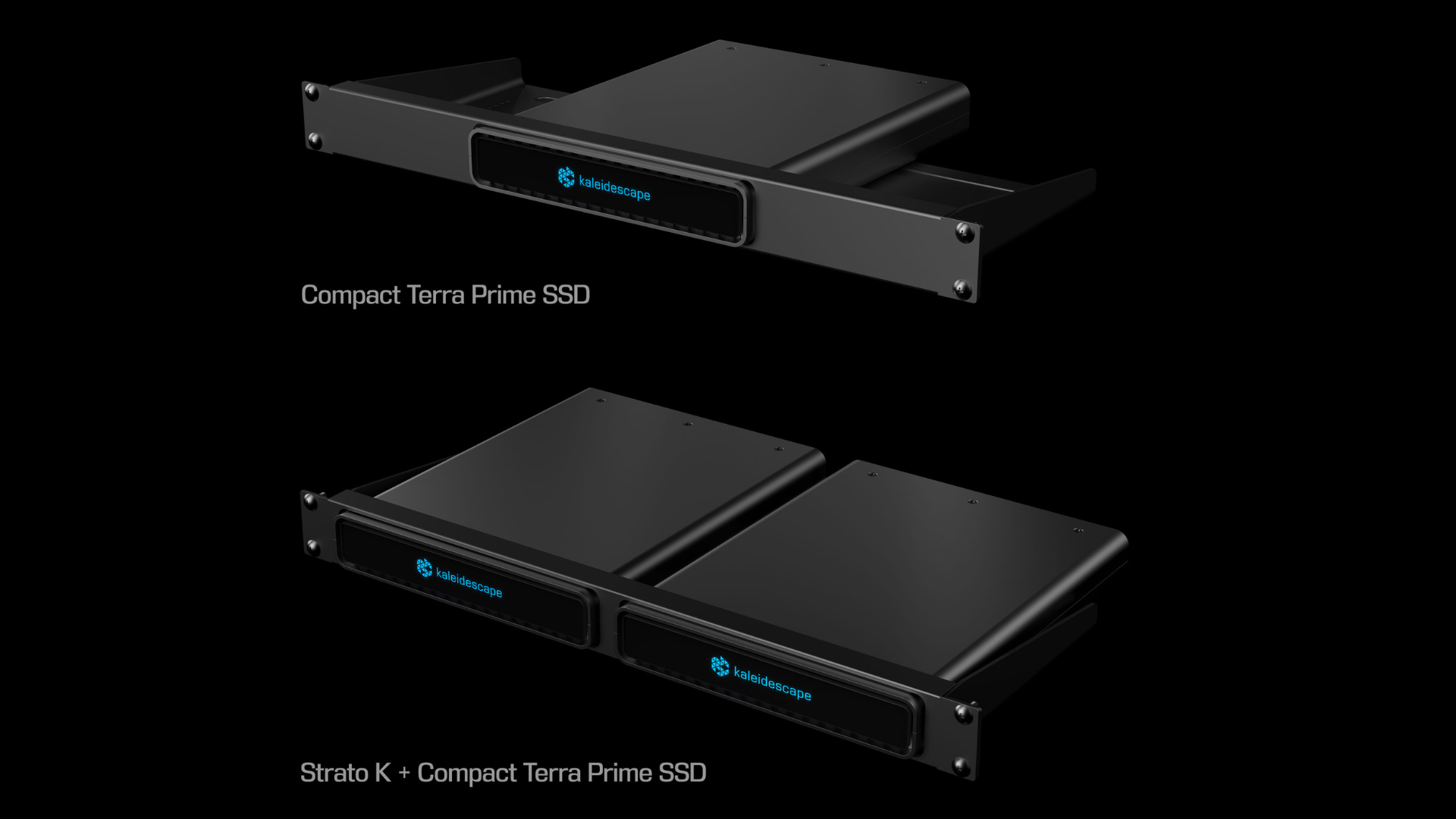
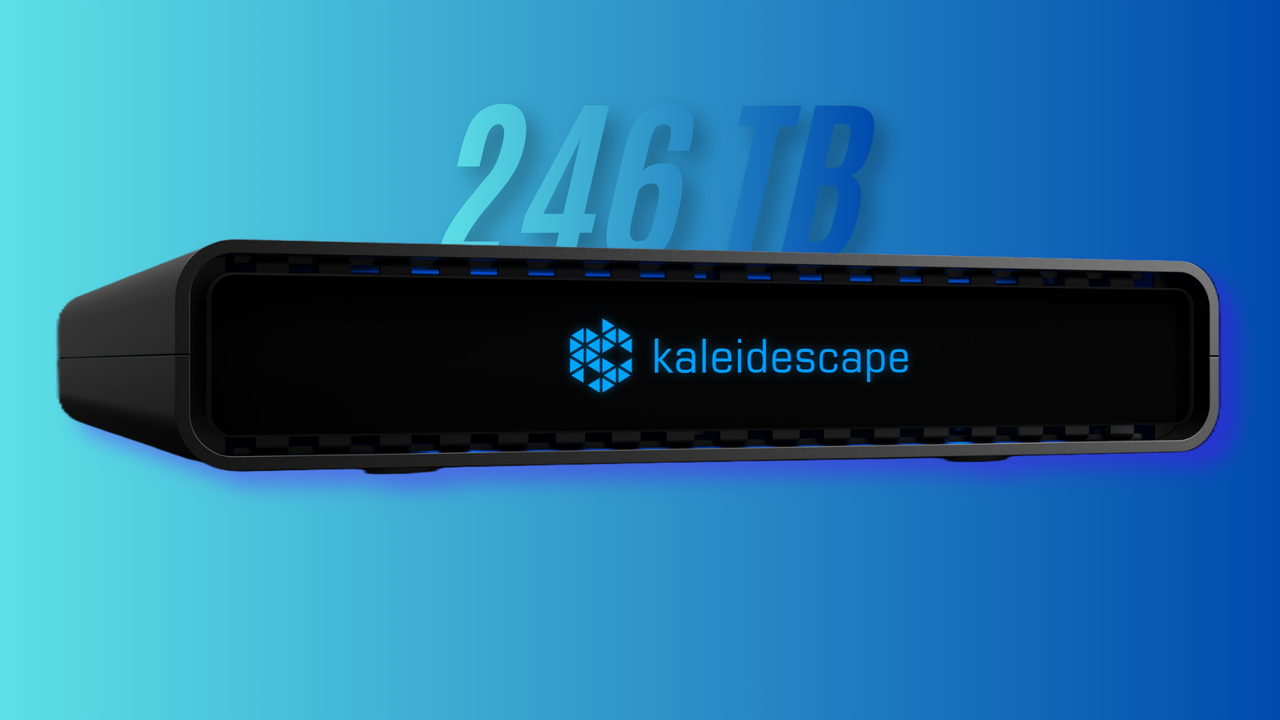
Kaleidescape, a maker of luxury home theater equipment, has revealed its latest media server, the "Compact Terra Prime 246TB SSD." As the descriptive name suggests, it's a compact movie server with 246TB of storage for opulent home theater setups. We didn't get a price, but it's likely to be $150,000+ given what the company's other servers cost. It can be combined with Kaleidescape's $4,000 Strato V media player to form the highest-end movie-watching experience possible outside of actual theaters.

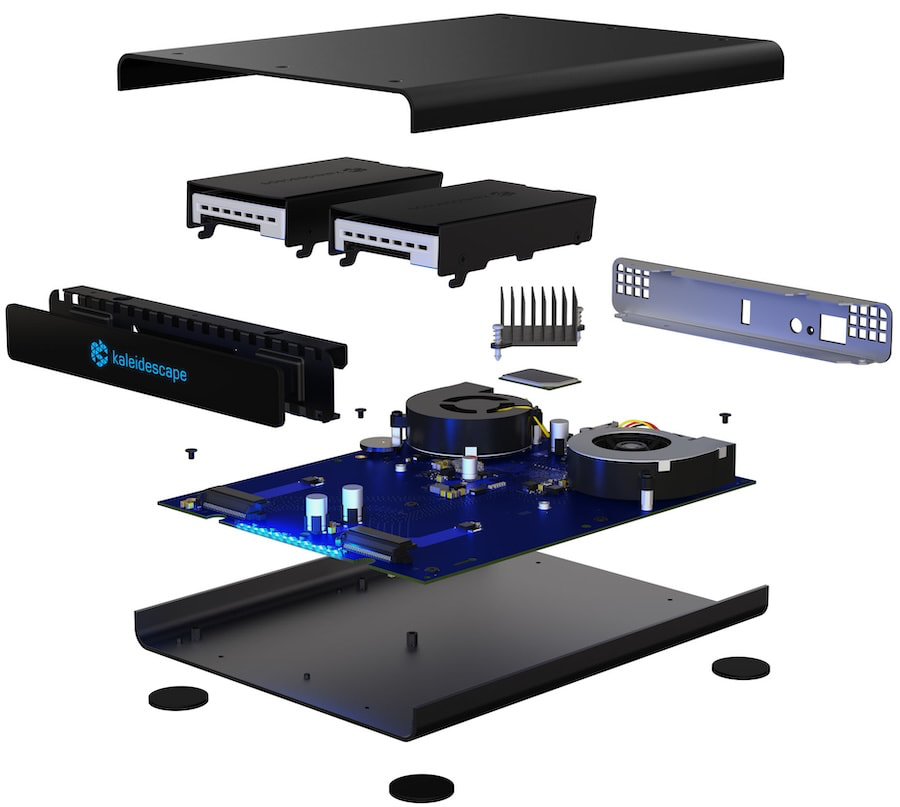
The Compact Terra Prime uses the same chassis as the aforementioned Strato V player and holds 2x enterprise-grade 123TB SSDs inside. We didn't get confirmation on what kind of SSDs these are, but we can infer from the specs that it's a pair of Solidigm D5-P5336 drives. It's the only SKU that makes sense; each of those is a PCIe 4.0 ultra-high-density NVMe SSD using 3D QLC NAND, likely in the U.2 form factor. Anyhow, the combined 246TB capacity can hold up to 4,000 standard 4K movies, or 2,300 "4K Cinematic" / 8K movies, or 6,800 HD movies.

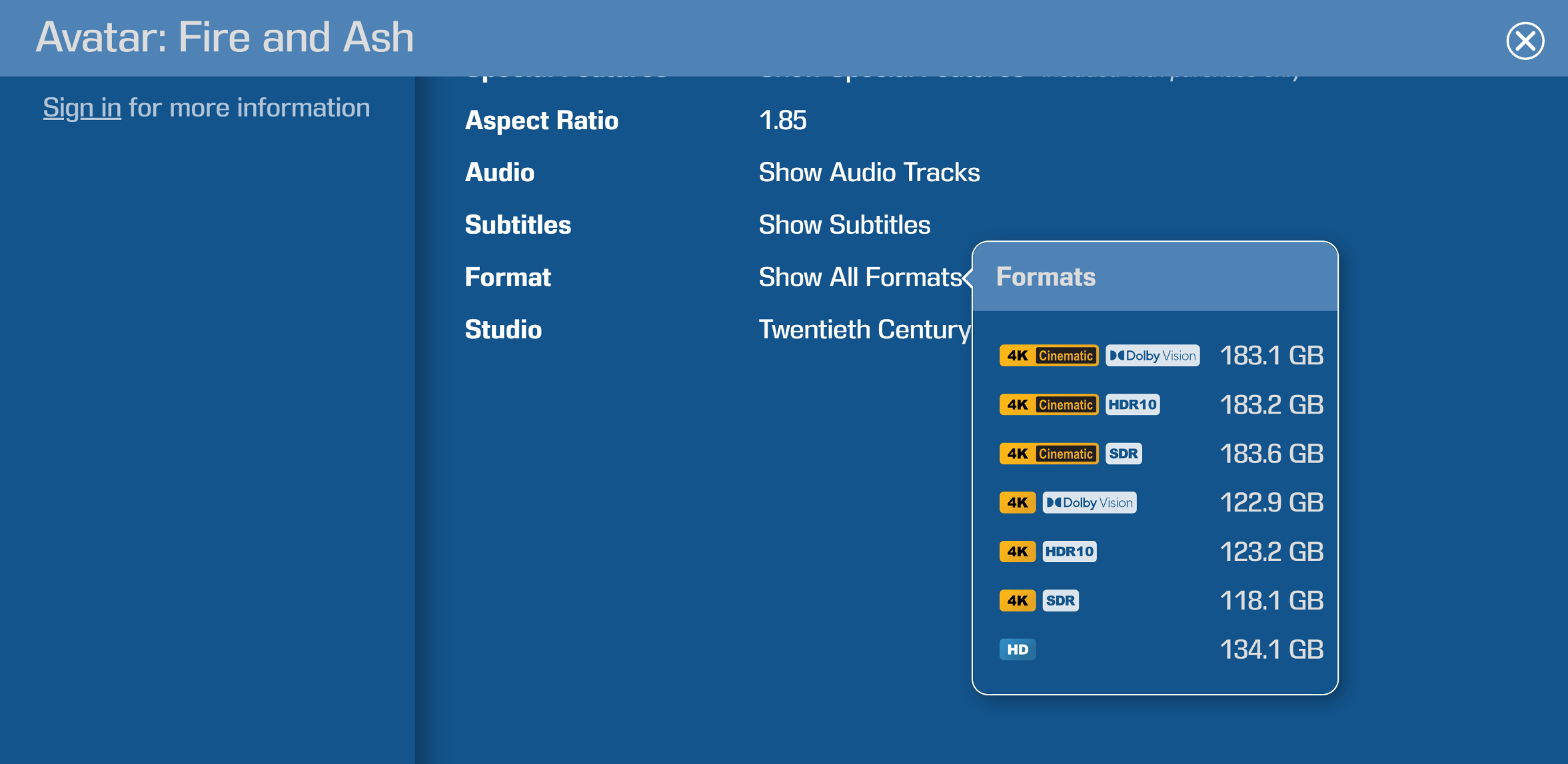
To understand what 4K Cinematic means, you have to know that Kaleidescape is not just a manufacturer. The company also runs an online movie store that directly licenses master copies of films from major studios. The platform hosts extremely high bitrate content for purchase that exceeds most 4K Blu-rays. As such, the 4K Cinematic tier promises 110 Mbps video with 4:4:4 chroma subsampling, with no compression. You also get support for HDR formats such as Dolby Vision and lossless audio formats like Dolby Atmos.

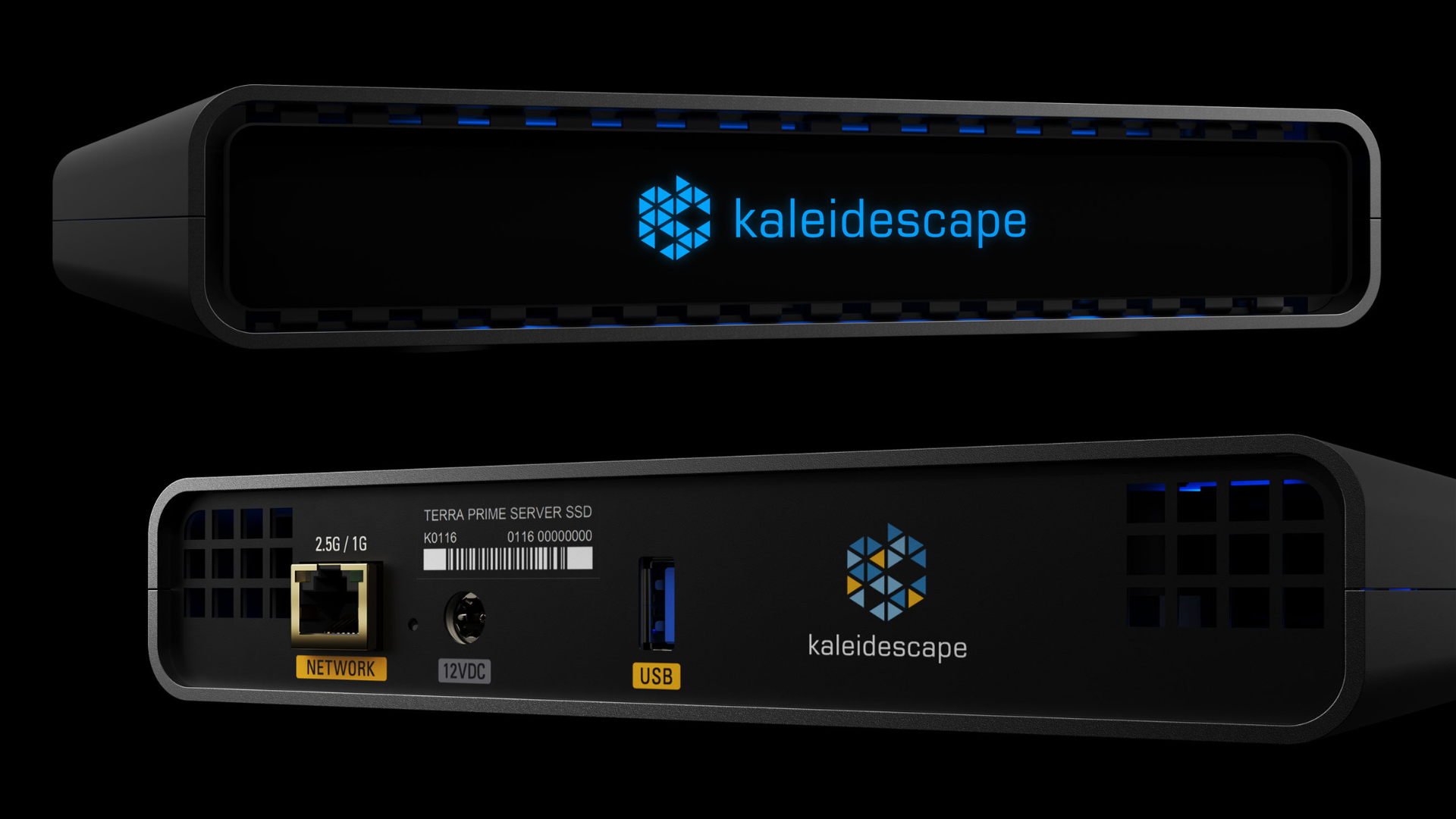
Kaleidescape Compact Terra Prime 246TB SSD movie server
Kaleidescape
Kaleidescape Compact Terra Prime 246TB SSD movie server
Kaleidescape
Avatar: Fire and Ash on Kaleidescape's online movie store
Future

Watching these movies requires a proprietary Kaleidescape media player. The server isn't necessary, since the company's latest Strato V comes with 960 GB of onboard storage to hold up to eight 4K Cinematic movies at a time. When you combine a player, a server, and a movie store, you get the absolute pinnacle of home video: Blu-ray's high fidelity and online streaming's convenience in one place. The Compact Terra Prime 246TB simply represents one enormous piece of the puzzle.

The server weighs just 4 pounds, or less than 2 kilograms, and measures out to 7.87 x 1.52 x 10 inches. It has two fans that cool the NAND at a maximum noise level of 20 dB. The back of the device has a 2.5 Gbps Ethernet port that Kaleidescape promises can download a 4K movie in just 4 minutes if you saturate its throughput. This matters because you cannot stream movies from the company's online store; they must be downloaded locally first as part of the uncompromising experience.

Kaleidescape Compact Terra Prime 246TB SSD movie server

(Image credit: Kaleidescape)

Once available, though, the server supports up to 25 instances of 4K playback simultaneously. That's more than even most full-fledged movie theaters ever do. The Compact Terra Prime 246TB is also constructed entirely out of aluminum. You'd expect that kind of build quality given what it costs. Kaleidescape didn't reveal an MSRP, but its 120TB SSD server currently costs $34,995. Doing simple math, the 246TB version should cost double, if not more. It's available now, but you can only purchase it through select Kaleidescape partners on a made-to-order basis.

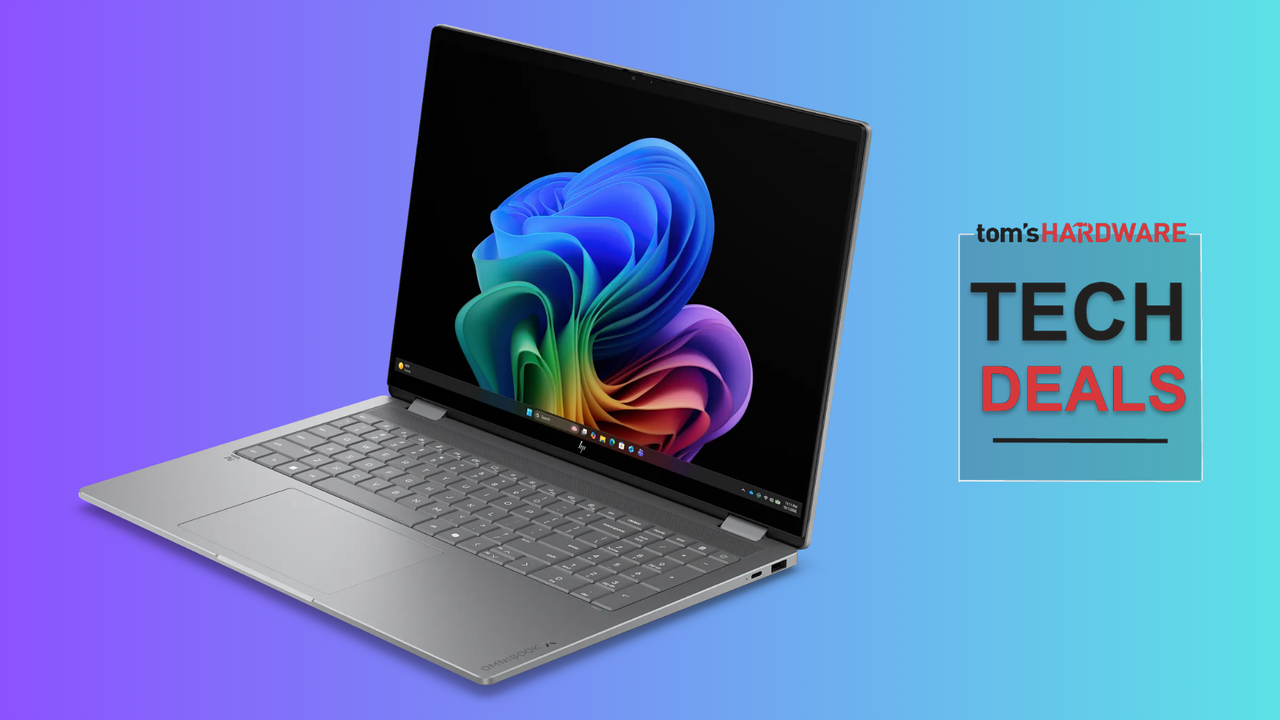
Save nearly 50% on this awesome 16-inch OLED laptop with a Ryzen AI 5 430 CPU & 16GB RAM — HP's MacBook Neo-beating OmniBook X Flip is down to just $699

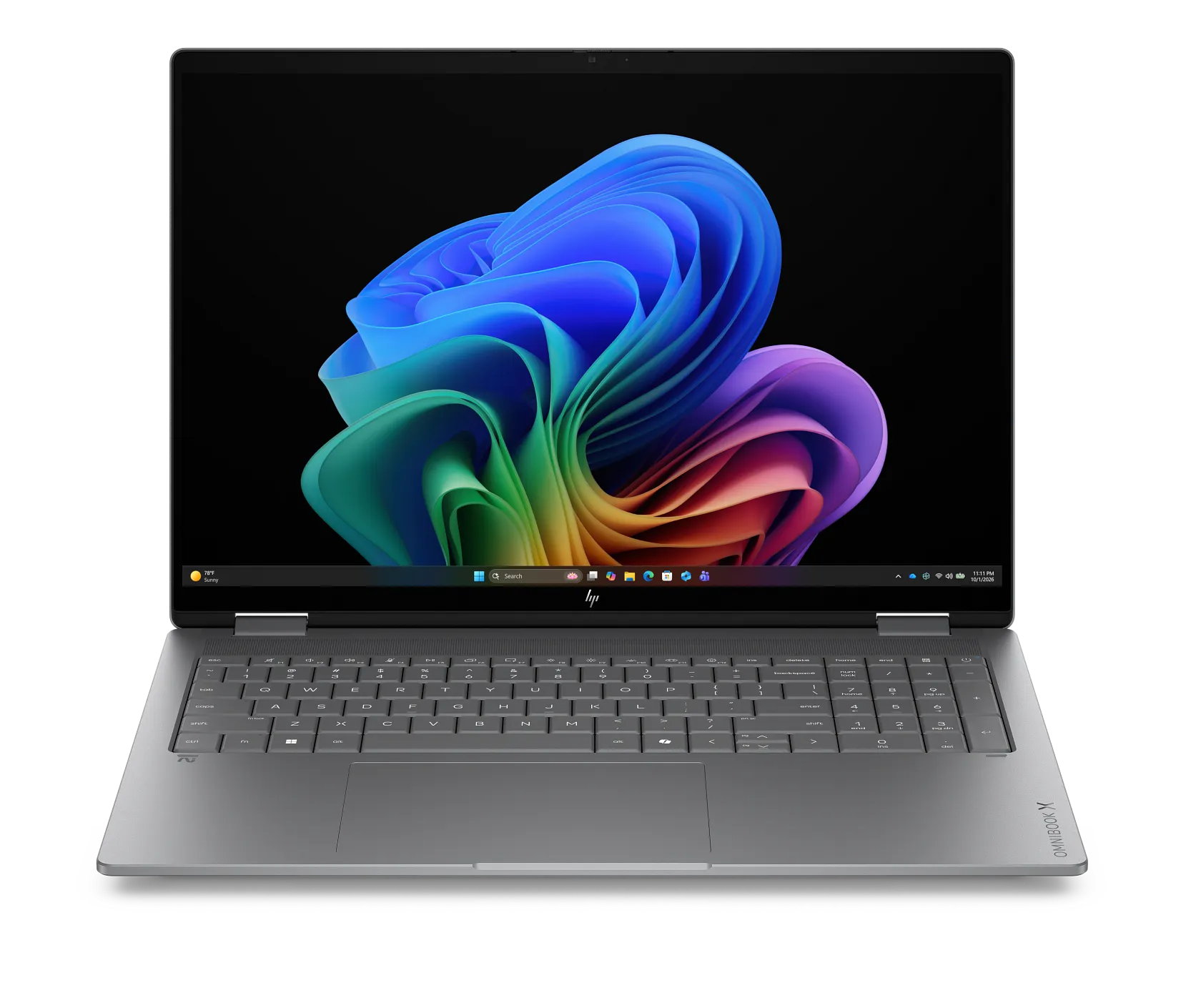
With the entire PC hardware industry in shambles right now, laptops represent some of the best deals to be had. The integrated nature of these devices often results in unexpected savings compared to their desktop counterparts. As such, we've found a great offer on an HP OmniBook Flip X 2-in-1 for just $699, down 47% from its list price of $1,329 on Best Buy. It's a 16-inch OLED laptop with solid performance for everyday tasks, and then some.

A sleek machine with strong internals for everyday usage and an exceptional OLED display for its class — the HP OmniBook X Flip 2-in-1 is the perfect choice for computing on a budget. Did we say the screen flips around, too?View Deal

This specific variant of the OmniBook X Flip 2-in-1 being at $699 puts it directly in MacBook Neo territory, which also starts at $699 now. But for that money, you're getting a whole lot more computer. The main selling point here is the gorgeous 16-inch OLED display carrying a 1920x1200 resolution. It's touchscreen and, owing to its name, flips around 180 degrees to form a tablet. The laptop is built well so turning it around doesn't feel flimsy, either.

Inside the heart of the laptop sits a Ryzen AI 5 340 processor. It's a Gorgon Point chip, so basically a Strix Point refresh, but it's capable of churning through daily tasks like butter. It has four Zen 5 cores (two of which are Zen 5c) and four RDNA 3.5 Compute Units, which are enough for very lightweight 1080p gaming. This laptop doesn't have a dedicated GPU so the integrated Radeon 840M serves as your main GPU, but that just makes the 76Wh battery last even longer.

The rest of the laptop features strong specs for its class as well, staring with 16GB of LPDDRX5 memory, which is double what you get on the MacBook Neo. There's also a 512GB SSD inside and you get a 65W GaN charger in the box. In terms of I/O, there are 2x Thunderbolt (USB-C 40 Gbps) ports, 2x USB-A 10 Gbps ports, 1x HDMI 2.1 and a 3.5mm audio jack onboard. You even get Wi-Fi 7 and Bluetooth 6.0 for wireless connectivity.

All in all, this is one impressive budget laptop that's not trying to deceive you into thinking it can do more than what it can. It's meant for regular, everyday work like browsing the web and media consumption, especially with that beautiful OLED display, and it excels at that. It only weighs 4 lbs. and for just $699 on Best Buy, you genuinely cannot find a better laptop without significant compromises elsewhere.

If you're looking for more savings, check out our Best PC Hardware deals for a range of products, or dive deeper into our specialized SSD and Storage Deals, Hard Drive Deals, Gaming Monitor Deals, Graphics Card Deals, Gaming Chair, Best Wi-Fi Routers, Best Motherboard, or CPU Deals pages.

AMD reportedly prepping Ryzen 5 7500 (non-F) CPU with integrated graphics at double the price — Six-core Zen 4 chip rumored to share identical specs with its F-moniker cousin

AMD is no stranger to refreshing its older CPU families with new SKUs, especially since the consumer hardware market for new products is currently in a slump. Ryzen 7000 is a relatively new lineup for the company, but it seems like it might be the latest recipient of this strategy. Leaker Roland Quandt is reporting that a Ryzen 5 7500 non-F is coming soon with specs identical to the 7500F, but at double the price for some reason.

AMD Ryzen 5 7500 (no F, no X3D, no nothing) incoming.AM5 socket3,7 GHz, up to 5,0 GHz boost6C/12T38MB cache in total65W TDP~230 Euro

— @rquandt.bsky.social (@rquandt.bsky.social.bsky.social) 2026-09-05T13:08:32.503Z

As the post above clarifies, this is a bog-standard chip with no 3D V-Cache or anything extra. Actually, that's not entirely factual, as ditching the "F" moniker means the processor is gaining integrated graphics. However, given what we see on the Ryzen 5 7600, this iGPU will comprise only two small RDNA 2 CUs. That's enough for a display output and everyday tasks, but don't expect to be gaming on this thing.

The rest of the specs remain unchanged from the Ryzen 5 7500F. Its rumored non-F counterpart is also a six-core, twelve-thread CPU with a 3.7 GHz base clock and 5.0 GHz boost clock. You'll get 38MB of combined cache, likely a 32MB L3 + 6MB L2 split, along with a 65W TDP. All those match the 7500F, with the only glaring difference being the price — the Ryzen 5 7500 is supposed to somehow retail for 230 Euros, or $267 freedom units.

For context, the Ryzen 5 7500F launched at $179 three years ago but quickly came down in price and can be had for just $116 right now. Even in Germany, it costs 105 Euros at the moment, which translates to $122. Moreover, for the $250+ price rumored for the 7500 non-F, you can instead get the much more powerful Ryzen 5 9600X along with a whole B850 motherboard on Newegg as we speak. You can even find the 7600X3D for less than $250 on Amazon right now.

The only way one could try to justify this pricing is by arguing that the 7500 non-F comes with a box and cooler, unlike the 7500F, which is a tray-only package. Then again, these comparisons are based on current pricing, and we know how much of a mirage that can be during the component crisis. Price hikes for CPUs are not a rarity anymore, and since we don't have a rumored launch window for the 7500 non-F, it could coincide with one.

That's just speculation, though; take everything you just read with a grain of salt. The reason the rumored price is in Euros to begin with is that the leaker is based in Germany. We don't even know if this chip will receive a global launch.

Modder gets Nvidia's DLSS 5 working on AMD's RDNA 4 GPUs — RX 9070 XT only manages 30 FPS at 1080p right now, but 5070 Ti-level performance is the eventual goal

DLSS 5 officially debuted inside NBA 2K27 yesterday with more games to follow down the line, along with RTX 40-series support planned for the future. However, if you don't own a GPU from either of those families, the modding community has once again stepped up to offer a workaround. Developer danielblnc has figured out a way to make DLSS 5 work on AMD's RDNA 4 GPUs (RX 9000 series). As long as you're playing a DirectX 12 game with FSR support, "DLSS-NR-on-AMD" can inject DLSS 5 inside it.

The project is closed-source, so we don't know exactly how it works but we can make a few educated guesses. The mod is likely using a dynamic wrapper to intercept NGX API calls and fool the DLSS 5 DLL into loading on an AMD GPU. Once loaded, it extracts the AI model and Tensor data inside that DLL and converts those calculations into math AMD's matrix accelerators can understand via the HIP RT backend (rather than translating CUDA).

It then hooks into the game's FSR pipeline to run that frame data through the neural model and produce the same quality results you would get on an actual RTX 50-series GPU, just without any of the Tensor cores. DLSS-NR-on-AMD doesn't work on any game requiring anti-cheat. Even in single-player titles the performance is not great, especially since the RX 9070 XT is the top-end RDNA 4 GPU available.

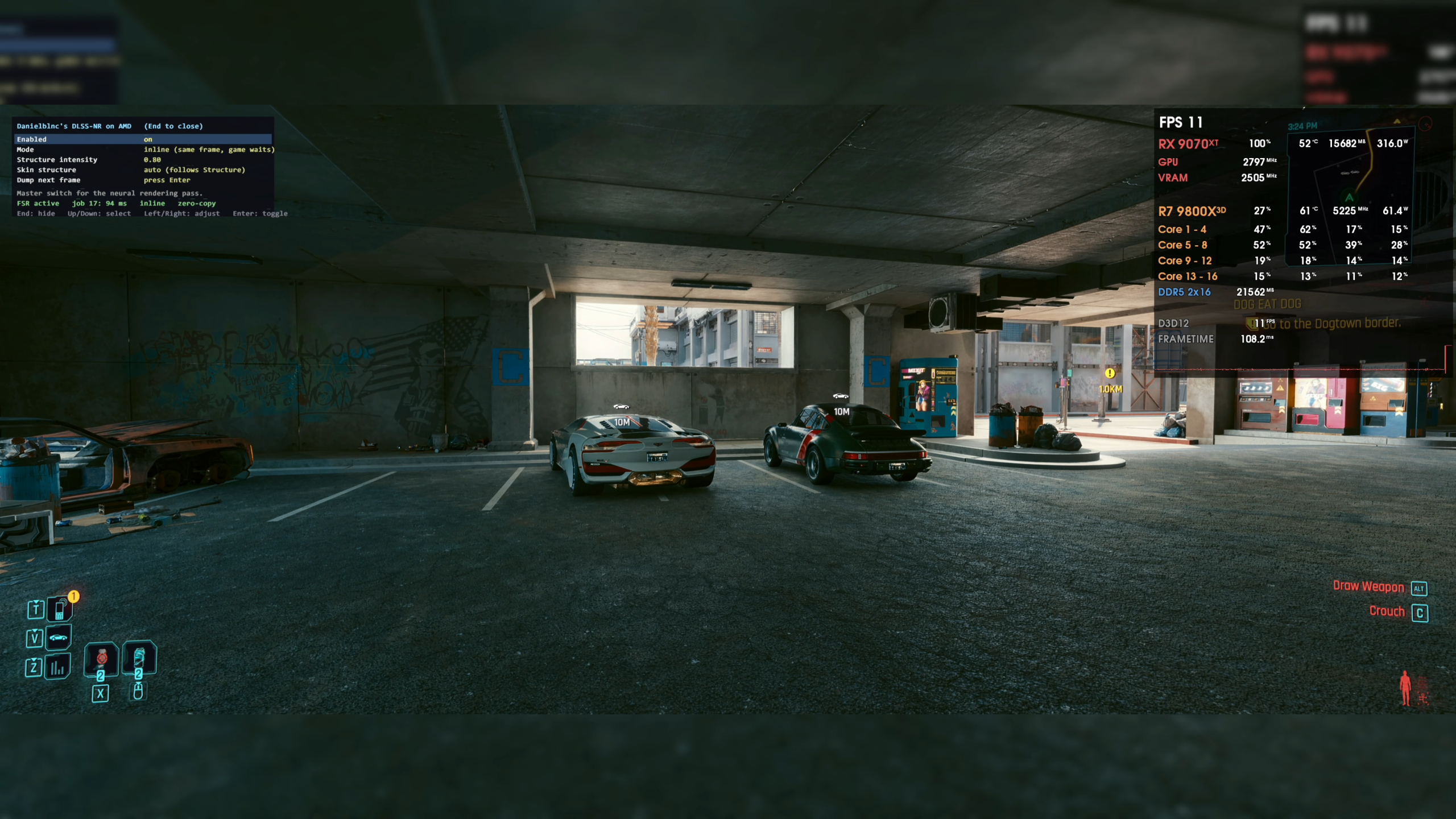
Initially, Cyberpunk 2077 was running at 28 FPS at 1080p on the 9070 XT with DLSS 5 on, but a patch has been released that improves the frame rate by 12% to a stable 30 FPS. Another update has added a 2% boost but that's likely negligible. Performance reports from users online are a bit less optimistic. The ultimate goal is to get performance similar to an RTX 5070 Ti, which is not far-fetched since both GPUs are matched in raster and very close in ray tracing.

Cyberpunk 2077 running with DLSS 5 on an AMD RX 9070 XT

Performance drops from 80+ FPS natively to just 11-12 FPS with DLSS 5 on (Image credit: Ancient Gameplays on YouTube)

If you want to try it yourself, just head on over to the GitHub page and grab the latest release (it's an executable). Inside, you won't find the DLSS 5 DLL; you have to provide a "legally-obtained" copy yourself, as the repo points out. Currently, only NBA 2K27 natively supports DLSS 5 and that's where the DLL was originally leaked from. Anyways, once you have it, move the DLL and the executable inside the game's bin folder. Follow the on-screen instructions to finish installation.

Open the game, select FSR 3 or 4 from the in-game graphics settings, and press the End key to bring up the custom menu. This menu allows you to adjust individual parameters like structure and tone, similar to how the ReShade mod works in other games. You see the changes in real-time and it looks just as "good" as the non-intercepted DLSS 5. Don't expect any miracles because DLSS 5 is already very compute heavy and you're adding extra overhead by running it on non-compatible hardware.

Sure, both the RTX 50-series and the RX 9000 series support FP8 formats but DLSS 5 is meant to run on Tensor cores; not AMD's dual-issue AI accelerators. However, since the RTX 40-series also has Tensor cores and native FP8 support, Nvidia has confirmed that DLSS 5 will eventually make its way onto last-gen silicon as well. As for DLSS-NR-on-AMD, users have been able to get it running on RX 7000 series, but performance is once again abysmal because of the lack of FP8 support.

The GitHub repo does mention RDNA 3 support being explored but there are no plans for it at the moment. There is a lot of work to be done just to get the RX 9070 XT performance on the level of the 5070 Ti first. Ultimately, the ambition of the modding community never fails to impress because this is the slowest DLSS 5 on RDNA 4 will ever be. Nvidia's efforts to optimize DLSS 5 on its own hardware will, inadvertently, improve this mod as well as time goes on.

DLSS 5 officially launches inside NBA 2K27, limited to RTX 50-series GPUs for now — Nvidia promises to bring neutral rendering tech to RTX 40-series soon

After a heavily scrutinized announcement earlier this year and a very revealing past few days, DLSS 5 has finally, officially launched inside NBA 2K27. A sports game is a bit of an unusual choice to showcase what is seemingly the next big leap in real-time rendering, but it's the only game DLSS 5 works with for now. Fortunately, you don't need an RTX 50-series GPU to enjoy it, as Nvidia has confirmed that the tech is coming to previous-gen RTX 40-series hardware as well, though we don't know exactly when.

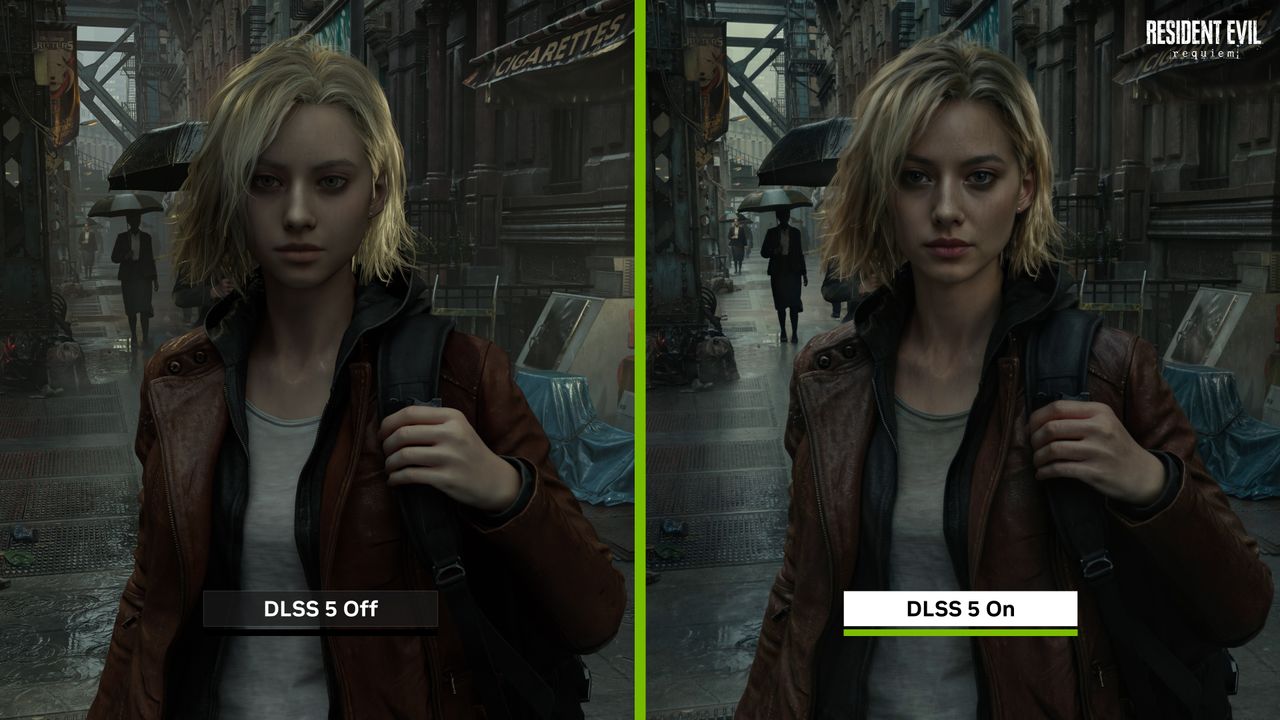
Nvidia has worked closely with developer Visual Concepts to leverage DLSS 5 as an aid rather than the foundation of NBA 2K27. The game still uses scanned 3D models of all the players to form the base geometry. Then, DLSS 5 combines training data and engine data to infer things like lighting and shadows, upgrading the scene to look more photorealistic. Such engine-level implementation allows devs to fine-tune the end result as per their creative intent instead of just applying a global AI filter over everything.

DLSS 5 in NBA 2K27

(Image credit: Nvidia / Take-Two Interactive)

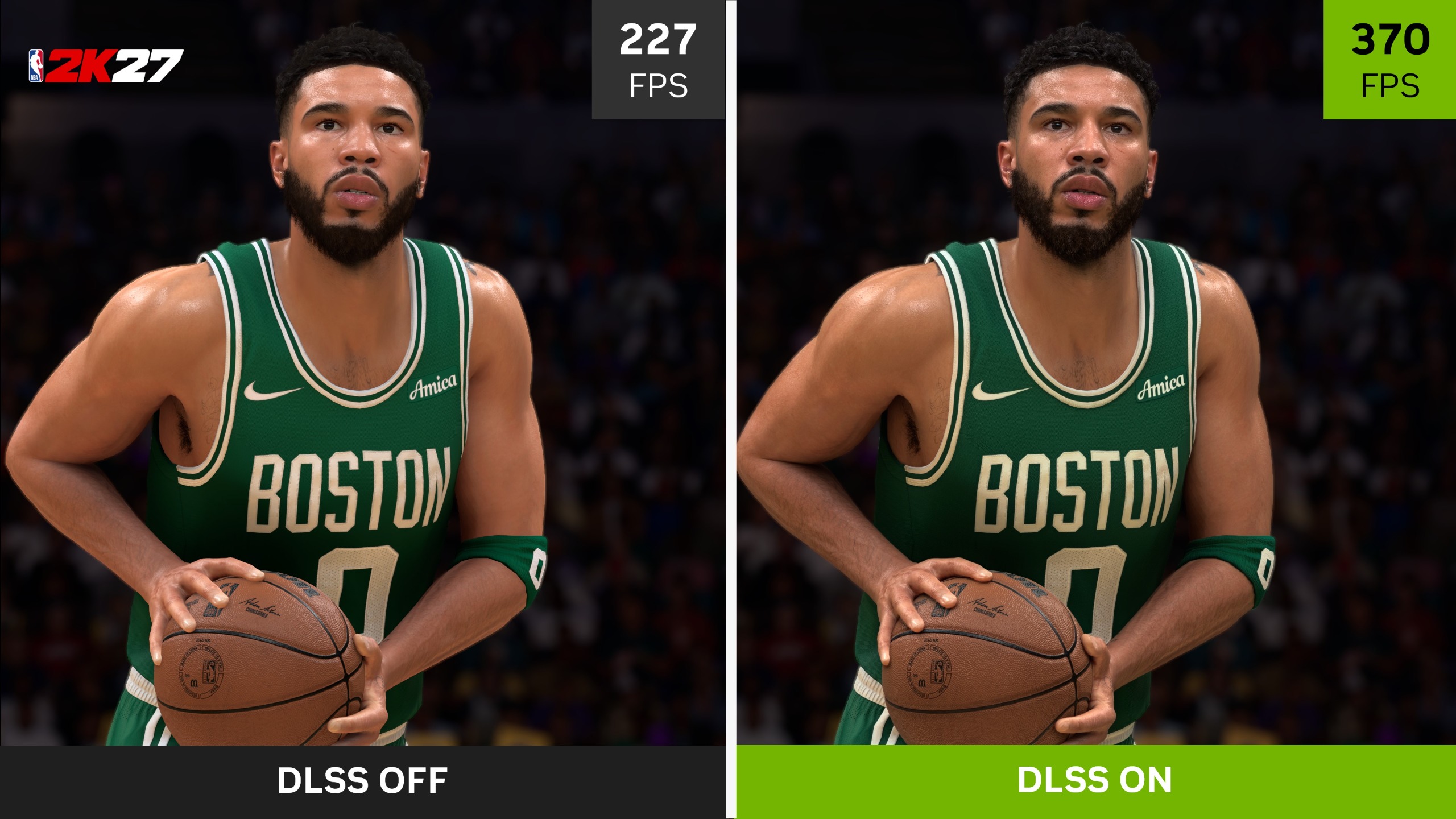
DLSS 5 will come to other titles soon, but for now it's limited to NBA 2K27, and even then, it's extremely taxing. Nvidia's own marketing shows DLSS 5 netting 370 FPS at 4K with an RTX 5090, compared to 240 FPS with DLSS turned off. What it doesn't highlight as clearly is that the 370 FPS number comes from 6x MFG — five fake frames being interpolated for every real frame. That means the game is actually running at ~61 FPS; turning on DLSS 5 tanked performance by four times compared to native. Not to mention, it's being upscaled from 1080p to 4K, too.

If you don't happen to own the latest-and-greatest in Blackwell silicon, and you also don't want to pay for the Ultimate tier of GeForce Now (RTX 5080), there's still some good news for you. After initially locking DLSS 5 to only the RTX 50-series, Nvidia has confirmed it'll bring the 3D-guided neural rendering tech to RTX 40-series GPUs soon. "Once RTX 50 Series performance is more fully tuned, we plan to work on expanding official support to the GeForce RTX 40 Series," said Ben Berraondo, head of PR at the company.

Hey @firstadopter, Our current focus is on optimizing performance for the GeForce RTX 50 Series with model updates expected later this fall. Once RTX 50 Series performance is more fully tuned, we plan to work on expanding official support to the GeForce RTX 40 Series.September 4, 2026

It's likely that modders opening the floodgates for patched DLLs convinced, or perhaps forced, Nvidia to reconsider its initial stance. It's no secret that DLSS 5 has a merciless compute cost, so making it work on older Ada GPUs would only result in negative PR for an already divisive product. But once modders showed it's possible — not just on the 40-series, but also on the 30- and even 20-series — the ball was in Nvidia's court and, to its credit, the game hasn't stopped. It'll be interesting to see the performance, considering the RTX 40-series only has up to 2x MFG.

For now, the focus is entirely on optimizing DLSS 5 for RTX 50-series, and that improvement will, in turn, help the future release on RTX 40-series, too. As more and more games implement the tech, the dataset behind it will mature, and DLSS 5 might one day grow to distinguish itself from AI slop for its critics. At the moment, don't expect granular control like we've seen through ReShade, as that's entirely a community effort. DLSS 5 will simply be an on/off toggle in most titles since the devs would've already tweaked the individual parameters themselves.

Fake DDR5 memory kits now on sale starting at $43 — V-Color sells 0GB dummy modules and single-stick memory kits with a fake stick for $300

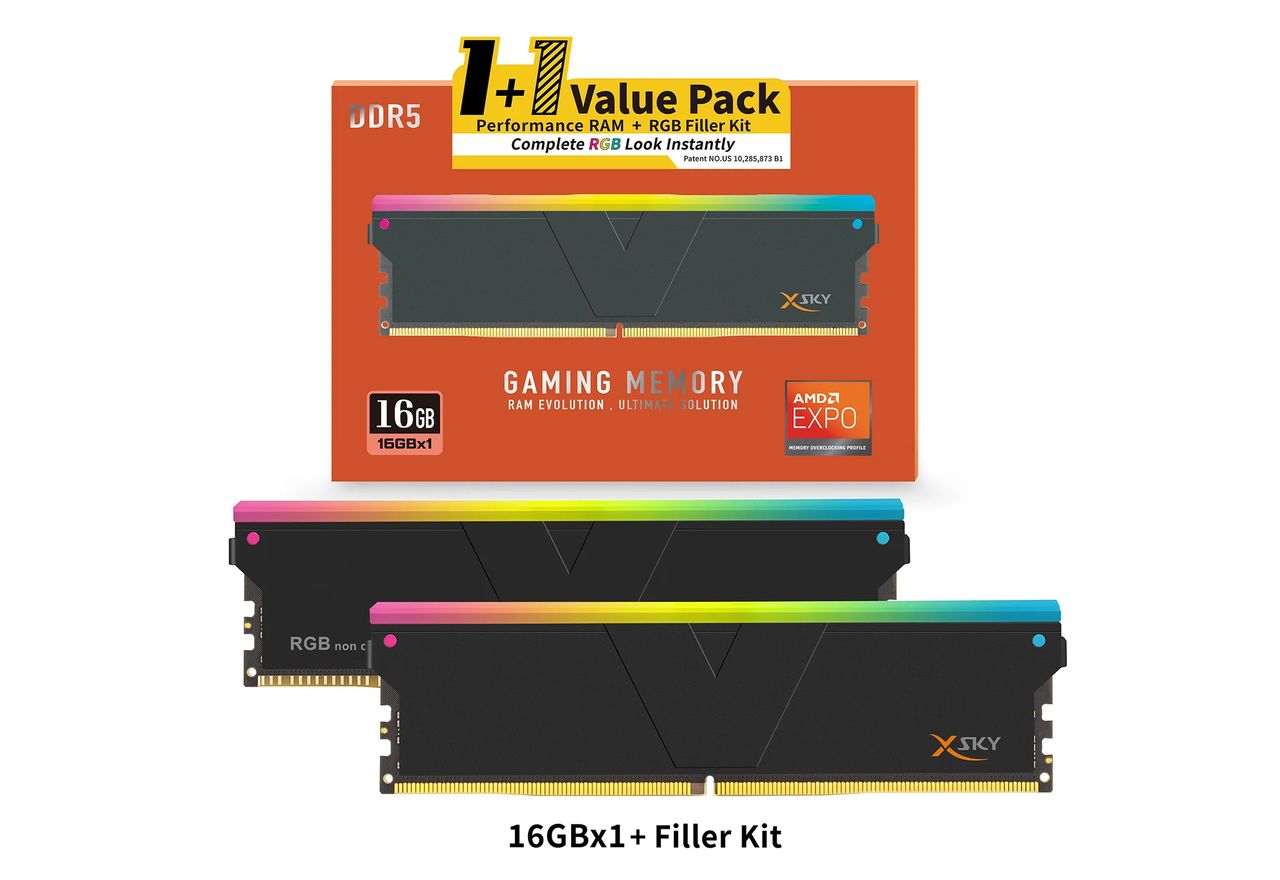
Earlier this year, V-Color announced its 1+1 DDR5 filler memory kits to help suspend disbelief and offer psychological salvation against rising memory prices. These kits mix real DDR5 sticks with dummy modules that don't actually have any RAM inside — just working RGB — to give you the illusion of a fully-slotted motherboard. Today, the kit is finally available to buy in the UK and Europe, with just the filler sticks on their own also listed for sale in North America.

V-Color has two different DDR5 products: Manta XSky and Manta XFinity, the latter being the higher-end model. The 1+1 kit is only available for the Manta XSky variant and only in the UK and Germany; not yet in the US. The 0GB kits (where both sticks are dummies) are available in both the Manta XSky and XFinity models across multiple regions. Pricing starts from $43 and goes up to almost $300, so let's break it all down.

In the UK, Overclockers currently has the 16GB 6,000 MT/s CL30 kit listed for 210 GBP, or $285, in black and white colorways. You get a single 16GB stick with those specs and a filler module to occupy two slots on your motherboard. There's a slightly more expensive 16GB 6,000 MT/s CL28 kit as well, selling for 219 GBP, or $297. Once again, you can choose either the black or white color, and you get 1 real stick of RAM and one filler.

In Europe, using Geizhals, we were only able to find one in-stock listing of the 16GB 6,000 MT/s CL28 kit for 330 Euros, or $384, in the black colorway. The same kit with CL30 speeds can be had for 220 Euros, or $256, but it's out of stock on CaseKing, the one Germany-based store in the entire EU with these products. We'll remind readers that there are no North America listings for V-Color's 1+1 DDR5 kits as of now.

But we did spot plenty of 0GB kits on Newegg and Amazon. These kits don't offer any real RAM whatsoever and are purely meant for decorative purposes. You can only use these if you already have working RAM in your system and two extra slots left to populate on your motherboard. Amazon has the Manta XFinity variant listed for $57 in either black or white, while Newegg is selling the Manta XSky model for $44 in white.

CaseKing in Germany is selling the Manta XSky filler kit for 50 Euros, or $58, but we weren't able to find any other listing across Europe. The prices for these kits across the world are not much higher than their regular, non-filler counterparts, so you might as well spring for these until the RAMpocalypse settles down. Just don't forget that you'd still be limited to single-channel memory with the 1+1 kits, which isn't that big of a deal when it comes to DDR5, especially if you have an X3D CPU.

Questionable PC power supply 'explodes,' bursts into flames the moment it's plugged into a socket in viral video — video captures moment repair shop worker avoids disaster

2026年9月2日 19:40

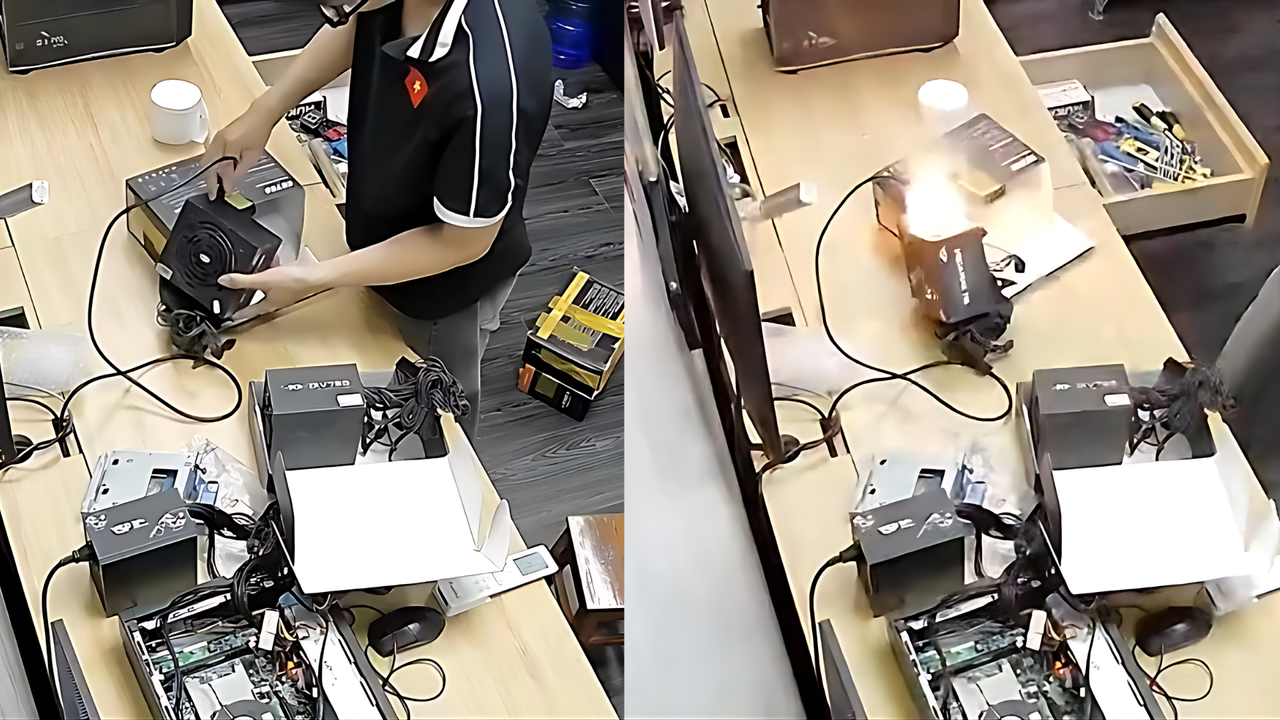
The power supply is the lifeblood of your PC, responsible for regulating power that goes into the entire system and, thus, determining how well it runs. Clearly, one PSU in Vietnam did not live up to this expectation, as CCTV footage from a shop shows it bursting into flames as soon as it's plugged into the socket. Even though it caught on fire, thankfully, no one was injured as the tester acted quickly to cut it off from the wall.

PSU fails dramatically
 from r/pcmasterrace

Details are scarce, but we know the footage comes from some sort of service center in Vietnam. The power supply in question is the VSP MEGA MAX VS750D, and it doesn't appear to be new because the person pulls it out of the box without any packaging material around it. The OP confirms our suspicion in one of their comments, saying it came in for an RMA request from a customer.

The tester already had the power cord ready to go, and the moment he plugged the other end into the PSU, sparks flew out, and it caught on fire. The tester was startled, understandably so, but quickly regained his composure and came back to yank the cord out of the PSU. He then proceeded to pick it up in his hands to blow out the fire, which was followed by a flurry of smoke coming out of the unit. Heroic? Maybe. Reckless? Definitely.

Throughout the endeavor, this person was also barefoot. For those who don't know, carpets build up static electricity through friction as you move around. This is not dangerous to you, but the electricity builds up and can discharge itself into an electronic component. This sudden shock, known as ESD, can very much short out an expensive PC part if you're on a carpeted floor.

Since the footage shows wooden flooring, the only concern here would be lava-hot debris falling out of the PSU and onto his foot. Besides, power supplies are generally shielded from ESD because they're completely enclosed in a metal case. Unfortunately, this specific VSP unit is quite terrible. It has an 80+ White rating and is ranked at Tier E in the PSU tier list. The aftermath of the incident further proves this notion.

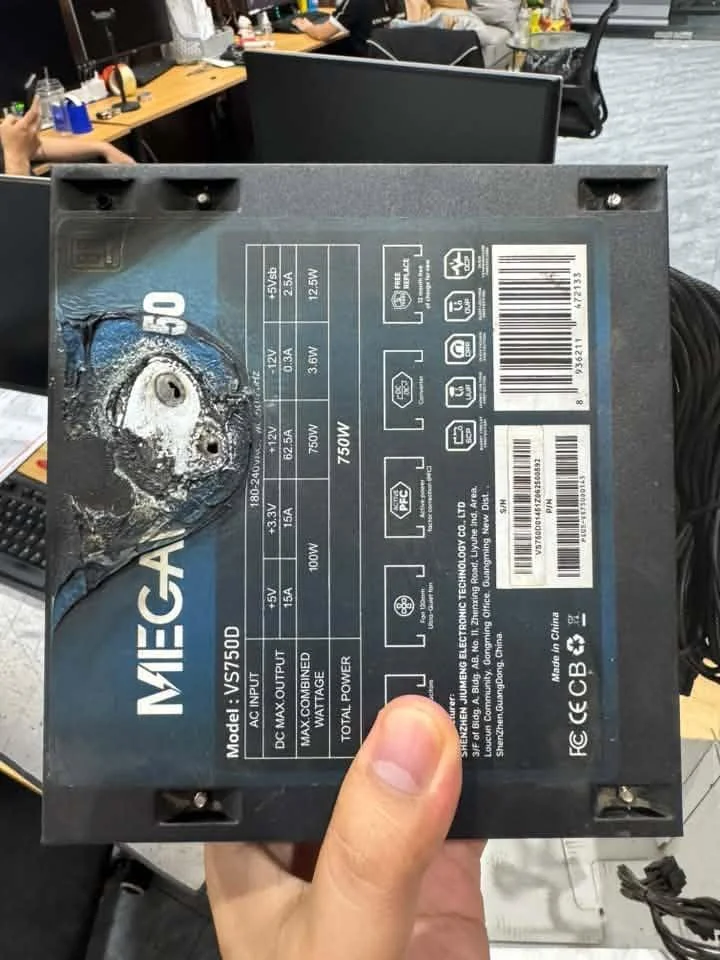
The aftermath of the PSU that caught on fire

(Image credit: u/Front_Cookie_1198 on Reddit)

The original poster did not provide the actual reason behind the PSU burning up, but you can see how scorched it is in the picture above. Some people in the comments speculate that the PCB wasn't properly isolated inside the case, shorting out the PSU. That is plausible because a short on the 12V rail alone can pull up to 1,800W of power (150A) without tripping a circuit breaker.

However, in the footage, the PSU catches on fire before the tester even has the chance to turn it on. The 12V rail would be completely dead without a motherboard explicitly turning on the system, or if you were to short the 24-pin connector yourself. Moreover, modern units with Active PFC feature auto-sensing input (including even this cheap VPS model), but since Vietnam already operates on 220V mains, this is not a voltage mismatch issue either.

Therefore, the cause is likely tied to a bridge rectifier failing to properly convert AC to DC, or a MOSFET failing to chop voltage into pulses so it can be stepped down to the 12V, 5V, or 3V rails by the transformer. Either would lead to a short internally, which is why we saw sparks before flames in the footage. We can't confirm any of this, of course, especially because the video is so low-quality, but it's our best guess.

You can now play GTA V natively on a Nintendo Switch thanks to unofficial Homebrew port — game runs at 30 FPS but requires a jailbroken, overclocked Switch

2026年9月2日 18:40

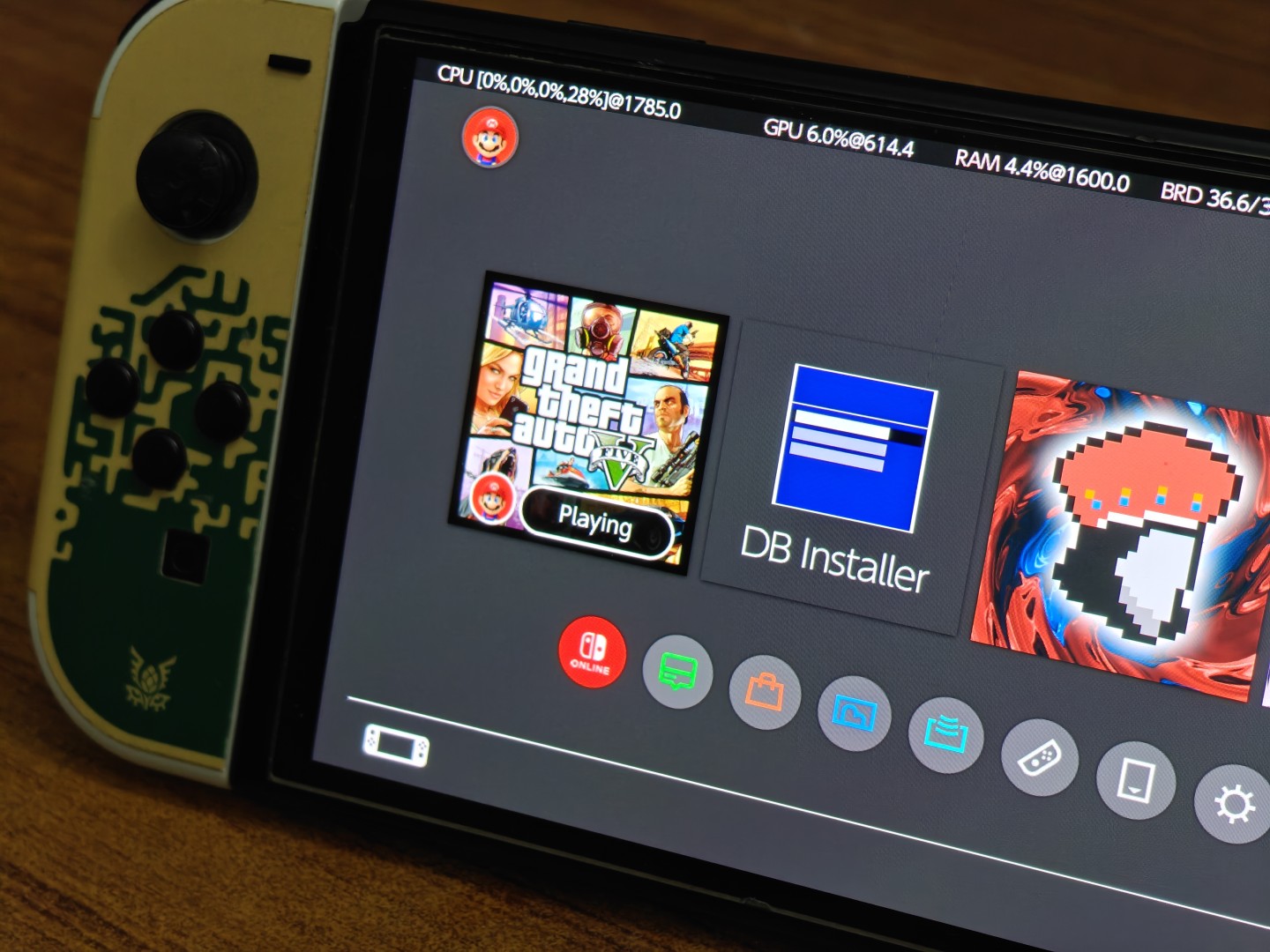
Grand Theft Auto V came out in late 2013 for PS3 and Xbox 360 before it was ported to eighth-gen consoles. Despite running on seventh-gen hardware, Rockstar never released it on the Nintendo Switch. Fast forward 13 years later and modders have done Rockstar's job for them. An unofficial Homebrew port of GTA V is now available for the Switch, and it runs natively on the hardware at roughly 30 FPS. You do need a jailbroken device, and it needs to be overclocked in order for the game to be playable.

GTA V corriendo en Nintendo Switch.- Nativo sin Android ni Linux (No es Stream).- Pesa 49GB.- Ocupas Overclock (Yo uso Sys-CLK que es seguro) pero si usas Horizon OC irá mucho mejor.- Corriendo en mi OLED sin modificaciones de RAM, puro Overclock seguro.INFO:… pic.twitter.com/ChtFlwq2TKAugust 28, 2026

The port is developed by Paralympics Productions and is based on the leaked source code from 2023. That source code allowed modders to reverse-engineer the game logic and recompile it for Arm, allowing it to run natively on the Switch's Tegra X1 SoC. That means GTA V can technically also run on Android, and sure enough, Paralympics' Discord server teases that an Android port is coming soon.

The Discord server is also where you'll find all the necessary resources required to make this work. There are four key components: a package builder, an asset converter tool, modified config files, and a specific folder layout. They work together to patch the original GTA V files, construct an executable (.NSP), and make the game data compatible with Switch's Horizon OS.

Obviously, we can't detail the entire process here, but it's relatively straightforward, and you'll find detailed guides, including a video tutorial, on the Discord. There are a few bugs to look out for, but personally we did not face any during installation. You can skip all the work and just download the already-prepped archive from Switch piracy sites, too, which is around 50GB.

Once everything is set up, you transfer the NSP to a jailbroken Switch running custom firmware, along with the modified game files, and open GTA V like you would any other game. It's kind of surreal at first, but it boots up and runs directly on the console without any emulation overhead. The load times are alright; it doesn't heat up the handheld like crazy, and battery drain was similar to any other demanding title.

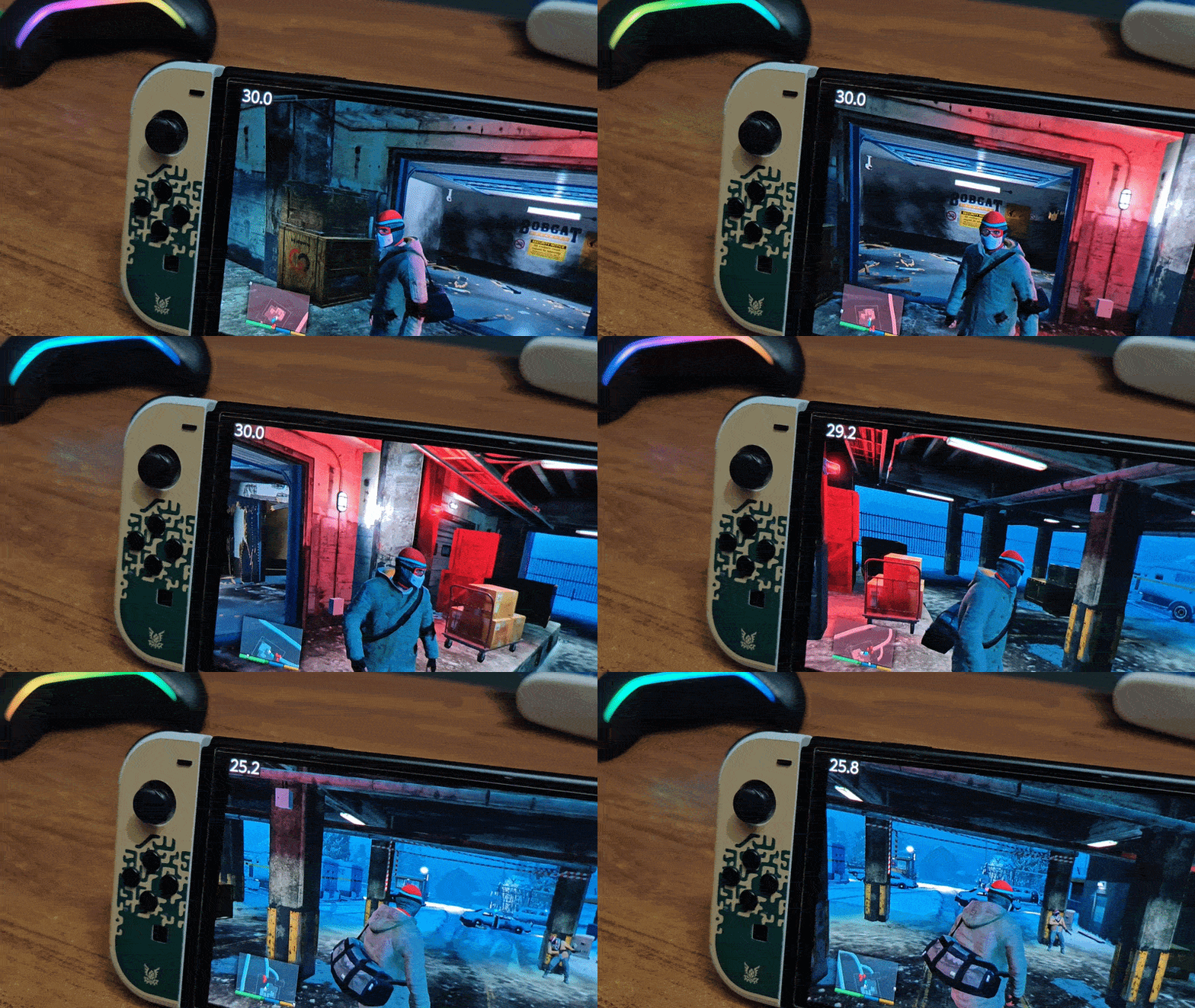
Grand Theft Auto V running natively on a Nintendo Switch

(Image credit: Future)

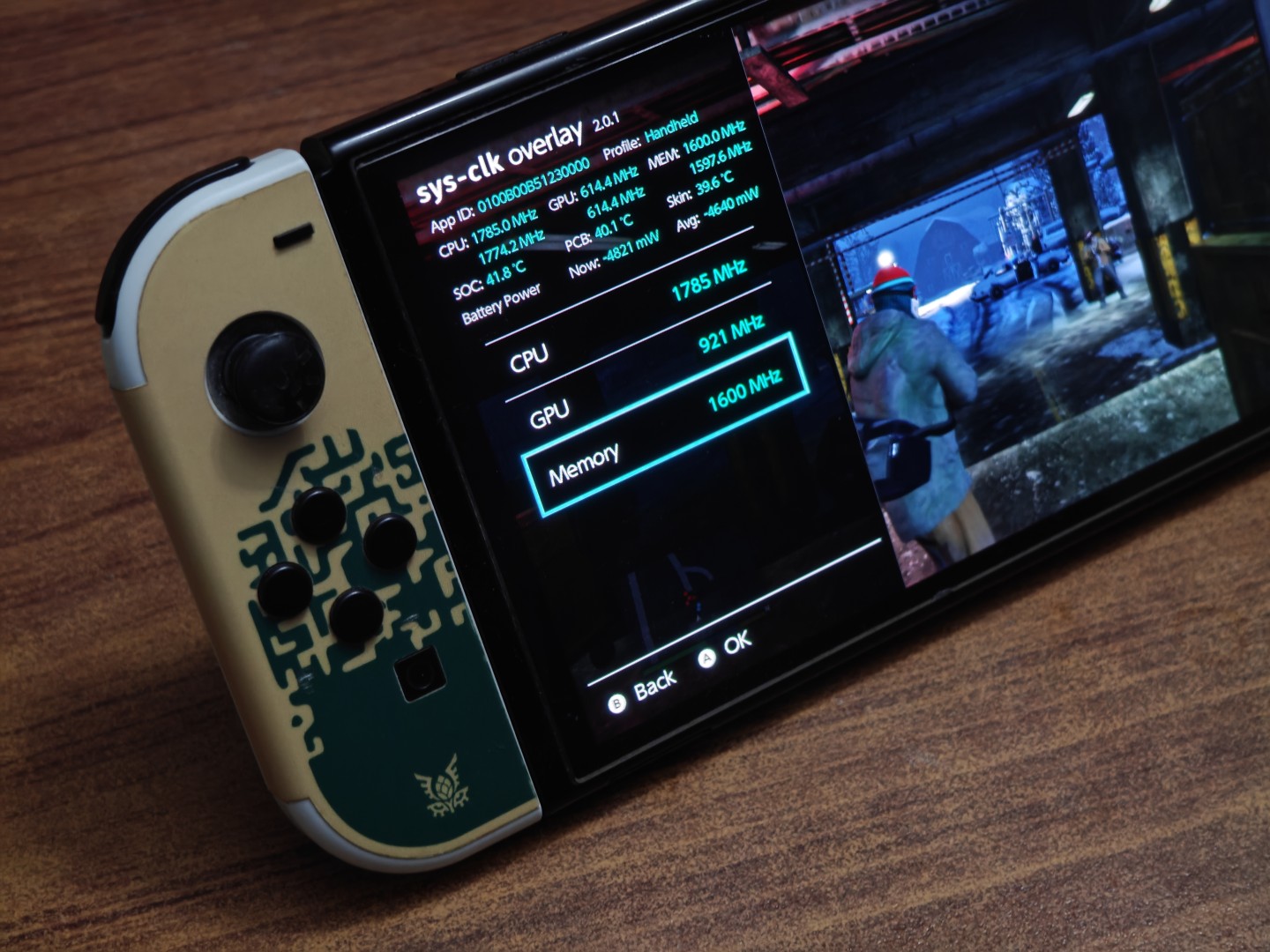
Despite that, the performance is quite wonky because the Tegra X1 inside is dated and thermally constrained. You'll get between 10-25 FPS depending on exactly what Switch model you have and the silicon lottery. To get a more stable experience that mostly locks the framerate at 30 FPS, you'll need to overclock your Switch. It's easy enough to do so through sys-clk, and you can create different profiles for handheld, docked, and charging modes.

We tried moderate overclocks across the CPU, GPU and memory on a Switch OLED, and were able to run the game at a "smooth" 30 FPS as long as there wasn't too much action going around. The moment a bunch of NPCs pop up in a mission, or there's an explosion, for instance, the framerate dips quite aggressively. The controls also felt weighty since Joy-Cons aren't suited for precise movement, so the portable experience might be a bit compromised.

Grand Theft Auto V running natively on a Nintendo Switch

(Image credit: Future)

Plenty of folks online have gone past the starting mission and explored the open world, too. There are no issues with save states, and the game runs surprisingly well considering the Switch's stature. Keep in mind that the source code making this possible comes from GTA V Legacy in particular, which is the PS4, Xbox One, and PC version. The PS3/Xbox 360 version of the game did not leak, or else scaling down the logic to fit within the Switch's 4GB memory buffer would've been far easier.

Those consoles only shipped with 512MB of unified RAM. Instead, the modders had to deal with high-resolution PC assets that needed to be heavily compressed first. The modified config files mentioned earlier throttle settings like draw distances and particle counts, so the PC engine code doesn't instantly melt the Switch. At the end, the Homebrew port performs similarly to the PS3/Xbox 360 versions of the game.

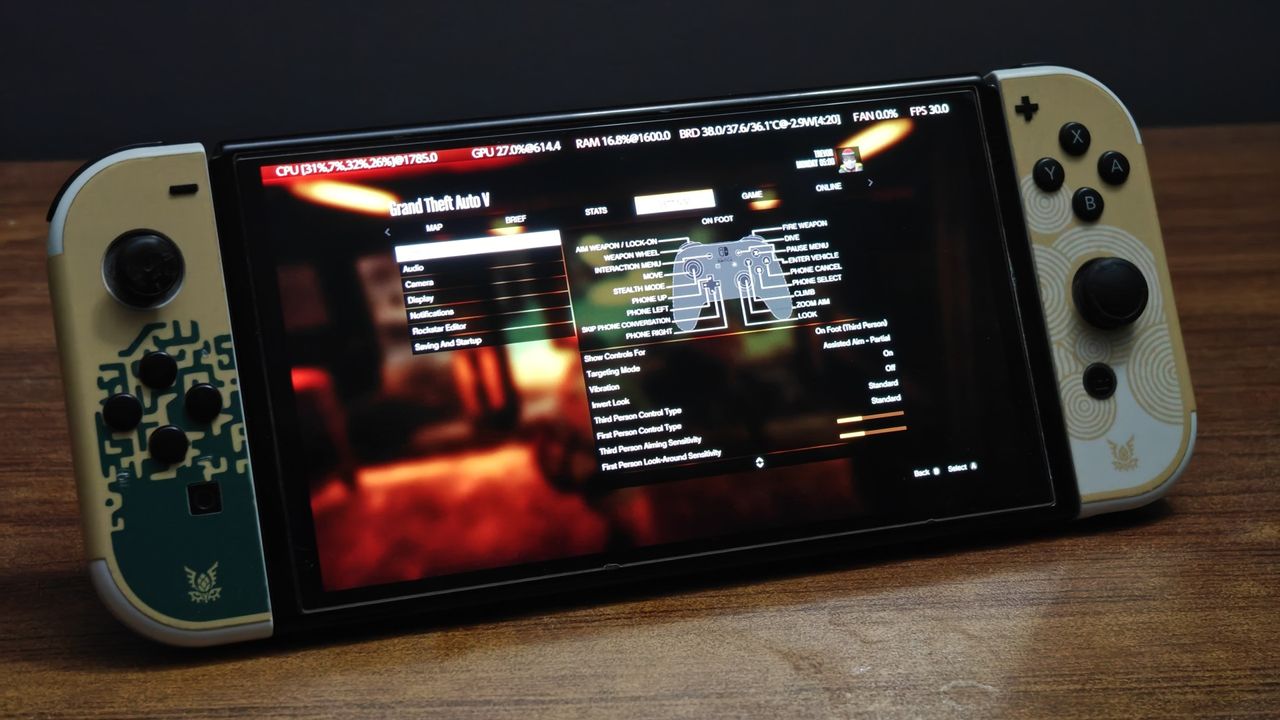
Grand Theft Auto V running natively on a Nintendo Switch

A neat detail: the Nintendo Pro Controller shows up in the port's settings. (Image credit: Future)

Paralympics Productions has already put out a few patches that improve performance, with more to come down the line, especially once the Android port rolls around. You can already emulate GTA V on Android phones through apps like GameHub and Winlator that translate x86 instructions into Arm. That will run much better if you have a flagship (Snapdragon) phone from the past few years. You can even emulate this Homebrew port through a Switch emulator if you want to enjoy twice the overhead.

It feels like the emulation and modding community across the entire handheld space is going through a renaissance. Ever since the Steam Deck lit the spark, these developers have made the impossible seem possible. People used to wonder why GTA V never came out on the original Switch (the answer is GTA: Online) up until literally weeks ago, and now we have the game running natively on an almost decade-old device that was underpowered even at the time it came out.

Okay, this is impressive and lends more credibility to my theory that the Switch 2 will probably get a port of both GTAV and GTA6 as well as RDR2. pic.twitter.com/LkEnuQzfmGAugust 28, 2026

This does not suddenly mean that the Switch 2 can run GTA VI. For the PS5/Xbox Series version of the game, you'll need a potential Switch 3 if we follow a similar trajectory. More importantly, though, Rockstar's stance towards Nintendo in general has changed, and that plays a much bigger role in getting GTA VI on Nintendo hardware one day as opposed to just the capabilities of the silicon.

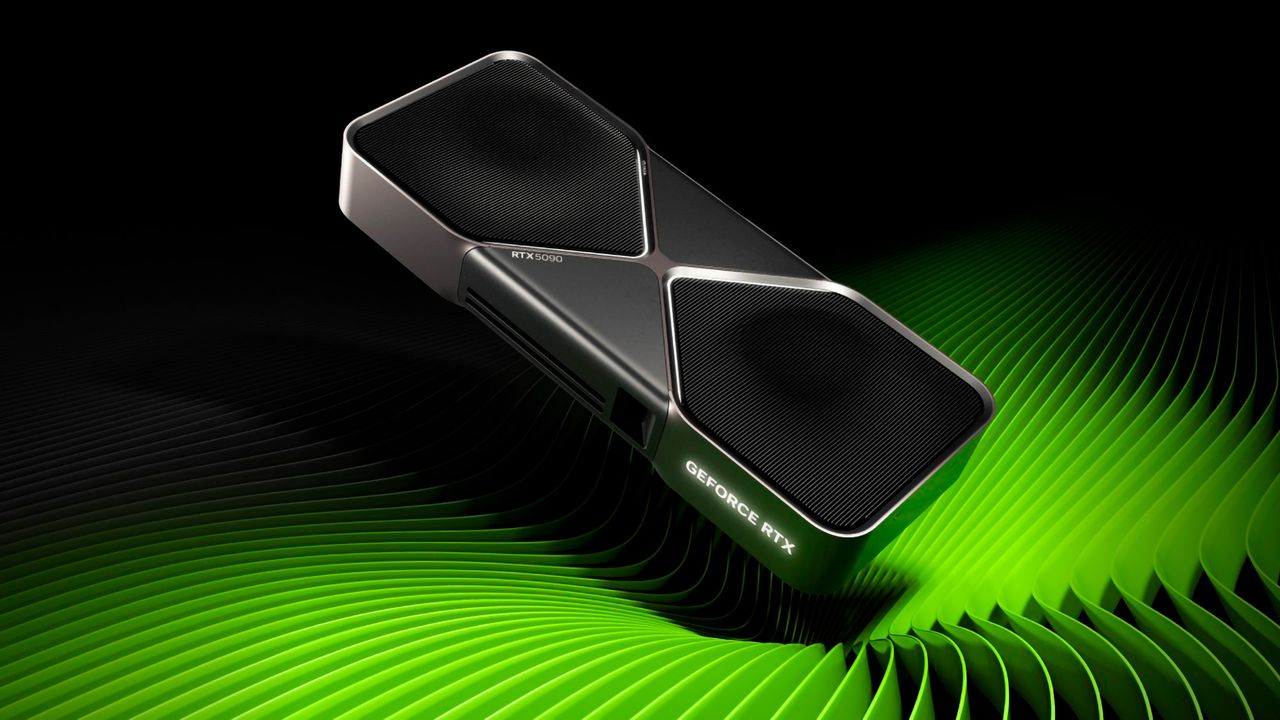
Nvidia's top-end RTX 5090 gaming GPU now costs at least $5,000 — Blackwell cards continue to endure drastic price hikes

2026年9月1日 20:04

It's hard to believe Nvidia first announced the RTX 5090 at last year's CES for just $1,999. Even keeping in mind the fact that MSRP is often just a guideline, prices have still surged astronomically thanks to the AI rush. A brand-new RTX 5090 now costs $5,000 in North America, and more across other parts of the world. That's a 2.5x increase in less than two years, and the same fate follows the rest of the RTX 50-series family as well.

Currently, the cheapest RTX 5090 in the States is the Zotac Solid OC listed for $4,999 at Newegg. It does come with a $60 game and a $145 power supply, but you're still paying $5,000 for a card that cost less than half as much ($2,250) exactly one year ago. A more desirable variant such as the ROG Astral 4X OC is now going for $6,000 while it could be had for $3,360 from various retailers last year. An almost 2x jump in the span of twelve months, and a 3x jump compared to MSRP, though this is a novelty model.

Taking a look at European pricing, the most affordable RTX 5090 in Germany is the MSI Gaming Trio OC variant at 4,850 Euros, or ~$5,620. According to Geizhals, this card was listed for 2,249 Euros ($2,600) a year ago, so more than twice as expensive. Hell, it was 800 Euros ($927) cheaper just last month! The ROG Astral 4X OC model is selling for 5,300 Euros ($6,143) right now while it cost 2,870 Euros ($3,326) the same time last year — once again, almost twice as much.
Other desirable RTX 50-series GPUs such as the RTX 5080, RTX 5070 Ti, RTX 5060 Ti 16GB and the RTX 5060 have all seen price hikes, too. After the 5090, it's the RTX 5060 Ti 16GB that has suffered the most with a 77% increase in price ($761 currently) compared to MSRP ($429). The RTX 5080 is 55% more expensive ($1,549 currently) than its MSRP ($999), while both the RTX 5060 ($299 to $448 currently) and RTX 5070 Ti ($749 to $1,119 currently) are now listed for about 50% more than what they launched at.

The least affected card throughout this fiasco is Nvidia's base model: the RTX 5050. But even then, it has seen a 20% price hike, going from a $249 MSRP to $299 current availability. The RTX 5060 Ti 8GB, which people usually write off for its 16GB cousin, is still 32% more expensive now at $500; it launched at $380. Across the entire Blackwell family, the average price increase is about 60% or 1.6x higher compared to MSRP.

Like SSDs and RAM, GPU prices are being squeezed by dwindling supply of vital components that are being diverted to enterprise customers, fuelling massive AI buildouts. RAM prices have increased by 500% in the last 12 months, and SSDs aren't much better. The overall price crunch is making DIY PC building increasingly less viable.

Nvidia's latest driver update breaks mVolt+ overclocking functionality — Nifty, open-source app allowed users to increase the power limit to 700W on their RTX 50-series GPUs without hardware mods

2026年8月31日 22:35

Nvidia's current-gen Blackwell family includes some of the best graphics cards on the market with exceptional performance, but pushing silicon to its limit can always unlock more power. This is where enthusiast software, such as mVolt+, comes in, allowing users to overclock their GPUs beyond what's usually permissible. Unfortunately, it seems like a new driver update has shut down mVolt+ across all RTX 50-series cards.

the latest nvidia driver (615.56) blocks the core power limit settings (which should be the nvvdd overcurrent limit btw) introduced in mvolt+ v0.36.it now blacks out as if the driver has crashed or been disabled, regardless of how much extra current you apply.on the other… https://t.co/HQb4IEhZQT pic.twitter.com/cBogOJTb5pAugust 28, 2026

Unlike mainstream GPU utilities like MSI Afterburner, mVolt+ bypasses standard driver restrictions and gives you more granular control over a few hardware blocks. The app can tweak separate power targets for the core and memory channels. It can also provide access to voltage and clock offsets for Core, XBAR, SYS, and VRAM. You can manually tune the power across the interconnect and video encoders, for instance, instead of relying on a global slider.

As such, users have been able to nudge their hardware into territory usually only charted by relying on a specialized VBIOS or physically modding the PCB. Last week, an Asus ROG Astra RTX 5080 reached 680W using mVolt+ despite even the official OC BIOS only permitting a 450W TDP. Someone with an RTX 5090 saw their GPU draw 650-700W of power while gaming, compared to 450W it used to suck up previously.

mVolt is Black Magic to Blackwell
 from r/overclocking

Even though the performance gains were marginal in real-world usage, mVolt+ was still a useful tool for overclocking. It allowed enthusiasts to chart on 3DMark's worldwide rankings just through software, so the fact it has suddenly stopped working is quite disappointing. The latest driver, version 615.56, seems to be blocking the app from making changes, hard crashing anytime you try to adjust the core power limit.

It's unclear if this is an intentional move from Nvidia, or just a compatibility issue that's preventing mVolt+ from properly working on the latest drivers. Some users on the Overclock.net RTX 5090 thread say their GPUs are still able to accept power limit modifications through Hydra 2.3B Pro — another extreme overclocking utility. That suggests mVolt+ wasn't explicitly blocked, and that its creator b00nz can push an update to patch this driver conflict soon.

Diehard Asus customer gets RMA denied for a cheap 2.4 GHz headset receiver despite spending more than $30,000 with the brand — firm refuses to send a cheap dongle, then relents after social media backlash

2026年8月31日 18:00

An ardent Asus customer who's bought over $30,000 worth of the company's products recently had his brand loyalty put to the test. Lucas (u/lucaslucaalucas123) wanted a replacement for the 2.4 GHz wireless receiver that came with his ROG Delta II KJP gaming headset, but was denied support because accessories aren't covered under warranty. He took to Reddit to express his disappointment and was met with a hopeful reply in the comments.

ASUS support has been a nightmare over a simple 2.4 GHz headset receiver
 from r/ASUSROG

The OP brought receipts (literally) to prove his unwavering commitment to the brand, with screenshots showcasing at least 18 different items bought just this year alone. In the second picture, we can see the ROG Delta headset was purchased in April, and it's still under warranty till 31 January 2027. This is a premium headset; it costs $270 normally, though it's on sale for just $199 on Best Buy right now.

Asus' official support policies say that free accessories, such as a mouse with a laptop, are not covered under warranty. But accessories bundled with peripherals are indeed covered under the same terms as the peripheral itself. Since a wireless receiver is a key component of the headset, it should be replaced in case of a defect or hardware failure. However, if you lose it or break it yourself, that's a different story.

Asus ROG Delta II KJP with its receiver

The replacement item in question (Image credit: Asus)

Since the customer was asking for a replacement outright instead of opening a ticket for a defect, it's possible that customer service simply wasn't equipped to help him out. Small parts like these often don't carry their own SKU number, so it's hard to bill them separately, or it could be just that the reps are misinformed on the exact nuances of free, optional accessories versus core accessories required for proper functioning.

Anyhow, Lucas was told to buy the receiver himself through a third-party reseller. Asus lists three suppliers in North America for replacement parts, but we weren't able to find the specific receiver for the ROG Delta II KJP on any of these websites. It's actually unclear if the OP has found a supplier that even has this receiver in stock, because the post concludes with him asking others how they managed to get a replacement.

Asus Accessories website showing nothing when searching for ROG Delta

(Image credit: Future)

Fortunately, an Asus rep in the comments apologized and said they've escalated the matter. They also remarked how this shouldn't have happened regardless of one being a new or a loyal customer. Lucas' allegiance to Asus had perhaps created a bubble where he thought the brand would reciprocate the loyalty. We're not inferring this either; his caption clearly implies he felt betrayed after investing so much.

Ultimately, it took one simple receiver to completely shatter that illusion. Businesses operate on the basis of fatter margins. Laws bind them to offer customer support. It wouldn't be unreasonable to say that they'd do much worse if they could get away with it. So, let this serve as a cautionary tale for the next time you're being brand-conscious or trying to be an evangelist; remember that they are profit-making organizations first and foremost.

Man uses robot vacuum to covertly record his wife's affair, wins divorce settlement but gets sentenced to prison for making an illegal recording — Husband lands behind bars after counter-suit over privacy rights

2026年8月31日 17:30

In a strange turn of events under Taiwanese law, both parties in a judicial contest lost against each other. A man sued his wife for having an extramarital affair and used footage from a robot vacuum to prove his case. He ultimately won the lawsuit and was awarded a healthy ~$19,000 USD in compensation for emotional distress, but since he secretly recorded his wife, she sued him back for invading her privacy. The courts ruled in her favor, forcing the man to pay a fine equal to 30% of what he'd just earned, along with a sentence of five months in prison.

The couple got married in 2021 and used to live with their parents, but they would occasionally spend time in their holiday home. During a vacation in 2023, the man discovered a used toothbrush in their bathroom, sparking suspicion that was confirmed by checking CCTV footage from a parking garage. In the footage, he saw another person who had driven his wife home before, hypothesizing him as his wife's partner in crime.

Three months later, he used a robot vacuum app to try to remotely contact his wife but, upon doing so, stumbled upon something shocking: The footage from the robot vacuum's camera showed his wife changing her clothes, getting in bed with the same person he had previously identified, and walking around the house naked while the other man comfortably sank into their sofa. He recorded the entire thing to use as evidence in a lawsuit that he brought shortly after.

Cheating is not a criminal offense under Taiwanese law, but infringing on someone's marital rights can still yield monetary compensation because it's a breach of contract. As such, the man sought a 2 million TWD (Taiwanese dollar), or roughly $63,000, reimbursement from his wife and her new lover. He used the footage from the robot vacuum's camera feed to prove that their relationship expanded far beyond casual friendship and the judges ruled in his favor. He won 500,000 TWD in compensation, which translates to $19,000. However, the fight was far from over.

Since recording someone without their consent is illegal across most parts of the world, including Taiwan, there were grounds for a counter-lawsuit for evidence collection. As such, the wife sued him for recording private, intimate footage of her and argued that the sensors and lights on the robot vacuum cleaner weren't enough to indicate she was being filmed. The man contended that the courts already admitted the footage as evidence, so it wasn't illegal material.

However, it was still obtained via illegal means, so the courts rejected his defense on the basis of invading the wife's privacy. In the hierarchy of constitution, individual rights outweigh marital duties. He was fined 150,000 TWD ($4,700) and sentenced to prison for five months. It won't be unreasonable to say that prison time is a much worse outcome than any amount of compensation paid by the other party. Not to mention having a criminal record on your name can tarnish your civil reputation.

Without the smoking gun that was the robot vacuum footage, the marriage lawsuit could've dragged on for much longer, draining the man of his time, energy, and money in place of a swift verdict. Still, the fact that the husband has to go to jail and pay the equivalent of 30% of his payout back to the state as a fine basically negates the financial gain from the marriage lawsuit. This was a net loss, especially when you consider he already only received a fraction of the 2 million TWD compensation initially sought.

❌
❌