阅读视图

发现新文章,点击刷新页面。
✇Tomshardware

Windows 11 is getting support for 1,000 Hz+ monitors soon as part of Insider builds — Microsoft has reportedly increased the refresh rate limit to 5,000 Hz

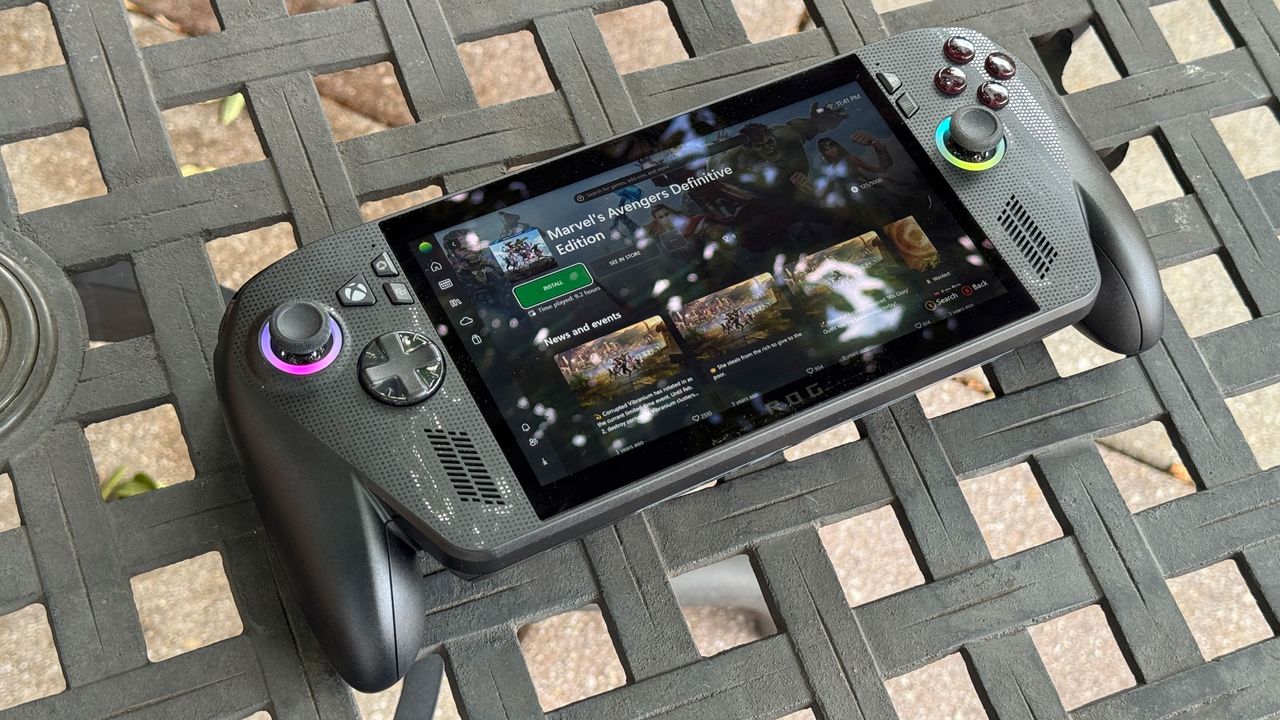
Microsoft says "monitors can now report refresh rates higher than 1000 Hz" in the patch notes for its latest Windows 11 Insider builds. These updates are part of the Release Preview channel, which means they're very close to final, public release. On the other hand, Nvidia has also pushed the first update for its G-Sync Pulsar displays.

✇Tomshardware

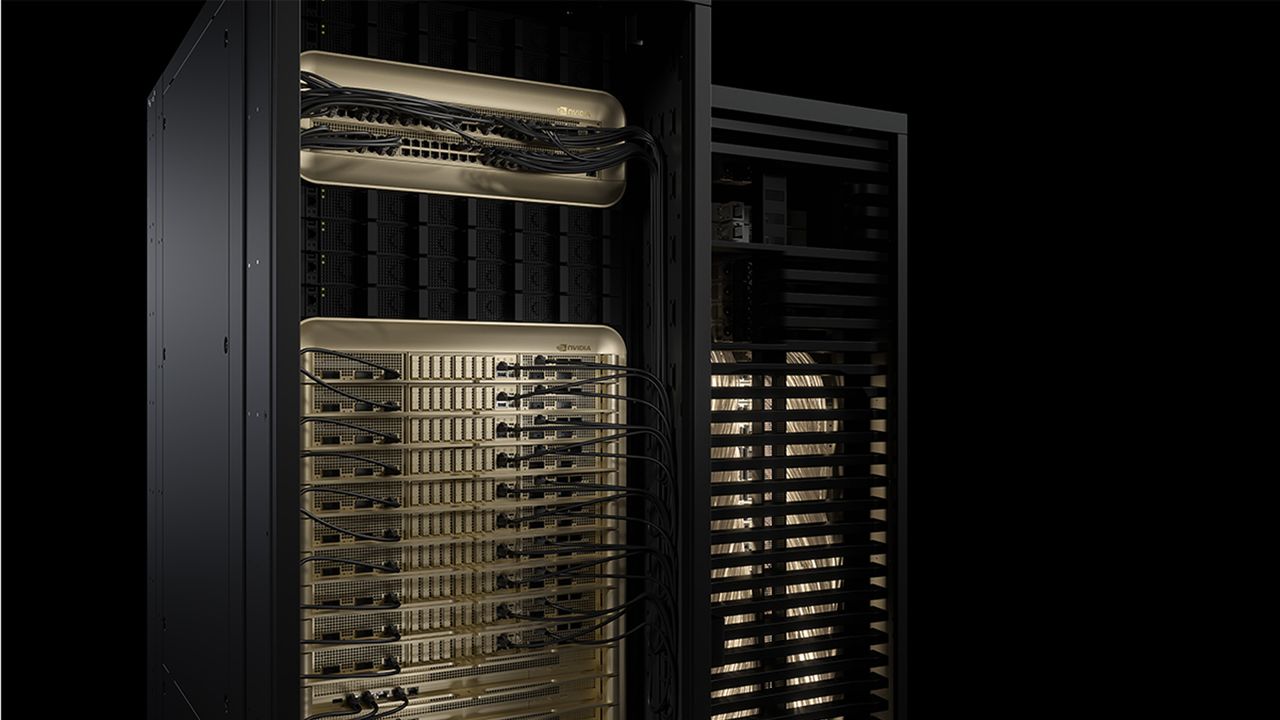
Tech titans team up to form optical interconnect alliance to solve the AI buildout's big data bottleneck — Nvidia, AMD, Broadcom & more set sights on building PHY to break through the limitations of copper

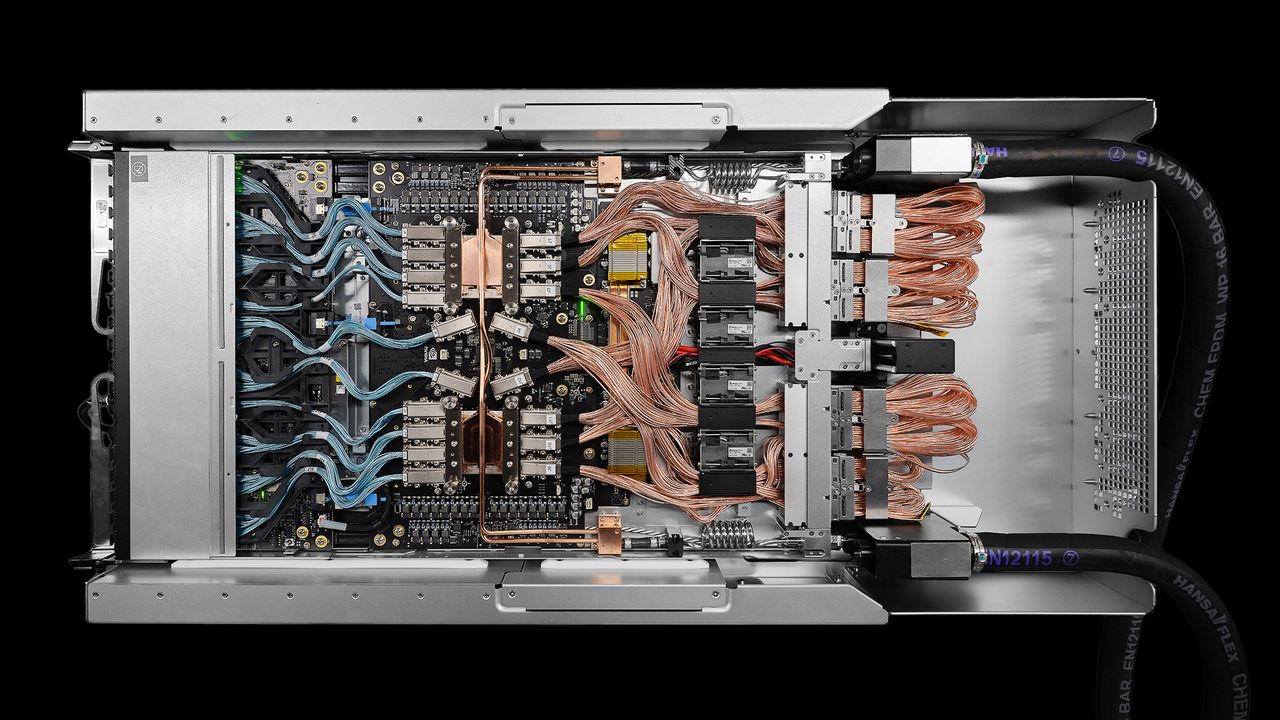
AMD, Nvidia, Microsoft, Broadcom, and Meta have formed an Optical Compute Interconnect Multi-Source Agreement (OCI MSA) to develop a standardized optical interconnect for AI data centers, with the aspiration to build a PHY capable of handling speeds of up to 3.2 Tb/s.

✇Tomshardware

Nvidia claims 1 million times better path tracing performance is coming in future gaming GPUs — says current GPUs are already 10,000x faster than Pascal

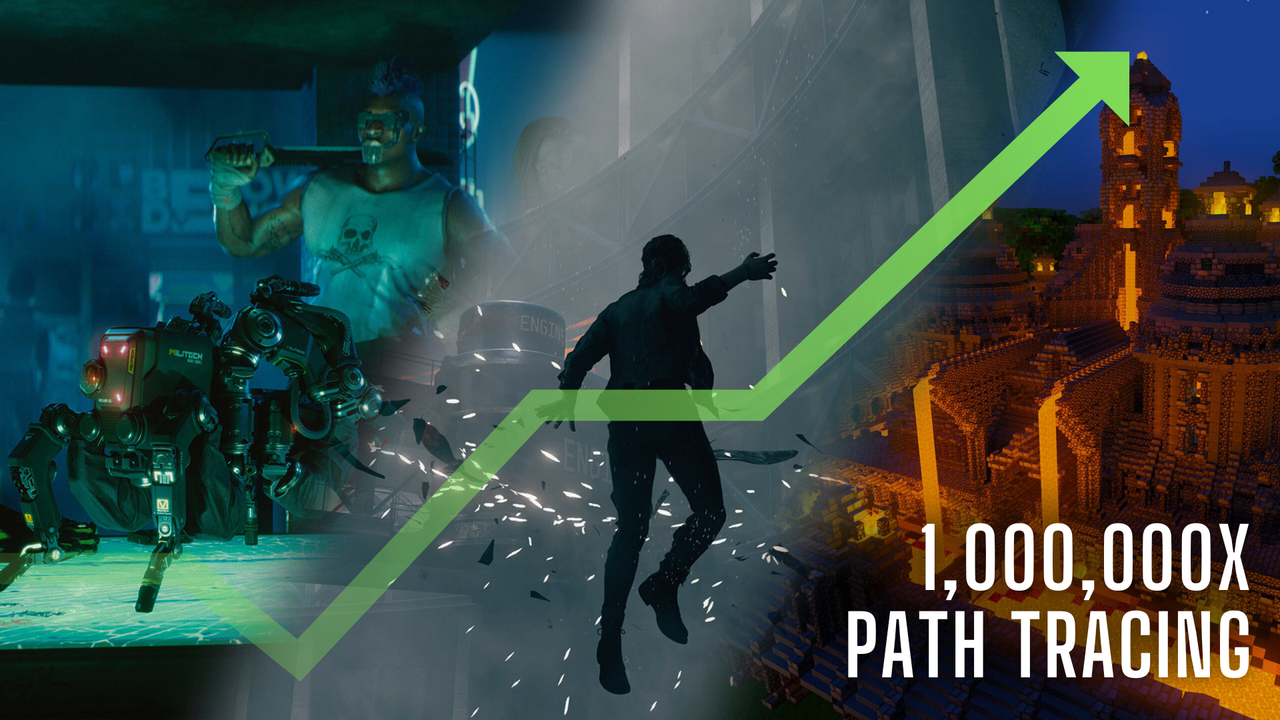
At GDC 2026, Nvidia held a presentation somehow aimed at gamers and not data center clients. Still, it was sprinkled with AI pat-on-the-backs, with the company touting that its future gaming GPUs will offer 1,000,000 better path tracing performance. And the current-gen Blackwell family is apparently already 100,000x better due to dedicated Tensor and RT cores.

✇Tomshardware

The ongoing Strait of Hormuz blockage will impact the semiconductor and AI industries with Aluminum, Helium and LNG shortages — and with no timeline for re-opening, supply chains face significant challenges

As global oil prices spike due to the ongoing pseudo-blockade of the Strait of Hormuz, other shortages are looming, and they could hit the chip and AI industries dramatically. Aluminum and helium for chip production have been impacted, but shortages of LNG could also cause problems for gas turbines powering many AI data centers.

✇Tomshardware

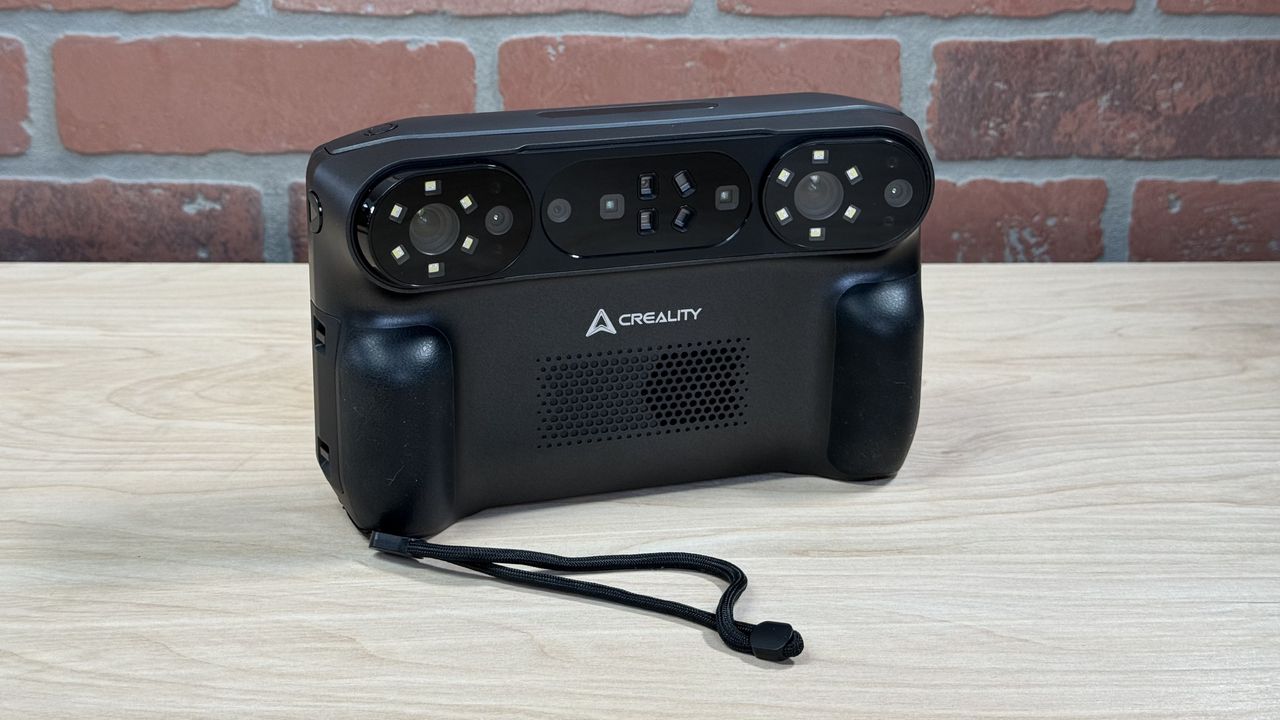
Creality Sermoon P1 3D Scanner review: 3D scanning on the go

The Creality Sermoon P1 is a standalone 3D scanner that allows users to go through the entire scanning workflow without having to touch a computer. The 22 crossed laser line mode is surprisingly fast, and the single laser line mode was able to scan deep holes during testing. The NIR (near-infrared) mode is capable of scanning without requiring any markers, and the on-device editing allows users to make on-location edits without needing to stop. The Sermoon P1 handled everything we threw at it, but the color texture was the only disappointing part of the testing.

❌