阅读视图

发现新文章,点击刷新页面。
✇Tomshardware

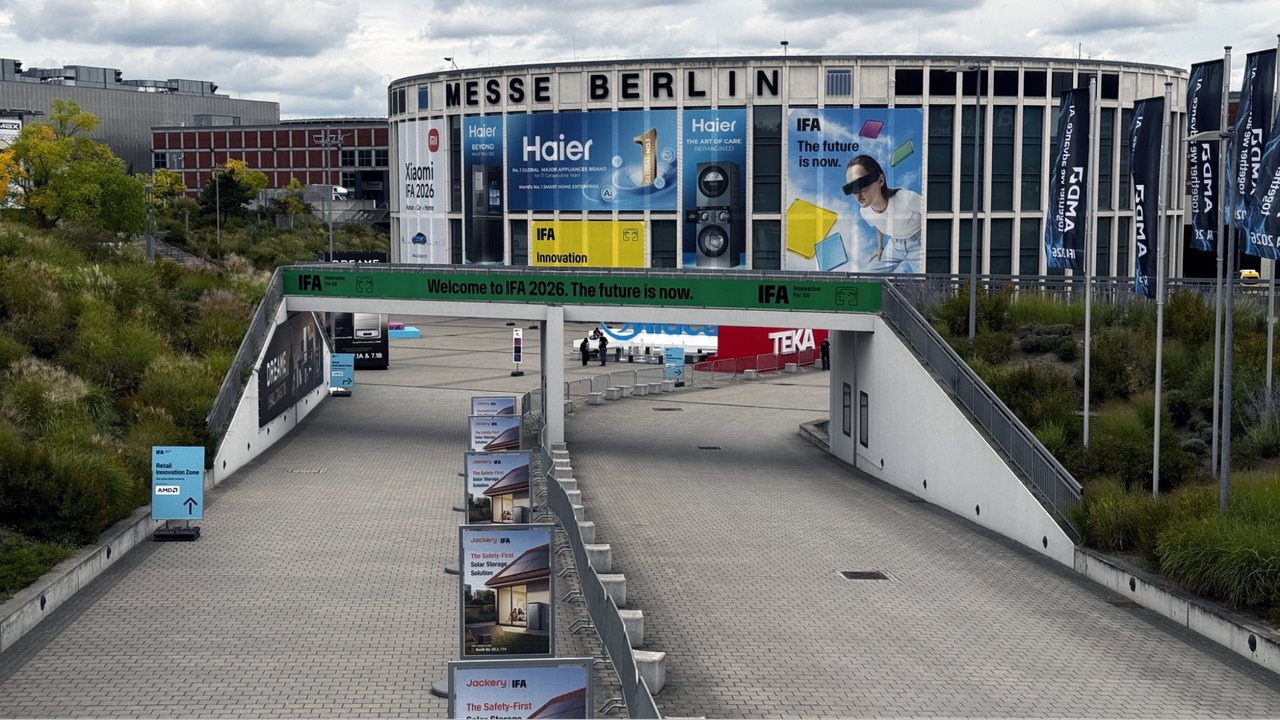
At IFA 2026, computing chased the high and low ends — AI and budget-focused machines left little for the rest of us

The computing world is splintering into two. At IFA 2026, the world of laptops continued its trajectory from Computex towards a logical conclusion: a world where personal computing aims at the low end to combat the MacBook Neo and pick up customers during a RAM shortage, but otherwise focuses on high-end systems that promise to be agentic machines for the next chapter of the AI boom.

There are machines that are below $800 with 8GB of RAM, and there are machines that are multiple thousands of dollars with anywhere from 128GB to 192GB of memory. Want something in between? Good luck.

The MacBook Neo's long shadow

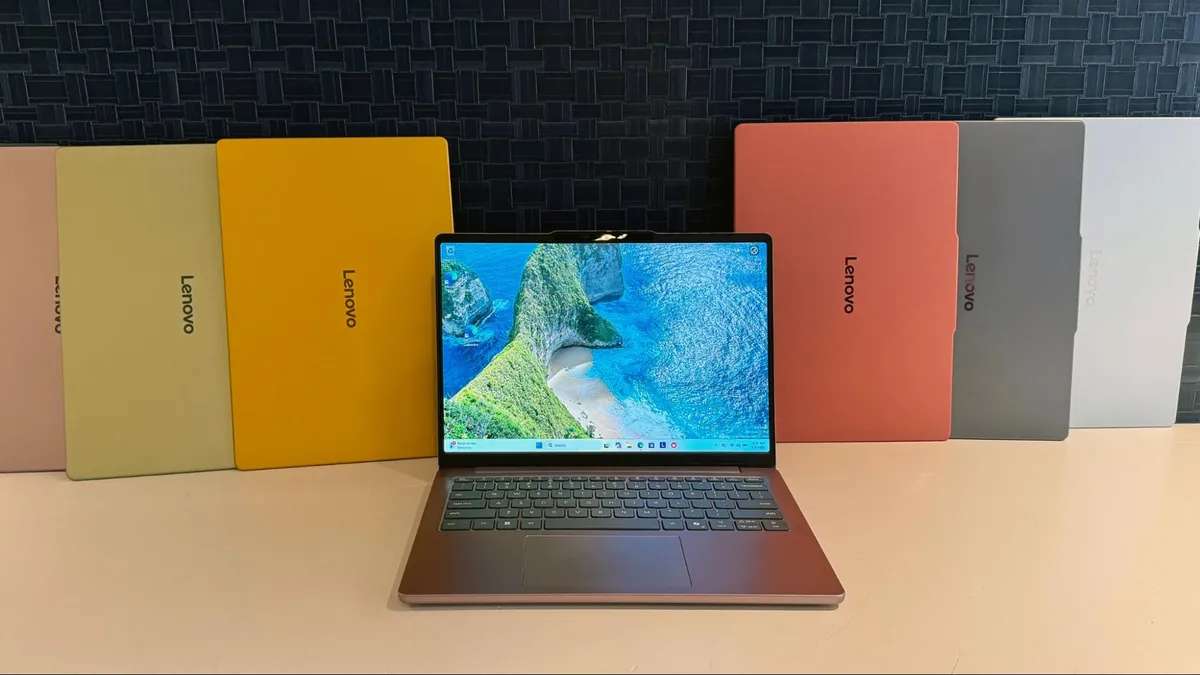
When Apple announced the MacBook Neo in March, other laptop OEMs jumped to compete. Devices like the Dell XPS 13 and Chuwi UniBook came quickly (with varying degrees of success), packing Intel's budget-focused Wildcat Lake processors. But it took until IFA for those companies to finally reveal something truly designed to take on the MacBook Neo. The Lenovo IdeaPad Vibe laptops come in seven colors, up from the Neo's four, ranging from "lowkey gray" to "spicy gold," with optional color keyboards and two screen sizes. Unlike other Neo competitors, Lenovo is opting for a mix of Qualcomm Snapdragon X and AMD Ryzen AI 400 chips rather than flocking to Intel.

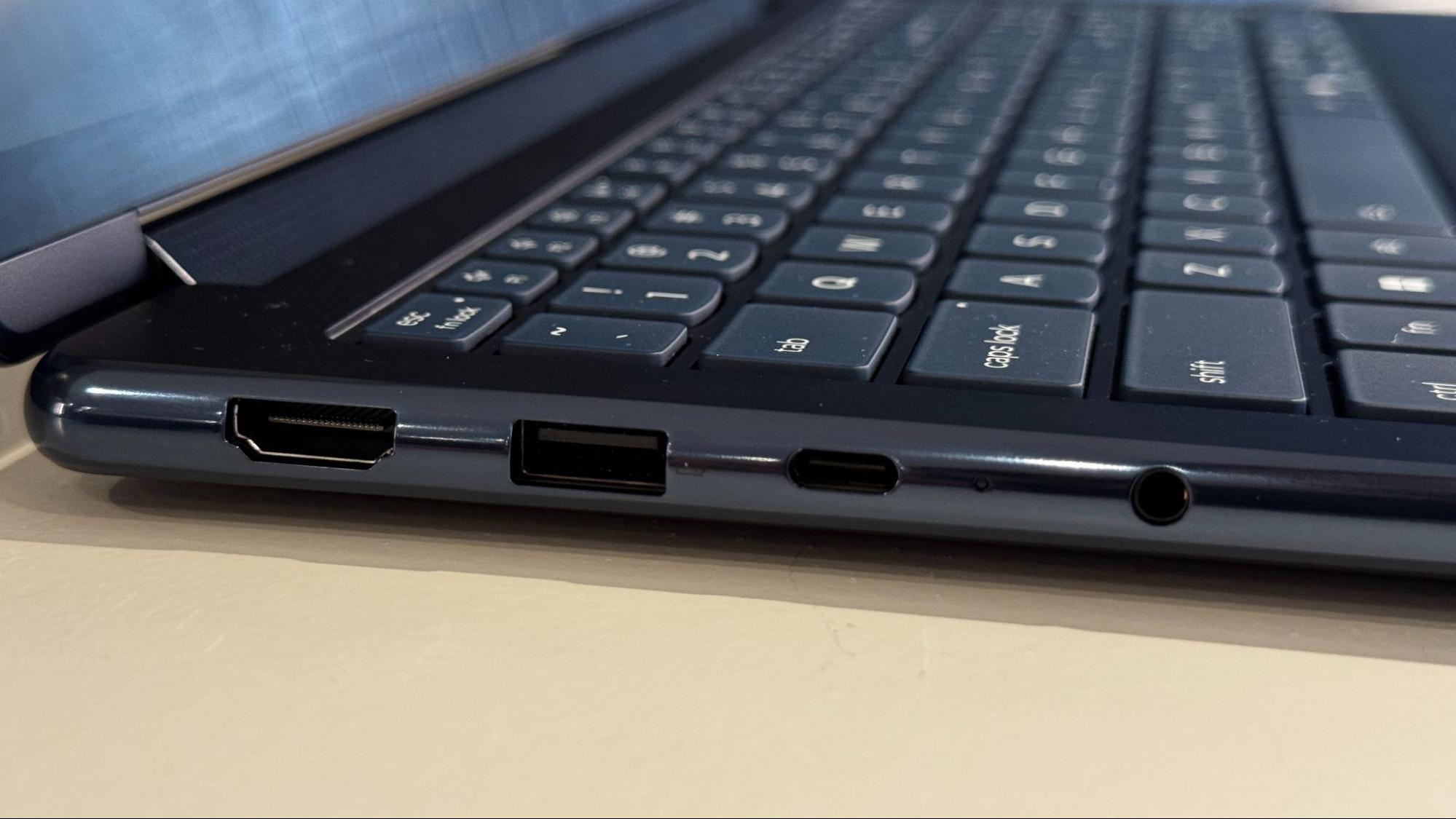
Dell's new 14S also has four colors, including a surprisingly bold "velvet green." But its biggest iteration is that it also adds ports. While the XPS 13 had just two USB-C ports, the 14S also has HDMI and a headphone jack. Acer also debuted a 16-inch version of its Swift Air (also in three colors). These laptops were widely considered some of the best from the show. Colors have been a rarity in the Windows PC market, and now that these companies are chasing Apple, they're back.

On the bright side, this means that the spur of affordable, more premium laptops wasn't just a blip following the MacBook Neo. It's still going six months later, and given that Apple is rumored to be releasing a follow-up next year, nicer, colorful laptops may be a permanent fixture of the market.

Agentic AI computers: Laptops or furniture?
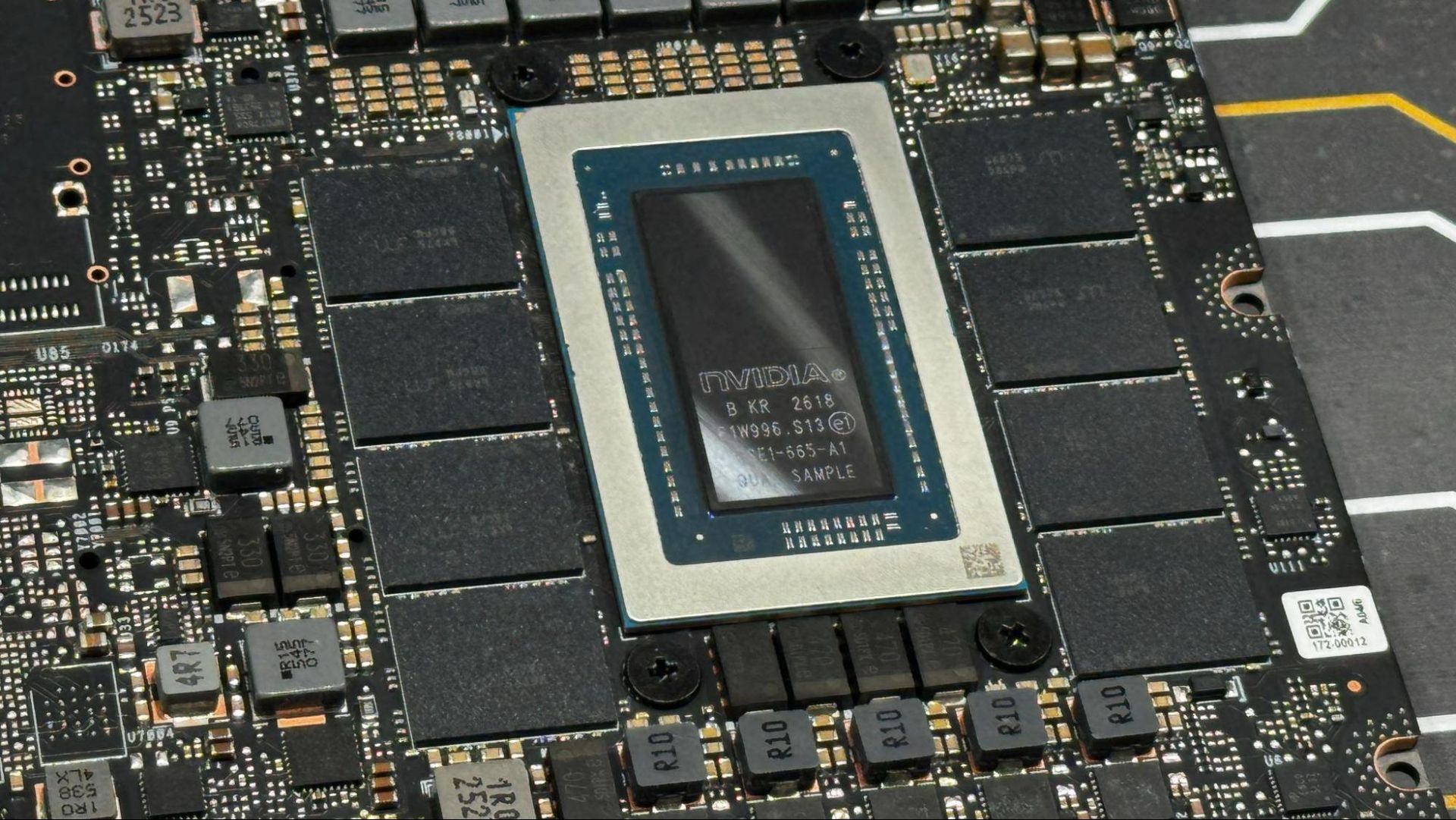
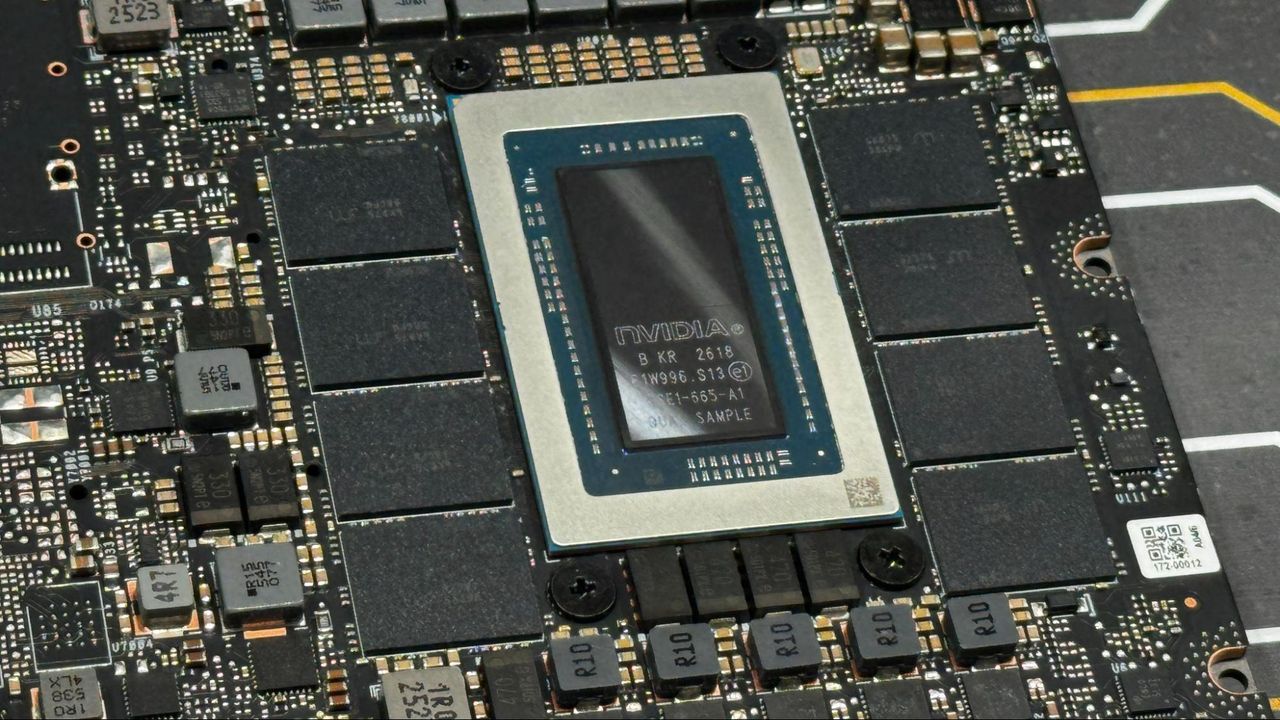
Nvidia RTX Spark N1X

(Image credit: Tom's Hardware)

The other computers at IFA were all largely focused on running agentic AI. There are finally systems getting ready to ship with AMD's Ryzen AI Max+ Pro 495, with up to 192GB of unified memory. Those include the Lenovo ThinkCentre X along with options from smaller names like Minisforum and GMKtec. The companies that are listing prices have them as high as $7,000. (When Strix Halo launched, entry-level configurations could be found under $2,000 with 64GB of memory, so these high-end systems with more memory aren't a shock given rising prices.)

Those were on display while Nvidia continued to hype its RTX Spark N1X platform, which will launch in October in two configurations. Two new devices, one from Acer and one from Lenovo, debuted at IFA, though we're still waiting on pricing for every RTX Spark device we've seen so far.

AMD's systems were portrayed as workstations in most cases, while others, like an AI NAS from Minisforum, gave us a look into what having some sort of AI furniture — dedicated AI hardware with access to your files that's not connected to a screen — could look like. Nvidia's laptops, all running Windows, are a mix of workstation, gaming PC, and agentic AI PC, though those demos were behind handlers, and we weren't able to try them ourselves.

All of these systems were shown running some sort of AI agent. Nvidia's bounced between Hermes and OpenClaw, while the many vendors showing AMD systems often had their own software, typically with the word "Claw" in there somewhere, running a variety of models locally.

These are all a swing away from what the industry called an "AI PC" just a few years ago. Now, with way more memory and far more compute (and less talk about NPUs), Nvidia, AMD, and the companies making the hardware are betting that you or your company are ready to set up agents and have them run workflows, and that you'll pay a pretty penny to do so.

Two extremes, but what about the rest of us?
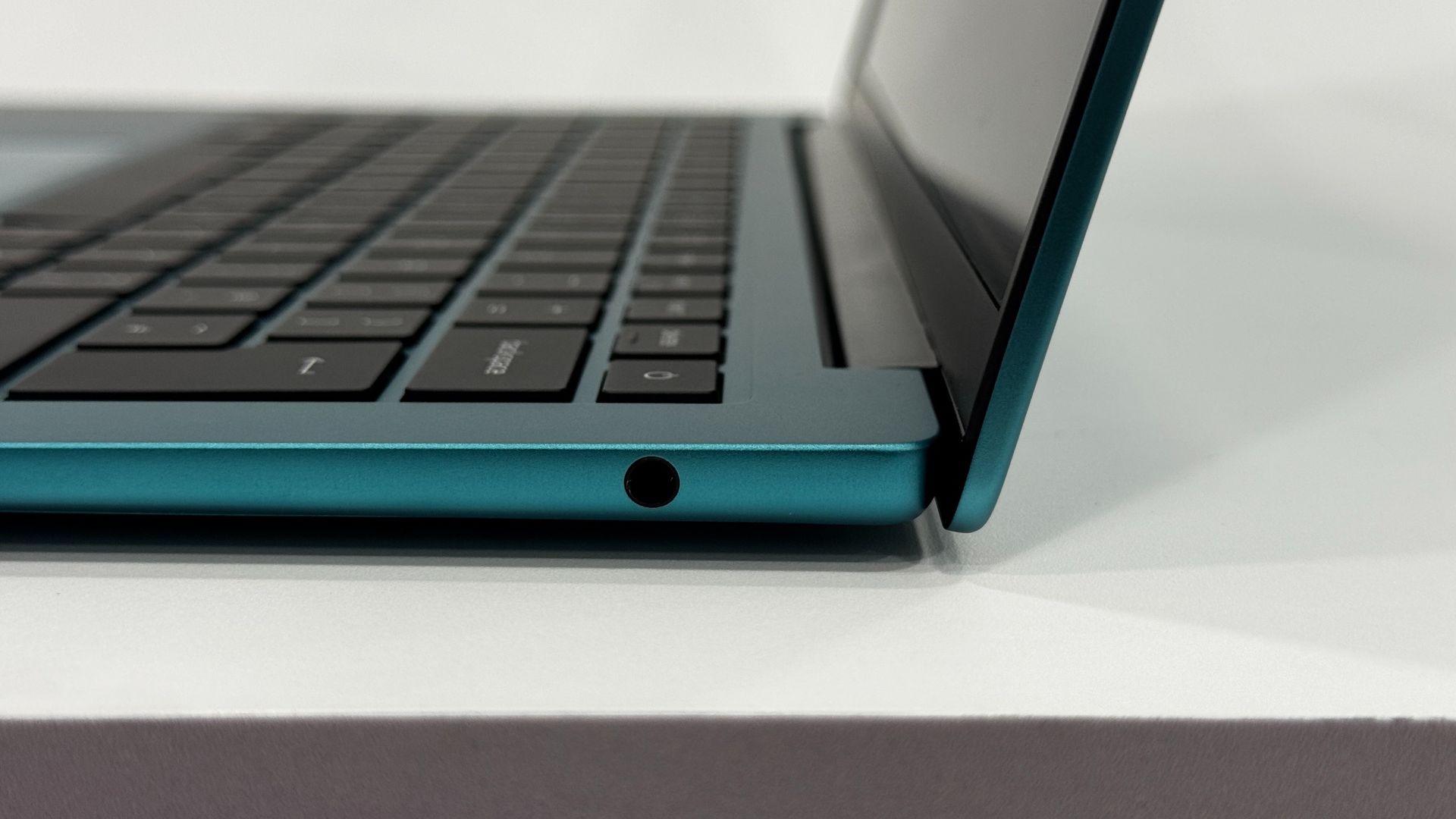
Dell 14S ports and keyboard

(Image credit: Tom's Hardware)

There are clearly two visions of computing now: one with the power for local AI models to run tasks on your device (though how easy those will be to set up is an open question), and another where you do basic tasks on cheap computers. What about the rest of us? The people who are happy to spend $800 - $1,500 on a laptop or mini PC to get a bit of extra RAM and storage, the most premium build quality, higher-resolution displays, better speakers, and, of course, a bit more performance? Other than Dell recently adding Intel's Core Ultra Series 3 processors to the XPS 13 (which itself isn't the most premium), it's been quiet on that front.

Perhaps we have to wait for Intel to drop Nova Lake mobile, or for AMD to move forward with Medusa Point, to see these types of systems. Word on those has been quiet, but maybe next year, at CES, we'll see a return of the performance laptop. (Apple is likely to bring its M6 to the MacBook Air, but the company doesn't really do trade shows.) Or maybe memory prices mean something has to give ... and the laptop for everyone else is what is giving. But without new silicon aimed at that market, it seems that the Windows world is happy to be split into two extremes.


✇Tomshardware

Nintendo of America puts tariff refunds towards 'customer appreciation' sale, but no refunds to Switch 2 buyers — offers 30% off games and accessories from September 13 to 26

Nintendo of America got its tariff refund and is using the money to hold a sale, rather than returning it to customers who paid higher-than-expected prices for the Nintendo Switch 2 and accessories. The rare promotion, dubbed the "Customer Appreciation Sale," will run from September 13 to 26 and will offer 30% off digital Switch games, bundles, and "select physical games, downloadable content, accessories, amiibo, and apparel." Discounts will be available in Nintendo Stores and the Nintendo eShop, as well as other participating retailers.

"The Customer Appreciation Sale is our way of saying thank you to Nintendo players for their continued support and is made possible in part by tariff-related refunds," a brief blog post on Nintendo's U.S. website reads. "While Nintendo absorbed most tariff-related costs, the refunds helped make promotions like this one possible."

In a 2026 earnings document, the company stated that it got $300 million in tariff refunds.

Nintendo of America is facing a proposed class action lawsuit from customers who believe the company will be made whole twice: once through raised prices and a second time through the refunds. Sony is facing a similar suit, and in September, Nintendo of America filed a motion to dismiss its suit.

Nintendo was hit hard by the Trump administration's tariffs. Soon after the Switch 2's initial announcement, the company delayed U.S. pre-orders for the console, though the system launched on time. In May, Nintendo raised the price of the Switch 2 by $50 to $499, though that also priced in component shortages and included hikes in Europe and Japan.

In March, Nintendo of America sued the U.S. government in the U.S. Court of International Trade seeking refunds, joining Costco, FedEx, Revlon, and more than 1,000 others. The Supreme Court ruled that large swaths of the tariffs were unlawful, with over $166 billion due back to American businesses. By the end of July, the government had paid $100 billion in refunds.

Most companies seem to be pocketing the refunds, even though costs were typically passed on to American consumers. In August, Panic, which makes the handheld Playdate focused on indie games, refunded tariffs to customers.

✇Tomshardware

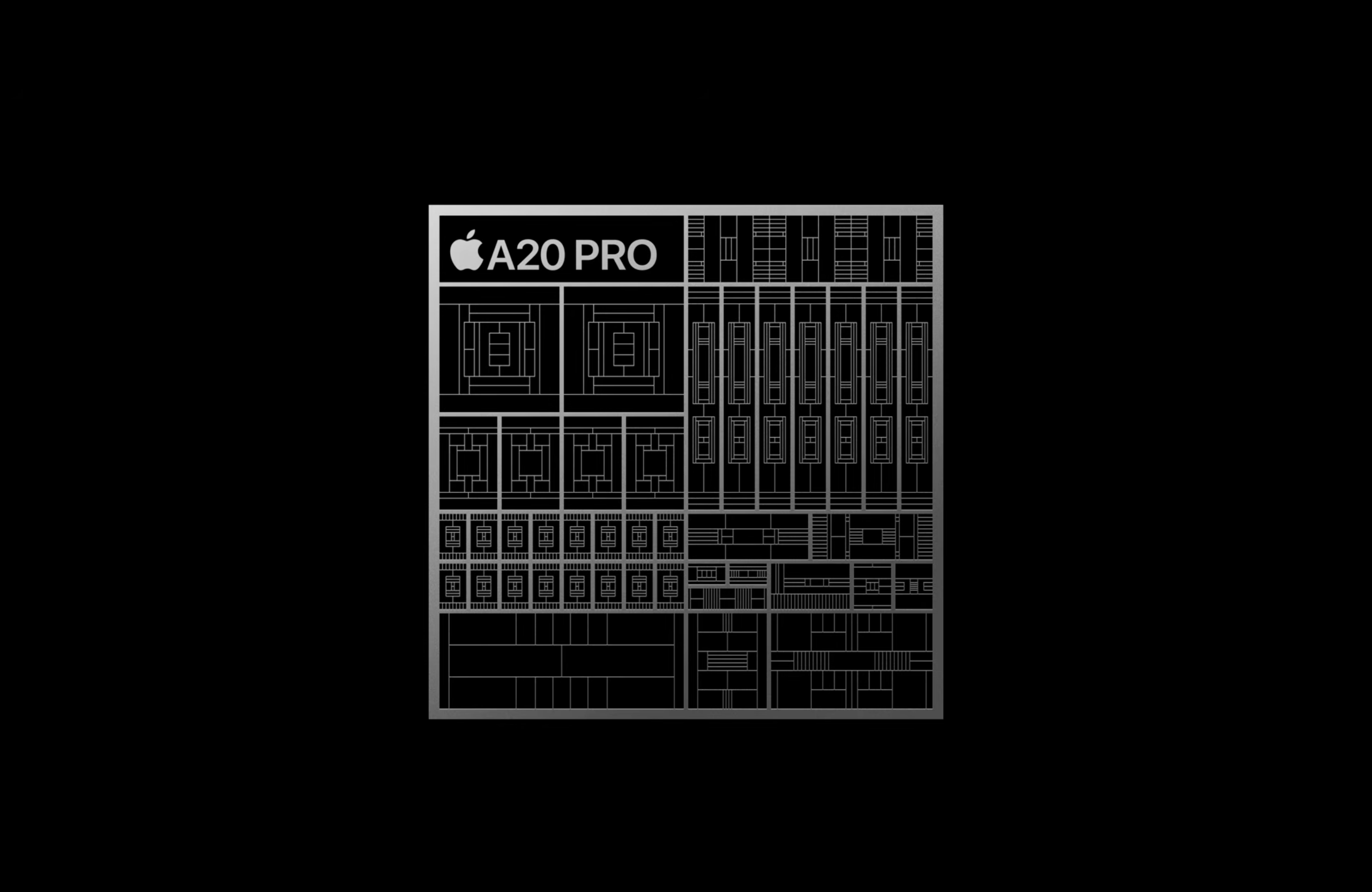
Apple A20 Pro powers iPhone Duo, 18 Pro — the company's first 2-nanometer smartphone chip

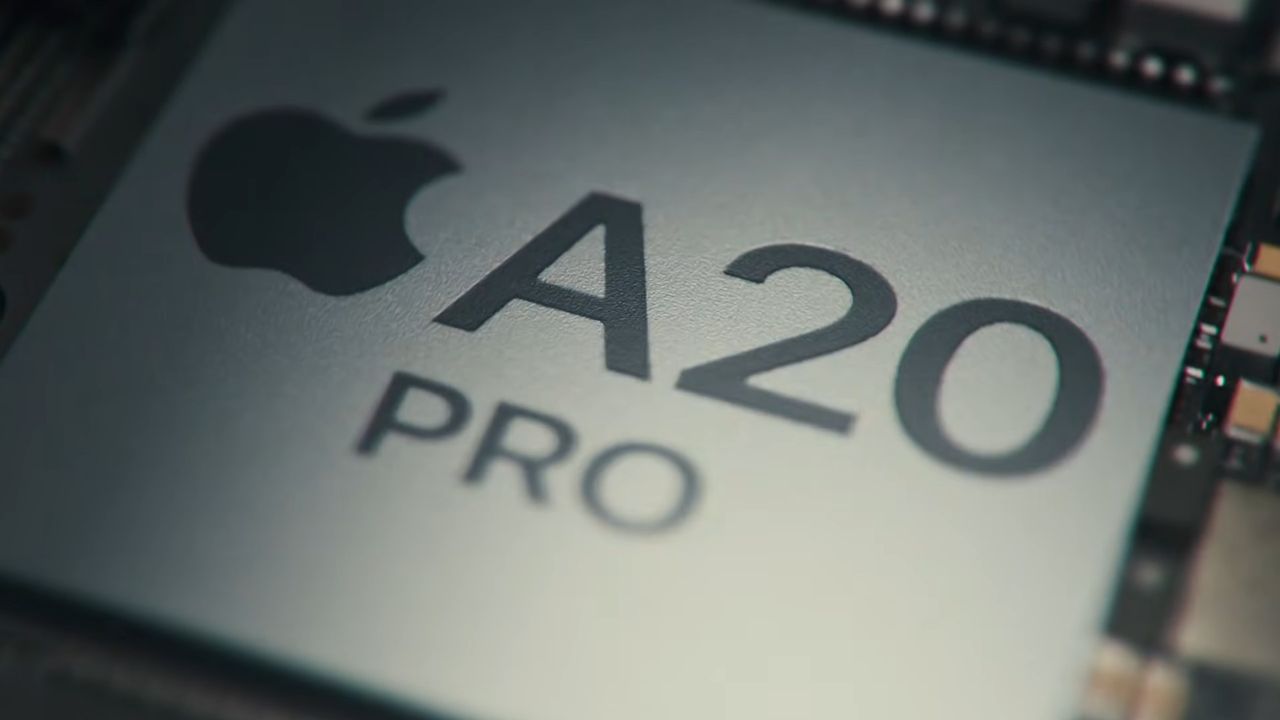
Apple has a new top system-on-a-chip for smartphones, the A20 Pro. The new processor debuted at Apple's iPhone event today — the first event led by newly minted chief executive officer John Ternus — alongside a new in-house modem (the C2).

The A20 Pro is Apple's first 2-nanometer chip in an iPhone. (Its first-ever 2 nm chip is the M6, which the company announced in August and which will debut in the Mac Mini later this month). Like the M6, the A20 features dual neural engines, new CPU and GPU cores.

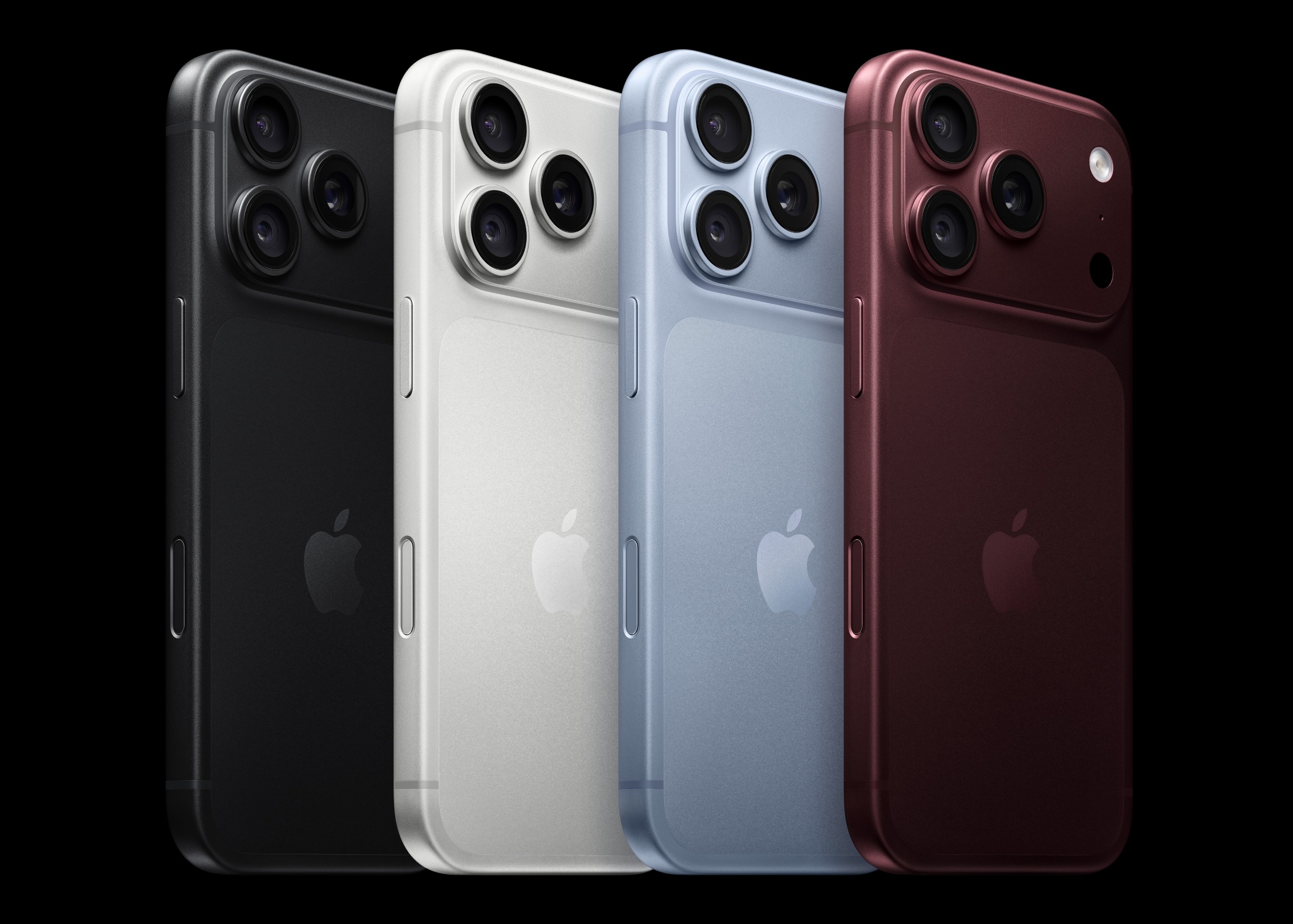
The A20 Pro will power the new foldable iPhone Duo, along with the iPhone 18 Pro and Pro Max.

Apple A20 Pro
Apple
Apple A20 Pro
Apple
Apple A20 Pro
Apple
Apple A20 Pro
Apple
Apple A20 Pro
Apple
Apple A20 Pro
Apple

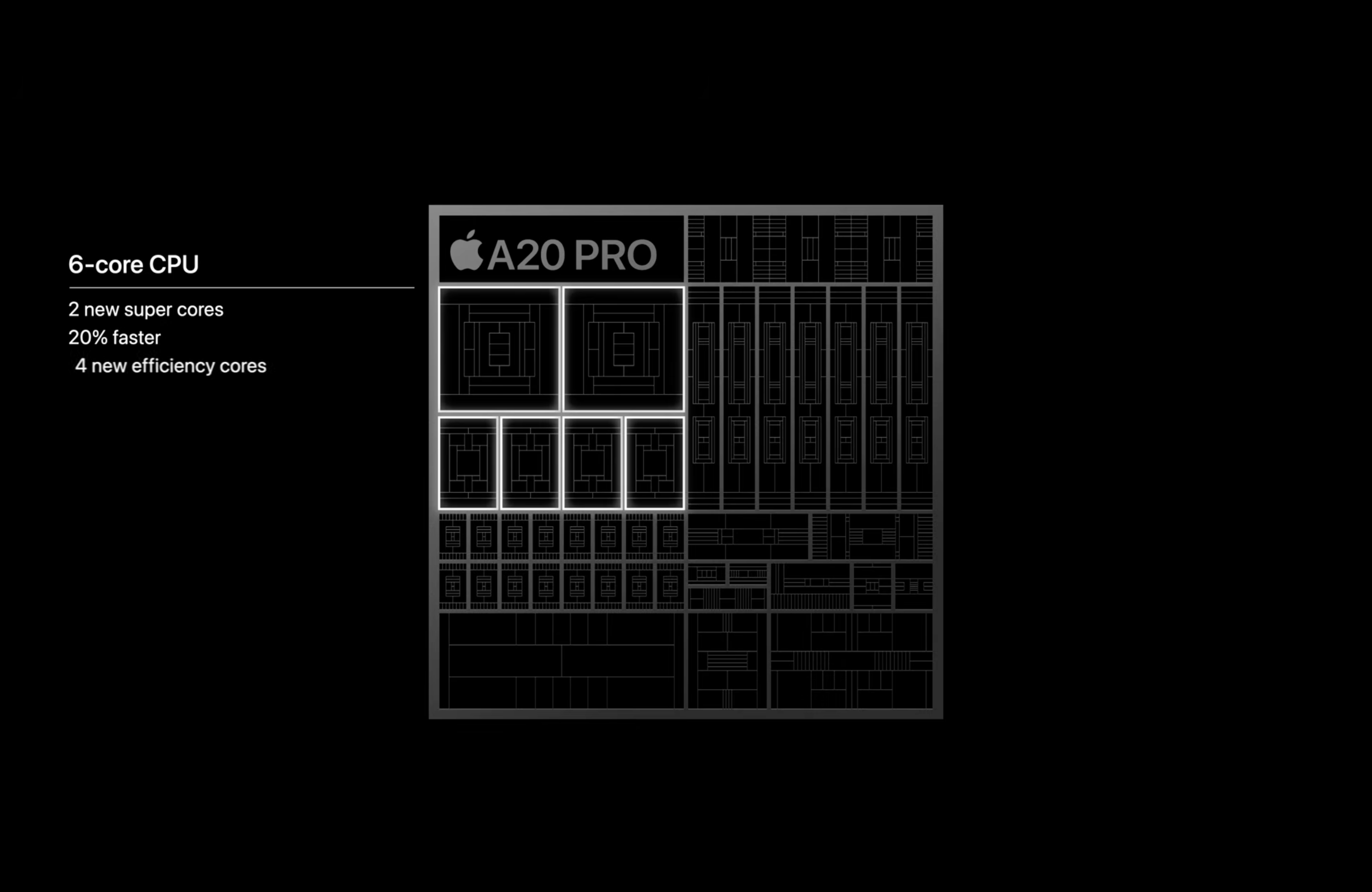
The new SOC boasts a 6-core CPU with two of the company's super-cores (20% faster than last generation), and there are also four efficiency cores with neural accelerators. Apple is calling this a "desktop-class" processor and the "fastest CPU in a smartphone."

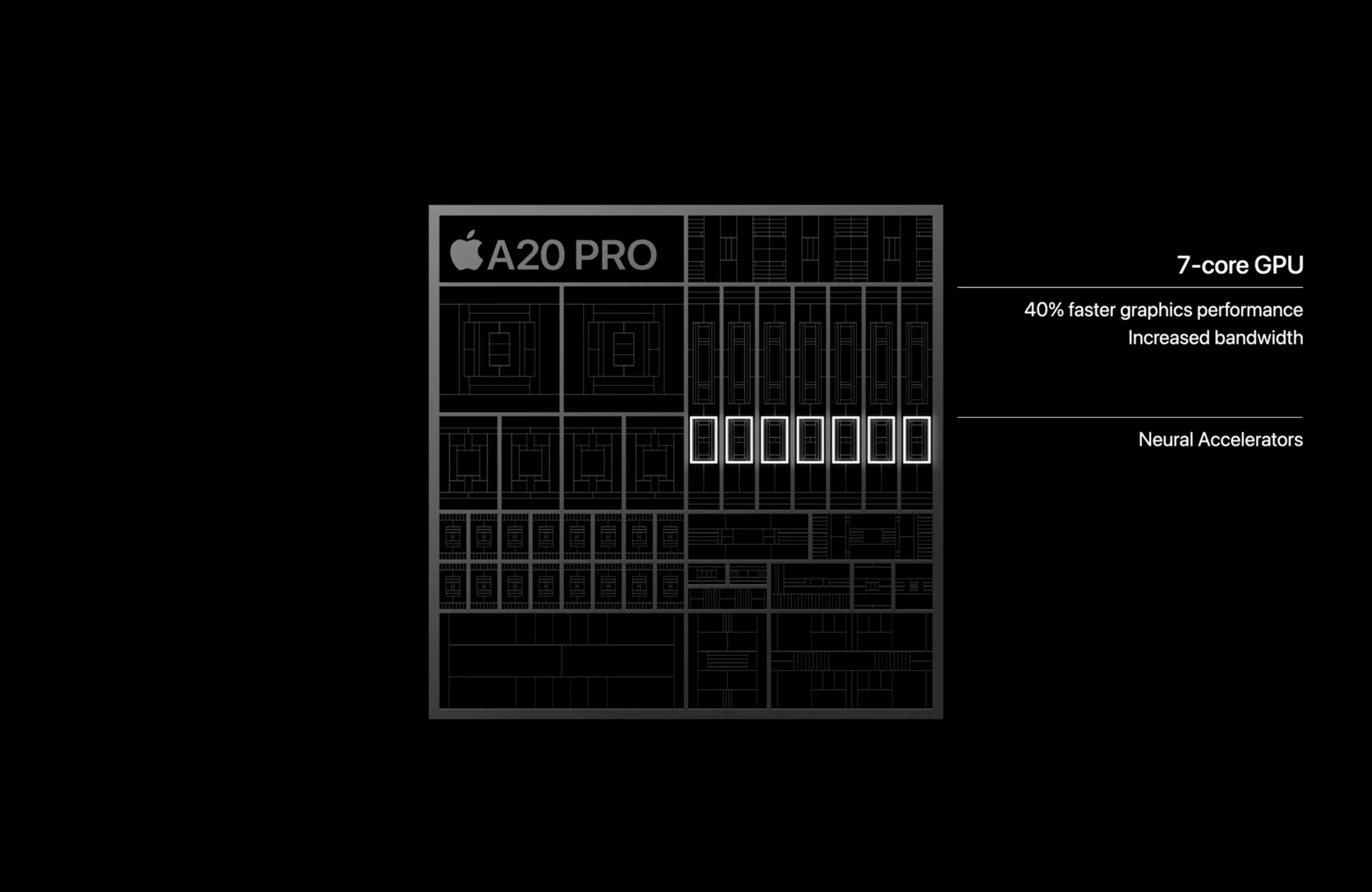
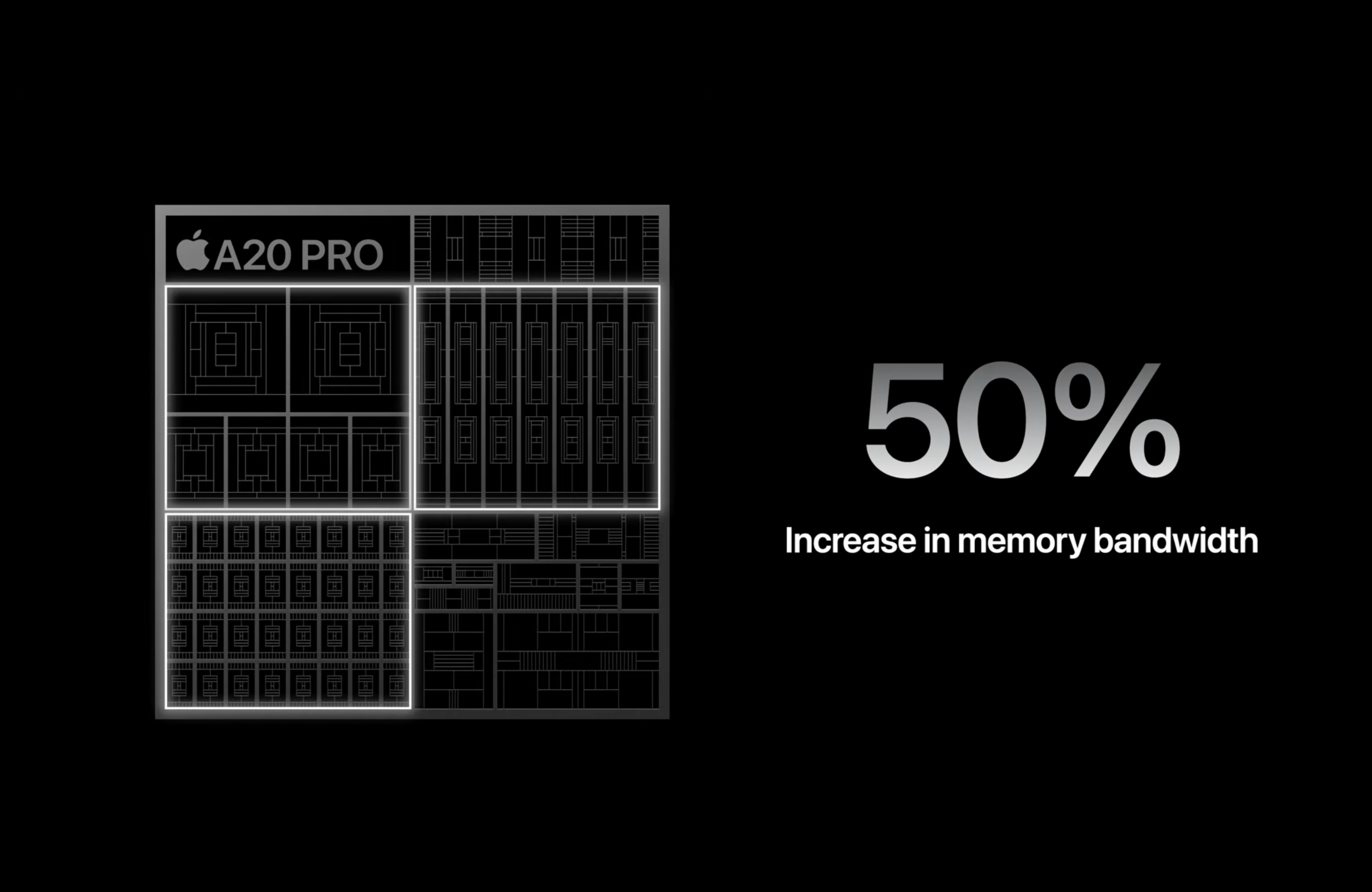
The 7-core GPU has a 40% boost gen-over-gen with increased bandwidth, along with new neural accelerators that the company says allows for twice-as-fast FP8 compute.

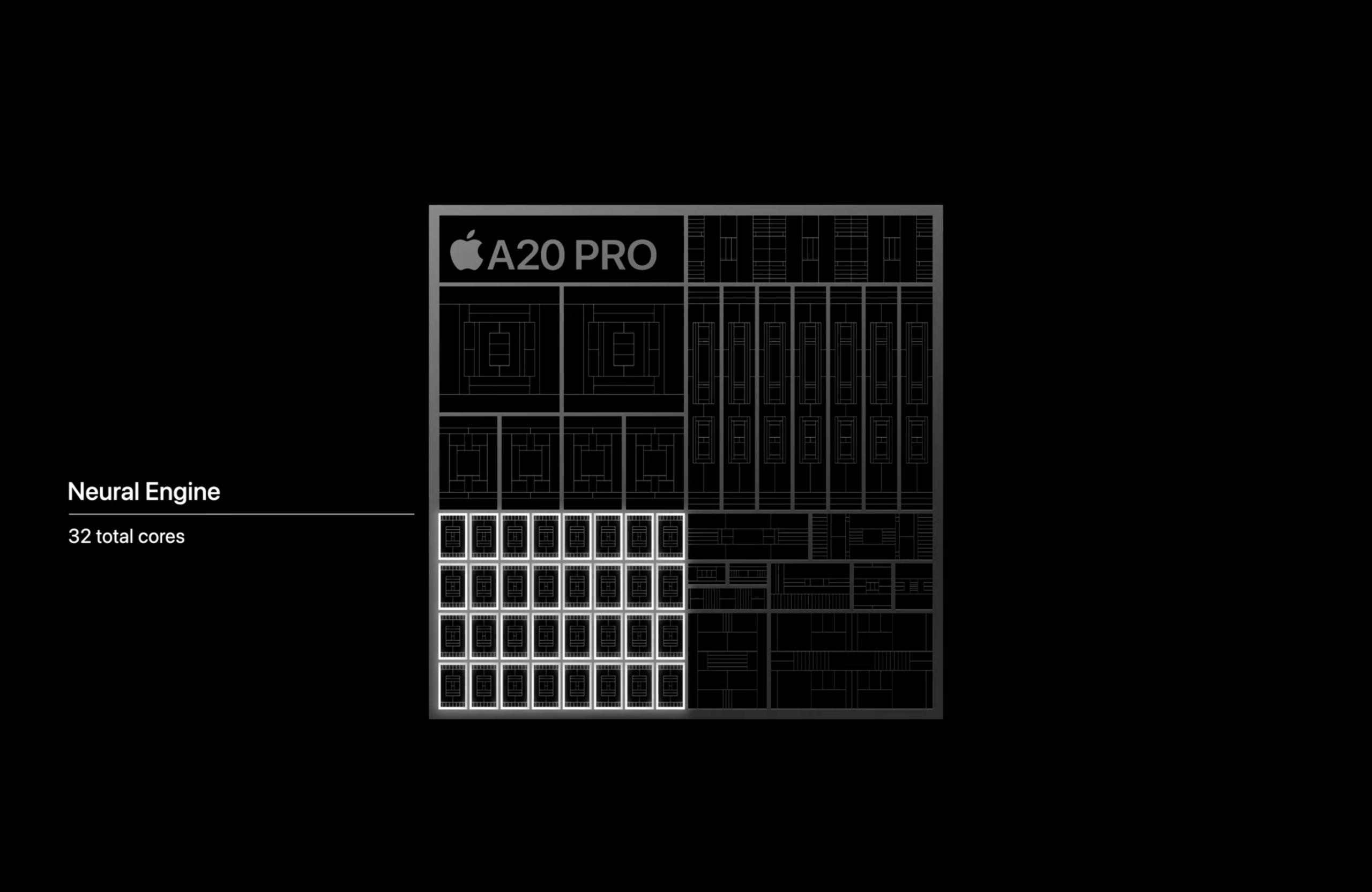
The two neural engines have a combined 32 total cores. There's a 50% increase in memory bandwidth on the chip, which Apple says is the widest memory interface in an iPhone.

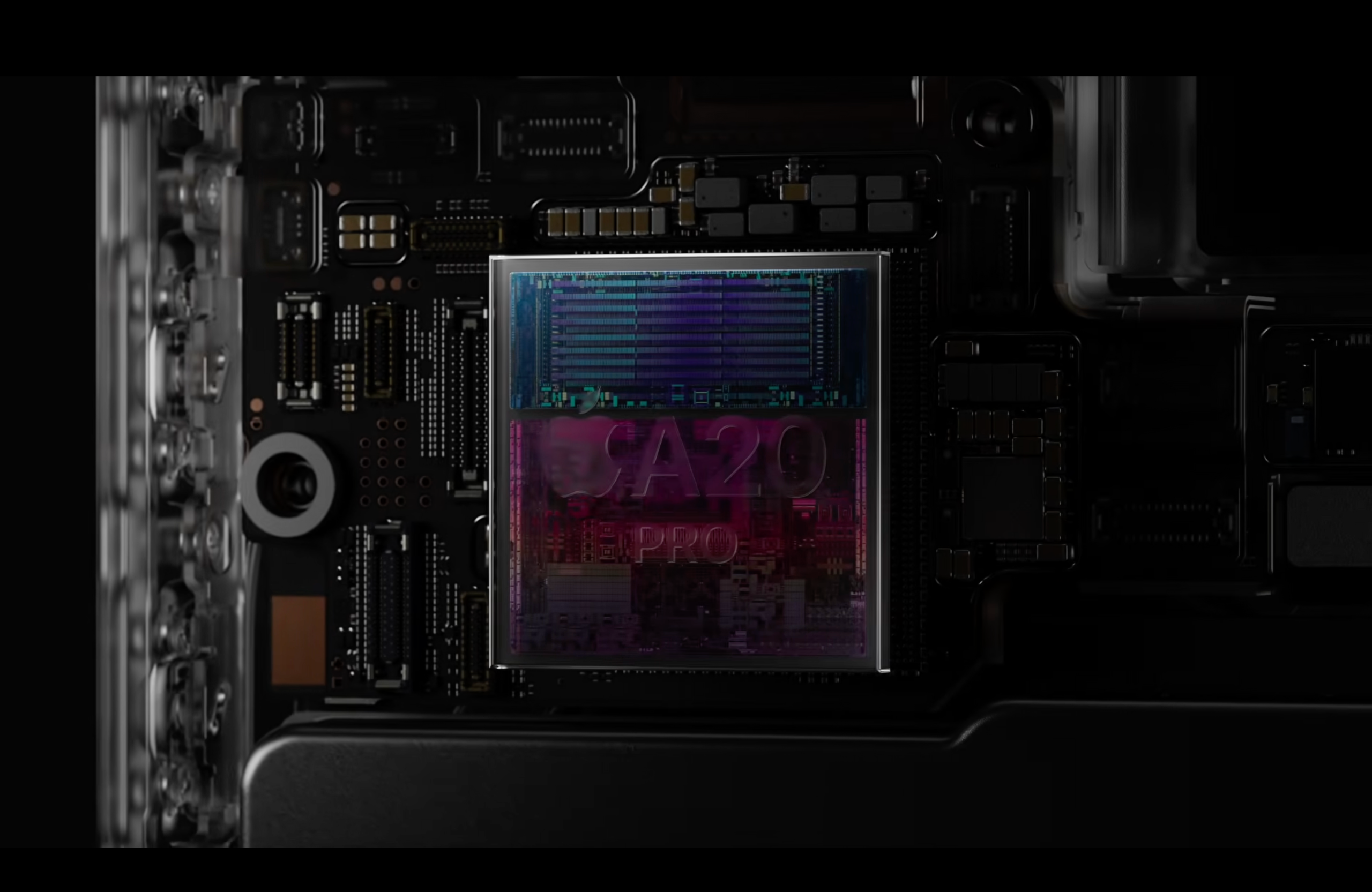
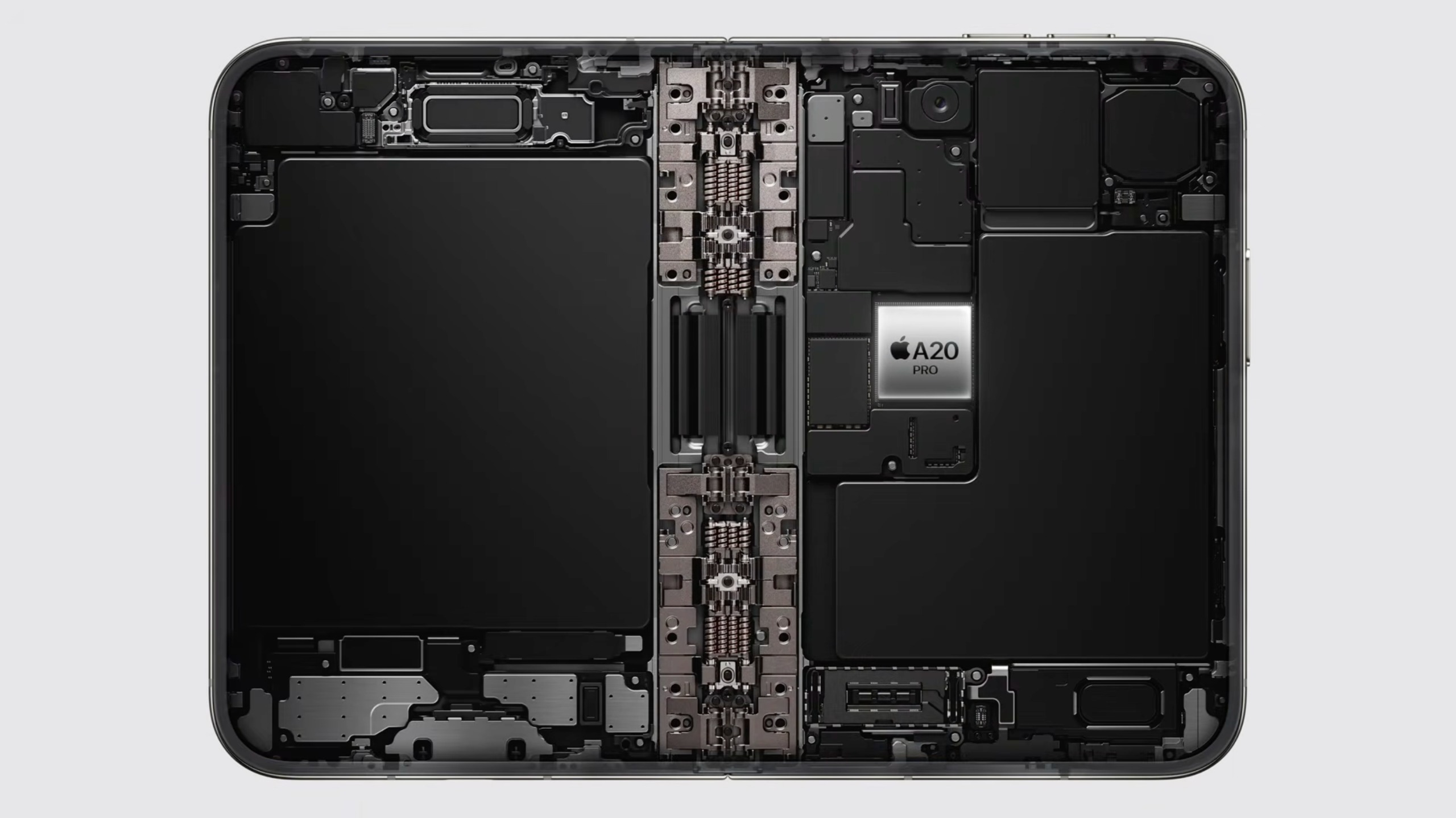
Apple has also changed the packaging, with the silicon dies placed in a way that removes memory from the thermal path of the SOC, allowing the silicon to attach directly to the vapor chamber. That vapor chamber has a three times larger surface area over the 17 Pro, and also includes more graphite and copper along with 80% recycled stainless steel.

The company claims that this will allow for up to 40% sustained performance over the iPhone 17 Pro and 2x sustained performance over the 16 Pro.

Apple says that A20 Pro's efficiencies and new battery designs allow for better longevity. The company claims the Pro will get 36 hours of video playback, and 45 hours on Pro Max video. Using a proprietary test based on data from how people use their phones, Apple claims 24 hours per charge on the 18 Pro and 30 hours on the Pro Max.

IPhone 18 Pro

(Image credit: Apple)

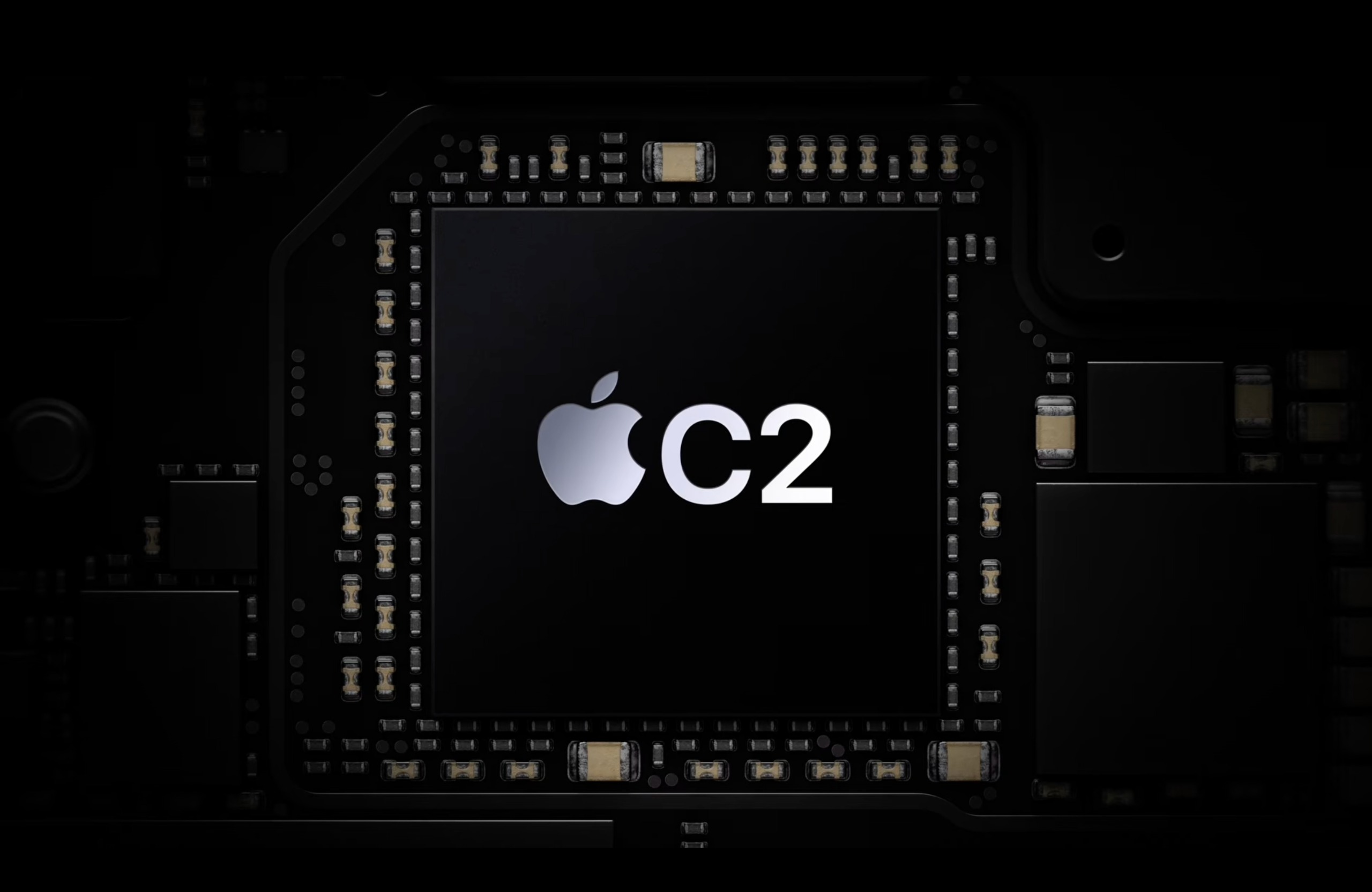
Beyond the SOC, Apple is also using a new C2 cellular modem, replacing Qualcomm. Apple claims that C2 "delivers meaningfully faster uploads when compared to C1X while consuming 15 percent less energy," and also adds mmWave support in the United States. Both phones also feature the N1 networking chip for Wi-Fi 7, Bluetooth 6, and Thread.

The iPhone 18 Pro will start at $1,199, while the Pro Max will start at $1,299. The phones will be available on September 18. The phones also feature an updated Dynamic Island and a 48-megapixel fusion camera with a variable aperture, plus customizable settings such as white balance and cinematic effects that can be added after capture.

Apple_S11

(Image credit: Apple)

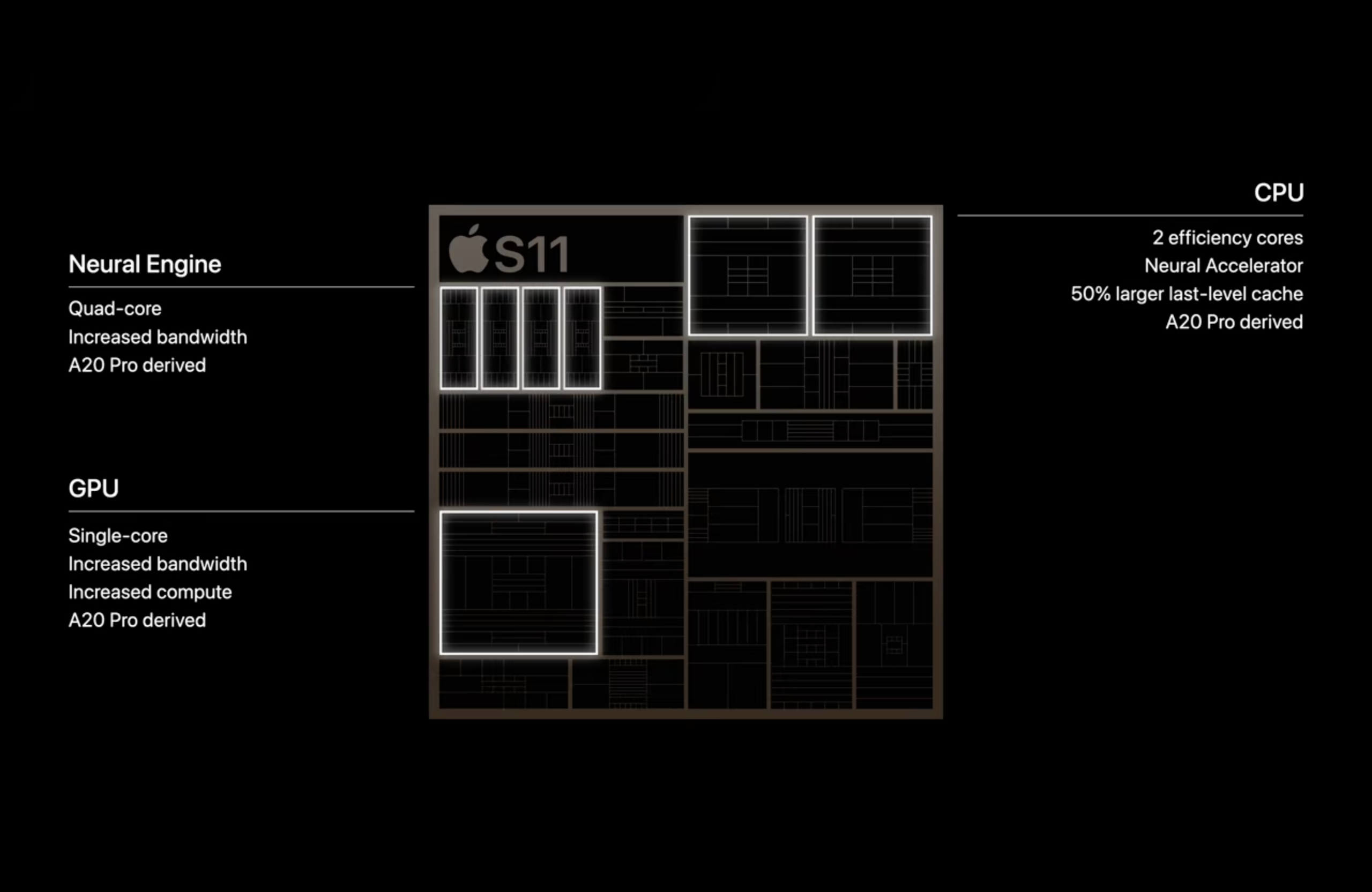
Apple's other new silicon was the S11, a chip for the Apple Watch Series 12 and Ultra 4.

iPhone Duo

The iPhone Duo, Apple's long-awaited foldable phone, will also use the A20 Pro.

Apple iPhone Duo
Apple
Apple iPhone Duo
Apple
Apple iPhone Duo
Apple

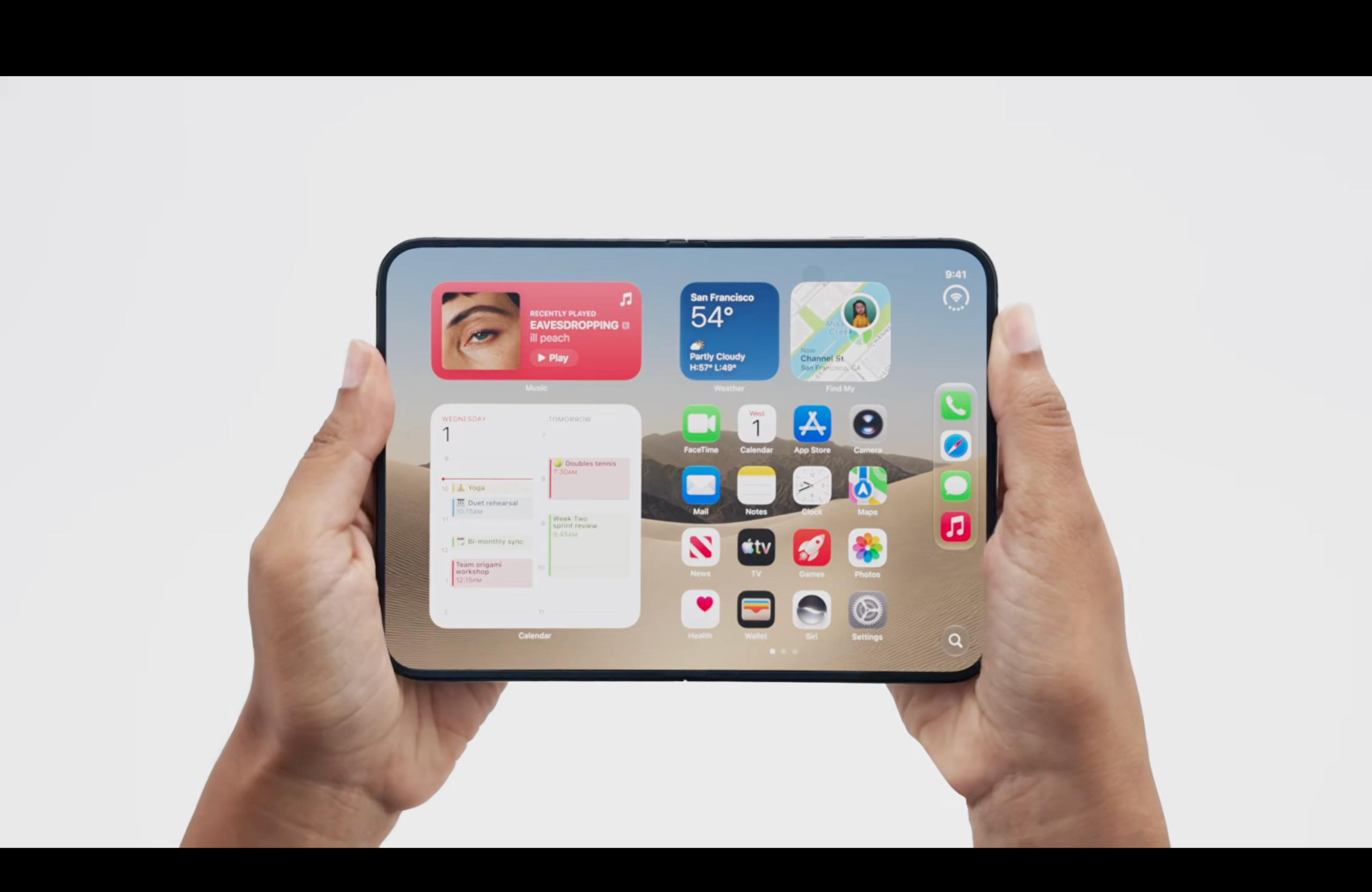
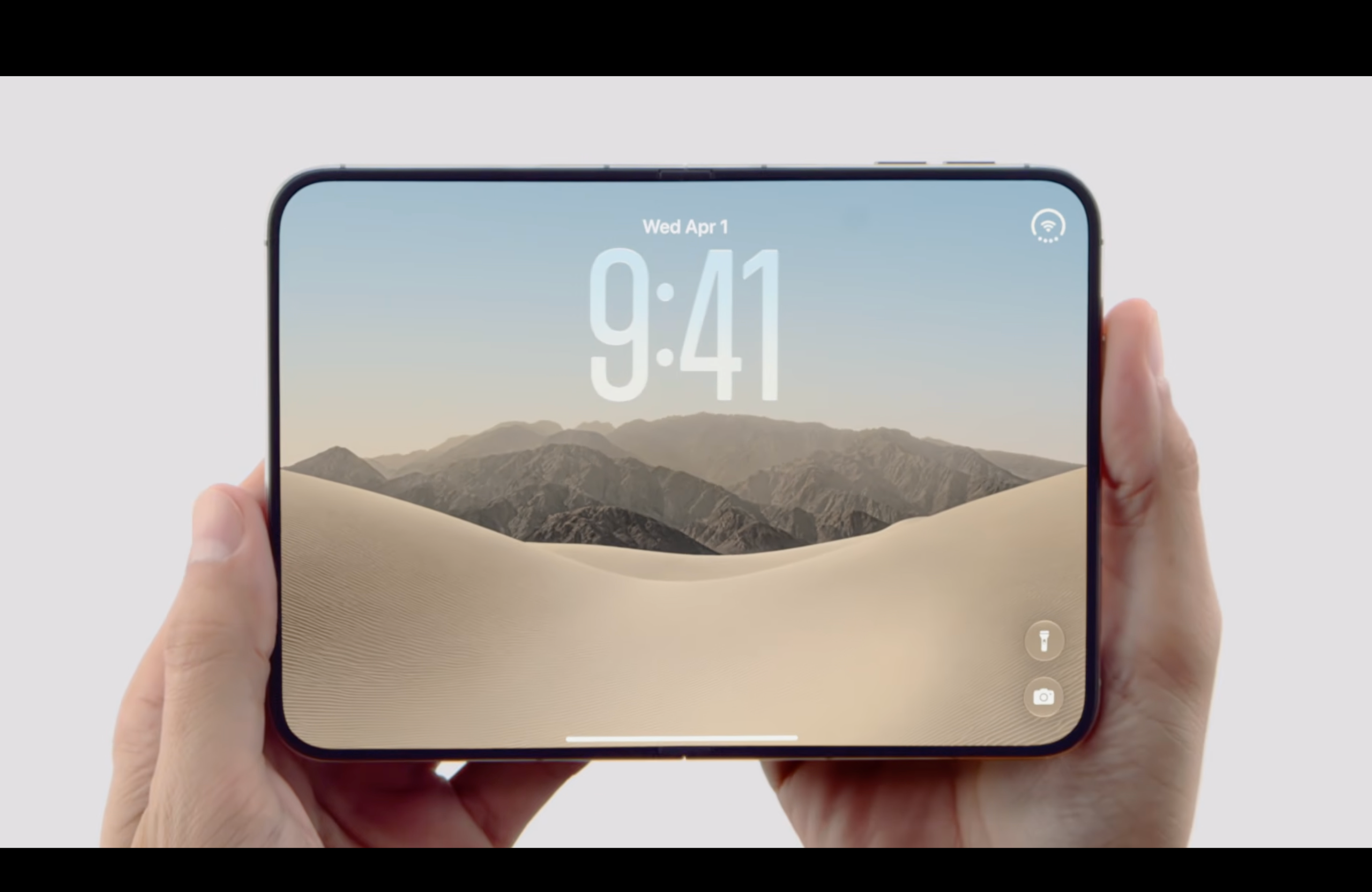
The foldable will be Apple's first phone with a FaceTime camera behind the display, and Apple detailed the hinge and aerospace-grade titanium construction. The Duo is IP68-rated for dust and water resistance. It comes in "star white," as well as "night sky" (a dark blue).

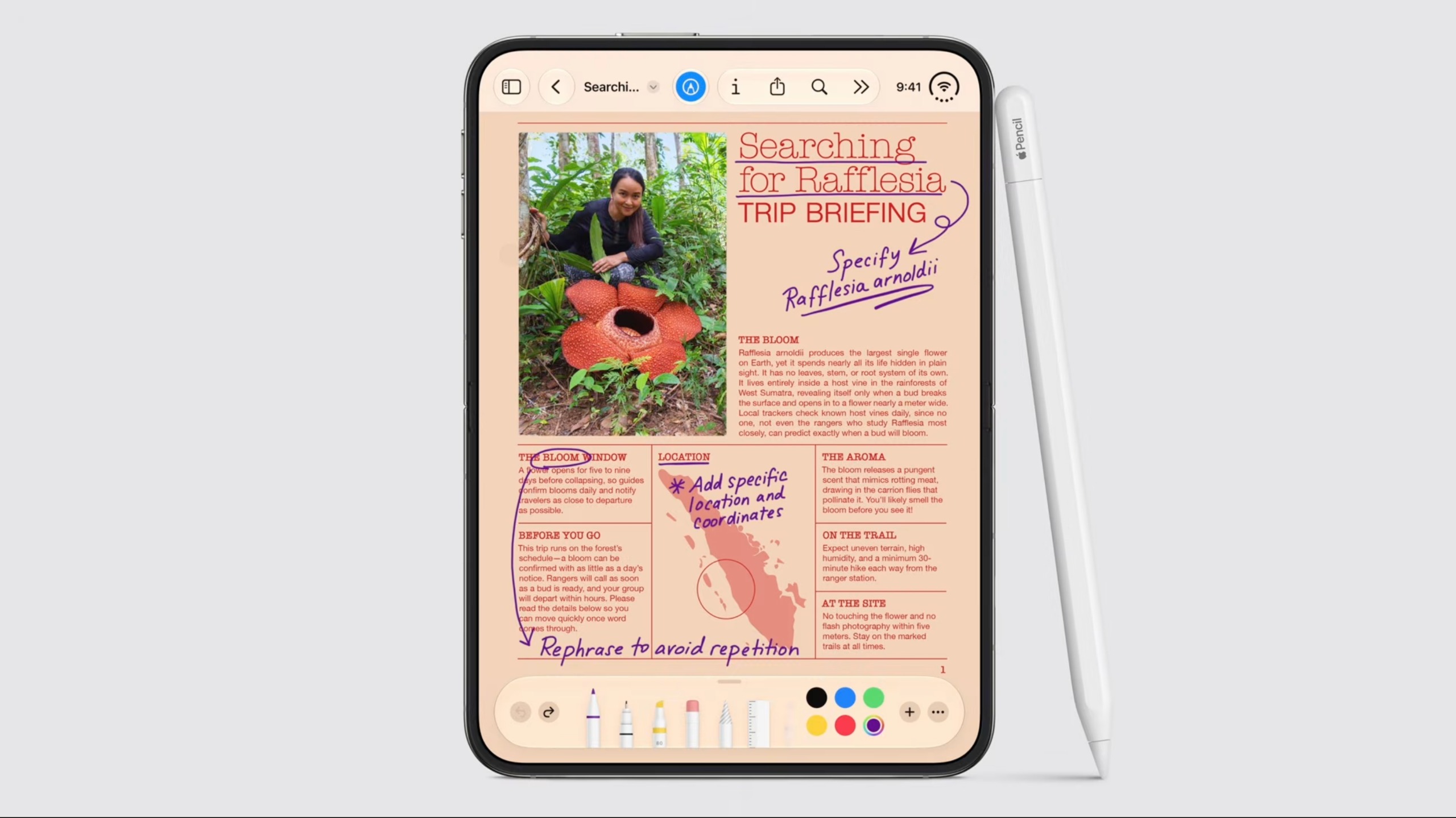
The OS, iOS 27, will allow for docks and controls to live on the sides of the system, putting them near your hand. When opened, it's the thinnest iPhone ever and has the largest screen on an iPhone at 7.6 inches. Later this year, Apple Pencil will be supported on the Duo on both screens.

Apple iPhone Duo
Apple
Apple iPhone Duo
Apple

Apple will use Touch ID for biometrics, jettisoning the Face ID from more recent slab-style phones. Apple said this is the best way to go because it's available whether open or closed, and you can enroll multiple fingers.

The phone supports multiple "poses," including partial folds, and a standby mode when used in a tent-style pose — even when it's not charging.

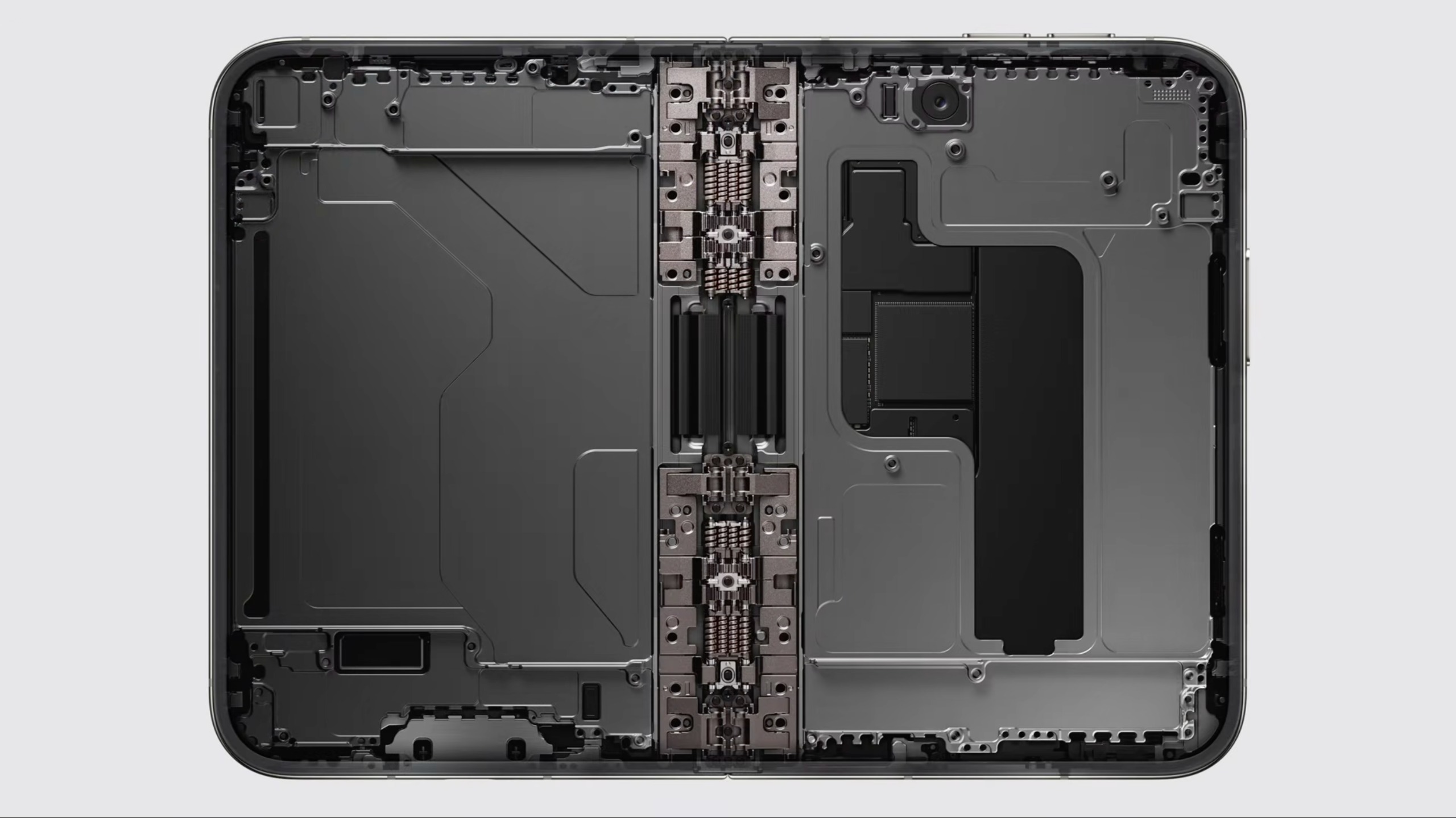
Apple's internal display has an anti-glare display to "minimize crease visibility," which the company also claims feels premium under your fingers, with a titanium plate supporting the panel, along with a hinge with over 100 components. Samsung also released a phone with a minimal crease in the Galaxy Z Fold 8 earlier this year, but we'll have to see how reviewers compare the two screens.

Apple iPhone Duo
Apple
Apple iPhone Duo
Apple
Apple iPhone Duo
Apple

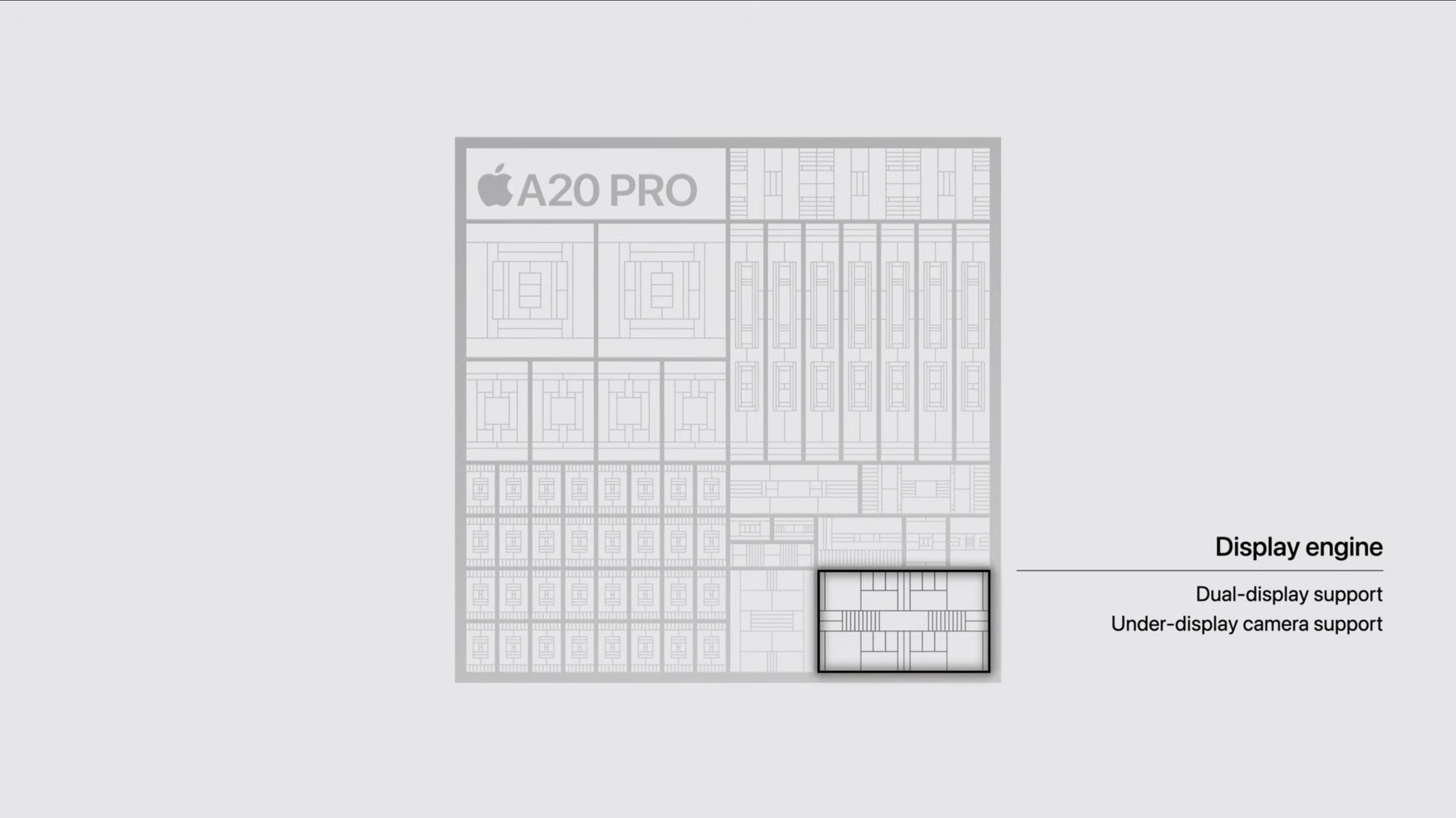
A20 Pro has a new display engine that supports both displays. Like the 18 Pro and 18 Pro Max, Apple is using the C2 cellular modem over Qualcomm's in the iPhone Duo.

The iPhone Duo is eSIM-only everywhere in the world, maximizing battery space. Each side of the phone has its own battery, which operates as one with software. Apple is claiming up to 31 hours of video playback on the inner display and 44 hours on the outer display. Using its own model, Apple claims 24 hours when using "both screens equally."

The phone has a two-camera system. The main camera is a 48MP lens with up to 2x telephoto, while the other is an ultrawide lens. The 48MP camera is the same one on the 18 Pro, though without the variable aperture. The center-stage camera on the front is a 12MP camera. The inner display has an under-screen FaceTime camera.

The iPhone Duo starts at $1,999 for 256GB, and goes up to 2TB. Pre-orders start on October 16, and the phone will launch on October 23.

✇Tomshardware

Best of IFA 2026: MacBook Neo competitors, monitors, and wild laptop concepts

IFA isn't typically a PC-focused show. But this year, Europe’s biggest tech show had plenty of computing hardware, in between robots and AI washing machines.

Laptop OEMs are continuing to adapt to a market riled by RAM shortages and the debut of the MacBook Neo earlier this year. Dell, Acer, and Lenovo all dropped more affordable, mid-range machines with plenty of color options – and let’s not forget Packard Bell.

Nvidia and AMD, on the other hand, are both trying to bring AI computing home – shortages and high prices or not. Nvidia continued to tease its RTX Spark platform (including an October release date), while AMD finally has device partners for its AMD Ryzen AI Max+ Pro 495, with up to 192GB of unified memory. While Nvidia’s RTX Spark loomed large over the PC side of the show, there wasn't much newly announced hardware, aside from Lenovo’s 2-in-1 and a mini PC from Acer. Pricing is still unknown, and demos were largely locked down behind company representatives. We're still waiting to see the true impact of these systems on the PC market.

In between, some unique monitors and peripherals dotted the show floor, challenging size and speed constraints to innovate where they can amid a challenging component and pricing landscape. — Andrew E. Freedman

Lenovo IdeaPad Vibe

IFA 2026IFA 2026 Award

(Image credit: Tom's Hardware)

IFA 2026 proved the Windows world is not slowing down when it comes to producing rivals to the MacBook Neo. But Lenovo has taken the fight to its logical extremes, adding more color and personalization options. The IdeaPad Vibe sports seven colors, ranging from chill blue to spicy gold and, of course, lowkey gray.

You can also choose the colors for the keys on the keyboard. In theory, you buy a set to match or contrast when you purchase the laptop, though you may be able to buy additional sets down the line to mix it up. You don't see replaceable keycaps on laptops too often.The internal specs include AMD Ryzen AI 4000 series or Snapdragon X processors. There are 14- and 15-inch screens, and all-aluminum builds or a plastic bottom. The base model will start at $699, matching perfectly with the MacBook Neo and Dell XPS 13, and bringing a ton of style to the mid-level budget PC space. — Andrew E. Freedman

Read more: Lenovo’s IdeaPad Vibe laptops stand out with seven colors and swappable keycaps – 14,15-inch models with Snapdragon X and AMD AI 400 CPUs to start at $699

Acer Nitro XV275U Z2

IFA 2026IFA 2026 Award

(Image credit: Acer)

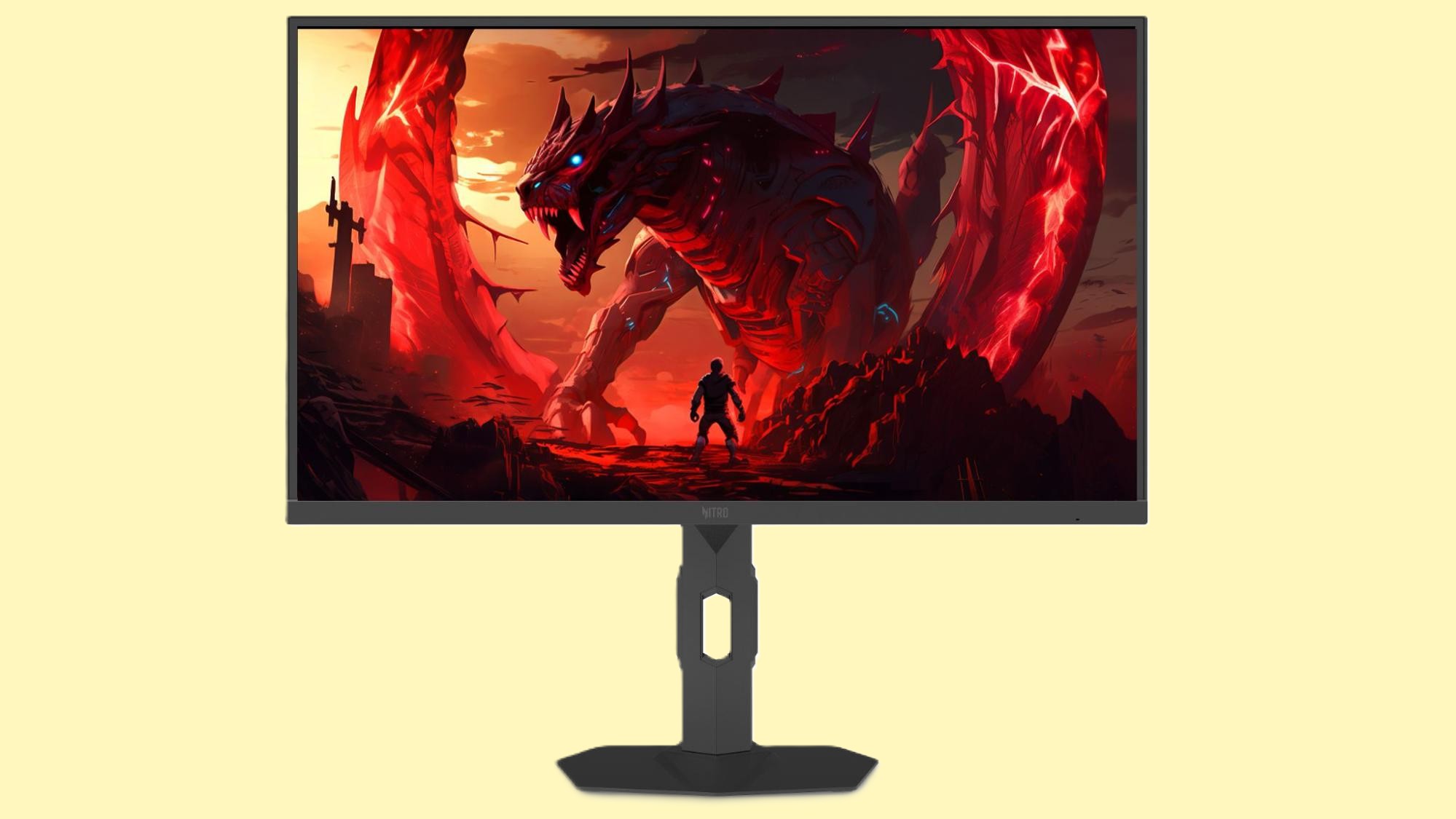
While we’ve seen a lot of activity in the mid- to high-end of the gaming monitor sector, especially with OLED panels, there’s still a lot to be excited about in the entry-level / budget segment. And Acer aims to make cash-strapped gamers happy with its Nitro XV275U Z2.

This is a tri-mode monitor, offering three distinct resolution/refresh rate presets thanks to Dynamic Frequency and Resolution (DFR). Featuring a 27-inch IPS panel, the Nitro XV275U Z2 has a native QHD (2560 x 1440) resolution and 275 Hz refresh rate. However, you can step down to 1080p resolution and boost the maximum refresh rate to 360 Hz. And if you’re willing to sacrifice even more resolution by dropping to 720p, you’ll be blessed with a 500 Hz maximum refresh rate.

That’s a lot of flexibility for gamers, and Acer further ups the value factor by including 1,152-zone Mini LED backlighting, typical brightness of 500 nits, and 1,000 nits in HDR mode. Best of all, the Nitro XV275U Z2 will be available at an enticing price of $329 when it debuts in Q4 2026. — Brandon Hill

Read more: Acer launches seven new gaming monitors across Nitro and Predator families — tri-mode panels, QD-OLEDs, Mini LEDs, 1,000 Hz, and more

Lexar Muse

IFA 2026IFA 2026 Award

(Image credit: Tom's Hardware)

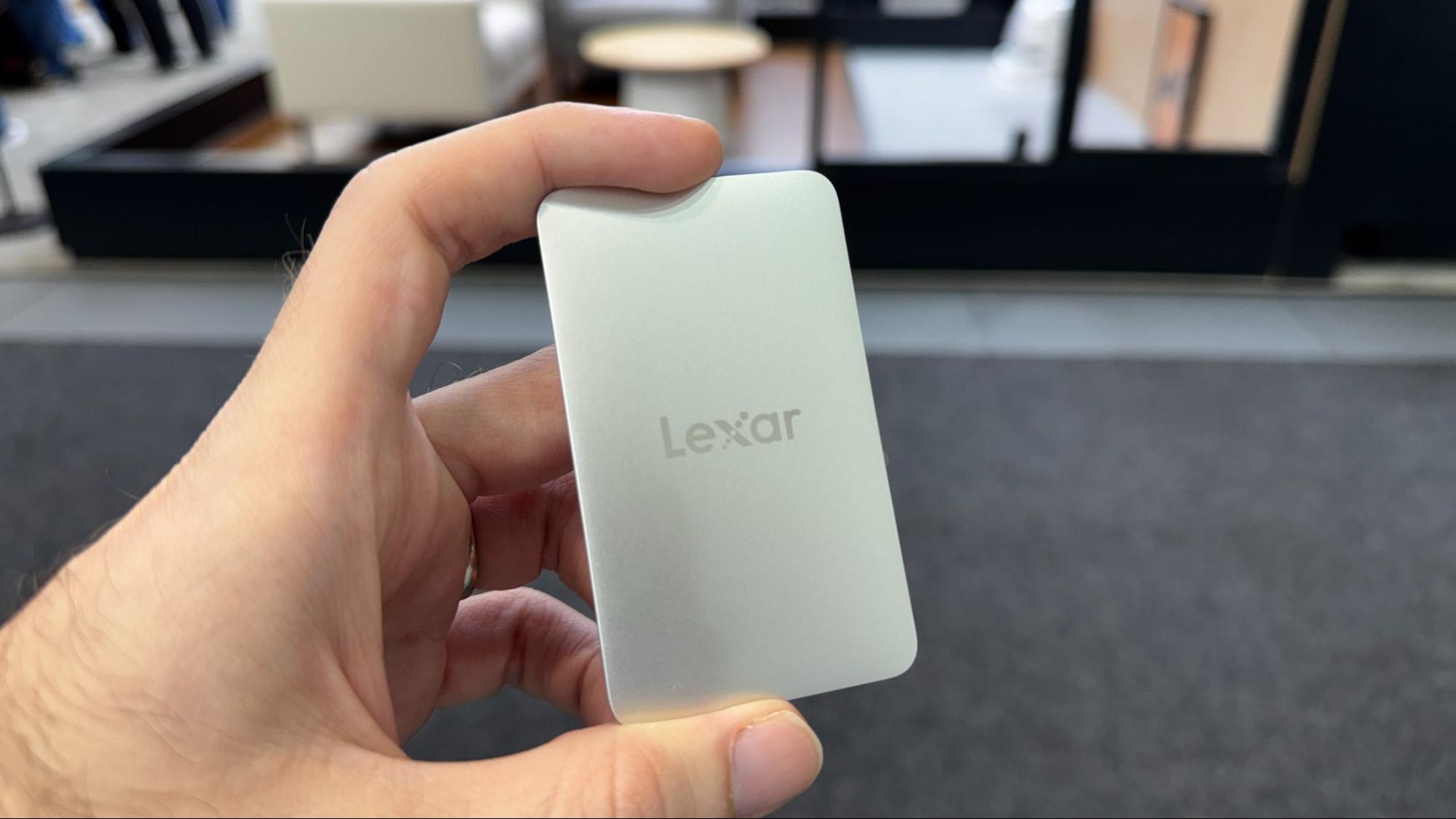
With so much of the world’s flash memory capacity being gobbled up by AI hardware, most storage makers don’t seem to be focused on consumer innovation. But Lexar hasn’t taken its eye off the portable SSD space, showing off its Muse, a drive about the size of a credit card – and a few cards thick at 3.15 x 1.89 x 0.15 inches. And bulk matters when your drive is designed primarily to attach magnetically to the back of your phone for recording video. The Muse does this with a magnetic sleeve that you slide the drive into, much like a card holder.Lexar says the svelte design was achieved through a combination of a custom thin PCB, high-density NAND stacking, and an internal design that’s more integrated than most external SSDs. There are, of course, some downsides to the ultra-thin design, like the lack of space for a USB-C port, which Lexar has replaced with pogo pins on the back and a proprietary magnetic SnapLink cable. Capacity is also limited to just 512GB and 1TB. The 10 Gbps drive is expected to arrive later this year. — Matt Safford

Read more: Lexar announces ‘world’s thinnest portable SSD’ in celebration of the brand’s 30th anniversary – Lexar Muse drive achieves 0.15-inch thickness with proprietary pogo-pin cable, magnetic sleeve for phone mounting

Minisforum N5 Max

IFA 2026IFA 2026 Award

(Image credit: Tom's Hardware)

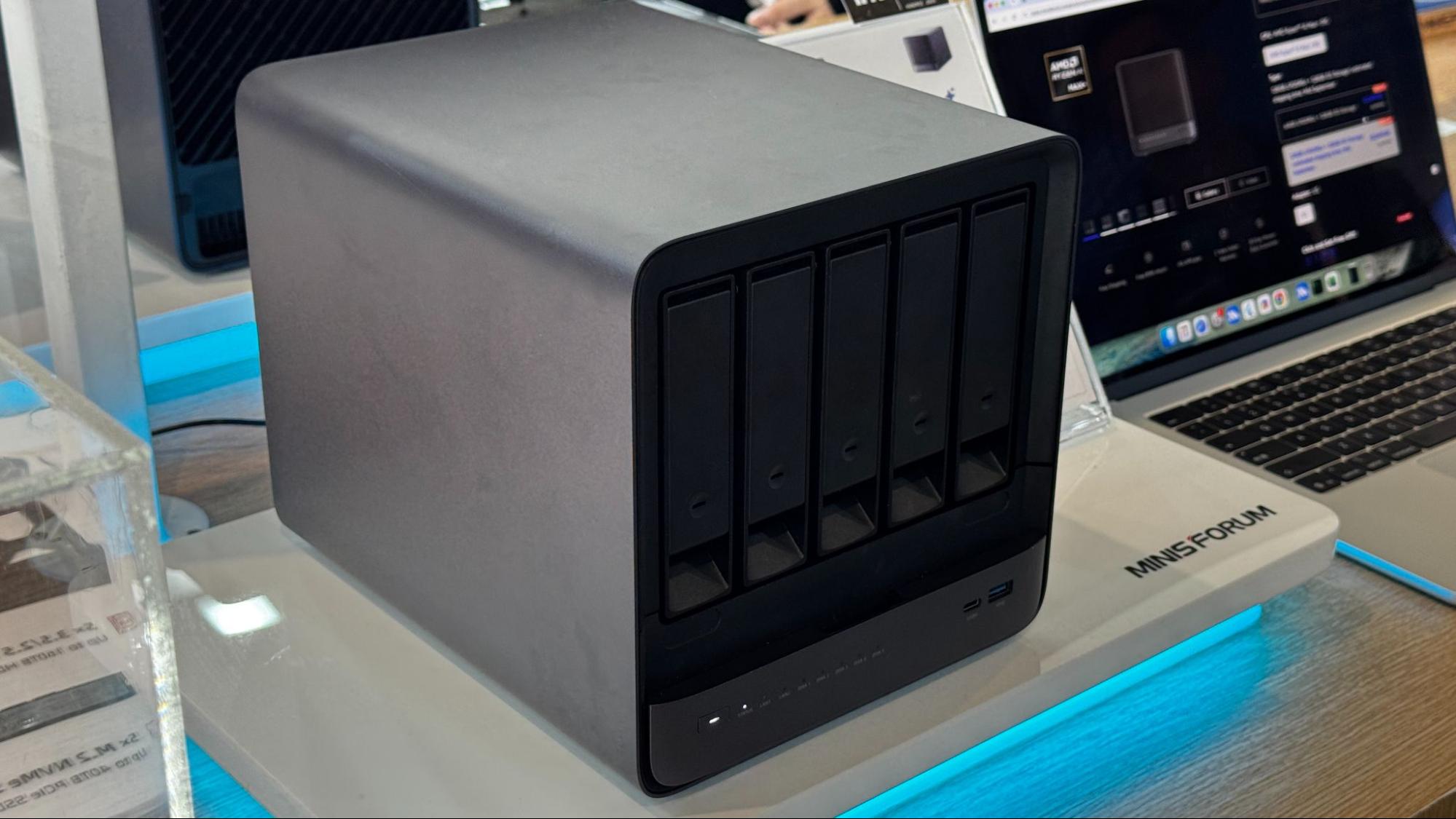
With AMD's Ryzen AI Max+ Pro 495 finally launching in systems, it wasn't surprising to see it in a handful of mini PCs and workstations. But it was surprising to find it in a NAS.

The Minisforum N5 Max takes the Gorgon Halo part (it's also available with last-gen Strix Halo) and puts it in a five-bay network-attached storage device. Beyond those five HDD bays (up to 32TB each, or 160TB total), five M.2 SSD slots allow up to another 40TB, giving this device up to 200TB of space for your files. Do you want Qwen 3.8 and 200TB of files? Because on the show floor, the company showed Qwen 3.8 navigating 200TB of files.

The idea, according to Minisforum, is that your agents are running on the same device as all of your files, making for one convenient local device. The system comes with the 16-core, 32-thread processor, AMD Radeon 8065S graphics, and up to 192GB of LPDDR5x unified memory. It's likely to come at the end of September, and while reps for Minisforum didn't have a price, they suggested it could be over $7,000, just like the company’s upcoming Gorgon Halo workstation.The system supports the company's MinisCloud OS, Linux, Proxmox, and Windows 11. So in theory, you could use this as your primary computer. But this is one of the only pieces of AI computing furniture we saw here at IFA. — Andrew E. Freedman

Read more: Minisforum launches local AI solutions at IFA 2026 — AI Agent NAS N5 and AI Mini Workstation MS-S1 use AMD Ryzen AI Max+ Pro 495 processors designed to run models locally

Acer Project DualPlay Mini

IFA 2026IFA 2026 Award

(Image credit: Tom's Hardware)

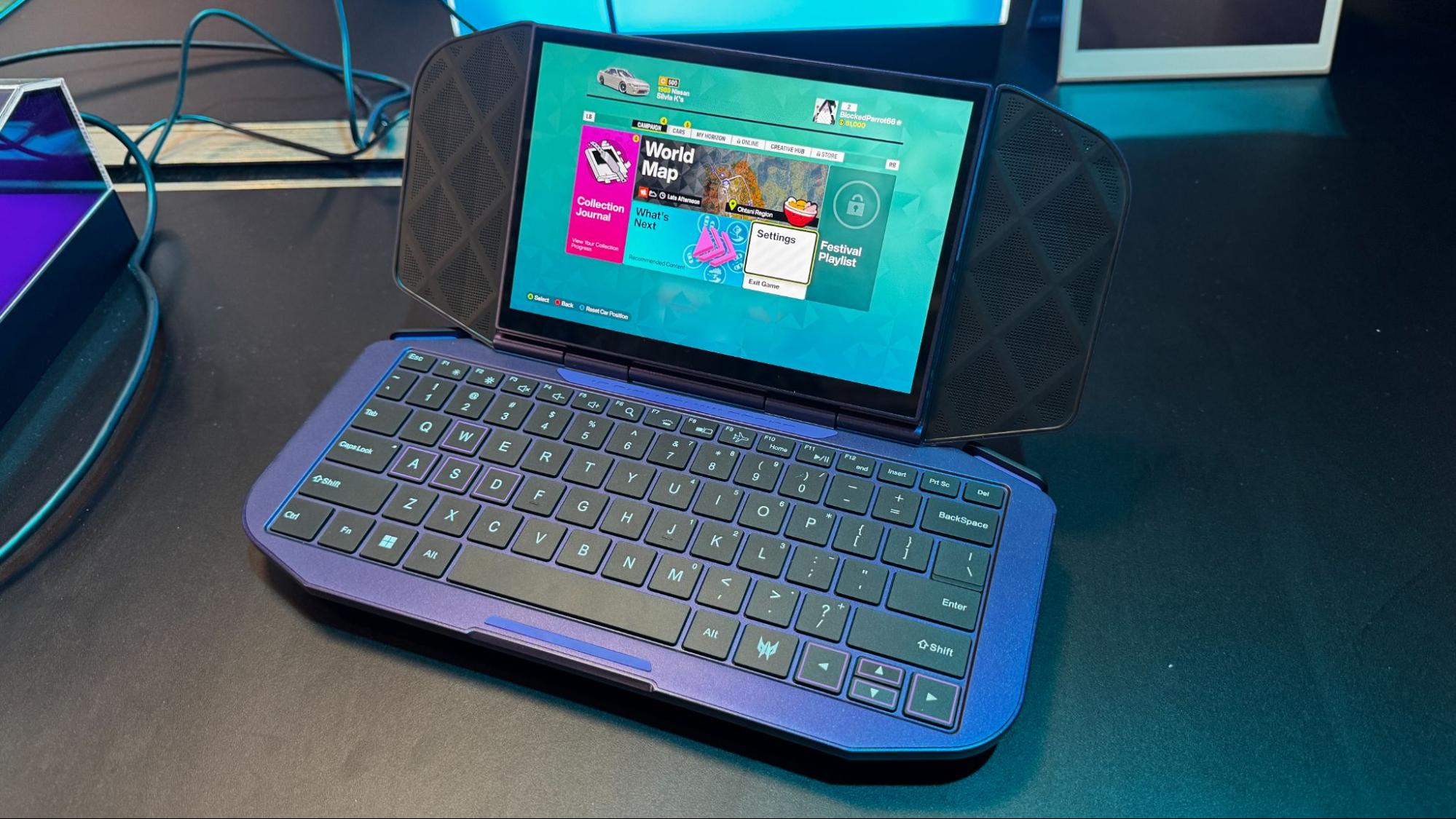
Acer’s Project DualPlay Mini is the platonic ideal of a concept device, in that it’s equal parts interesting, impractical, and unlikely to be a product you can actually buy. It’s a handheld clamshell that transitions into a netbook-style device, giving you access to a keyboard so you can get work done on the go.

The device is unsurprisingly chunky, and the keyboard is decisively impractical, but concepts are for trying out new ideas. The device folds in half, but it doesn’t feature two displays. Rather, the display is set on a separate hinge that can rotate to the front in handheld mode, or to the back in laptop mode. Acer told us at IFA that the device comes with a Panther Lake chip, though it’s unclear if that’s Panther Lake proper or one of Intel’s cut-down G3 SoCs for handhelds.

The device features a fingerprint reader, along with two USB-C ports (likely Thunderbolt 4) and two back buttons, typical of most handhelds. It adopts the same cooling system as the Predator Atlas 8, Acer’s traditional G3 handheld. Although it’s not clear if we’ll eventually see the DualPlay Mini on store shelves, we were able to see the device in-person at IFA, showcasing that it’s much further along than a few renders — Jake Roach

Read more: Acer’s wild Project DualPlay Mini is a foldable handheld that doubles as a netbook

✇Tomshardware

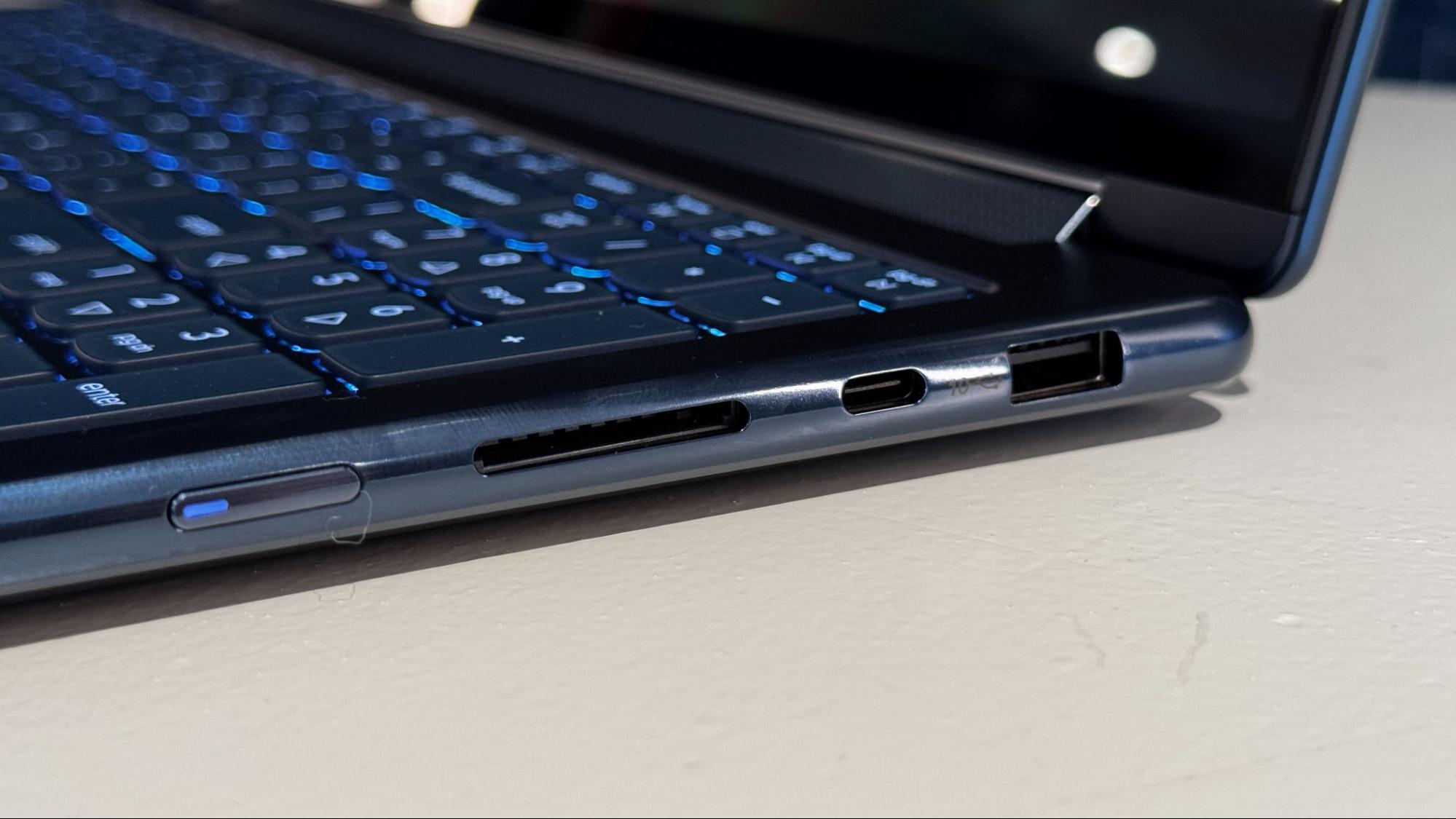
Lenovo details its RTX Spark laptops — Yoga Pro 9n and Yoga 9n 2-in-1 get full specs, stylus support

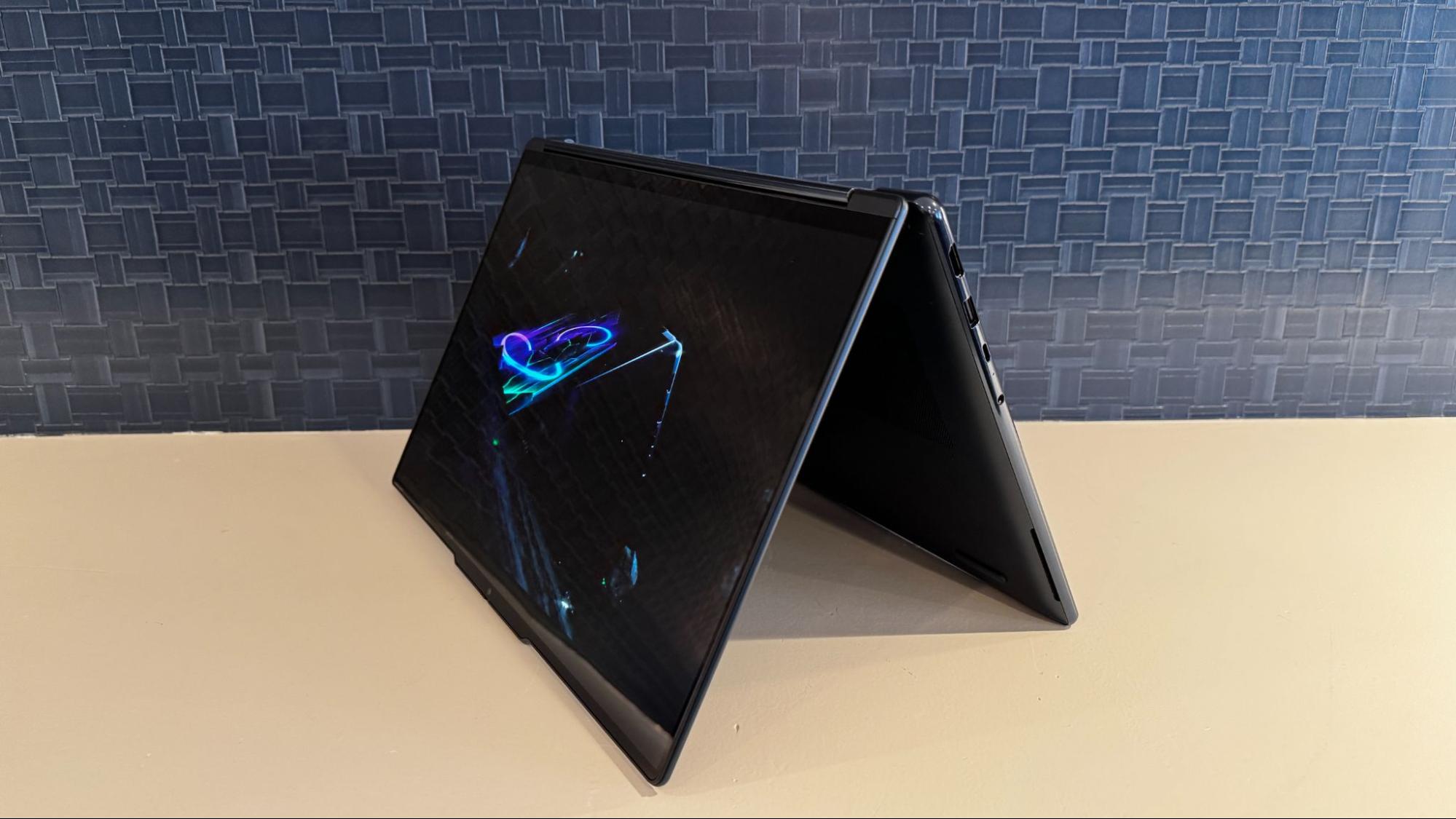
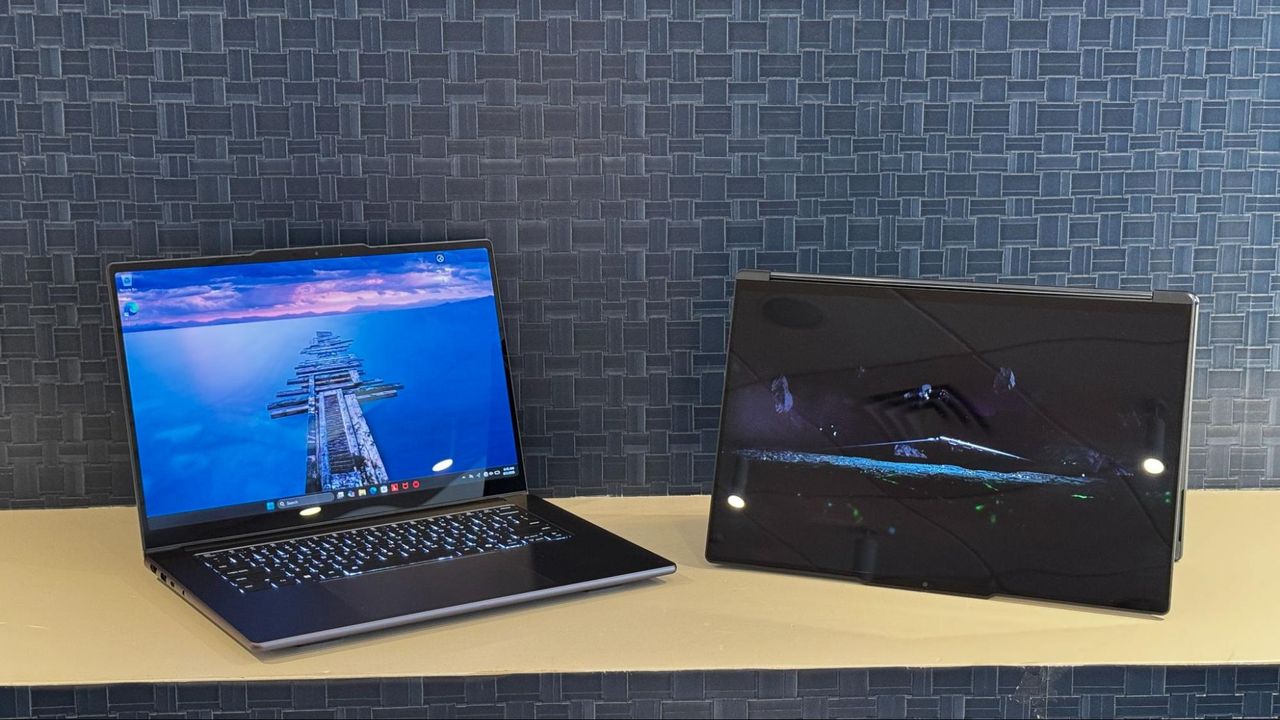
Lenovo is providing a full spec list for the Yoga Pro 9n, the Nvidia RTX Spark-powered laptop it announced at Computex, and has a second Spark system ahead of IFA: the Yoga 9n 2-in-1, a 16-inch convertible.

Both systems are listed as using Grace CPUs with up to 20 Cores and Blackwell RTX graphics with up to 6,144 cores, suggesting there will be multiple RTX Spark chips to choose from for both systems. While the 2-in-1 will top out at 64GB of unified memory, the clamshell Yoga Pro will go up to 128GB. It's also notable that the 2-in-1 will use seemingly lower-end QLC storage, while that's not mentioned in the Pro specs. We also know that the 15-inch Pro will have up to 80W TDP, one of the first official TDPs we've heard for an RTX Spark system (we don't yet know that information for the 2-in-1).

Lenovo Yoga Pro 9n (15-inch, 11)

Lenovo Yoga 9n 2-in-1 (16-inch, 11)

CPU

Nvidia RTX Spark — Grace CPU with up to 20 cores

Nvidia RTX Spark — Grace CPU with up to 20 cores

GPU

Nvidia Blackwell RTX GPU with up to 6,144-cores (integrated)

Nvidia Blackwell RTX GPU with up to 6,144-cores (integrated)

Memory

Up to 128GB LPDDR5x-9400

Up to 64GB LPDDR5x-9400

Storage

2 SSD Slots, Up to 4TB total storage

Up to 512GB or 1TB PCIe Gen 4 SSD (M.2 2242) in slot 1
Up to 2TB PCIe Gen 5 SSD (M.2 2242) in slot 2

Up to 2TB PCIe SSD Gen 4 QLC M.2 2242

Display

15.3-inch, 2560 × 1600, 48-165Hz, VRR, 16:10, PureSight Pro OLED, 1100 nits peak brightness (HDR)

16-inch 2880 x 1800, 30-120Hz, VRR, 16:10, PureSight Pro OLED, 1,100 nits peak brightness (HDR)

Battery

92.5 WHr

99.9 WHr

Networking

Wi-Fi 7, Bluetooth 5.4

Wi-Fi 7, Bluetooth 5.4

Weight

3.64 pounds (1.65 kg)

4.28 pounds (1.94 kg)

Webcam

9.2MP MIPI, IR

9.2MP MIPI, IR

Operating System

Windows 11

Windows 11

Both are also pushing 9.2-megapixel cameras that connect directly to the processor, as well as the latest Wi-FI standards. The Yoga Pro 9n has a 15.3-inch, 2560 x 1600 OLED screen that sports variable refresh from 48 - 165 Hz, while the 2-in-1 has a larger 16-inch OLED screen at 2880 x 1800 and 30 - 120 Hz.

Lenovo RTX Spark Systems
Tom's Hardware
Lenovo RTX Spark Systems
Tom's Hardware
Lenovo RTX Spark Systems
Tom's Hardware
Lenovo RTX Spark Systems
Tom's Hardware
Lenovo RTX Spark Systems
Tom's Hardware

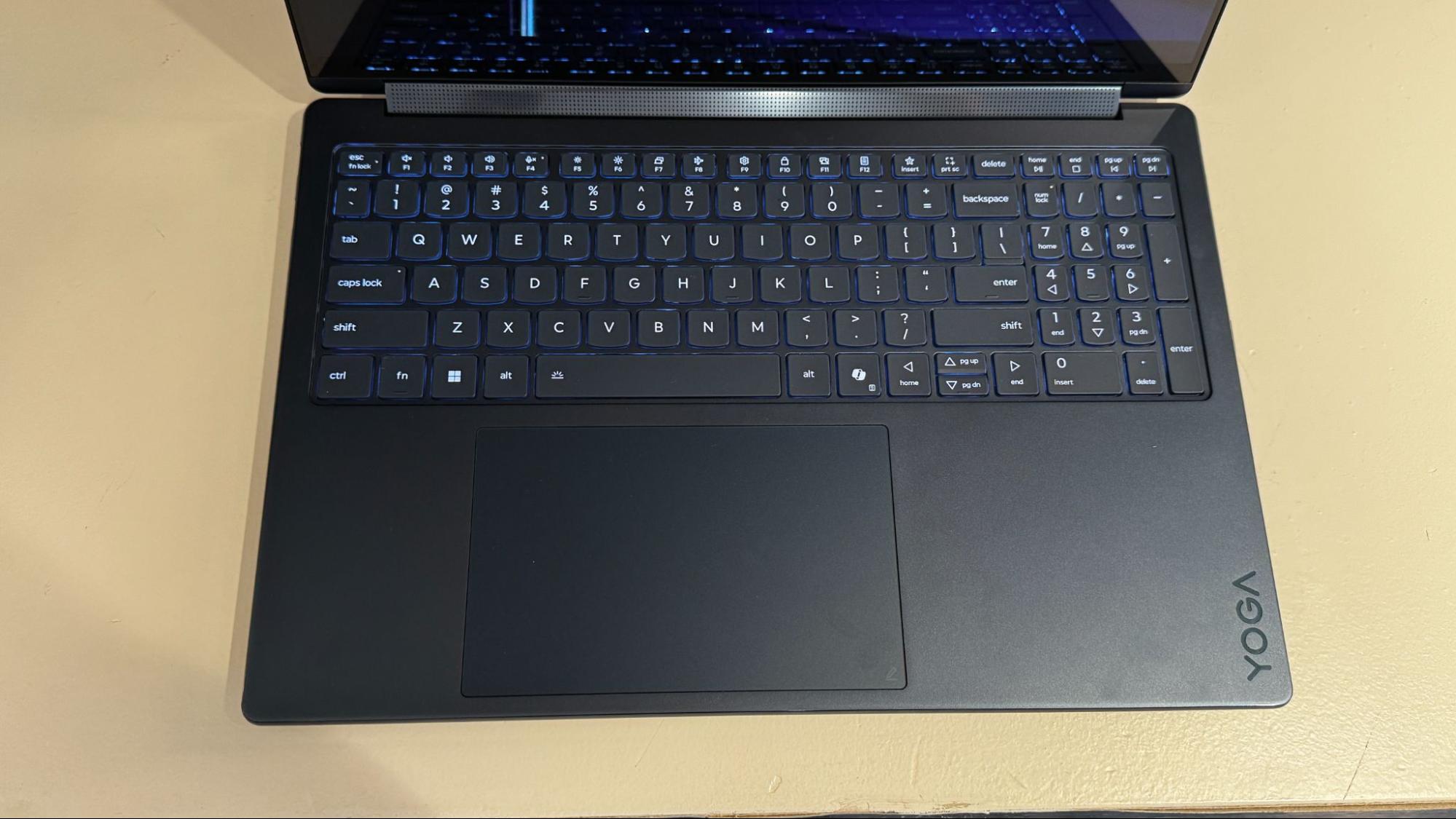
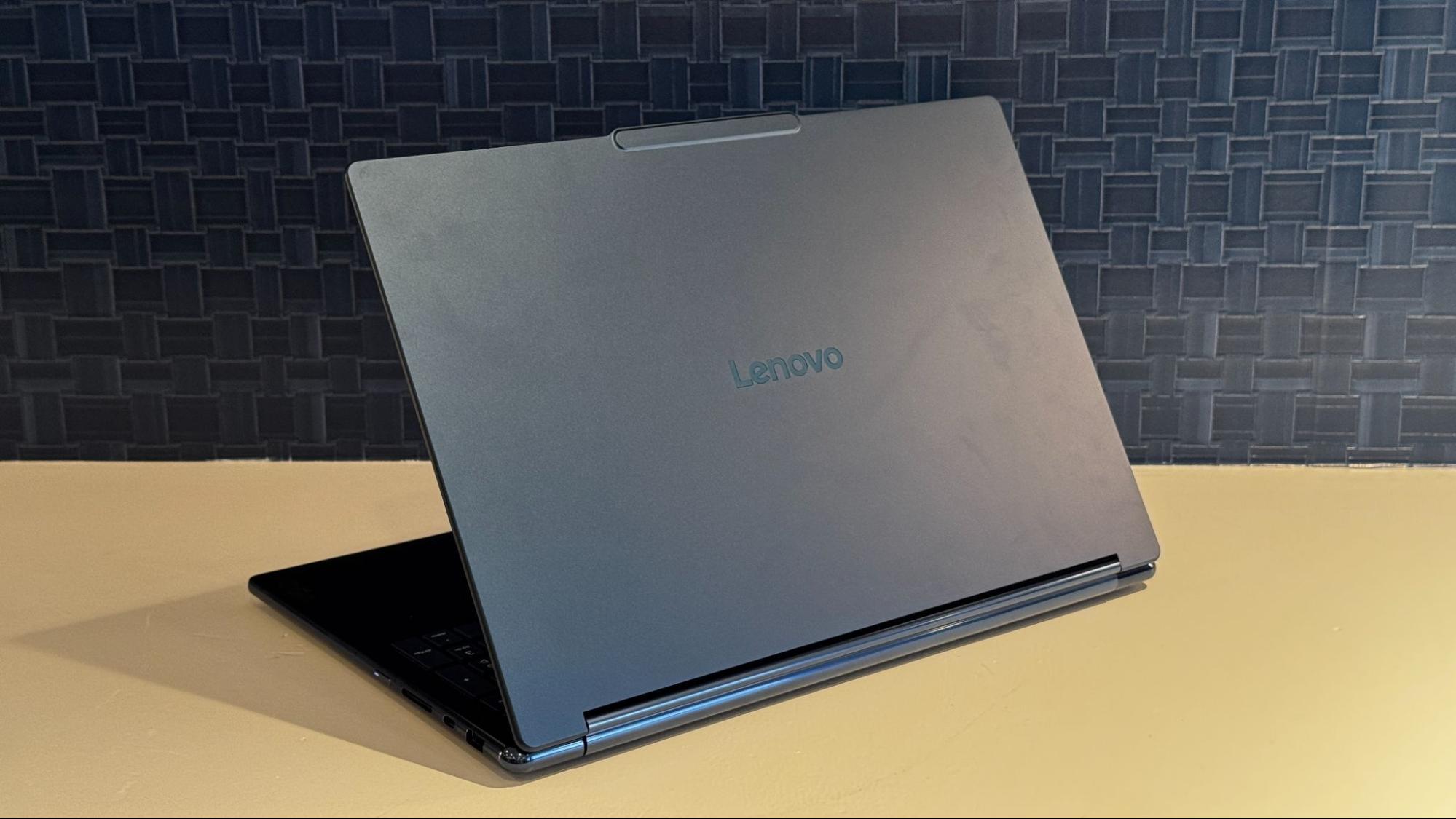
Both systems are all-black machines, with metal designs and a mix of reflective and matte materials, which we've seen in the Yoga line before, albeit usually in a dark blue color. The 2-in-1 brings back a soundbar in the hinge, which the company stopped using years ago, but allows for clear sound in any position.

Lenovo is pushing the clamshell Yoga Pro as an AI machine, using the Nvidia chip with its CUDA software to allow "increasingly sophisticated AI models to run locally on the device." Windows 11 is supposed to gain features to run more agentic AI, including OpenClaw and Hermes, using Nvidia's own openShell and Windows own security layer.

The system is also being advertised as capable of gaming, development work, video editing (the haptic touchpad features pen support for precise input), and rendering. Despite using Lenovo's premium consumer brand, the Yoga Pro 9n is arguably a workstation.

The Yoga 9n 2-in-1 is being pushed more heavily as a creativity device, with its touch-friendly design and the Yoga Pen Gen 2, though the company is touting AI models here, too. Specifically, Lenovo's blog posts calls out AI tools in ComfyUI and Adobe Premiere Pro, as well as local models like LTX (a model based on video rendering in physical space) and FLUX, a text-to-image model.

Lenovo is keeping the price and release date under wraps. The price, the company's press release says, will come at launch, but when that is isn't detailed. Previously, Nvidia announced that RTX Spark would release this fall.

✇Tomshardware

Nvidia's RTX Spark N1X launches in October for laptops and desktops — 18 or 20 CPU cores, paired with 5,120 or6,144 CUDA cores, up to 128GB of unified memory

Nvidia is finally getting more specific about the launch of the RTX Spark. The chip, which it is now officially calling the "N1X," will launch in laptops in October and come in two configurations.

The more powerful option will mix a 20-core Grace CPU with a 6,144-core Blackwell GPU, and come with between 24 and 128GB of unified memory. The other variation uses an 18-core CPU and a cut-down 5,120-core Blackwell GPU with between 24 and 32GB of unified memory. That version will only be in laptops.

RTX Spark N1X

Configuration 1

Configuration 2

CPU

20-core Grace CPU

18-core Grace CPU

GPU

6,144 CUDA core Blackwell GPU

5,120 CUDA core Blackwell GPU

Memory

24 - 128GB unified memory

24 - 32GB unified memory

Form Factor

Laptops, Mini PCs

Laptops

There's a lot that Nvidia hasn't specified outside of core counts and memory support, but with the chip launching next month, we're sure to find out more, either through Nvidia or OEMs, soon enough.

Nvidia made the announcement ahead of IFA in Berlin, where Lenovo and Acer announced new systems with Nvidia's new chips. Lenovo debuted the Yoga 9n 2-in-1 laptop, while Acer is debuting the SFF RTX Spark, a mini desktop. As of this writing, neither has pricing.

Further systems will come from Asus, Dell, MSI, HP, and Microsoft, the latter of which debuted the flagship Surface Laptop Ultra at Computex this year. These systems are being pushed as laptops and mini PCs meant primarily for agentic AI, though Nvidia has also demonstrated its gaming prowess in demos. We'll need to get our hands on these to test both scenarios. The company is also promising "all-day battery life," another claim we'll need to test.

The use of the N1X name has occurred in leaks, but this is the first time Nvidia has used it publicly. This suggests a separate, lower-end N1 chip may exist and be released down the line.

It's unclear exactly which devices will launch in October and which might come out later in the year. It's likely that that information will come soon, now that Nvidia has chosen a month. We'll also have to see if Microsoft's Agent Framework, which lets agents run in the background under control of the operating system, is ready in Windows by then.

Nvidia's unified memory approach is similar to the one popularized by Apple in its M-series chips, including the recently announced M6 and M5 Ultra, which also uses an Arm instruction set. On the x86 side, AMD's Strix Halo (and upcoming Gorgon Halo) also use unified memory.

The launch of these chips will also break Qualcomm's exclusivity on Windows on Arm, bringing a major new silicon vendor into the ecosystem, and possibly more partnerships from application developers eager to use Nvidia's tools.

✇Tomshardware

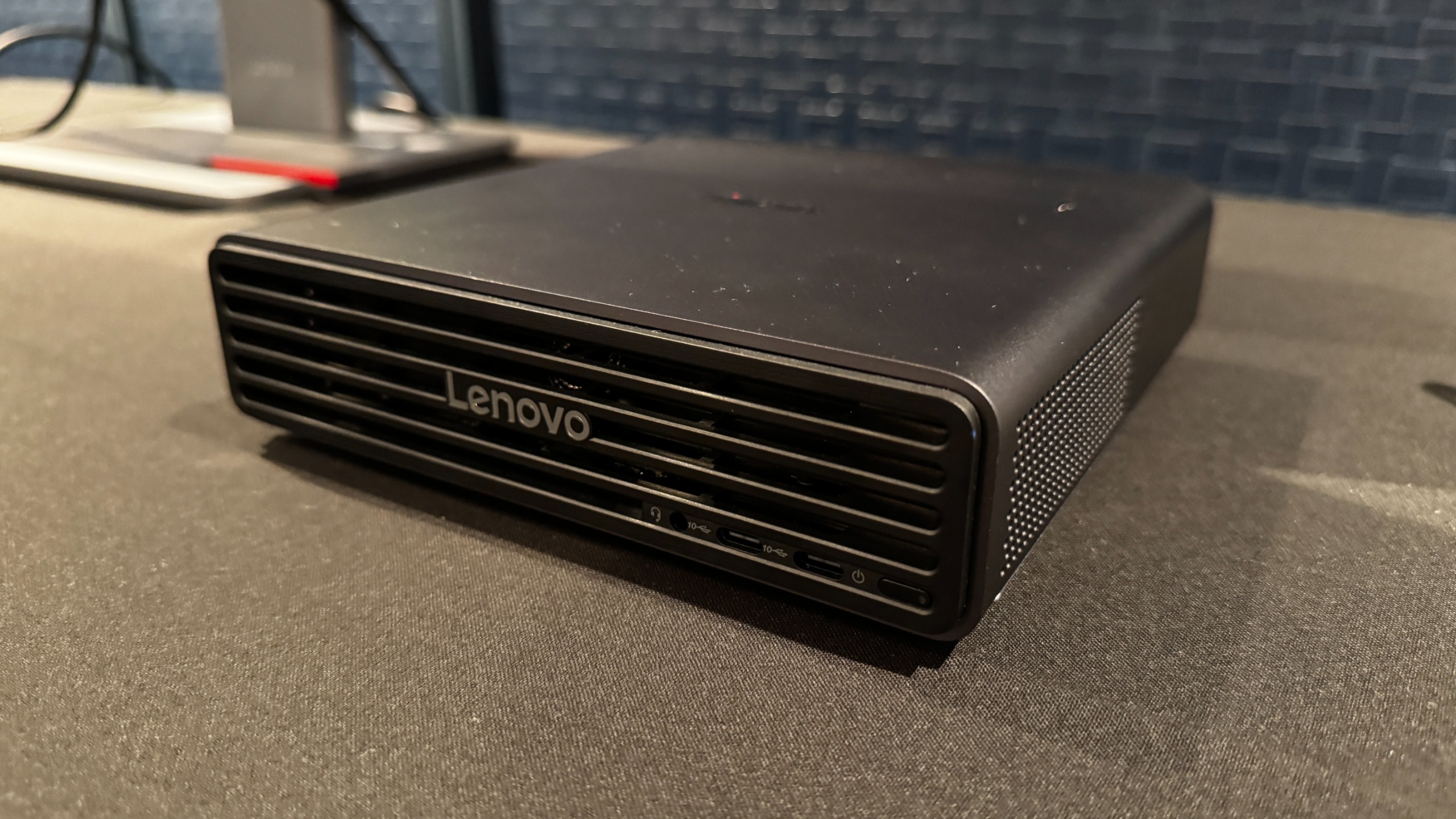
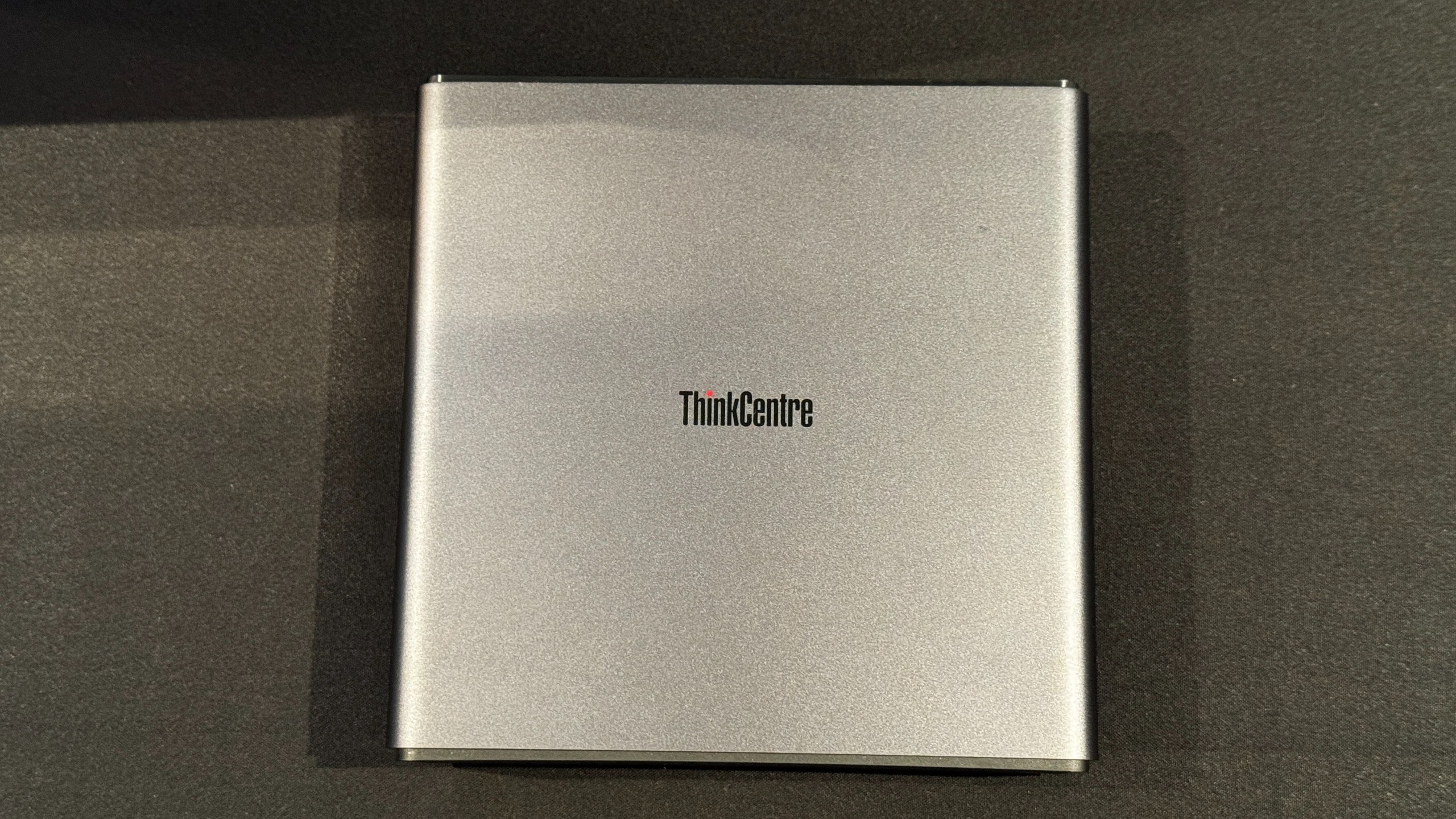
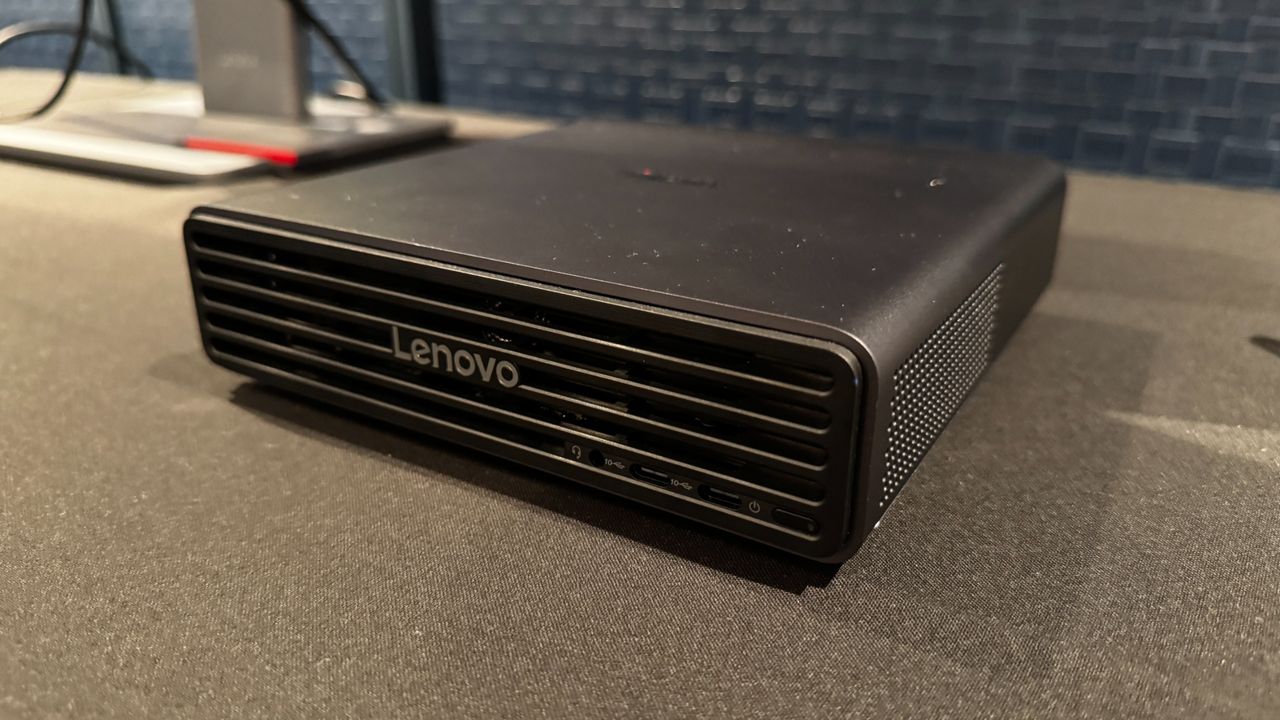
Lenovo ThinkCentre X Ultra packs Gorgon Halo — AMD Ryzen AI Max+ Pro 495 shows up in mini workstation

AMD's Gorgon Halo is breaking cover at IFA. Ahead of the show, Lenovo revealed the ThinkCentre X Ultra with up to an AMD Ryzen AI Max+ Pro 495 processor, with an integrated AMD Radeon 8065S GPU, and 128GB of RAM.

The system is set to release in November 2026 with an "expected" starting price of $3,669, which is surely not for the top-end model.

ThinkCentre X Ultra

(Image credit: Tom's Hardware)

CPU

Up to AMD Ryzen AI Max+ Pro 495 processor

GPU

Up to Integrated AMD Radeon 8065S Graphics with up to 96GB of dedicated graphics

memory

Memory

Up to 128GB LPDDR5x-8533, soldered

Storage

Up to 2× 4TB M.2 2280 Gen5 Performance SSD

NPU

Up to 55 TOPS

Networking

Wi-Fi 7 (RealTek or MediaTek), Bluetooth 5.4

Dimensions

7.2 × 7.2 × 2 inches (183 × 183 × 51 mm)

Availability

November 2026

Starting Price

$3,699.00

The system is fairly compact at 7.2 x 7.2 x 2 inches, about two inches longer than a Mac Mini on either side. The front of the system features two 10GBps USB-C ports and a headphone jack. The back boasts DisplayPort 2.1 and HDMI 2.1, two 10GBps USB Type-A ports, a pair of Thunderbolt 4 ports (USB 40GBps, rare on AMD platforms), a 10Gb Ethernet jack, and a punch-out port to add additional output. Lighting on the system that you can see through the front air intakes shows the system status at a glance.

ThinkCentre X Ultra

(Image credit: Tom's Hardware)

Lenovo is offering both Linux and Windows options. The system will come with AMD Ryzen AI Developer Center, which includes preconfigured AI models and tools, as well as example workflows to use. Up to four ThinkCentre X Ultras can be used in a cluster to run larger models, more agents, extra requests, or longer context windows.

Lenovo and AMD are set to have some competition in the mini PC space this year, as Nvidia is launching systems with its RTX Spark from OEM companies sometime this fall.

❌